Part 2: Turning emission reductions into credits

Part 2: Turning emission reductions into credits

24/09/2026
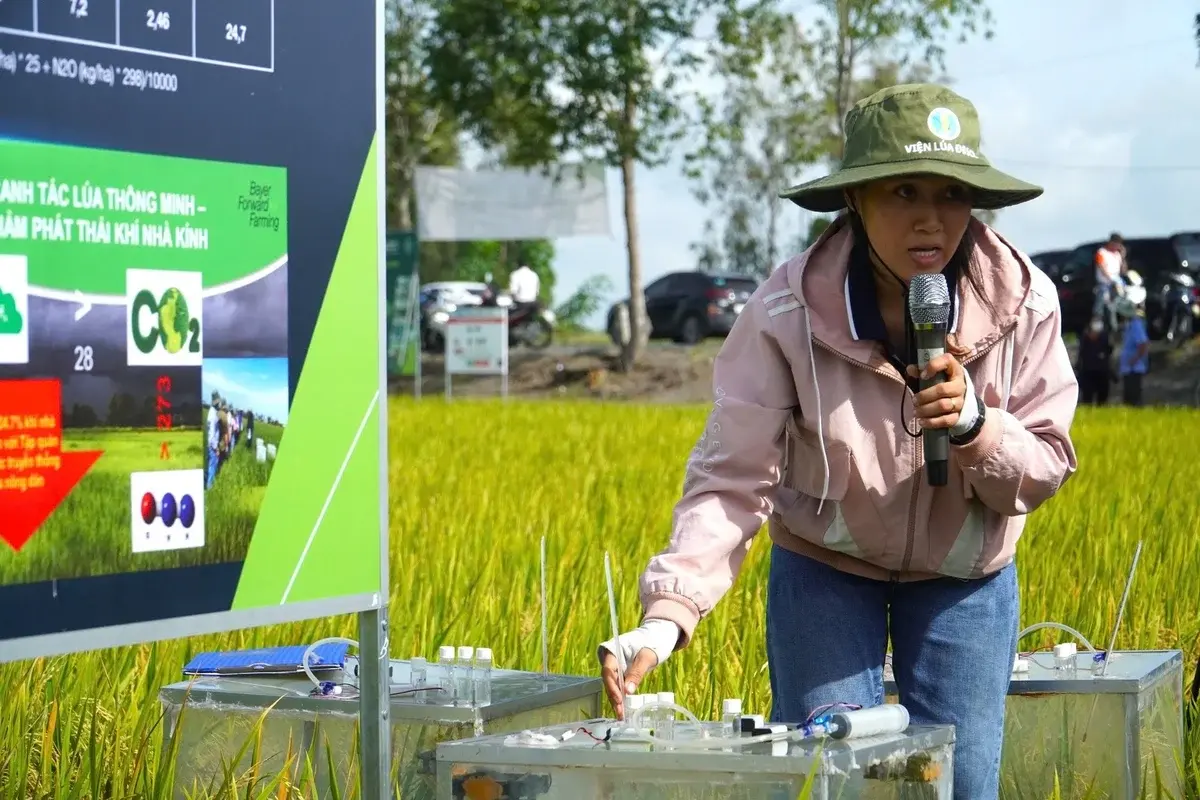
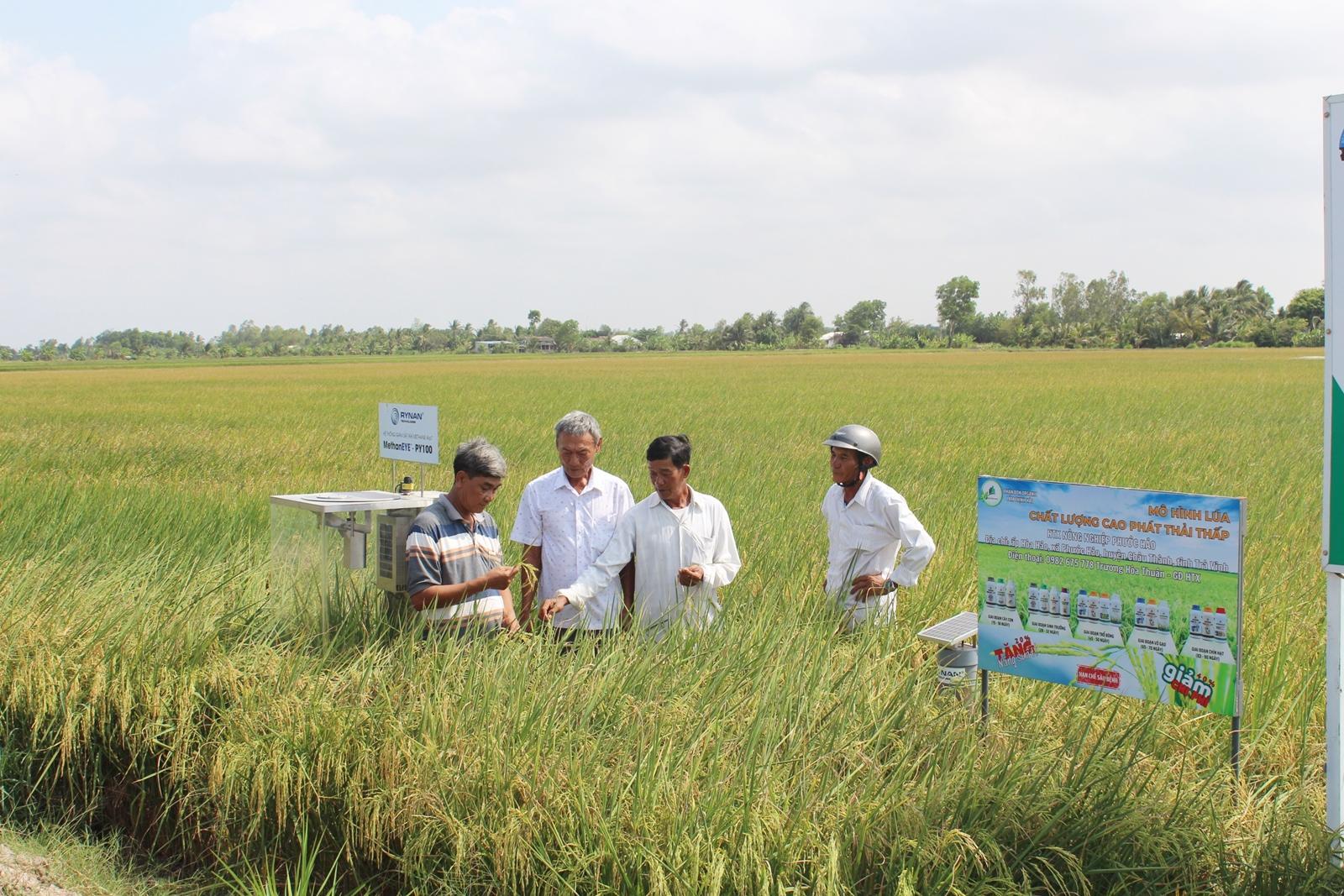
Viet Nam has significant potential to reduce methane emissions from rice production, but this potential does not automatically translate into carbon credits that can be sold in international markets. To generate real value, the rice value chain must overcome bottlenecks related to methodologies, water management, data, production organization, and benefit-sharing with farmers.
  • Part 2 - Carbon exchange: A test of market functioning

    Part 2 - Carbon exchange: A test of market functioning

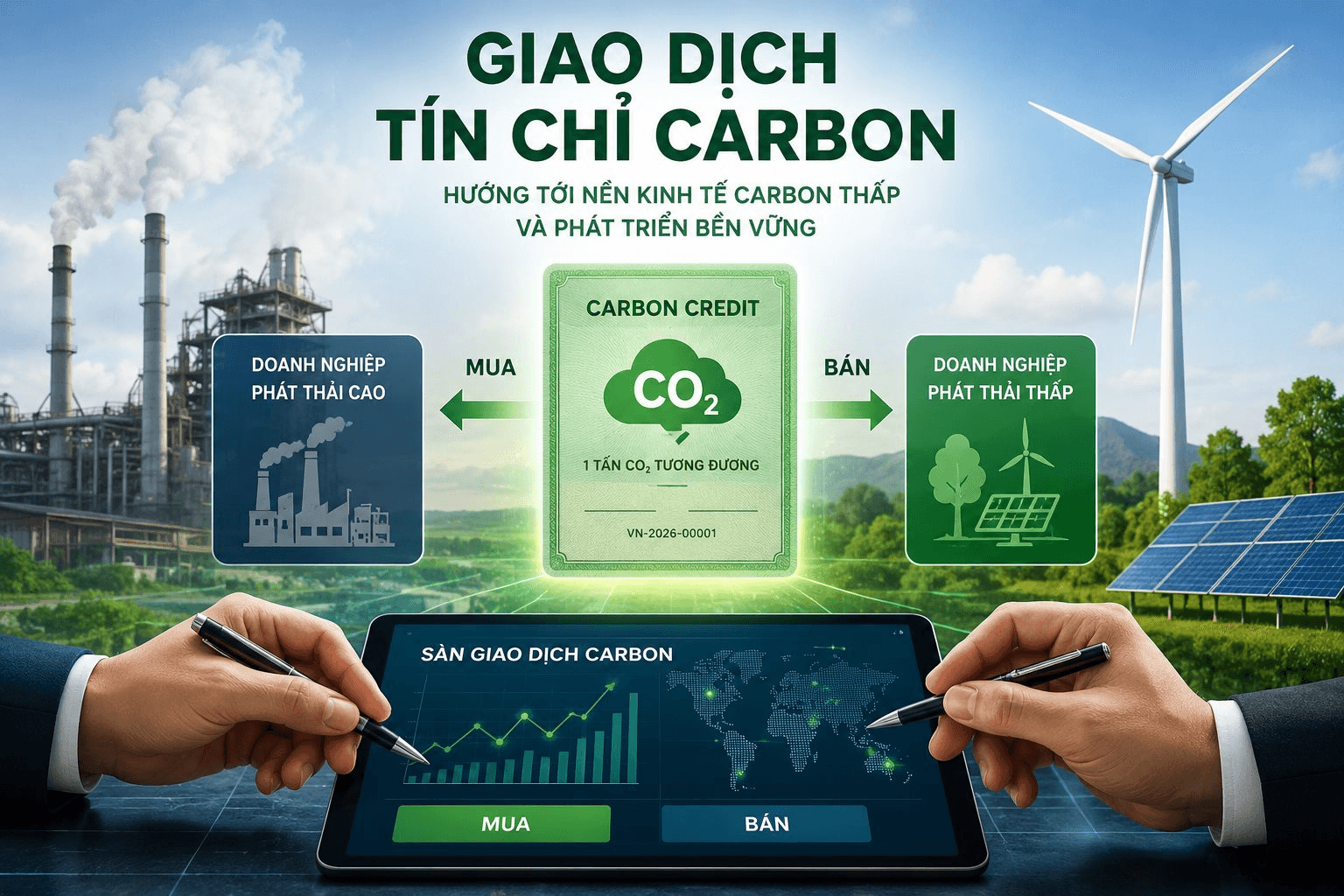
    The centralized carbon exchange officially began operations at the Hanoi Stock Exchange (HNX) on June 29, 2026, marking a new phase for Viet Nam’s carbon market, as its institutional framework begins to be tested through actual trading. But putting an exchange into operation does not mean that a fully functioning market has already emerged. The exchange will prove its value only when carbon commodities enter circulation, supply and demand genuinely meet, prices generate meaningful economic signals, and trading is underpinned by reliable institutional infrastructure.
  • Part 1: Carbon pricing and the rationale for a domestic carbon market

    Part 1: Carbon pricing and the rationale for a domestic carbon market

    Viet Nam is entering a new phase in the development and pilot operation of its domestic carbon market, bringing greenhouse gas emissions increasingly into economic decision-making. The creation of this new market is not simply about establishing a mechanism for trading emissions allowances and carbon credits. More fundamentally, it is about creating an economic signal for emissions that can encourage businesses to adopt new technologies, use resources more efficiently and invest in emissions reduction.
  • Viet Nam’s carbon market: Building a transparent, well-functioning market

    Viet Nam’s carbon market: Building a transparent, well-functioning market

    Viet Nam’s carbon market is entering its pilot phase, with initial foundations established in terms of the legal framework, data, trading infrastructure, and regulatory mechanisms. At the Viet Nam Carbon Forum 2026, held in August 2026, policymakers, experts, and representatives of relevant organizations emphasized the need to further improve emissions data, trading infrastructure, corporate carbon management capacity, and mechanisms for establishing price signals. These elements are essential to laying the foundation for a transparent, well-functioning, and efficient carbon market.
  • Experts highlight Viet Nam’s roadmap for green transition in refrigeration sector

    Experts highlight Viet Nam’s roadmap for green transition in refrigeration sector

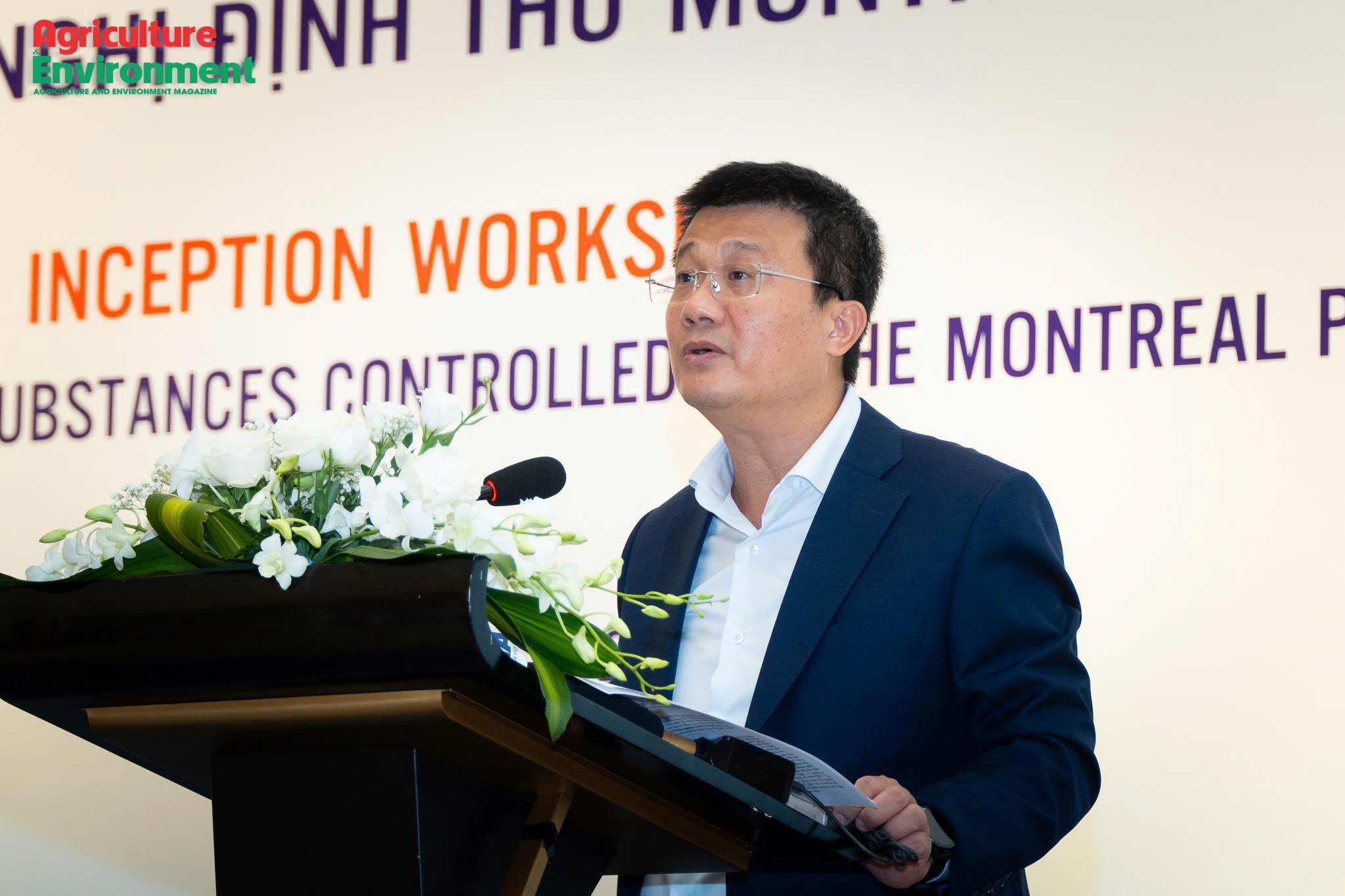
    Experts, policymakers, representatives of international organizations, vocational education and training institutions, and businesses shared perspectives on Viet Nam’s roadmap for fulfilling international commitments, advancing technology transformation, developing green workforce capacity, and strengthening the management of controlled substances at the inception workshop of the sustainable management of controlled substances under the Montreal protocol project (SMS-MP) held in Hanoi on July 24.
  • Refrigeration technology transition gains momentum under Montreal protocol

    Refrigeration technology transition gains momentum under Montreal protocol

    Climate-friendly, energy-efficient refrigeration technologies have become a key priority for Viet Nam as it implements its commitments under the Montreal protocol and the Kigali amendment. At the inception workshop on the sustainable management of Montreal protocol substances project (SMS-MP) on July 24, government agencies, international partners and businesses discussed coordinated measures on technology, policy and workforce development to support the country's transition.
  • Viet Nam launches domestic carbon exchange to establish carbon pricing

    Viet Nam launches domestic carbon exchange to establish carbon pricing

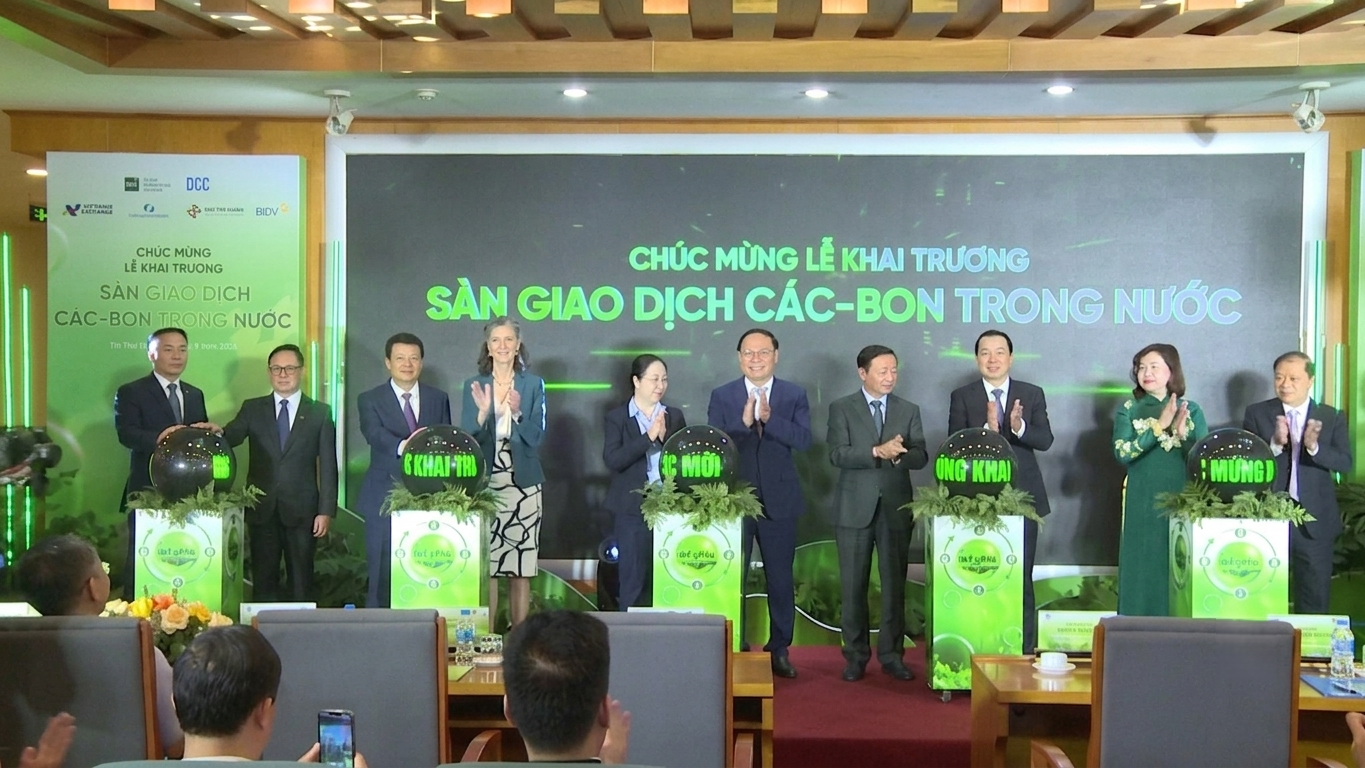
    On June 29, Viet Nam officially launched its domestic carbon exchange at the Hanoi Stock Exchange (HNX), marking a significant step in the country’s roadmap to establish a national carbon market. For the first time, greenhouse gas emission allowances and carbon credits are being traded on a centralized official platform, turning carbon—previously treated as a difficult-to-quantify environmental factor—into a tradable commodity with measurable economic value.
  • Viet Nam joins Southeast Asia’s race to build a carbon market

    Viet Nam joins Southeast Asia’s race to build a carbon market

    As the global economy moves deeper into the Net Zero era, Viet Nam is emerging as one of Southeast Asia’s most ambitious countries in developing a large-scale carbon market. Beyond reducing greenhouse gas emissions, the strategy reflects a broader effort to restructure the economy toward a greener and more sustainable growth model while strengthening the country’s competitiveness in an era when carbon is increasingly becoming a new measure of value in international trade.
  • Nghe An agricultural extension official on helping farmers adapt to climate change

    Nghe An agricultural extension official on helping farmers adapt to climate change

    As the impacts of climate change become increasingly evident, extreme weather events are directly affecting livelihoods and agricultural production. In response, the Nghe An Provincial Agricultural Extension Center has implemented a range of measures to support farmers, strengthen adaptive capacity, and promote more sustainable agricultural production.
  • Rice carbon credits: A green revolution in the fields

    Rice carbon credits: A green revolution in the fields

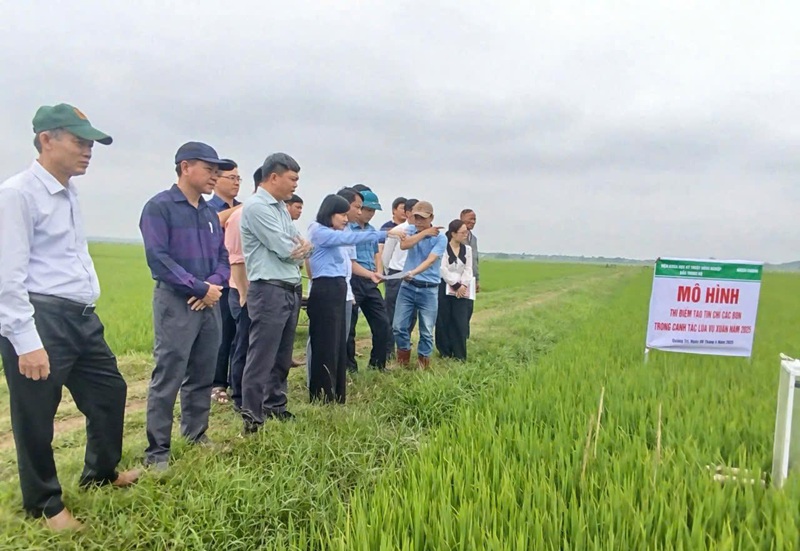
    From low-emission rice farming to carbon finance, Quang Tri province is cultivating a new ecosystem in which rice becomes a green asset, contributing to Vietnam’s green growth strategy and its adaptation to climate change. Rice is not only a staple crop ensuring national food security but also a key driver of Vietnam’s strategy for green growth and climate resilience. Quang Tri is now piloting a project on rice-field carbon credits with promising early outcomes.
  • Experts and policymakers on Vietnam’s path to Net Zero

    Experts and policymakers on Vietnam’s path to Net Zero

    On October 15-16, a training course on “Enhancing press and media capacity for carbon neutrality” was held in Nghe An Province, gathering policymakers, experts, enterprises, and journalists. The event focused on sharing experiences, solutions, and strategies for Vietnam’s Net Zero commitments. Contributions from managers, specialists, and business representatives highlighted that achieving carbon neutrality by 2050 requires coordinated action across policy, agriculture, business, and media sectors.
  • Thanh Hoa: Low-emission rice production towards carbon credit agriculture

    Thanh Hoa: Low-emission rice production towards carbon credit agriculture

    Producing low-emission rice to generate carbon credits is not only an inevitable trend but also an opportunity for Thanh Hoa farmers to enhance the value of rice grains, increase their income, and contribute to Vietnam’s commitment to achieving net-zero emissions by 2050 under COP26. Recognizing this, Thanh Hoa Province has identified low-emission rice production and carbon credit generation as both a strategic necessity and a valuable opportunity — to raise the economic value of rice, improve farmers’ livelihoods, and advance the national net-zero target.
  • Carbon credits and forest protection in Quang Tri: An interview with Mr. Tran Quoc Tuan, Director of the Provincial Department of Agriculture and Environment

    Carbon credits and forest protection in Quang Tri: An interview with Mr. Tran Quoc Tuan, Director of the Provincial Department of Agriculture and Environment

    The Emission Reductions Payment Agreement (ERPA) for the North Central Region marks a major step in piloting and scaling forest carbon finance in Viet Nam. Beyond contributing to national emission-reduction goals, ERPA delivers socio-economic benefits to local people—especially communities whose livelihoods depend on forests.
  • Sustainable cooling: An urgent solution for Vietnamese cities in the era of extreme heat

    Sustainable cooling: An urgent solution for Vietnamese cities in the era of extreme heat

    With initial achievements from sustainable cooling cooperation in several pilot cities, Vietnam now has an important opportunity to mobilize green finance, reduce energy costs, and protect public health against increasingly severe heatwaves. At the meeting on “Reviewing cooperation on climate-friendly, energy-efficient cooling solutions to address extreme heat in urban areas of Vietnam,” held on 28 August by the Department of Climate Change (Ministry of Agriculture and Environment) in collaboration with the United Nations Environment Programme (UNEP) and the Global Green Growth Institute (GGGI), experts, policymakers, and development partners shared a wide range of practical perspectives. The discussions not only identified challenges but also offered policy, financial, and partnership options to help scale up sustainable cooling solutions nationwide.
  • Finalizing the low-emission crop production plan amid Vietnam’s Net Zero commitment

    Finalizing the low-emission crop production plan amid Vietnam’s Net Zero commitment

    The Ministry of Agriculture and Environment is accelerating the finalization of the “2025-2030 low-emission crop production plan” to operationalize Vietnam’s roadmap toward achieving Net-Zero greenhouse gas (GHG) emissions by 2050. The Plan focuses on transforming production models to reduce emissions, enhance resource efficiency, and improve the competitiveness of Vietnamese agricultural products in an increasingly green-conscious global market.
  • Shaping a sustainable future for Vietnam’s rice sector

    Shaping a sustainable future for Vietnam’s rice sector

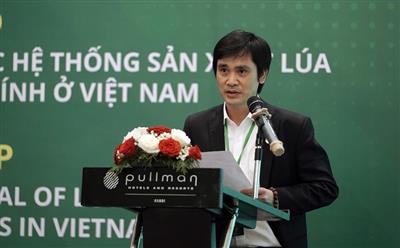
    On May 19 in Hanoi, the international workshop “Assessing the role and potential of low-emission rice production systems in Vietnam” marked a significant milestone in the country’s efforts to promote sustainable rice production that aligns with climate adaptation and national emission reduction commitments. The event gathered leading experts, government officials, businesses, cooperatives, and development partners to foster multi-stakeholder collaboration and share solutions for a greener, more efficient rice industry.
  • Vietnam-Japan: Promoting cooperation in implementing the Joint Crediting Mechanism (JCM)

    Vietnam-Japan: Promoting cooperation in implementing the Joint Crediting Mechanism (JCM)

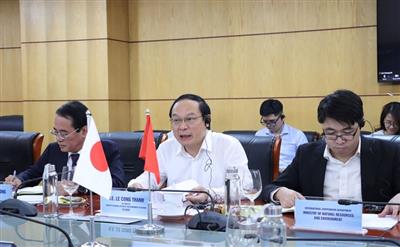
    On October 31, the 9th meeting of the Joint Committee for implementing the Joint Crediting Mechanism (JCM) between Vietnam and Japan was held at the headquarters of the Ministry of Natural Resources and Environment (MONRE). Deputy Minister of MONRE Le Cong Thanh and Deputy Ambassador of Japan to Vietnam, Ishikawa Isamu, co-chaired the meeting.
  • Reducing greenhouse gas emissions in livestock farming: Challenges and opportunities

    Reducing greenhouse gas emissions in livestock farming: Challenges and opportunities

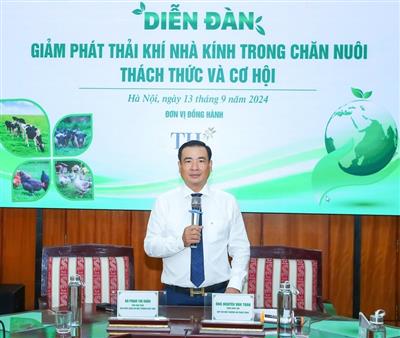
    On September 13, 2024, the Viet Nam Association For Safe Water and Environmental and the Magazine of Environment and Life, with the support of TH Group Joint Stock Company, organized the forum: "Reducing greenhouse gas emissions in livestock farming: Challenges and opportunities."