



 Using waste ethylene-vinyl acetate (EVA) shoe soles and vulcanized rubber—materials traditionally considered difficult to recycle—a research team from the School of Materials Science and Engineering at Hanoi University of Science and Technology has successfully developed a fully recycled composite material, creating potential new applications in green manufacturing and sustainable industrial production. The study not only contributes to addressing industrial waste challenges but also highlights Vietnam’s growing research and innovation capacity in sustainable materials and the circular economy.
Addressing circular economy challenges
As countries worldwide seek solutions to reduce waste generation, conserve resources, and promote green growth, research on recycled materials has become a major area of scientific and technological interest. In line with this global trend, Vietnamese scientists have reported the successful development of a composite material manufactured entirely from waste EVA shoe soles and vulcanized rubber, offering a potential new approach to circular material use.
The study, entitled “Fabrication of fully recycled composites from EVA shoe sole waste and rubber waste via peroxide vulcanization toward sustainable applications,” was conducted by researchers from the Department of Applied Chemical Materials, School of Materials Science and Engineering, Hanoi University of Science and Technology. The research team includes Le Quang Minh, Ha Mai Linh, Dong Thi Ngoc Anh, Tran Thu Hong, Le Ngoc Anh, Do Quoc Viet, Huynh Trung Hai, and Doan Anh Vu.
Beyond its scientific significance, the research reflects ongoing efforts by Viet Nam’s scientific community to develop practical solutions to environmental challenges associated with industrialization.
Transforming waste into new resources
Viet Nam’s footwear industry is one of the country’s leading export sectors, generating tens of billions of U.S. dollars in annual export revenue and positioning Viet Nam among the world’s largest footwear producers and exporters. However, this rapid growth has also resulted in substantial quantities of industrial waste.
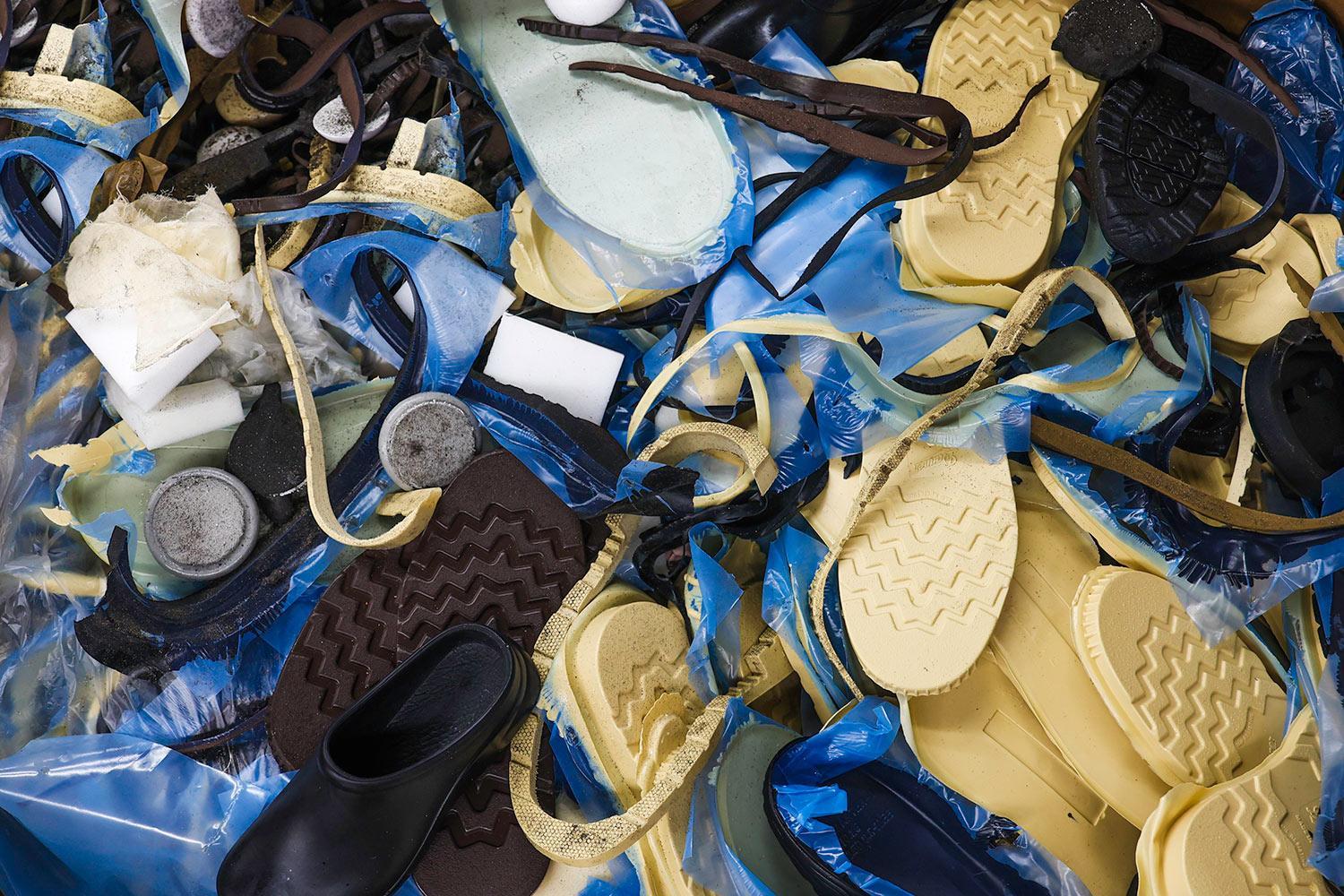
Among these industrial waste streams, EVA shoe sole waste and vulcanized rubber are particularly difficult to manage. Owing to the stable cross-linked structure of their polymer networks, these materials cannot be readily recycled using conventional methods. As a result, most are disposed of through landfilling or incineration, increasing environmental pressures and contributing to greenhouse gas emissions.
Recognizing the untapped potential of these waste materials, the research team at Hanoi University of Science and Technology focused on developing a solution capable of fully recycling industrial waste into new materials with practical value.
A distinctive feature of the study is that all input materials were derived entirely from waste sources. Without incorporating virgin plastics or virgin rubber, the researchers demonstrated that waste materials can be reintroduced into production cycles when appropriate technologies are applied.
This approach embodies the core principle of the circular economy: transforming waste into resources, extending material life cycles, and reducing dependence on virgin natural resources.
Recycling technology for sustainable applications
To achieve this objective, the researchers employed peroxide vulcanization technology to restructure polymer linkages within the waste materials. Through processing and blending, finely ground EVA and vulcanized rubber particles were able to re-establish bonding interactions, resulting in a new composite material with mechanical properties suitable for a variety of applications.
The study found that the recycled composite exhibited promising mechanical performance. Moreover, its properties could be tailored by adjusting the blending ratios of the constituent materials.
According to the authors, the material has potential applications in the manufacture of recycled shoe soles, acoustic insulation materials, thermal insulation products, industrial underlays, vibration-damping materials, and various engineering products for construction and civil applications.
Importantly, the recycling process not only reduces the volume of waste requiring disposal but also decreases demand for virgin raw materials—an approach increasingly recognized as an important strategy for reducing carbon emissions from industrial production.
Supporting the sustainable development goals
More broadly, the research emerges at a time when the global community is accelerating the transition toward low-carbon and circular economies.
According to international organizations, the global footwear industry generates substantial amounts of waste annually, while recycling rates remain relatively low. This situation underscores the urgent need for technological solutions capable of effectively recycling and recovering complex materials that have traditionally been regarded as difficult to recycle.
In this context, the successful production of a composite material from 100% recycled EVA and rubber waste may have relevance not only for Viet Nam but also as a technological approach for countries seeking sustainable industrial waste management solutions.
The research is also aligned with the United Nations Sustainable Development Goals (SDGs), particularly those related to sustainable consumption and production, industry innovation, and climate action.
For Viet Nam, the study illustrates the increasingly important role of science and technology in advancing national commitments to green growth, circular economy development, and the achievement of net-zero emissions by 2050.
Reflecting Viet Nam’s growing research and innovation capacity
In recent years, Viet Nam has steadily strengthened its position in the fields of advanced materials research, environmental technologies, and sustainable development. Increasingly, research initiatives are moving beyond laboratory-scale experimentation toward practical applications that address real-world challenges arising from economic development.
The work conducted by the research team from the School of Materials Science and Engineering at Hanoi University of Science and Technology represents a notable example of this trend. By utilizing materials previously regarded as little more than waste, the scientists have created a new material with potential applications across multiple manufacturing sectors.
The study also highlights the growing capacity of Vietnamese researchers to develop technology-based approaches to sustainable development challenges.
As the global economy undergoes a profound transition toward greener development pathways, studies such as this suggest that Viet Nam is increasingly contributing research and technological solutions to global discussions on sustainable development and resource efficiency.
By transforming discarded shoe sole fragments and waste rubber into new materials, the researchers have demonstrated how innovation can support resource efficiency, reduce waste, and contribute to more sustainable production systems.
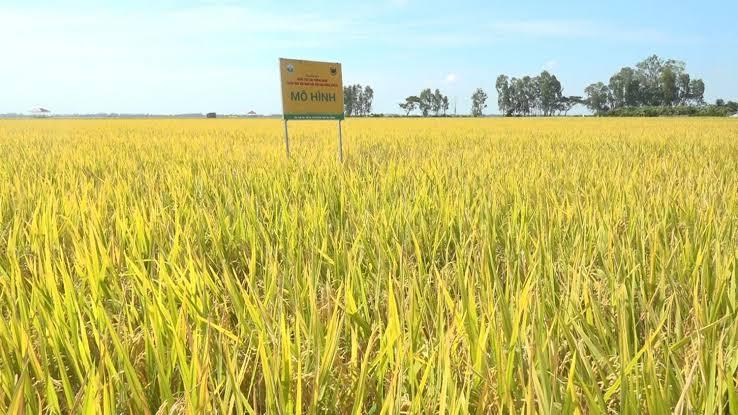
Whether rice paddy fields are inundated or dry produces distinct signatures in radar imagery. Building on this characteristic, researchers from the Southern Institute of Water Resources Research and the Vietnam National Space Center, Viet Nam Academy of Science and Technology, tested a method for detecting inundation in rice paddy fields in An Giang Province, providing an additional source of data for monitoring water regimes and estimating methane emissions from rice cultivation.
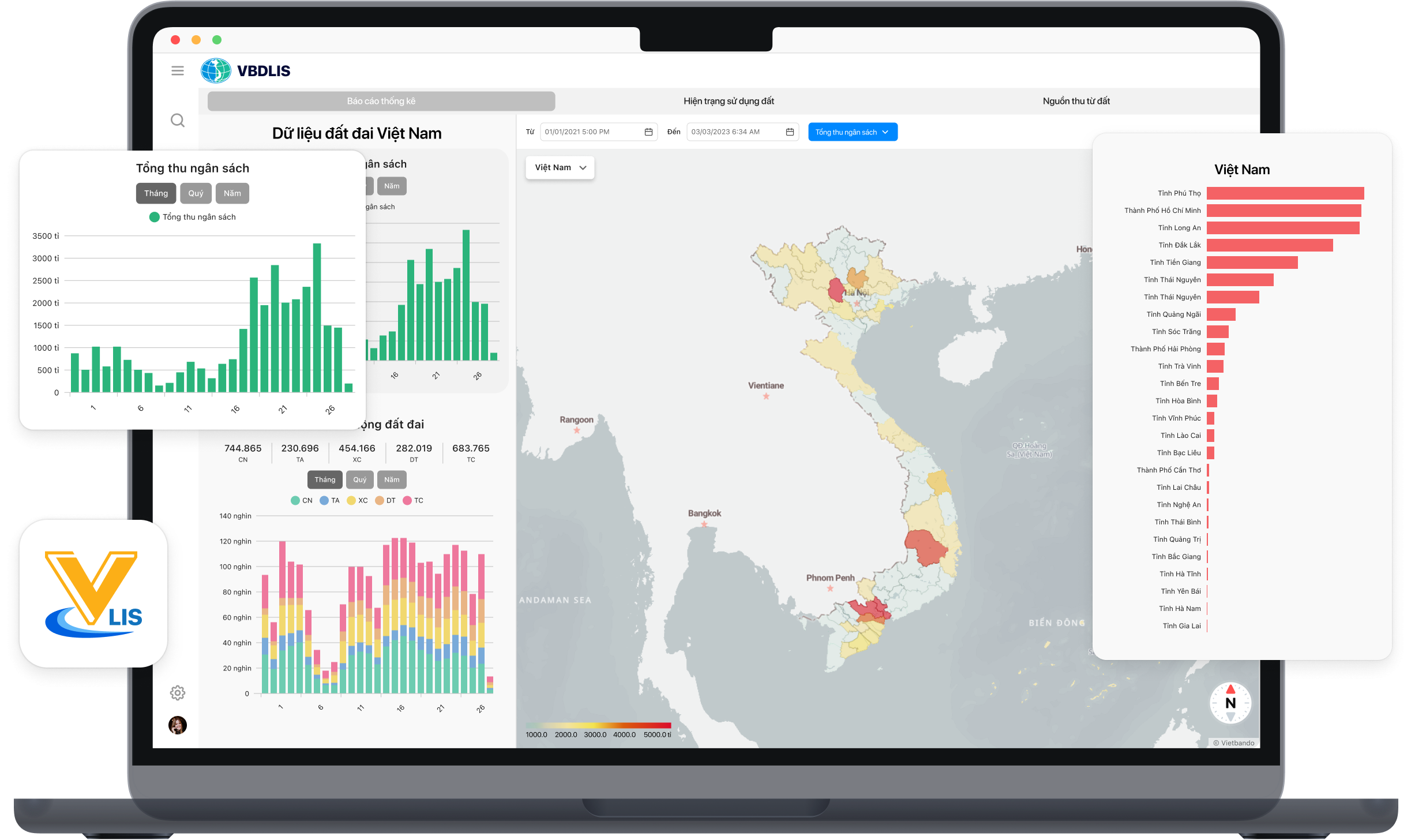
A land database can fully realize its value only when its data are accurate, complete, clean, up to date, and capable of being connected to and shared across the state management system. A study by Nguyen Dinh Trung of Vietnam National University of Agriculture and Nguyen Quang Thi of Thai Nguyen University of Agriculture and Forestry shows that applying VBDLIS in Nghe An province provided substantial support for organizing, reviewing, supplementing, synchronizing, and utilizing land data during the campaign to enrich and clean the national land database.

As digital transformation becomes a new driver of development, Vietnamese researchers have proposed a planning information system model that applies Geographic Information Systems (GIS) and artificial intelligence (AI) in Vinh Long Province. The research contributes to modernizing planning administration while introducing a new approach to digital government and data-driven governance in Viet Nam.

The research project entitled “Development of a suitability map for Arabica coffee cultivation on sloping land in Dien Bien province using remote sensing data, GIS technology, and the analytic hierarchy process (AHP)” conducted by Dinh Xuan Hung, Bui Tuan Hai, and Nguyen Ngoc Sang of the Institute of Water Resources Planning represents a scientifically and practically significant study in the context of ongoing agricultural restructuring toward sustainable production systems that are better adapted to natural conditions and capable of utilizing land resources more efficiently in Viet Nam’s Northern midlands and mountainous region.
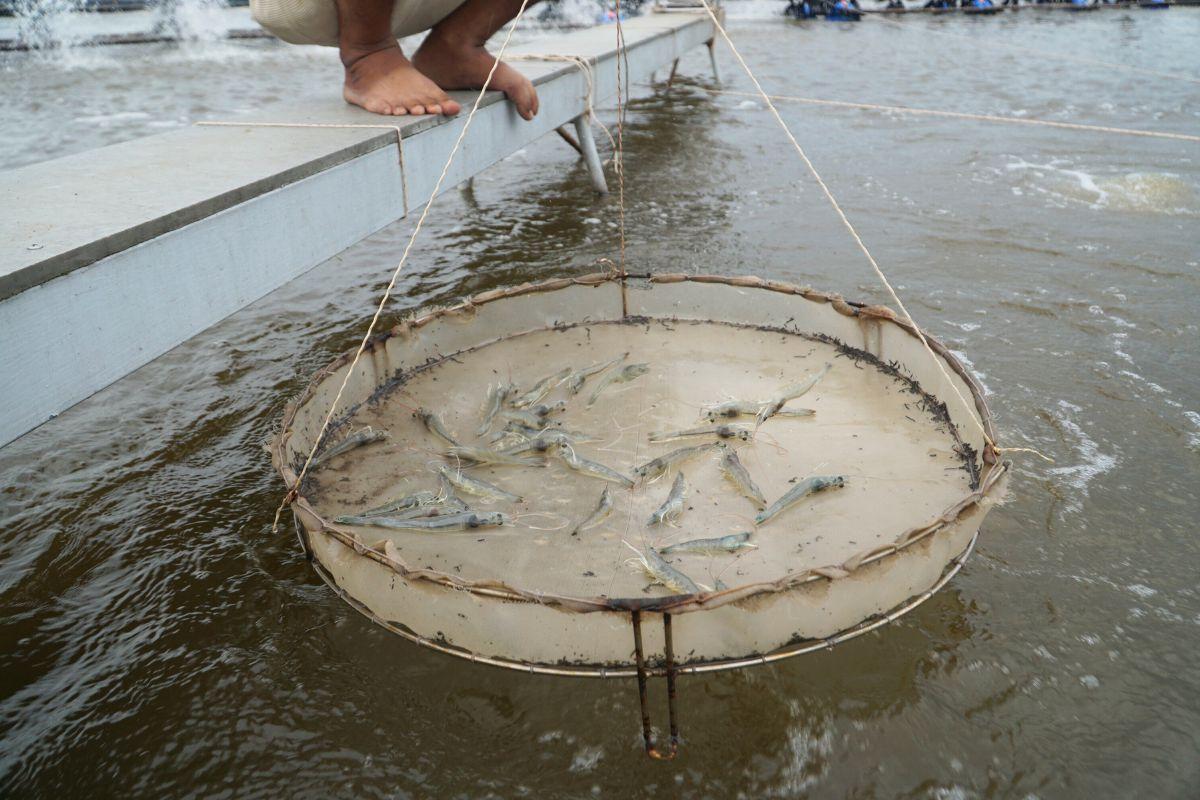
Intensive shrimp farming generates substantial economic benefits but also exerts increasing pressure on aquatic environments, particularly through wastewater rich in organic matter and toxic byproducts generated during farming operations. In the context where many shrimp farms still lack appropriate wastewater treatment systems, a research team from Can Tho University and Toan Viet Technological Environment Company Limited conducted an experimental study to assess the potential use of fishing nets—a readily available, low-cost material—as a filter material for biological treatment of wastewater from intensive shrimp ponds.