


 Viet Nam and the United Kingdom are seeking to deepen cooperation in agriculture and the environment, with a focus on expanding trade in agricultural, forestry and fishery products, strengthening forest governance, conserving biodiversity and addressing climate change. A November 11 meeting between Deputy Minister of Agriculture and Environment Nguyen Quoc Tri and Baroness Hayman of Ullock, Parliamentary Under-Secretary of State at the UK's Department for Environment, Food & Rural Affairs, highlighted the need to translate bilateral commitments into concrete cooperation programs with clear coordination mechanisms and implementation responsibilities.
On the afternoon of November 11, Deputy Minister of Agriculture and Environment Nguyen Quoc Tri met with Baroness Hayman of Ullock, Parliamentary Under-Secretary of State at the Department for Environment, Food & Rural Affairs (Defra), and her delegation. The two sides discussed ways to expand trade in agricultural, forestry and fishery products, address market-access barriers and strengthen cooperation on forest governance, biodiversity conservation and climate change response.
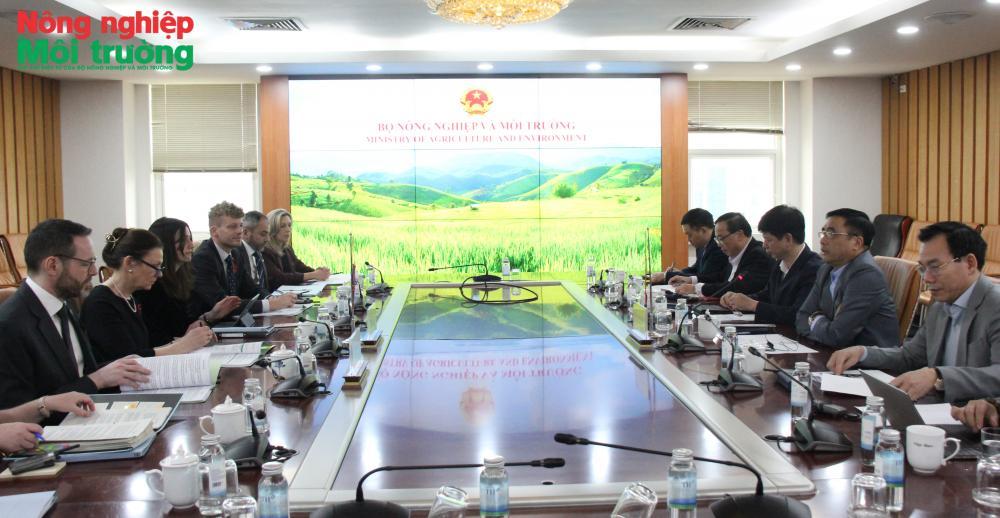
The meeting took place amid a new phase in relations between Viet Nam and the United Kingdom. In October 2025, the two countries upgraded their relationship to a Comprehensive Strategic Partnership. The joint statement identified cooperation on the environment, energy and the green transition as key priorities, highlighting climate risk management, the integration of adaptation objectives into sectoral planning, financing for disaster risk reduction, biodiversity conservation and the development of Viet Nam's forest carbon market.
Notably, during a working visit to the United Kingdom from August 27-29, 2026, a delegation from the Ministry of Agriculture and Environment led by Minister Trinh Viet Hung agreed on a long-term cooperation framework. Minister Trinh Viet Hung and UK Secretary of State for Environment, Food and Rural Affairs Angela Eagle signed a memorandum of understanding covering agriculture, the environment, climate change and sustainable development. The memorandum provides a basis for closer coordination, more effective use of existing trade agreements and the resolution of technical barriers to market access.
Against this backdrop, the November 11 meeting sought to translate cooperation priorities established at the senior government and ministerial levels into concrete actions and clarify the tasks to be undertaken by the relevant agencies of both countries.
Market access at the center of agricultural trade cooperation
At the meeting, both sides highlighted the complementary strengths of Viet Nam's and the UK's agricultural sectors. According to Deputy Minister Nguyen Quoc Tri, Viet Nam has approximately 27 million hectares of agricultural land, providing favorable conditions for diversified commercial agriculture. Agriculture contributes about 12% of national GDP. In 2025, Viet Nam's agricultural exports exceeded US$71 billion. These strengths provide an important foundation for expanding trade, attracting investment and developing higher-value supply chains.
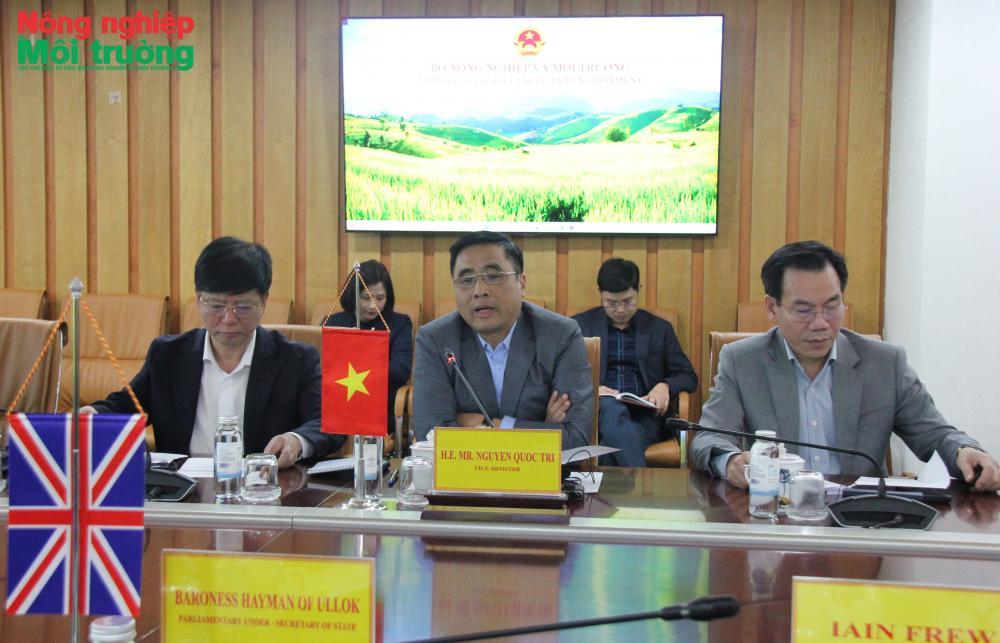
Baroness Hayman of Ullock noted that bilateral trade between the two countries reached US$1 billion for the first time in 2025, supported by the Vietnam-UK Free Trade Agreement (UKVFTA) and the Comprehensive and Progressive Agreement for Trans-Pacific Partnership (CPTPP).
The UKVFTA, which entered into force in 2021, and the UK's accession to the CPTPP, which took effect in December 2024, have created additional opportunities for businesses in both countries to benefit from preferential market access and common trade rules.
Vietnamese agricultural products have established a presence in the UK market. Figures cited at the meeting included seafood exports valued at approximately £250 million, coffee exports exceeding £200 million and cashew exports worth more than £100 million. In 2026, the first shipment of Vietnamese guavas arrived at a UK port, opening up further opportunities for Vietnamese fresh fruit exports.
The UK side described the two countries' agricultural sectors as complementary, with many product groups not directly competing, creating potential benefits for businesses and consumers in both countries. However, this trade potential can only be fully realized if differences in sanitary and phytosanitary requirements, food safety regulations, testing procedures and market-access requirements are adequately addressed.
This issue also has broader policy implications for agricultural trade. Tariff preferences under free trade agreements can provide exporters with a price advantage, but they do not exempt products from meeting the technical requirements of importing markets. For agricultural products, requirements covering animal and plant quarantine, residue limits, food safety and traceability directly affect their eligibility for market entry.
Against this backdrop, the two sides discussed establishing specialized technical working groups to identify priority products for bilateral trade, clarify sanitary and phytosanitary requirements, testing procedures and quality standards, and facilitate business connections. Such mechanisms would help resolve obstacles at the technical level and reduce delays in processing applications caused by incomplete information or differing interpretations among regulatory agencies.
Deputy Minister Nguyen Quoc Tri said the Ministry of Agriculture and Environment would assign the Department of Livestock Production and Animal Health, the Department of Crop Production and Plant Protection, and the Department of Quality, Processing and Market Development to work with their UK counterparts. The agencies will review individual applications, identify missing information and address outstanding issues in accordance with regulations. Viet Nam also called on the UK to resolve similar obstacles facing Viet Nam's requests for market access for its agricultural products.
Importantly, the two sides approached the removal of trade barriers on a reciprocal basis. This provides a foundation for developing mutually beneficial trade relations, ensuring market access for businesses in both countries while maintaining necessary standards for human, animal and plant health and food safety.
Forest governance and traceability in sustainable supply chains
Beyond agricultural trade, forest governance, biodiversity conservation and climate change response are long-term priorities for cooperation between the two countries.
At the meeting, the UK expressed its willingness to continue sharing expertise and providing technical assistance to Viet Nam in forest management and protection, as well as nature conservation. The UK side also welcomed the Vietnamese Government's comments on its draft regulations on forest-risk commodities.
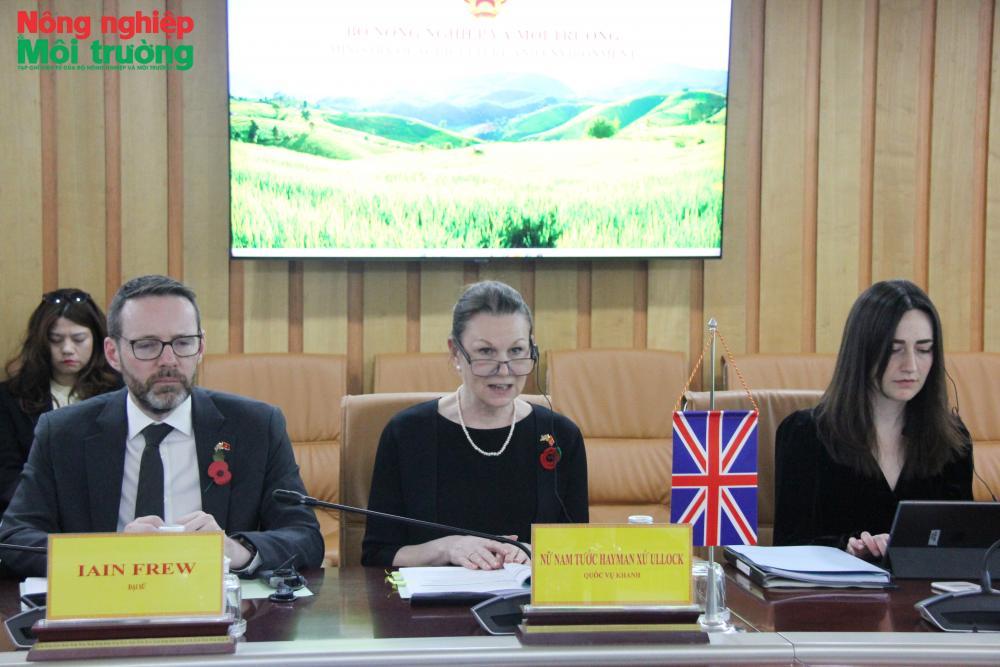
These discussions reflect the growing importance of legality and raw material traceability in international trade. On November 11, 2026, Defra launched a consultation on proposed due diligence requirements for timber and other forest-risk commodities in UK supply chains. The proposed scope covers coffee, cocoa, cattle products, soybeans, palm oil, rubber, timber and certain processed products derived from these commodities. Under the proposals, businesses covered by the rules would be required to establish due diligence systems to identify, assess and mitigate deforestation risks throughout their supply chains. The proposals remain under consultation and have not yet become law.
This policy development illustrates how environmental requirements are becoming increasingly closely linked to international trade. For Vietnamese exports such as coffee, rubber and timber products, the ability to demonstrate legal sourcing, provide information on production areas and ensure supply chain transparency will directly affect competitiveness. Cooperation on forest governance therefore extends beyond natural resource protection to strengthening the conditions for Vietnamese products to access international markets.
In this area, the UK is developing a new phase of cooperation with Viet Nam under the Forest Governance, Markets and Climate (FGMC) program. The program focuses on improving forest governance, ensuring timber legality and traceability, including through the implementation of the Viet Nam Timber Legality Assurance System (VNTLAS), and promoting sustainable forest product supply chains.
VNTLAS plays an important role in verifying the origin of forest products, preventing illegal logging and timber trading, and strengthening accountability among supply chain participants. Further improving and implementing the system will not only serve domestic regulatory needs but also provide a basis for Viet Nam to demonstrate the legality of its timber products in international markets.
Deputy Minister Nguyen Quoc Tri expressed interest in exploring the possibility of establishing a Voluntary Partnership Agreement (VPA) with the UK and called on forestry agencies in both countries to continue discussions to identify an appropriate way forward. Viet Nam is also ready to share proven experience and effective models, including its Payment for Forest Environmental Services (PFES) policy. The policy generates financial resources for forest management and protection while creating incentives for organizations, individuals and communities to participate in conserving forest ecosystems.
Exchanging experience on PFES could also create opportunities to explore more effective financing mechanisms for nature conservation. Given the limitations of state budget resources, mobilizing funding from those who benefit from ecosystem services is an important approach to ensuring the long-term financial sustainability of forest protection.
Building mechanisms to implement bilateral commitments
Cooperation between Viet Nam and the UK in agriculture and the environment extends beyond trade and forestry. The two sides also agreed to continue promoting collaboration on the just energy transition, forest finance, climate change adaptation, food safety and sustainable supply chain development.
These areas form part of the broader Comprehensive Strategic Partnership. The joint statement between the two countries identifies climate risk management, nature-based solutions, biodiversity conservation and the development of a forest carbon market as priority areas. Both sides also committed to strengthening technical assistance and official development assistance in areas aligned with green development, including climate-resilient agriculture, green finance, marine environmental protection and sustainable fisheries.
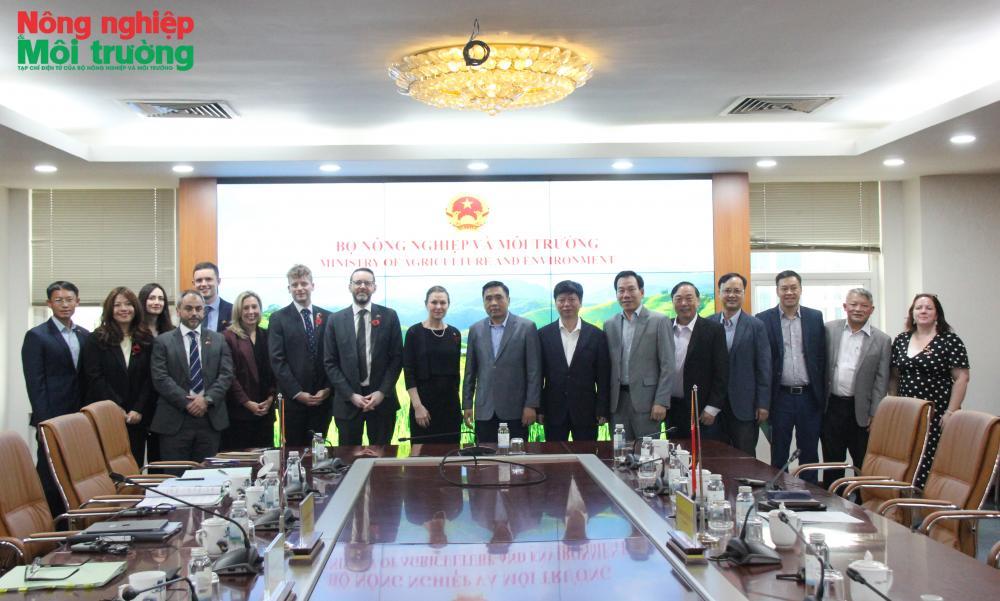
Linking these areas of cooperation is important because climate change affects agricultural production, rural livelihoods, forest resources, water resources and coastal ecosystems simultaneously. Adaptation measures therefore need to be integrated into sectoral and regional development planning rather than implemented through isolated projects. Similarly, forest and biodiversity conservation must be linked to community livelihoods, financing mechanisms and the development of responsible production chains.
At the meeting, Deputy Minister Nguyen Quoc Tri proposed that each side designate a focal point to facilitate information sharing, coordinate activities and maintain communication among relevant agencies. On Viet Nam's side, the Ministry of Agriculture and Environment's Department of International Cooperation will serve as the focal point, working with relevant agencies in both countries to develop specific work plans.
The proposal is intended to address a common challenge in international cooperation: individual projects may achieve results but lack mechanisms to connect, build on and scale up those outcomes after completion. With designated focal points, cross-sectoral issues can be referred to the appropriate agencies, implementation progress can be monitored, and cooperation programs can be aligned more closely with the sector's practical needs and the potential to mobilize resources from international partners.
For Viet Nam, diplomatic engagement in agriculture and the environment also plays an important role in connecting international knowledge, technology, regulatory standards and resources with domestic institutional development. Cooperation must simultaneously protect business interests, improve production capacity and meet environmental commitments. Requirements imposed by international markets should also be assessed selectively and translated into improvements in product quality, natural resource management and accountability among supply chain participants.
The two sides' agreement to pursue programs that can be scaled up and aligned with their respective development priorities and investment needs was a notable outcome of the meeting. It signals a longer-term approach to Viet Nam-UK cooperation, in which trade, natural resource governance and climate change response are treated as interconnected priorities.
The effectiveness of this cooperation will ultimately be reflected in the resolution of market-access barriers, stronger management and traceability systems, more effective mobilization of resources for forest protection and climate adaptation, and the practical expansion of successful cooperation models. These will also serve as measures of coordination capacity and the effectiveness of agricultural and environmental diplomacy in advancing the Viet Nam-UK Comprehensive Strategic Partnership.
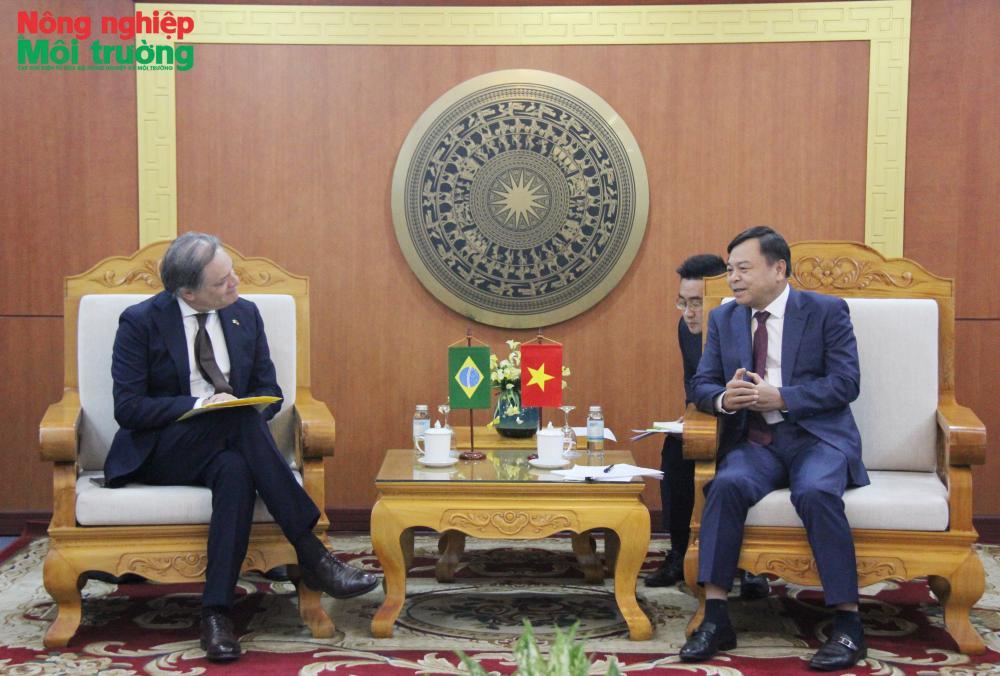
Viet Nam and Brazil have complementary strengths in agricultural, forestry and fishery trade. However, technical barriers, an uneven composition of bilateral trade and untapped potential for technological cooperation remain to be addressed. A meeting between Deputy Minister of Agriculture and Environment Nguyen Hoang Hiep and Brazilian Ambassador to Viet Nam Marcelo Paz Saraiva Câmara in Hanoi on November 11 underscored the need to translate commitments under the Strategic Partnership into concrete cooperation programs, linking improved market access with value addition and sustainable development.
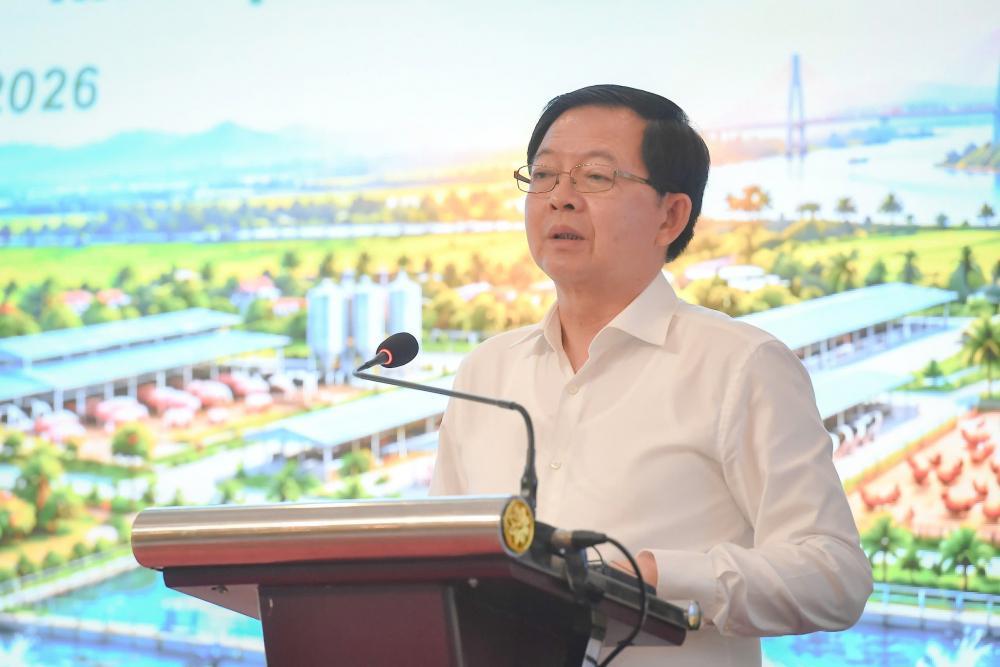
The conference on “Developing science, technology, innovation and digital transformation to support growth in Southern Viet Nam’s agricultural sector,” held on November 2 in Can Tho City, highlighted the need to reform how scientific and technological resources are organized and utilized in agriculture. Despite the region’s considerable advantages in production, research and investment, the commercialization of science and technology products remains limited, while agricultural value chains are not yet adequately integrated. Addressing these shortcomings is essential to making science and technology a genuine driver of productivity, added value and the competitiveness of agricultural products.
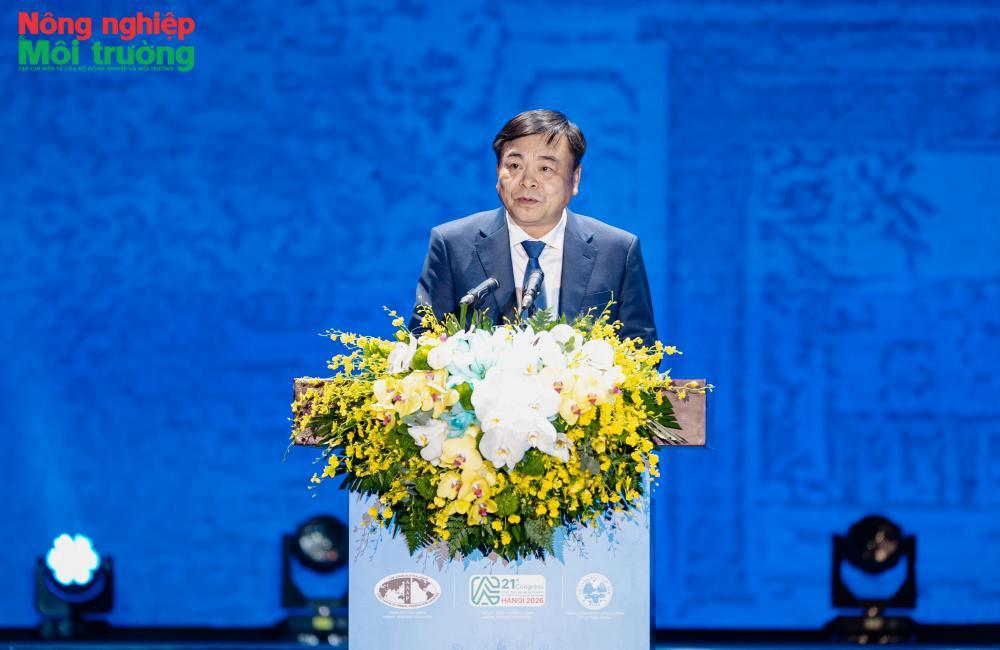
Held in Hanoi from October 28 to 31, 2026, the 21st Asian-Australasian Association of Animal Production Societies Animal Science Congress (AAAP 2026), under the theme “Sustainable animal production,” brought together scientists, policymakers and business representatives from 45 countries and territories. The congress featured 1,111 scientific papers selected by the organizers. Discussions highlighted the growing importance of disease resilience, reduced environmental impacts, more efficient resource use and improved production systems in achieving sustainable livestock development. Science and technology, institutional reform and international cooperation are central to addressing these challenges.
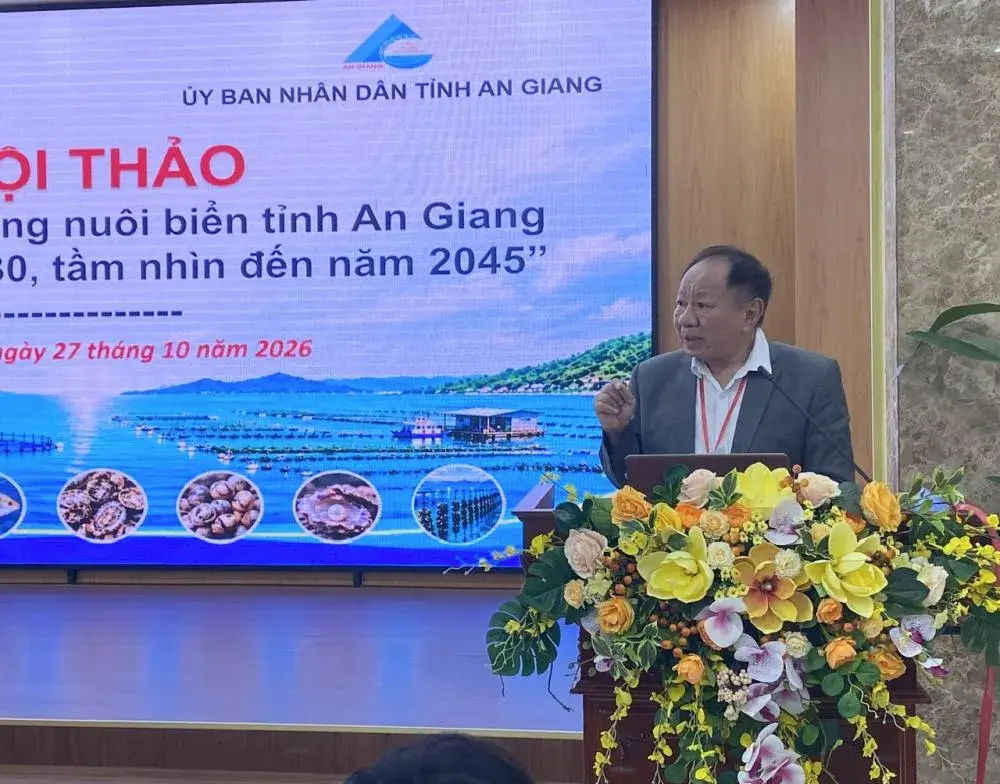
An Giang has extensive marine waters, numerous islands and considerable potential for development, giving the province an opportunity to transform marine aquaculture from fragmented, household-based operations into a modern economic sector. However, challenges involving spatial planning, investment capital, technology, seed supply, market linkages and environmental protection must be addressed in a coordinated manner to achieve the province’s targets for 2030 and its vision for 2045.
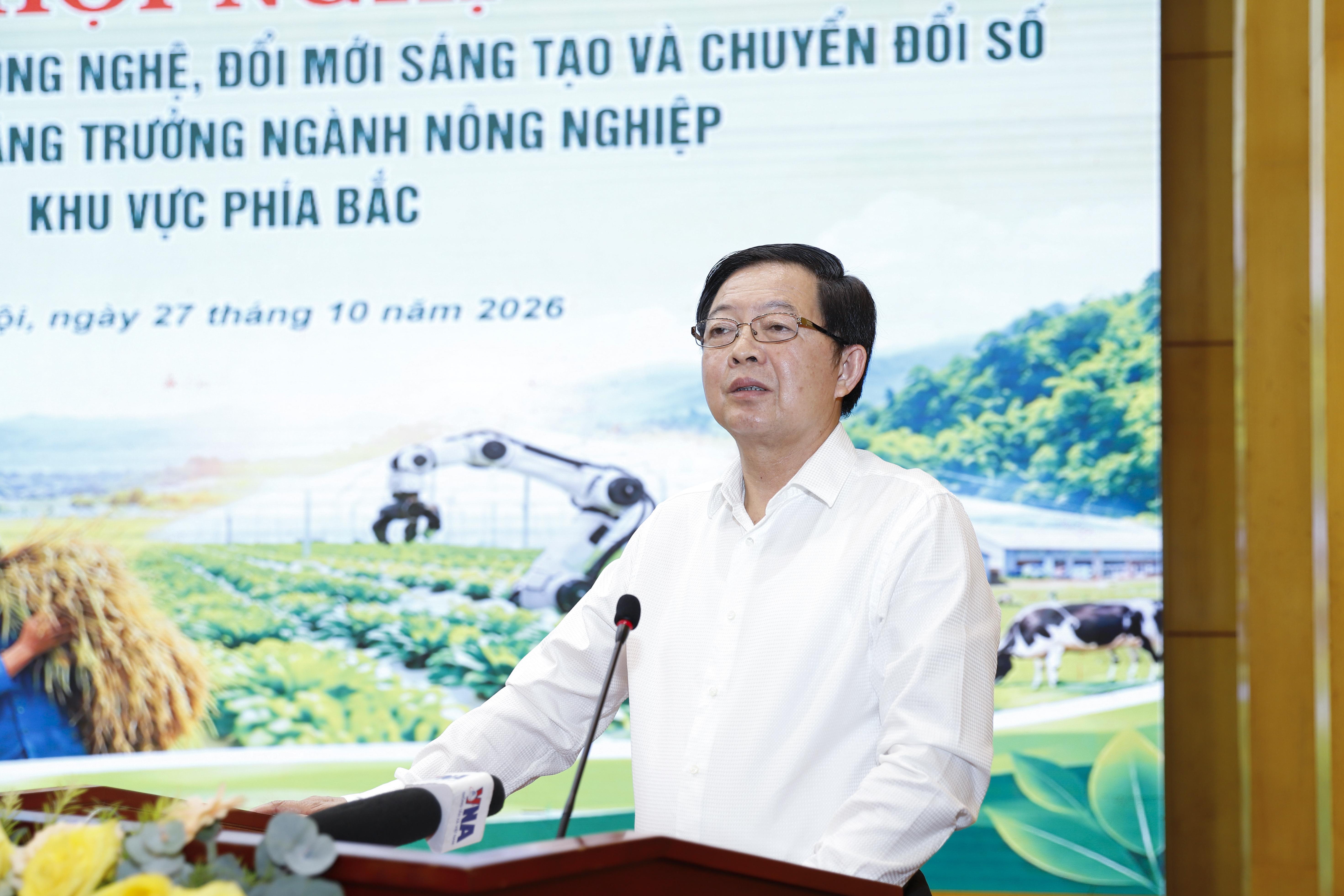
At a conference on science, technology, innovation and digital transformation to drive growth in the agricultural sector in northern Viet Nam, held in Hanoi on October 27, Deputy Prime Minister Ho Quoc Dung called for research projects to address practical needs, identify clear applications and deliver measurable results. Issues raised by leaders of the Ministry of Agriculture and Environment and the Ministry of Public Security highlighted the need to improve research effectiveness, strengthen links with businesses and bring scientific and technological advances into production and commercial use.