



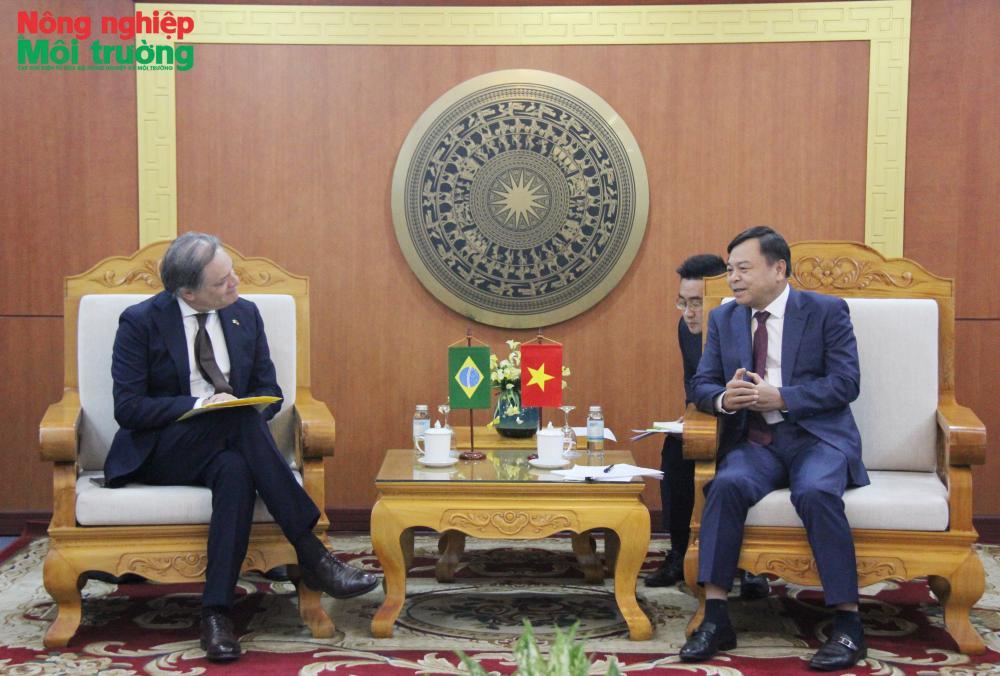
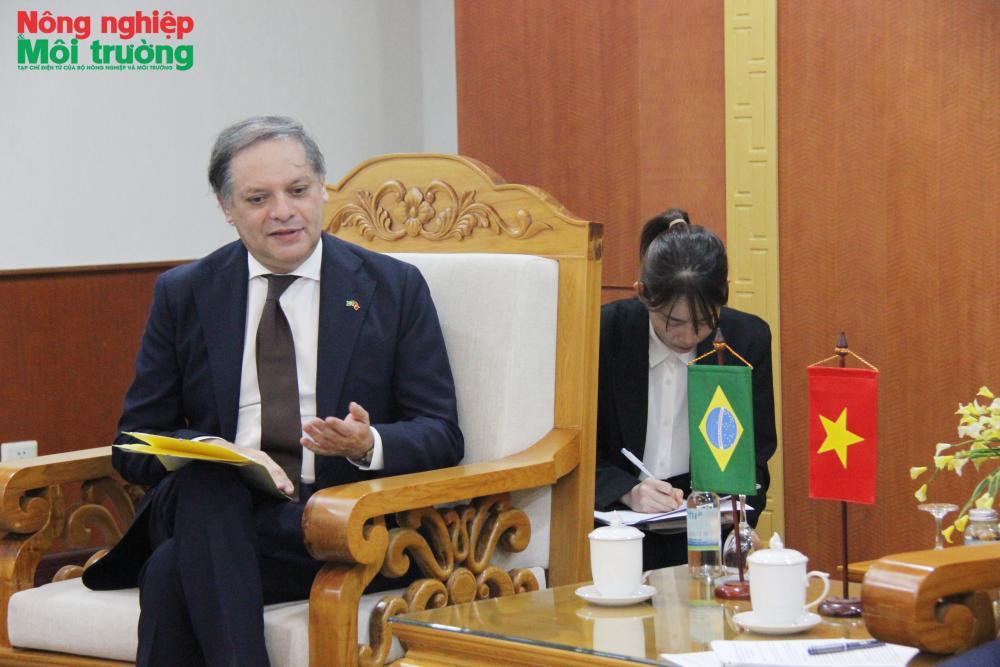
 Viet Nam and Brazil have complementary strengths in agricultural, forestry and fishery trade. However, technical barriers, an uneven composition of bilateral trade and untapped potential for technological cooperation remain to be addressed. A meeting between Deputy Minister of Agriculture and Environment Nguyen Hoang Hiep and Brazilian Ambassador to Viet Nam Marcelo Paz Saraiva Câmara in Hanoi on November 11 underscored the need to translate commitments under the Strategic Partnership into concrete cooperation programs, linking improved market access with value addition and sustainable development.
Science-based regulations are key to expanding market access
The meeting took place as Viet Nam-Brazil relations entered a new phase following the elevation of bilateral ties to a Strategic Partnership in November 2024. This milestone followed 35 years of diplomatic relations and the establishment of a Comprehensive Partnership in 2007. During Brazilian President Luiz Inácio Lula da Silva’s state visit to Viet Nam in March 2025, the two countries signed an Action Plan for implementing their Strategic Partnership for 2025-2030, identifying economic and trade cooperation, science and technology, climate change response and environmental protection as key pillars.
Agriculture has a significant role in this framework, given the complementary nature of the two countries’ production structures and trade strengths. Brazil is an important supplier to Viet Nam of corn, soybeans, cotton, beef, poultry and animal feed ingredients. In return, Viet Nam has export strengths in seafood, rubber, coffee, pepper, cashew nuts, rice, tropical fruits and processed agricultural products.
According to information presented at the meeting, bilateral trade in agricultural, forestry and fishery products reached approximately US$3.54 billion in 2025 and US$3.09 billion in the first nine months of 2026. While these figures reflect substantial trade flows, the composition of bilateral trade remains uneven. Some technical barriers to market access have yet to be fully resolved, while cooperation in investment, deep processing and the application of science and technology remains below its potential.
Market access therefore involves more than expanding the list of products eligible for import and export. It also requires harmonized quarantine procedures, food safety standards and technical requirements that are transparent and scientifically based. These priorities are reflected in the Viet Nam-Brazil Action Plan for 2025-2030, which aims to improve market access, reduce trade barriers and strengthen coordination between relevant agencies on sanitary and phytosanitary (SPS) measures. The two countries have also set a target of increasing bilateral trade to US$15 billion by 2030.
At the meeting, Deputy Minister Nguyen Hoang Hiep asked Brazil to provide information on phytosanitary requirements and market demand for durian, mangosteen, pomelo and passion fruit. This would help Vietnamese authorities identify priority products and prepare the necessary dossiers for market access negotiations. Viet Nam also called on Brazil to continue facilitating access for Vietnamese products already exported to its market, particularly rice, coffee and processed agricultural goods.
For seafood, the discussions focused on specific technical and regulatory issues, including heat-treatment requirements and procedures for registering establishments exporting processed shrimp; import classification codes for shrimp treated with phosphates in accordance with Codex standards; and the possibility of opening the Brazilian market to whole shrimp.
Regarding pangasius, Viet Nam proposed that Brazil review testing requirements for physicochemical parameters that may not be necessary, ensuring that regulatory measures are scientifically justified, consistent with international standards and do not impose unjustified customs clearance costs. For tilapia, the two sides need to address import restrictions and ensure that regulations are transparent, consistent and based on risk assessments.
Responding to these proposals, Ambassador Marcelo Paz Saraiva Câmara said Brazil was finalizing a review of regulations on phosphate-treated frozen fish, including pangasius. Brazil was also prepared to accept a heat-treatment process in which cooked shrimp is heated to 100 degrees Celsius for six seconds. The ambassador said he would convey Viet Nam’s request for market access for whole shrimp to the relevant Brazilian authorities for consideration.
On imports into Viet Nam, the two sides also noted progress in completing procedures for Brazilian livestock products. According to Deputy Minister Nguyen Hoang Hiep, Vietnamese technical authorities agreed in early November 2026 on the model veterinary health certificate for Brazilian beef and red offal. Applications from export establishments are still being reviewed in accordance with regulations. Other products, particularly bovine meat-and-bone meal, will require careful assessment based on animal disease risk.
The discussions underscored the need for regular technical dialogue and coordination mechanisms to address agricultural trade issues, rather than relying solely on market-opening commitments. Transparent technical requirements, consistent risk assessment procedures and timely administrative processing would enable businesses in both countries to plan production, investment and supply chains more effectively.
Research and processing cooperation can strengthen agricultural value chains
Cooperation in recent years has already produced some concrete results. In July 2025, Brazil's first official shipment of beef to Viet Nam was made, alongside Viet Nam’s first shipments of pangasius and tilapia to Brazil. These developments followed President Lula da Silva’s visit to Viet Nam in March 2025 and illustrated how high-level agreements can facilitate the resolution of procedural issues by technical authorities and enable products to enter new markets.
However, expanding the range of traded products is only one step in developing bilateral trade relations. Under the 2025-2030 Action Plan, the two countries also encourage agricultural businesses to establish partnerships, form joint ventures and pursue investment cooperation in the processing and trading of agricultural, forestry and fishery products. This calls for a gradual shift from trading raw materials and primary products toward deeper cooperation in production, processing, storage and market development.

At the meeting, Deputy Minister Nguyen Hoang Hiep proposed strengthening links between research institutions and businesses in the two countries, with a focus on plant and animal breeding, biotechnology, livestock production, aquaculture and low-emission agriculture. Improving coffee quality and expanding value-added processing were identified as immediate priorities.
The proposal builds on the production strengths of both countries. Viet Nam and Brazil both hold significant positions in the global coffee market. Cooperation in varieties, cultivation practices, processing technologies and market development could increase the value of the coffee sector and help producers access market segments with more demanding quality and sustainability requirements.
At a meeting between Viet Nam’s Ministry of Agriculture and Environment and representatives of Brazil’s Ministry of Agriculture and Livestock in September 2025, Brazil also proposed establishing a dedicated framework for coffee cooperation. This would include exchanges of technical delegations and the sharing of experience in coffee varieties, cultivation practices and market development.
Another potential area for cooperation is engagement with the Brazilian Agricultural Research Corporation (Embrapa). As Brazil’s agricultural research institution, Embrapa could serve as a focal point for research collaboration, expert exchanges and technology transfer in areas of mutual interest. Ambassador Marcelo Paz Saraiva Câmara said Brazil was ready to facilitate these links and support Vietnam in developing ethanol production through technology transfer and the provision of supplies.
Biofuel cooperation between the two countries, however, is not a new initiative. On February 27, 2008, Viet Nam and Brazil signed a protocol of intent on technical cooperation in the production and use of ethanol fuel, providing a basis for further collaboration through additional programs and agreements. Under the 2025-2030 Action Plan, biofuels remain an area of cooperation linked to the energy transition and greenhouse gas emissions reduction.
Environmental cooperation supports climate and ecosystem priorities
Beyond trade and agricultural technology, environmental cooperation is another area in which Viet Nam and Brazil share common interests. Both countries have important tropical ecosystems facing pressures from natural resource degradation and climate change, while seeking to align economic development with nature conservation. Sharing experience in forest protection, biodiversity conservation and natural resource management therefore offers practical benefits for both sides.
Under the Action Plan for implementing the Strategic Partnership for 2025-2030, Viet Nam and Brazil identified climate change, biodiversity conservation, ecosystem protection and the sustainable use of forest, land and marine resources as areas for cooperation. Notably, the two sides also referred to strengthening cooperation in protecting ecosystems in the Amazon and Mekong river basins, both of which play important roles in biodiversity, water resources and local livelihoods. Energy transition, renewable energy development and biofuels were also included in the broader agenda for reducing greenhouse gas emissions.
Against this backdrop, Deputy Minister Nguyen Hoang Hiep proposed that the two countries exchange experience in biodiversity conservation, tropical forest restoration, satellite-based deforestation monitoring and forest-fire early-warning systems. He also called for research cooperation in biofuels, low-carbon agriculture and carbon markets.
These areas could deliver long-term benefits. Science and technology can improve natural resource management, strengthen monitoring capacity and support progress toward emissions reduction targets. Connecting research institutions, sharing data and implementing specific joint activities would help translate environmental commitments into practical outcomes rather than limiting cooperation to exchanges of experience.
Overall, the November 11 meeting highlighted the need to expand Viet Nam-Brazil agricultural and environmental cooperation in both scale and substance. Resolving quarantine-related issues and technical barriers is essential to stable trade. Over the longer term, however, the value of the Strategic Partnership will also depend on the two countries’ ability to strengthen research links, attract investment, transfer technology and develop production chains with greater added value.
To turn this agenda into tangible results, the commitments need to be translated into cooperation programs with clearly identified focal points, priority areas and implementation timelines. Coordination among government agencies, research institutions and businesses will be crucial to converting the complementary strengths of the two agricultural sectors into concrete outcomes, while contributing to greener, lower-emission agriculture and greater resilience to climate change.
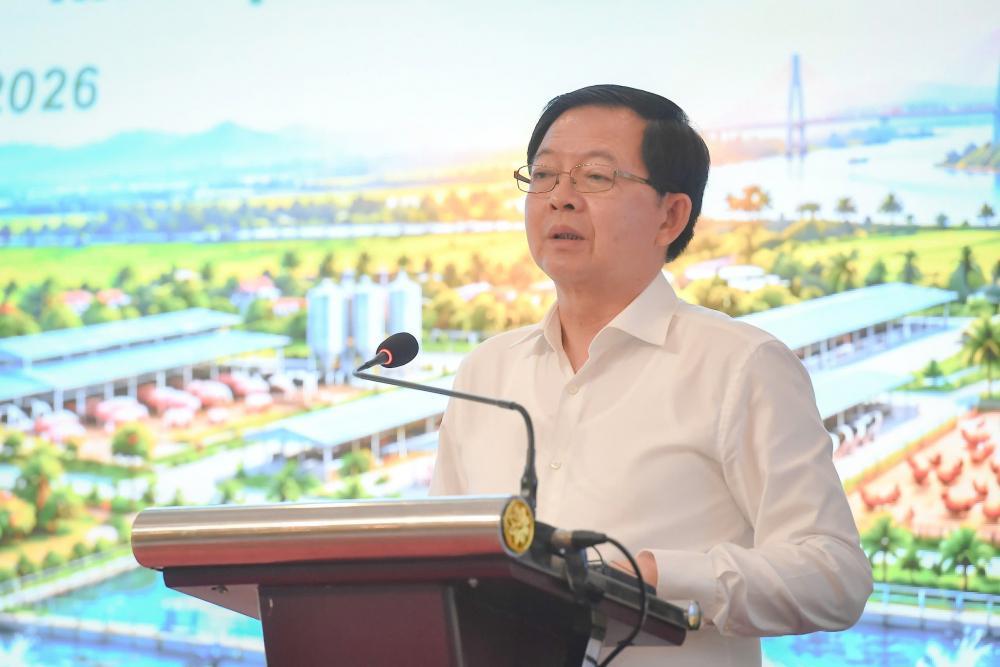
The conference on “Developing science, technology, innovation and digital transformation to support growth in Southern Viet Nam’s agricultural sector,” held on November 2 in Can Tho City, highlighted the need to reform how scientific and technological resources are organized and utilized in agriculture. Despite the region’s considerable advantages in production, research and investment, the commercialization of science and technology products remains limited, while agricultural value chains are not yet adequately integrated. Addressing these shortcomings is essential to making science and technology a genuine driver of productivity, added value and the competitiveness of agricultural products.
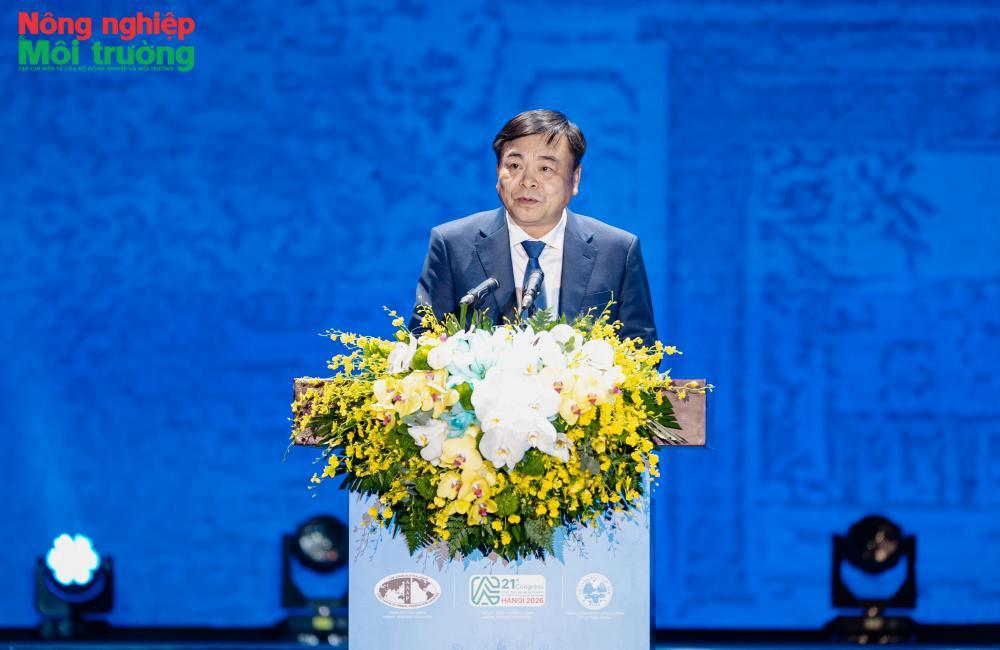
Held in Hanoi from October 28 to 31, 2026, the 21st Asian-Australasian Association of Animal Production Societies Animal Science Congress (AAAP 2026), under the theme “Sustainable animal production,” brought together scientists, policymakers and business representatives from 45 countries and territories. The congress featured 1,111 scientific papers selected by the organizers. Discussions highlighted the growing importance of disease resilience, reduced environmental impacts, more efficient resource use and improved production systems in achieving sustainable livestock development. Science and technology, institutional reform and international cooperation are central to addressing these challenges.
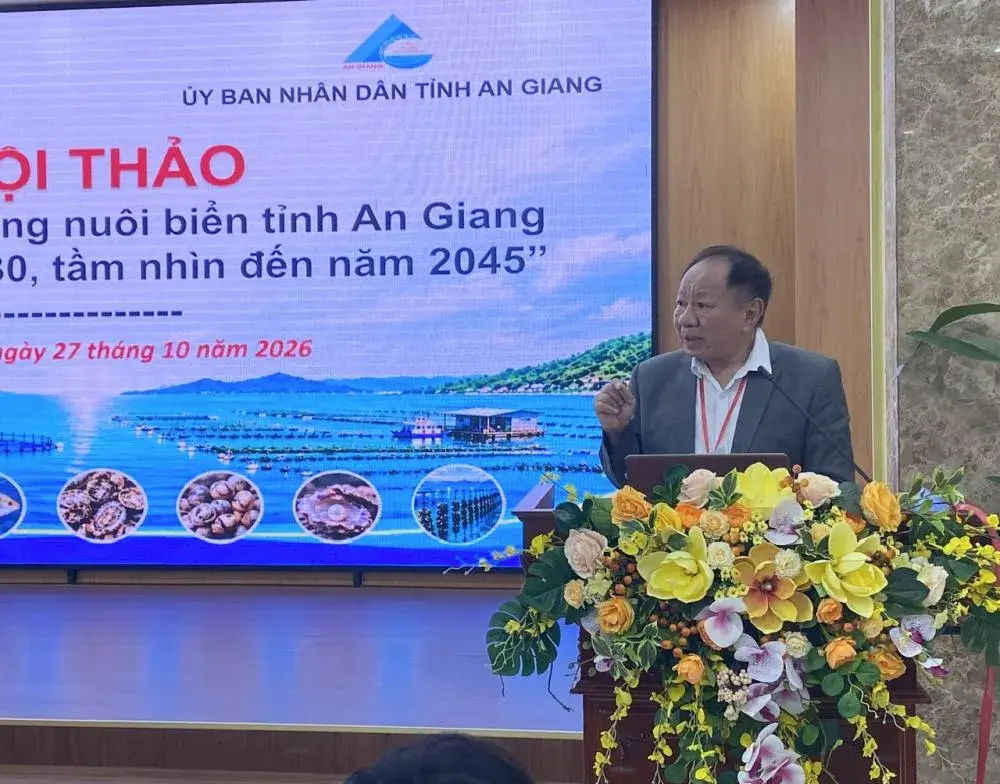
An Giang has extensive marine waters, numerous islands and considerable potential for development, giving the province an opportunity to transform marine aquaculture from fragmented, household-based operations into a modern economic sector. However, challenges involving spatial planning, investment capital, technology, seed supply, market linkages and environmental protection must be addressed in a coordinated manner to achieve the province’s targets for 2030 and its vision for 2045.
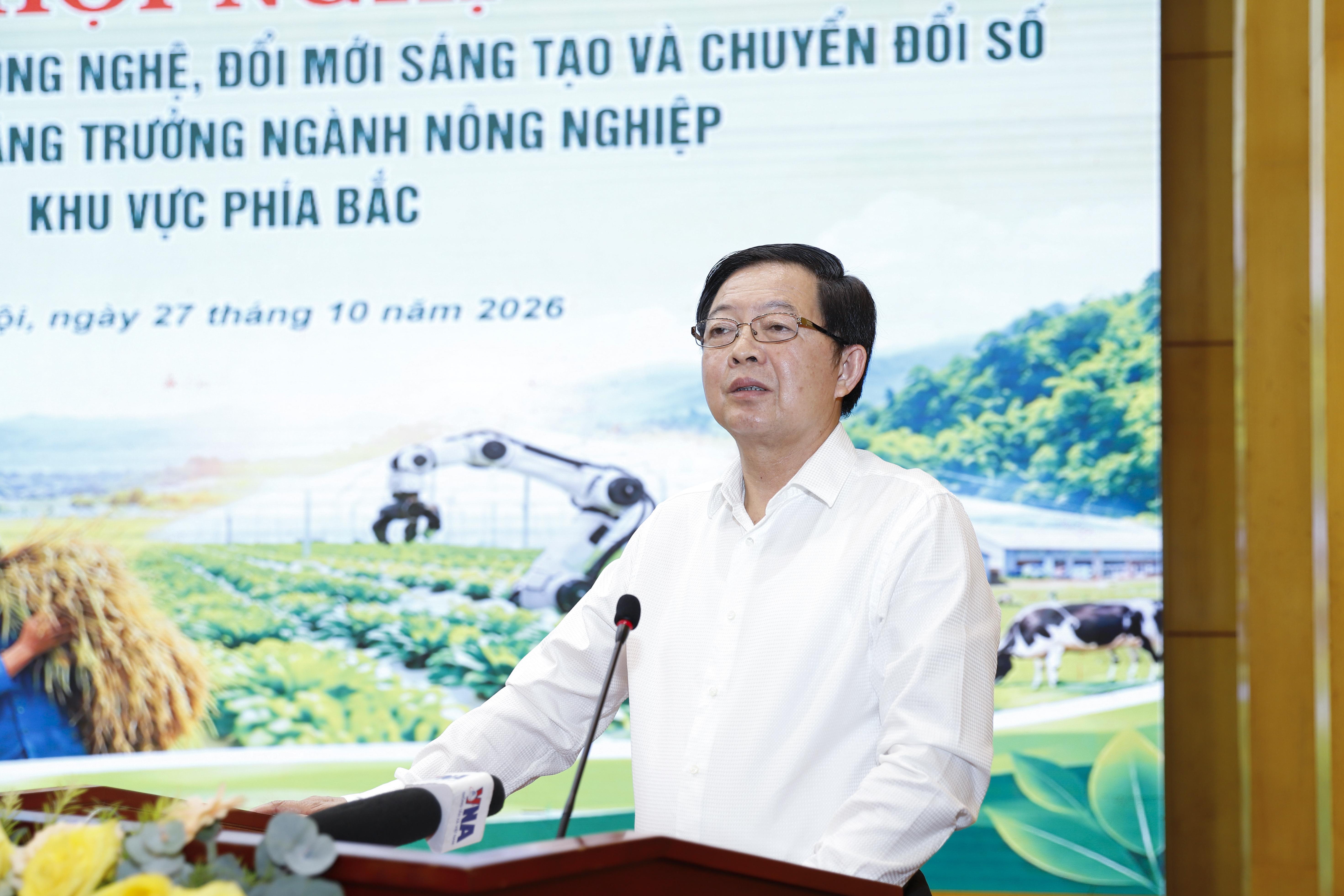
At a conference on science, technology, innovation and digital transformation to drive growth in the agricultural sector in northern Viet Nam, held in Hanoi on October 27, Deputy Prime Minister Ho Quoc Dung called for research projects to address practical needs, identify clear applications and deliver measurable results. Issues raised by leaders of the Ministry of Agriculture and Environment and the Ministry of Public Security highlighted the need to improve research effectiveness, strengthen links with businesses and bring scientific and technological advances into production and commercial use.
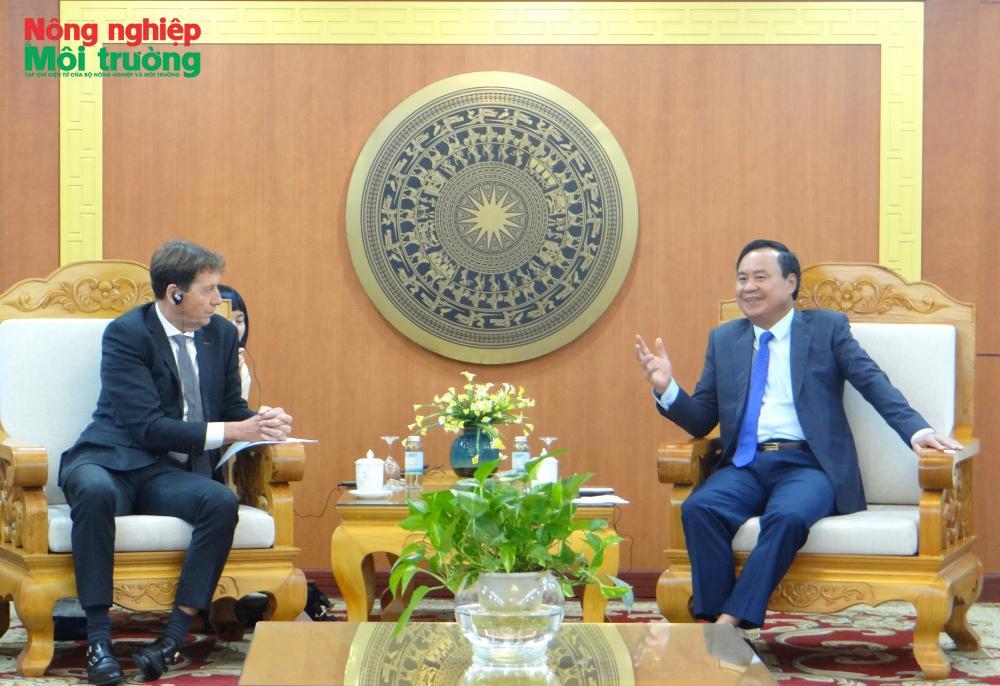
Deputy Minister of Agriculture and Environment Vo Van Hung met with Christophe Pierre Crepin, Director of the Agriculture and Environment Division at the World Bank’s East Asia and Pacific Region, on October 26 to discuss progress on the Sustainable Fisheries Development Project in Viet Nam and measures to mobilize resources for fisheries infrastructure. Both sides emphasized the need to align infrastructure investment with technological innovation, stronger management capacity and greater private sector participation in fisheries value chains.