



 The conference on “Developing science, technology, innovation and digital transformation to support growth in Southern Viet Nam’s agricultural sector,” held on November 2 in Can Tho City, highlighted the need to reform how scientific and technological resources are organized and utilized in agriculture. Despite the region’s considerable advantages in production, research and investment, the commercialization of science and technology products remains limited, while agricultural value chains are not yet adequately integrated. Addressing these shortcomings is essential to making science and technology a genuine driver of productivity, added value and the competitiveness of agricultural products.
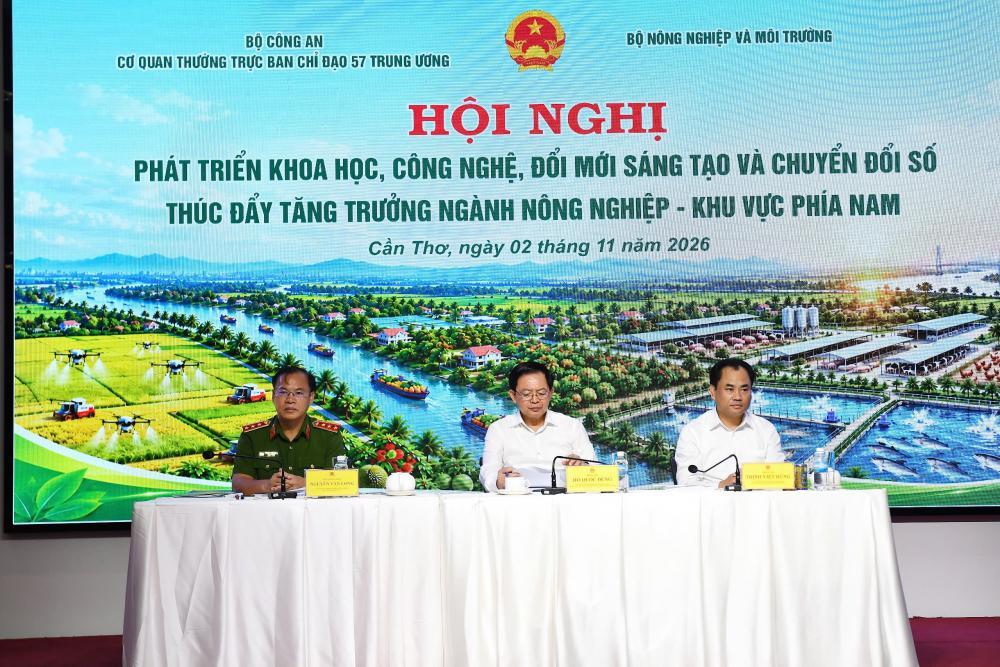
On the morning of November 2, the Ministry of Agriculture and Environment, in coordination with the Ministry of Public Security, the standing body of the Central Steering Committee 57, held the conference in Can Tho City. The event brought together ministries, local authorities, research institutions and businesses to assess the application of science and technology in agriculture, identify barriers to development and propose ways to translate research findings into production and commercial applications.
Structural barriers to the commercialization of agricultural research
In his opening remarks, Minister of Agriculture and Environment Trinh Viet Hung said southern Viet Nam played a particularly important role in the country’s agricultural production, processing and exports. The region is home to large-scale commodity production areas, major export-oriented agricultural industries, and a network of research institutes, universities and businesses with scientific and technological capabilities. These advantages provide a strong foundation for the region to take the lead in innovation, digital transformation and the development of modern, higher-value agriculture.
Recent growth figures also underscore the region’s importance to the sector. In the first nine months of 2026, the agriculture, forestry and fisheries sector grew by 4.02%, while exports of agricultural, forestry and fishery products exceeded US$63 billion in the first 10 months. Advances in plant and animal breeding, biotechnology, mechanization, preservation, processing and traceability have been increasingly applied in production, helping improve productivity, product quality and economic efficiency.
However, Minister Trinh Viet Hung noted that these achievements should not obscure the structural limitations of the current agricultural growth model. For many years, growth has relied largely on expanding production and exploiting natural resources. This approach is increasingly reaching its limits, as production costs remain high, post-harvest losses are substantial and added value has yet to match the sector’s potential. Capacity in deep processing, value-chain integration and the application of science and technology also remains insufficient to meet the demands of a new phase of development.
These shortcomings not only reduce production efficiency but also constrain the competitiveness of agricultural products. When many agricultural industries remain dependent on imported inputs, raw product sales and fragmented production methods, expanding output does not necessarily generate a corresponding increase in value. The challenge, therefore, is not simply to introduce more machinery or technology at individual stages of production, but to reform how research, technology applications and management are organized across the entire production process.
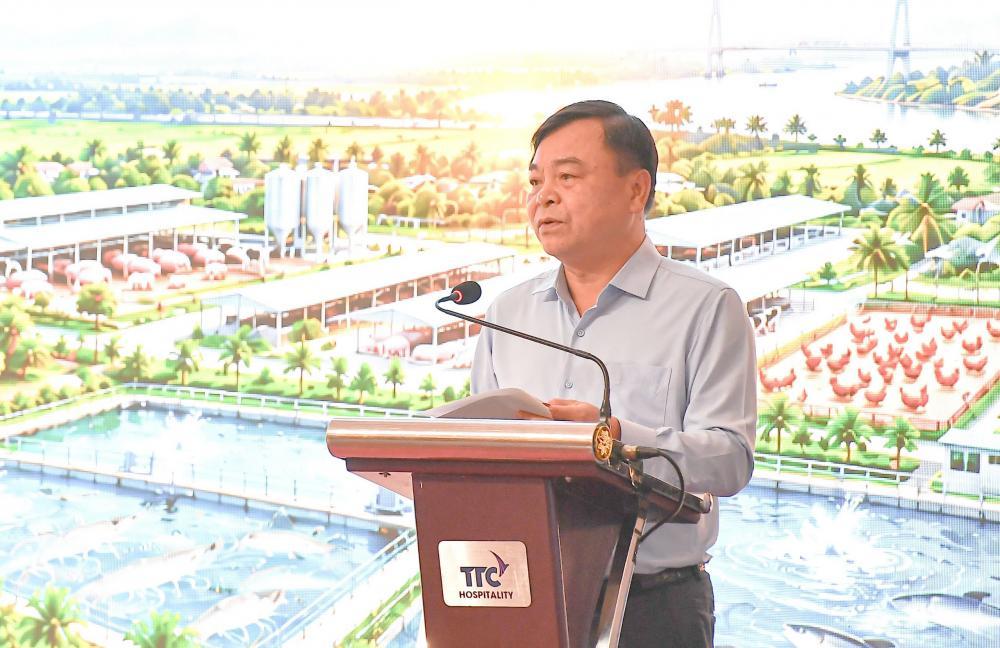
Reporting at the conference, Deputy Minister of Agriculture and Environment Nguyen Hoang Hiep identified five major bottlenecks that need to be addressed.
First, investment mechanisms and research organization remain insufficiently aligned with market demand. Research funding is fragmented, while the transfer and commercialization of research results have fallen short of expectations. As a result, some research findings have yet to find suitable applications or be translated into products capable of competing in the market.
Second, technological self-reliance and domestic capacity to supply production inputs remain limited. Some agricultural industries continue to rely heavily on external supplies, increasing cost pressures and undermining the autonomy of production chains. In livestock production, domestically produced animal feed ingredients meet only around 30–35% of demand, highlighting the gap between domestic supply capacity and the sector’s need for greater input self-sufficiency.
Third, production remains fragmented, while value-chain linkages are not sufficiently sustainable, limiting the scope for mechanization and the integrated adoption of technology. Small-scale producers operate across dispersed areas with different production scales and farming practices, making large-scale technology deployment difficult. Weak links among farmers, cooperatives and businesses also hamper the development of raw material production areas, quality control and stable market access.
Fourth, infrastructure for preservation, logistics and deep processing remains inadequate. Many agricultural products are still sold primarily in raw form, while agricultural byproducts remain underutilized. This limits opportunities to generate added value along production chains while increasing pressure on production costs, waste treatment and the efficient use of resources.
Fifth, digital transformation and sector-wide data management remain fragmented, affecting production forecasting, management and traceability. Data on land, growing areas, farming zones, crop varieties, livestock breeds, agricultural inputs and product quality have not been fully integrated, restricting information sharing among management agencies, local authorities and businesses. Meanwhile, transparent information and quality control are becoming increasingly important requirements in both domestic and export markets.
From the perspective of implementing the resolution on the development of science and technology, innovation and digital transformation, Senior Lieutenant General Nguyen Van Long, Deputy Minister of Public Security, also identified three major issues requiring attention. Most notably, research, technology applications and product commercialization have yet to deliver results commensurate with the potential and growth opportunities of the agricultural sector.
According to figures presented by Deputy Minister Nguyen Van Long, all 34 localities reported 916 tasks associated with 908 science, technology and innovation products, including 451 agricultural products, accounting for approximately half of the total. However, 341 of these products remain at the research and trial stages, while only 11 have been commercialized, equivalent to around 2.4%.
This low rate reflects a substantial gap between research activities and the ability to translate findings into practical applications. Many agricultural industries still need technological solutions to improve crop and livestock varieties, secure production inputs, expand deep processing, develop brands and strengthen logistics. Yet research findings have not been converted into marketable products on a corresponding scale.
The situation is also evident in the fact that many agricultural industries continue to sell predominantly raw products and have not established control over the entire value chain, from genetic resources, breeding and feed to production organization, processing, logistics and distribution. Domestic and export markets have also not been comprehensively studied and assessed to guide research priorities and product development. The challenges, therefore, extend beyond production technology at individual stages to include the ability to coordinate the entire value chain and align it with market demand.
The second issue highlighted by Deputy Minister Nguyen Van Long was the lack of coordinated solutions to bottlenecks in technology, production organization, processing and markets. Southern Viet Nam’s major agricultural production regions have different advantages and industry structures, but are closely interconnected through supply chains, raw material production areas, processing and distribution networks.
In 2025, the Mekong Delta accounted for 55% of the country’s rice output and 90% of its rice exports. The region also represented 93% of the country’s brackish-water shrimp farming area and 87% of its production. The Southeast region has strengths in livestock production, biotechnology, processing and logistics, while the Central Highlands and south-central coast have advantages in coffee, durian, pepper, industrial crops and marine agriculture.
Each region has distinct research and technology needs, but many of its challenges are directly interconnected. For example, the development of raw material production areas cannot be separated from breeding technology, production organization, processing capacity and logistics systems. Similarly, research to improve seafood quality needs to be linked to feed technology, disease control, preservation and market requirements.
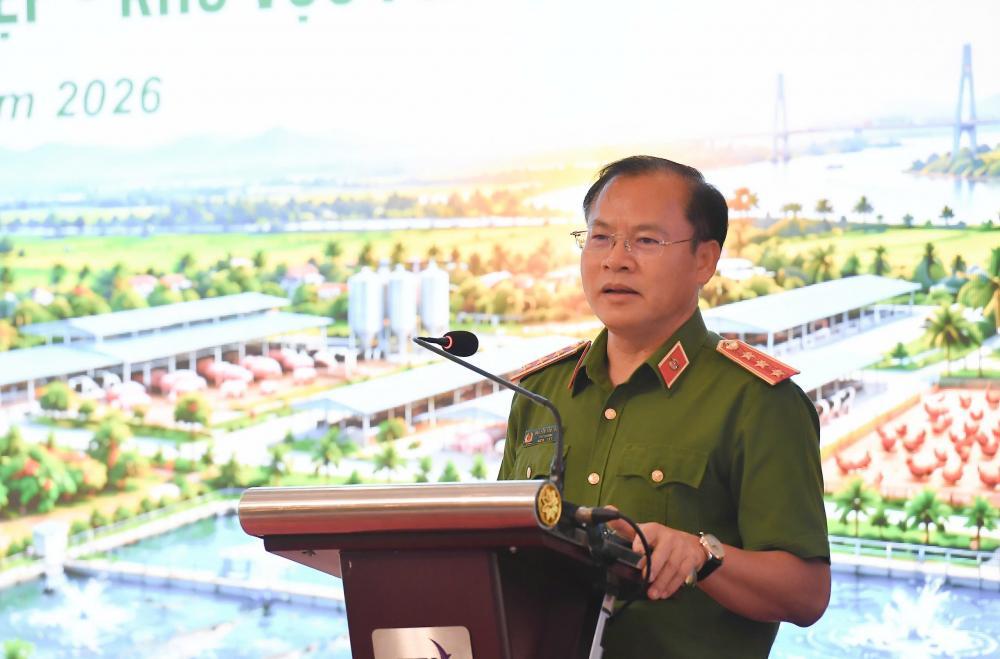
Deputy Minister Nguyen Van Long noted that agricultural value chains have strong interregional linkages, while research and technology applications remain fragmented. He said the current bottleneck was not a lack of resources, technology or researchers, but the absence of effective organizational and coordination mechanisms to connect them. His assessment underscored the need to improve coordination among local authorities, research institutes, universities and businesses, rather than allowing each entity to pursue tasks independently within its own scope and objectives.
The third issue concerns investment resources and research capacity that have already been developed but remain insufficiently connected to generate commercially viable products. Citing figures from the Ministry of Finance, Deputy Minister Nguyen Van Long said that, as of September 24, 2026, localities had been allocated more than VND25 trillion for science and technology, innovation and digital transformation tasks, including those in agriculture. However, only slightly more than VND8 trillion had been disbursed, equivalent to around 33%.
Notably, businesses or cooperatives participated in research on only around 50 of the 451 agricultural science and technology products, or approximately 10%. This figure highlights weak links between research activities and the businesses and organizations directly involved in production and commercial operations. When businesses are not sufficiently engaged from the initial identification of needs through research, technology transfer and application, the prospects for commercialization are difficult to secure from the outset.
In response to these challenges, Senior Lieutenant General Nguyen Van Long called for efforts to remove bottlenecks involving institutions, policies, legislation, data, finance, resources, environmental management, regional coordination and investment partnerships. Recommendations and proposals from local authorities and businesses at the conference should be carefully reviewed and incorporated into mechanisms to address implementation difficulties.
The Ministry of Public Security, in its capacity as the standing body of the Central Steering Committee 57, will continue working with the Ministry of Agriculture and Environment, other ministries and local authorities to prepare for a conference chaired by the Prime Minister. It will also organize specialized conferences focusing on specific sectors and agricultural industries.
The issues identified by ministries and agencies show that the main challenges facing agricultural science and technology extend beyond shortages of particular technologies or investment capital. More fundamentally, they concern the ability to organize, connect and translate available resources into practical results. This makes it necessary to reform investment approaches, select research tasks based on actual demand and link the responsibilities of participating entities to clearly defined outputs.
Aligning science and technology investment with sectoral priorities
Against the backdrop of bottlenecks in research, application and commercialization, discussions at the conference focused on reforming resource allocation and organizing science and technology tasks around clearly defined priorities. Instead of pursuing numerous isolated research projects, investment should target major challenges facing individual agricultural industries, with meaningful business participation and a clear pathway to market application.
Deputy Minister of Finance Le Tan Can said that, for science and technology to contribute directly to agricultural growth, investment resources must be allocated strategically, prioritizing tasks capable of generating added value and improving farmers’ incomes. However, the pace of resource utilization remains a concern. After nine months, disbursement of funds allocated to contractors and suppliers had remained below 45%.
In response, the Ministry of Finance called on agencies and organizations to identify priority tasks and combine public budget resources effectively with private investment, avoiding scattered allocations that are slow to translate into implementation. The challenge is not simply to accelerate disbursement, but also to ensure that funding is directed toward clearly defined tasks, actual needs and measurable outcomes.
Considered alongside the approximately 33% disbursement rate for funding allocated to localities, the figures point to the need to assess resource efficiency at every stage, from allocation and implementation to performance monitoring. Funding is unlikely to deliver its intended impact without well-defined tasks, clearly designated implementing agencies and effective coordination among participating entities.
From a science and technology management perspective, Deputy Minister of Science and Technology Tran Trung Tinh stressed the need to move away from isolated research projects toward addressing major challenges across individual agricultural industries, with coordinated tasks covering the entire chain from breeding and production to preservation, processing and distribution. This represents an important shift in approach, as the effectiveness of a technology cannot be assessed solely at the research stage but must also be evaluated in terms of its application and contribution to value creation.
Deputy Minister Tran Trung Tinh said that in 2026, funding for science and technology, innovation and digital transformation at the Ministry of Agriculture and Environment increased by approximately 35% compared with 2025. In particular, funding for national-level science and technology tasks serving agriculture and directly managed by the Ministry of Science and Technology rose by 44%, from VND101 billion to VND145.5 billion.
Within this allocation, research funding nearly doubled, increasing from VND52.3 billion to VND100.6 billion. Funding for standards, geographical indications and intellectual property activities also rose from VND19.7 billion to VND39.3 billion. Increased investment in research, standards and intellectual property reflects the need to link scientific and technological development with product quality, the protection of product value and the competitiveness of agricultural products.
Resources are being concentrated on research into crop varieties and livestock breeds, biotechnology, mechanization, preservation and agricultural processing through the breeding program under Decision No. 703/QD-TTg and three national science and technology programs through 2030: KC.12 on biotechnology, KC.07 on preservation, processing and mechanization, and KC.14 on water security. These fields are directly relevant to agricultural production and to efforts to improve productivity and quality, reduce losses and address challenges involving natural resources and the environment.
However, Deputy Minister Tran Trung Tinh emphasized that increased funding must be accompanied by greater investment efficiency. Resources should be concentrated on tasks that directly address production challenges rather than expanding the number of research projects without clear links or identified end users.
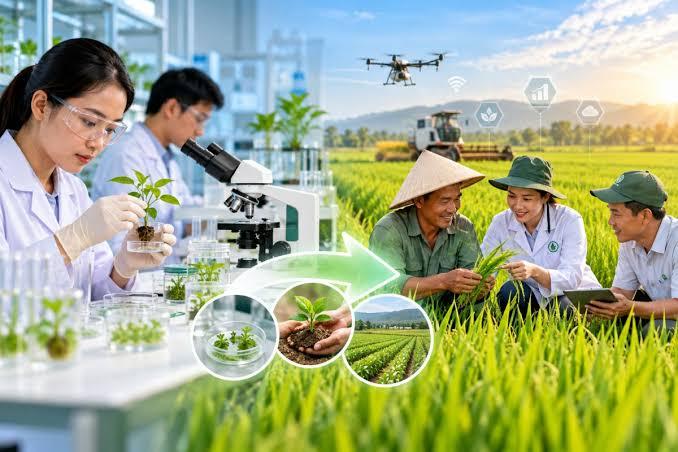
In implementing Directive No. 29/CT-TTg on accelerating the implementation of science and technology, innovation and digital transformation tasks in 2026, the Ministry of Science and Technology has reviewed and reorganized research tasks, prioritizing strategic technologies capable of generating breakthroughs in productivity, quality and the agricultural sector’s technological self-reliance. Two key priorities are the development of new crop and livestock varieties using genetic technologies and next-generation veterinary vaccines.
According to information presented at the conference, as of October 23, 2026, two strategic technology tasks involving pangasius breeding and vaccine production technology had met the required criteria, with a combined budget of VND61 billion.
Of this amount, VND45 billion was allocated to research on pangasius breeding using genomic technologies, with the aim of improving growth rates, resistance to bacillary necrosis and survival rates. The funding comprises 85% from the state budget and 15% from non-state sources.
The other task, with a budget of VND16 billion, focuses on developing core technology for next-generation multivalent vaccine production using recombinant proteins to prevent Mycoplasma-associated diseases in pigs. This research supports efforts to develop domestic veterinary vaccine technology, improve disease prevention and reduce risks in livestock production.
These two tasks illustrate a shift toward investment in technologies that directly affect production efficiency. In aquaculture, seed quality, disease resistance and survival rates influence production costs, yields and the overall efficiency of farming operations. In livestock production, domestic vaccine technology can strengthen disease control, protect animal herds and improve production stability. Selecting the right core technologies and providing appropriate support mechanisms are therefore important to strengthening technological self-reliance in each agricultural industry.
The reform of science and technology investment for 2026–2035 has also been set out in Decision No. 1493/QD-TTg, dated August 6, 2026, on the National Special Program for Strategic Technology Development through 2035. The program introduces management mechanisms based on evaluation milestones and lump-sum funding linked to results. Subsequently, Decision No. 1951/QD-TTg, dated October 8, 2026, reorganized national programs into six groups, with investment increasingly directed toward measurable outputs and practical effectiveness.
According to the roadmap outlined by Deputy Minister Tran Trung Tinh, a set of indicators covering inputs, outputs, effectiveness and impact will be issued in the first quarter of 2027. A midterm assessment will be conducted in 2030, followed by a final evaluation in 2035. This approach requires the performance of each task to be assessed throughout its implementation cycle, rather than solely on the basis of implementation progress or the number of research products accepted.
For agriculture, a key innovation is to organize research around integrated task groups for each major agricultural industry, linking variety development and production organization with preservation, processing and distribution. For example, aquaculture breeding research should not only aim to increase productivity but also improve disease resistance, raise survival rates, reduce farming costs and meet processing and export requirements. Similarly, research in crop production and livestock farming should focus on improving production efficiency, reducing losses and increasing product value.
Under this approach, businesses are expected to play a central role, participating from the proposal and investment stages through to the adoption of research results. This is essential to narrowing the gap between research and actual demand while identifying the organizations capable of transferring technology, organizing production and bringing products to market.
Under the Ministry of Science and Technology’s plan, by 2030, businesses are expected to lead or participate in at least 50% of commissioned research tasks, with counterpart funding of at least 40%. For 2031–2035, these targets are expected to rise to 60% and 50%, respectively. Engaging businesses from the outset will not only mobilize additional non-state investment but also help establish clear technology needs, identify organizations capable of adopting research results and improve commercialization prospects.
The implementation of strategic technology tasks also reflects a growing effort to mobilize private investment. Deputy Minister Tran Trung Tinh cited 17 strategic technology tasks that the Deputy Prime Minister directed to be accelerated on October 20, 2026, with a combined budget of more than VND2.319 trillion. Non-state funding accounts for 34.5% of the total. Business investment, combined with performance-based management mechanisms, is expected to improve the feasibility and practical applicability of these tasks.
For technologies with long research cycles, such as crop and livestock breeding, aquaculture and veterinary medicine, the Ministry of Science and Technology has proposed allowing implementation periods of five to six years, rather than imposing a 2030 deadline.
The proposal reflects the specific requirements of agricultural research and technology development, which need sufficient time for testing, evaluation and adaptation to production conditions. However, longer implementation periods must be accompanied by strict performance controls. Tasks will be assessed annually, funding disbursed according to results, and projects discontinued if they fail to meet requirements. The Ministry of Science and Technology plans to coordinate with the Ministry of Agriculture and Environment to finalize the submission to the Prime Minister in November 2026.
To prepare the 2027 work plan, Deputy Minister Tran Trung Tinh called on the Ministry of Agriculture and Environment to promptly identify major challenges and core technologies requiring priority research, following the principle of “six clear elements”: clearly defined tasks, lead agencies, businesses responsible for receiving technology transfers, funding sources, implementation roadmaps and expected results. The list should be submitted to the Ministry of Science and Technology before December 15, 2026, to serve as the basis for commissioning research, allocating resources and organizing implementation.
Alongside the responsibilities of ministries and local authorities, businesses, research institutes and universities should proactively propose tasks, strengthen cooperation and co-invest in scaling up results that have demonstrated practical effectiveness.
According to Deputy Minister Tran Trung Tinh, the overarching direction is to reduce the number of research tasks while increasing their scale, concentrating investment, ensuring business participation from the outset and evaluating performance based on tangible contributions to growth.
Reforming science and technology investment, therefore, involves more than adjusting funding structures or changing research management procedures. The central requirement is to reorganize research activities around the development needs of individual agricultural industries, ensuring that each task has a clear application objective, an identified recipient and a specific evaluation mechanism. This provides a basis for translating research results into production capacity and improving agricultural productivity, quality and competitiveness.
Regional coordination across agricultural value chains
Organizing research around the major challenges facing each agricultural industry also requires stronger cooperation among localities, as many agricultural value chains extend beyond administrative boundaries. The development of raw material production areas, quality control, processing and distribution requires coordination among localities with complementary strengths, supported by research institutes, universities and businesses capable of investing in and adopting new technologies.
At the conference, Deputy Minister of Public Security Nguyen Van Long said each economic region had its own advantages, but agricultural value chains were highly interconnected. While the Mekong Delta is a major production hub for rice, seafood and fruit, the Southeast region has strengths in livestock production, biotechnology, processing and logistics. The Central Highlands and south-central coast have advantages in coffee, durian, pepper, industrial crops and marine agriculture. These differences create opportunities for regions to complement one another, while requiring research and technology applications to be organized around the shared needs of agricultural value chains.
Practical experience in several localities shows that when technologies are selected to suit production conditions and integrated into value-chain development, their benefits can be measured in terms of productivity, costs and farmers’ incomes.
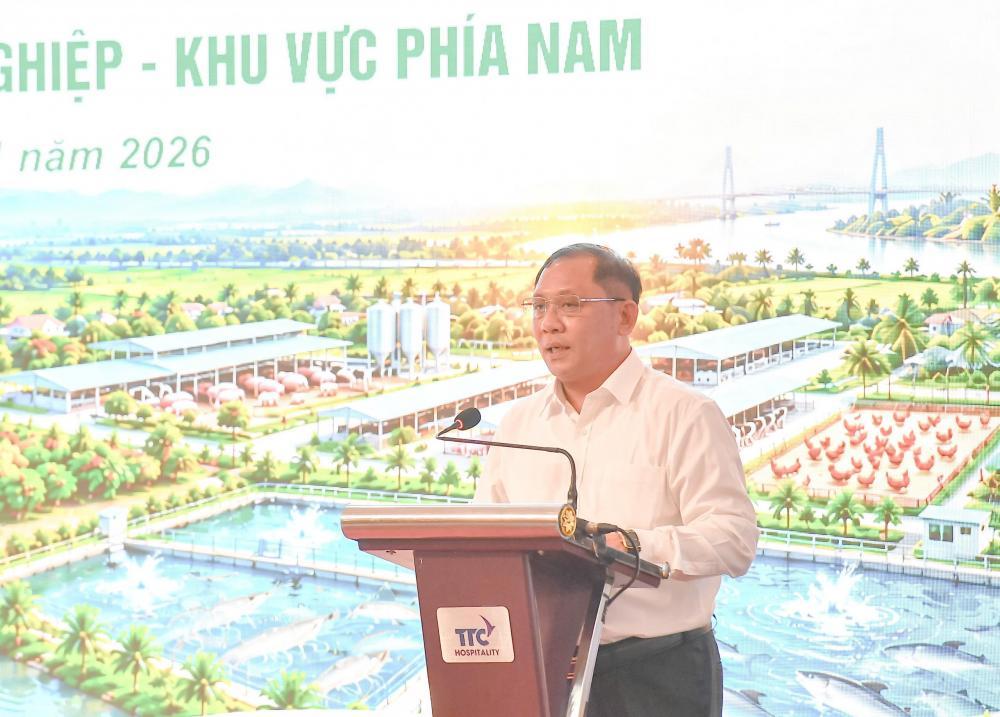
In Can Tho City, Vice Chairman of the Can Tho City People’s Committee Tran Chi Hung said the city had expanded cooperation with the International Rice Research Institute (IRRI), Can Tho University, businesses and cooperatives to introduce scientific and technological solutions into agricultural production.
Platforms and digital tools deployed in the city include FarMoRe, Rice Crop Manager (RCM), Internet of Things (IoT) sensors for alternate wetting and drying (AWD) irrigation management, electronic farming logs and digital maps for measuring, reporting and verification (MRV) of emission reductions.
According to reported results from the models, RCM has helped reduce nitrogen fertilizer use by more than 30%, lower the rice seeding rate to approximately 60 kilograms per hectare and reduce pesticide applications by two to three rounds. At the same time, yields increased by 0.3–0.7 metric tons per hectare, while profits rose by at least 20% compared with conventional farming practices. These results demonstrate the role of data-driven crop management tools in improving the use of agricultural inputs, optimizing production practices and increasing economic efficiency.
Under the “One million hectares of high-quality, low-emission rice” project, the city is promoting mechanization, the use of biological preparations to treat rice straw and the collection of byproducts for mushroom cultivation and microbial organic fertilizer production. This approach not only aims to reduce emissions and agricultural waste but also creates additional economic value from agricultural byproducts, helping improve the efficiency of the rice value chain.
In aquaculture, recirculating aquaculture systems (RAS), waste treatment, biogas and Internet of Things (IoT) and artificial intelligence (AI) applications are being deployed to conserve resources, monitor environmental conditions and improve pond management.
The city has also developed VietGAP-compliant vegetable and mushroom production models linked to product traceability. Other initiatives include establishing growing-area codes, developing products under the One Commune One Product (OCOP) program and bringing agricultural products onto digital platforms. These efforts are helping improve product quality, origin transparency and market access.
Based on its implementation experience, Can Tho City considers stronger links among farmers, cooperatives, production and processing businesses, and distributors essential to turning technology applications into tangible added value. The city is also promoting digital transformation in public administration and production monitoring, including the use of specialized software for slaughterhouse inspections, livestock management and animal disease surveillance.
Another issue raised by the city was the need to improve mechanisms for data connectivity and sharing among ministries, local authorities and businesses. This requires unified identification codes, standards and data structures, as well as stronger automated connectivity to reduce duplicate data entry and ensure information is updated and used effectively. Sectoral databases should be developed as shared, interoperable systems with clearly defined access rights, management responsibilities and requirements for data updates, use and security.
In Tay Ninh province, the application of science and technology is part of a broader strategy to develop multi-value agriculture, linking production with processing and the utilization of byproducts. Vice Chairman of the Tay Ninh Provincial People’s Committee Pham Tan Hoa said the province had approximately 694,500 hectares of agricultural land, with high-tech farming applied to 29.2% of the area planted with major crops. Mechanization rates in rice, sugarcane and cassava production exceeded 90%.
Cassava is one example of the potential to increase agricultural value through processing. The province has approximately 61,000 hectares under cassava cultivation, producing more than 2 million metric tons of fresh roots annually, and is home to 65 processing businesses. Tay Ninh is promoting the production of modified starch, malt syrup and glucose rather than relying primarily on raw product sales. This approach highlights the need to combine technology in raw material production with processing capacity, product diversification and more effective value creation across the industry.
Meanwhile, Ca Mau Province is focusing on several issues critical to the competitiveness of its shrimp industry, including technological self-reliance in shrimp seed production, disease control and the organization of raw material production areas. Vice Chairman of the Ca Mau Provincial People’s Committee Le Van Su said the province had approximately 417,800 hectares of shrimp farming area following its administrative merger. In the first nine months of 2026, shrimp output reached 454,065 metric tons, up 9.7%, while seafood export earnings totaled US$1.805 billion.
Given the scale of production, improvements in seed quality, disease control and farming-area management are directly linked to productivity, costs and product quality. For 2026–2027, Ca Mau plans to select three to five pilot farming areas or clusters for value-chain-based production, linking farmers and cooperatives with processing and trading businesses. Priority research areas include disease-free shrimp seed, recirculating farming technologies, disease early-warning systems and the digitalization of farming-area data.
The province has also proposed stronger partnerships between research institutes and businesses to facilitate technology transfer and adoption suited to local production conditions. Organizing farming areas along value chains would not only improve efficiency at the farm level but also strengthen raw material quality control and help meet the requirements of processors and end markets.
The experiences of Can Tho, Tay Ninh and Ca Mau demonstrate that each locality has distinct technology needs based on its production structure and agricultural strengths. However, their common priorities include linking research with practical production needs, organizing production along value chains, expanding processing capacity and using data to improve management efficiency.
Regional coordination should therefore be considered an integral part of organizing agricultural science and technology activities, particularly for industries in which raw material production areas, processing facilities and markets are spread across multiple localities.
Translating policy directives into measurable outcomes
Against the backdrop of the challenges identified by ministries, agencies and local authorities, Deputy Prime Minister Ho Quoc Dung, in his concluding remarks, emphasized the need to reform research organization and focus on bringing scientific and technological results into production and business operations. The ultimate goal is to generate products with tangible value and make a direct contribution to agricultural growth.
According to the Deputy Prime Minister, the priority in the coming period should not be limited to increasing research investment. It must also involve making better use of existing results and identifying promising technologies for further development, transfer and commercialization. This requires ministries and agencies to review completed research projects, assess their application potential and select promising products for targeted support, rather than continuing to spread resources across tasks without clearly identified recipients.
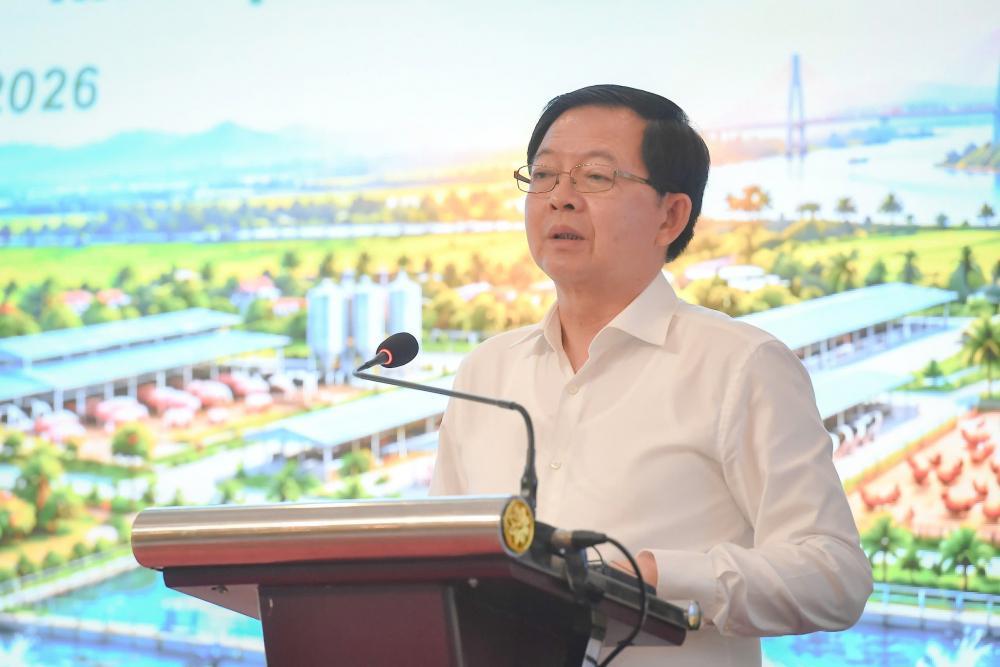
Accordingly, the Deputy Prime Minister instructed the Ministry of Science and Technology to review existing research projects and findings, particularly those related to agriculture, and establish criteria for selecting and supporting products with potential for practical application and commercialization. He also called for the prompt resolution of difficulties involving intellectual property, intellectual property valuation, technology transfer and mechanisms for accepting controlled risks in research and innovation.
A key requirement is to change how science and technology tasks are evaluated. Rather than focusing primarily on the number of research projects and their formal acceptance, assessments should be based on the products generated, identified applications and socioeconomic impacts. Research tasks must originate from practical needs, involve businesses from the outset and establish a clear pathway for bringing products to market.
Alongside these changes, the Deputy Prime Minister called for stronger cooperation among the State, researchers, businesses, cooperatives and farmers along value chains. Businesses should not simply receive research findings after projects have been completed. They must participate in identifying needs, commissioning research, organizing research activities, receiving technology transfers and applying the results in production and business operations. This approach is essential to ensuring that research responds to market demand while strengthening the accountability of all parties involved in technology application.
Regarding the development of the science and technology market, the Deputy Prime Minister stressed the need to improve connections among research institutes, universities, businesses and local authorities. Given that existing technology exchange platforms operate separately and remain limited in their ability to connect supply with demand, he instructed the Ministry of Science and Technology to study a shared science and technology exchange platform. The platform should be supported by services for technology transfer consulting, technology valuation, intellectual property rights identification and commercialization potential assessment.
The Deputy Prime Minister also called for research into the establishment of a national agricultural products exchange to support the development of agricultural markets. This initiative should be considered alongside efforts to improve market information systems and strengthen connections among participants in agricultural supply chains. Although the agricultural products exchange and the science and technology exchange platform would serve different functions, both are intended to improve market connectivity and operational efficiency.
For the Ministry of Agriculture and Environment, the Deputy Prime Minister assigned a coordinating role in connecting the technological challenges of agricultural industries, localities and businesses with the research capabilities of institutes and universities. Priority areas include the development of next-generation crop varieties and livestock breeds, veterinary vaccines, biotechnology, mechanization, automation, deep processing, agricultural byproduct utilization and product traceability.
A key element of this direction is to organize research across the entire value chain, from developing domestic capabilities in breeding and production inputs to production organization, preservation, processing and distribution. Technology priorities should be determined in close alignment with the needs of each agricultural industry, as the effectiveness of any solution can only be fully assessed in relation to the other stages of production and business operations.
Digital transformation was also identified by the Deputy Prime Minister as a priority for implementation. Ministries and agencies were instructed to accelerate the development and integration of sectoral databases, with a focus on information about land, growing areas, farming zones, crop varieties, livestock breeds, agricultural inputs, product quality and the movement of goods.
For agricultural traceability, an integrated data system must be established to enable information to be connected, shared and verified throughout the supply chain. This would support quality management, greater transparency of product origins and compliance with export market requirements.
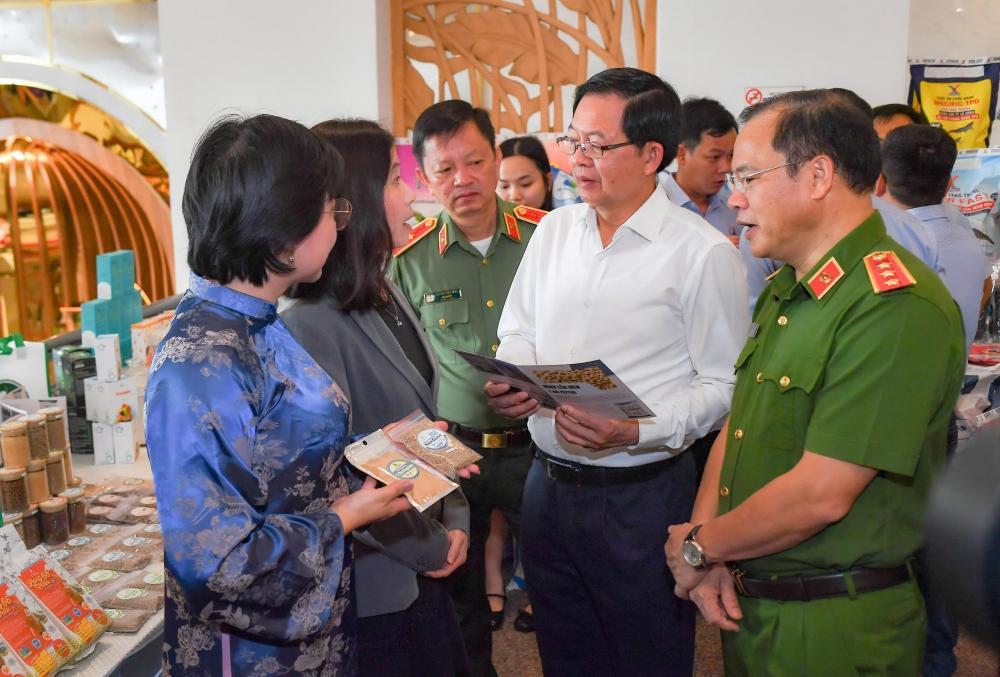
This requirement is also consistent with Can Tho City’s proposal to standardize identification codes, data standards and structures, and data-sharing mechanisms among management agencies, local authorities and businesses. With integrated data systems, clearly designated management agencies and well-defined responsibilities for data updates, digital transformation can more effectively support forecasting, production management, quality monitoring and product traceability.
To ensure these directions translate into concrete action, the Deputy Prime Minister instructed southern localities to select three to five priority technological challenges linked to models for integrated production, processing, distribution and brand development.
Based on proposals from local authorities, businesses and research institutions, the Ministry of Agriculture and Environment will lead the finalization of the priority list before December 15, 2026. This list will provide the basis for launching eligible tasks in the first quarter of 2027.
Research institutes and universities are responsible for proposing appropriate technological solutions and submitting them to the Ministry of Agriculture and Environment before December 15, 2026. Businesses and cooperatives are expected to proactively register their technology needs, investment capacity and ability to receive and commercialize products.
The Ministry of Agriculture and Environment will also coordinate with the Ministry of Science and Technology to review the progress of strategic technology tasks related to crop and animal breeding and vaccines, ensuring that implementation schedules reflect research cycles and the specific characteristics of agricultural production.
To monitor progress and implementation effectiveness, the Deputy Prime Minister called for a mechanism to track, inspect and evaluate results following the conference. Reports must be submitted to the Government and the Prime Minister every three months to ensure that difficulties are addressed promptly and tasks that are no longer appropriate can be adjusted.
The conference’s conclusions must be translated into implementation plans with clearly defined tasks, timelines, resources and deliverables, with individual accountability linked to measurable results.
In his response to the directives, Minister of Agriculture and Environment Trinh Viet Hung affirmed that the ministry would fully incorporate the Deputy Prime Minister’s instructions and identify science and technology, innovation and digital transformation as key drivers of changes in management methods, production organization and sectoral growth.
The ministry will focus on addressing technological challenges arising from practical needs, prioritizing research into crop varieties and livestock breeds, biotechnology, automation, deep processing, traceability and the circular economy. It will also strengthen cooperation among the State, researchers, businesses and producers.
Building on the outcomes of the two regional conferences, the Ministry of Agriculture and Environment will urgently finalize an implementation plan with specific tasks, timelines and deliverables, while linking the accountability of agency heads to implementation results.
The directions and tasks set out at the conference demonstrate that reforming agricultural science and technology requires progress on three fronts: research organization, the mobilization and effective use of resources, and stronger connections among stakeholders across value chains.
For southern Viet Nam, home to many of the country’s major agricultural production and export industries, addressing challenges involving breeding, production inputs, processing, logistics, data and markets in a coordinated manner will be essential to making better use of the region’s strengths.
Ultimately, the success of this process should not be measured by the number of research projects, the amount of investment or the technologies developed alone. More importantly, it should be measured by the ability to translate research into practical applications, reduce production costs, improve productivity and quality, increase the value of agricultural products and raise farmers’ incomes.
This is the central requirement for making science and technology, innovation and digital transformation genuine drivers of growth and supporting the development of modern, efficient and sustainable agriculture.
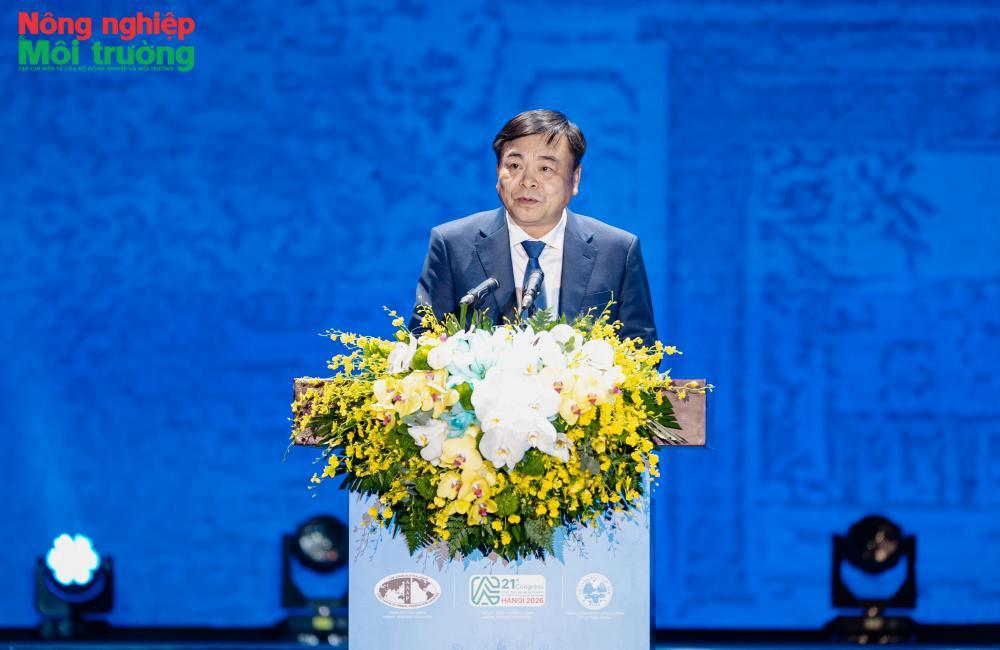
Held in Hanoi from October 28 to 31, 2026, the 21st Asian-Australasian Association of Animal Production Societies Animal Science Congress (AAAP 2026), under the theme “Sustainable animal production,” brought together scientists, policymakers and business representatives from 45 countries and territories. The congress featured 1,111 scientific papers selected by the organizers. Discussions highlighted the growing importance of disease resilience, reduced environmental impacts, more efficient resource use and improved production systems in achieving sustainable livestock development. Science and technology, institutional reform and international cooperation are central to addressing these challenges.
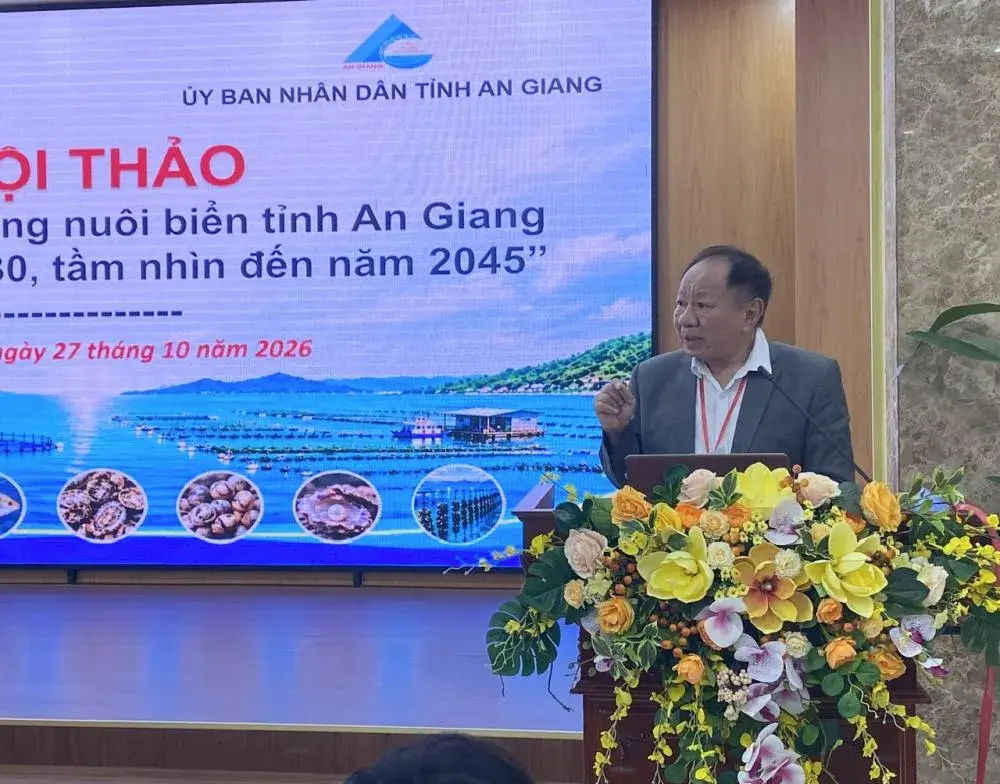
An Giang has extensive marine waters, numerous islands and considerable potential for development, giving the province an opportunity to transform marine aquaculture from fragmented, household-based operations into a modern economic sector. However, challenges involving spatial planning, investment capital, technology, seed supply, market linkages and environmental protection must be addressed in a coordinated manner to achieve the province’s targets for 2030 and its vision for 2045.
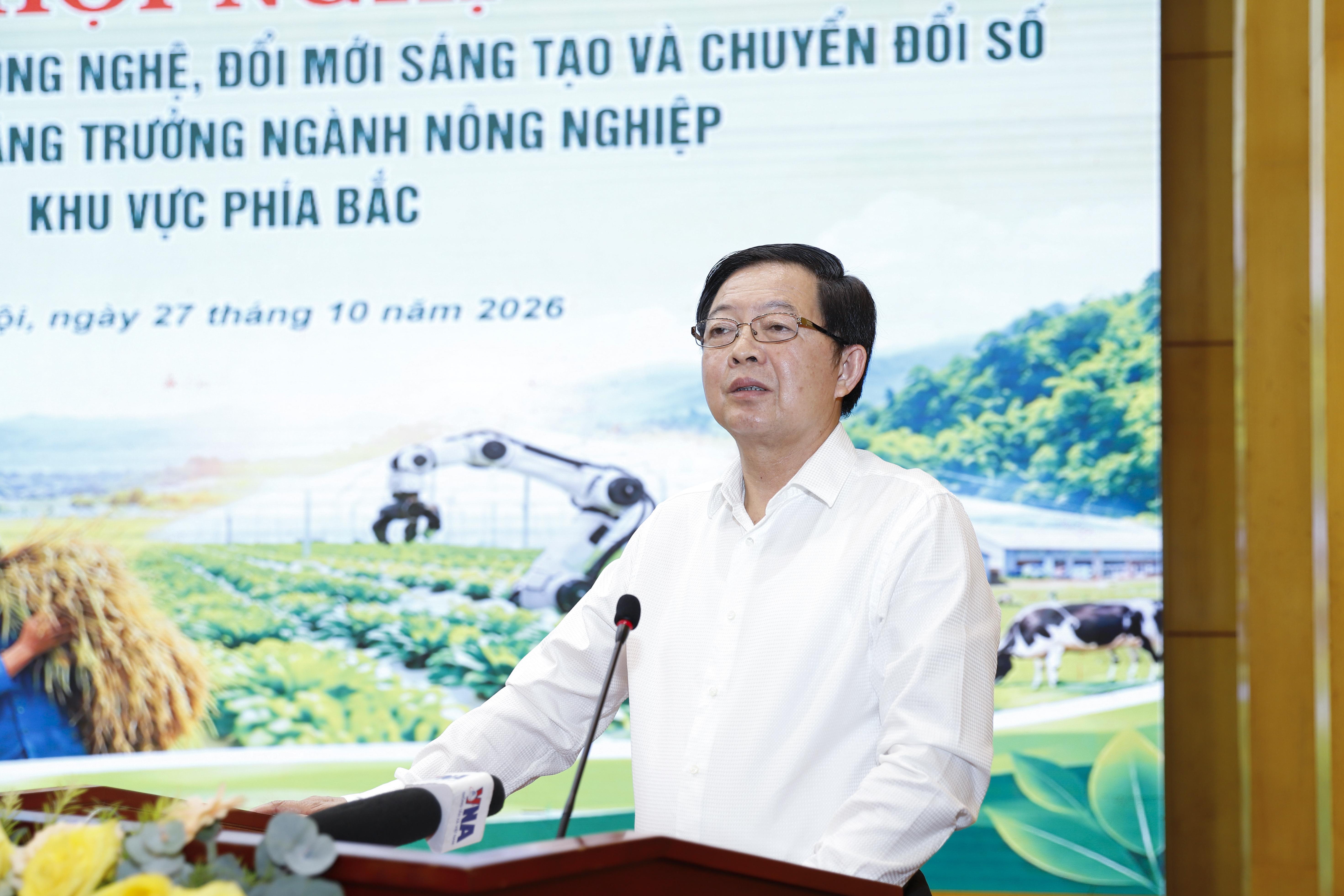
At a conference on science, technology, innovation and digital transformation to drive growth in the agricultural sector in northern Viet Nam, held in Hanoi on October 27, Deputy Prime Minister Ho Quoc Dung called for research projects to address practical needs, identify clear applications and deliver measurable results. Issues raised by leaders of the Ministry of Agriculture and Environment and the Ministry of Public Security highlighted the need to improve research effectiveness, strengthen links with businesses and bring scientific and technological advances into production and commercial use.
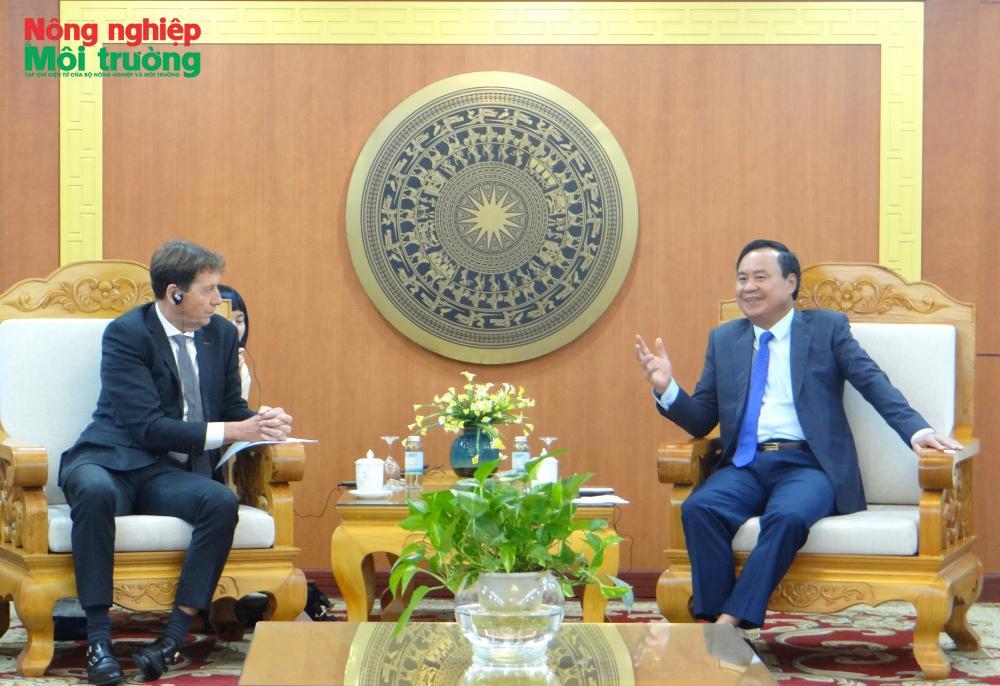
Deputy Minister of Agriculture and Environment Vo Van Hung met with Christophe Pierre Crepin, Director of the Agriculture and Environment Division at the World Bank’s East Asia and Pacific Region, on October 26 to discuss progress on the Sustainable Fisheries Development Project in Viet Nam and measures to mobilize resources for fisheries infrastructure. Both sides emphasized the need to align infrastructure investment with technological innovation, stronger management capacity and greater private sector participation in fisheries value chains.
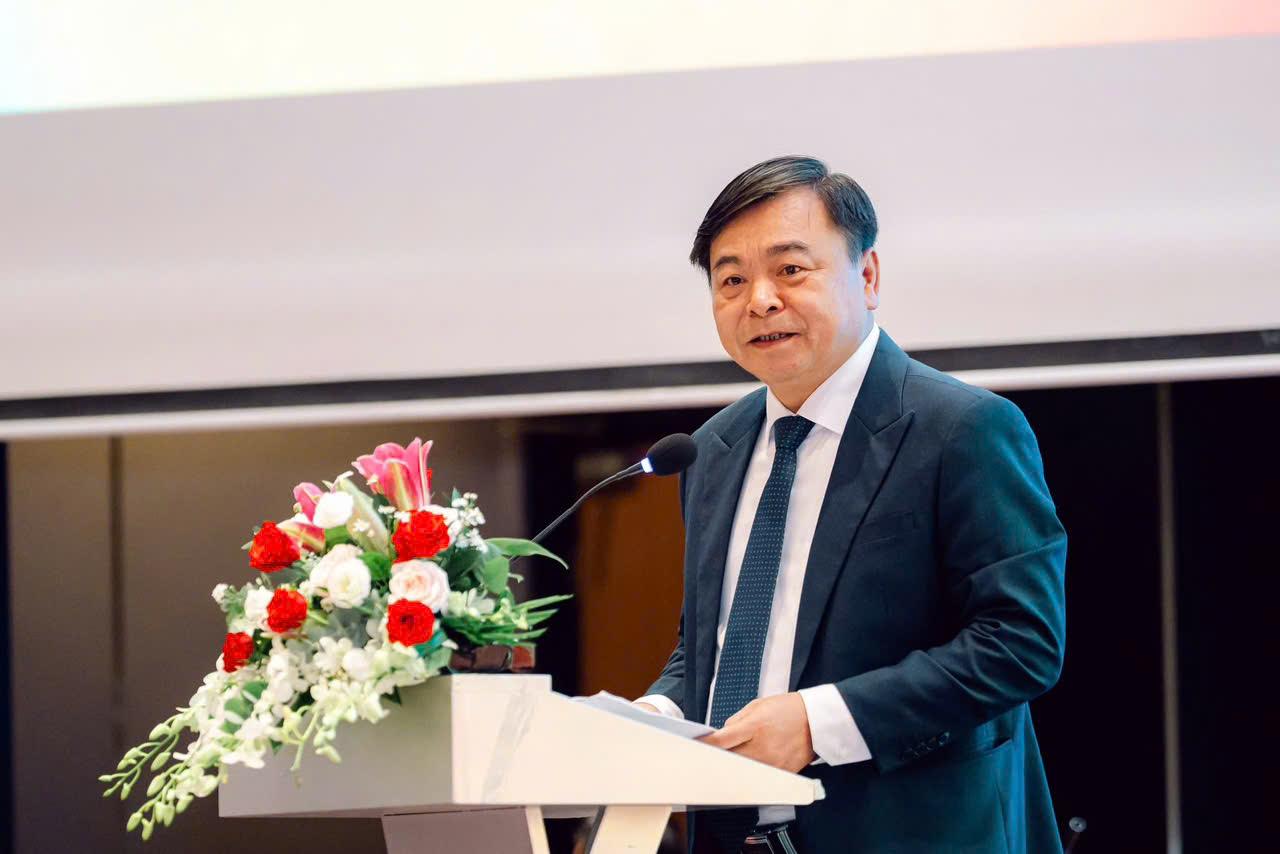
At a conference held on October 15 to mark World Food Day 2026 and strengthen cooperation on the implementation of Viet Nam’s “One million hectares of high-quality, low-emission rice scheme in the Mekong Delta”, the Ministry of Agriculture and Environment, the Food and Agriculture Organization of the United Nations (FAO) and development partners reviewed implementation progress, plans for expansion and resource needs for the next phase. Initial results indicate potential gains in production efficiency, lower input use and reduced emissions. However, scaling up the model will require closer coordination on infrastructure, production organization, market linkages and green finance.