



 A quietly evocative fable by Lê Minh Hoan, featured in the “Xích Lô’s Notebook” series, draws from the familiar image of Viet Nam’s rice fields to illuminate a deeper philosophy of leadership and human conduct. Through the bending rice—heavy with grain—the author reflects on humility, attentive listening, and growth through lived experience, offering a gentle yet enduring lesson for those in public service and beyond.
THE LESSON OF THE BENDING RICE |
There are lessons that do not live in books.
They stand quietly in the fields—under the sun, beneath the rain—returning each season to remind us of something at once ancient and ever new.
That lesson is the rice.
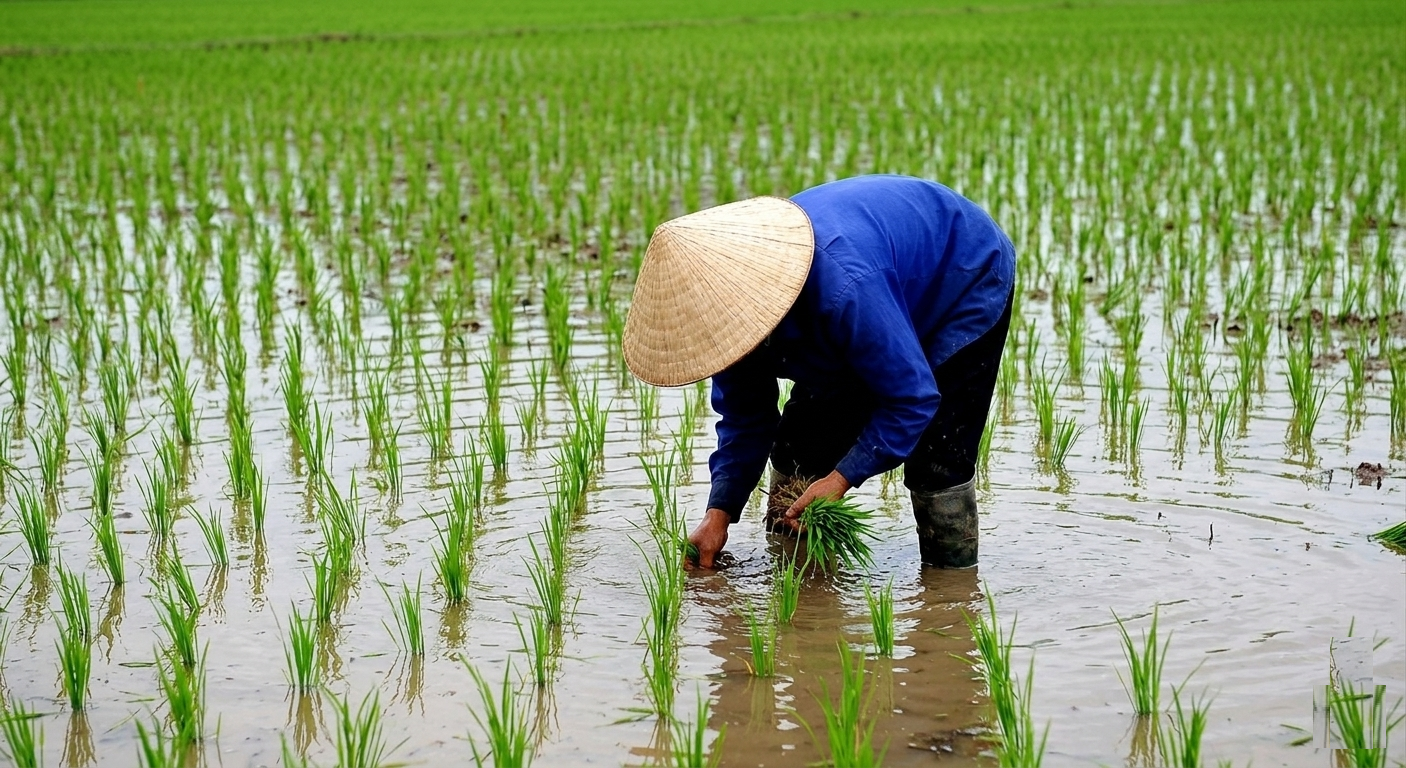
When it is young, the rice plant stands upright. Its slender stem and green leaves reach skyward, as if unafraid of anything. Yet when the grains begin to fill, as each one grows heavy with life, the plant slowly bends.
Not from weakness, but from fullness.
To bow is not to lower oneself—it is to deepen
People often say: the fuller the rice, the lower it bends. This is not the posture of inferiority, but the bearing of maturity.
The rice plant does not bow to the wind. It bows to the weight of its own yield.
So it is with grassroots officials. The more they travel, the more they understand the people, the more they are tempered by reality—the less they speak loudly or assert hastily, and the more they learn to listen.
At the beginning, everyone wants to stand tall
Those newly entrusted with responsibility often carry many aspirations: to act swiftly, to innovate, to leave a mark.
There is nothing wrong with that. But if one stands tall for too long, one may forget that beneath one’s feet lies the soil—the lived realities of the people, the burdens that never appear in reports.
The rice plant does not keep a single posture. It knows when to rise, and when to bow.
To bow is to see the ground more clearly
When it lowers its head, the rice plant draws closer to the earth.
It sees whether the water recedes too quickly or too slowly.
It senses whether the soil is dry or yielding.
It notices insects, crop pests, and young roots.
A grassroots official who learns to bow will perceive the truths that matter: a minor administrative procedure that confuses citizens; a sound policy that arrives at the wrong moment; a careless word that may quietly discourage another.
Without bowing, one does not see.
Without seeing, one cannot amend.
Humility does not diminish authority—it strengthens trust
Some fear that bowing one’s head is to lose prestige.
But in truth, people do not need officials who are always right. They need officials who are willing to correct themselves—those who can say: “I may not fully understand this yet; let me look into it again,” or “Perhaps this approach is not yet suitable; let us discuss further.”
Such words do not make an official smaller. They make trust grow larger.
Like a field of rice: it does not need to display its abundance. When the season comes, the grains speak for themselves.
The rice teaches a quiet form of leadership—without ostentation, without imposition, without standing above others to point the way.
It works silently through the seasons. Only at harvest do people fully recognize its worth.
So it is with grassroots officials. The finest work is done when people’s hardships are eased—without needing to know who made it so.
To bow is to go farther
Bowing is not an end; it is a preparation for the next season. The grains fall to the soil, and from them new life emerges.
An official who practices humility today will cultivate a stronger team tomorrow.
A way of working that listens will open more enduring paths.
Amid the many demands of duty, let each grassroots official hold onto a simple image:
The rice bends when it is full.
Let it be a reminder that the more one accomplishes, the gentler one’s voice should become; the greater one’s responsibility, the deeper one must listen; and the longer one walks with the people, the more one must learn to bow—together with them.
This is more than the lesson of the rice.
It is a lesson in being human—and a lesson in public service that endures.
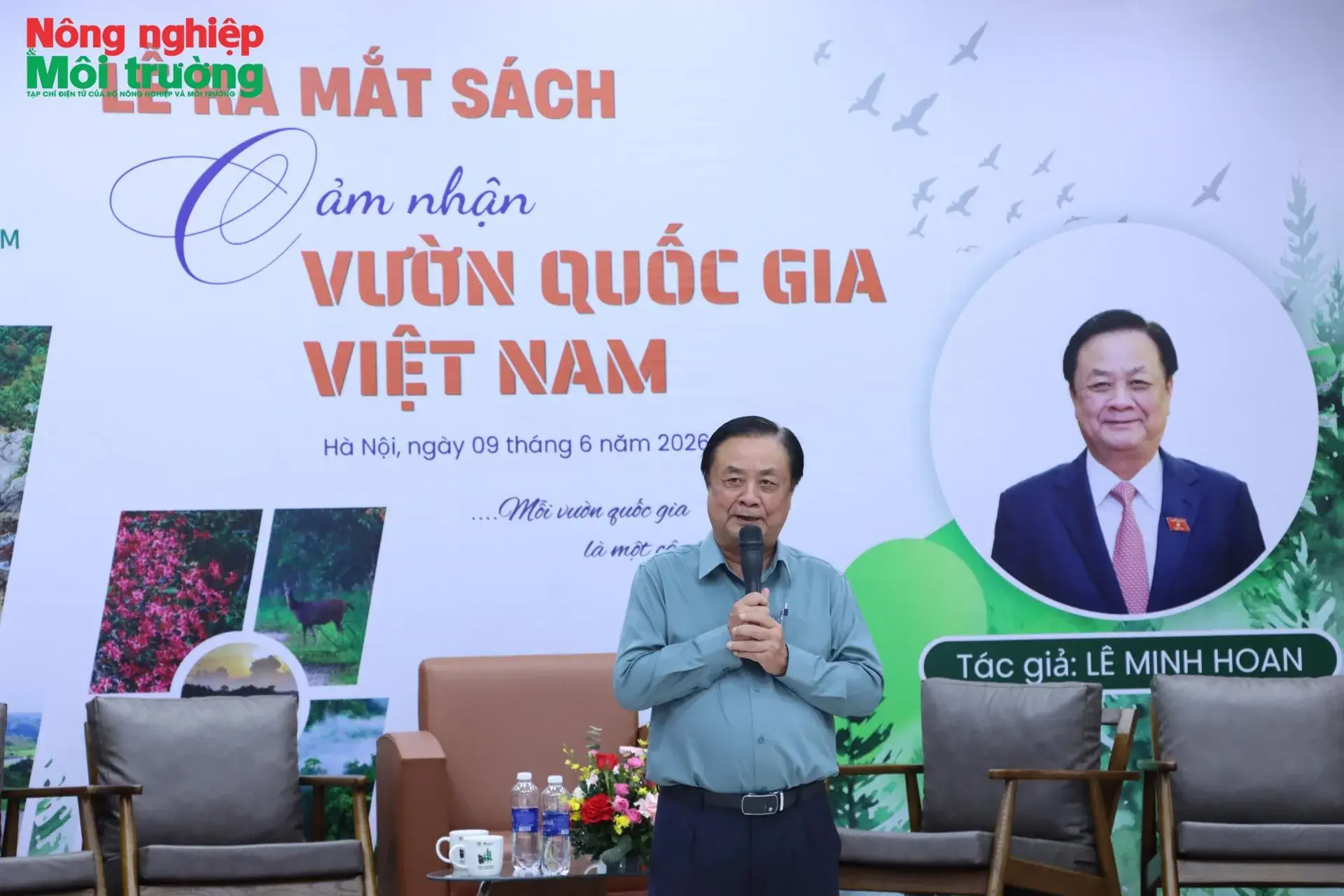
The Department of Forestry and Forest Protection under the Ministry of Agriculture and Environment on June 9, launched “Reflections on Viet Nam’s National Parks”, a book by Le Minh Hoan, former Vice Chairman of the National Assembly and former Minister of Agriculture and Rural Development. More than a work about nature, the book has been described as an emotional journey through 36 national parks across Viet Nam, helping promote messages of biodiversity conservation, sustainable development, and appreciation for the country’s forests.

OCOP is more than a program for ranking products. It is a journey to awaken the soul of the countryside. Behind every star lies a world of identity, memory, and the quiet creativity of local communities. To imagine OCOP as a beauty pageant finale is to see it from another angle entirely: every product, like every person, deserves its own moment to shine. In that space, value is no longer measured by quality alone, but also by emotion, by memory, and by trust.
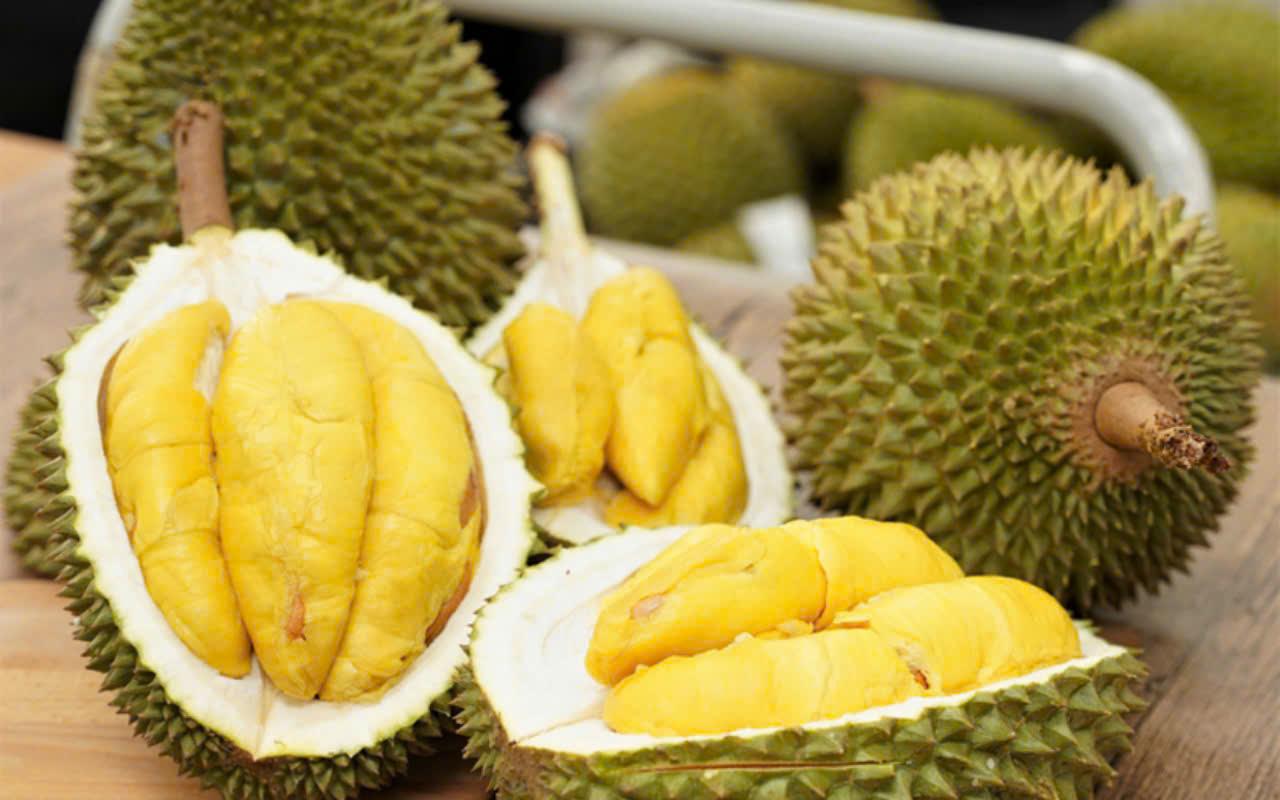
Durian in the Central Highlands was once a golden dream—until the market lost its trust. What followed became a turning point: farmers choosing to stand together, bound by a shared commitment to farm with responsibility and honor. No longer chasing short-term prices, they turned instead to transparency—keeping careful records, following standards, protecting their planting area codes. It was this simple promise that helped durian return to export markets—and, more importantly, restored trust in an entire region. A small story, perhaps, but one that speaks to a larger truth: sustainability begins with credibility.
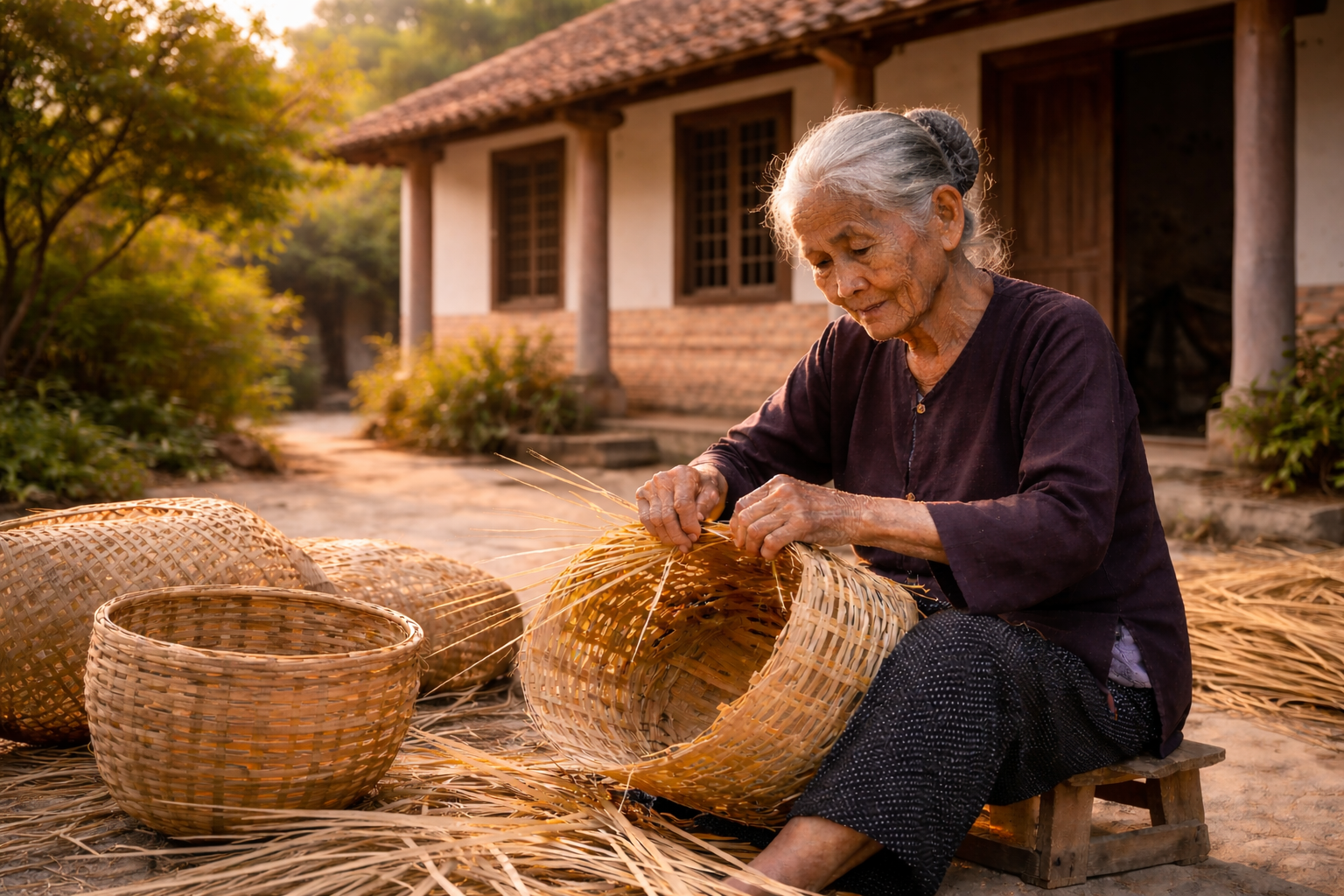
In Xích Lô’s Notebook, Lê Minh Hoan writes less as a policymaker than as a listener to the quiet rhythms of rural life. This piece lingers in the countryside—where memory is not something left behind, but something still being lived, in gestures, in people, in the texture of everyday life. From an old woman weaving bamboo baskets to the changing paths of a younger generation, the story draws us toward a simple yet enduring truth: keeping the village is not an act of nostalgia, but a way of holding on to the roots from which the future must grow.

From the story of cá lưỡi trâu—a type of tongue sole, a flatfish that lives close to the riverbed—we are led to think of certain books that carry the same quiet presence. Some are neither loud nor conspicuous, yet once read, they linger, seeping gently into memory without our knowing. ‘Xích Lô’s Notebook’ feels much the same—unhurried, unassuming, yet perhaps capable of carrying us far, in a way that is deeply sincere.