



 In a land where ponds meet the river and the river meets the sea, a shrimp begins to wonder where it truly comes from. This quiet fable invites readers to reflect on the roots of an industry—and the fragile balance between prosperity, responsibility, and the living waters that sustain it.

Along a stretch of coastal lagoons where the tide rises and falls twice a day—like the breathing of the earth—a generation of silver shrimp was born. They grew up in wide shrimp ponds, carved out of brackish land where the river meets the sea. People cherished shrimp here. Not simply as food, but as possibility. A pond of shrimp could mean a brick house instead of a thatched one. A motorbike in the yard. Schoolbooks in a child’s hands. For many families, the shrimp carried a future on its fragile shell.
In the early days, there were only a few ponds. Farmers raised shrimp carefully then. They stocked clean shrimp seed, often nursed by their own hands. They changed water with the tide. They tested salinity. They kept notebooks—page after page of small observations about weather, water, and growth.
Some seasons brought abundant harvests. The whole hamlet celebrated. Laughter of children ran along the dikes.
Other seasons brought losses. But neighbors shared shrimp seed, medicine, even borrowed money. Shrimp farming was hard work. Yet the village felt whole.
Then the world discovered shrimp. Exports climbed into the billions of dollars. Suddenly the small ponds seemed too small. People expanded. Pond after pond. Shrimp plot after shrimp plot. Rice fields were turned into brackish ponds. Every household raised shrimp.
Farmers no longer nursed their own seed. Traders arrived with plastic bags of post-larvae, promising fast growth and quick returns. Few asked where the seed came from.
The water was no longer tested so carefully. When trouble appeared, farmers reached instead for antibiotics, chemicals, powders with difficult names. The notebooks disappeared. After all, no one seemed to ask for them anymore.
Traders traveled from house to house buying shrimp. They did not ask which pond the shrimp had come from. What they had eaten. Whether disease had passed through the water.
All that mattered was size. A shiny shell. A heavier kilogram. The shrimp were packed into refrigerated trucks, sent to processing plants, frozen, exported across oceans. From the outside, the entire industry flowed like a river in full tide—smooth, efficient, unstoppable.
Or so it appeared.
But beneath the surface, the silver shrimp were struggling to breathe. The water in the ponds grew thicker, heavier. One day there was a strange smell. The next day algae bloomed. Soon fish floated lifeless. Shrimp fell ill. More chemicals followed. More medicine. The cycle repeated—again and again—like a wheel spinning faster than anyone could stop.
The silver shrimp looked around and wondered. Where had it come from? No one seemed to know. No one knew which pond it had grown in, what feed it had eaten, or how long it had lived beneath that murky water.
Whenever a shipment was rejected abroad, the blame began to travel. “It must be the seed.” “It’s the chemicals.” “The processing plant mishandled it.” “The buyers force the prices too low.” The words moved in circles. Responsibility did not.
Then one day, a buyer arrived from far away. A careful buyer. He looked at a basket of shrimp and asked calmly: “Which farm did this shrimp come from? Is there certification? Is there a farming protocol? Can its journey be traced?”.
The village fell silent. No one had an answer.
At that moment, the silver shrimp wished it could speak. It wanted to tell its story. It had been born in an old pond where the water tasted both of salt and river mud. The farmer who owned the pond had never known its name. It had eaten feed without labels. Each day the water carried a different smell. It grew quickly—too quickly perhaps—pushed along by urgency, by market pressure, by hope and fear mixed together.
And the shrimp felt a quiet sadness. No one remembered who it was.
One night near the end of the season, the silver shrimp spoke to the river that flowed beside the ponds. “River,” it asked gently, “why does your water no longer feel cool and clear as it once did?” The river answered with a slow, weary voice: “Because people no longer care for me as they used to. Wastewater flows into me without a second thought. People have forgotten something simple: if you want healthy shrimp, you must first have living water.”
The shrimp whispered again: “Once, we all walked the same path—the hatchery, the farmer, the trader, the processor. Now everyone runs their own race. The trader thinks only of price. The factory thinks only of volume. The farmer thinks only of selling quickly. But who remembers the beginning of the story? Who remembers the soil beneath the ponds? The river that feeds them? The sea that carries everything away?”
The river flowed quietly. Small fish drifted through its clouded current. And in that silence, the silver shrimp understood something important: An industry may grow vast—spanning markets and oceans—but if its roots are not grounded in transparency, integrity, and care for the land and water, it will eventually drift like something unmoored, not knowing where it truly belongs.
A closing word for those who hear the story
Somewhere in the real world, there may be many silver shrimp like this one—unable to tell their own journey because no one has written it down.
There may also be quiet rivers carrying the burden of waste and pollution, simply because no one stands up to protect them.
And there are supply chains whose links fail to join into a single strong rope, scattered instead like pieces of a puzzle that no longer fit.
This fable is not only for shrimp farmers. It is for anyone running an industry at great speed—while forgetting its depth.
Only when we begin to record every step of the shrimp’s journey, every breath of the river and the sea, every hand that touches the chain—from farmer to trader, from processor to exporter— only then can we stand before the world and say: “This is our shrimp. This is its journey. This is the future we are building together.”
And that day may not be far away. For people are slowly awakening to a truth long carried by the river and the sea: “The river never competes, yet it nourishes entire fields. It speaks quietly, yet it shapes civilizations”.
And the sea teaches patience—for even the smallest waves, gathered over time, become an ocean.

The Department of Forestry and Forest Protection under the Ministry of Agriculture and Environment on June 9, launched “Reflections on Viet Nam’s National Parks”, a book by Le Minh Hoan, former Vice Chairman of the National Assembly and former Minister of Agriculture and Rural Development. More than a work about nature, the book has been described as an emotional journey through 36 national parks across Viet Nam, helping promote messages of biodiversity conservation, sustainable development, and appreciation for the country’s forests.
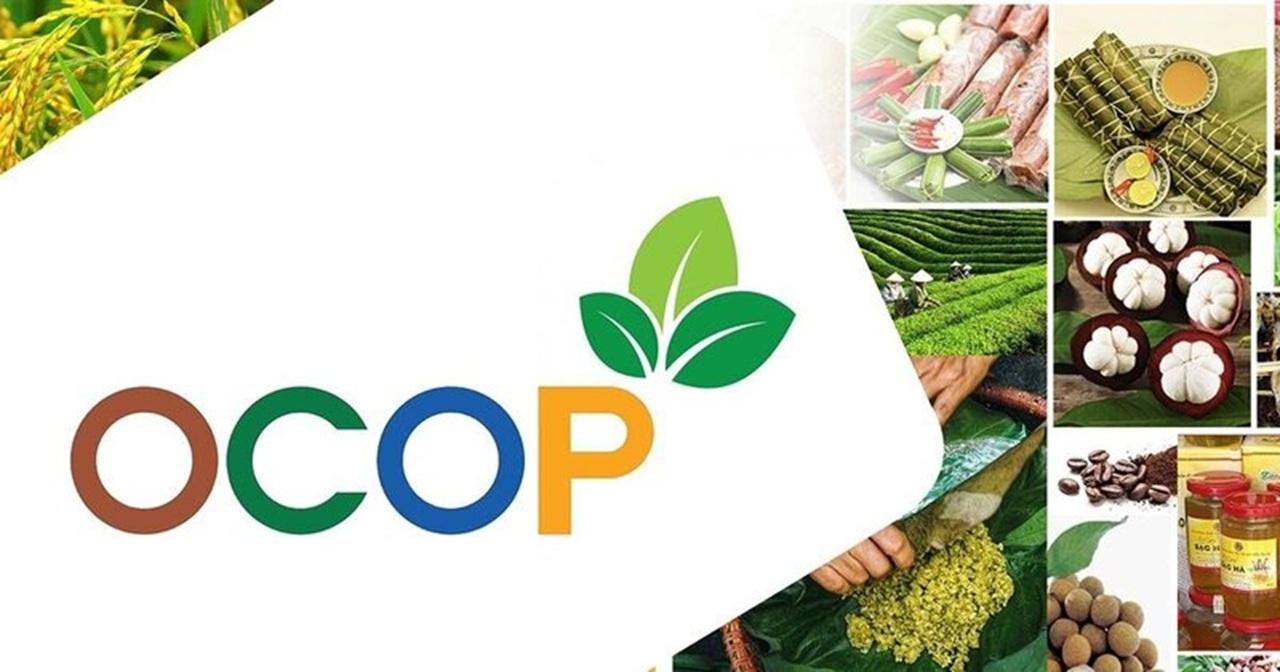
OCOP is more than a program for ranking products. It is a journey to awaken the soul of the countryside. Behind every star lies a world of identity, memory, and the quiet creativity of local communities. To imagine OCOP as a beauty pageant finale is to see it from another angle entirely: every product, like every person, deserves its own moment to shine. In that space, value is no longer measured by quality alone, but also by emotion, by memory, and by trust.
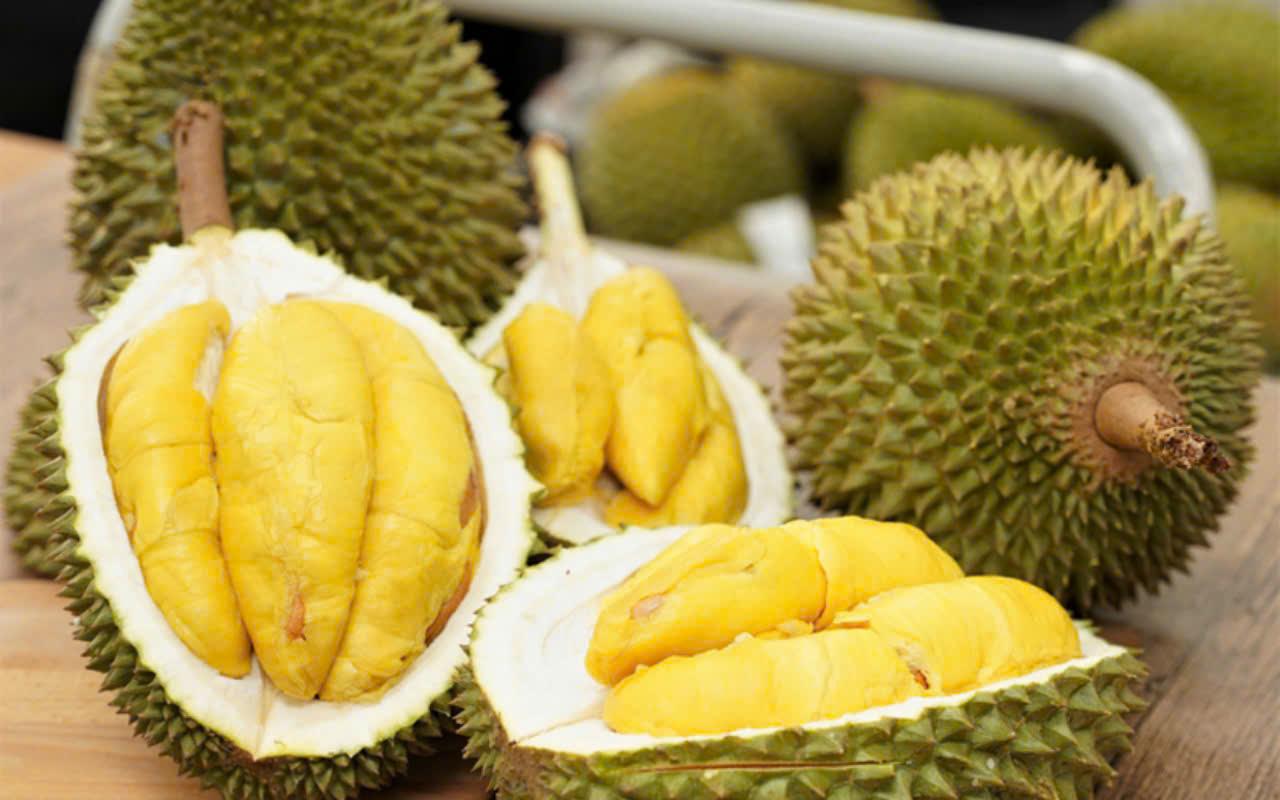
Durian in the Central Highlands was once a golden dream—until the market lost its trust. What followed became a turning point: farmers choosing to stand together, bound by a shared commitment to farm with responsibility and honor. No longer chasing short-term prices, they turned instead to transparency—keeping careful records, following standards, protecting their planting area codes. It was this simple promise that helped durian return to export markets—and, more importantly, restored trust in an entire region. A small story, perhaps, but one that speaks to a larger truth: sustainability begins with credibility.
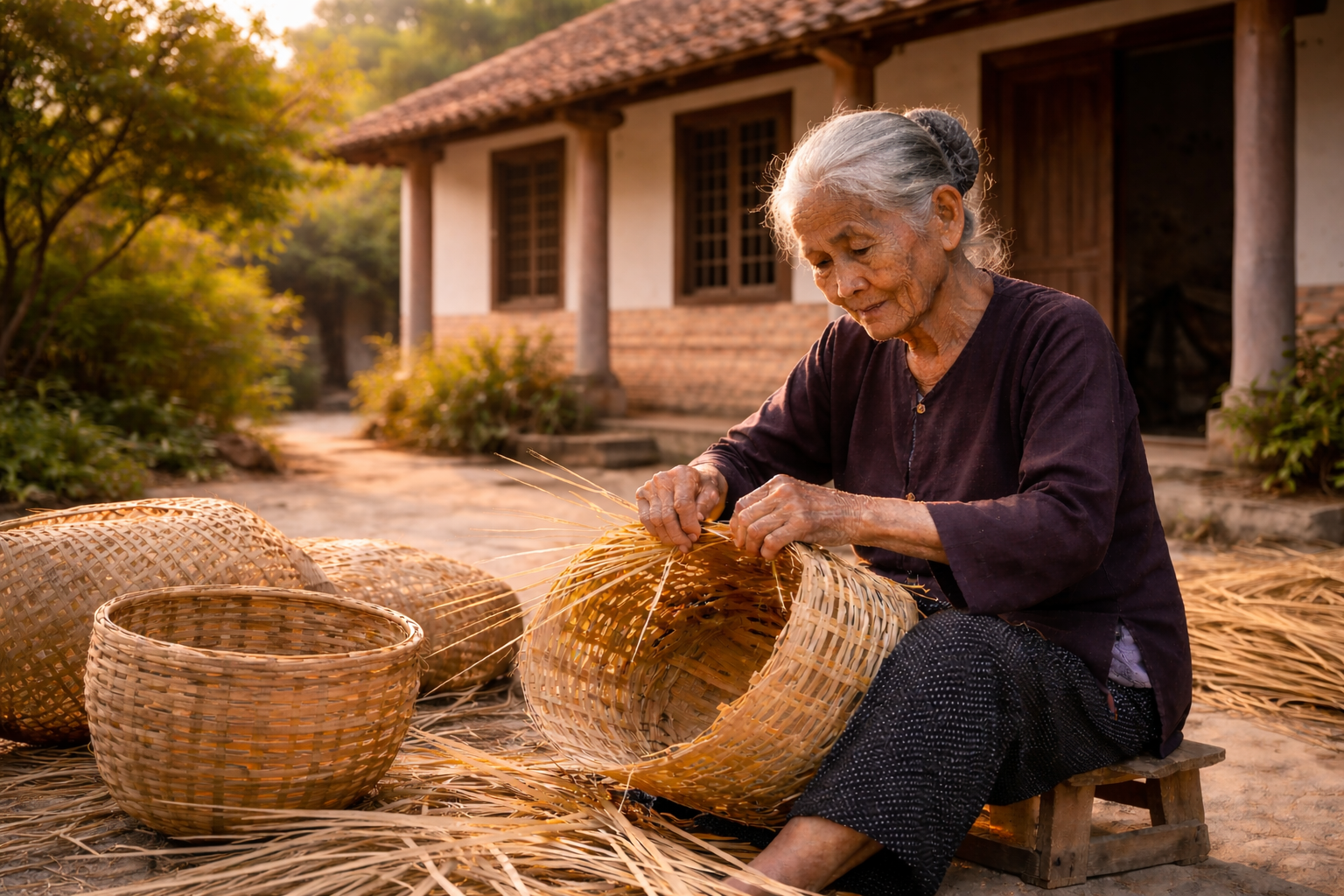
In Xích Lô’s Notebook, Lê Minh Hoan writes less as a policymaker than as a listener to the quiet rhythms of rural life. This piece lingers in the countryside—where memory is not something left behind, but something still being lived, in gestures, in people, in the texture of everyday life. From an old woman weaving bamboo baskets to the changing paths of a younger generation, the story draws us toward a simple yet enduring truth: keeping the village is not an act of nostalgia, but a way of holding on to the roots from which the future must grow.
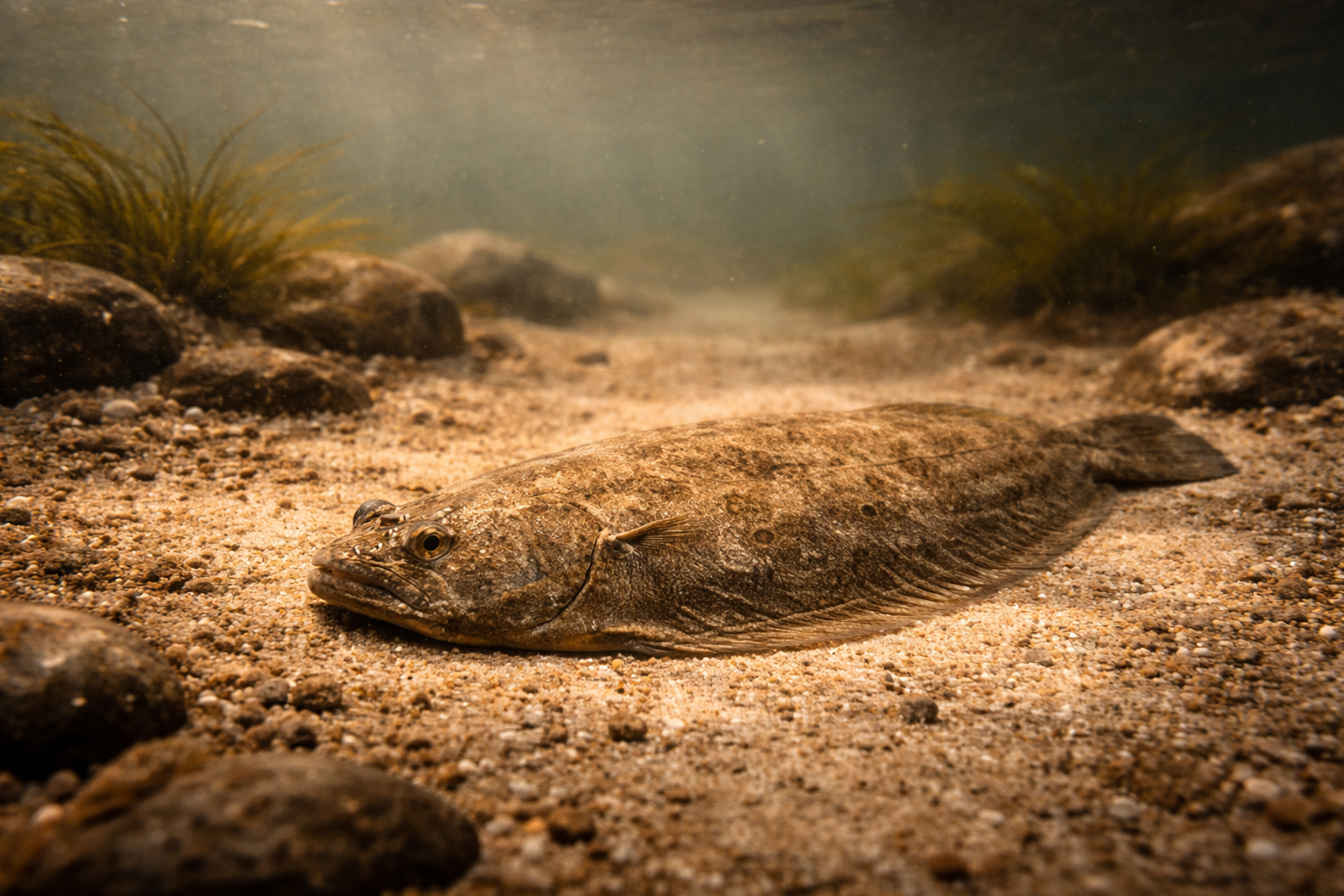
From the story of cá lưỡi trâu—a type of tongue sole, a flatfish that lives close to the riverbed—we are led to think of certain books that carry the same quiet presence. Some are neither loud nor conspicuous, yet once read, they linger, seeping gently into memory without our knowing. ‘Xích Lô’s Notebook’ feels much the same—unhurried, unassuming, yet perhaps capable of carrying us far, in a way that is deeply sincere.