



 Dien Bien and Lai Chau provinces have extensive natural forest areas and are home to various non-timber forest product (NTFP) species with significant economic and medicinal value. A study by researchers from the Forestry Economics Institute, Viet Nam Academy of Forest Sciences, examines the cultivation of these products under forest canopy in the two provinces and identifies the conditions needed to make more effective use of the multi-purpose value of forest resources.
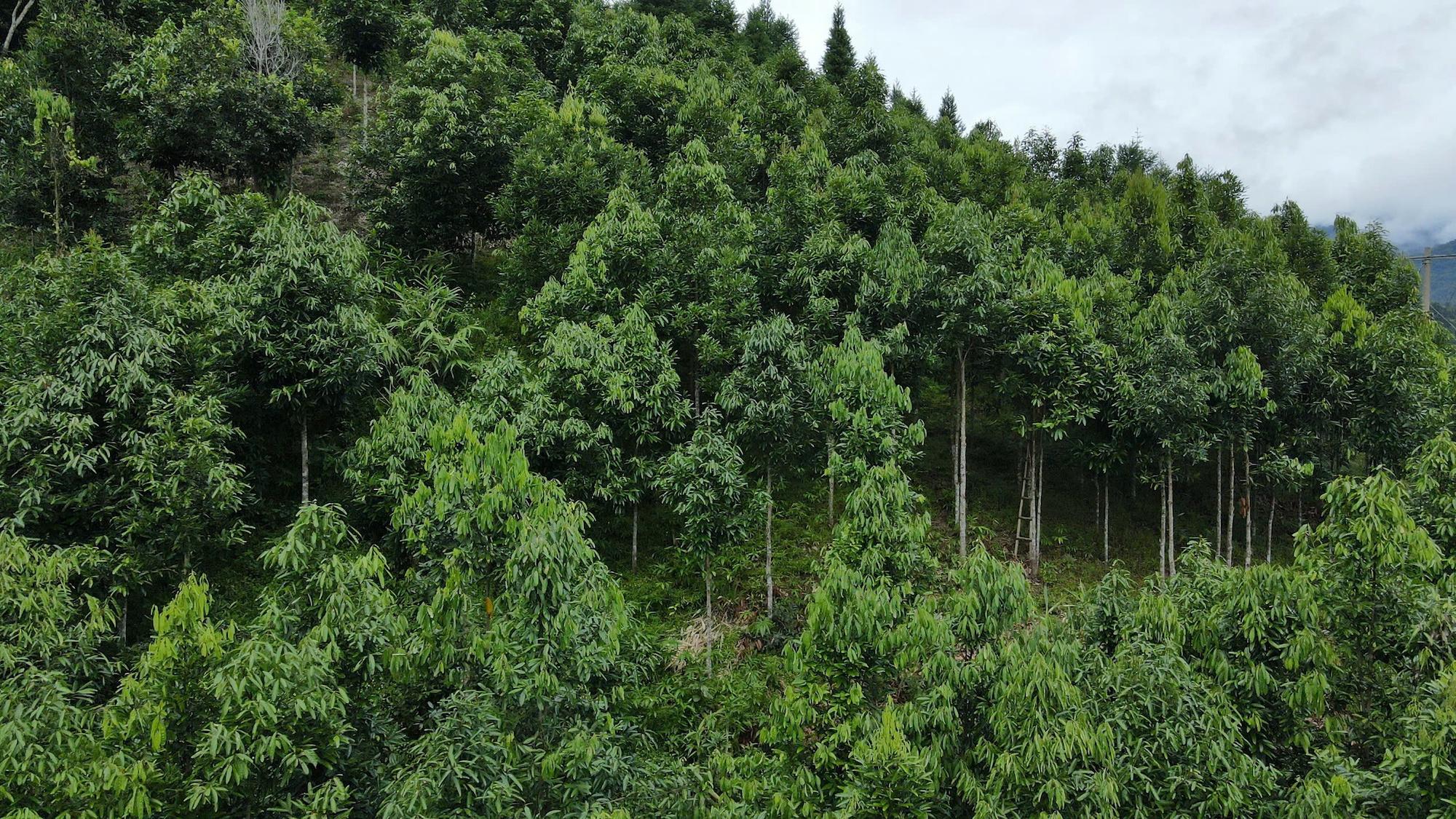
Valuable NTFP species already cultivated under forest canopy
Non-timber forest products (NTFPs) are an important component of forest resources. They contribute to product diversification, support local livelihoods and improve incomes, while also helping advance forest resource management and conservation objectives. Against a backdrop of prolonged harvesting pressure on naturally occurring NTFP resources, cultivating suitable species under forest canopy represents an important approach to sustainable forest-based economic development.
In Viet Nam’s Northwest region, Dien Bien and Lai Chau are notable for their forest resources and ecological conditions. By the end of 2025, the two provinces had forest areas of more than 438,000 ha and 511,000 ha, respectively, with natural forests accounting for a substantial proportion of the total forest area in each province. These conditions provide an important basis for exploring the development of NTFP species suited to the ecological conditions under forest canopy.
Drawing on secondary data and interviews with forestry management officials, households, enterprises and cooperatives involved in cultivation, the research team, comprising Nguyen Tien Hai, Vu Thi Thuy, Pham Thi Luyen, Vu Duy Hung and Nguyen Xuan Hau, identified several major NTFP species cultivated in the two provinces. The findings indicate that most of these species are medicinal plants, including high-value species such as Lai Chau ginseng (Panax vietnamensis var. fuscidiscus), wild notoginseng (Panax stipuleanatus) and seven-leaf Paris (Paris polyphylla). Purple amomum and black cardamom also account for considerable cultivation areas.
Notably, most of these species are cultivated under natural forest canopy. Purple amomum has a broader cultivation distribution, occurring under both natural and planted forest canopies. With the exception of black cardamom, which belongs to the spice group, the other species discussed in the study are primarily medicinal plants.
Systematically identifying the species currently cultivated in the two provinces has practical significance. It provides a basis for identifying promising products and generates preliminary information to guide NTFP development in accordance with the forest resource characteristics of each locality.
Significant scope for further development
Although several cultivation areas have been established, the area under NTFP cultivation beneath forest canopy remains small relative to the total forest area of the two provinces. According to the data presented in the study, this area in Dien Bien is approximately 1,790 ha, equivalent to 0.4% of the province's total forest area. In Lai Chau, it reaches approximately 9,178 ha, representing nearly 1.8%.
The composition of cultivated species also differs between the two provinces. In Dien Bien, purple amomum predominates, covering approximately 1,673 ha, compared with around 108 ha of black cardamom. In Lai Chau, black cardamom occupies the largest area, at approximately 6,640 ha, followed by purple amomum at 2,485 ha. High-value medicinal species such as Lai Chau ginseng, seven-leaf Paris and wild notoginseng currently occupy considerably smaller areas.
These figures indicate that NTFP cultivation under forest canopy has become part of forestry production in both provinces, although the extent of development varies considerably among species. While some species have established relatively extensive cultivation areas, high-value medicinal plants are still predominantly cultivated on a small scale, with investment mainly coming from enterprises and cooperatives that have the necessary financial resources.
The study also records increases in the cultivation areas of certain species, including purple amomum, Lai Chau ginseng and wild notoginseng, in some localities. However, these increases remain modest. This suggests that considerable development potential remains, particularly given the extensive natural forest areas and suitable ecological conditions for growing certain valuable species in both provinces.
This potential must be considered within the framework of sustainable forest utilization. NTFP development under forest canopy cannot be separated from the need to maintain forest area and quality, preserve natural regeneration capacity and safeguard the ecological functions of each forest type. Only when cultivation practices are compatible with local ecological conditions and forest management objectives can the economic value of forest products be pursued alongside sustainable forest management.
Planting stock, technical guidance and market linkages
An important contribution of the study is its identification of the factors directly affecting NTFP development under forest canopy. The survey findings indicate that planting stock quality, technical guidelines, production organization and market access require coordinated attention.
First, access to high-quality planting stock is a fundamental prerequisite. According to the study, Lai Chau ginseng is the only species among those surveyed that has received plant variety protection certification, while the other species have not been formally recognized as varieties. The number of facilities producing and supplying seedlings in the two provinces remains limited. Many households use seedlings purchased through informal channels or collected from sources with no clearly established provenance. This situation highlights the need for research, selection, evaluation and development of high-quality planting stock to meet long-term cultivation requirements.
Alongside planting stock, technical guidelines for cultivation and maintenance play an important role in production performance. In Lai Chau, technical guidelines have been issued for Lai Chau ginseng, while a technical cultivation protocol has been established for wild notoginseng. However, several more widely cultivated species, including purple amomum, black cardamom and seven-leaf Paris, still lack officially issued cultivation guidelines or technical protocols, according to the researchers' review.
The absence of appropriate technical guidance means that many households rely primarily on their own experience in cultivation, maintenance and harvesting. For high-value medicinal plants, technical requirements deserve particular attention, covering the selection of planting stock, growing conditions, and pest and disease management. The study found that some Lai Chau ginseng and Ngoc Linh ginseng cultivation models have encountered pest and disease problems, with plant survival rates remaining low after three to four years. These findings provide practical evidence of the need to strengthen research and technology transfer so that growers can better manage their production activities.
Another important factor is the establishment of linkages among stakeholders along the value chain. The interviews did not identify any surveyed households or organizations with formal agreements for product sales to purchasing or processing enterprises. Approximately two-thirds of the households surveyed in each province reported difficulties in marketing their products. When market outlets are unstable, growers face challenges in planning production, investing in crop maintenance and expanding cultivation areas.
Therefore, NTFP development needs to be considered in relation to the entire production and marketing system, including raw material production areas, planting stock suppliers, growers, processing enterprises and consumer markets. Value chain linkages can facilitate resource sharing, improve product quality and enhance market stability, thereby strengthening the sustainability of under-canopy NTFP cultivation.
Policy support for the sustainable, multi-purpose use of forests
In addition to technical and market-related factors, the study emphasizes the role of the legal and regulatory framework and support policies. Viet Nam has issued various legal documents providing a basis for cultivating NTFPs under forest canopy. However, the relevant provisions are dispersed across different documents, and some remain general in nature, without sufficiently detailed guidance to facilitate their implementation at the local level.
One issue highlighted by the research team concerns the scope of regulations governing species cultivated under forest canopy. The regulations reviewed address medicinal plants but do not fully cover other NTFP groups, such as fiber-producing plants, oil-producing plants, food plants and spices. Meanwhile, experience in the two provinces shows that non-medicinal species, including black cardamom, are already being cultivated under forest canopy. Improving the legal framework to better reflect the range of products currently cultivated would help facilitate production by local authorities and forest owners.
Based on their analysis, the researchers recommend reviewing and supplementing relevant regulations, while also developing specific guidance for NTFP cultivation under forest canopy. Such guidance should clarify implementation requirements and organizational arrangements, while ensuring that cultivation does not reduce forest area or quality, compromise natural regeneration, affect natural succession processes or undermine the designated purposes of individual forest areas. For endangered, precious and rare species, as well as species listed in the CITES Appendices, requirements concerning legal provenance and the management of cultivation facilities also need to be clearly explained and adapted to practical conditions.
Regarding support policies, the research team considers that more targeted mechanisms are needed to promote NTFP cultivation. Proposed measures include supporting research and variety recognition, investing in facilities for producing high-quality planting stock, strengthening forestry extension services and technical transfer, facilitating access to investment capital and credit, and supporting production, processing and marketing linkages, product branding and trade promotion.
These recommendations are important for transitioning from relatively fragmented cultivation models toward more organized production systems supported by sound technical foundations and linked to market demand. In particular, support policies should take into account the circumstances of households, forest-dependent communities and production organizations in mountainous areas, where access to information, finance and technical services varies.
The value of this research lies not only in identifying the NTFP species currently cultivated under forest canopy in Dien Bien and Lai Chau, but also in providing an empirical basis for determining development priorities in this sector. The findings suggest an integrated approach in which quality planting stock, improved technical practices, stronger market linkages and appropriate support policies are closely interrelated conditions for development.
Within the broader framework of sustainable forestry, cultivating NTFPs under forest canopy can contribute to product diversification, improved livelihood opportunities and the more effective utilization of forest ecosystem resources. For provinces with extensive natural forest resources, such as Dien Bien and Lai Chau, developing this sector on a sound scientific basis, in accordance with ecological conditions and in close alignment with forest protection requirements, represents a promising direction for enhancing the multi-purpose value of forest ecosystems.
Sources: This article is based on the study “The current status of planting non-timber forest products under forest canopy in Dien Bien and Lai Chau provinces” by Nguyen Tien Hai, Vu Thi Thuy, Pham Thi Luyen, Vu Duy Hung, Nguyen Xuan Hau, published in the Science Journal of Agriculture and Environment, Issue 2, September 2026.
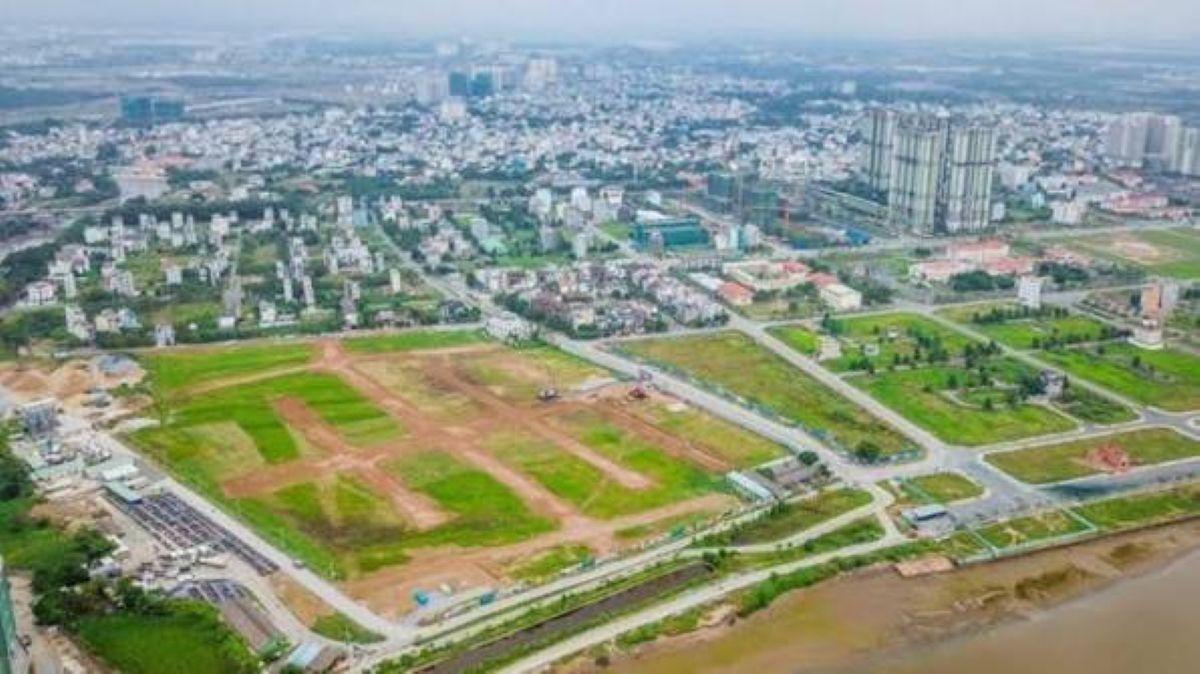
Land resources can become a driver of development only when they are systematically assembled, managed, and utilized through transparent, efficient, and sustainable processes. As Viet Nam advances its digital transformation, the application of technology and the development of an integrated land database are creating opportunities to modernize land governance. A study by Truong Do Thuy Linh, Le Ngoc Lam, and Do Thi Tam examines the current state of land fund development in Viet Nam, identifies the factors influencing this process, and proposes measures to improve land management and utilization in the digital era.
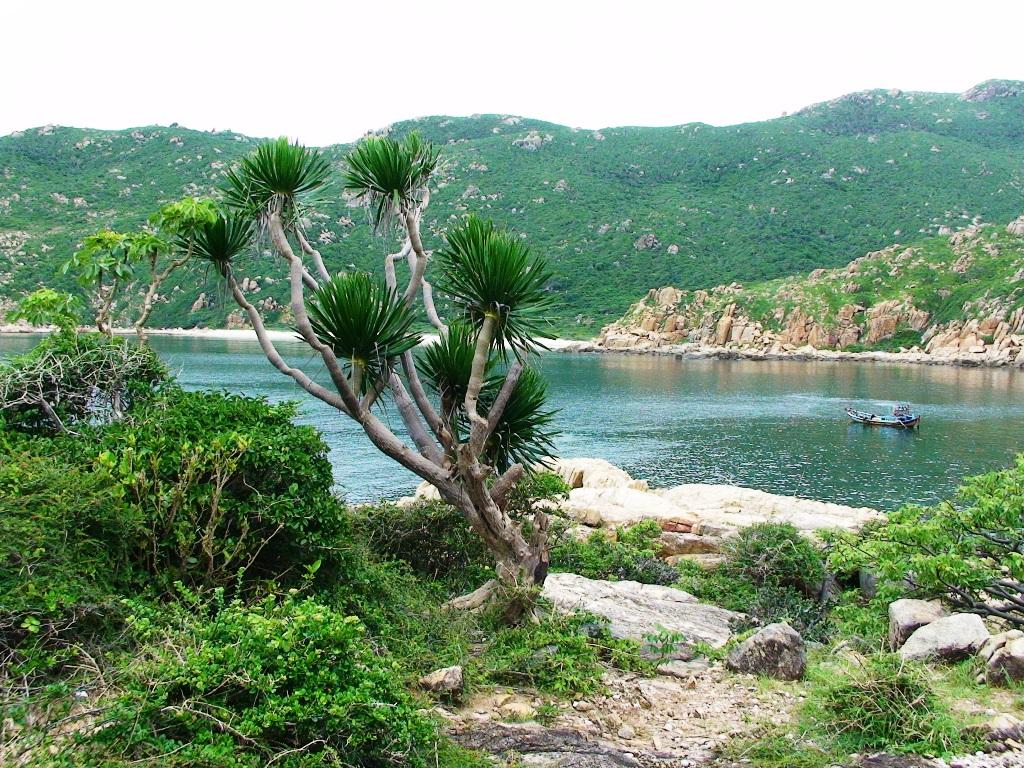
By integrating ALOS-2 PALSAR-2 radar data, Sentinel-2 satellite imagery, and field survey data, a study by Nguyen Viet Luong developed a forest biomass distribution map with an overall accuracy of 83.29% for the study area within Nui Chua National Park. The results estimate that forest vegetation across the 25,209-hectare study area contains approximately 1.36 million metric tons of carbon, equivalent to nearly 4.98 million metric tons of CO₂. The findings provide an additional scientific basis for forest ecosystem monitoring, management, and conservation.
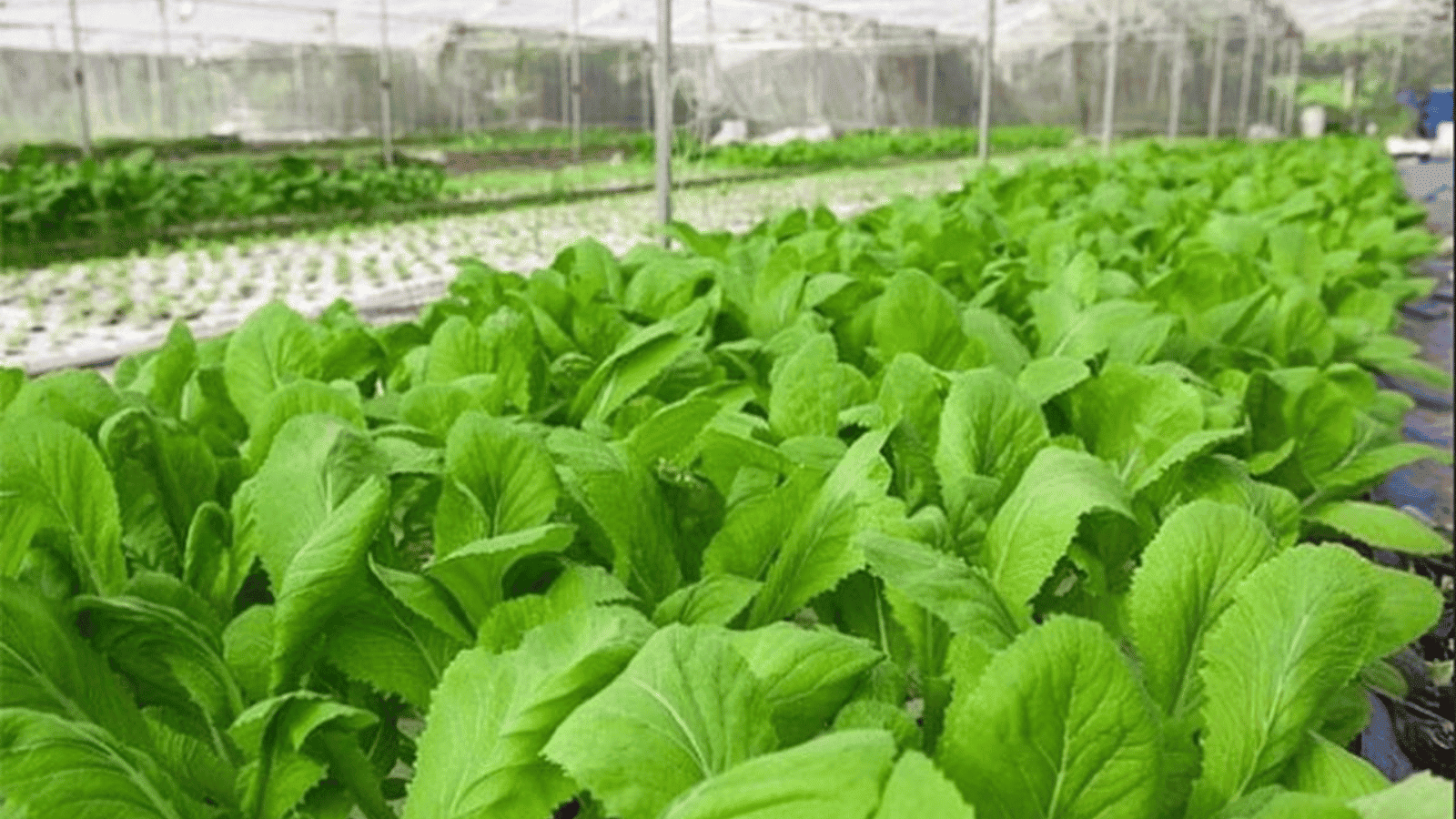
Saltwater intrusion is increasing the need to identify crop varieties that can tolerate changing irrigation water salinity, particularly in the Mekong Delta. A study by researchers at Can Tho University examined the responses of two mustard varieties to different salinity levels and assessed associated changes in soil chemical properties. The findings provide additional scientific evidence to guide vegetable variety selection and irrigation water management in agricultural areas affected by saltwater intrusion.
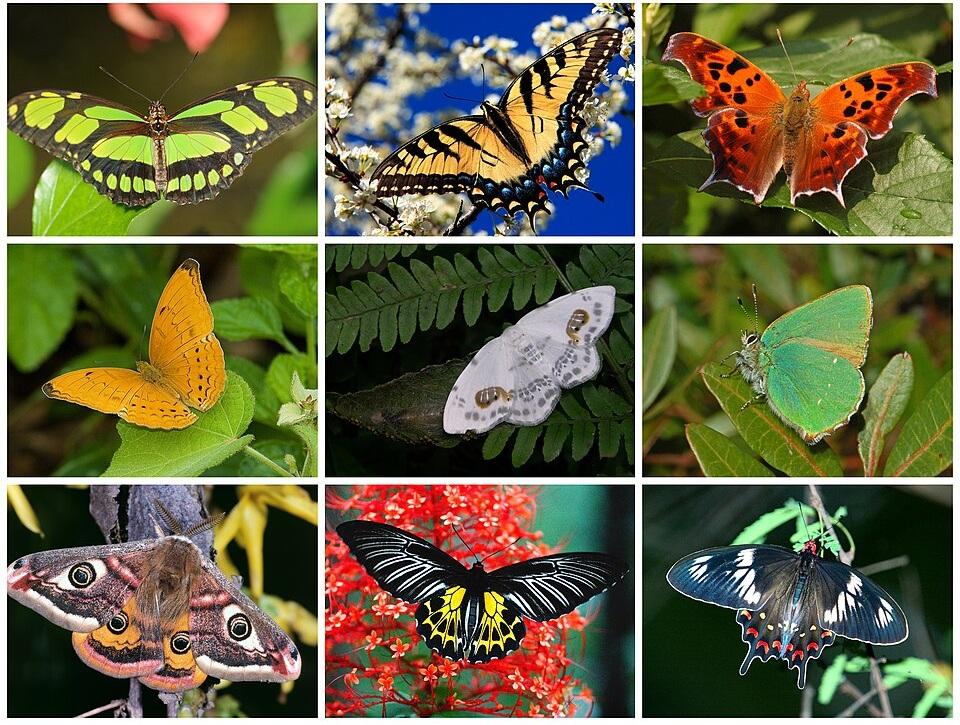
Surveys along 17 transects across six habitat types recorded 256 Lepidoptera species at Pu Huong Nature Reserve in Nghe An Province, including 66 species newly recorded for the study area. The findings expand the biodiversity record for an ecologically important forest landscape in western Nghe An and provide further insights into species distribution and the ecological roles of this insect group in forest ecosystems.

A survey of 312 small and medium-sized enterprises (SMEs) in Phu Tho Province found a gap between businesses' awareness of the benefits of environmental, social, and governance (ESG) practices and their organizational capacity to implement them. The findings highlight the importance of internal resources, leadership commitment, and local policy support, as well as the need to tailor assistance to the specific conditions of different sectors.