




 Saltwater intrusion is increasing the need to identify crop varieties that can tolerate changing irrigation water salinity, particularly in the Mekong Delta. A study by researchers at Can Tho University examined the responses of two mustard varieties to different salinity levels and assessed associated changes in soil chemical properties. The findings provide additional scientific evidence to guide vegetable variety selection and irrigation water management in agricultural areas affected by saltwater intrusion.
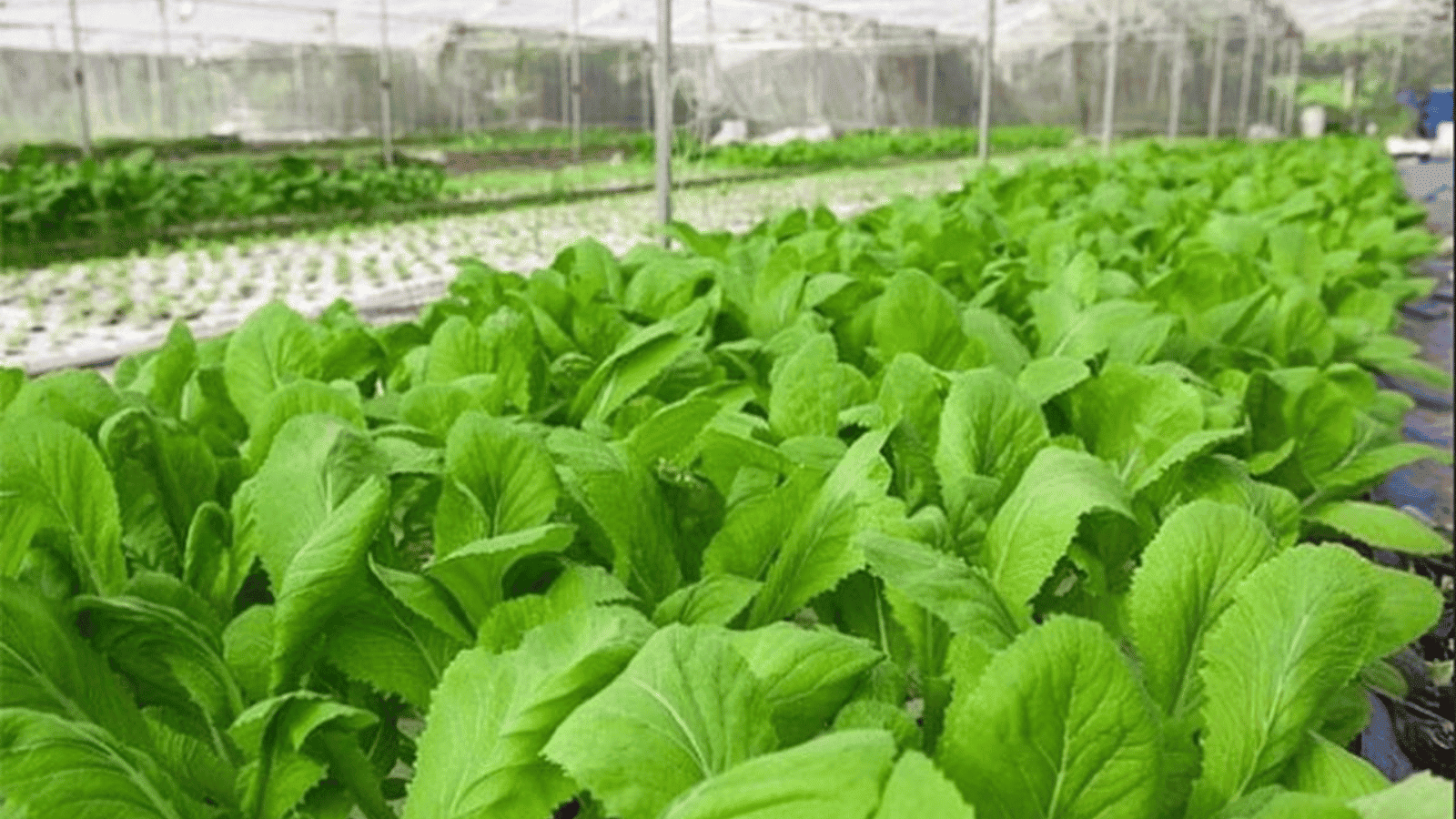
Saltwater intrusion raises the need for salt-tolerant crops
The Mekong Delta is one of Viet Nam’s major agricultural production regions and is also among the areas significantly affected by saltwater intrusion. Rising salinity in water sources and agricultural soils directly affects crop growth and development, highlighting the need to adapt farming practices to increasingly variable environmental conditions.
Alongside water resource management, adjustments to planting schedules and soil improvement measures, selecting crop varieties that can withstand adverse conditions is an important adaptation strategy. This is particularly relevant to vegetable production, as many leafy vegetables have short growing cycles, are cultivated frequently and contribute significantly to farming systems and farmers’ incomes.
Mustard greens and leaf mustard are widely grown vegetables valued for their relatively simple cultivation requirements, short growing cycles and suitability for tropical climates. However, their ability to withstand different levels of salinity varies among varieties. Assessing their growth responses, capacity to maintain biomass and degree of salt tolerance can therefore provide a scientific basis for selecting suitable crops in areas regularly affected by saltwater intrusion.
Against this backdrop, a research team comprising Nguyen Minh Ngoc, Vo Thi Phuong Thao, Nguyen Ngoc Han, Ton Thien Giap, Pham Ngoc Han, Nguyen Chau Thanh Tung and Ngo Thuy Diem Trang, from Can Tho University, investigated the effects of saline irrigation water on the growth and development of two mustard varieties. The study also examined salt accumulation and changes in selected soil chemical properties.
A net-house trial compares two mustard varieties
The experiment was conducted under net-house conditions from October to December 2025. The researchers selected two varieties: Takumi 26 mustard greens (Brassica juncea) and TLP 198 leaf mustard (Brassica integrifolia). The varieties have different growth characteristics and were compared to assess their responses to varying levels of irrigation water salinity.
The experiment involved four irrigation water salinity levels: 0‰, 4‰, 6‰ and 8‰. Fresh water (0‰) served as the control treatment for each variety, while the other treatments used irrigation water prepared at the specified salinity levels. Saline irrigation was applied twice daily for 14 days, beginning when the plants were 28 days after sowing. The researchers also included unplanted pots to monitor changes in soil properties under saline irrigation.
This approach enabled the researchers to examine two closely related aspects of agricultural production. Plant height, leaf number, leaf area, root length, and fresh and dry weight were measured to assess the growth responses of the two varieties. At the same time, changes in the electrical conductivity of the saturated paste extract (ECe), soil sodium (Na⁺) and potassium (K⁺) concentrations, and pH were monitored to determine the effects of saline irrigation on soil chemical properties.
By combining plant assessments with soil analysis, the study went beyond measuring the effects of saline irrigation on crop growth. It also provided information on chemical changes in the growing medium, offering a basis for examining crop adaptation in relation to soil and water conditions.
Leaf mustard maintains biomass better as salinity rises
The experiment showed that growth parameters in both varieties tended to decline as irrigation water salinity increased. The effects became more pronounced following the salinity treatment, particularly at 6‰ and 8‰.
Plant height, leaf number and leaf area all declined as the plants were exposed to increasingly saline irrigation water. The fresh weight of shoots, an important indicator of biomass accumulation in leafy vegetables, also decreased considerably. At an irrigation water salinity of 8‰, the fresh weight of shoots fell by 58.07% in mustard greens and 43.08% in leaf mustard compared with their respective fresh-water controls.
These findings indicate that increasing salinity affected both varieties’ growth and biomass accumulation. High salt concentrations increase the osmotic pressure of the soil solution, making it more difficult for roots to absorb water. The accumulation of salt ions in the soil can also disrupt nutrient balance, affecting plant physiological processes and biomass production.
However, the extent of these effects differed between the two varieties. TLP 198 leaf mustard was better able to maintain biomass as salinity increased, particularly under moderate to high salinity conditions.
This difference was clearly reflected in the salt tolerance index (STI). At an irrigation water salinity of 6‰, the STI of leaf mustard reached 72.4%, compared with 53.7% for mustard greens. At 8‰, the index stood at 61.7% for leaf mustard, while mustard greens recorded 41.5%. These results indicate that leaf mustard maintained a higher level of biomass accumulation than mustard greens under the saline irrigation conditions tested.
The findings also showed that both varieties maintained STI values above 50% at an irrigation water salinity of 6‰. On this basis, the researchers concluded that both varieties could tolerate irrigation water salinity of up to approximately 6‰ under the experimental conditions, with leaf mustard showing better performance. At 8‰, however, plant growth and biomass accumulation were more substantially affected, particularly in mustard greens.
The differences in the two varieties’ responses have practical implications for crop selection in areas affected by saltwater intrusion. The findings highlight the importance of considering the specific characteristics of each variety rather than assuming that all varieties within the same crop group have comparable levels of salt tolerance. Where irrigation water salinity fluctuates, selecting varieties that can better maintain growth and biomass may help farmers make more informed production decisions.
Soil changes underline the importance of irrigation management
Another important contribution of the study is its assessment of changes in soil chemical properties following saline irrigation. The analyses showed that ECe and soil sodium (Na⁺) concentrations increased considerably as irrigation water salinity rose, while soil pH tended to decline slightly.
These changes are significant for the agricultural soil environment. ECe indicates the level of soluble salts in the soil. An increase in this parameter reflects higher salinity in the soil solution, which can impede water uptake by plant roots. Meanwhile, rising Na⁺ concentrations indicate that salt inputs through irrigation alter the ionic composition of the soil. Such changes affect not only immediate crop growth conditions but also highlight the need for ongoing soil monitoring and management during cultivation.
Notably, changes in ECe and Na⁺ concentrations were recorded after only 14 days of saline irrigation. This indicates that soil chemical properties can change considerably over a relatively short period when irrigation water contains high salt concentrations. The findings provide further evidence of the relationship between irrigation water quality, crop growth and salt accumulation in soil. Selecting adapted crop varieties should therefore be considered alongside broader measures to manage water resources and maintain suitable soil conditions.
Based on the experimental results, the researchers recommended using irrigation water with a salinity level of no more than 6‰ for the two varieties in areas affected by saltwater intrusion. Where water salinity ranges from 6‰ to 8‰, appropriate salinity management measures should be applied. Irrigation water with a salinity level of 8‰ or higher is not recommended for mustard greens and leaf mustard because of its adverse effects on plant growth and yield.
Overall, the study adds to the experimental evidence on how two mustard varieties respond to different salinity levels while clarifying several changes in soil chemical properties under saline irrigation. The comparatively greater salt tolerance of TLP 198 leaf mustard is a particularly relevant finding for selecting vegetable varieties in areas affected by saltwater intrusion.
The findings can serve as a scientific reference for planning salt-adaptive vegetable production in the Mekong Delta, particularly where variety selection needs to take local water availability and soil characteristics into account. The study also points to the value of further field trials across different growing seasons and salinity conditions to strengthen the scientific basis for applying these findings in agricultural production.
Sources: This article is based on the study “Effect of salinity on the growth and development of mustard varieties and soil properities under nethouse coditions” by Nguyen Minh Ngoc, Vo Thi Phuong Thao, Nguyen Ngoc Han, Ton Thien Giap, Pham Ngoc Han, Nguyen Chau Thanh Tung and Ngo Thuy Diem Trang, published in the Science Journal of Agriculture and Environment, Issue 2, August 2026.
By integrating ALOS-2 PALSAR-2 radar data, Sentinel-2 satellite imagery, and field survey data, a study by Nguyen Viet Luong developed a forest biomass distribution map with an overall accuracy of 83.29% for the study area within Nui Chua National Park. The results estimate that forest vegetation across the 25,209-hectare study area contains approximately 1.36 million metric tons of carbon, equivalent to nearly 4.98 million metric tons of CO₂. The findings provide an additional scientific basis for forest ecosystem monitoring, management, and conservation.

Surveys along 17 transects across six habitat types recorded 256 Lepidoptera species at Pu Huong Nature Reserve in Nghe An Province, including 66 species newly recorded for the study area. The findings expand the biodiversity record for an ecologically important forest landscape in western Nghe An and provide further insights into species distribution and the ecological roles of this insect group in forest ecosystems.

A survey of 312 small and medium-sized enterprises (SMEs) in Phu Tho Province found a gap between businesses' awareness of the benefits of environmental, social, and governance (ESG) practices and their organizational capacity to implement them. The findings highlight the importance of internal resources, leadership commitment, and local policy support, as well as the need to tailor assistance to the specific conditions of different sectors.

Viet Nam’s legal framework for greenhouse gas (GHG) management during 2020–2025 has evolved alongside the development of a measurement, reporting and verification (MRV) system, sector-specific technical regulations, and market-based economic instruments, including emission fees, the carbon market, and green credit. An analysis by Nguyen Thanh Giao, Nguyen Thi Lanh, Nguyen Van Linh, and Ha Thao Nguyen highlights the importance of linking emissions data, technical standards, and financial mechanisms to incorporate climate change mitigation objectives into production and investment decisions while supporting the development of low-carbon technological solutions integrated with the circular economy model.
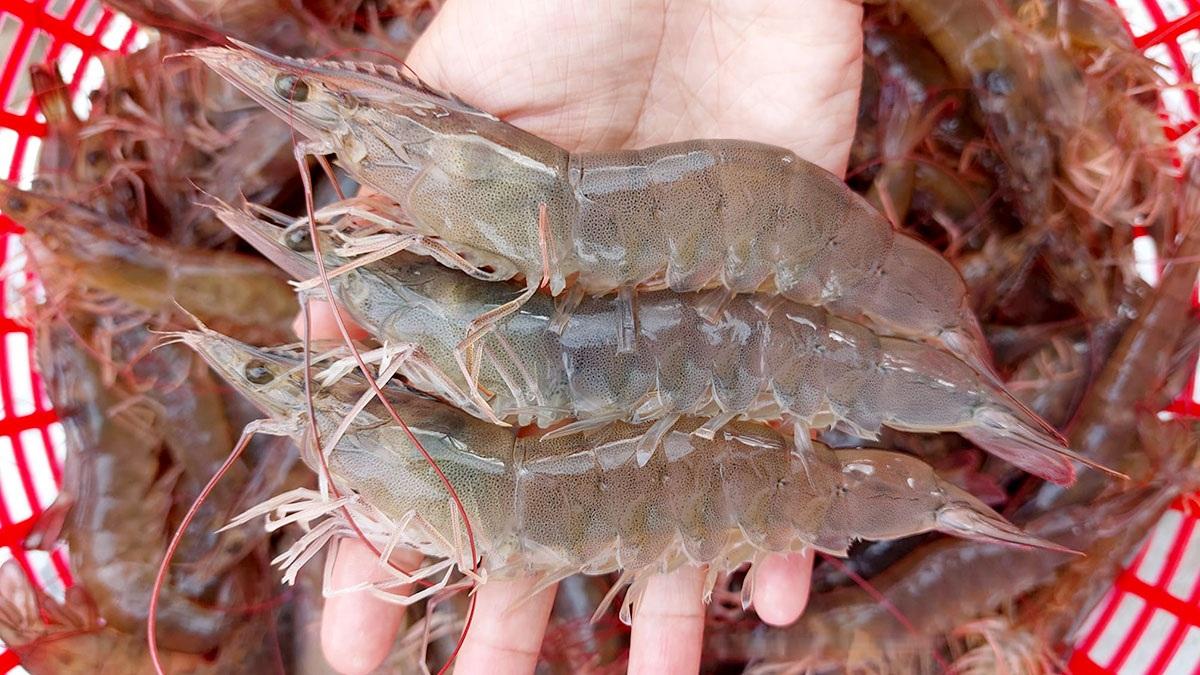
A survey of 90 whiteleg shrimp (Litopenaeus vannamei) farming households in the Mekong Delta found that probiotics are widely used in intensive and super-intensive production systems, whereas prebiotics and synbiotics remain less widely adopted. The findings provide practical evidence to inform the development of biological solutions better suited to production conditions, helping improve pond management and support more sustainable shrimp farming.