



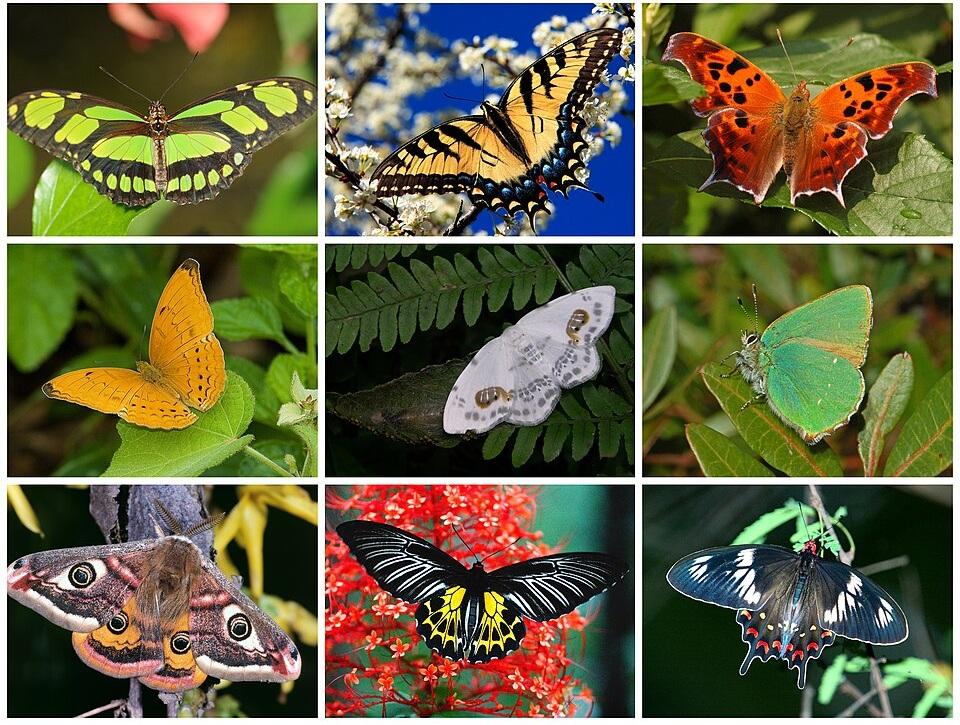
 Surveys along 17 transects across six habitat types recorded 256 Lepidoptera species at Pu Huong Nature Reserve in Nghe An Province, including 66 species newly recorded for the study area. The findings expand the biodiversity record for an ecologically important forest landscape in western Nghe An and provide further insights into species distribution and the ecological roles of this insect group in forest ecosystems.
New records expand knowledge of Pu Huong's Lepidopteran fauna
Located in the Northern Truong Son Range, Pu Huong Nature Reserve has a management area of more than 46,468 hectares. Its complex topography, pronounced altitudinal variation, and moist evergreen tropical forest ecosystems support diverse vegetation, microclimatic conditions, and habitat structures. These characteristics provide habitats for a wide range of organisms, including Lepidoptera (butterflies and moths), an important component of forest biodiversity.
Lepidoptera contribute to ecological interactions, play a role in plant pollination, and serve as a food source for various animal species. Some species can also reflect changes in habitat conditions, providing useful information for biodiversity monitoring.
Although insect diversity in Pu Huong has been investigated in previous studies, information on its Lepidopteran fauna requires further updating. Research by Le Bao Thanh, Hoang Thi Hang, Vo Minh Son, and Le Nhat Minh, conducted in 2023 with supplementary surveys in 2025, has contributed to addressing this need.
Using transect and point sampling methods, supplemented by field observations, specimen collection, and specialized traps, the research team recorded 256 Lepidoptera species belonging to 145 genera and 16 families. These included 243 butterfly species and 13 moth species. Notably, 66 species were newly recorded for the study area, adding to the previously documented species list for Pu Huong Nature Reserve.
Among the recorded families, Nymphalidae was the most species-rich, with 71 species, followed by Hesperiidae with 46 species and Lycaenidae with 40 species. The representation of multiple Lepidopteran families highlights the richness of the insect fauna in the study area.
The significance of these findings extends beyond the number of additional species. Updating the species inventory expands the biodiversity database for Pu Huong and provides a basis for further research into species distribution, ecology, and conservation value. It is important to clarify that the 66 species are additional records for the study area, rather than species newly discovered to science.
Lepidoptera are unevenly distributed across habitat types
One of the notable findings of the study is the variation in Lepidopteran species composition among different habitat types. The research team surveyed six representative habitats: evergreen natural forests, shifting cultivation and residential areas, plantation forests, shrub and herbaceous vegetation, mixed timber–bamboo forests, and streamside habitats.
The results showed that mixed timber–bamboo forests had the highest number of recorded species, with 159 species, equivalent to 62.11% of the total recorded in the study area. Streamside habitats supported 124 recorded species, accounting for 48.44%, followed by shrub and herbaceous vegetation, with 111 species or 43.36%.
These differences reflect the relationship between habitat characteristics and the occurrence of Lepidoptera. Food resources, plant composition, microclimatic conditions, and vegetation structure can all influence their ability to occupy habitats, forage, and reproduce. Areas combining trees, bamboo, open spaces, and diverse plant resources may provide suitable conditions for different species groups.
Notably, some species were recorded across several habitat types, whereas others were observed in only one particular habitat during the surveys. This indicates that Lepidopteran distribution is not uniform across the forest landscape but is influenced by local habitat conditions.
The authors also noted that Lepidoptera can move between adjacent habitat types. Therefore, their distribution patterns should be interpreted in relative terms across the surveyed areas. A higher number of recorded species in one habitat does not necessarily indicate that it has higher overall ecological quality than the other habitats.
More broadly, the findings suggest that Pu Huong's biodiversity value is associated with the coexistence of multiple habitat types, each characterized by distinct ecological conditions. Maintaining habitat diversity and connectivity is therefore important for conserving organisms with different ecological requirements, including Lepidoptera.
Pollination and food webs highlight Lepidoptera's ecological roles
Lepidoptera perform multiple ecological functions in forest ecosystems. At the adult stage, many species contribute to plant pollination, supporting plant reproduction and regeneration. At other stages of their life cycles, they participate in food-web interactions: they feed on plants and, in turn, serve as food for birds, reptiles, small mammals, and predatory insects.
These interactions make Lepidoptera an important component of forest food webs and ecosystem functioning. Their presence reflects not only the richness of the insect fauna but also the close relationships between different groups of organisms, vegetation, and their surrounding habitats.
The study identified species with different ecological and economic values. According to the authors' findings, 243 species were involved in pollination. In addition, 22 species were identified as having ecotourism value because of their distinctive forms and coloration, while eight were classified as environmental bioindicators. Two species were identified as rare species of conservation concern: Troides helena and Troides aeacus.
The identification of species with environmental indicator value is particularly noteworthy. Given their associations with habitat conditions and plant resources, certain butterfly species can provide useful indications of changes in the environment. When monitored over time and assessed alongside other ecological indicators, data on species composition and distribution can help evaluate changes in biodiversity across the area.
Beyond their scientific and ecological significance, butterflies with diverse forms and coloration can also enhance opportunities for nature appreciation, environmental education, and ecotourism. These values create opportunities to connect conservation efforts with greater public awareness of forest ecosystem diversity.
For Pu Huong, identifying species with conservation, environmental indicator, and ecotourism value provides a broader understanding of the significance of its Lepidopteran fauna. Accordingly, conservation efforts should extend beyond maintaining forest cover and vegetation to protecting the organisms and ecological interactions that underpin forest biodiversity.
Updated species records can inform biodiversity conservation
The addition of 66 Lepidoptera species, together with data on species composition, habitat distribution, and ecological values, represents a significant contribution to the biodiversity database for Pu Huong Nature Reserve.
These findings can support the monitoring of Lepidopteran assemblages, the identification of species groups with conservation value, and the selection of suitable taxa for environmental monitoring programs. In particular, information on species occurrence across different habitat types can serve as a reference for assessing changes in habitat conditions and developing appropriate management and conservation measures.
An important consideration for future research is that the existing species inventory requires further refinement. The authors recommend extending surveys across different periods of the year, increasing sampling efforts in representative habitats, and applying additional collection methods. This approach is necessary because Lepidopteran species composition can vary with seasonality, weather conditions, and habitat characteristics.
As biodiversity conservation increasingly requires systematic and comprehensive datasets, research on specific organism groups such as Lepidoptera has significance beyond the compilation of species inventories. Such findings help provide a clearer understanding of biodiversity structure, species–habitat relationships, and the ecological values that need to be maintained in forest ecosystems.
By documenting additional species and expanding ecological information, the research by Le Bao Thanh and colleagues provides further scientific evidence to support biodiversity research, management, and conservation at Pu Huong Nature Reserve. It also provides a basis for further specialized studies of insects and other organism groups, contributing to a broader understanding of the ecological value of tropical forest ecosystems in western Nghe An.
Sources: This article is based on the study “Diversity of Lepidoptera species in Pu Huong Nature Reserve, Nghe An province” by Le Bao Thanh, Hoang Thi Hang, Vo Minh Son, Le Nhat Minh, published in the Science Journal of Agriculture and Environment, Issue 2, August 2026.

A survey of 312 small and medium-sized enterprises (SMEs) in Phu Tho Province found a gap between businesses' awareness of the benefits of environmental, social, and governance (ESG) practices and their organizational capacity to implement them. The findings highlight the importance of internal resources, leadership commitment, and local policy support, as well as the need to tailor assistance to the specific conditions of different sectors.

Viet Nam’s legal framework for greenhouse gas (GHG) management during 2020–2025 has evolved alongside the development of a measurement, reporting and verification (MRV) system, sector-specific technical regulations, and market-based economic instruments, including emission fees, the carbon market, and green credit. An analysis by Nguyen Thanh Giao, Nguyen Thi Lanh, Nguyen Van Linh, and Ha Thao Nguyen highlights the importance of linking emissions data, technical standards, and financial mechanisms to incorporate climate change mitigation objectives into production and investment decisions while supporting the development of low-carbon technological solutions integrated with the circular economy model.
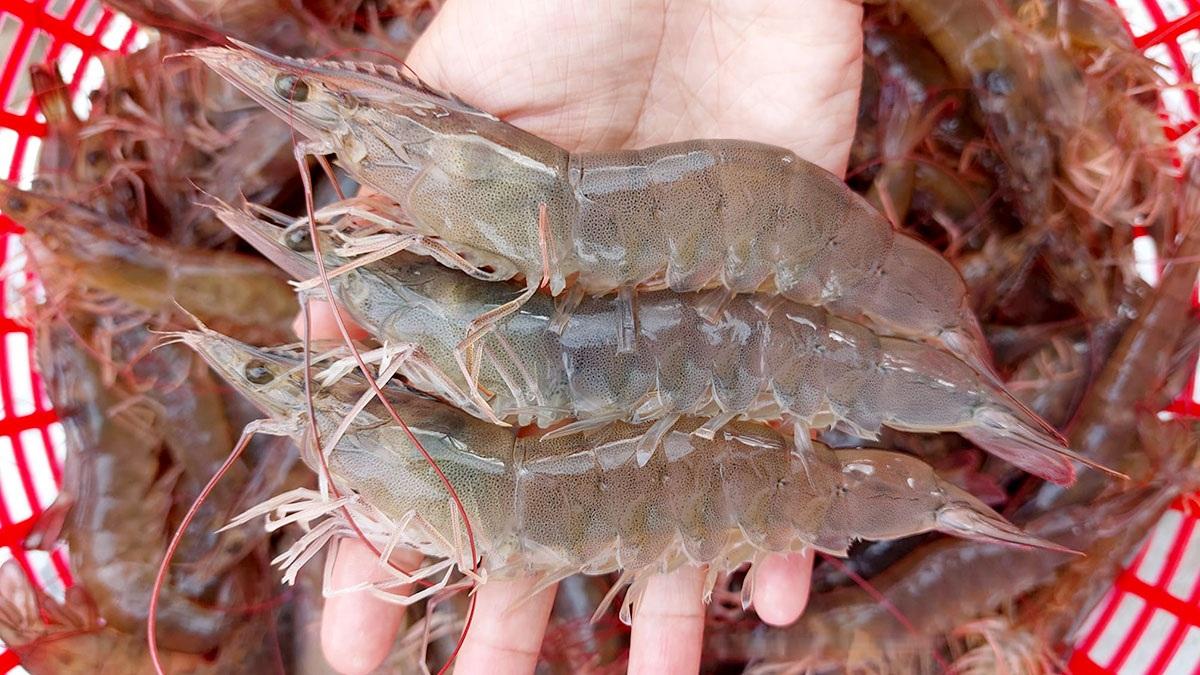
A survey of 90 whiteleg shrimp (Litopenaeus vannamei) farming households in the Mekong Delta found that probiotics are widely used in intensive and super-intensive production systems, whereas prebiotics and synbiotics remain less widely adopted. The findings provide practical evidence to inform the development of biological solutions better suited to production conditions, helping improve pond management and support more sustainable shrimp farming.

By 2025, Vietnamese agricultural products were being exported to more than 180 countries and territories, highlighting the need not only to expand market access but also to identify which markets should be consolidated, which offer further growth opportunities, and which warrant a more cautious approach. A study by Tran Cong Thang, Nguyen Anh Phong, and Vu Huy Phuc proposes a method for classifying agricultural export markets using a weighted set of criteria and tests the method on three major export commodities: rice, fruits and vegetables, and coffee. The findings provide a systematic reference for developing market strategies tailored to the characteristics of individual commodities.
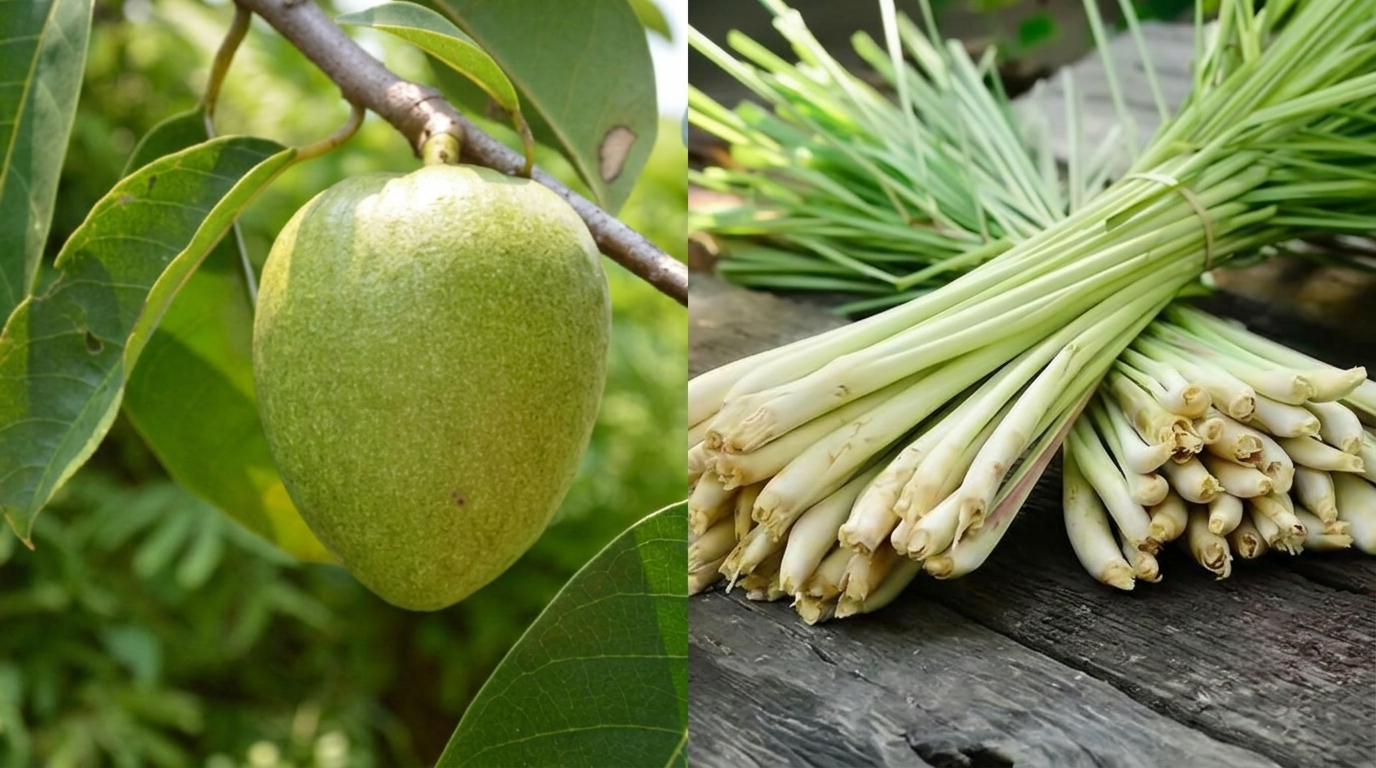
Research into plant-derived crop protection products is opening new avenues for sustainable agriculture. A study by Nguyen Van Phuoc, Ho Truong Huynh Thi Bach Phuong, Huynh Ba Di, and Cao Khoi Nghia of Kien Giang University found that nanoemulsions formulated from pond apple (Annona glabra) and lemongrass (Cymbopogon citratus) leaf extracts inhibited the fungal pathogen that causes rice blast and the bacterium responsible for bacterial leaf blight under laboratory conditions. These preliminary findings provide a scientific basis for further research into plant-derived formulations aimed at managing rice diseases while reducing reliance on synthetic chemical pesticides.