



 The 2020–2025 period witnessed significant changes in Viet Nam’s legal framework governing land, environmental protection, water resources, and state management, providing an additional legal basis for the development of a circular agricultural economy in Viet Nam. A study by Nguyen Thi Lanh, Nguyen Van Linh, and Nguyen Thanh Giao shows that these changes center on four main policy instruments: expanding the multi-purpose land use mechanism, strengthening technical regulations governing secondary agricultural materials, establishing incentives for water resources and green credit, and enhancing the decentralization of environmental management and monitoring at the grassroots level.
Multi-purpose land use opens space for circular infrastructure
According to the study, one of the obstacles to the development of a circular agricultural economy before 2024 was the limited legal space for locating facilities for the collection, storage, preprocessing, and treatment of agricultural by-products within production areas. Previous land-use regulations created difficulties in constructing biomass storage facilities, organic fertilizer composting facilities, biogas digesters, and other auxiliary structures on agricultural land, while conversion to non-agricultural land could entail additional administrative procedures and costs.
The authors argue that the 2024 Land Law introduced a notable change by establishing a legal framework for multi-purpose land use. Under Article 218, agricultural land may be used in combination with certain purposes, such as commerce and services, livestock production, medicinal plant cultivation, or the installation of renewable energy facilities, provided that the primary land-use purpose is not changed. Together with Decree No. 102/2024/ND-CP, this provision is assessed in the study as providing a clearer legal framework for establishing facilities directly serving agricultural production on agricultural land.
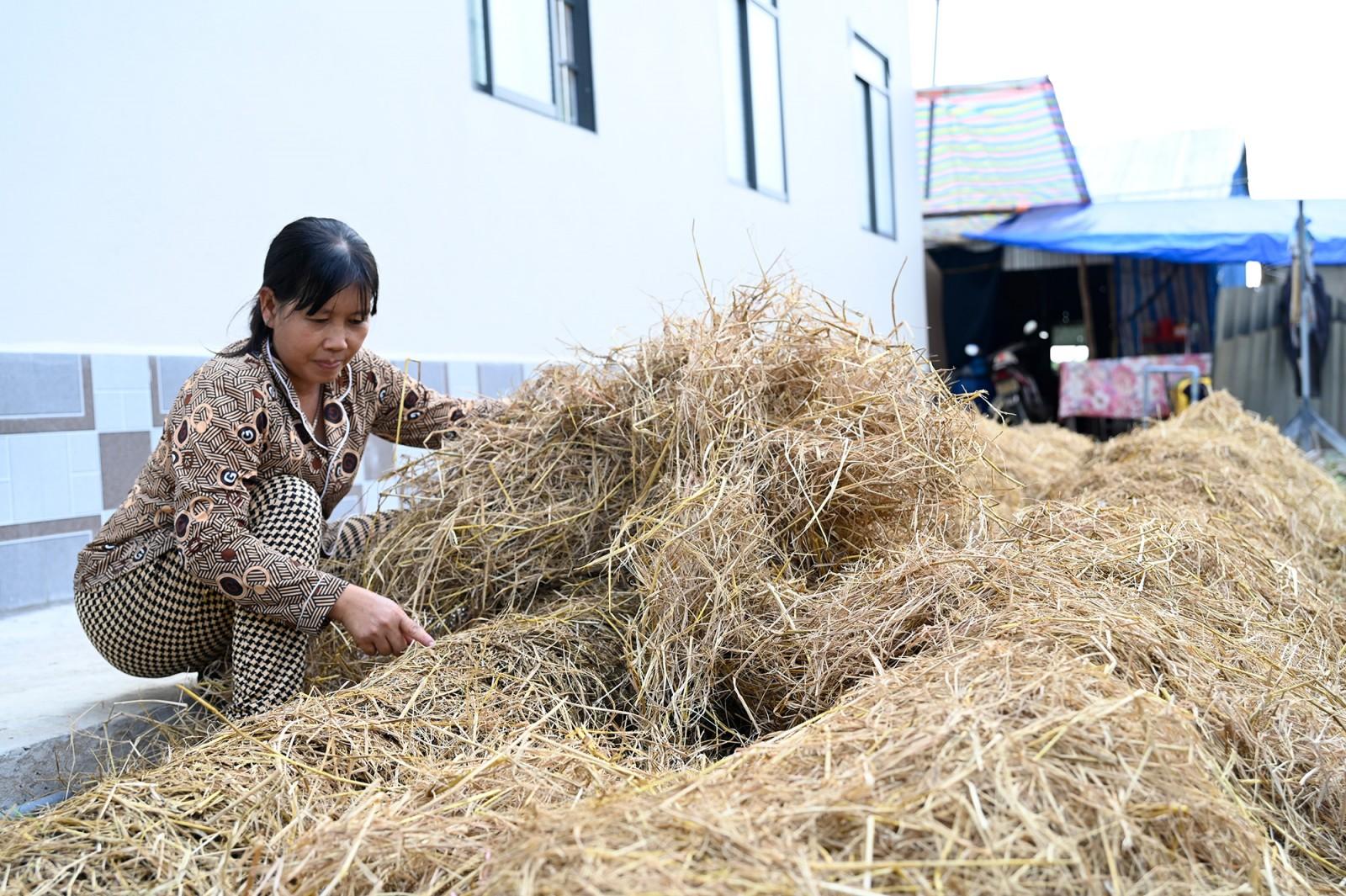
For the circular agricultural economy, the notable feature of this mechanism is its potential to integrate production space with space for the treatment and reuse of agricultural by-products. The study gives examples such as establishing storage facilities for collecting rice straw in raw material production areas for processing, or constructing biogas digesters within farms to treat waste and generate energy. According to the authors, when facilities directly supporting production and environmental treatment have a clearer legal basis, the transportation costs of agricultural by-products can be optimized and circular production chains can be organized more systematically.
Alongside the multi-purpose land use mechanism, the 2024 Land Law also expands the limits and categories of entities eligible to receive transfers of agricultural land use rights, including economic organizations that do not directly engage in agricultural production. The study suggests that the development of production areas of sufficient scale could facilitate investment in integrated circular infrastructure, covering production, processing, and by-product recycling within the same project. However, this mechanism does not imply unrestricted land use. Uses that are inconsistent with regulations, alter topography, or degrade soil quality remain subject to oversight and sanctions under land legislation.
Based on these changes, the study concludes that the multi-purpose land use mechanism has provided the necessary legal conditions for integrating production activities with environmental treatment and agricultural by-product recycling within the same production area, thereby providing an additional basis for the development of circular agricultural models.
Technical regulations set rules for reusing agricultural by-products
In addition to land, the study identifies another challenge to the circular agricultural economy: the lack of specific technical regulations for identifying, controlling, and incorporating agricultural by-products into new use cycles. According to the authors’ analysis, materials such as rice straw, rice husks, and livestock waste have, in many cases, lacked a clear legal basis for distinguishing reusable material streams from waste requiring control, with reuse therefore remaining largely small-scale and fragmented.
Against this backdrop, Circular No. 44/2025/TT-BNNMT on the National Technical Regulation on Hazardous Waste Thresholds is regarded in the study as a step forward in establishing a boundary between potentially reusable materials and hazardous waste. According to the study, the regulation sets limits for hazardous constituents, thereby providing a basis for determining whether a material generated from production should be classified as hazardous waste. Where the material meets the applicable thresholds, it is provided with a legal basis for further recycling, including, as discussed in the study, potential use as an input for microbial organic fertilizers or animal feed.
Another approach examined by the study is energy recovery from agricultural by-products. Circular No. 46/2025/TT-BNNMT on the co-processing of waste in cement kilns specifies technical parameters for input materials, including calorific value, moisture content, and sulfur and chlorine concentrations. According to the authors, establishing these technical requirements creates a framework for collecting, preprocessing, and supplying compliant agricultural by-products to industrial facilities for use as alternative fuel, rather than leaving these biomass streams as uncontrolled waste.
The study also argues that standardizing secondary agricultural materials has implications for the measurement, reporting, and verification of emission reductions in circular agriculture projects. By complying with technical parameters, the treatment and use of agricultural by-products can be managed more transparently while also enabling such models to meet environmental requirements and access relevant market mechanisms.
From an institutional perspective, the authors assess that the technical regulations issued in 2025 introduced quantitative criteria for managing secondary agricultural materials. These regulations are viewed as providing a basis for moving from an approach focused primarily on general encouragement toward management based on specific technical requirements, thereby supporting the development of standardized and more clearly controlled agricultural by-product recycling activities.
Water and green credit incentives support circular agriculture investment
According to the study, in addition to land-related conditions and technical regulations, access to financial resources and the efficient use of water resources are also important factors for circular agricultural models. Such models often require relatively large upfront investments in waste treatment technologies, water reuse, and systems designed to support closed-loop production. Therefore, the authors argue that resource and credit incentives can serve as policy instruments to support this transition.
In the water resources sector, the study focuses on changes institutionalized under the 2023 Law on Water Resources. According to the authors, the law introduced incentive policies for organizations and individuals applying water recycling technologies and reusing wastewater that meets technical regulatory standards. The study cites Article 71 of the 2023 Law on Water Resources to clarify the mechanism for incentives related to water resource extraction charges for these activities.
The authors view this as a notable change in the approach to water resource management. Under a circular model, treated water that meets applicable requirements can be reused for appropriate purposes rather than being regarded solely as a wastewater stream requiring treatment. According to the study, water reuse can reduce demand for withdrawals from natural water sources while creating incentives for production facilities to invest in water treatment and recycling systems. In addition, the legal framework provides financial support and tax incentives for certain projects involving water storage infrastructure and the restoration of degraded water resources.
With regard to financing, the study considers green credit an important component of the policy framework supporting the circular economy. The 2020 Law on Environmental Protection and Decree No. 08/2022/ND-CP established a legal framework for green credit and green bonds, under which projects related to clean agriculture, agricultural by-product recycling, and renewable energy production from waste are among those prioritized for access to financing.
According to the authors’ analysis, interest-rate support mechanisms provided by the Vietnam Environmental Protection Fund and provincial funds may help reduce financing pressures during the construction and initial investment phase. The study also discusses the potential application of more flexible collateral arrangements involving machinery and technologies developed through loan financing, as well as opportunities to mobilize capital through green bond issuance. The authors therefore assess that the combination of water resource incentives and green credit instruments can provide additional financial conditions for projects aimed at a circular agricultural economy.
Decentralized environmental management requires stronger local capacity
The study also points out that the fragmented nature of agricultural production, characterized by large numbers of farming households and small-scale livestock facilities, requires environmental management systems to be sufficiently localized and capable of addressing issues arising at the grassroots level. According to the authors, centralized management through a vertical administrative system may face limitations in terms of information-processing speed and resources for direct local monitoring, whereas greater decentralization can bring management responsibilities closer to production realities.
In environmental protection, the 2020 Law on Environmental Protection establishes responsibilities for commune-level authorities in environmental protection, including the detection, prevention, and timely handling of violations within their local jurisdictions. The study regards this as one of the legal bases for strengthening the proactive role of grassroots authorities in rural environmental management.
In addition, Decree No. 131/2025/ND-CP on the delineation of the authority of the two-tier local government system in the state management areas of the Ministry of Agriculture and Environment is analyzed by the authors as a step toward implementing greater decentralization. The study argues that clearer delineation of authority at the local level could facilitate the handling of procedures related to small-scale circular agricultural projects, including environmental matters and waste-treatment facilities established in accordance with planning requirements.
However, decentralization of authority also entails requirements for implementation capacity and monitoring. The study notes that the legal framework also maintains enforcement mechanisms for violations of environmental protection regulations, including the burning of agricultural by-products that causes pollution and the discharge of untreated wastewater. In addition to state enforcement measures, the authors discuss mechanisms for integrating environmental protection criteria into community conventions and village regulations and encouraging public participation in environmental monitoring.
Based on these analyses, the study argues that the effectiveness of new regulations depends not only on the continued development of the legal framework but also on the capacity to implement them at the local level. The authors therefore recommend that relevant authorities continue to develop intersectoral technical guidelines, establish appropriate credit guarantee mechanisms, and strengthen training to improve the legal assessment and environmental expertise of local officials. These measures are considered necessary to strengthen environmental governance capacity at the grassroots level and help ensure the effective implementation of circular agricultural models.
Research source: This article is based on the study “Analysis of breakthrough legal solutions in agricultural environmental management towards a circular economy in Viet Nam” by Nguyen Thi Lanh, Nguyen Van Linh, and Nguyen Thanh Giao was published in the Science Journal of Agriculture and Environment, Issue 1, May 2026. |

A scientific study by An Giang University, Vietnam National University, Ho Chi Minh City, and the An Giang Center for Rural Clean Water and Environmental Sanitation has demonstrated the potential of water lettuce (Pistia stratiotes) for treating piggery wastewater under natural conditions. The findings show that treatment performance varies with the initial biomass density and the pollutant being targeted. The approach offers a low-cost, environmentally friendly biological treatment option with potential for application by pig farms and household producers in Viet Nam.
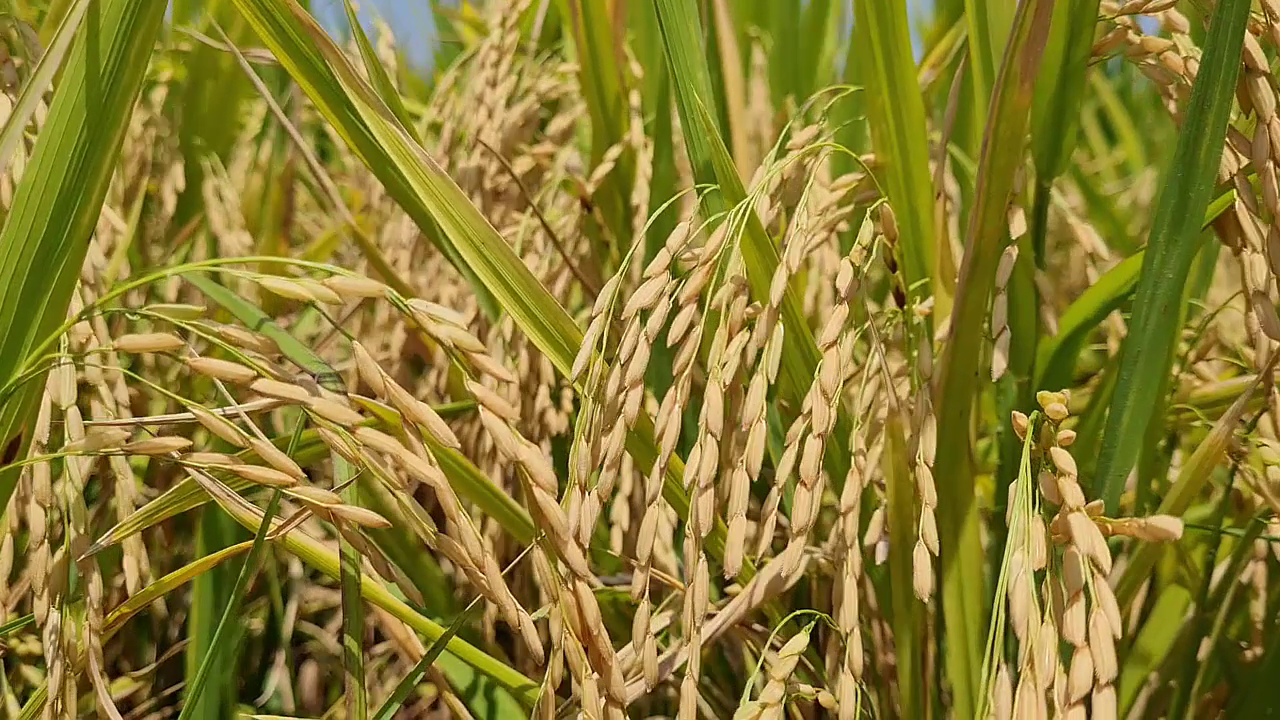
A study of 180 local rice accessions conserved at the Plant Resources Center revealed diversity in subspecies classification and grain quality traits. Within this germplasm collection, researchers identified eight accessions with promising characteristics, including aroma, low amylose content, and low to intermediate gelatinization temperatures, providing additional genetic resources for conservation and the breeding of high-quality rice varieties.
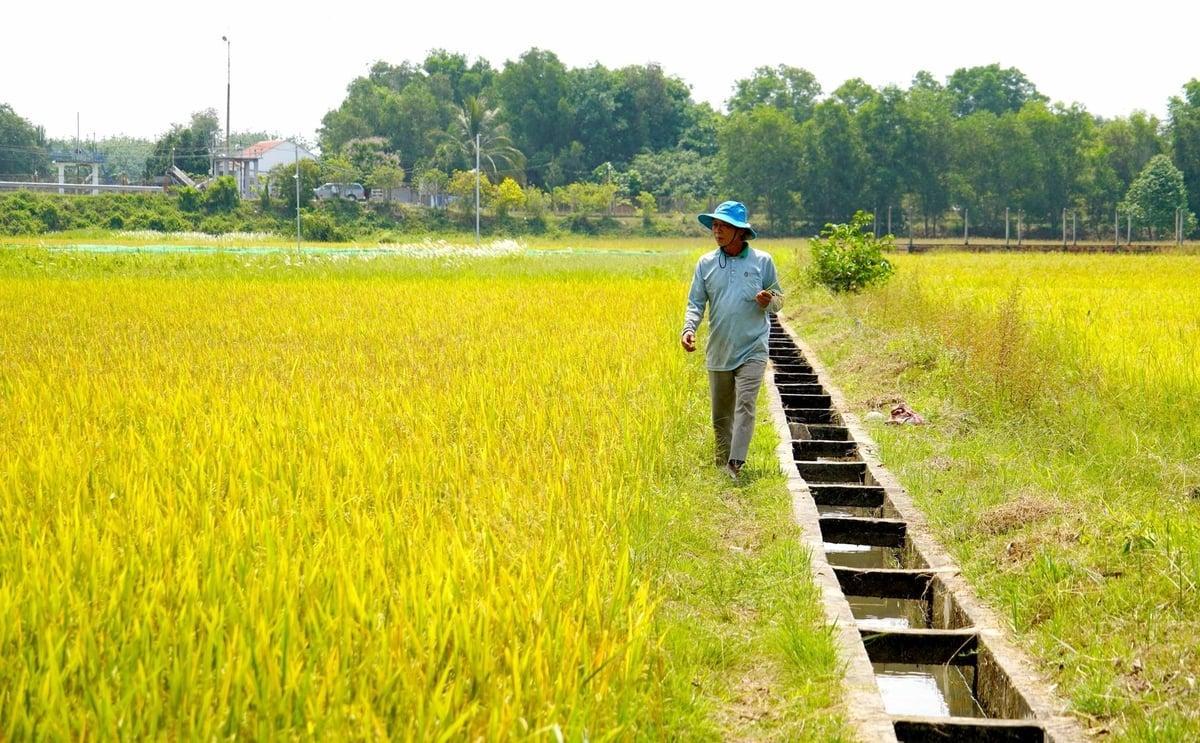
In low-lying areas of the former Cu Chi district, located in northwestern Ho Chi Minh City, seasonal flooding occurs alongside agricultural production and urbanization, creating various pressures on soil quality and its capacity for recovery. A study by Nguyen Thi Oanh, Phan Lieu, Truong Vinh Hai, and Tran Minh Tien found clear differences in soil health among rice cultivation, vegetable farming, and fruit orchards, with distinct patterns of chemical and biological degradation. The integration of multiple indicators through Principal Component Analysis (PCA) not only helped identify these differences but also provided a scientific basis for guiding soil management and restoration measures in peri-urban agricultural wetlands.
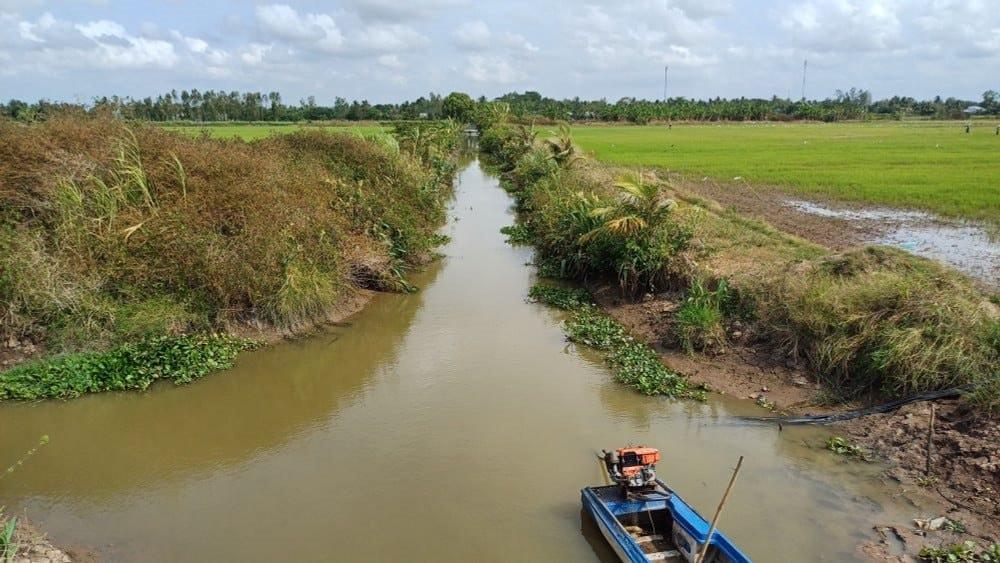
Saline intrusion is posing growing challenges to agricultural production in the lower Hau River region, where agricultural land use is closely linked to water availability. A study conducted in the former Soc Trang province, now part of Can Tho city, assessed saline intrusion risk to agricultural land use in 2024 under the RCP 4.5 and RCP 8.5 climate change scenarios for 2030 and 2050. The results show that the area of rice cultivation affected by higher salinity levels tends to increase, providing an additional scientific basis for land use planning and the selection of appropriate adaptation-oriented farming systems.
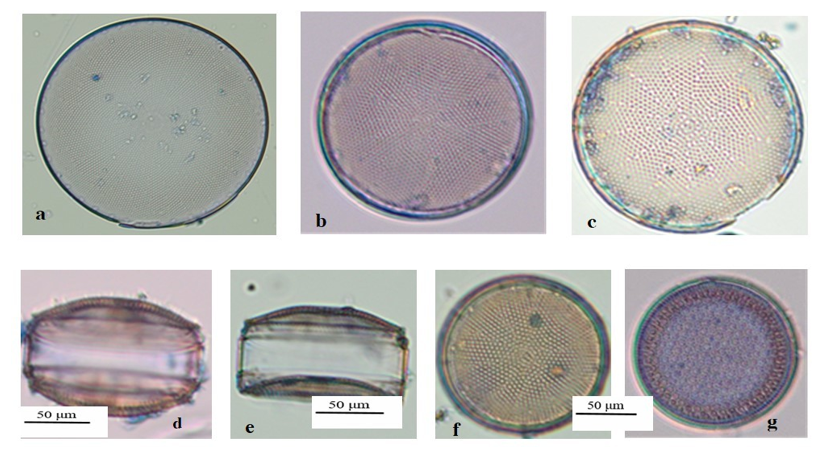
A study of phytoplankton samples collected from various marine areas of Viet Nam between 2015 and 2025 identified 21 species belonging to the genera Coscinodiscus and Coscinodiscopsis. Notably, Coscinodiscus reniformis and Coscinodiscopsis sp. were recorded and described in detail based on their cellular morphological characteristics, providing additional data for the identification and taxonomic classification of these diatom groups in Vietnamese waters.