



 As global trade conditions remain volatile, Viet Nam’s agriculture, forestry, and fisheries sectors continue to post encouraging export growth. Yet the momentum comes with mounting pressure from stricter market requirements, environmental standards, traceability rules, and rising compliance costs.
At a May 4 conference held by the Ministry of Agriculture and Environment with industry associations on measures to support agro-forestry-fishery exports in 2026, business groups and regulators called for faster institutional reforms, streamlined administrative procedures, clearer technical standards, and stronger competitiveness to sustain export growth in the years ahead.
Seafood exports could rise by another USD 1 billion
Nguyen Hoai Nam, Secretary General of the Vietnam Association of Seafood Exporters and Producers (VASEP)
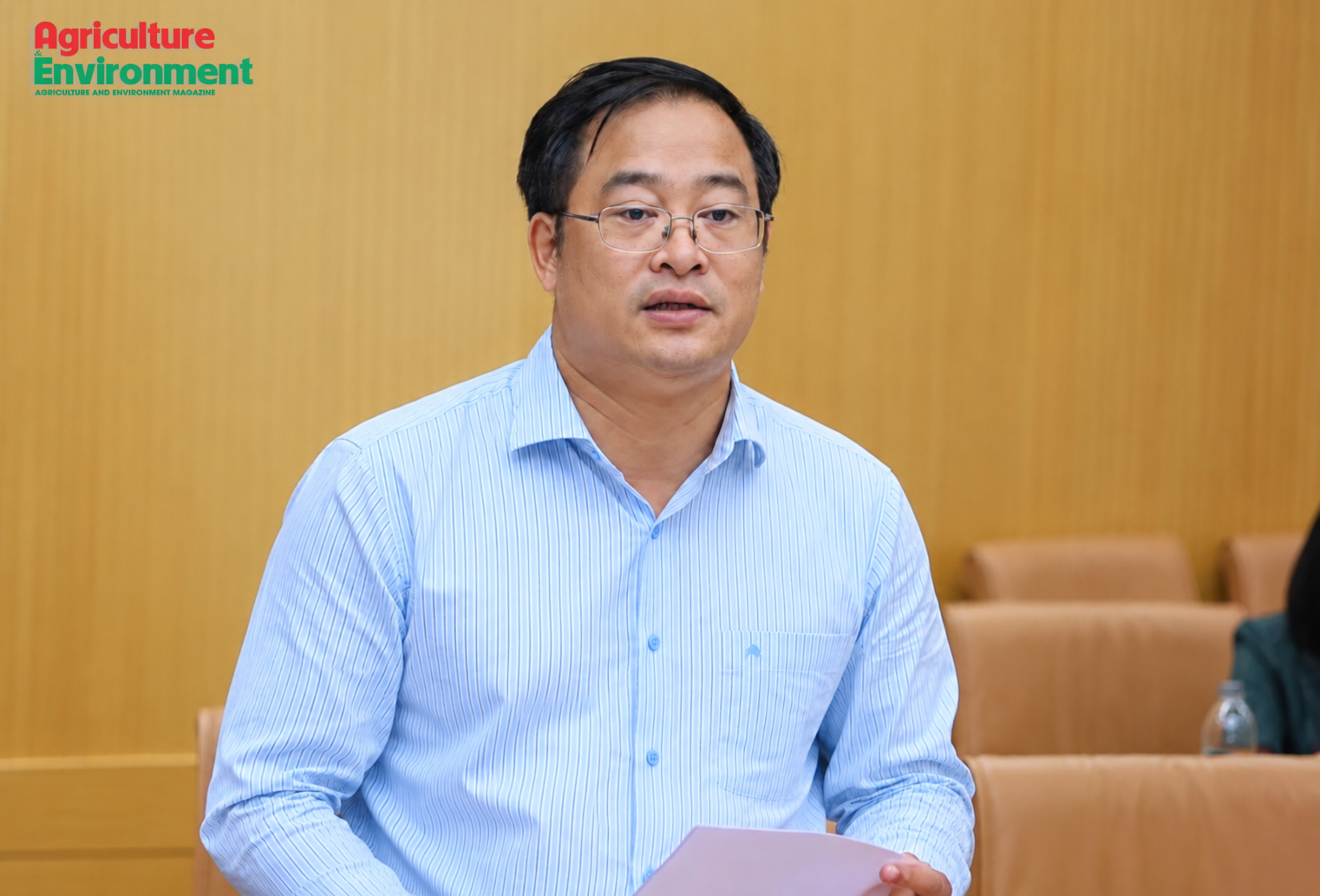
Viet Nam’s seafood exports showed strong momentum in the opening months of 2026, particularly in the China–Hong Kong market, where export value surpassed USD 1 billion in the first four months of the year, up more than 16% year-on-year, according to VASEP. Japan maintained stable growth of 1.8%, helping sustain the sector’s overall upward trajectory. The United States, meanwhile, was the only major market to record a decline, with exports down around 6–7%. VASEP attributed the drop mainly to technical barriers and policy adjustments rather than weakening consumer demand.
Most seafood categories continued to expand, with shrimp and pangasius remaining the industry’s key export earners. Marine capture fisheries also maintained relatively stable output, although tuna exports fell by roughly 6% amid tighter import requirements and softer market conditions.
Secretary General Nguyen Hoai Nam said exporters are facing increasingly stringent requirements in major markets such as the United States and the European Union, particularly on environmental compliance, social responsibility, and traceability.
The EU’s supply chain due diligence regulations, for example, require companies to assess sustainability risks across their production chains. According to Secretary General Nguyen Hoai Nam, the shift is forcing businesses to strengthen governance standards while accelerating the sector’s transition toward greater transparency and sustainability.
Trade remedy cases in the United States, especially those involving shrimp products, also continue to place pressure on exporters. However, close coordination between regulators, industry associations, and businesses has helped reduce tariff exposure in several cases.
VASEP proposed two priority areas for reform. The first is improving the regulatory framework and business environment, particularly administrative procedures, as international standards evolve rapidly. The association said the localization of international regulations should be implemented consistently and avoid creating unnecessary compliance burdens for businesses.
Secretary General Nguyen Hoai Nam noted that inconsistencies among regulations governing agriculture, customs, and finance continue to complicate implementation. Certain documentation requirements for minor weight discrepancies in seafood shipments, for example, are not aligned with the realities of the industry and are currently under review.
The association also called for more regular policy dialogue between regulators and businesses. Holding formal consultations twice a year, it said, would help authorities address operational bottlenecks more quickly and effectively.
The seafood sector is also expanding investments in traceability systems to support the removal of the EU’s IUU yellow card warning, while increasing spending on processing technologies and supply chain management.
VASEP further urged policymakers to review provisions under the Law on Environmental Protection to help reduce compliance costs. According to the association, many seafood processors connected to centralized wastewater treatment systems in industrial parks are still required to install separate in-house treatment systems before discharge, resulting in duplicated treatment processes and significantly higher operating costs.
If domestic bottlenecks are addressed effectively and exporters continue adapting to changing market requirements, Viet Nam’s seafood exports could rise by another USD 1 billion in 2026, Secretary General Nguyen Hoai Nam said. Total seafood exports this year are projected to reach around USD 12.3 billion, up from USD 11.3 billion in 2025.
Fruit and vegetable exports poised to hit USD 9.5 billion
Dinh Cao Khue, Vice Chairman of the Vietnam Fruit and Vegetables Association
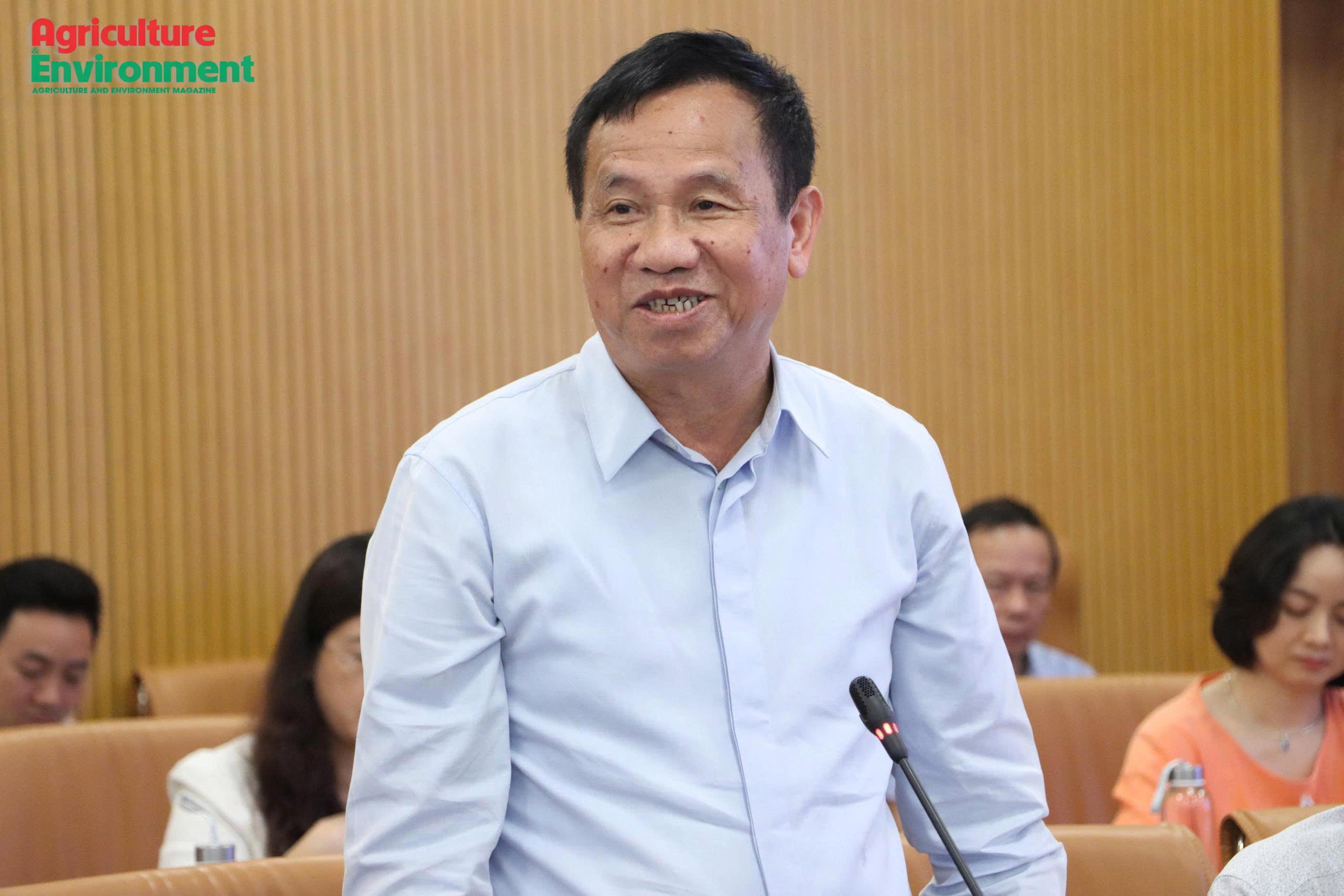
Viet Nam’s fruit and vegetable exports exceeded USD 2.6 billion in the first four months of 2026, up around 22% year-on-year, according to the Vietnam Fruit and Vegetables Association. If current growth momentum continues, the sector’s exports could reach approximately USD 9.5 billion this year, nearly USD 1 billion higher than in 2025. “Market conditions remain relatively favorable and prices have been fairly stable,” Dinh Cao Khue said.
Fruit products continue to dominate the export structure, with durian emerging as the standout performer. Durian exports surged roughly 170% from a year earlier, driven by market expansion and stronger coordination between domestic agencies and international partners.
Vice Chairman Dinh Cao Khue said export markets remain accessible as long as product quality requirements are met. Demand from major markets such as the United States and Europe has remained resilient, while a growing number of other countries continue to expand imports.
The sector has also made progress in crop breeding and varietal development. Several crops previously dependent on imported varieties, including bananas and pineapples, can now be cultivated domestically with improved adaptability, helping raise productivity and production efficiency.
Still, fresh products account for roughly 80% of Viet Nam’s fruit and vegetable exports, highlighting the sector’s limited processing capacity. Vice Chairman Dinh Cao Khue said expanding processing remains critical to increasing added value and reducing dependence on fresh produce markets.
The association also called for greater involvement from research institutes and universities in developing climate-resilient, high-yield crop varieties. According to Dinh Cao Khue, several emerging farming models are generating significantly stronger economic returns than traditional crops.
Despite the sector’s positive outlook, the association said Viet Nam still needs to strengthen supply chain linkages, particularly in processing and raw material development, to maintain long-term export growth.
Sea access and standards remain key hurdles for marine aquaculture
Assoc. Prof. Nguyen Huu Dung, Chairman of the Vietnam Mariculture Association
Viet Nam’s marine aquaculture industry continues to face multiple structural constraints that are slowing the development of large-scale industrial farming, according to the Vietnam Mariculture Association. Assoc. Prof. Nguyen Huu Dung said one of the sector’s biggest challenges remains the slow allocation of sea areas for aquaculture activities. Although the National Marine Spatial Plan for 2021–2030, with a vision to 2050, was approved by the National Assembly under Resolution No. 139/2024/QH15, implementation at the local level remains insufficiently detailed and lacks a clear framework for licensing.
As a result, businesses continue to struggle to secure access to marine farming areas for investment projects.
Sea area use fees are another major concern. According to Assoc. Prof. Nguyen Huu Dung, companies are required to invest heavily in infrastructure while also paying sea-use charges from the outset, putting considerable financial pressure on projects during their early stages.
He also pointed to the lack of a unified national standards framework for industrial marine aquaculture. In the absence of national regulations, many provinces have developed their own technical requirements, making it difficult for companies to expand operations across different coastal areas. “Marine aquaculture has enormous potential, but policy mechanisms have yet to keep pace,” Assoc. Prof. Nguyen Huu Dung said.
The sector is also facing a shortage of skilled labor. Viet Nam still lacks a formal training system for industrial marine aquaculture, despite the industry’s high technological and technical requirements. Vocational training for workers and technicians remains inadequate for the sector’s future development needs, he added.
Faster sea allocation needed to accelerate offshore farming
Tran Dinh Luan, Director of the Directorate of Fisheries and Fisheries Surveillance
The allocation of sea areas for aquaculture remains uneven across localities, with some provinces moving much faster than others, according to the Directorate of Fisheries and Fisheries Surveillance. Director Tran Dinh Luan said Quang Ninh has made significant progress and completed sea area allocation procedures within a relatively short period, while other provinces continue to lag behind. In provinces such as Kien Giang and An Giang, implementation has remained slow despite the participation of large enterprises and repeated requests from the Ministry, he said.
To streamline procedures, the Directorate has integrated approval procedures for aquaculture investment projects with the sea area allocation process, replacing the previous dual-track system. The move is intended to shorten processing times and reduce administrative burdens for businesses.
Director Tran Dinh Luan said several projects in Quang Ninh have already secured sea areas, while procedures in other provinces remain incomplete. The Ministry is continuing to work with local authorities and businesses to accelerate implementation.
Viet Nam has so far issued technical standards for circular cages and several basic marine aquaculture components. The Directorate is now working with the Vietnam Chamber of Commerce and Industry (VCCI), along with expert groups supported by Norway and Denmark, to develop standards for industrial marine aquaculture zones.
According to Director Tran Dinh Luan, the standards cannot simply replicate foreign models. They must instead be based on surveys of Viet Nam’s own tidal conditions, wave patterns, seasonal cycles, and marine environments.
The proposed standards are expected to be finalized and submitted this year.
Director Tran Dinh Luan also said regulations governing sea area use fees should continue to be reviewed to better reflect production realities.
While regulations for the registration of aquaculture vessels are already in place, standards for cage and floating structure inspection and certification remain incomplete. He said the development of technical standards is essential not only for inspection and certification purposes, but also for insurance and broader sector governance.
In addition, vocational training and livelihood transition policies for coastal communities are being incorporated into ongoing policy revisions aimed at supporting the sustainable development of marine aquaculture.
Viet Nam’s coconut industry needs strategic shift toward deep processing
Cao Ba Dang Khoa, Vice Chairman of the Vietnam Coconut Association
Viet Nam’s coconut sector needs a more strategic approach to raw material planning and deep processing development as the industry expands into a billion-dollar export market, according to the Vietnam Coconut Association.
Vice Chairman Cao Ba Dang Khoa said coconut cultivation in Vietnam remains largely smallholder-based, with few large-scale specialized growing areas. While coconuts were previously viewed mainly as a conventional agricultural product, the sector has evolved rapidly in recent years thanks to growing export demand. He said the industry now needs clearer differentiation between fresh coconuts for export markets and coconut varieties intended for deep processing.
Viet Nam’s coconut sector currently produces more than 60 deep-processed products across segments including food, pharmaceuticals, handicrafts, and industrial materials. However, following the opening of fresh coconut exports to markets such as the United States and China over the past three years, many localities and farmers have shifted toward fresh coconut production.
At the same time, varieties suited for deep processing — including high-oil and thick-meat coconuts — have yet to receive sufficient investment, raising concerns over the long-term supply of raw materials for processors.
According to Vice Chairman Cao Ba Dang Khoa, the deep-processing industry still depends heavily on domestic raw materials, but Viet Nam has yet to establish stable supply zones or conduct systematic research on high-quality coconut varieties tailored to different growing regions.
Viet Nam currently has coconut cultivation across 18 provinces stretching from Thanh Hoa to Ca Mau. Yet international investors exploring the country’s coconut industry are familiar almost exclusively with Ben Tre — now part of Vinh Long province — highlighting imbalances in regional planning and investment distribution.
Vice Chairman Cao Ba Dang Khoa also stressed the need to standardize and strengthen oversight of coconut growing areas. He noted that multiple certification systems currently overlap within the same production zones.
Farmers and cooperatives may simultaneously hold planting area codes, VietGAP certification, organic certification for European, U.S., Japanese, or Chinese markets, as well as Halal certification. However, management responsibilities remain unclear, with many commune-level authorities lacking full oversight of certifications issued in their localities.
According to Vice Chairman Cao Ba Dang Khoa, clearer coordination mechanisms are still needed among commune authorities, provincial agriculture departments, and specialized agencies responsible for managing raw material areas.
The Vietnam Coconut Association has proposed that the Ministry of Agriculture and Environment review and standardize coconut raw material areas nationwide. The association estimates that around 55,000 hectares of coconut plantations currently meet international standards, out of more than 201,000 hectares nationwide, though management remains fragmented.
Vice Chairman Cao Ba Dang Khoa also called for stronger policy support for enterprises investing in raw material development. He said building a 500-hectare raw material zone meeting four international certification standards requires investment of roughly VND 7 billion.
Some companies have invested in up to 18,000 hectares of raw material areas, yet such investments are still not formally recognized as part of core project infrastructure eligible for loans or financial support policies.
The sector also needs to reassess intercropping practices, Vice Chairman Cao Ba Dang Khoa added. While intercropping was previously encouraged to optimize land use and support farmer livelihoods, coconuts are increasingly targeting premium export markets where pesticide residues from neighboring crops could threaten compliance with export standards, particularly in organic production areas.
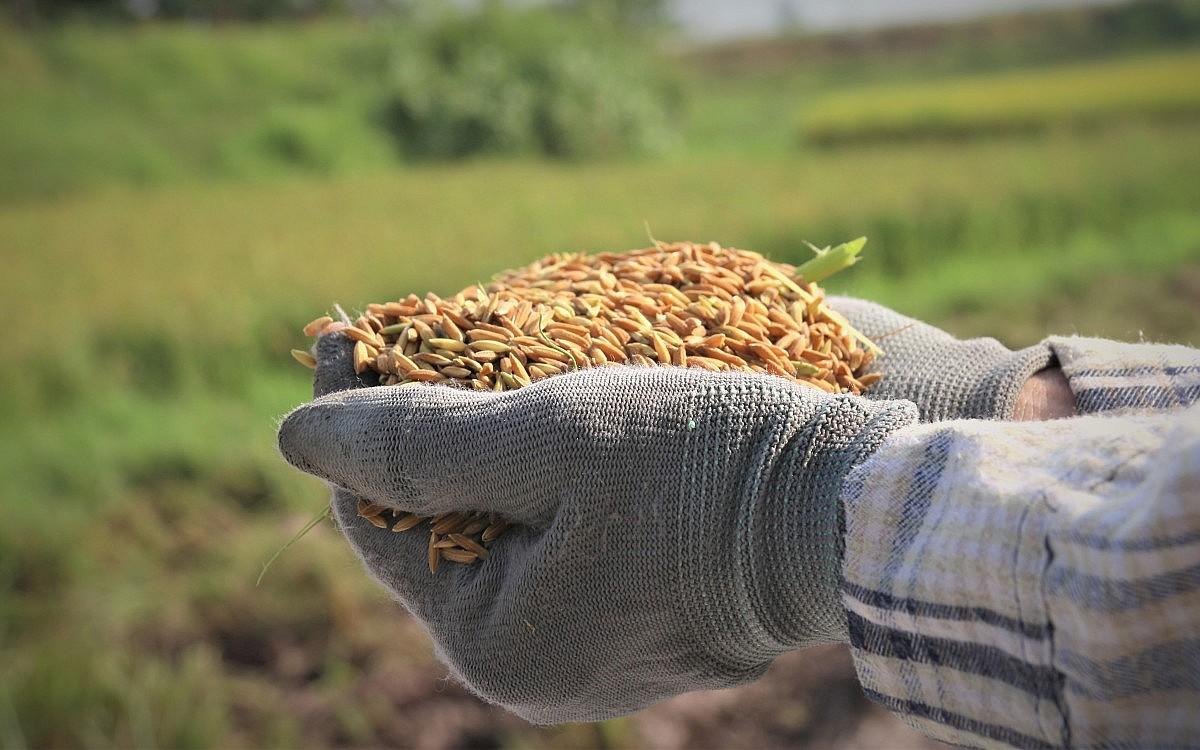
Policies achieve lasting impact only when they translate into changes in production practices. This is particularly true of efforts to reduce food loss and waste: setting reduction targets or encouraging the productive use of agricultural by-products will have limited effect unless producers can see clear economic returns and businesses have access to sufficiently stable markets.
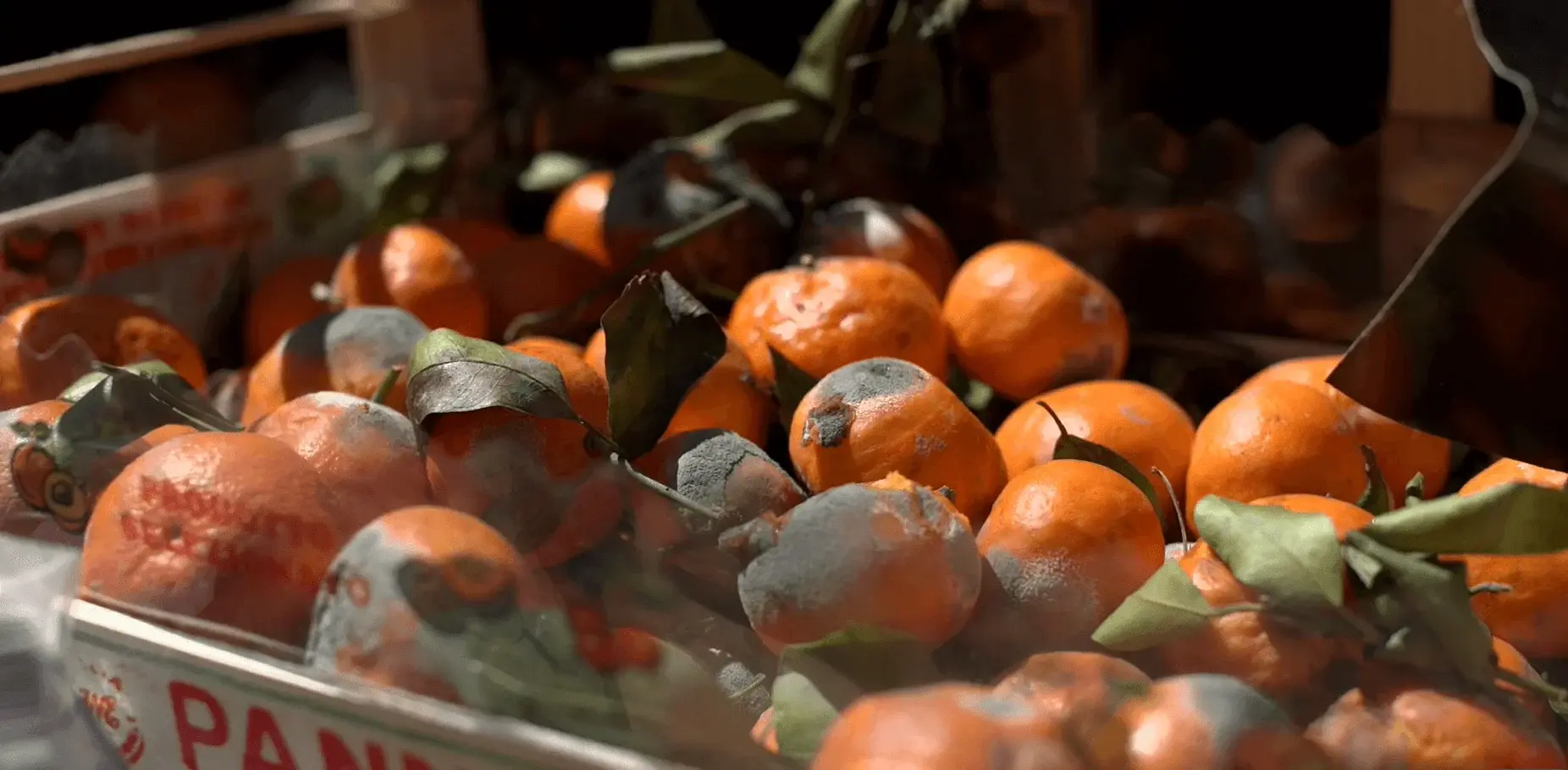
Viet Nam has gradually established a policy foundation for reducing food loss and waste (FLW), increasingly linking the issue to sustainable development, the circular economy, and food system transformation. The challenge in the next phase is therefore not to start from scratch, but to connect existing policies into a coherent, data-driven governance framework that prioritizes prevention and is supported by sufficiently strong coordination mechanisms to drive action at the national level.
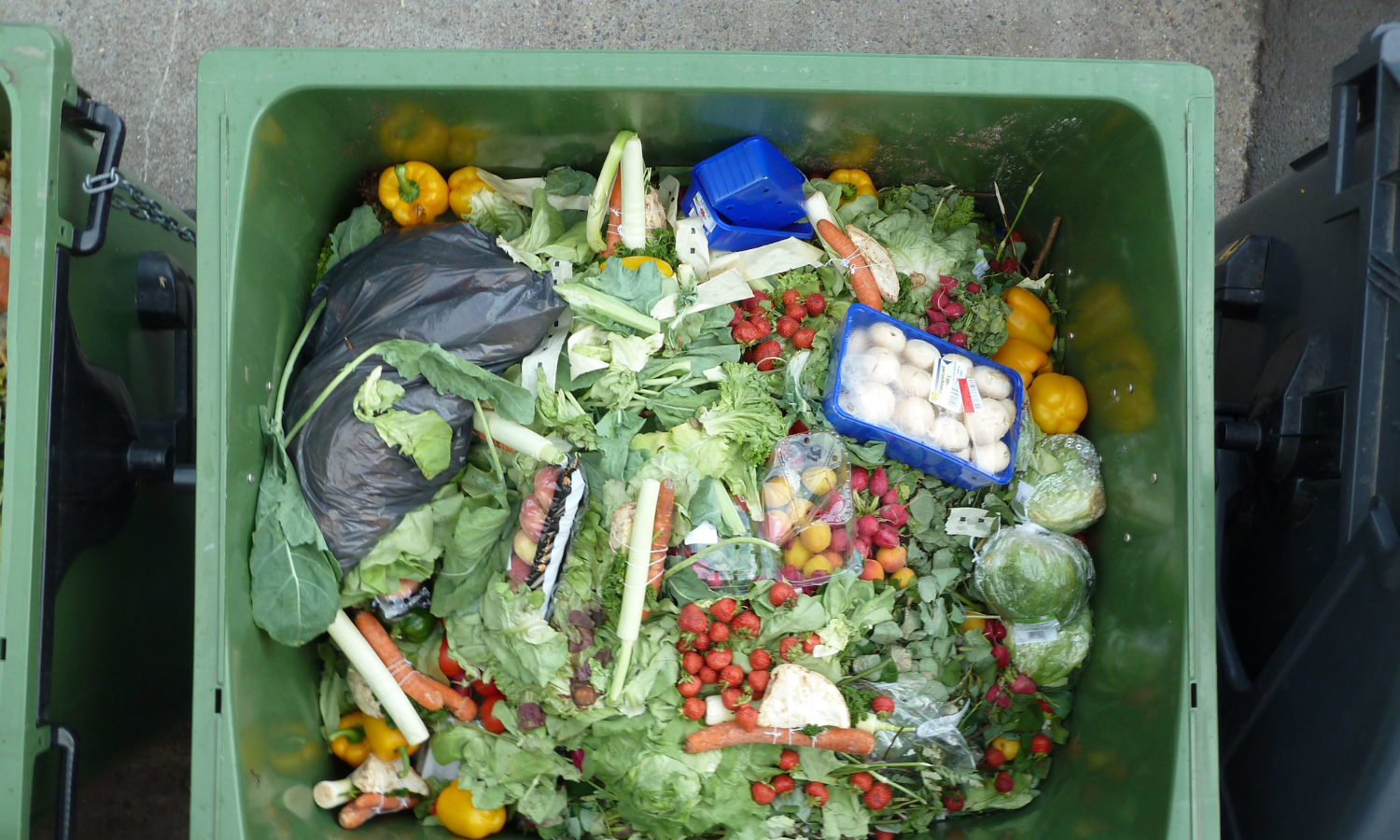
International experience suggests that food loss and waste (FLW) is not a problem that can be resolved through a single policy measure. Effective action requires institutions capable of coordinating stakeholders, data that can identify where losses occur, regulations that do not create unnecessary barriers, and mechanisms that allow businesses and communities to participate.
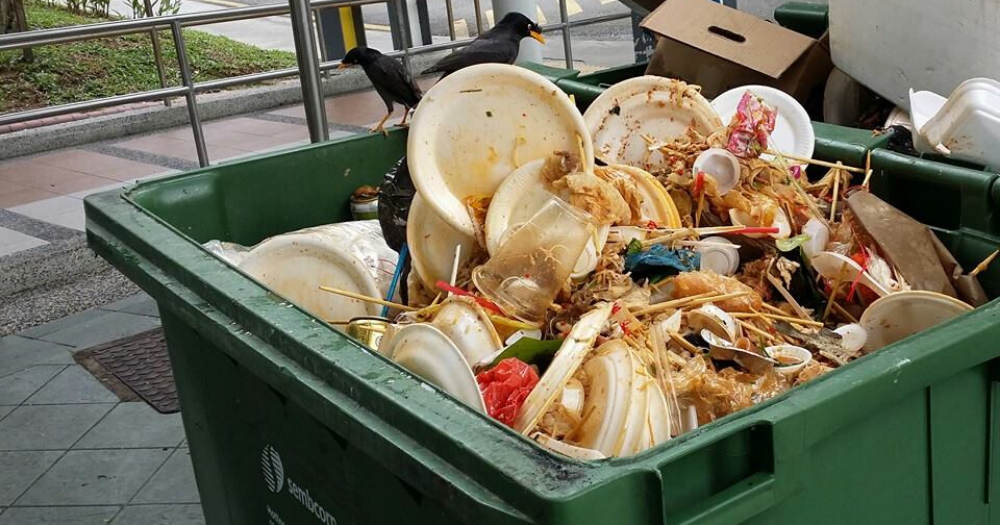
Food loss and waste are emerging as major bottlenecks in global agrifood systems, with large quantities of food lost or discarded despite the land, water, energy and labor invested in producing it. In Viet Nam, the issue not only diminishes the value of agricultural products but also generates substantial economic, environmental and social costs. Research on selected value chains shows that food losses occur throughout the chain, from production and harvesting to transportation, post-harvest handling and storage, while food waste continues to arise at the retail, food service and household levels. A clear understanding of the current situation is essential for Viet Nam to further strengthen its policies to reduce food loss, curb food waste and improve the efficiency of the agrifood system as a whole.

Resolution No. 36/2026/NQ-CP and new regulations on growing-area codes (GACs) and packing-facility codes (PFCs) are prompting changes in how these codes are managed, registered, and maintained. At a training session on implementation of the new regulations held on August 20, government officials and experts focused on procedural changes, requirements for digitizing records, and the supporting role of agricultural extension services at the local level.