



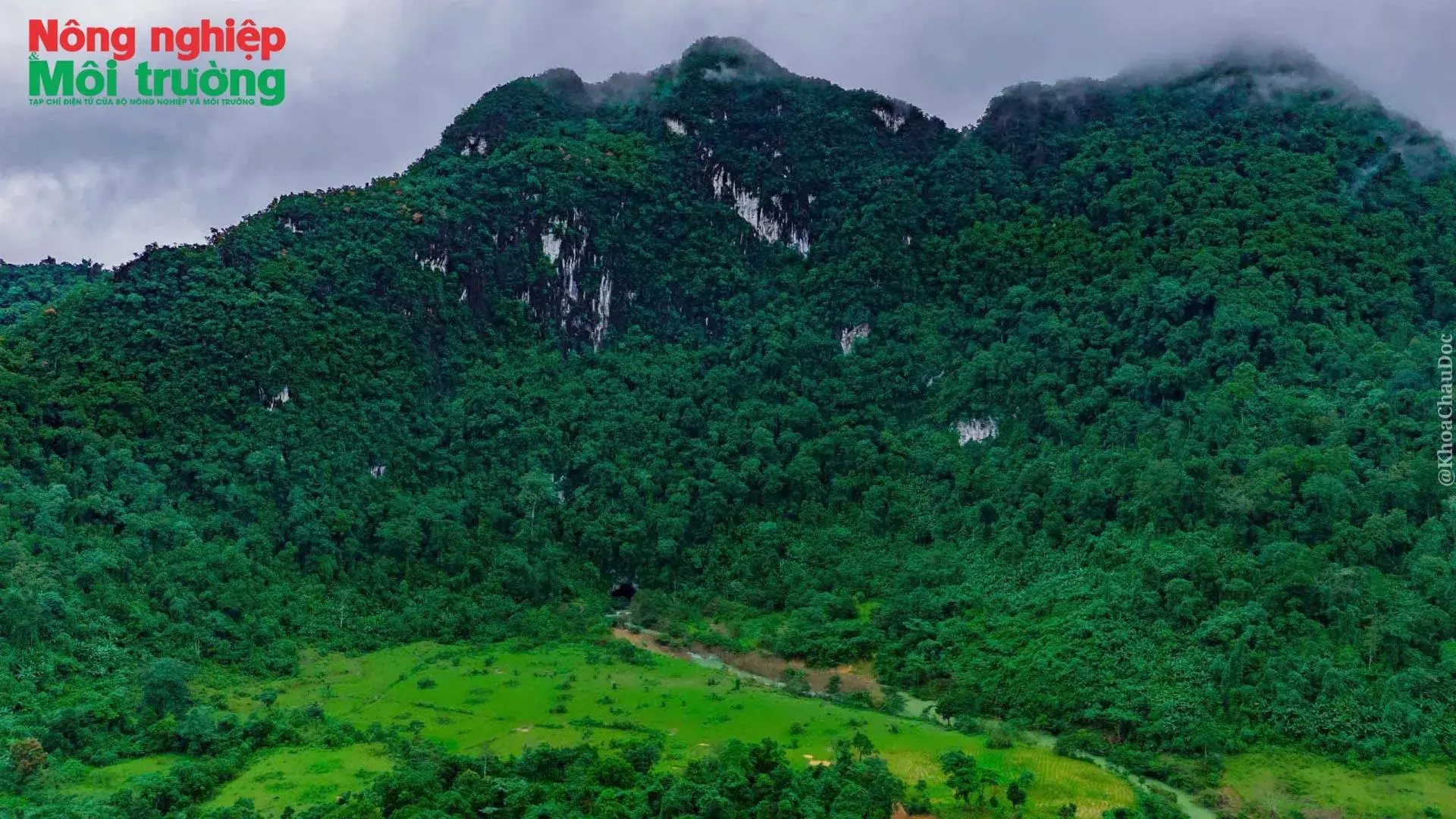
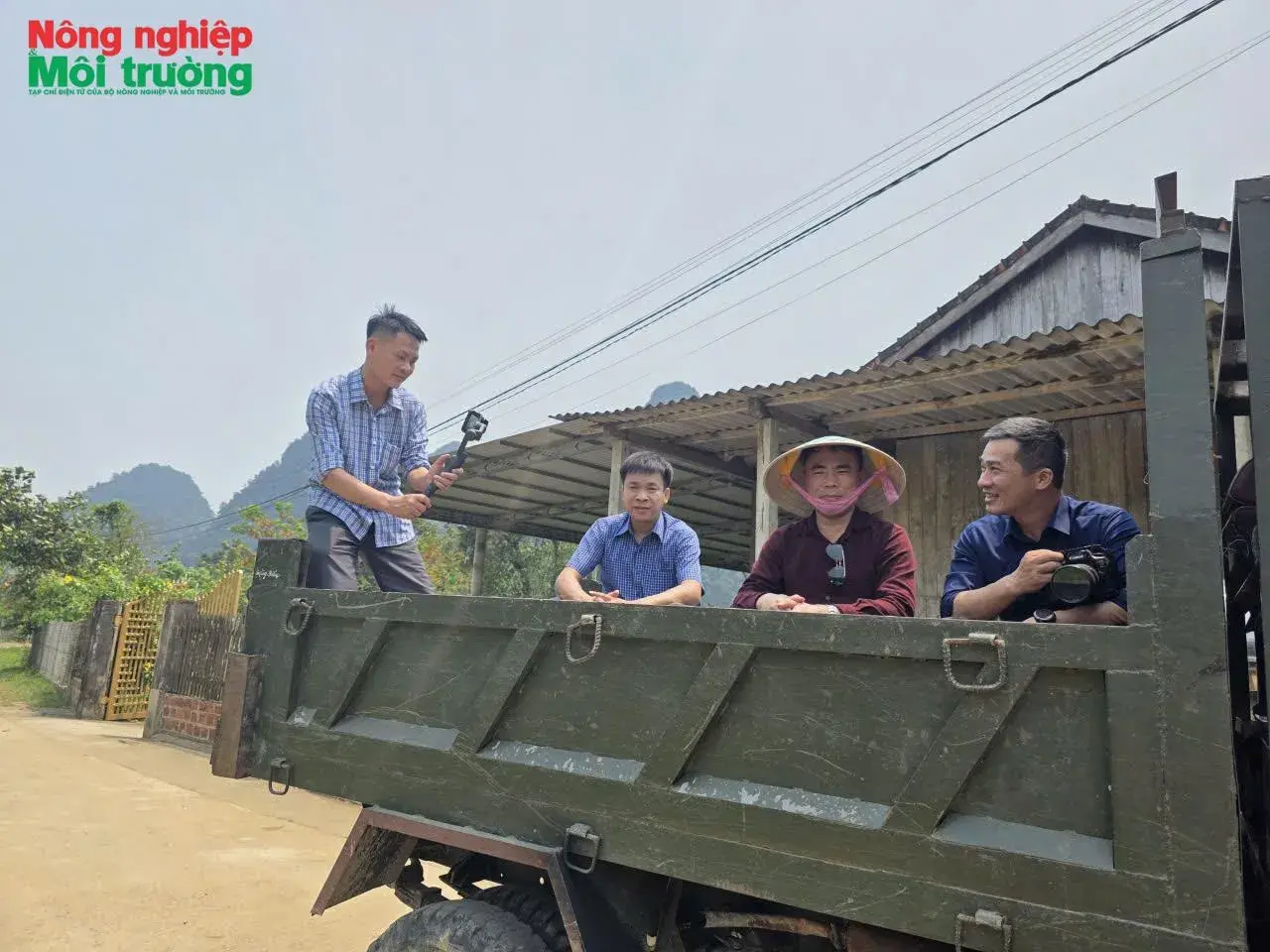
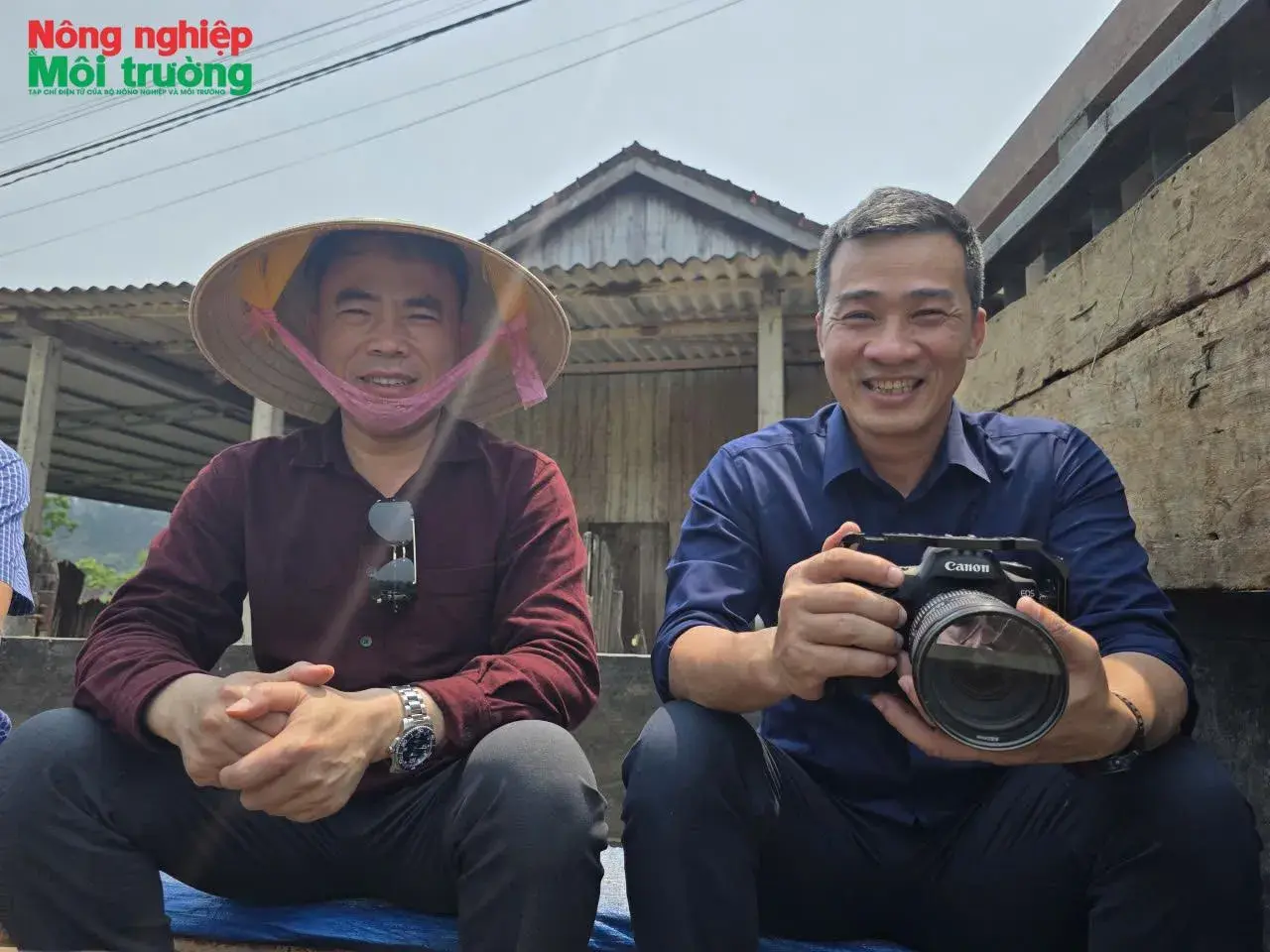
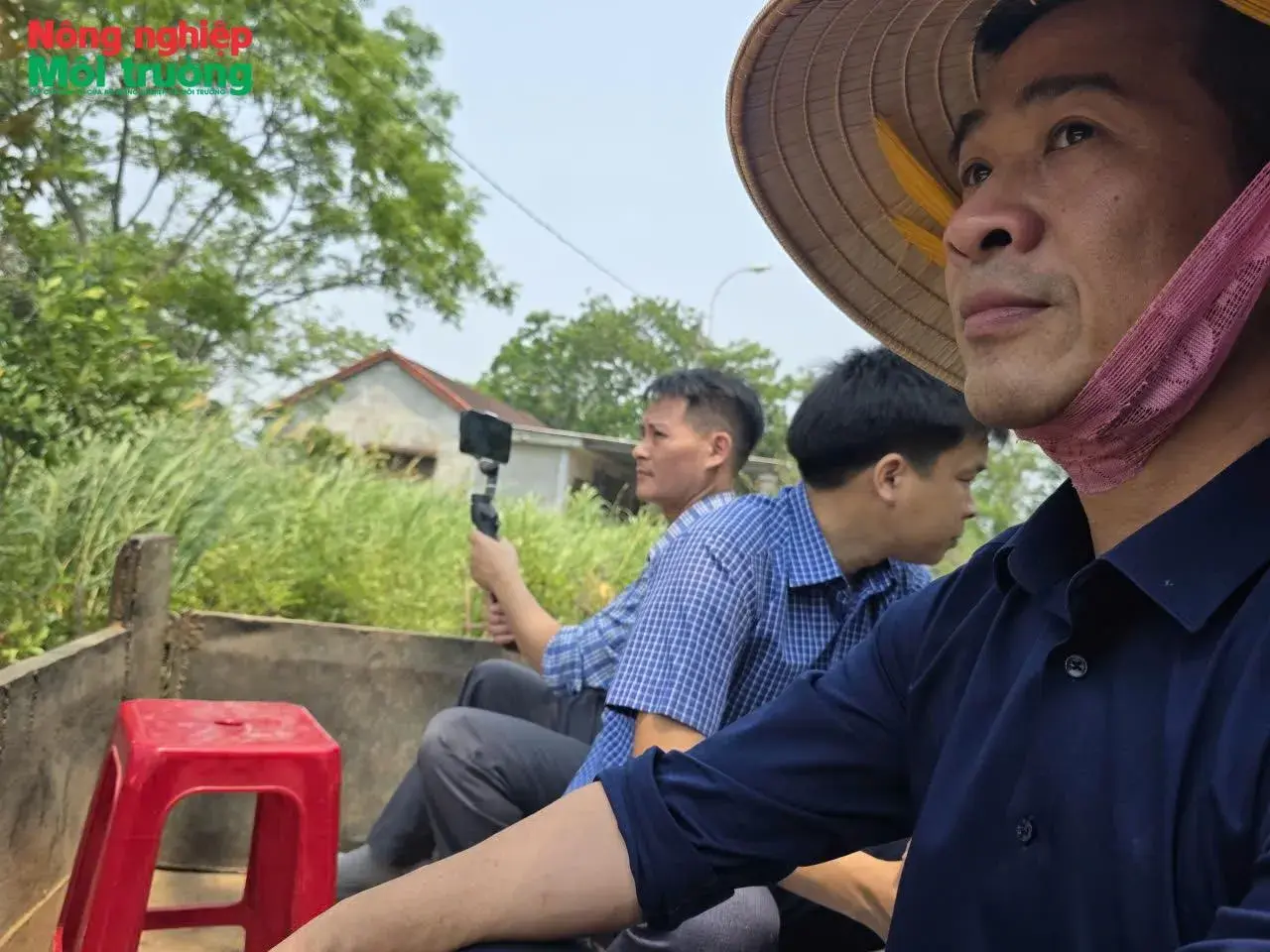
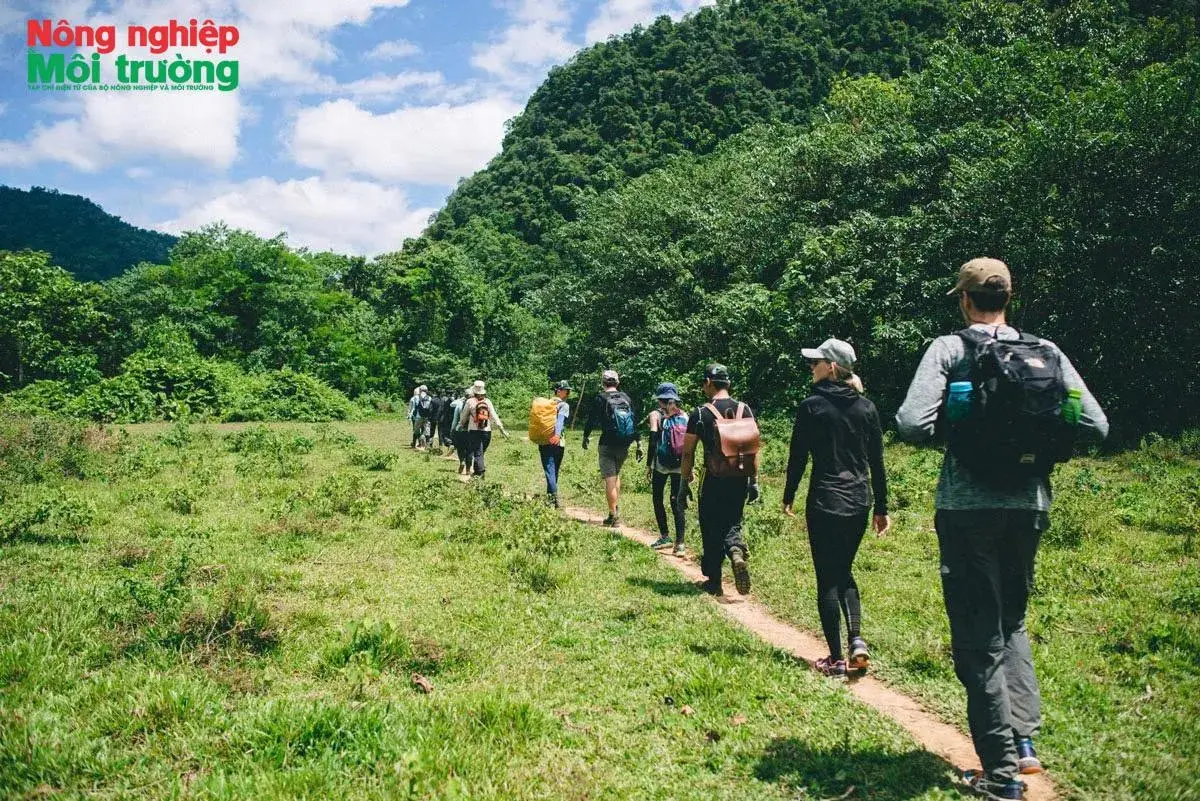
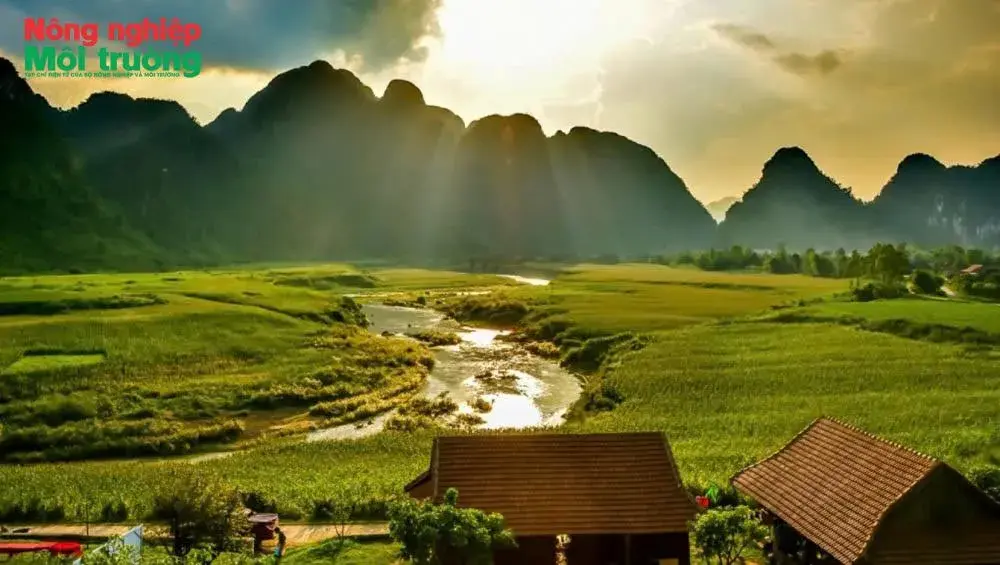
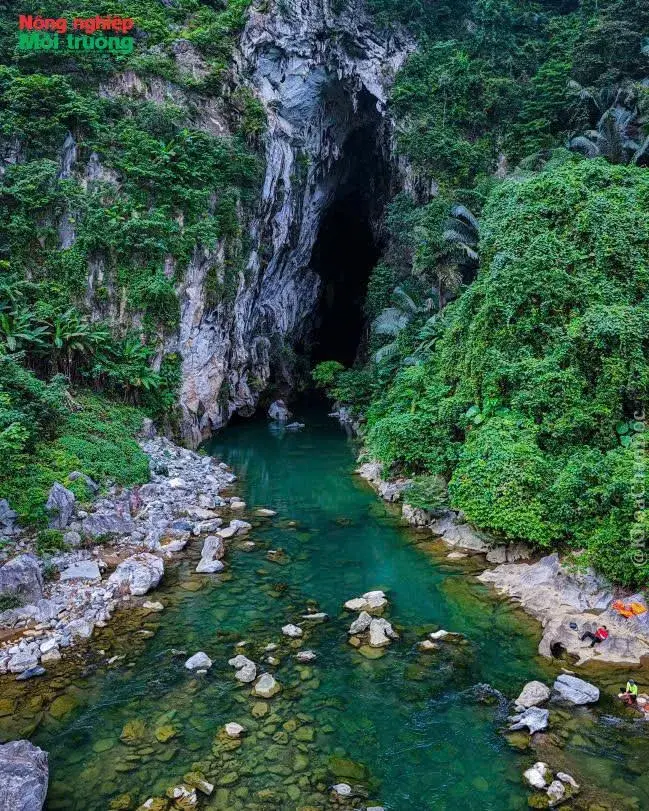
 During a field trip to central Viet Nam, a delegation from Agriculture and Environment Magazine conducted an on-site survey of Ruc Mon cave, one of the few karst caves in the Truong Son range that has retained its near-pristine condition. The visit provided hands-on experience and insight into the potential for eco-tourism development linked with conservation and sustainable livelihoods.
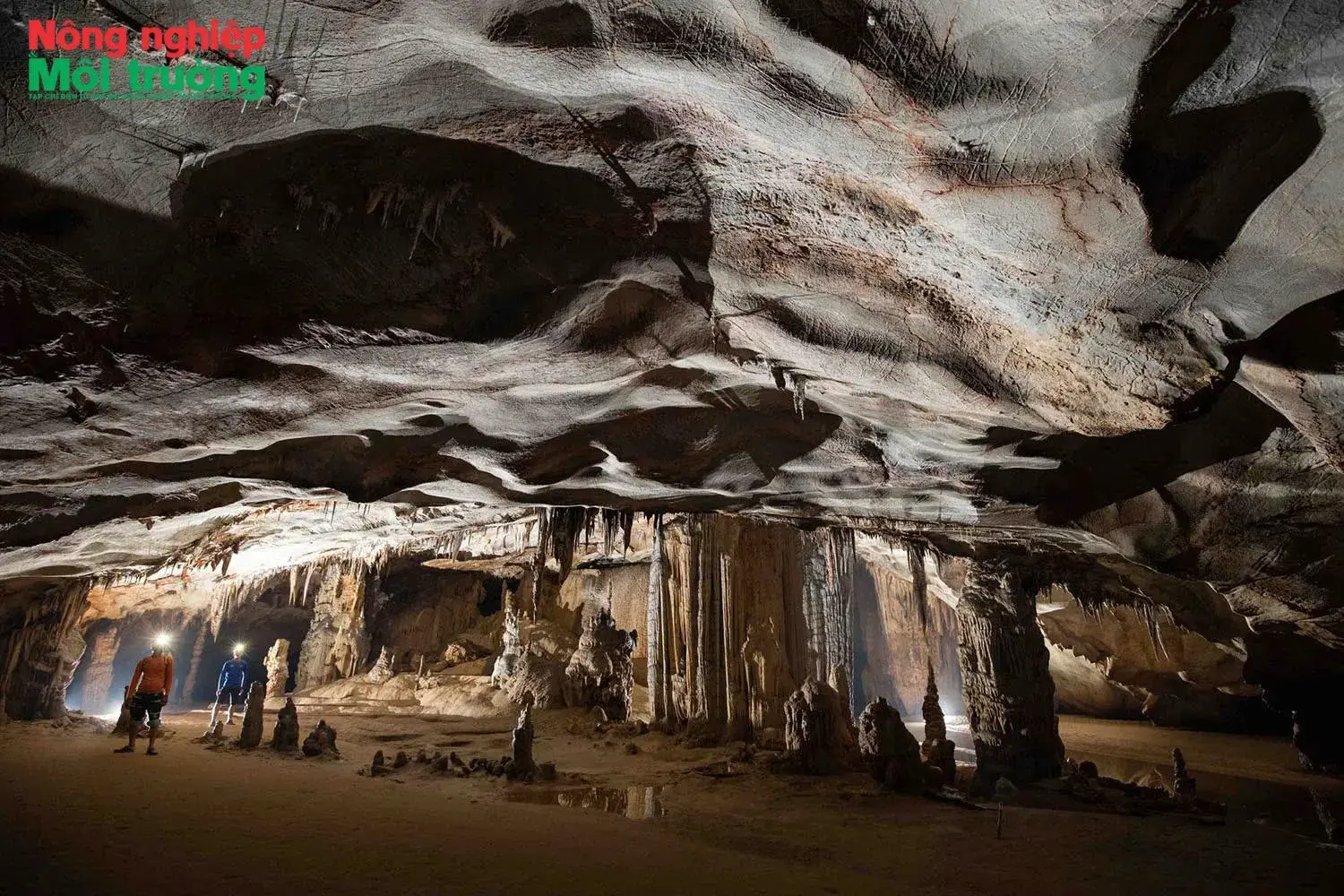
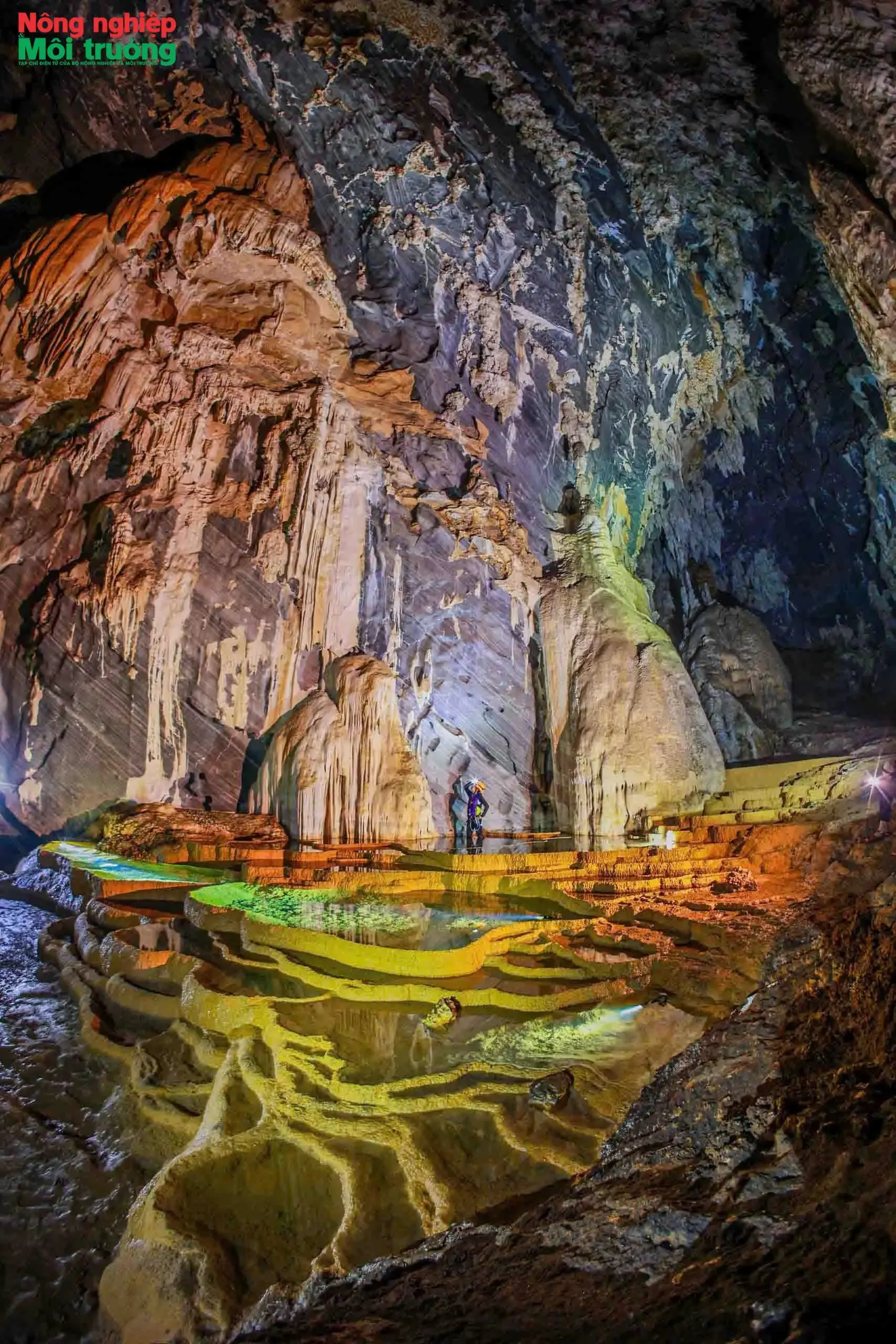
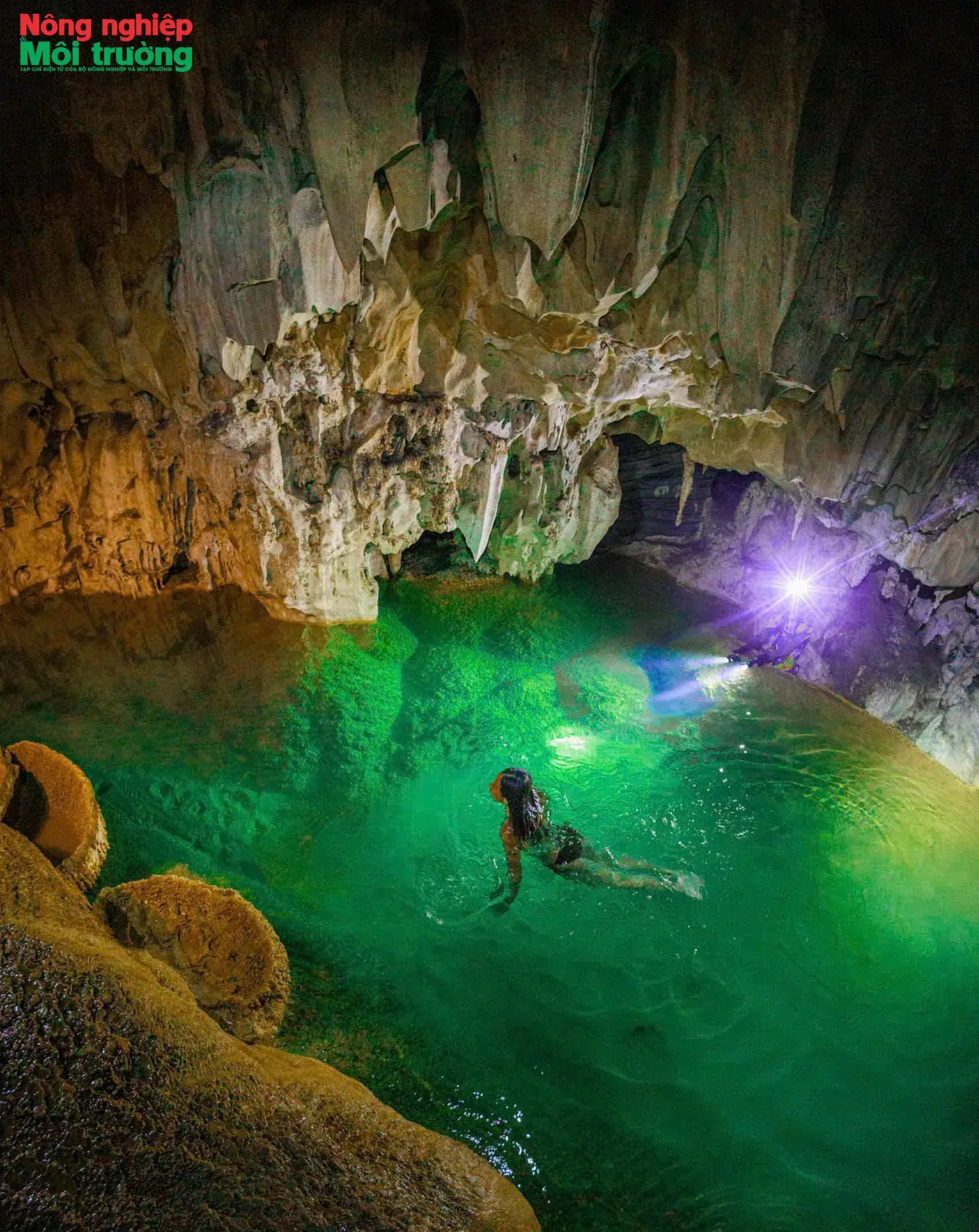
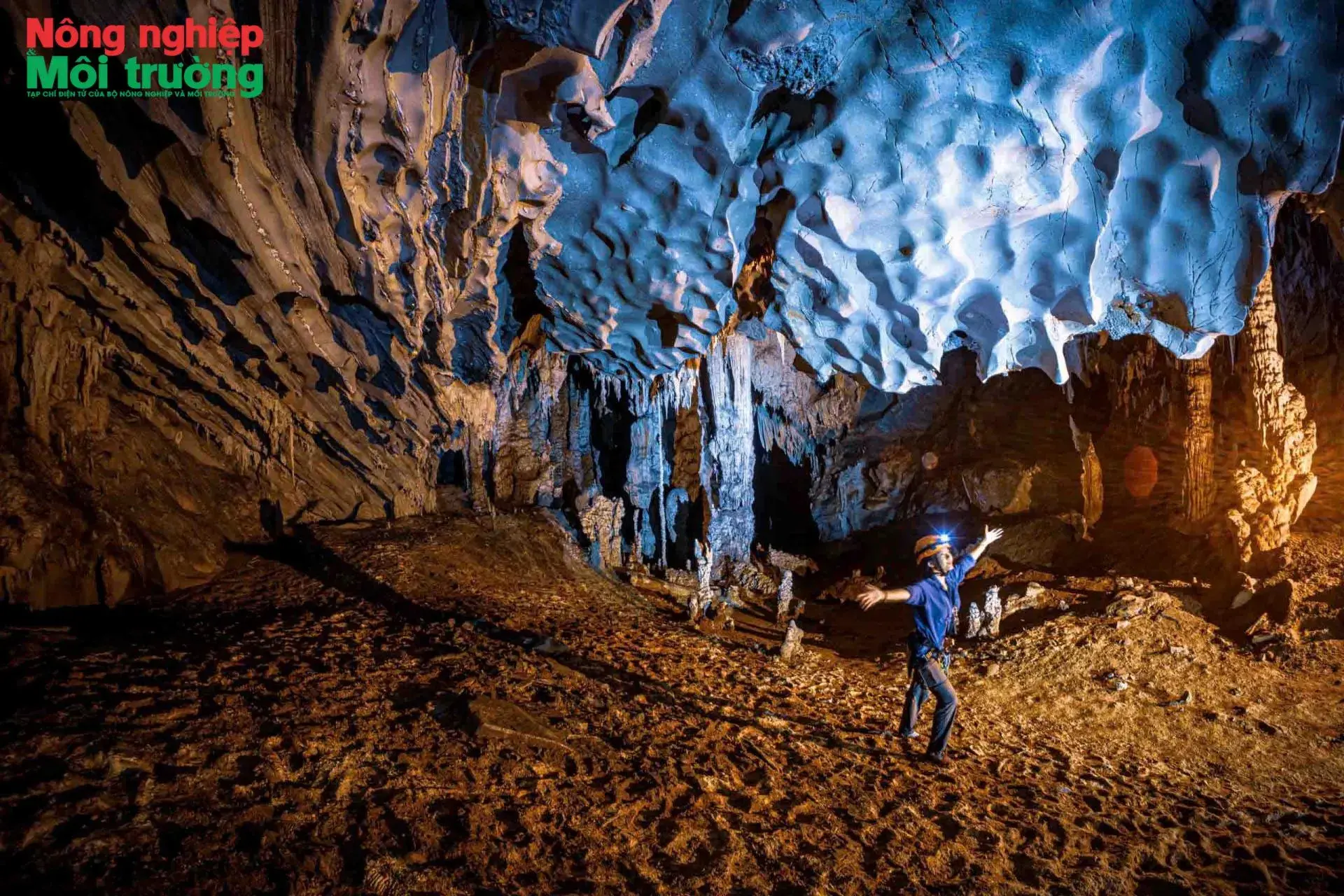
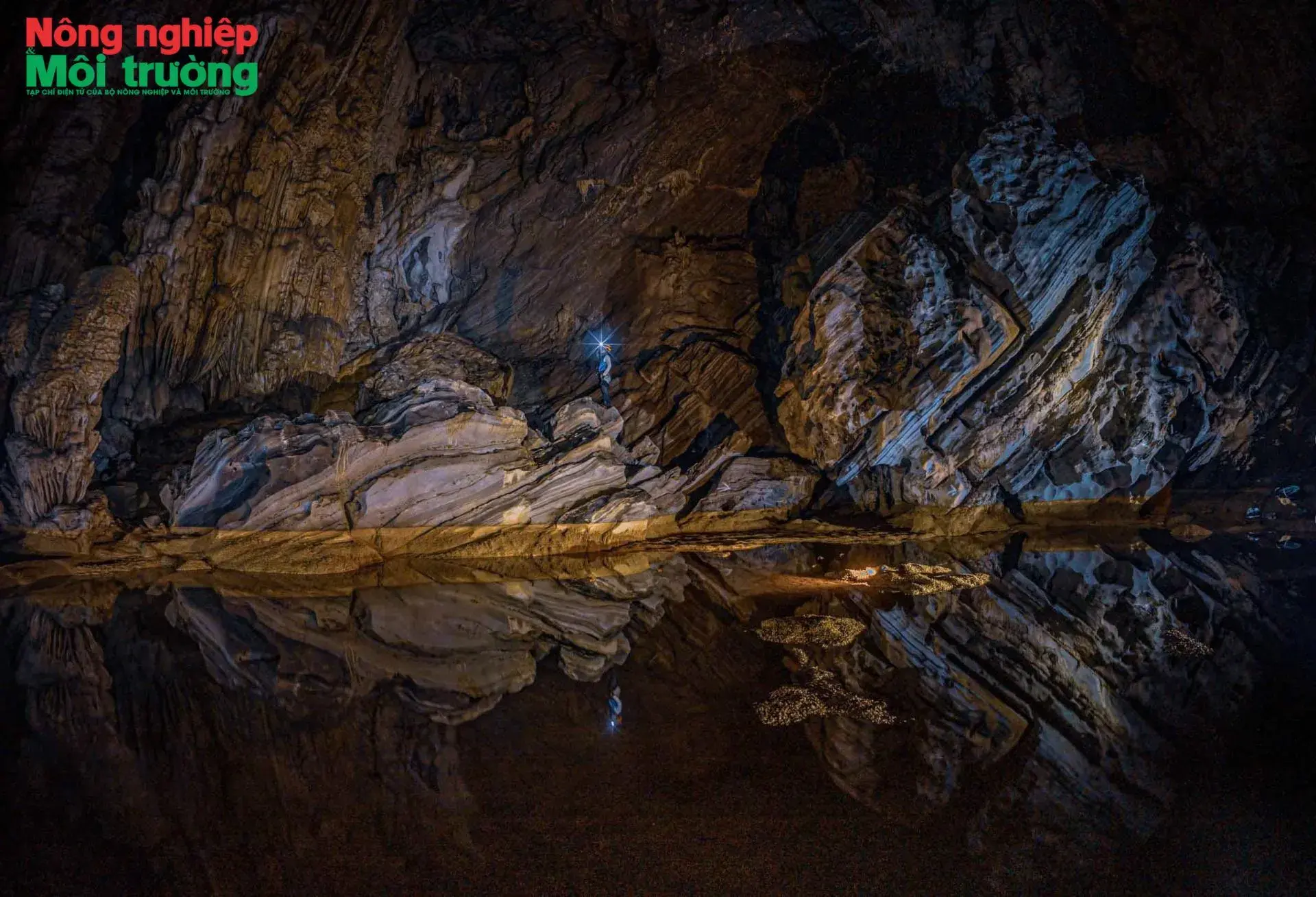
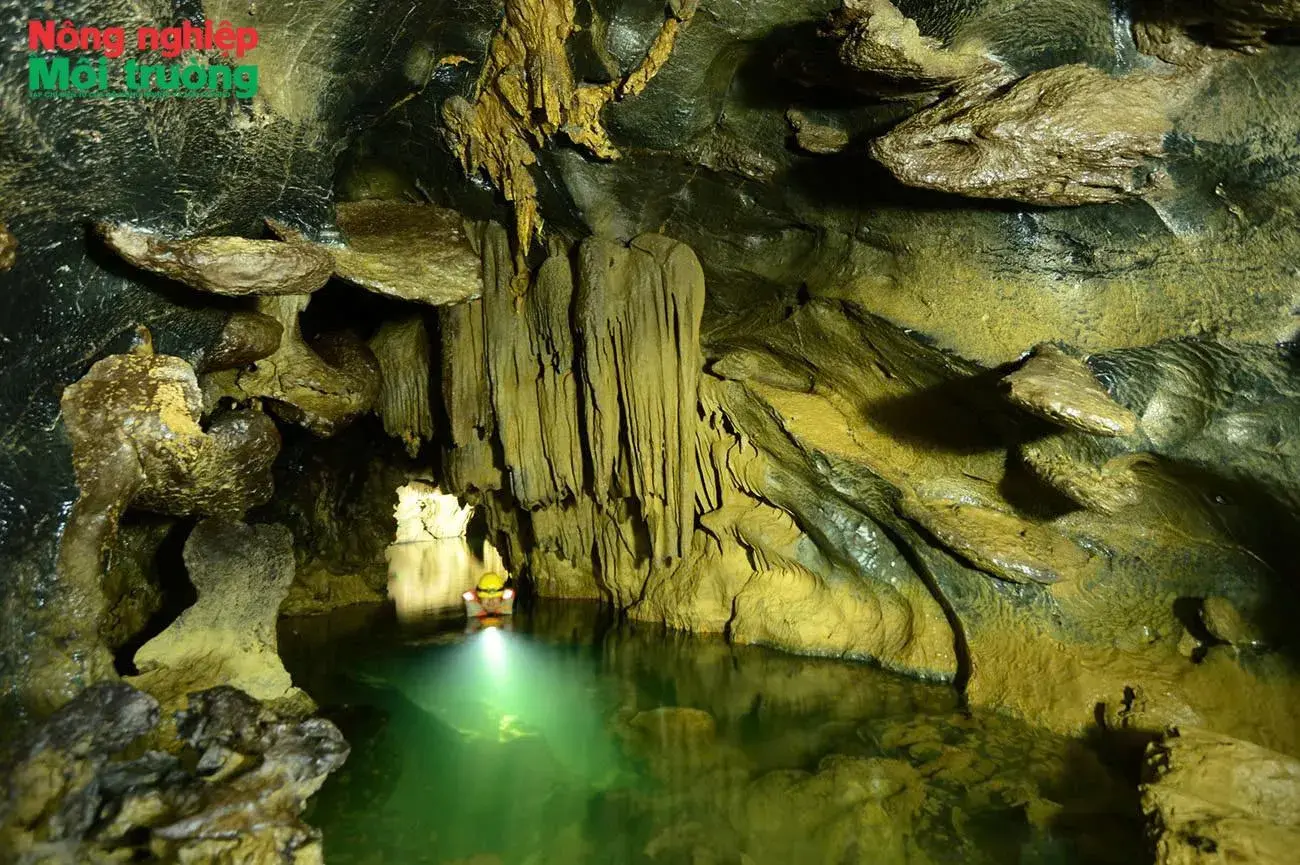
Inside the cave, the scene transforms dramatically. Extending nearly 3 km with ceilings over 50 meters high, Ruc Mon Cave resembles a vast geological labyrinth. Its system is clearly divided into dry and wet sections—the latter featuring an underground river with crystal-clear water, reaching depths of up to 30 meters in some areas. Unique stalactites and stalagmites form shapes reminiscent of “Phuc–Loc–Tho” figures, inverted lotus blossoms, shimmering “fairy hair,” and other natural sculptures, creating an enchanting space where each step feels like entering a living natural museum.
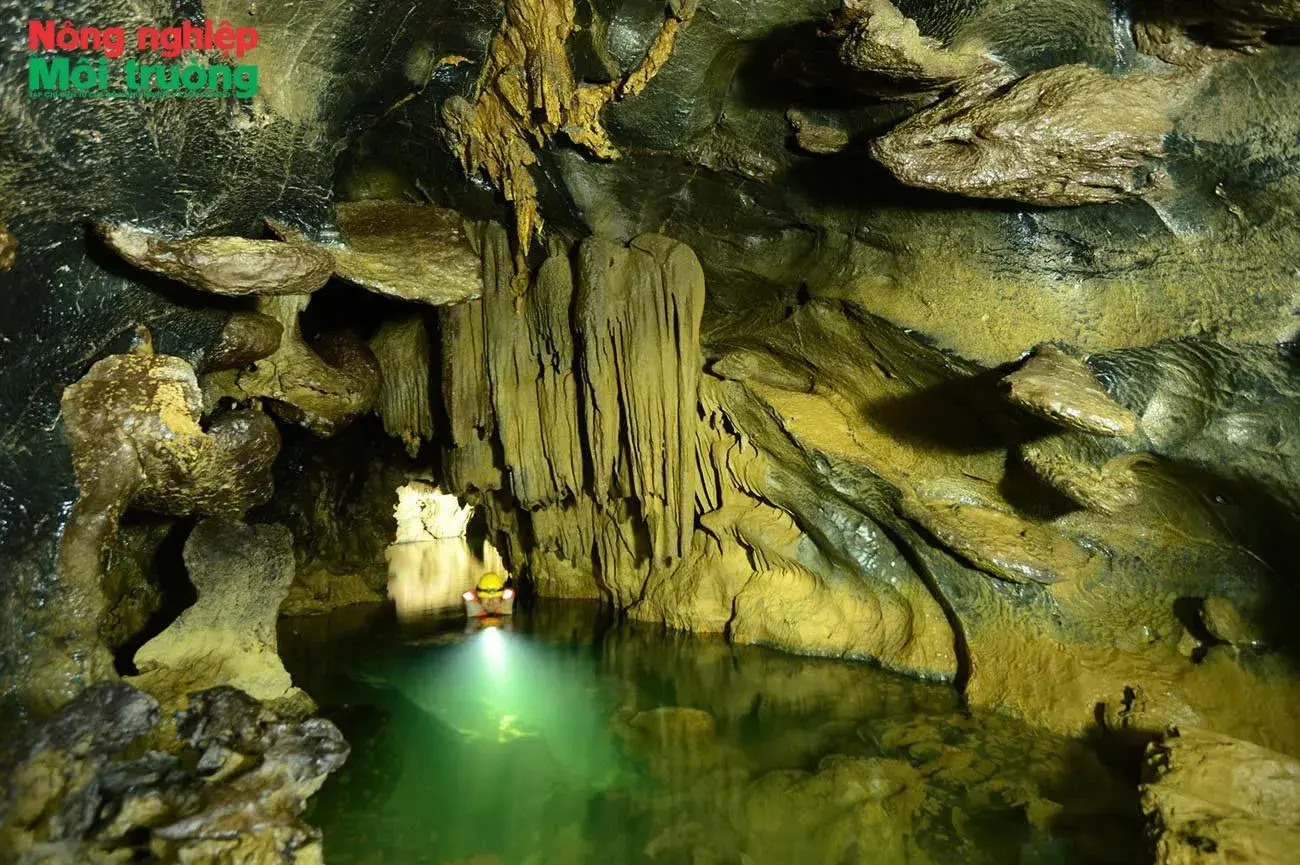
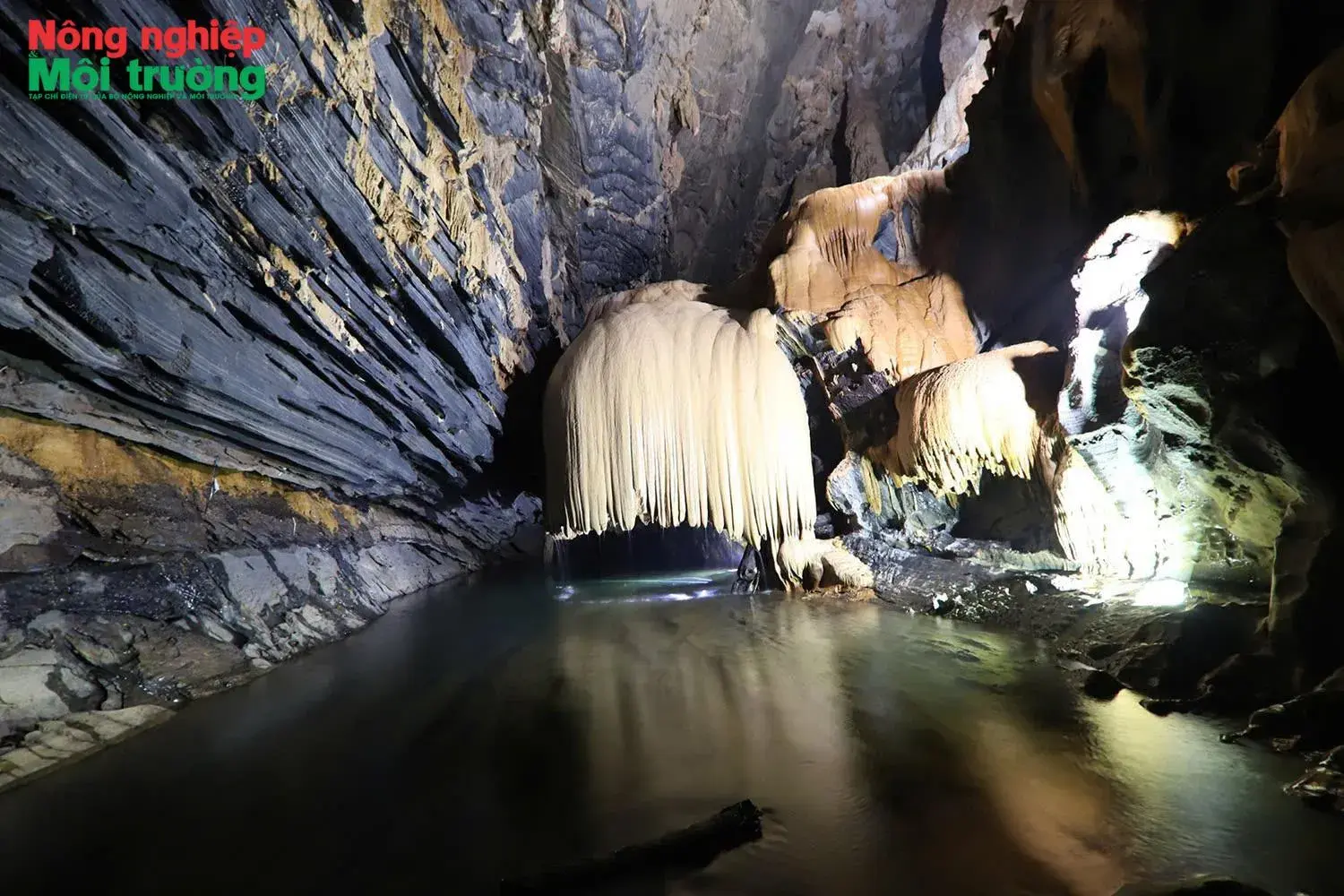
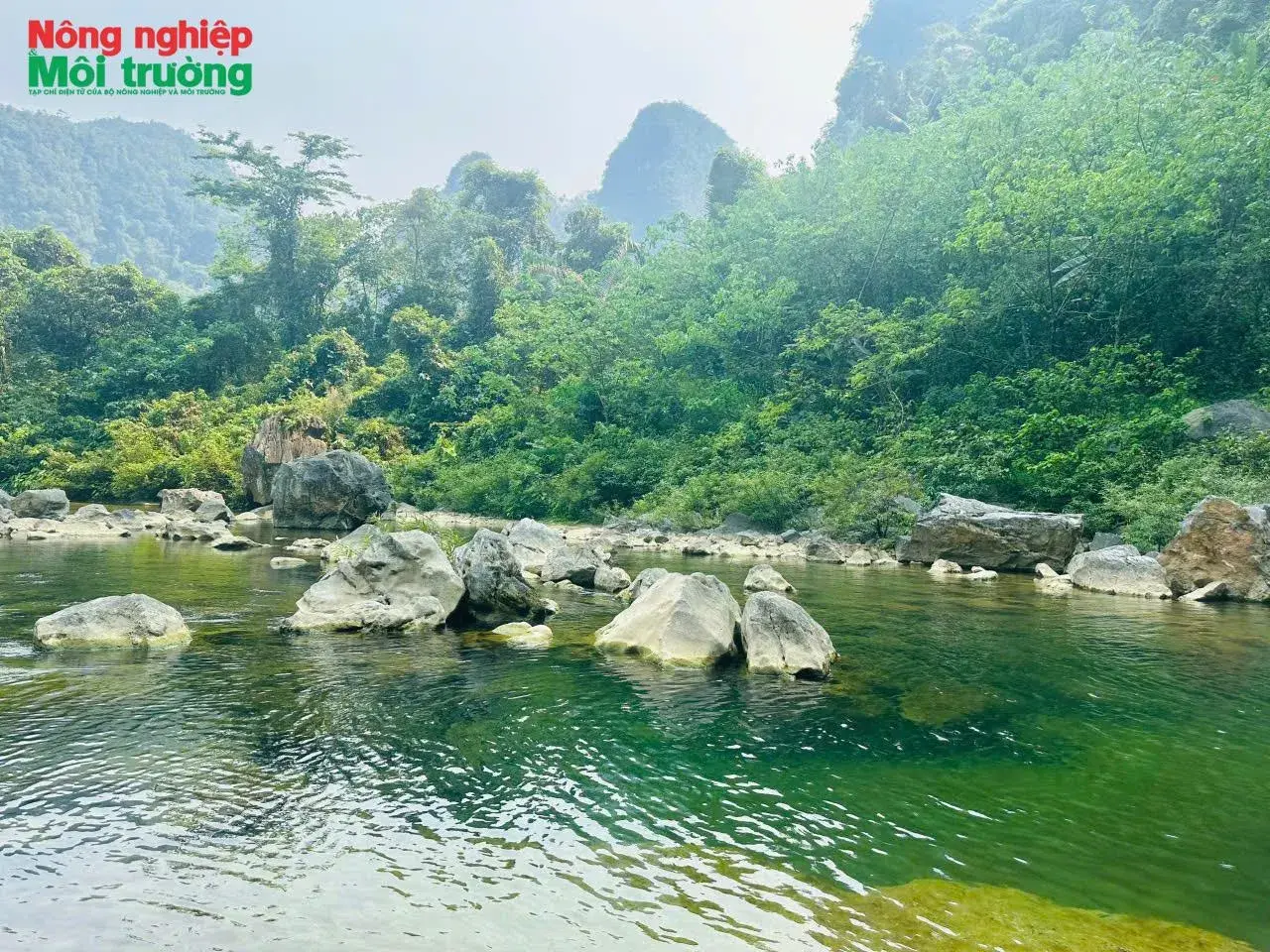
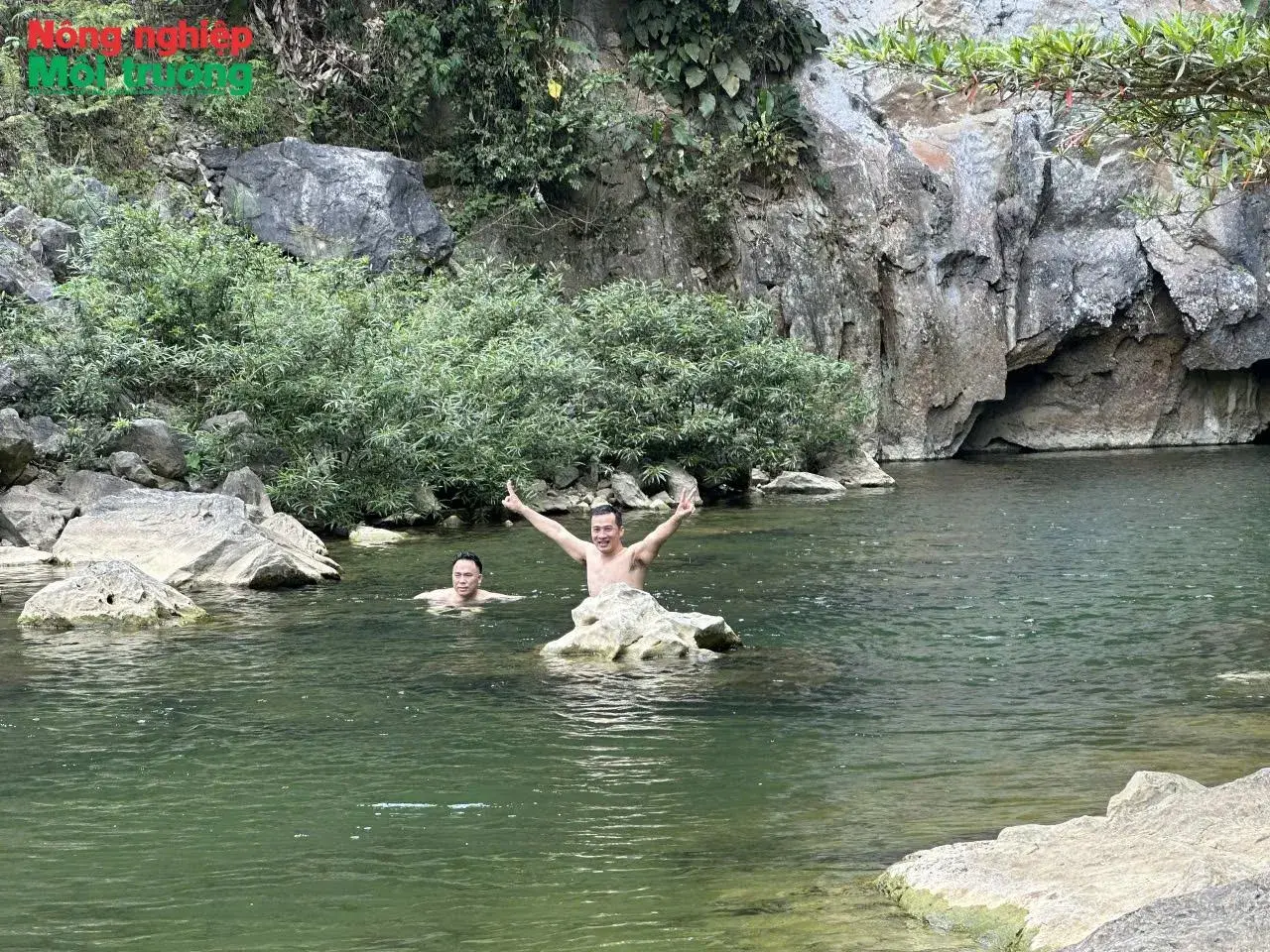
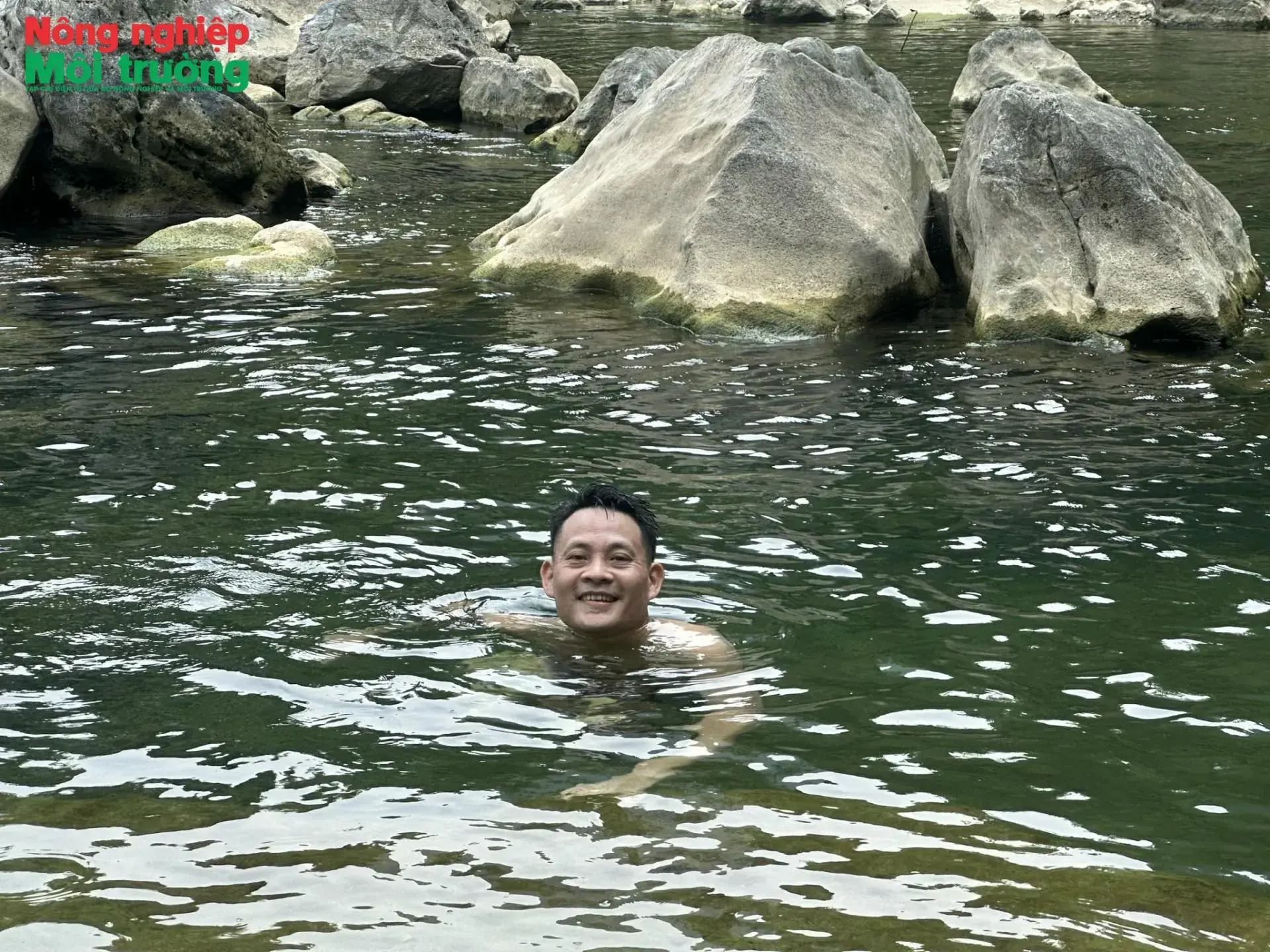
Delegation members noted that Ruc Mon Cave has significant potential for sustainable tourism, particularly given its proximity to the world-famous Phong Nha–Ke Bang National Park. However, any development must be carefully managed, prioritizing conservation while ensuring stable livelihoods for the local ethnic minority community.
The expedition concluded, but the impression of this “rough gem” in the heart of the Truong Son Mountains remains vivid. With its unique geological, scenic, and cultural value, Ruc Mon Cave is not only a destination for adventure seekers but also a testament to the principle that tourism development should go hand-in-hand with nature conservation and the preservation of local cultural identity.
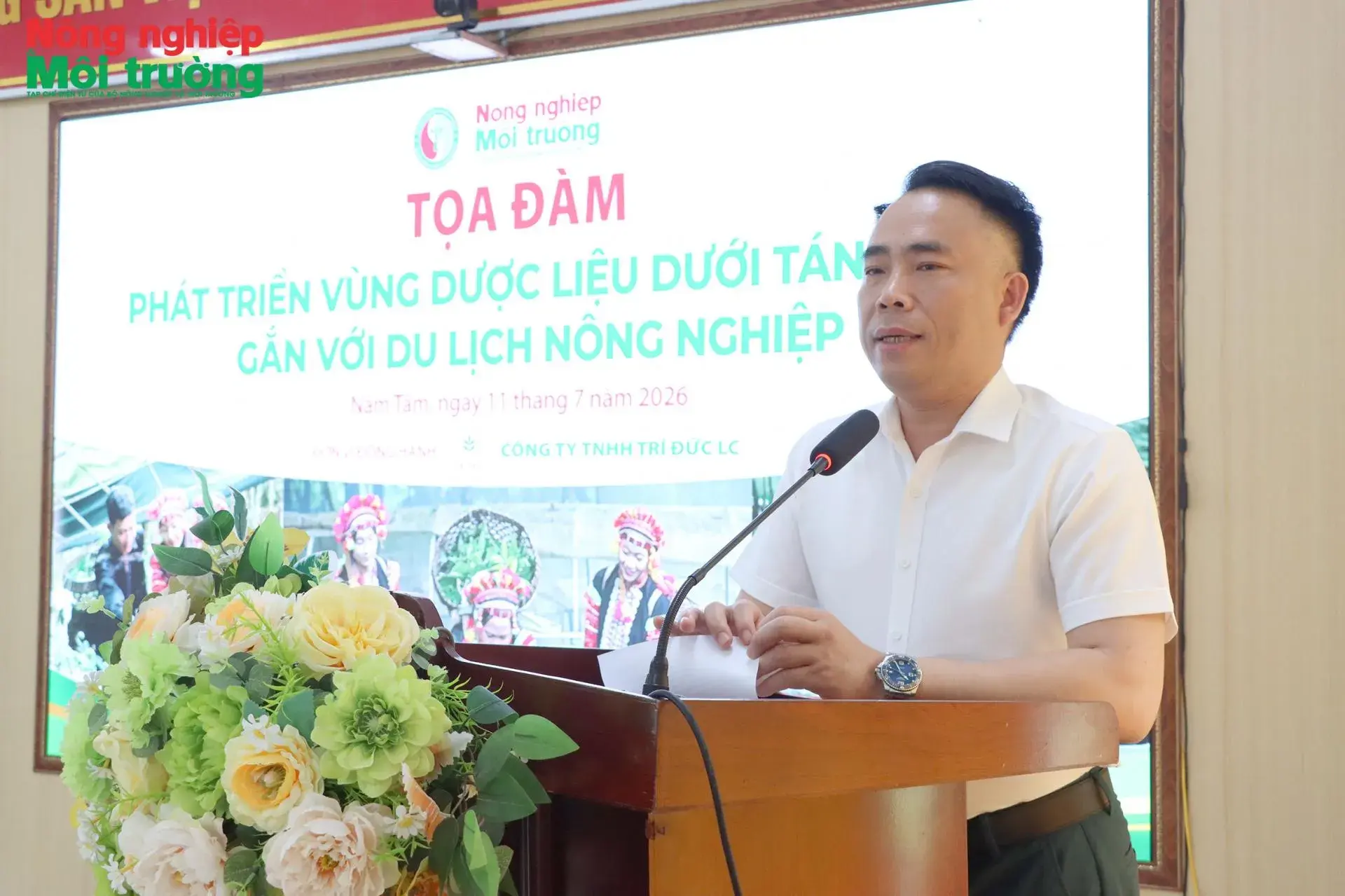
On July 11, the Agriculture and Environment Magazine, in coordination with the Nam Tam Commune People's Committee, hosted a discussion titled "Developing medicinal herb areas under forest canopies in association with agricultural tourism" in Nam Tam commune, Lai Chau province. The event brought together government officials, scientists, businesses and local residents to discuss solutions for developing forest-based livelihoods, promoting a green economy and improving incomes in upland communities. Tri Duc LC Co., Ltd. supported the event.
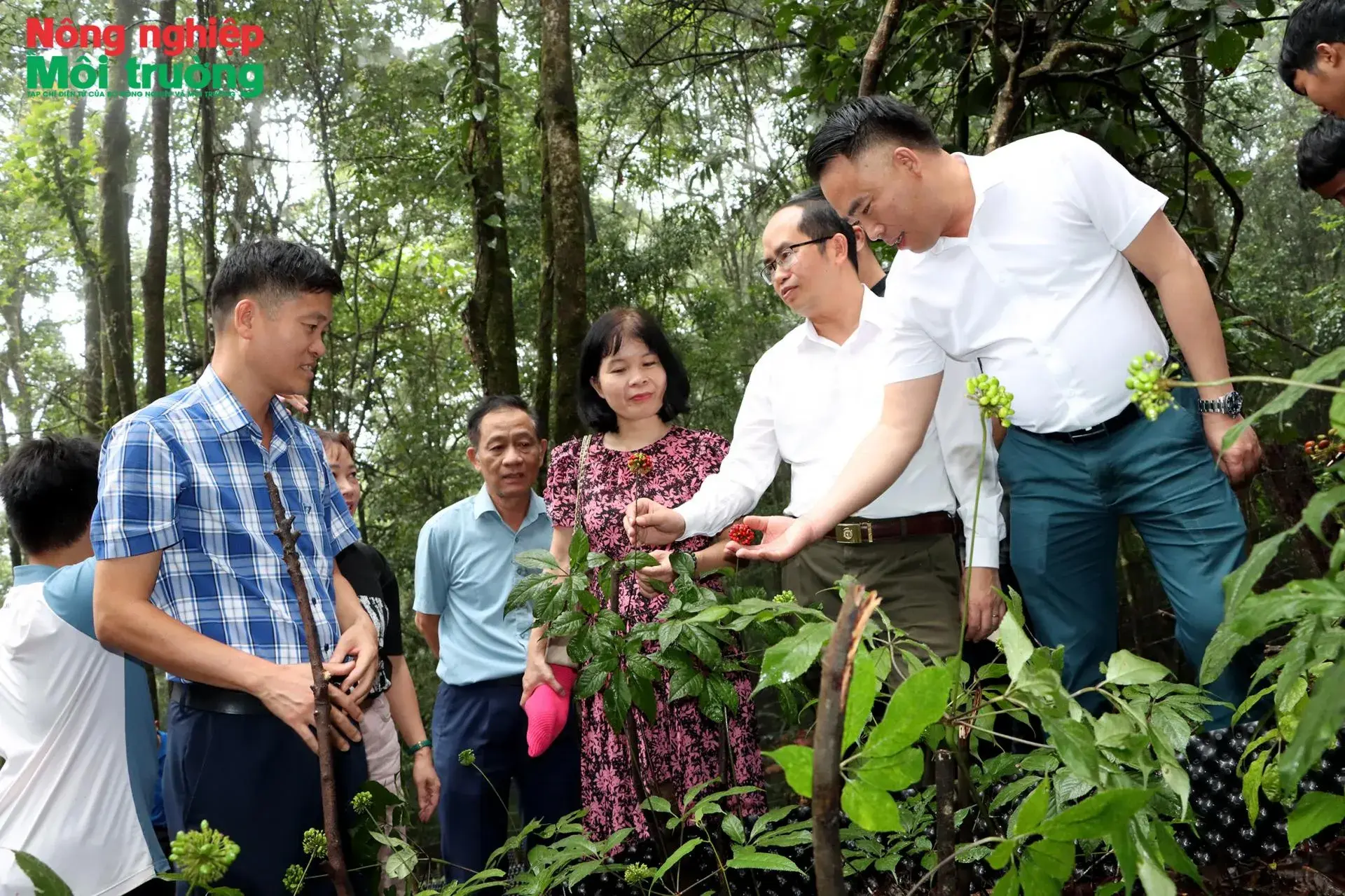
A delegation from the Agriculture and Environment Magazine, together with scientists and experts, conducted a field survey on July 11 of a medicinal herb cultivation model linked to agricultural tourism in Nam Tam commune, Lai Chau province, as part of the seminar "Developing medicinal herb areas under forest canopies in association with agricultural tourism."
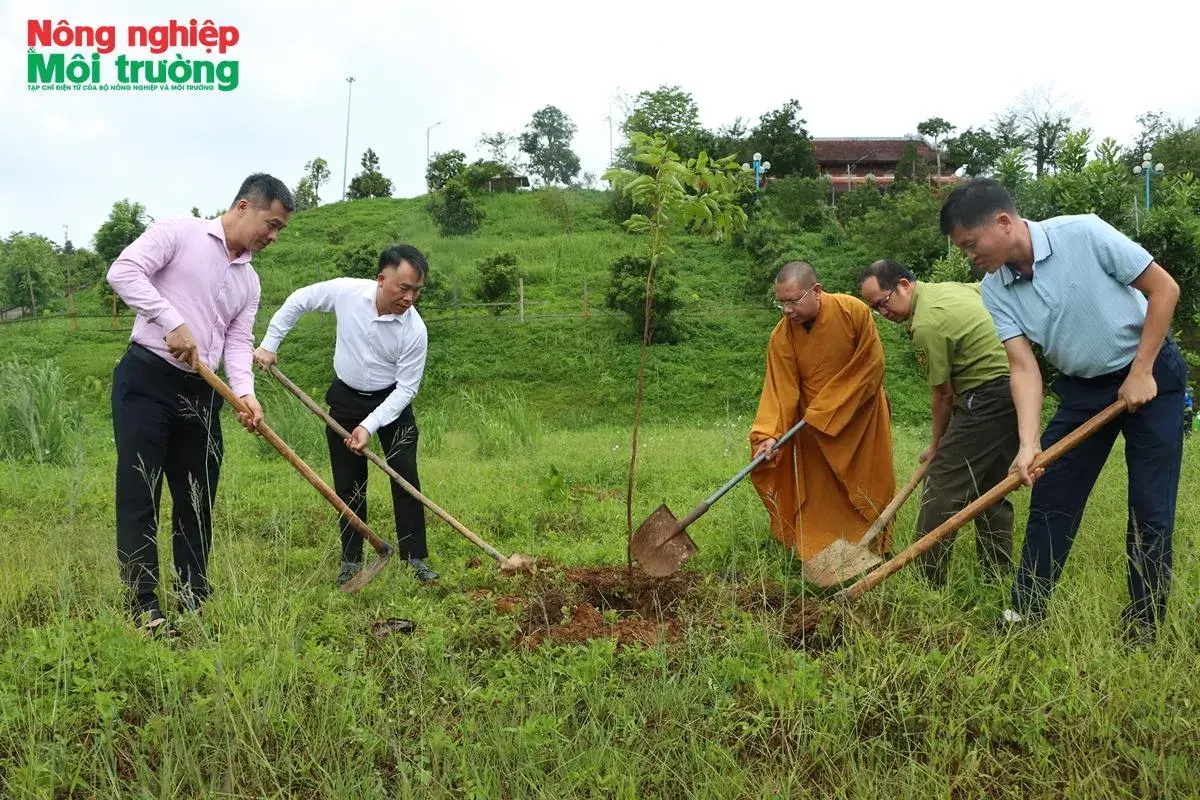
On July 10, the Agriculture and Environment Magazine planted 405 trees at Linh Son pagoda in Lai Chau province under its "Green pagoda" environmental initiative to promote environmental protection, help create greener, cleaner surroundings, and support sustainable development. The program was organized with the support of Tri Duc LC Co., Ltd.
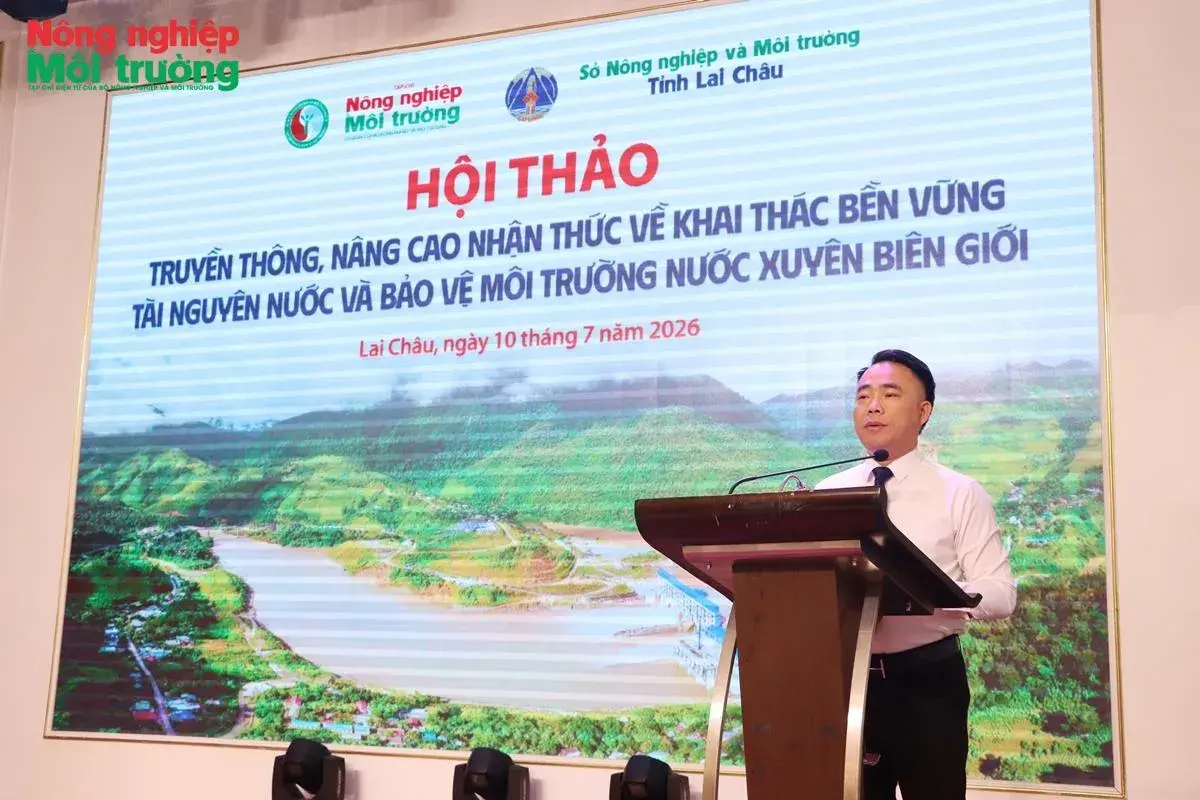
On July 10, the Agriculture and Environment Magazine, in coordination with the Lai Chau Department of Agriculture and Environment, held a seminar titled "Communication and public awareness on sustainable use of water resources and transboundary water environment protection" in Tan Phong ward, Lai Chau province.
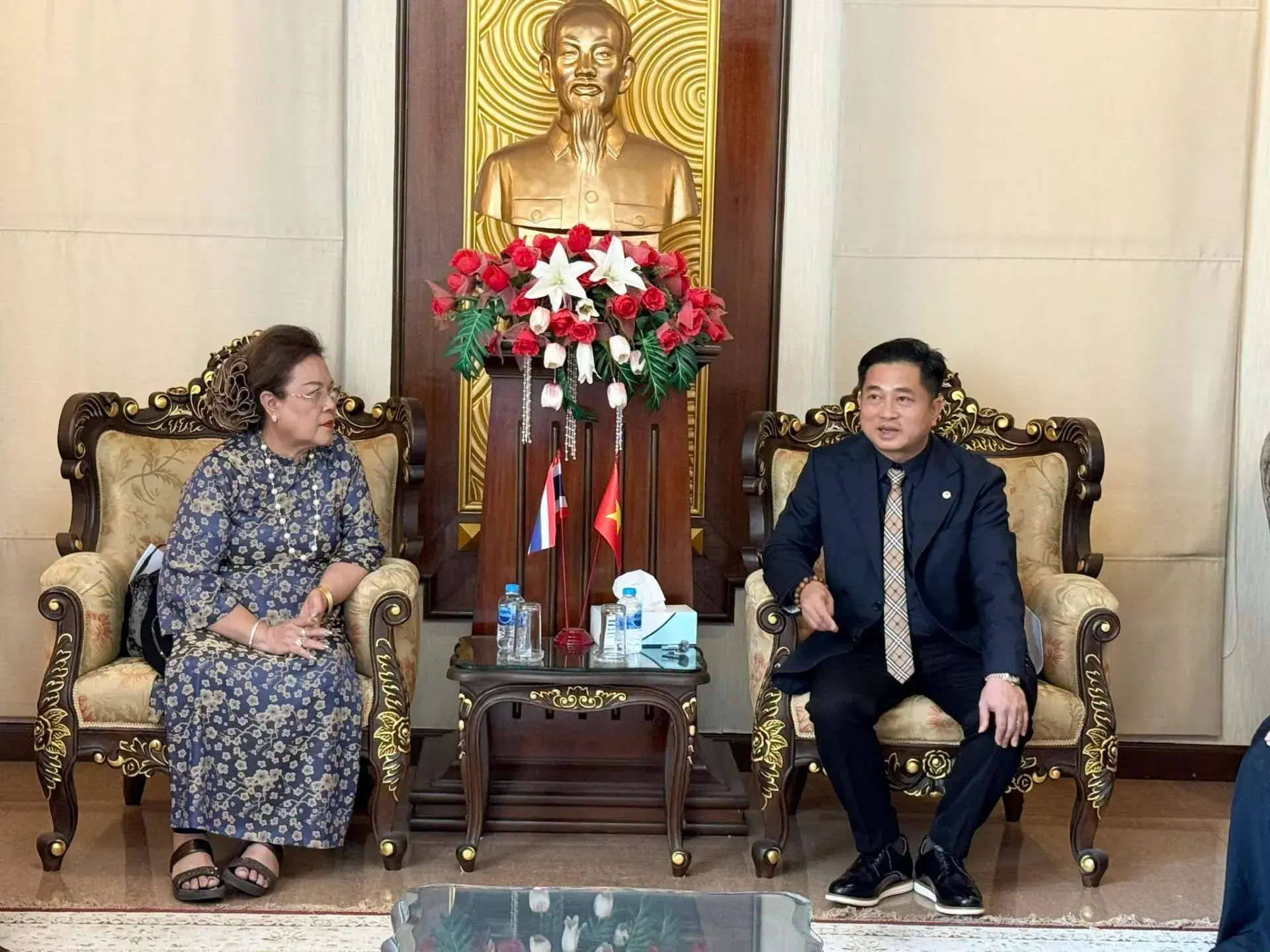
The Consulate General of Viet Nam in Khon Kaen held a working session on June 23, 2026, with the Executive Committee of the Viet Nam Ao Dai Culture Association in Thailand to discuss plans for cultural and artistic activities marking the 50th anniversary of diplomatic relations between Viet Nam and Thailand, while further promoting the role of the ao dai in showcasing Vietnamese culture and strengthening ties within the Vietnamese community in Thailand.