



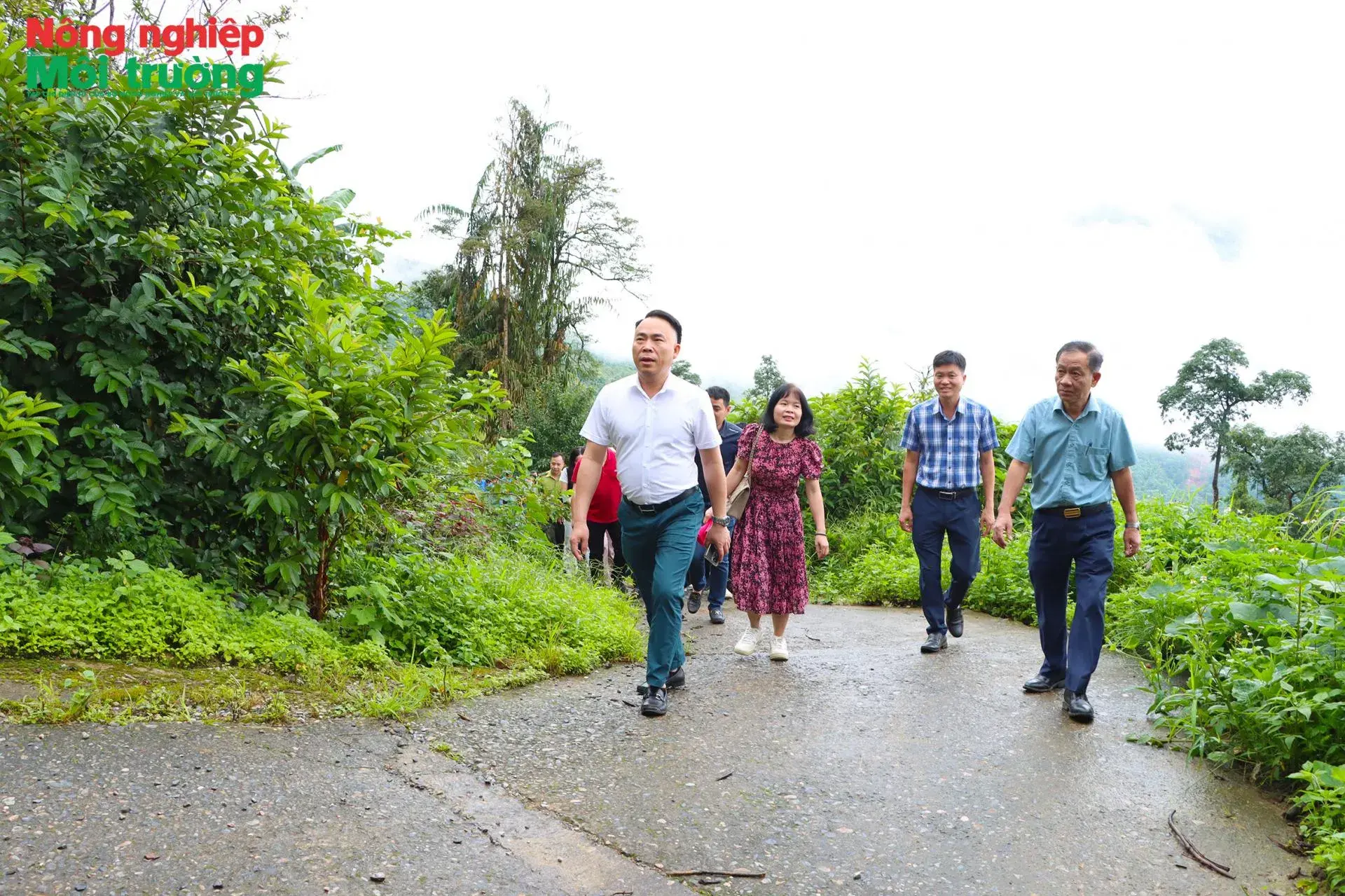
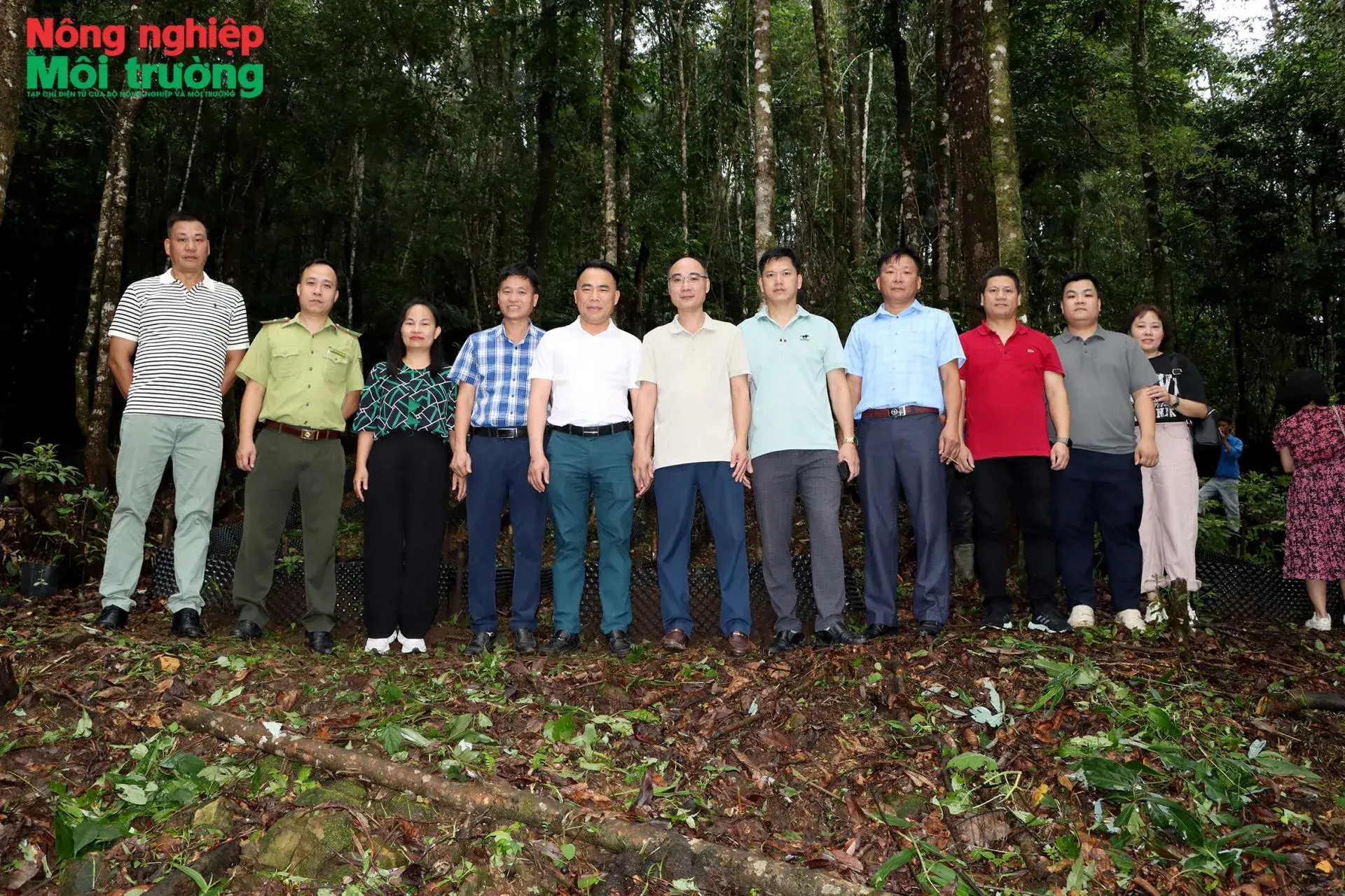
 A delegation from the Agriculture and Environment Magazine, together with scientists and experts, conducted a field survey on July 11 of a medicinal herb cultivation model linked to agricultural tourism in Nam Tam commune, Lai Chau province, as part of the seminar "Developing medicinal herb areas under forest canopies in association with agricultural tourism."
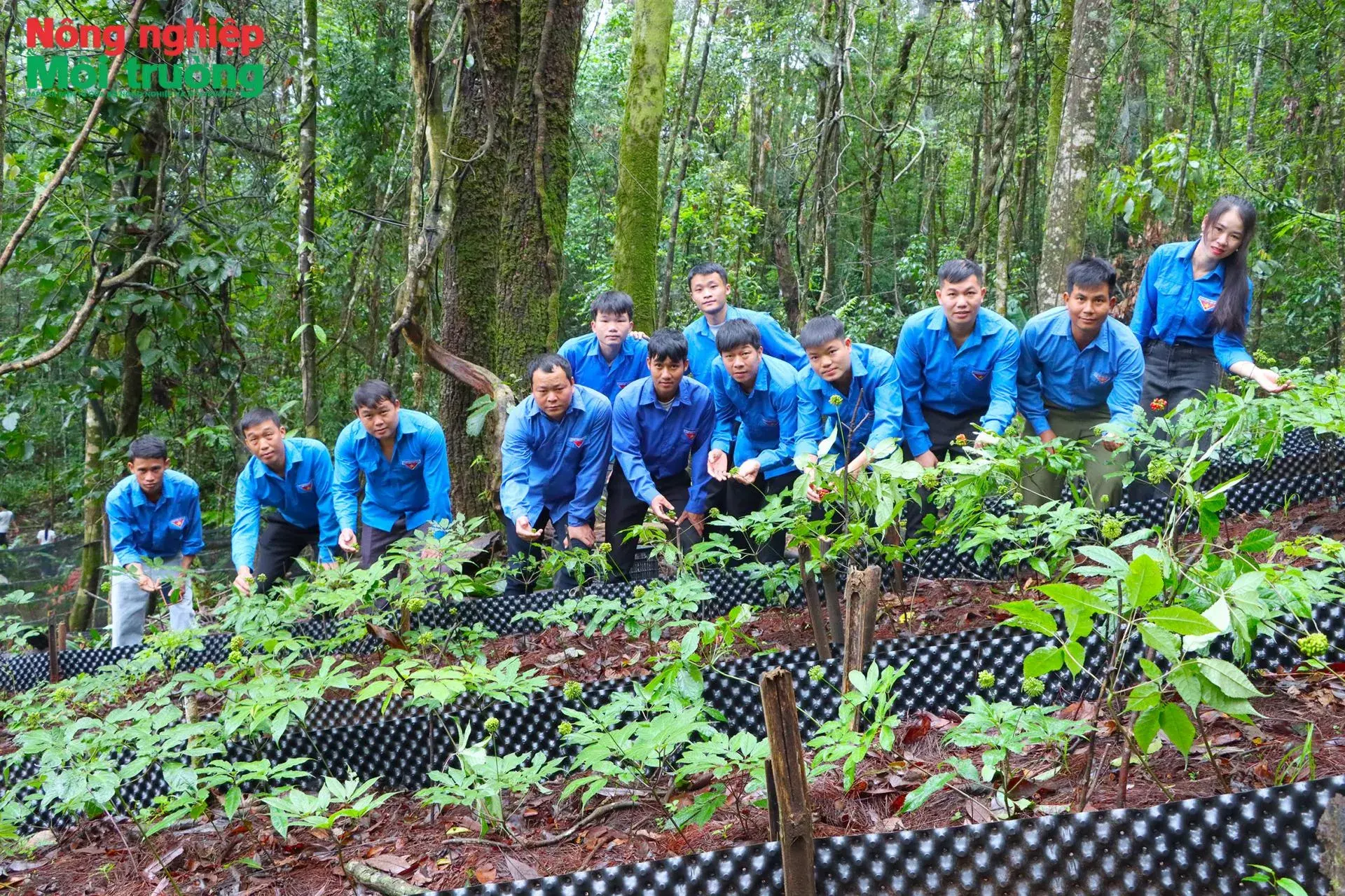
The delegation included Dr. Dao Xuan Hung, Editor-in-Chief of the Agriculture and Environment Magazine; Associate Professor Dr. Pham Anh Tuan, former Director of the Institute of Agricultural Engineering and Post-Harvest Technology; Vu Minh Ly, Deputy Editor-in-Chief of the Agriculture and Environment Magazine; officials from agencies under the Ministry of Agriculture and Environment; scientists; Pham Trung Tinh, Head of the Lai Chau Forest Protection Sub-Department; leaders of the Nam Tam Commune People's Committee; and local Youth Union members
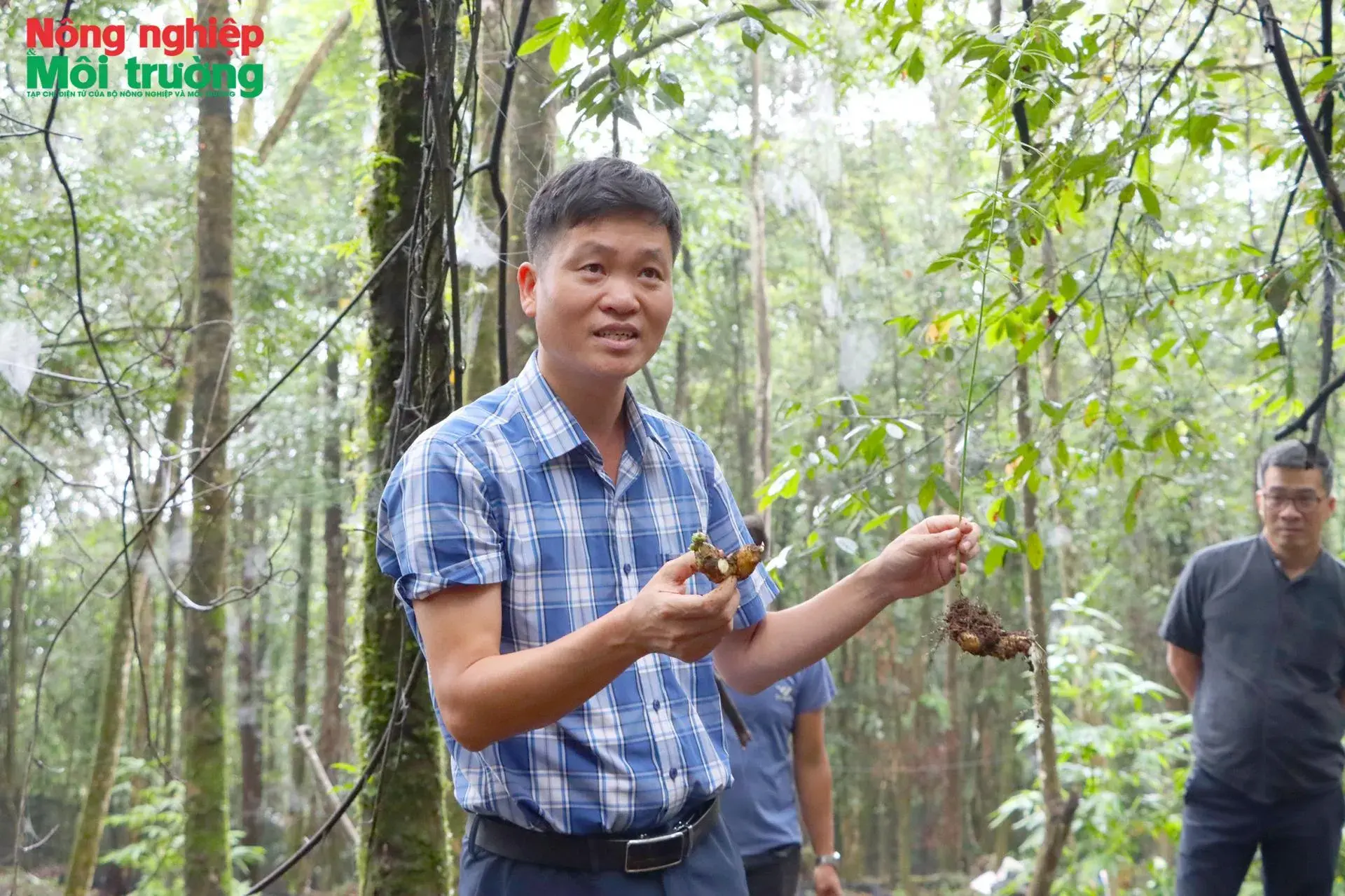
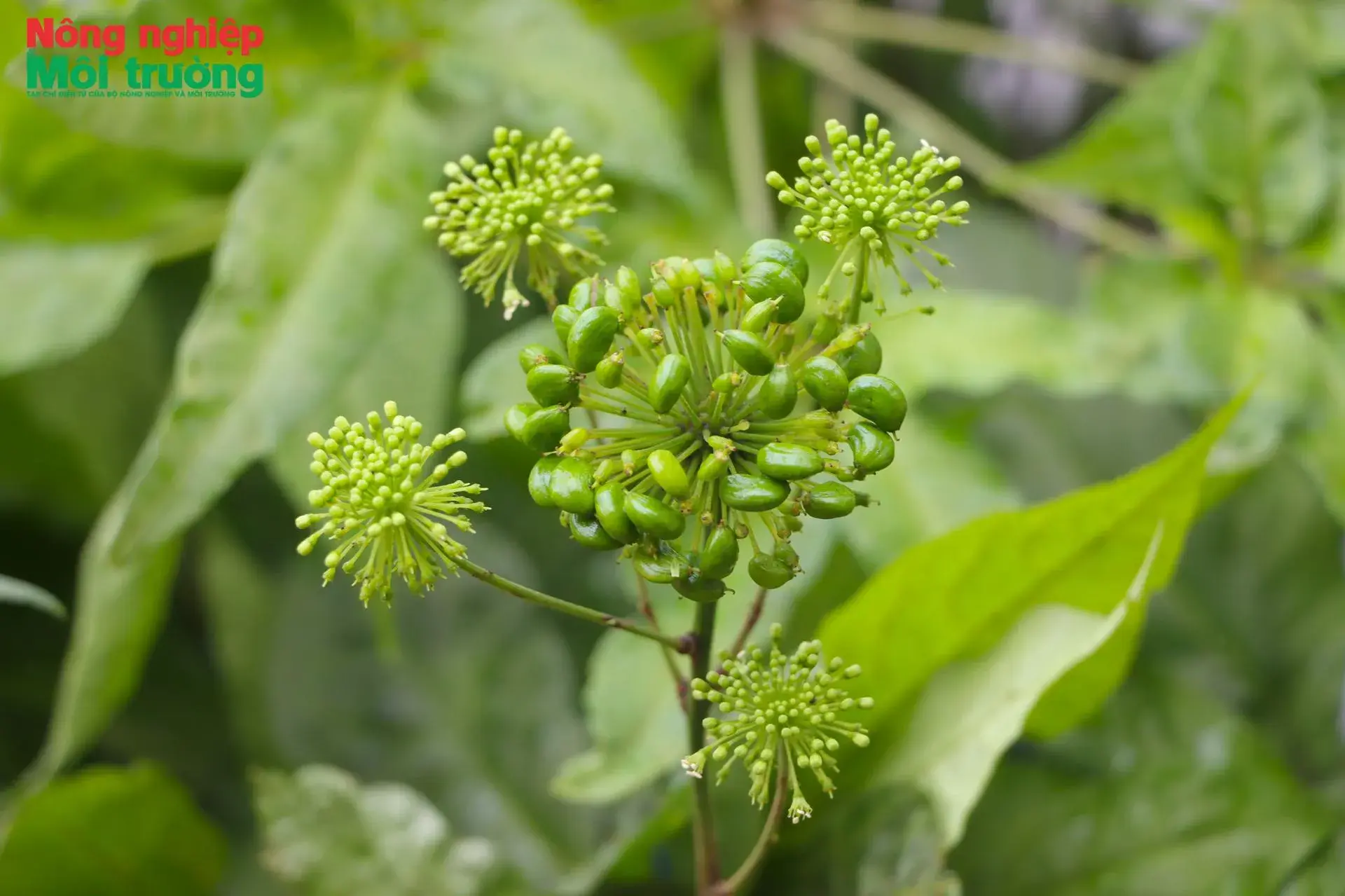
The medicinal herb cultivation model, integrated with agricultural tourism, is part of a value-chain model developed by Tri Duc LC Co., Ltd. in Na Tam 3 Village, Nam Tam Commune, Lai Chau Province. With the company's support in seedling supply, financing and cultivation techniques, local farmer Sung A Chu and his wife expanded cultivation to about one hectare beneath the forest canopy. The farm grows high-value medicinal plants including Lai Chau ginseng, notoginseng (Panax notoginseng), Paris polyphylla, mondo grass (Ophiopogon japonicus), Stemona tuberosa, and red fo-ti (Fallopia multiflora).
The model has helped increase household incomes through stable market demand and the intercropping of medicinal plants beneath perennial industrial crops. It has also contributed to poverty reduction while creating new opportunities for agricultural tourism in the local community.
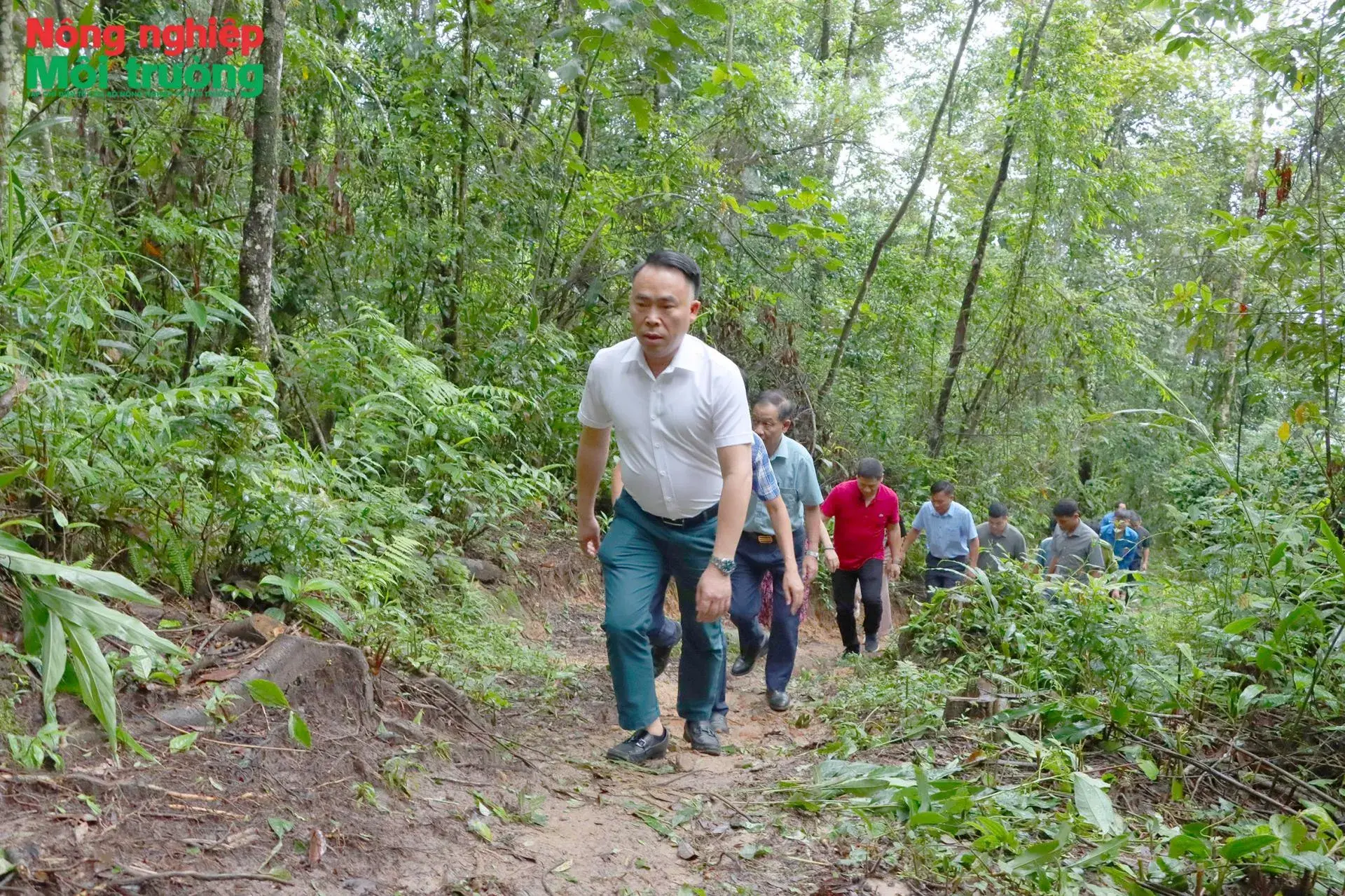
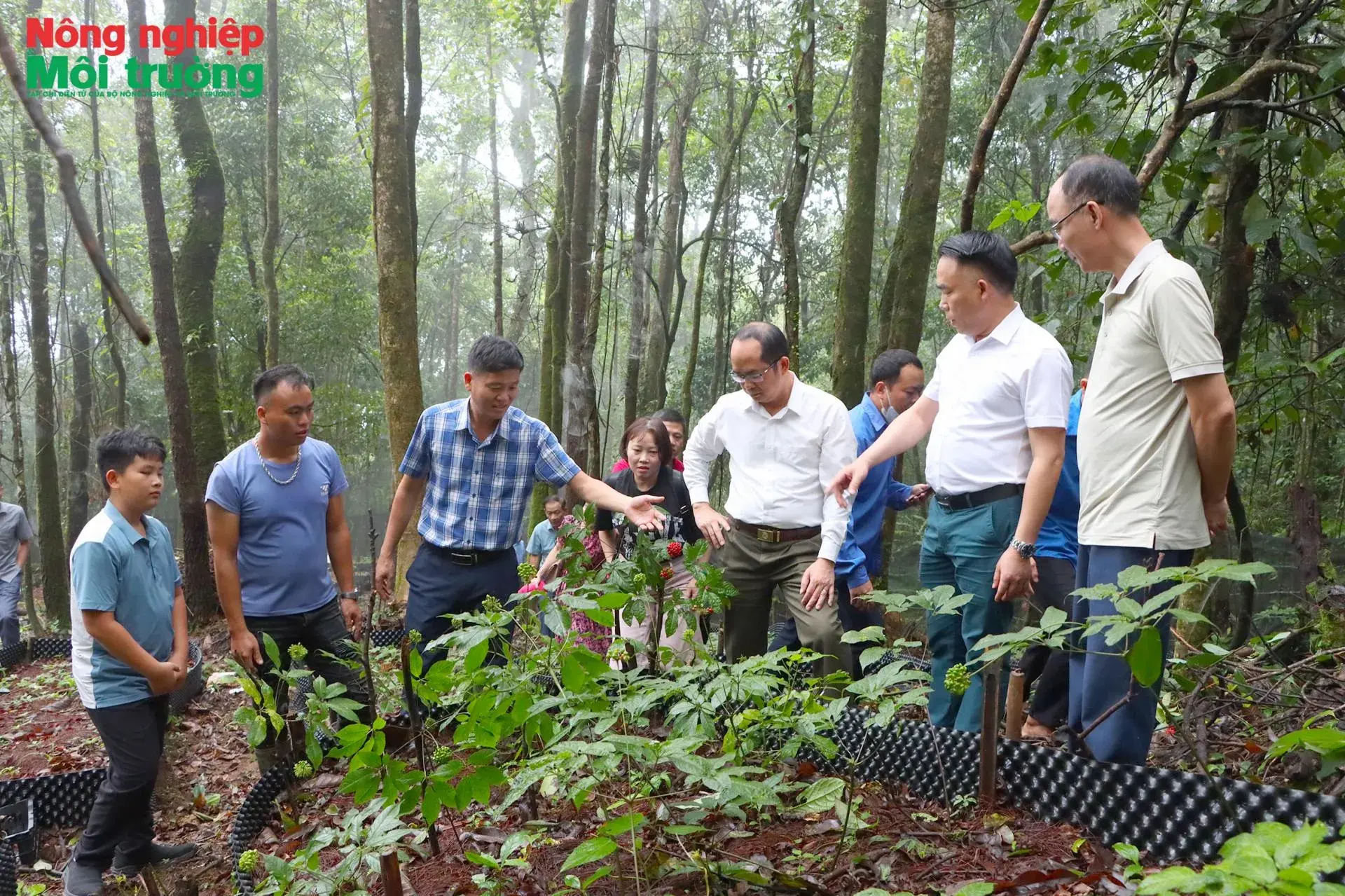
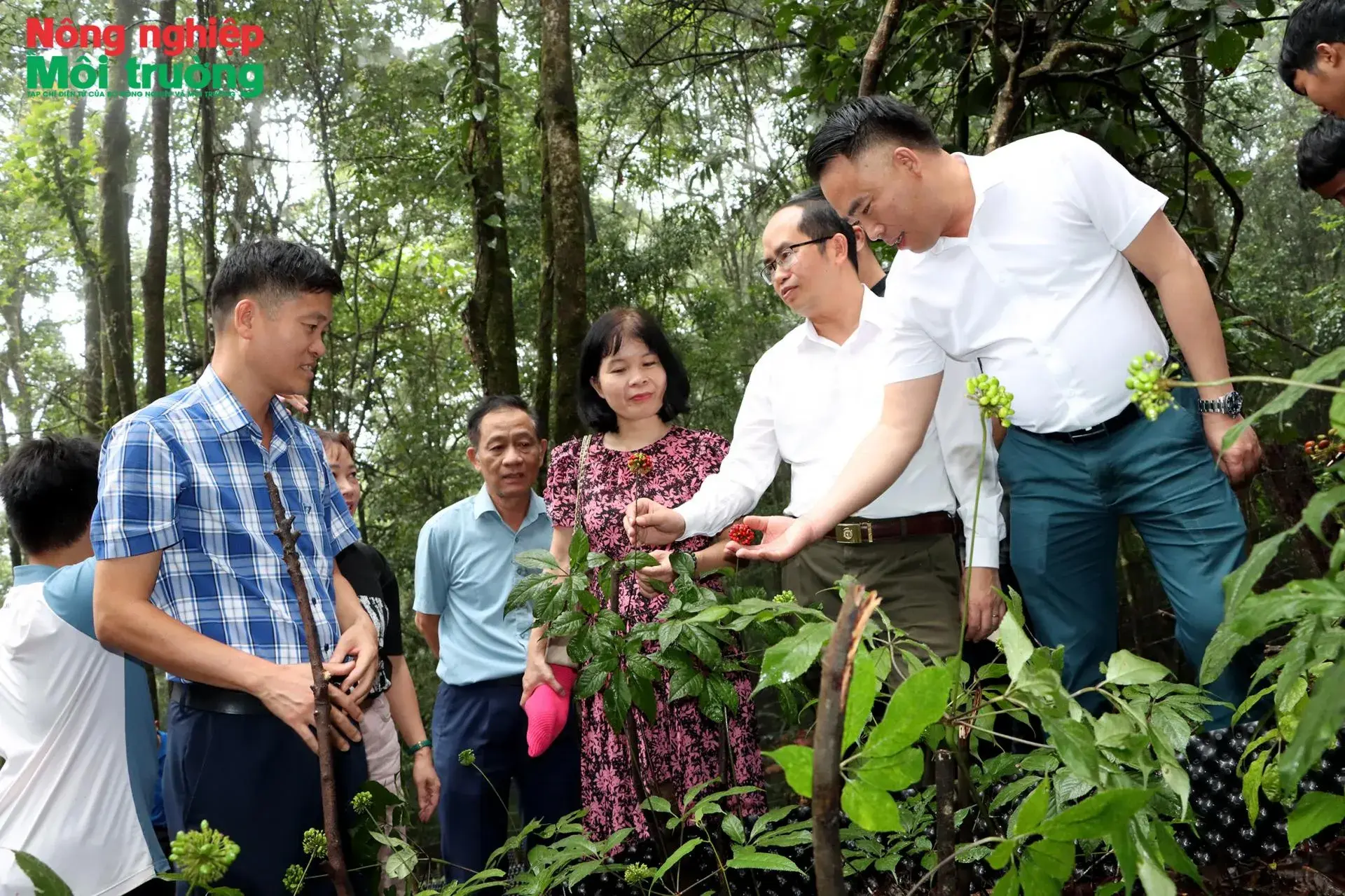
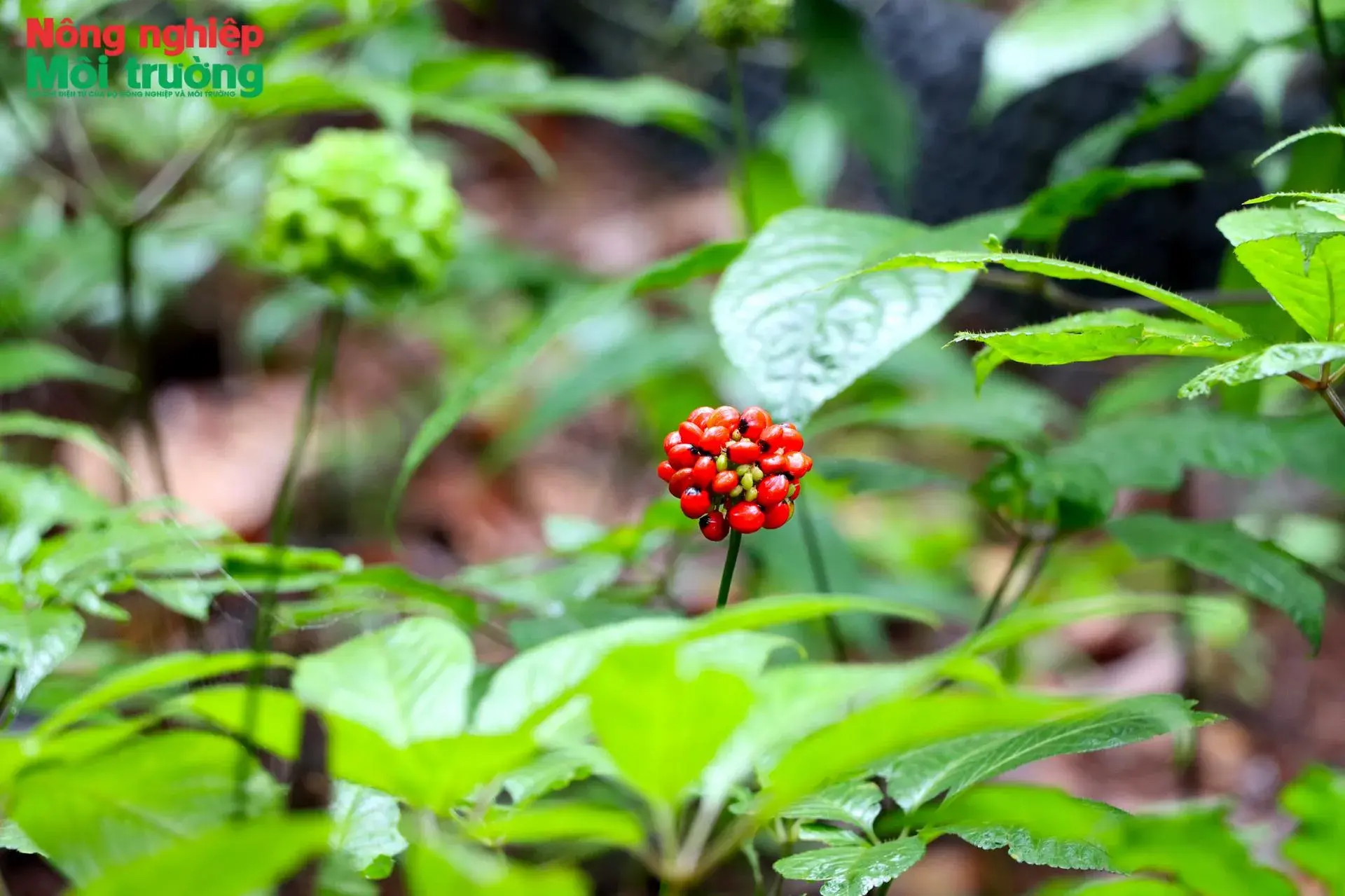
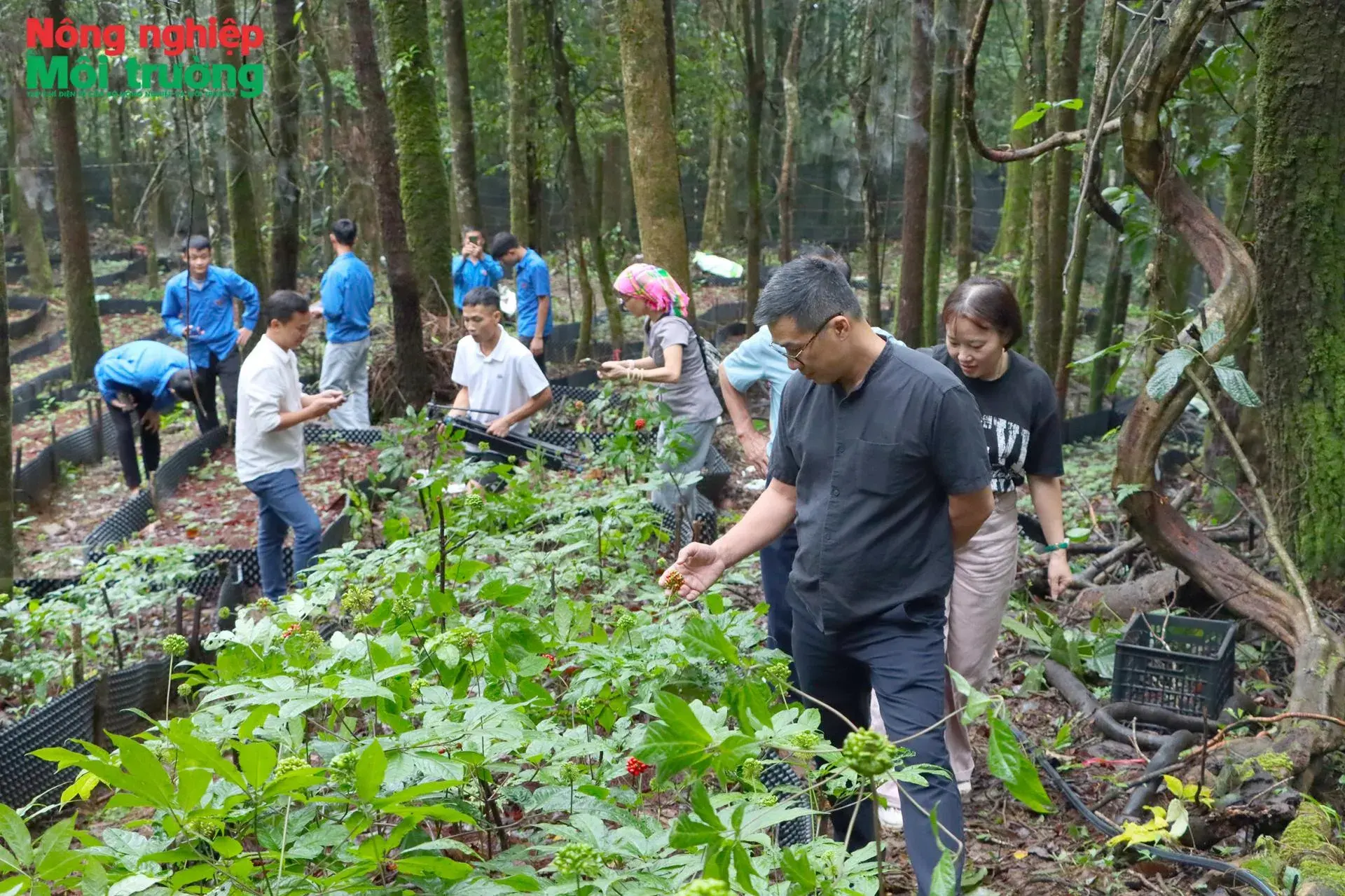
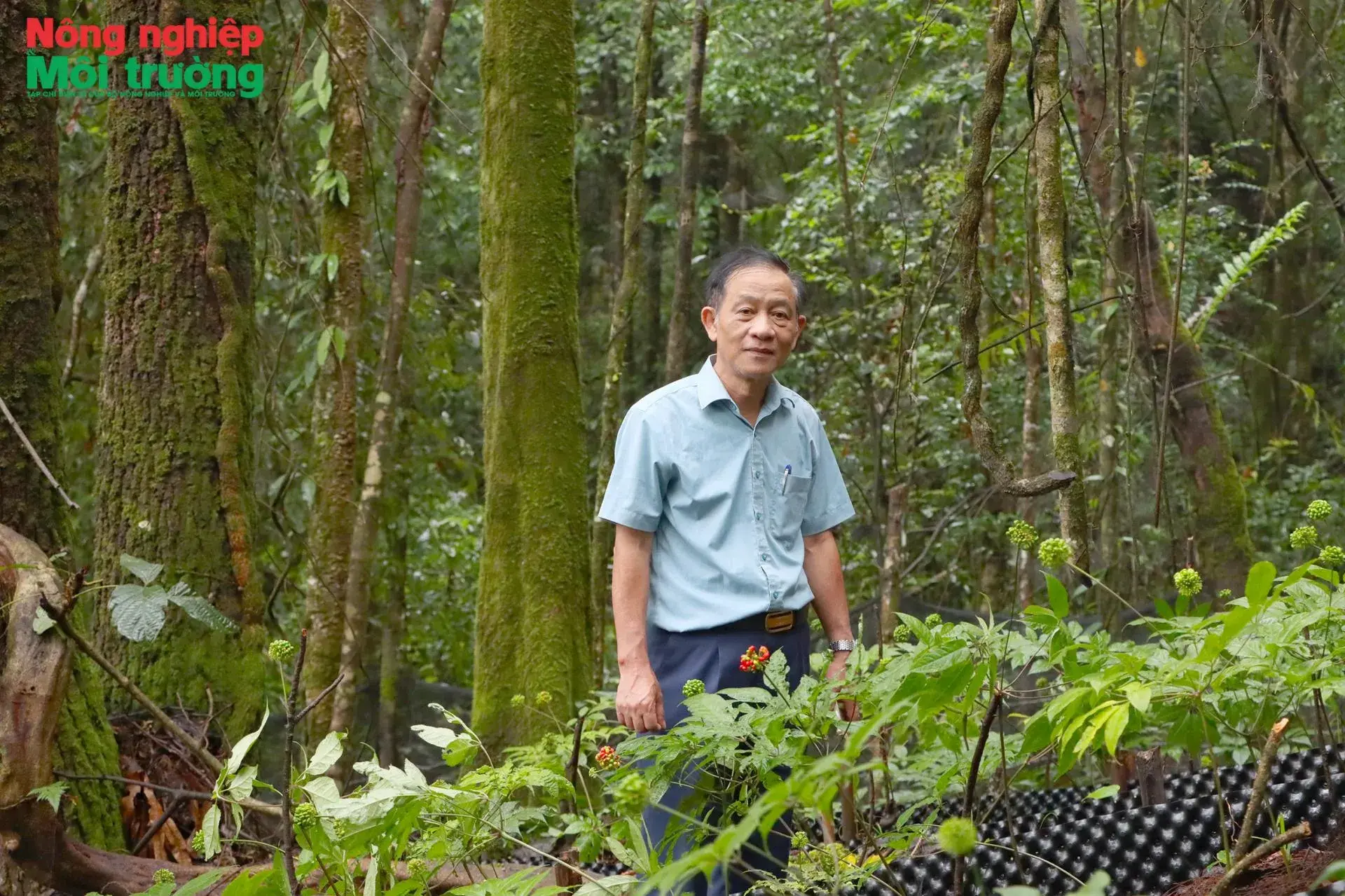
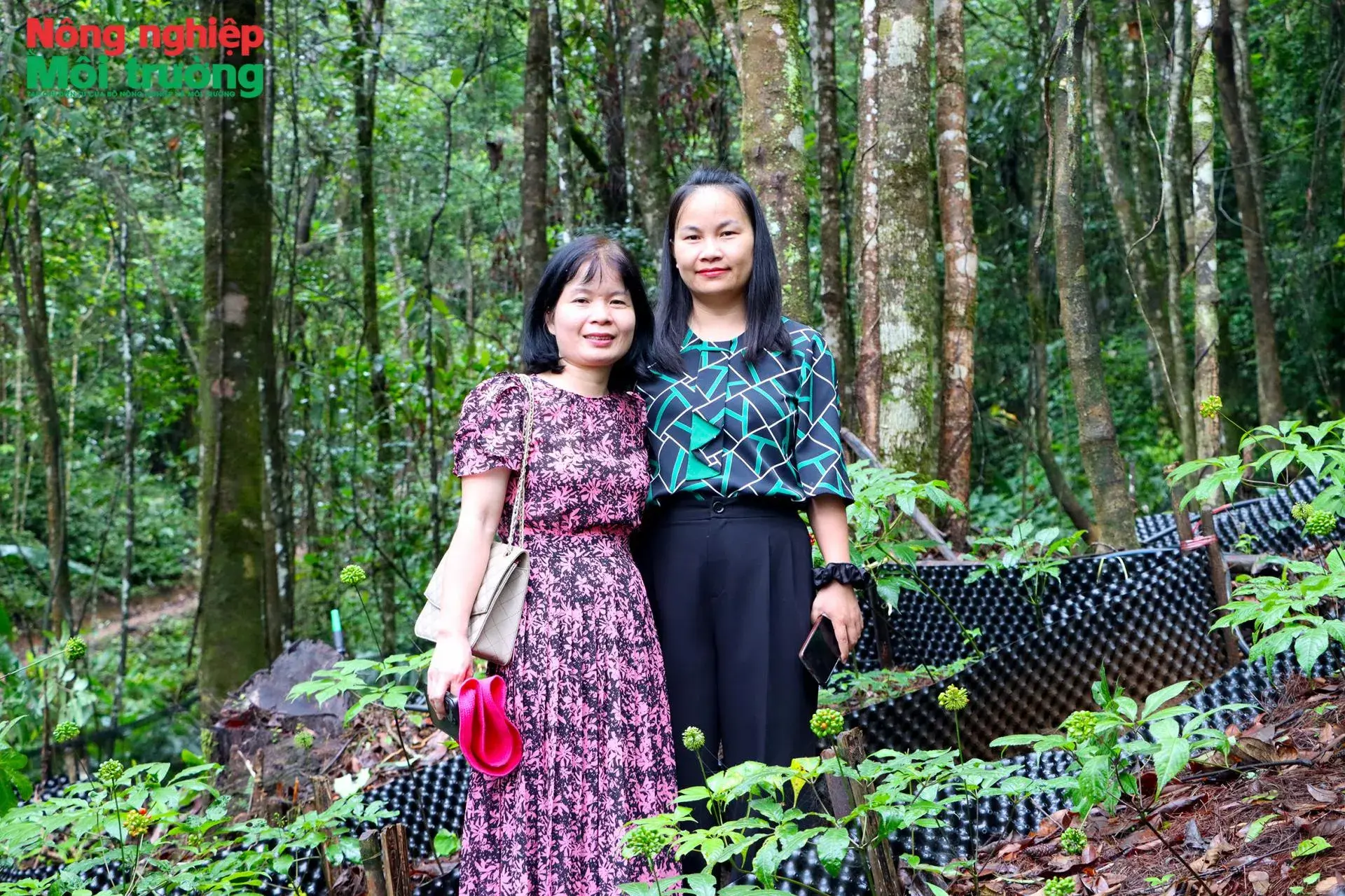
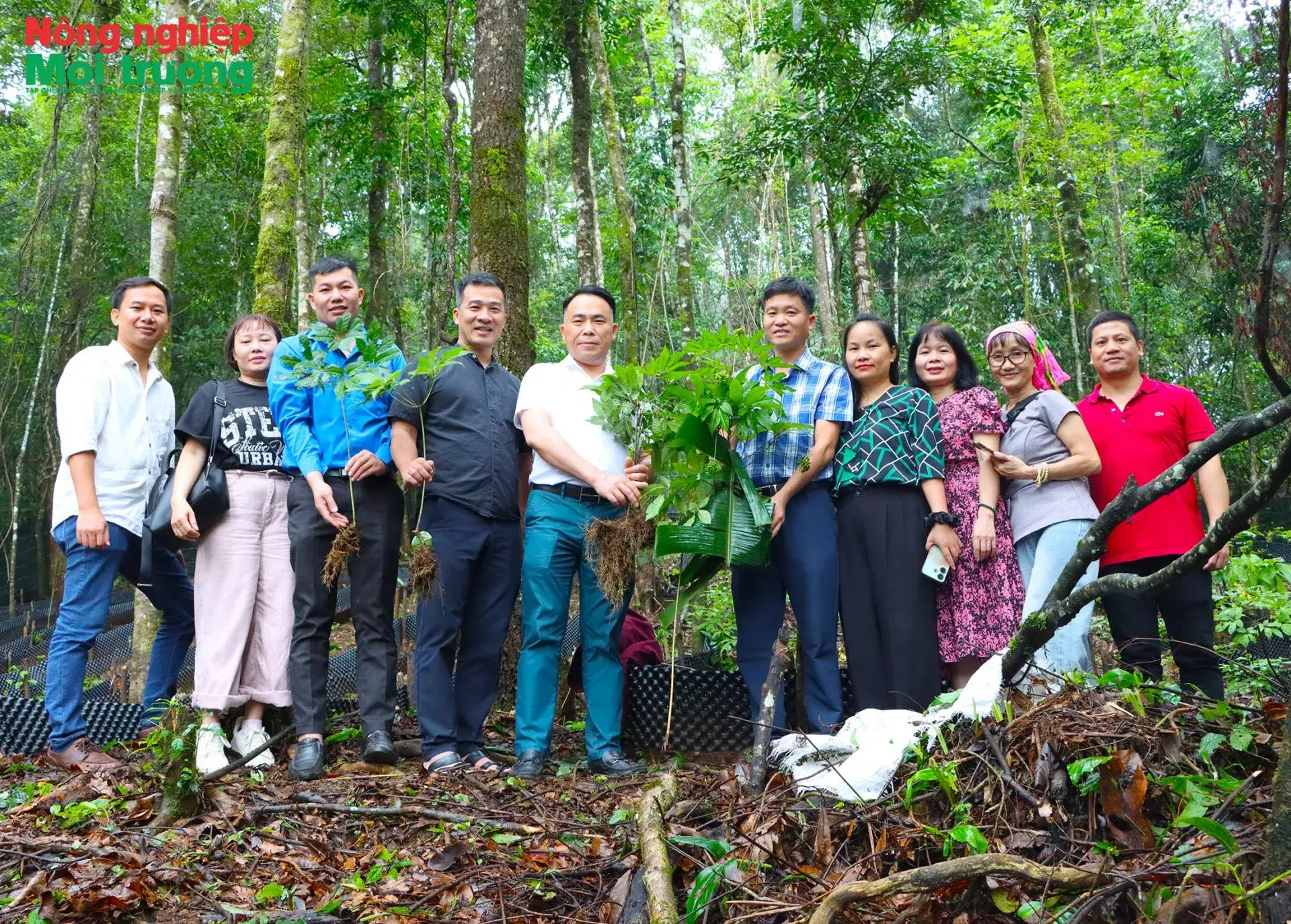
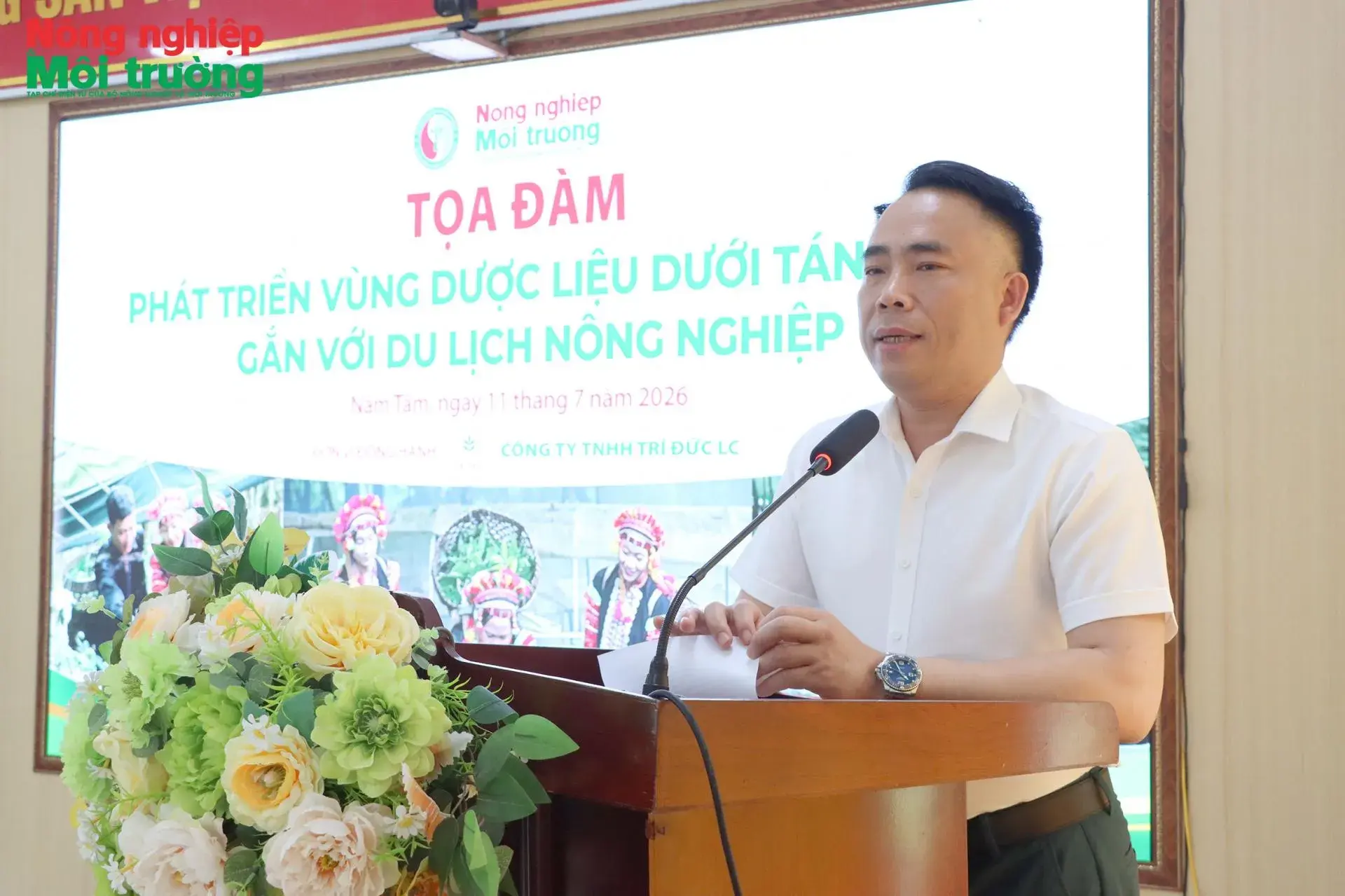
On July 11, the Agriculture and Environment Magazine, in coordination with the Nam Tam Commune People's Committee, hosted a discussion titled "Developing medicinal herb areas under forest canopies in association with agricultural tourism" in Nam Tam commune, Lai Chau province. The event brought together government officials, scientists, businesses and local residents to discuss solutions for developing forest-based livelihoods, promoting a green economy and improving incomes in upland communities. Tri Duc LC Co., Ltd. supported the event.
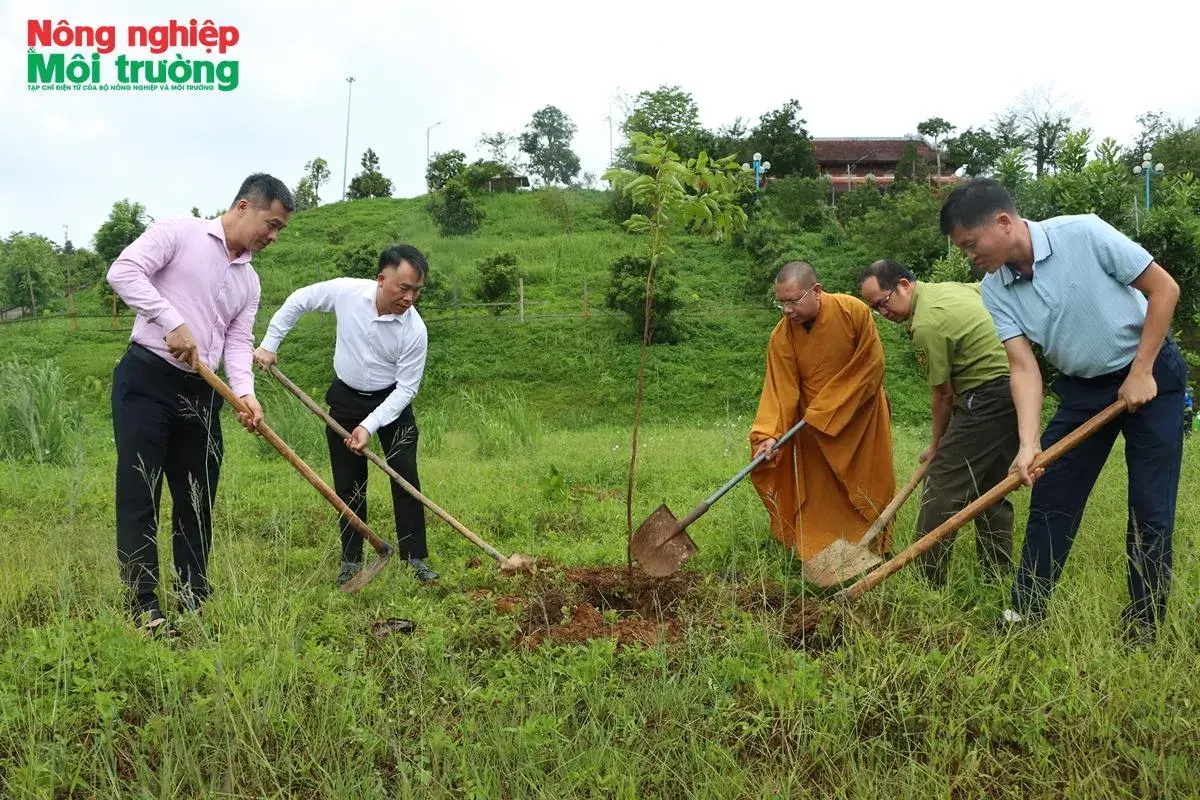
On July 10, the Agriculture and Environment Magazine planted 405 trees at Linh Son pagoda in Lai Chau province under its "Green pagoda" environmental initiative to promote environmental protection, help create greener, cleaner surroundings, and support sustainable development. The program was organized with the support of Tri Duc LC Co., Ltd.
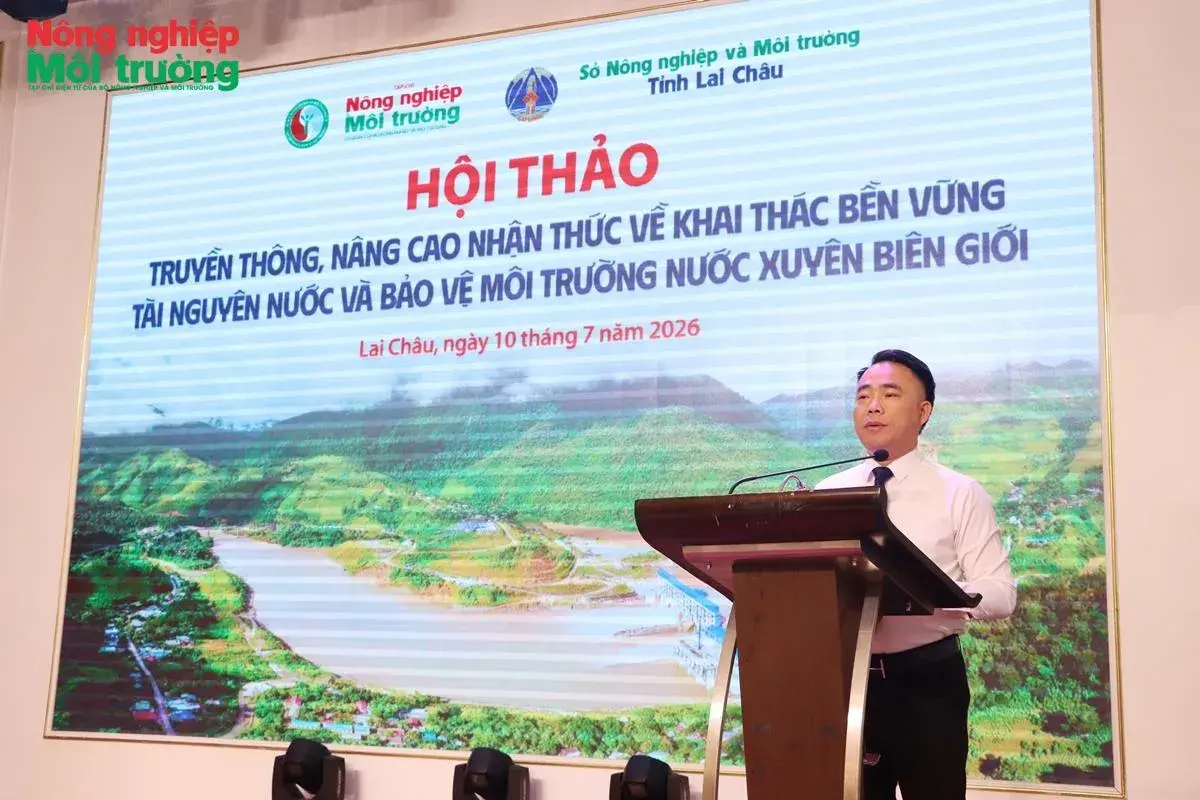
On July 10, the Agriculture and Environment Magazine, in coordination with the Lai Chau Department of Agriculture and Environment, held a seminar titled "Communication and public awareness on sustainable use of water resources and transboundary water environment protection" in Tan Phong ward, Lai Chau province.
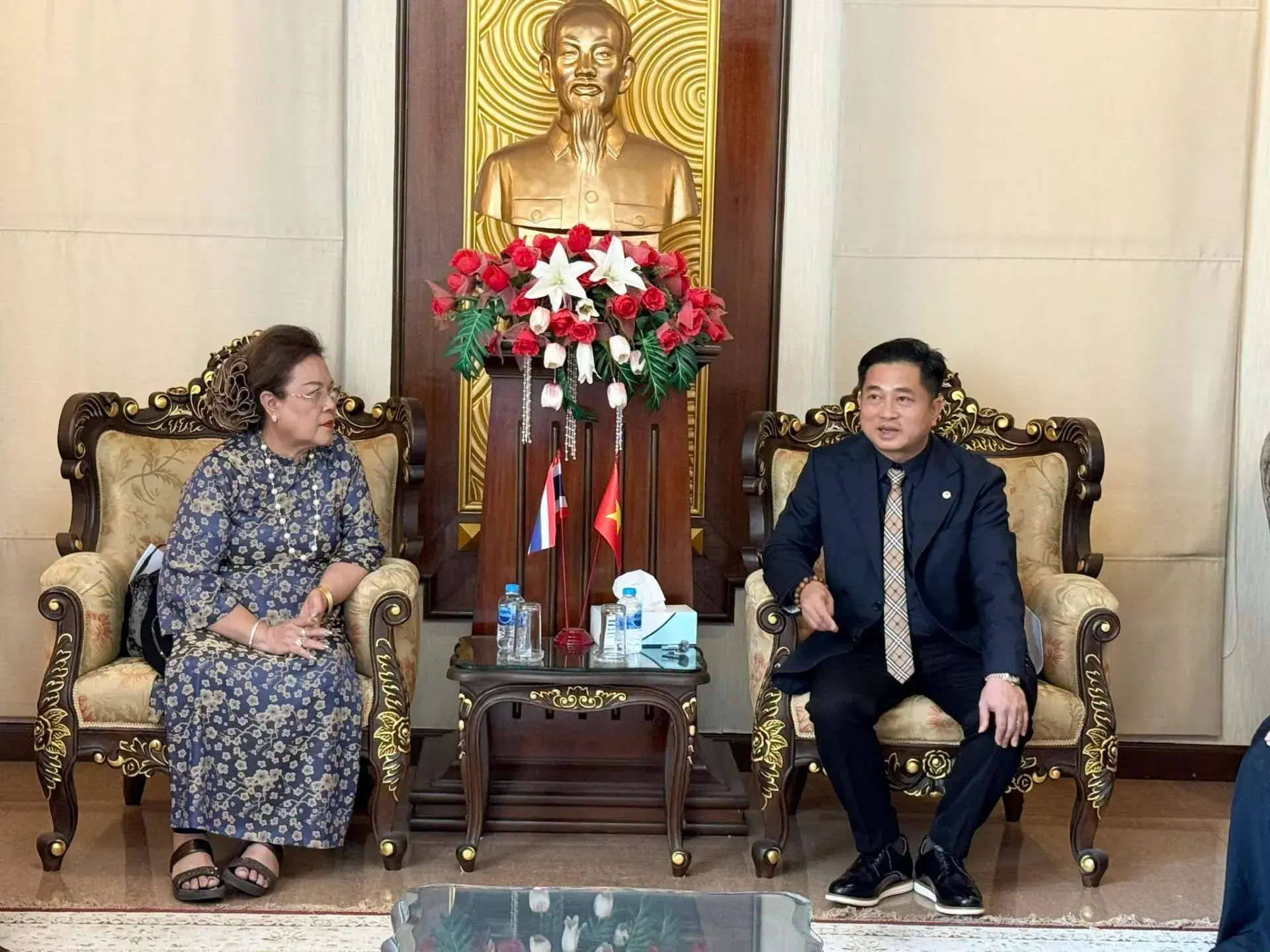
The Consulate General of Viet Nam in Khon Kaen held a working session on June 23, 2026, with the Executive Committee of the Viet Nam Ao Dai Culture Association in Thailand to discuss plans for cultural and artistic activities marking the 50th anniversary of diplomatic relations between Viet Nam and Thailand, while further promoting the role of the ao dai in showcasing Vietnamese culture and strengthening ties within the Vietnamese community in Thailand.
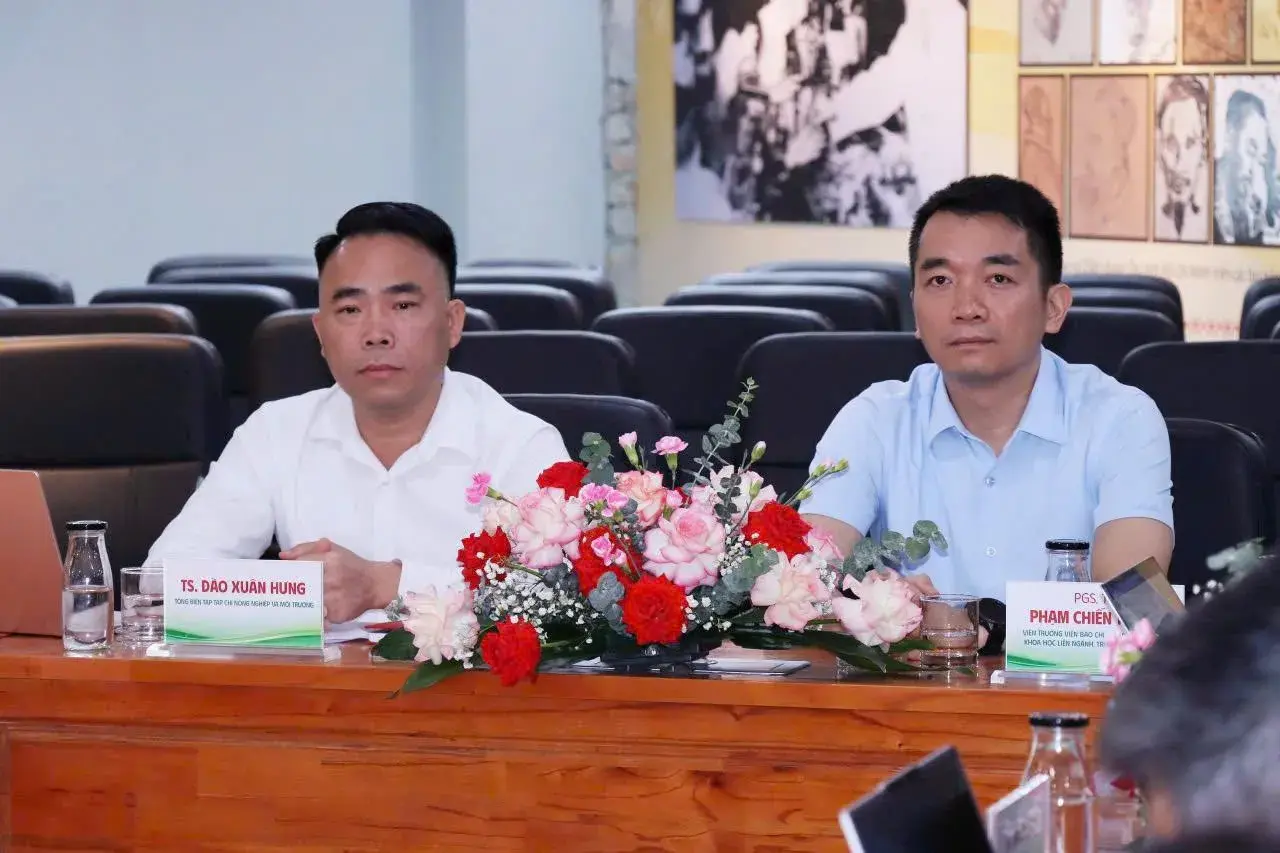
On June 10, 2026, in Thai Nguyen Province, Agriculture and Environment Magazine, under the Ministry of Agriculture and Environment, in coordination with the Institute of Journalism, Communications and Interdisciplinary Sciences under the University of Sciences, Thai Nguyen University, organized a scientific seminar titled “Improving the quality of scientific journals toward Scopus indexing.” The event marked the 101st anniversary of Vietnamese Revolutionary Press Day (June 21, 1925–2026).