



 At the 2026 World Tea Business Forum in Thai Nguyen, Dr. Nguyen Thi Vinh, Vice Chairwoman of the Viet Nam Association of Women Entrepreneurs, Chairwoman of the Thai Nguyen Association of Women Entrepreneurs and Chairwoman of the Board of Directors of Quan Chu Tea Joint Stock Company, outlined a vision for developing the tea economy through an integrated model linking high-quality agricultural production, processing, science and technology, culture, tourism and community livelihoods.
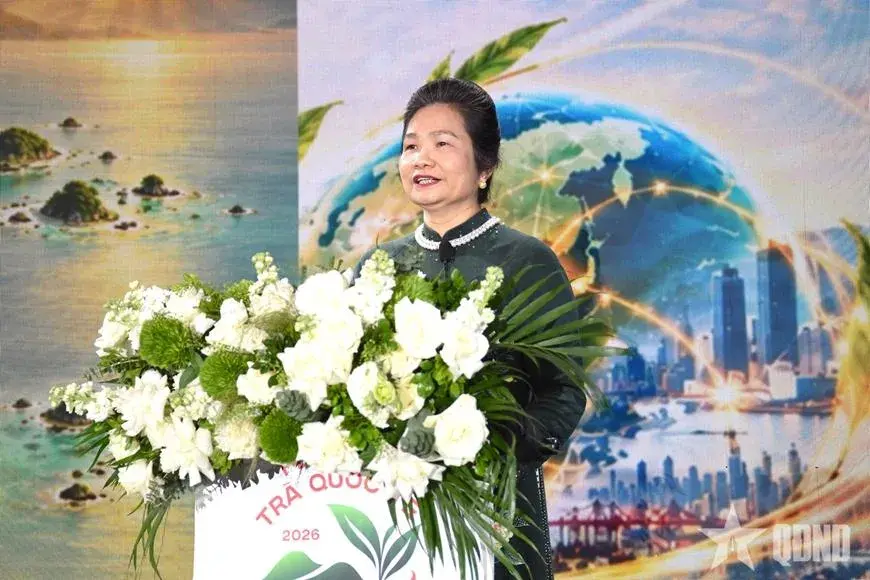
Developing the tea economy cannot be limited to expanding tea-growing areas, increasing output or raising export value. For tea to become a genuine driver of local economic development, a broader approach is needed: building an integrated economic ecosystem in tea-growing regions, where high-quality agricultural production, processing industries, science and technology, culture, tourism and community livelihoods are interconnected. This is also the direction our company is pursuing in developing organic tea-growing areas in Thai Nguyen.
In Thai Nguyen, tea is not only a key agricultural crop but also deeply embedded in the region's production history, culture and the daily lives of generations of residents. However, as markets impose increasingly stringent requirements on product quality, production standards, traceability and environmental responsibility, the development of the tea industry needs to be considered within a broader framework that extends beyond traditional production and product sales.
Enhancing the value of Vietnamese tea requires moving beyond a narrow focus on raw-material production to building an integrated economic ecosystem in which economic, cultural, social and environmental values develop in tandem.
Organic tea cultivation as a basis for value-chain development
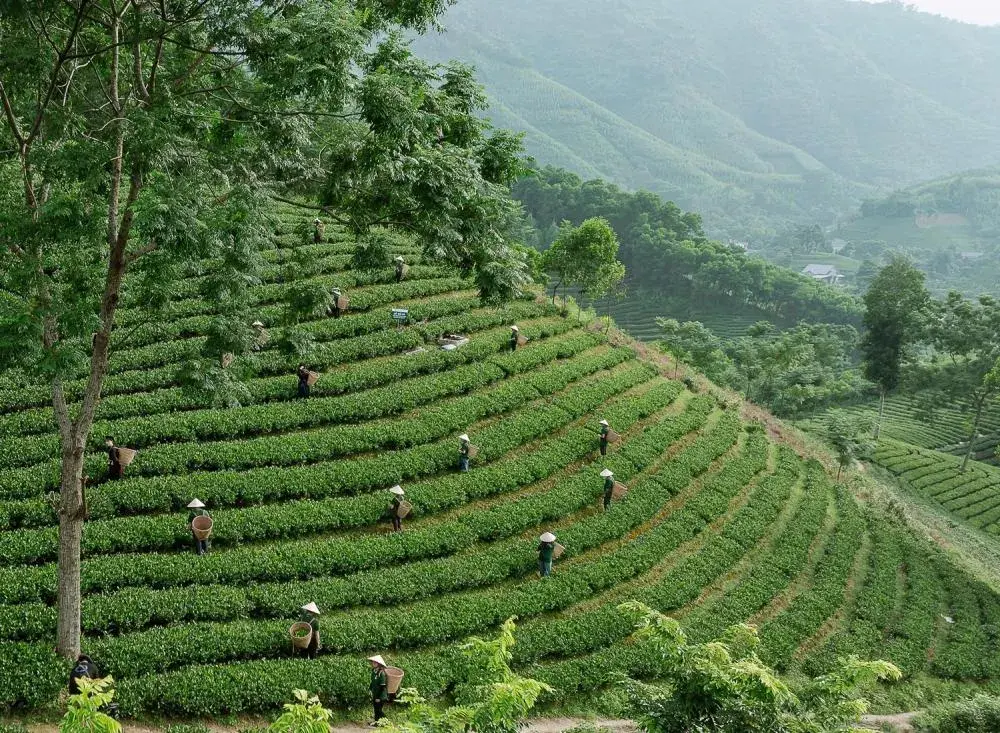
Under the company's development strategy, an organic tea-growing area of approximately 300 hectares in Thai Nguyen has been identified as one of the key foundations for a new development model. Alongside developing the raw-material supply base, the company aims to apply digital technologies, establish traceability systems, invest in further processing, diversify its range of tea products and strengthen links with cooperatives and local residents.
This is not simply a matter of expanding cultivated areas. More importantly, it involves reorganizing the value chain, improving raw-material quality, transforming production practices and creating opportunities for tea growers to participate more fully in generating product value.
Under this model, tea-growing regions need to be viewed as sources of multiple, interconnected layers of value. The first is high-quality agricultural production, built on responsible farming practices, quality control and a commitment to sustainable standards. This provides the foundation for a stable supply of raw materials that can meet increasingly demanding market requirements.
The second comes from processing and product development. If the industry continues to depend primarily on selling raw tea or traditional tea products, its potential for generating additional value will remain limited. Investment in processing technologies, research into new products, quality improvements and brand development can help tea products reach a wider range of market segments.
Another important dimension is cultural, educational and experiential value. Tea-growing areas are not merely production sites; they can also become places where the history of tea cultivation, traditional farming knowledge, tea-drinking culture and the stories of local communities are introduced and preserved. When appropriately organized, experiential activities, visits to tea plantations, opportunities to learn about production processes and tea-tasting experiences can open up new avenues for service development and tourism linked to agriculture.
Conservation and research represent another layer of value that requires attention. Valuable tea varieties, local knowledge, traditional cultivation practices and tea-growing landscapes need to be preserved alongside production innovation. These resources are not only part of the region's cultural heritage but also provide the foundation for a distinctive identity, giving tea products their own stories and competitive advantages in the marketplace.
When these different layers of value are connected, tea-growing areas are no longer confined to cultivation, processing and product sales. Instead, an integrated economic ecosystem can emerge, bringing together agriculture, processing industries, services, tourism, culture and technology. Economic value is then generated not only from tea leaves but also from activities associated with the land, its people and local identity.
This approach is particularly relevant to Thai Nguyen, a province with established strengths in industry, manufacturing and traditional tea cultivation. According to Dr. Nguyen Thi Vinh, the province's industrial capacity and modern technologies can provide a strong foundation for developing the tea economy when combined with cultural depth and local values.
She offered a striking comparison: smartphones manufactured in Thai Nguyen can connect people around the world, while Thai Nguyen tea can also resonate with consumers worldwide. Behind this comparison is an ambition to combine manufacturing capabilities and modern technologies with cultural identity to create products with greater value and international reach.
Business investment and community-centered development
Investing in agriculture, particularly in developing long-term tea-growing areas, is rarely straightforward. According to Dr. Nguyen Thi Vinh, the process requires financial resources, time, perseverance and the ability to manage risks arising from market fluctuations. Developing raw-material production areas, changing established farming practices, investing in processing technologies and building brands all require a sufficiently long-term commitment to deliver tangible results.
If businesses focus solely on short-term profits, they will have little incentive to pursue long-term agricultural investments. For this reason, alongside their responsibility to create assets and achieve business results, businesses need to recognize their role in contributing to communities and creating values that can be sustained across generations.
One question has guided Dr. Nguyen Thi Vinh's approach to investment and development: How will this area be better off when the company eventually leaves? Will local residents have higher incomes? Will women have greater opportunities to take control of their lives and household finances? Will young people be encouraged to return to their hometowns to build their careers? Will valuable tea varieties, local knowledge and tea-growing landscapes be preserved throughout the development process? And will Vietnamese tea gain greater recognition and acceptance in international markets?
These questions reflect a broader approach to evaluating investment performance. A company's success should not be measured solely by the scale of its assets, revenue or market share. It should also be assessed through the positive changes it helps bring to people's lives and local development.
As Dr. Nguyen Thi Vinh put it: “Assets may be the achievements of one generation of entrepreneurs, but a legacy is what entrepreneurs leave for future generations.”
For the tea industry, this legacy-oriented approach is particularly important because local livelihoods, cultural identity and environmental quality are closely interconnected. A sustainable tea-growing region needs to provide stable incomes for tea growers and create employment opportunities in processing, services and tourism, while also preserving landscapes, natural resources and cultural values accumulated over generations.
Within this ecosystem, businesses play a role in investment, production organization, innovation and market connectivity. Scientists contribute knowledge, technologies, solutions to improve production capacity and workforce training. Cooperatives and local residents are direct participants in production, conservation and the development of tea-growing areas. The involvement of long-term investors, international partners and local authorities can provide additional resources, expand opportunities for cooperation and broaden access to markets.
Particular attention should also be given to strengthening women's role in the tea value chain. Women in many tea-growing areas not only participate in production but also play a direct role in preserving cultivation knowledge, processing practices and local culture. With better access to resources, management skills, technology and markets, they can become more actively involved in business operations, product development and the creation of sustainable livelihoods.
For Thai Nguyen, combining its industrial strengths with the potential of the tea economy could open up new development opportunities. Digital technologies, traceability systems, automation in processing and modern e-commerce platforms can help improve product competitiveness. Meanwhile, tea culture, the landscapes of tea-growing areas and local knowledge offer distinctive values that cannot be replaced by technology or production scale alone.
From this perspective, forums that bring together businesses, scientists, producers and international partners should focus on developing substantive cooperation programmes rather than simply exchanging experiences. Collaboration in research, technology transfer, product development, brand building and market expansion can help translate development strategies into concrete outcomes in individual tea-growing areas.
Ultimately, the development of the tea industry, according to Dr. Nguyen Thi Vinh, must remain people-centered. A competitive tea industry requires more than quality products, strong brands and expanding export markets. It also needs production communities with better living conditions, women who are confident in managing their own economic affairs, young people with opportunities to return to their hometowns to build careers, and communities that preserve their heritage while pursuing development.
“We need more than strong tea brands; we need tea-growing areas where people can enjoy a good quality of life. We need more than successful businesses; we need prosperous communities,” Dr. Nguyen Thi Vinh emphasized.
From a crop that has been part of local livelihoods for generations, tea can become a bridge connecting agriculture, industry, culture, tourism and technology. Realizing this potential, however, requires sustained investment, cooperation among stakeholders and a development vision that places communities at its center.
The message that “a thriving tea-growing region must be home to a prosperous community” is therefore more than the aspiration of a single business. It also offers a perspective on the future of Viet Nam's tea industry: product development must go hand in hand with human development, greater economic value must be accompanied by the conservation of natural resources and cultural heritage, and rural communities must become better places to live and work.

The tea crop, traditionally regarded primarily as an agricultural commodity, can become the anchor of a broader economic ecosystem linking production with culture, tourism, technology and trade. Steve Bui, chairman of the Viet Nam–China Business Council (VCBC), outlined this approach at the 2026 Thai Nguyen International Tea Festival, framing it around the idea of “From tea-growing regions to a value ecosystem.”
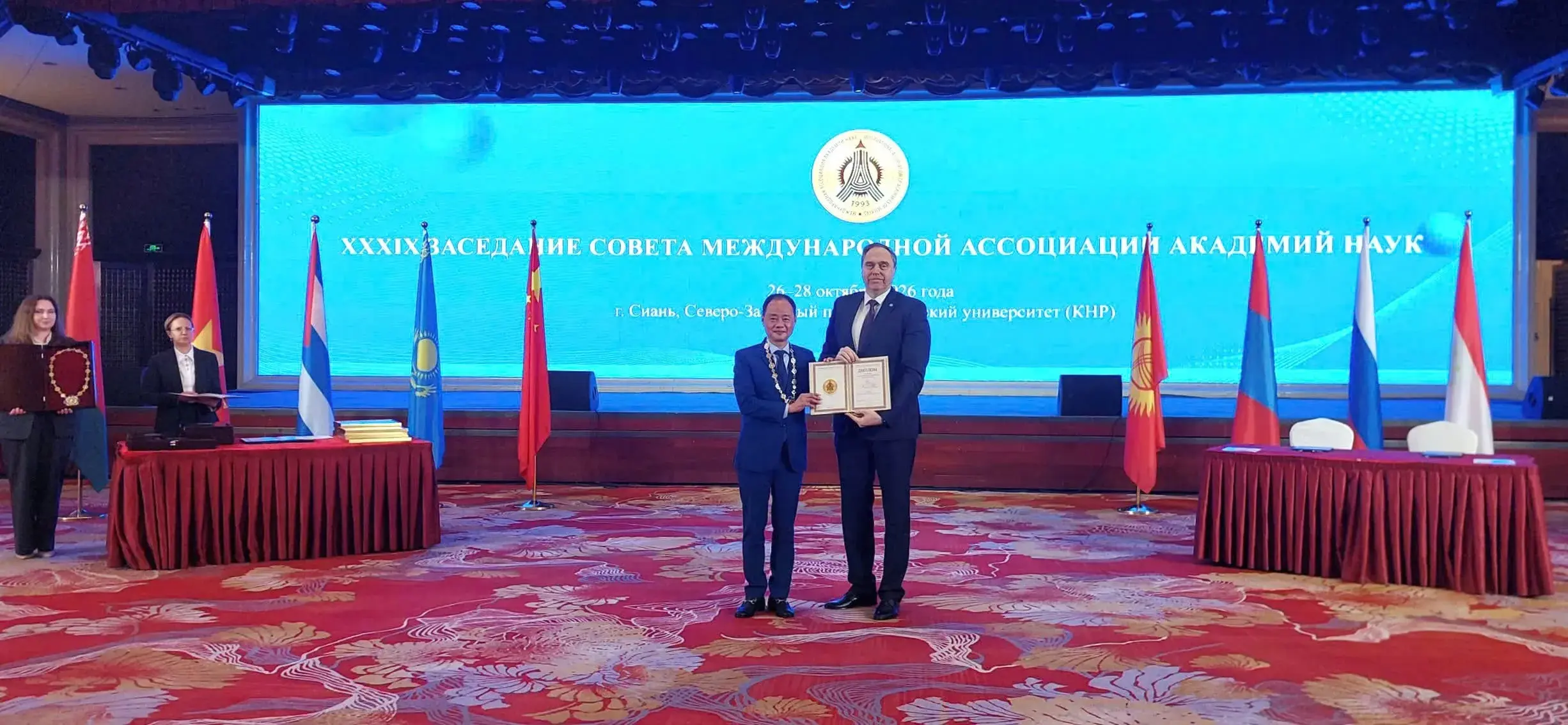
Prof. Dr. Tran Hong Thai, President of the Viet Nam Academy of Science and Technology (VAST), was elected a Fellow of the International Association of Academies of Sciences (IAAS) during a plenary session of the association’s 39th Council session in Xi’an, China, on Oct. 26, 2026.
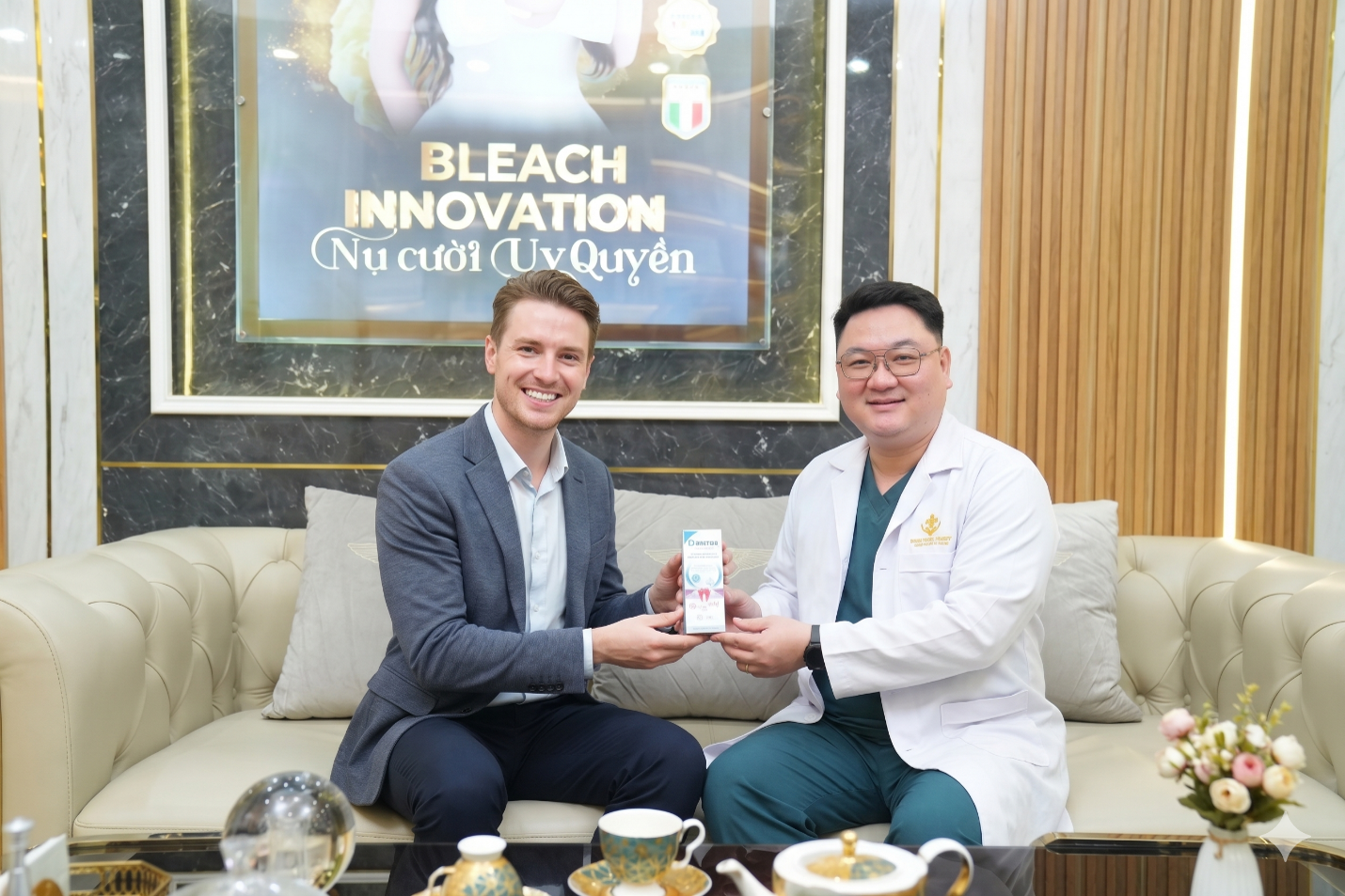
A beautiful porcelain smile is about more than bright white teeth. It requires harmony with facial features and careful consideration of oral health. At Vindental Luxury, Dr. Phung Duc Nam, an aesthetic porcelain restoration specialist with 15 years of experience, works with digital technology to support the design and fabrication of restorations for international patients.
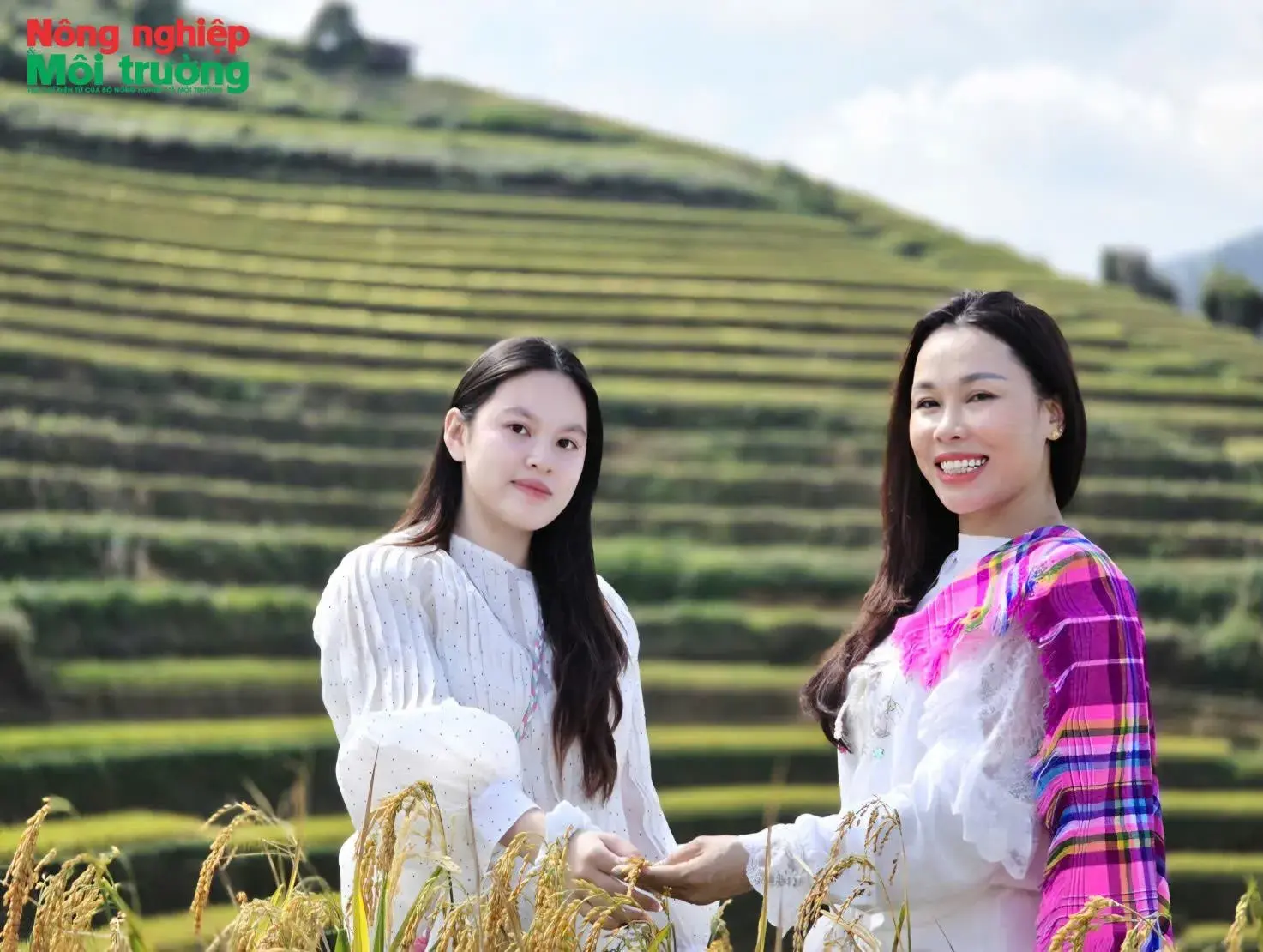
As autumn arrives, Lao Chai in Lao Cai province draws visitors with golden rice terraces stretching across the mountainsides, tranquil villages and the distinctive cultural traditions of the Hmong community. Photographs taken by Photographic artist Dao Xuan Hung on October 18, 2026, capture the landscape at harvest time, revealing the close relationship between agriculture, local livelihoods and the natural beauty of Viet Nam’s Northwestern highlands. The area’s terraced fields and rich cultural heritage also offer opportunities to develop community-based tourism while preserving the character of the local landscape.
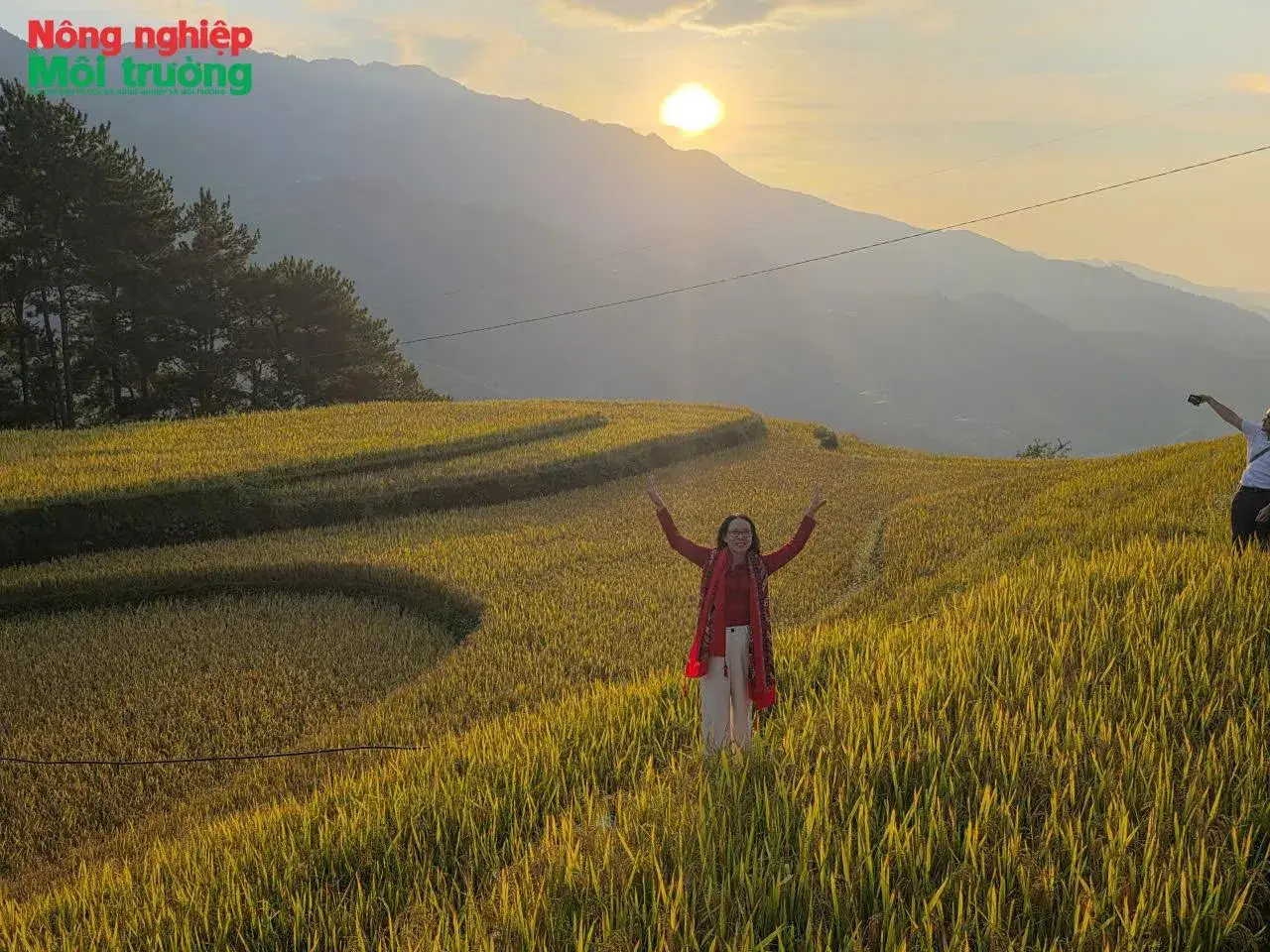
Golden rice terraces sweep across the mountainsides of Mu Cang Chai, their ripened stalks glowing in the late-afternoon sun. At the Sang Nhu rice terrace viewpoint, commonly known as Horseshoe Hill, in Sang Nhu hamlet, Mu Cang Chai commune, the fading sunlight casts a warm golden glow over the fields. The scene draws visitors eager to admire the landscape and capture the beauty of the harvest season in Viet Nam’s northern highlands. Photographic artist Dao Xuan Hung captured these scenes on October 17, 2026, documenting the terraced fields at one of the most picturesque times of the agricultural year.