



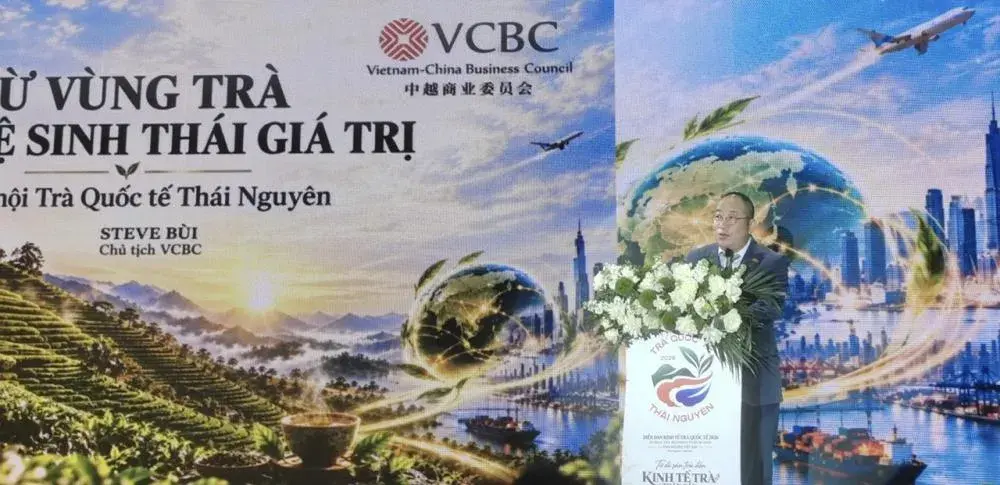
 The tea crop, traditionally regarded primarily as an agricultural commodity, can become the anchor of a broader economic ecosystem linking production with culture, tourism, technology and trade. Steve Bui, chairman of the Viet Nam–China Business Council (VCBC), outlined this approach at the 2026 Thai Nguyen International Tea Festival, framing it around the idea of “From tea-growing regions to a value ecosystem.”

Creating value beyond tea production and sales
Thai Nguyen has long been recognized as one of Viet Nam's best-known tea-growing regions. The quality of its tea, generations of cultivation experience and the processing expertise of local producers have established the region's reputation in the market. However, amid intensifying market competition, developing the tea industry can no longer focus solely on expanding cultivated areas, increasing output or marketing tea as an agricultural commodity and as a finished product.
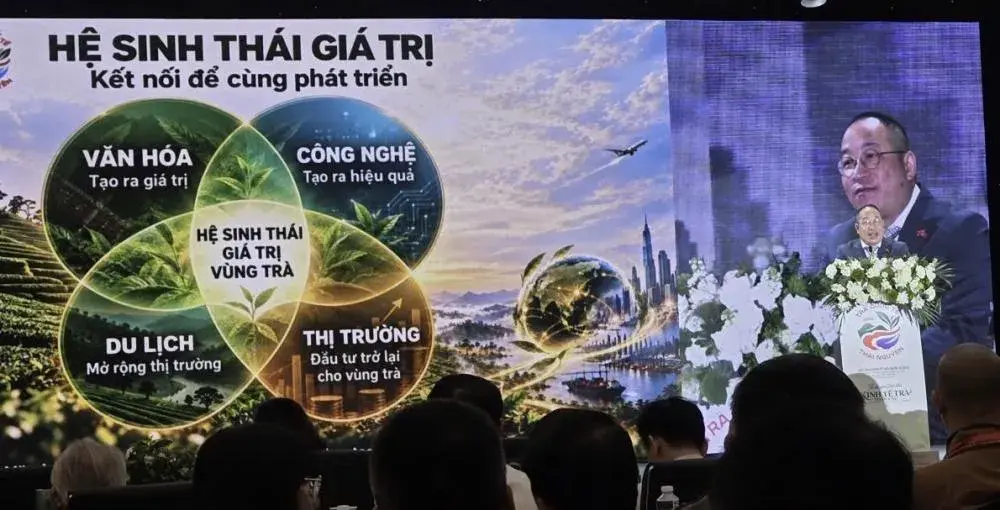
At the festival, Steve Bui argued that the tea industry needed to move beyond the conventional business model of selling individual products and toward building a value ecosystem around tea-growing regions. Under this approach, the value of tea lies not only in the tea leaves themselves or in packaged products, but also in the stories of the land and its people, local cultural identity, production methods, tourism experiences and access to markets.
This approach places tea-growing regions at the center of development while opening up opportunities for related economic activities. A tea-growing region can combine production and processing with tea culture promotion, hands-on experiences in tea plantations, tours of processing facilities and tea tasting. By connecting these activities, tea growers can gain additional opportunities to market their products and participate more fully in the value chain, benefiting from services and other economic activities generated locally.
Drawing on China's experience in tea industry development, Bui noted that some tea-producing regions have combined signature products with cultural narratives, built brands associated with specific localities, developed tourism and applied technology to marketing and distribution. These efforts have helped establish distinct identities for individual tea-growing regions while expanding markets for their products.
A key feature of this model is coordination among stakeholders. Producers, processing businesses, tourism operators, distributors and e-commerce platforms all contribute to value creation. Rather than operating independently, these participants are connected to form a more integrated supply chain and provide consumers with a more comprehensive experience.
For Thai Nguyen, this approach offers a useful reference, given its established tea-growing areas, longstanding production experience and cultural heritage associated with tea cultivation. Brand development needs to go hand in hand with clearly identifying the characteristics of individual growing areas, product quality, production processes and the distinctive stories of local tea-growing communities. Clear identification of product origins and regional identity can help build consumer confidence and strengthen the market position of Thai Nguyen tea.
Connecting technology, tourism and trade across the value chain
Another point Steve Bui emphasized was the role of technology in expanding markets and increasing the value of tea products. As consumers pay greater attention to product origins, quality and production processes, traceability systems, data management for tea-growing areas and transparent product information can help businesses strengthen consumer confidence.
At the same time, e-commerce and digital platforms are providing broader channels for reaching consumers than traditional distribution systems. Tea products can be introduced directly to customers through images, videos and interactive online activities. However, technology is more than a sales tool. When applied appropriately, it can also communicate the stories behind tea-growing regions, local producers, processing methods and the cultural significance of tea.
Under this approach, tea branding needs to extend beyond packaging design and product promotion. A brand must be built on consistent quality, transparent information, a clear identity and a consistent consumer experience. Developing brands for individual tea-growing regions and linking products to their geographic origins and distinctive production characteristics is another approach worth exploring to differentiate products in the marketplace.
Alongside technology and trade, tourism is an important component of the tea industry's value ecosystem. Tea plantations, processing facilities, tea culture and the daily lives of local communities can provide the basis for experiential tourism products. Tourism offerings can allow visitors to learn about tea cultivation, crop care, harvesting and processing, sample different teas and explore the cultural life of tea-growing communities.
When properly developed, tourism can generate economic value not only through tea sales but also through accommodation, food services, guided experiences, souvenirs and other local products. It also creates opportunities for residents to participate directly in tourism, diversify their livelihoods and increase local sales of tea and other products.
Another avenue discussed by Steve Bui was the development of value-added tea products and the diversification of ways to introduce tea to consumers. Alongside traditional tea, products such as tea-based cakes, confectionery and beverages, as well as other forms of processing suited to contemporary consumer preferences, could help attract new customer groups. However, product diversification should be based on market research, quality standards and processing capacity to ensure that new products retain the distinctive characteristics of tea as a raw material.
The ideas presented at the festival point to the need for coordination among multiple stakeholders, including government agencies, businesses, cooperatives, tea growers and organizations involved in tourism, technology and distribution. This requires a shared direction for brand development while encouraging individual tea-growing regions and producers to establish their own identities. Attention should also be given to product quality, traceability, production standards and the capacity to meet market requirements.
Engagement with international partners and markets should likewise be developed through careful product selection, research into consumer preferences, an understanding of import requirements and appropriate distribution channels in each market. Trade promotion will be more effective when supported by production capacity, product quality and a clearly established brand identity.
The concept of “From tea-growing regions to a value ecosystem” therefore represents more than an effort to expand business activities around tea. It also points to a way of reorganizing the value chain so that local resources, production knowledge and cultural identity can be transformed into competitive advantages. With its established tea-growing areas and longstanding reputation, Thai Nguyen has an opportunity to further strengthen its tea brand by building more effective connections among production, processing, culture, tourism and trade.
From fresh tea shoots in the fields to products in the marketplace, and from tea culture to visitor experiences, every link can contribute to overall value. When these links are brought together through a long-term strategy and meaningful participation by businesses and local communities, the tea industry will have greater scope for development while generating more sustainable livelihoods and economic value for tea-growing regions.
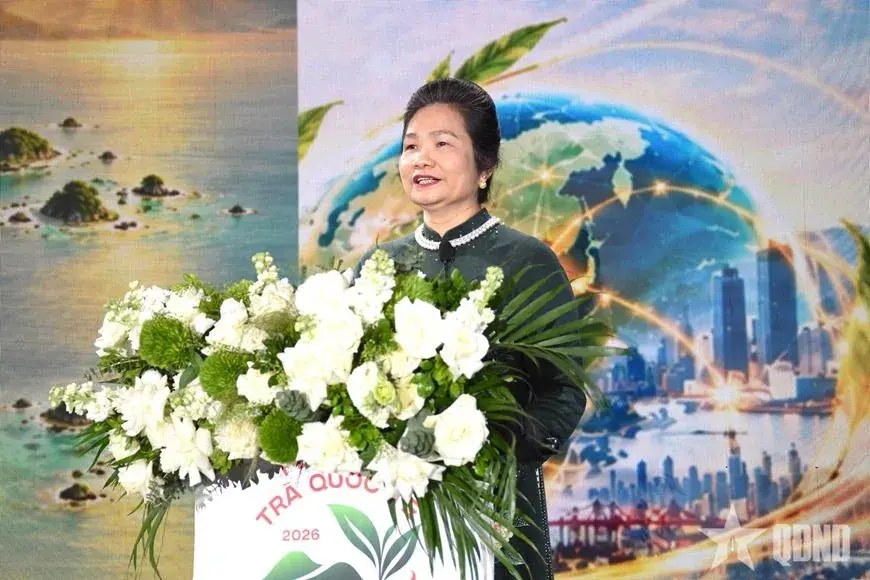
At the 2026 World Tea Business Forum in Thai Nguyen, Dr. Nguyen Thi Vinh, Vice Chairwoman of the Viet Nam Association of Women Entrepreneurs, Chairwoman of the Thai Nguyen Association of Women Entrepreneurs and Chairwoman of the Board of Directors of Quan Chu Tea Joint Stock Company, outlined a vision for developing the tea economy through an integrated model linking high-quality agricultural production, processing, science and technology, culture, tourism and community livelihoods.
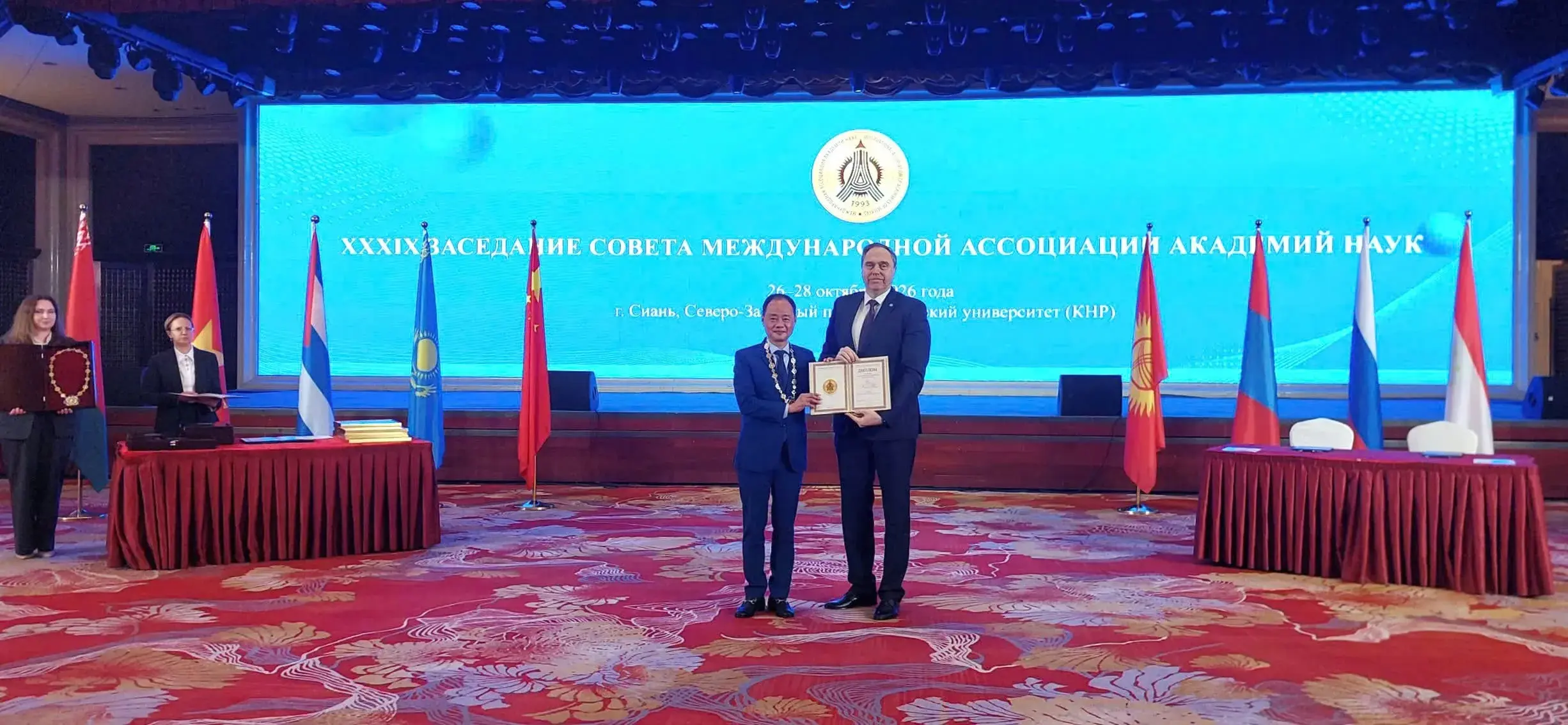
Prof. Dr. Tran Hong Thai, President of the Viet Nam Academy of Science and Technology (VAST), was elected a Fellow of the International Association of Academies of Sciences (IAAS) during a plenary session of the association’s 39th Council session in Xi’an, China, on Oct. 26, 2026.
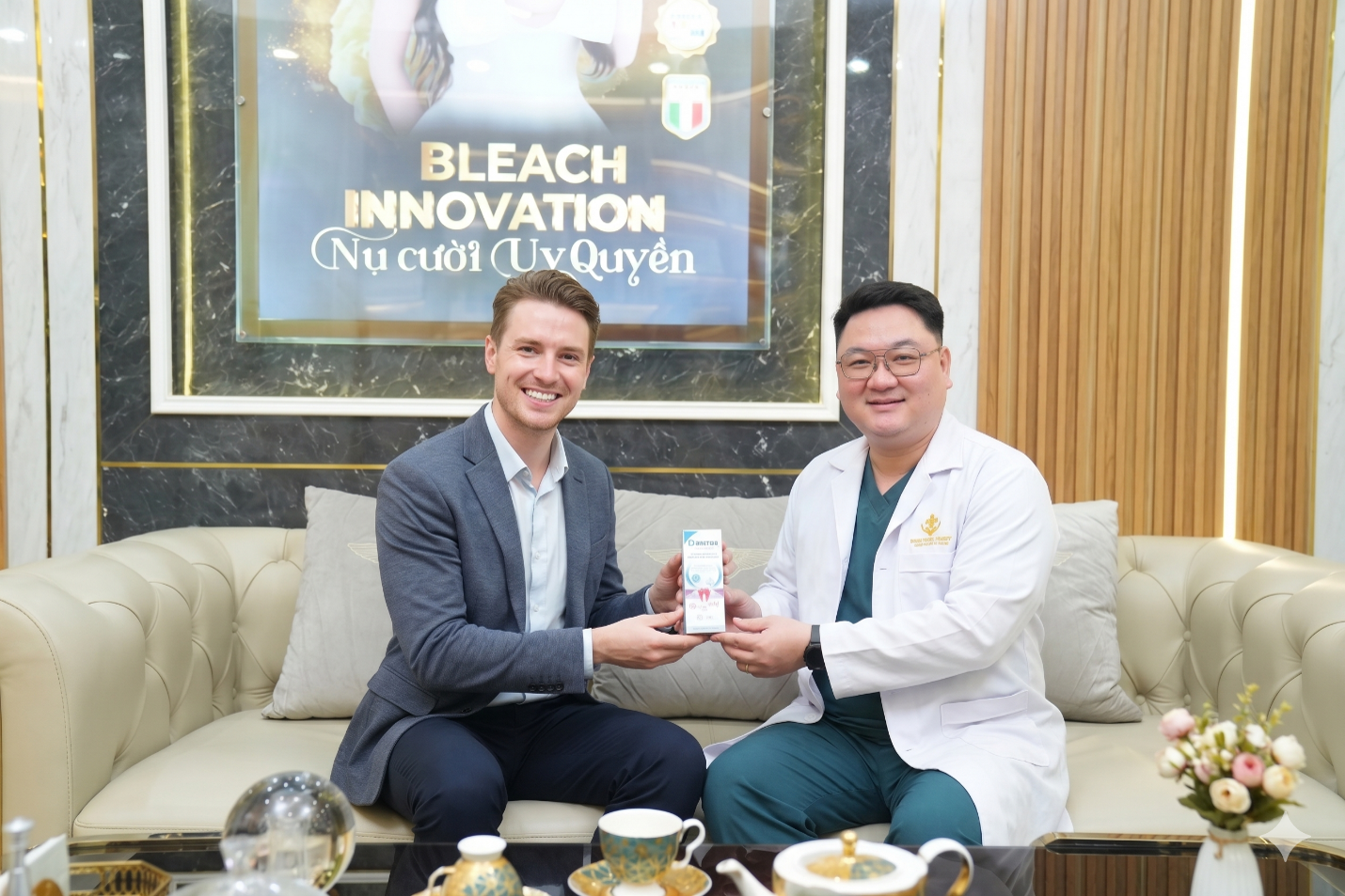
A beautiful porcelain smile is about more than bright white teeth. It requires harmony with facial features and careful consideration of oral health. At Vindental Luxury, Dr. Phung Duc Nam, an aesthetic porcelain restoration specialist with 15 years of experience, works with digital technology to support the design and fabrication of restorations for international patients.
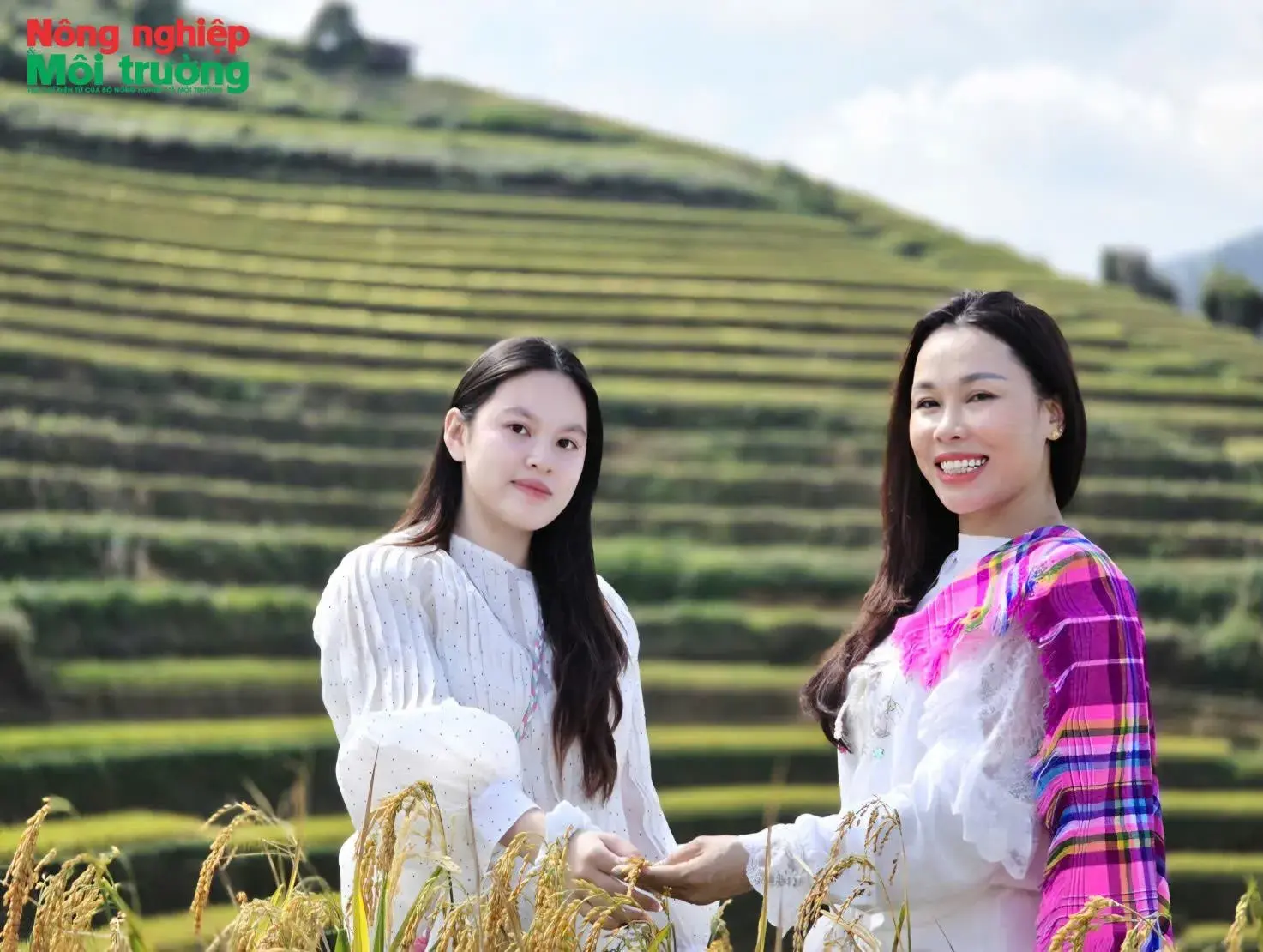
As autumn arrives, Lao Chai in Lao Cai province draws visitors with golden rice terraces stretching across the mountainsides, tranquil villages and the distinctive cultural traditions of the Hmong community. Photographs taken by Photographic artist Dao Xuan Hung on October 18, 2026, capture the landscape at harvest time, revealing the close relationship between agriculture, local livelihoods and the natural beauty of Viet Nam’s Northwestern highlands. The area’s terraced fields and rich cultural heritage also offer opportunities to develop community-based tourism while preserving the character of the local landscape.
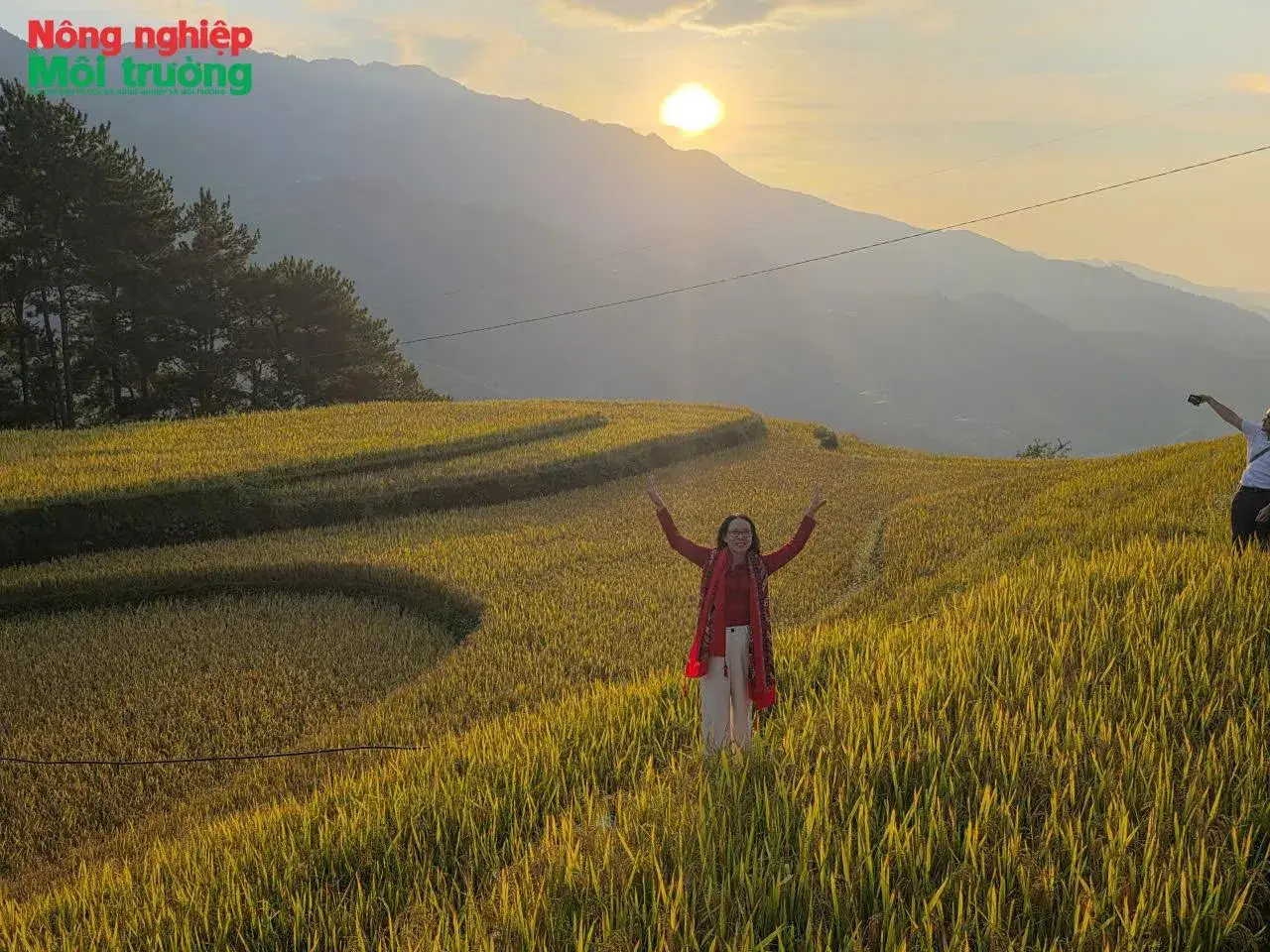
Golden rice terraces sweep across the mountainsides of Mu Cang Chai, their ripened stalks glowing in the late-afternoon sun. At the Sang Nhu rice terrace viewpoint, commonly known as Horseshoe Hill, in Sang Nhu hamlet, Mu Cang Chai commune, the fading sunlight casts a warm golden glow over the fields. The scene draws visitors eager to admire the landscape and capture the beauty of the harvest season in Viet Nam’s northern highlands. Photographic artist Dao Xuan Hung captured these scenes on October 17, 2026, documenting the terraced fields at one of the most picturesque times of the agricultural year.