




During a field trip to central Viet Nam, a delegation from Agriculture and Environment Magazine conducted an on-site survey of Ruc Mon cave, one of the few karst caves in the Truong Son range that has retained its near-pristine condition. The visit provided hands-on experience and insight into the potential for eco-tourism development linked with conservation and sustainable livelihoods.
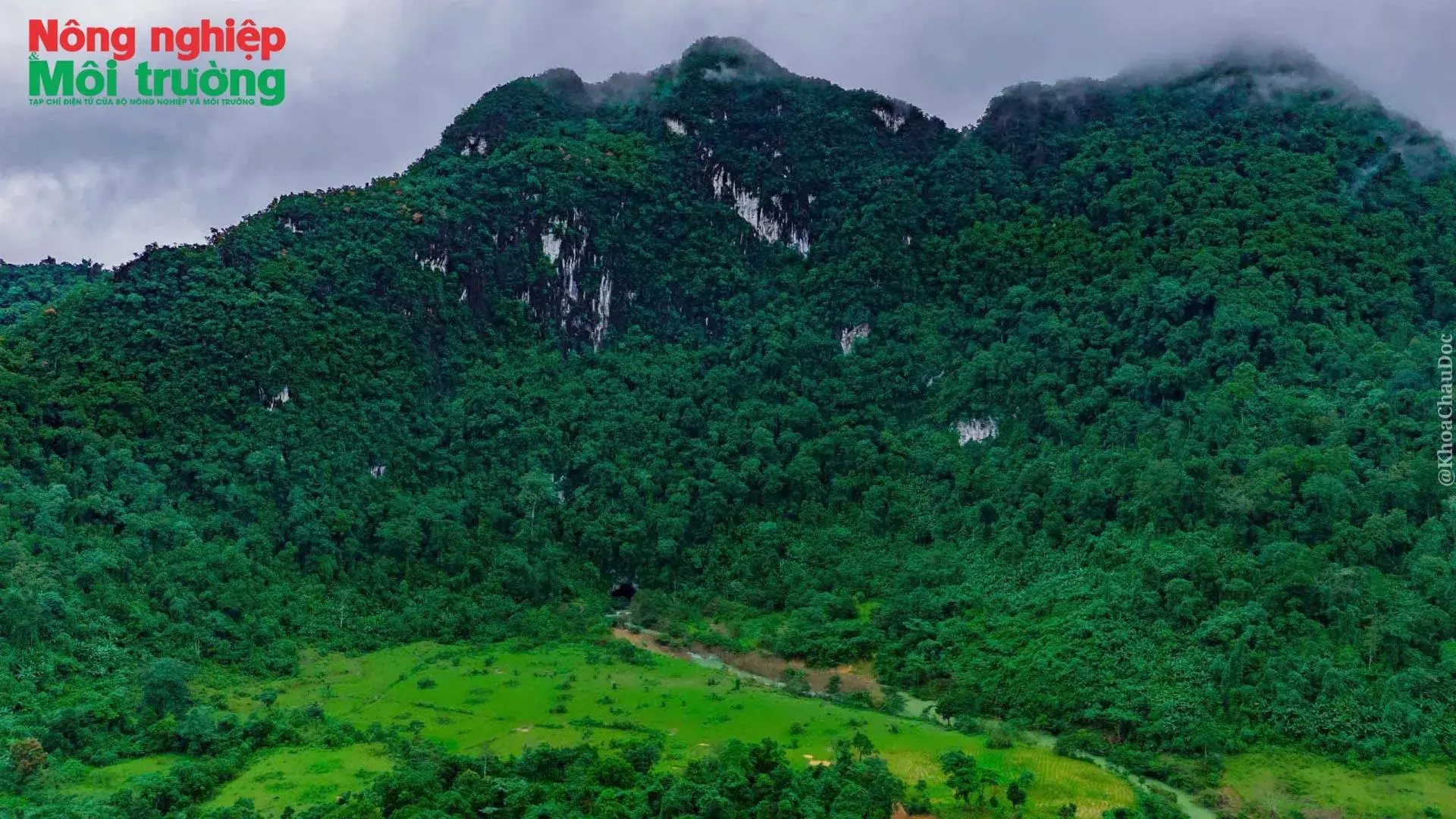
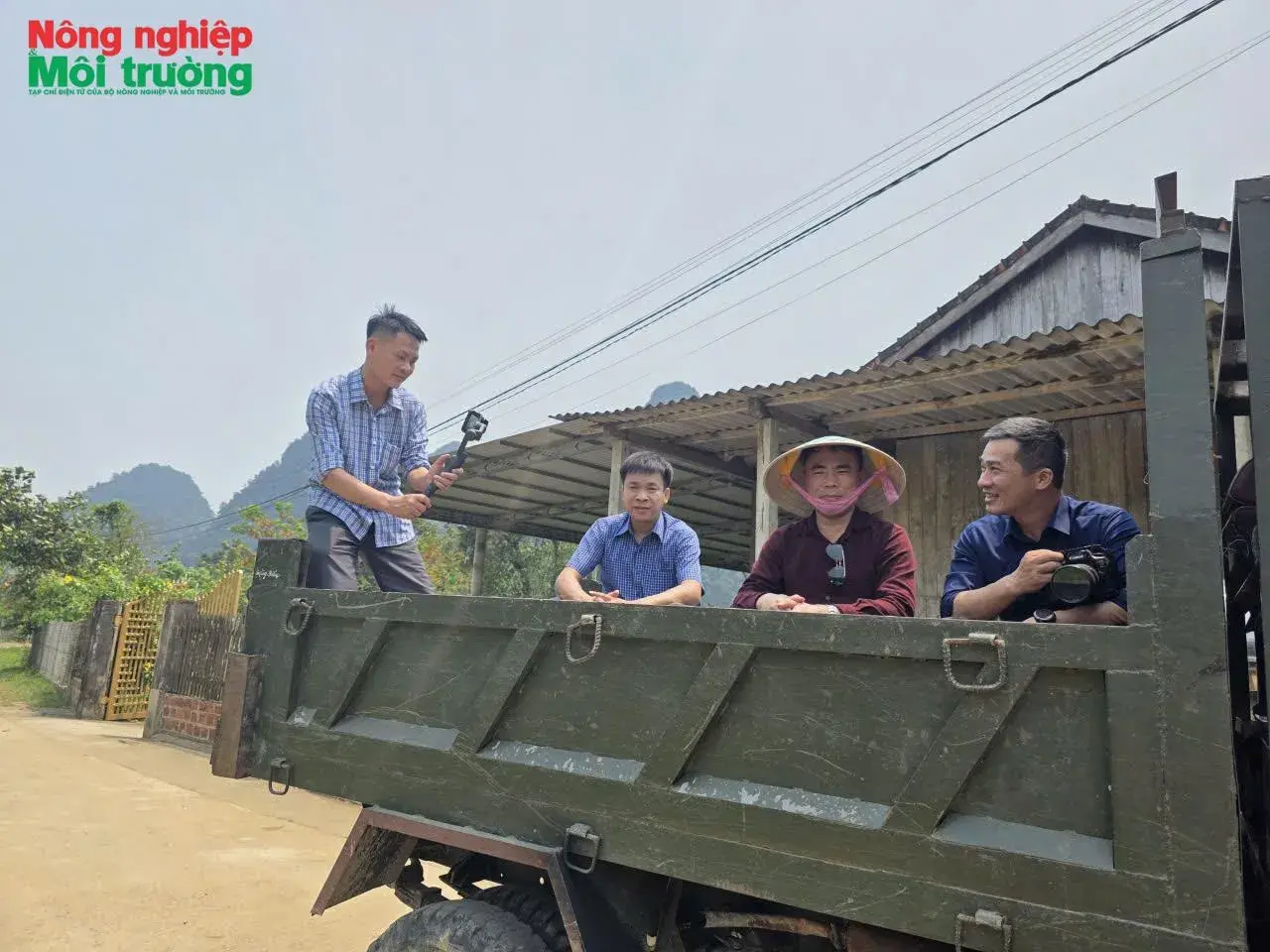
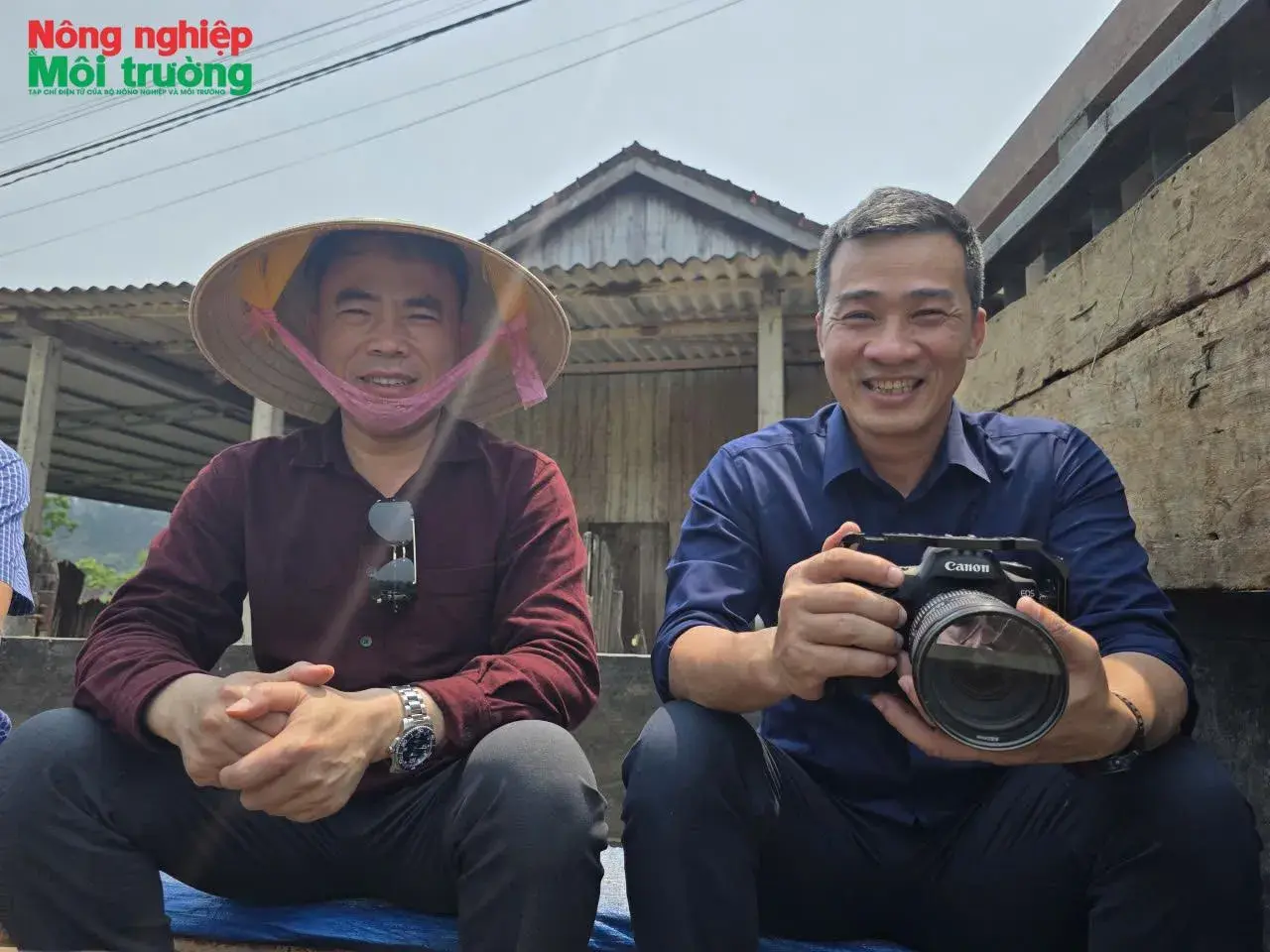
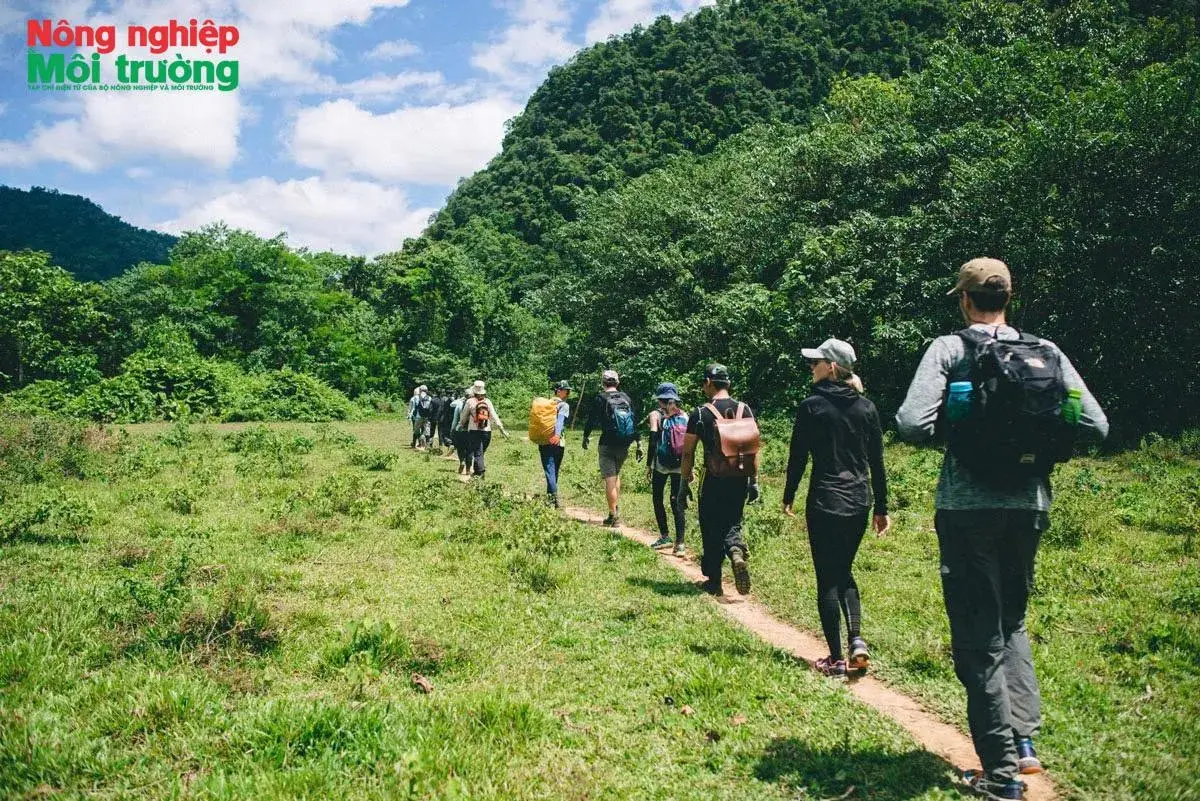
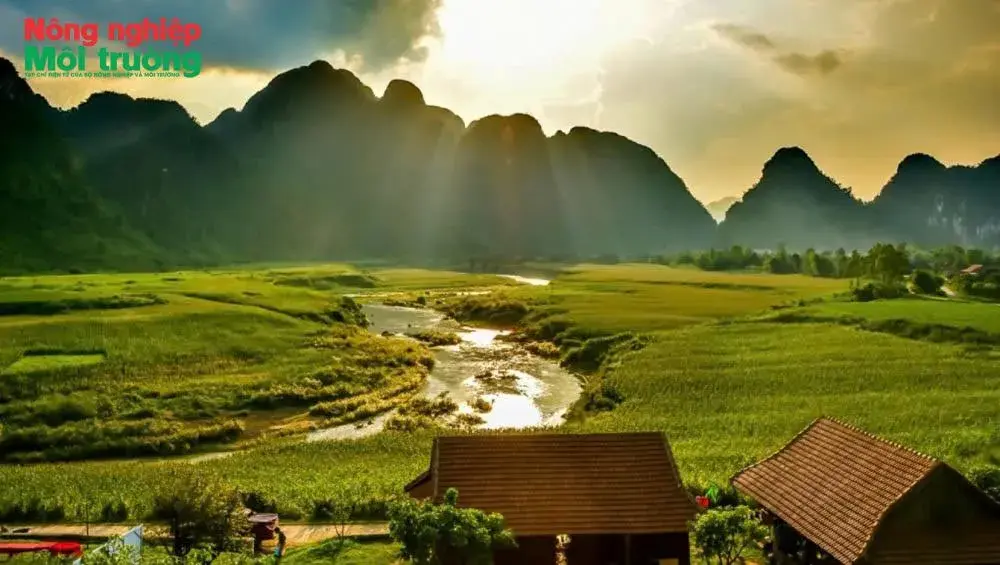
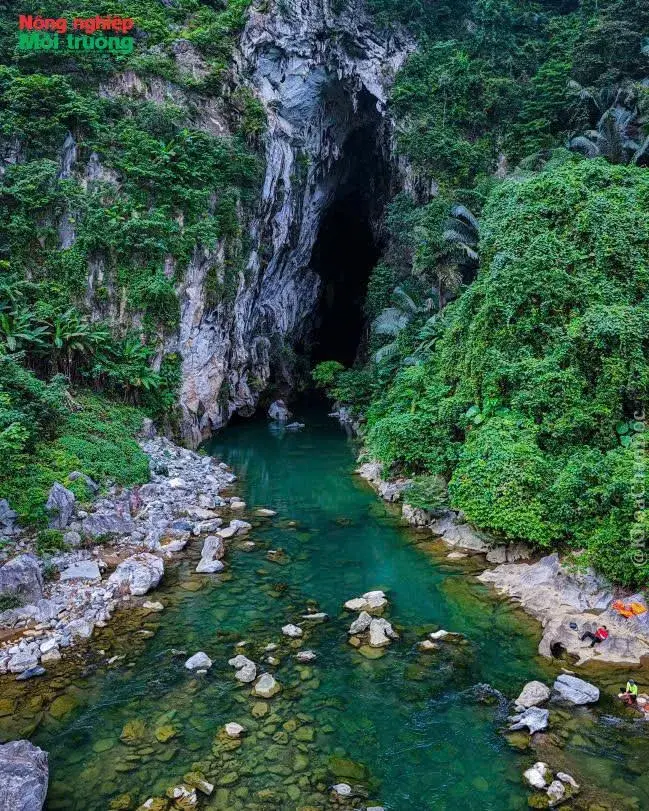
Located in Quang Tri province, Ruc Mon cave impresses visitors from the very approach. The team trekked nearly 16 km through forest trails, following crystal-clear streams and passing peaceful villages of the Chut ethnic minority, where residents maintain a simple lifestyle closely connected to nature. The cave is about 100 km northwest of Phong Nha–Ke Bang National Park, a 2–3 hour drive by car or motorbike from Dong Hoi city.Delegation members prepared to enter Ruc Mon Cave, showing readiness to explore the pristine beauty of the Truong Son MountainsThe trekking route not only tested physical endurance but also offered a diverse ecological landscape, where ancient limestone formations—hundreds of millions of years old—blend seamlessly with terraced fields and lush vegetation (Left: Dr. Dao Xuan Hung, Editor-in-Chief of Agriculture and Environment Magazine; Right: Vu Minh Ly, Deputy Editor-in-Chief of Agriculture and Environment Magazine)Along the way, journalists from Agriculture and Environment Magazine actively documented the journey
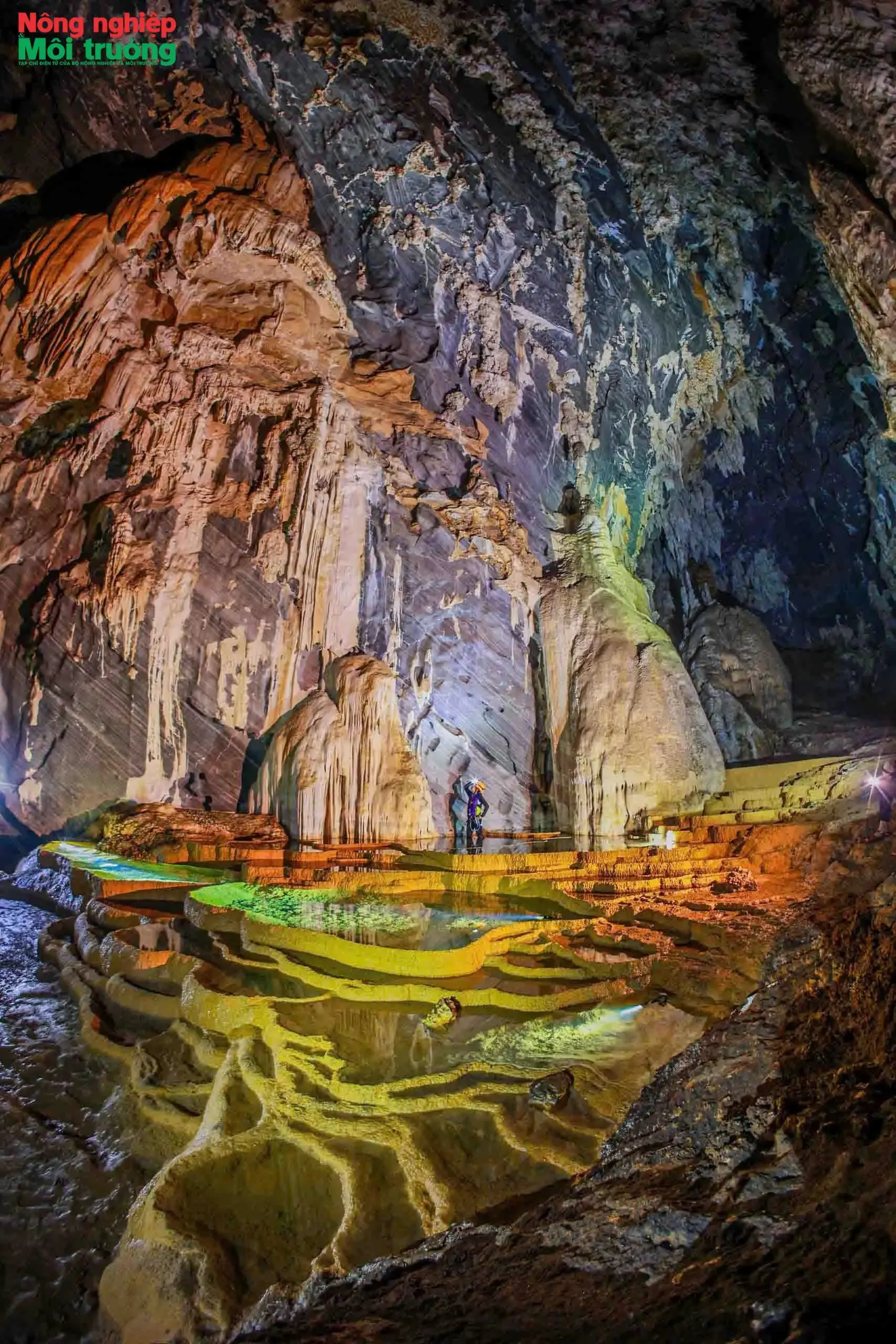
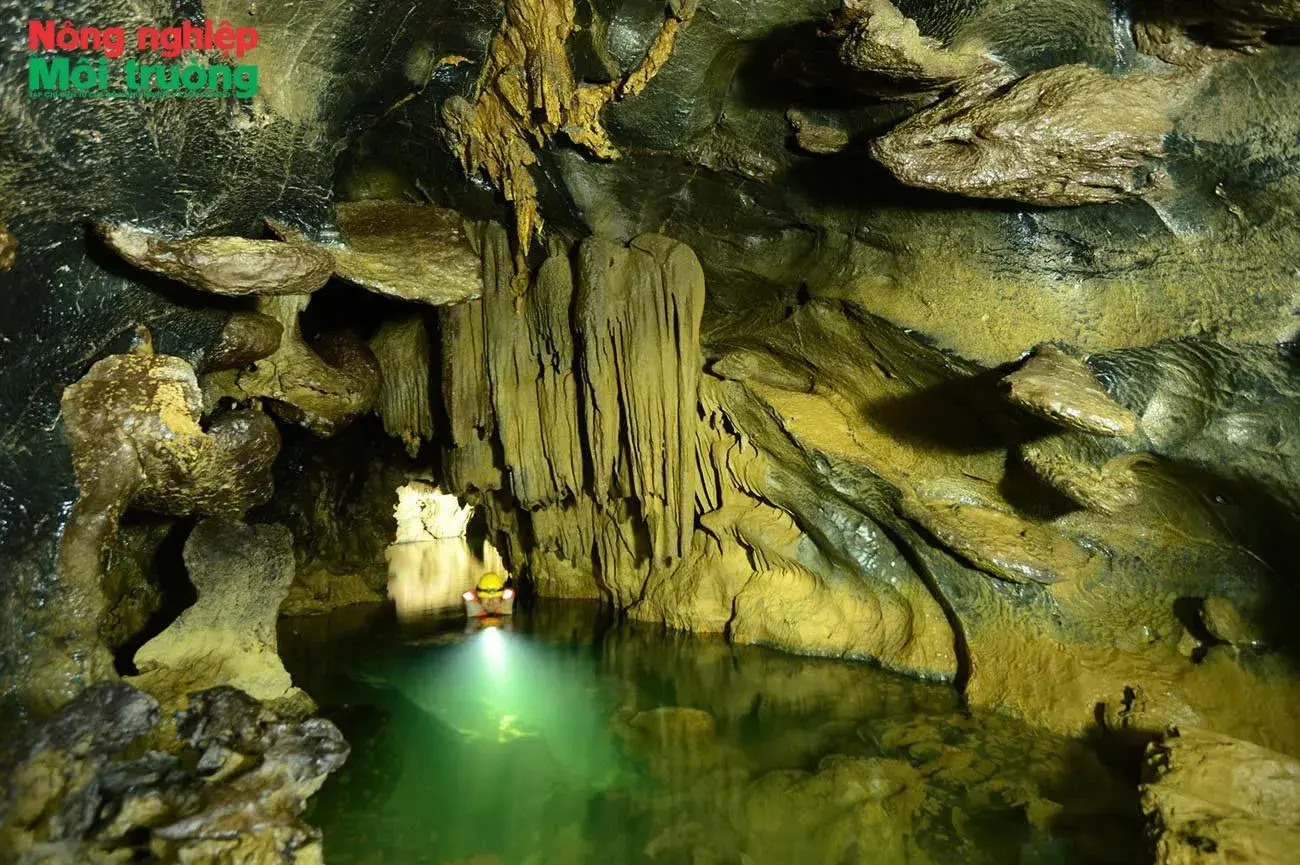
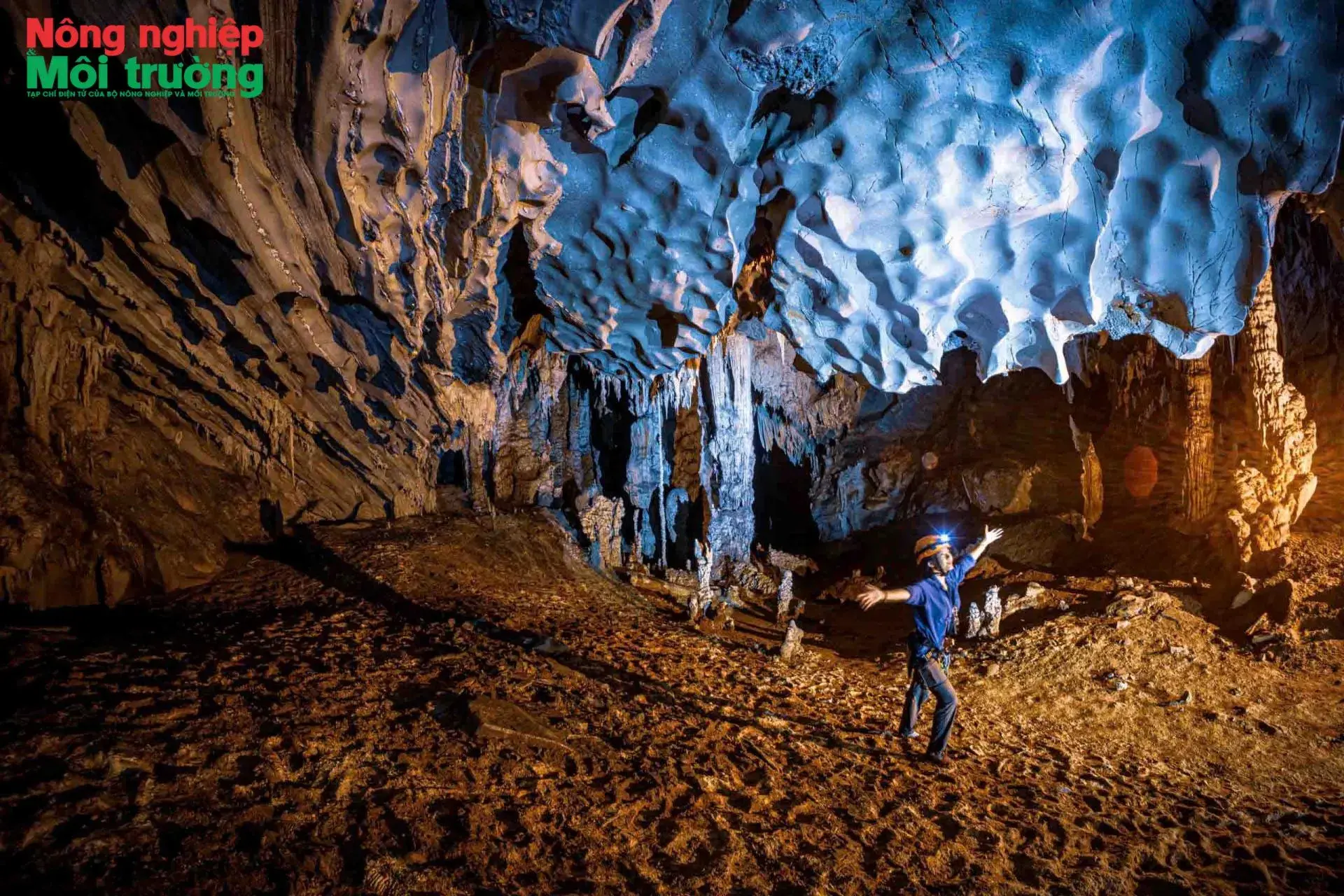
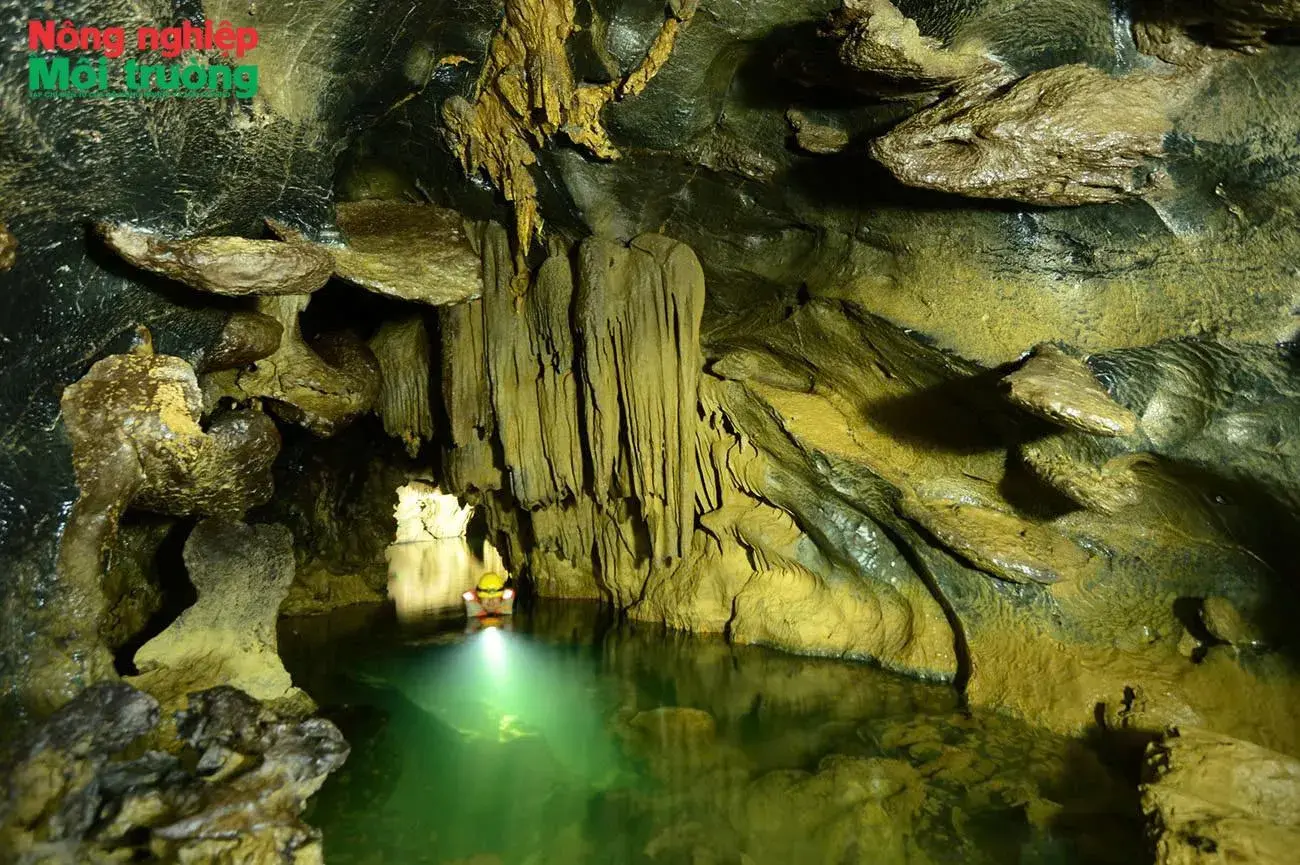
Inside the cave, the scene transforms dramatically. Extending nearly 3 km with ceilings over 50 meters high, Ruc Mon Cave resembles a vast geological labyrinth. Its system is clearly divided into dry and wet sections—the latter featuring an underground river with crystal-clear water, reaching depths of up to 30 meters in some areas. Unique stalactites and stalagmites form shapes reminiscent of “Phuc–Loc–Tho” figures, inverted lotus blossoms, shimmering “fairy hair,” and other natural sculptures, creating an enchanting space where each step feels like entering a living natural museum.
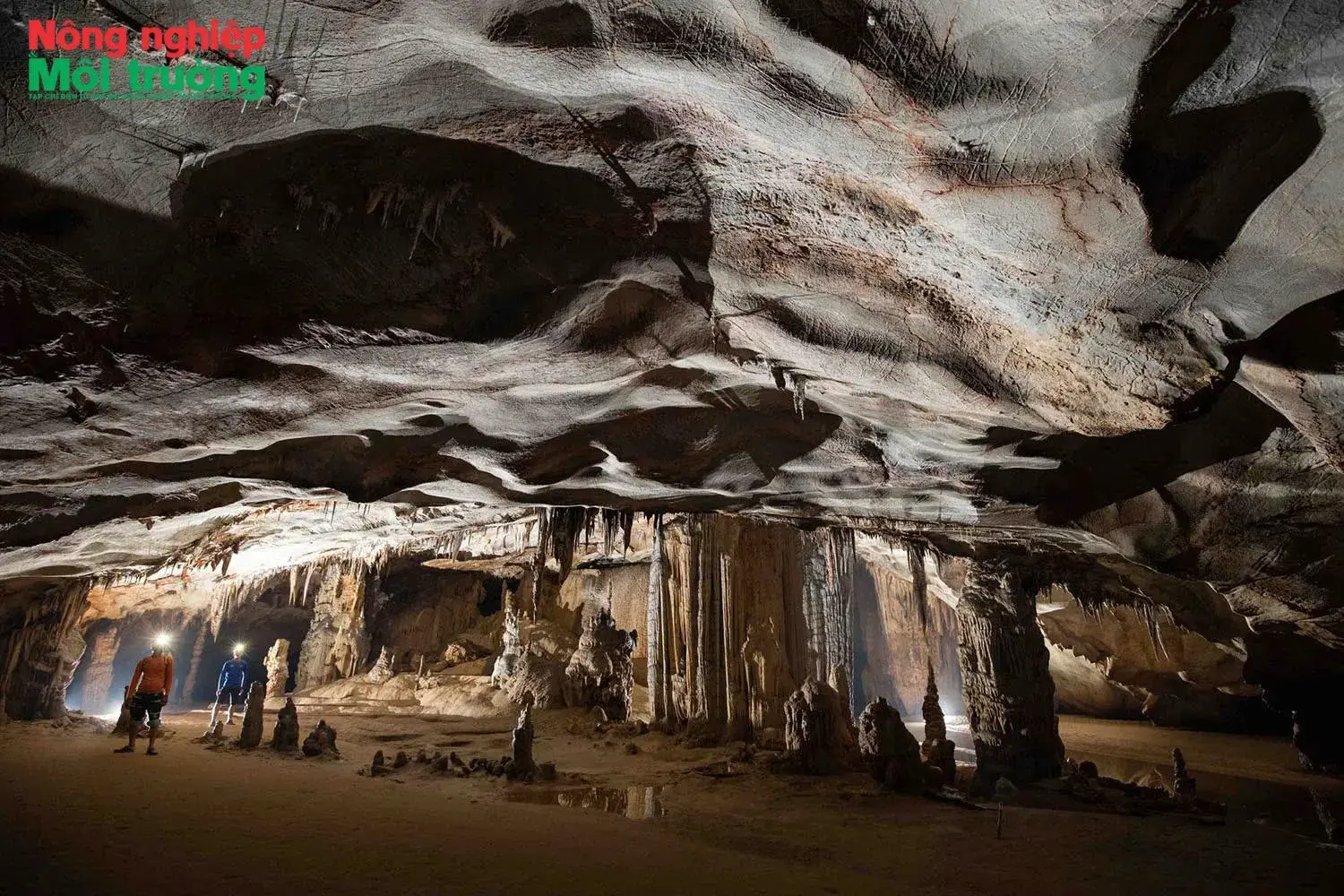
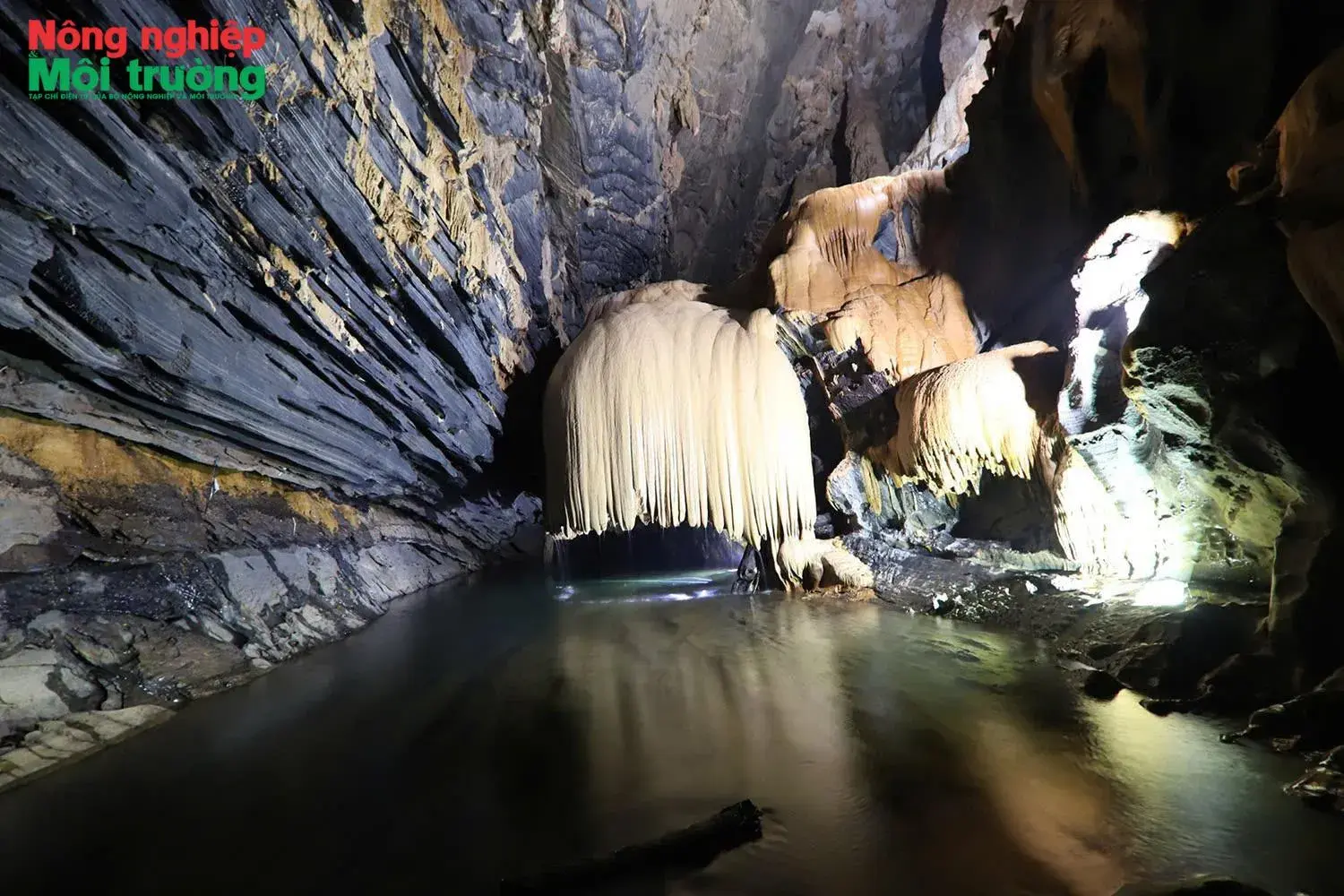
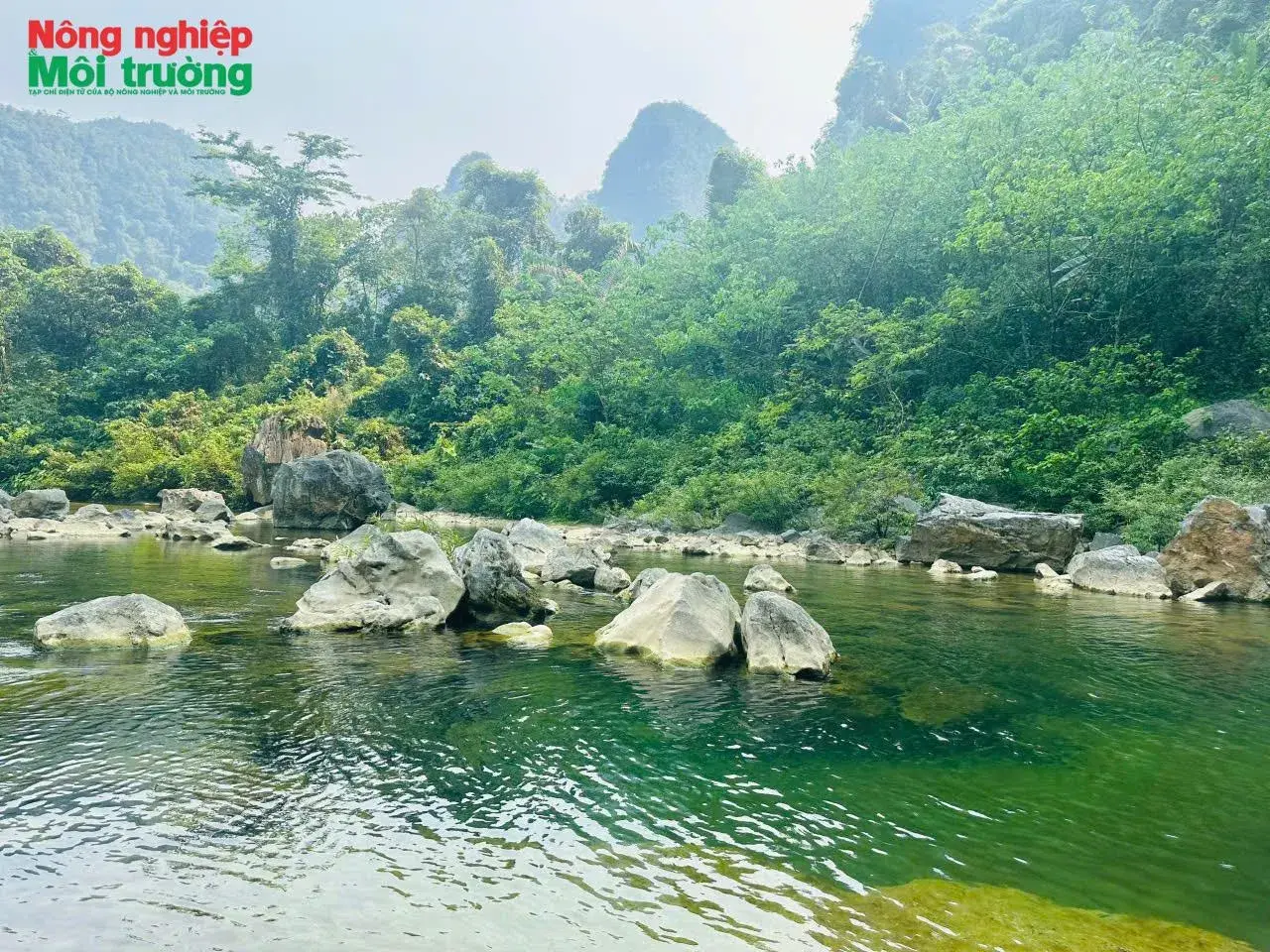
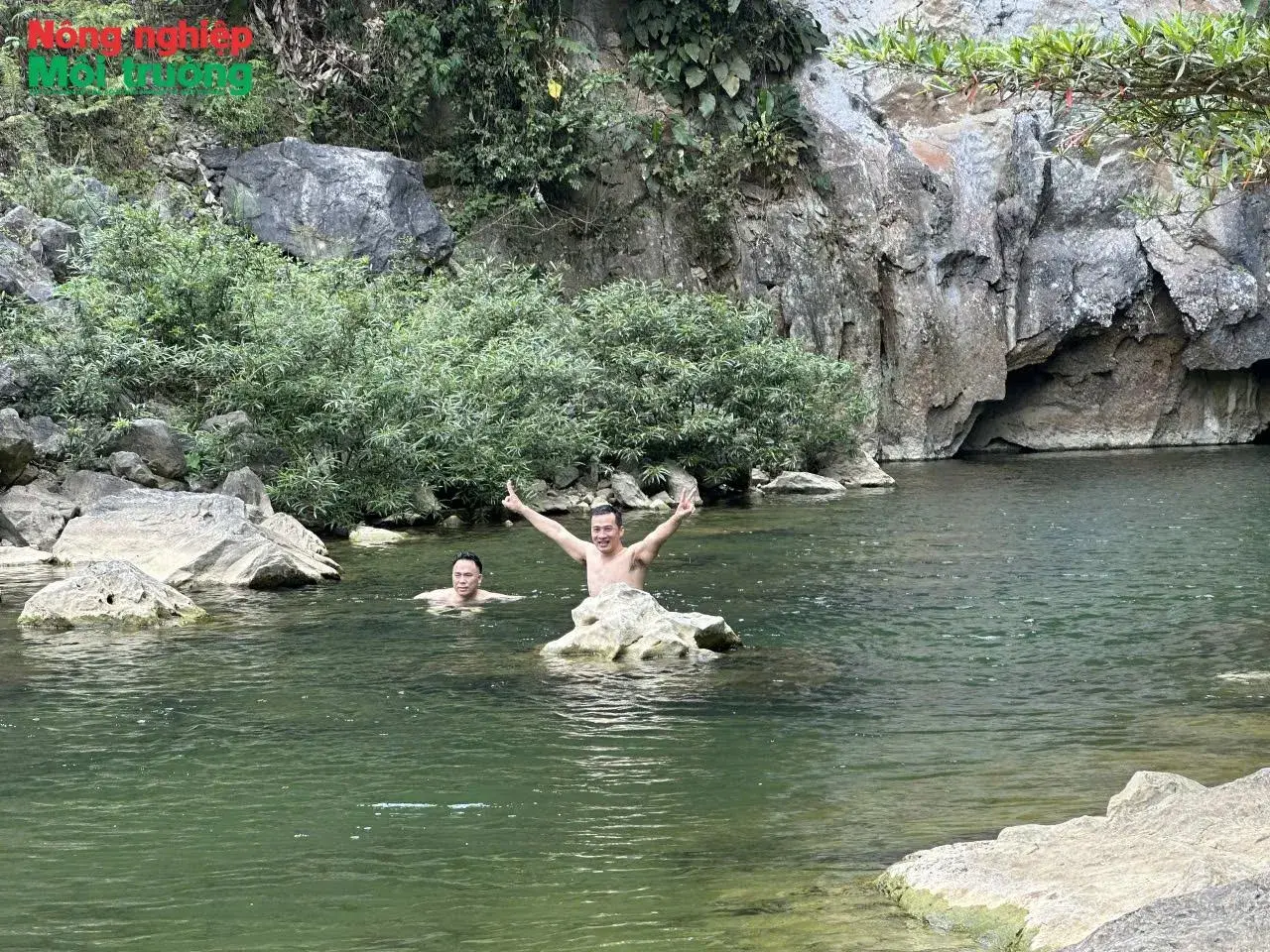
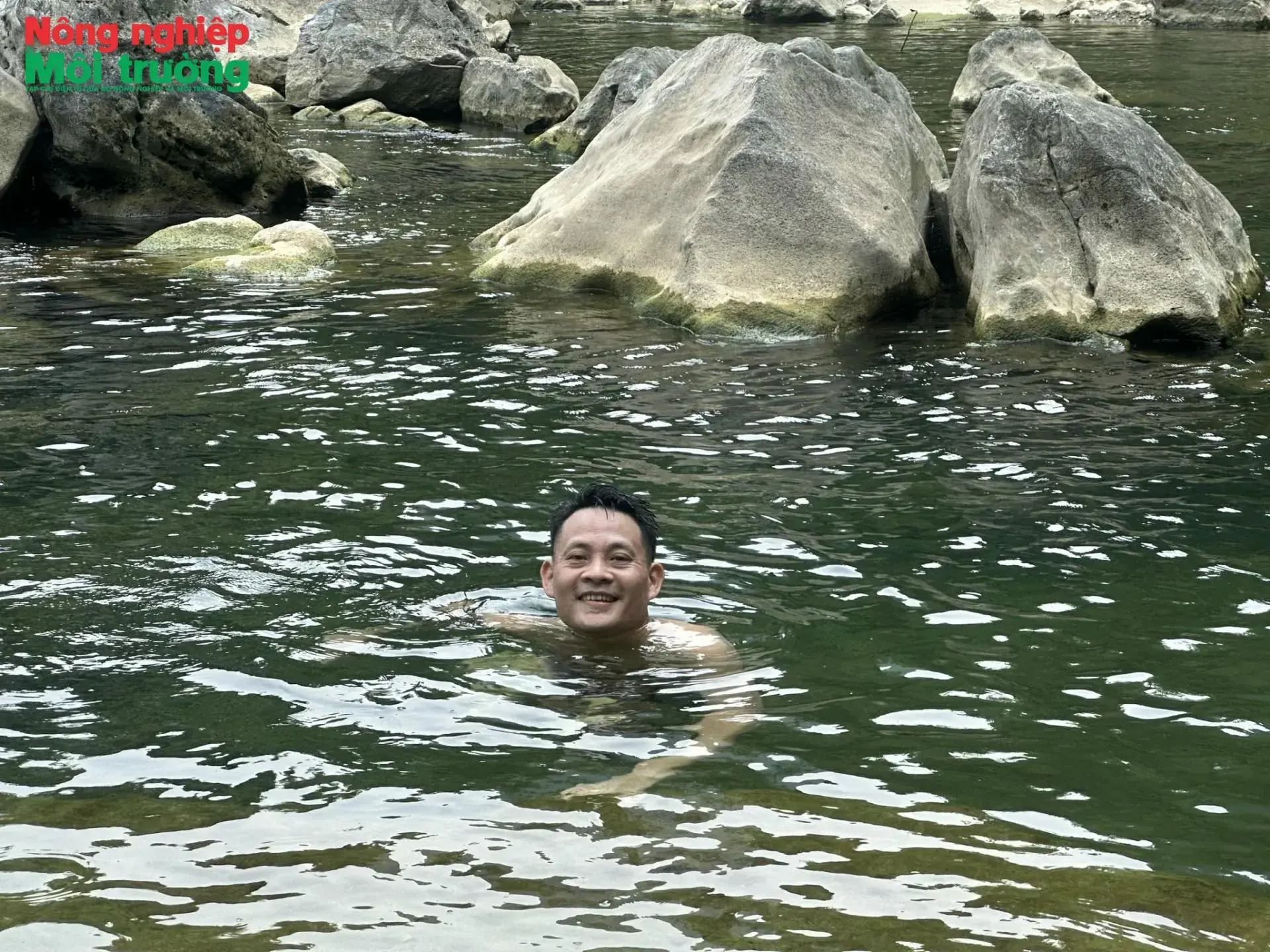
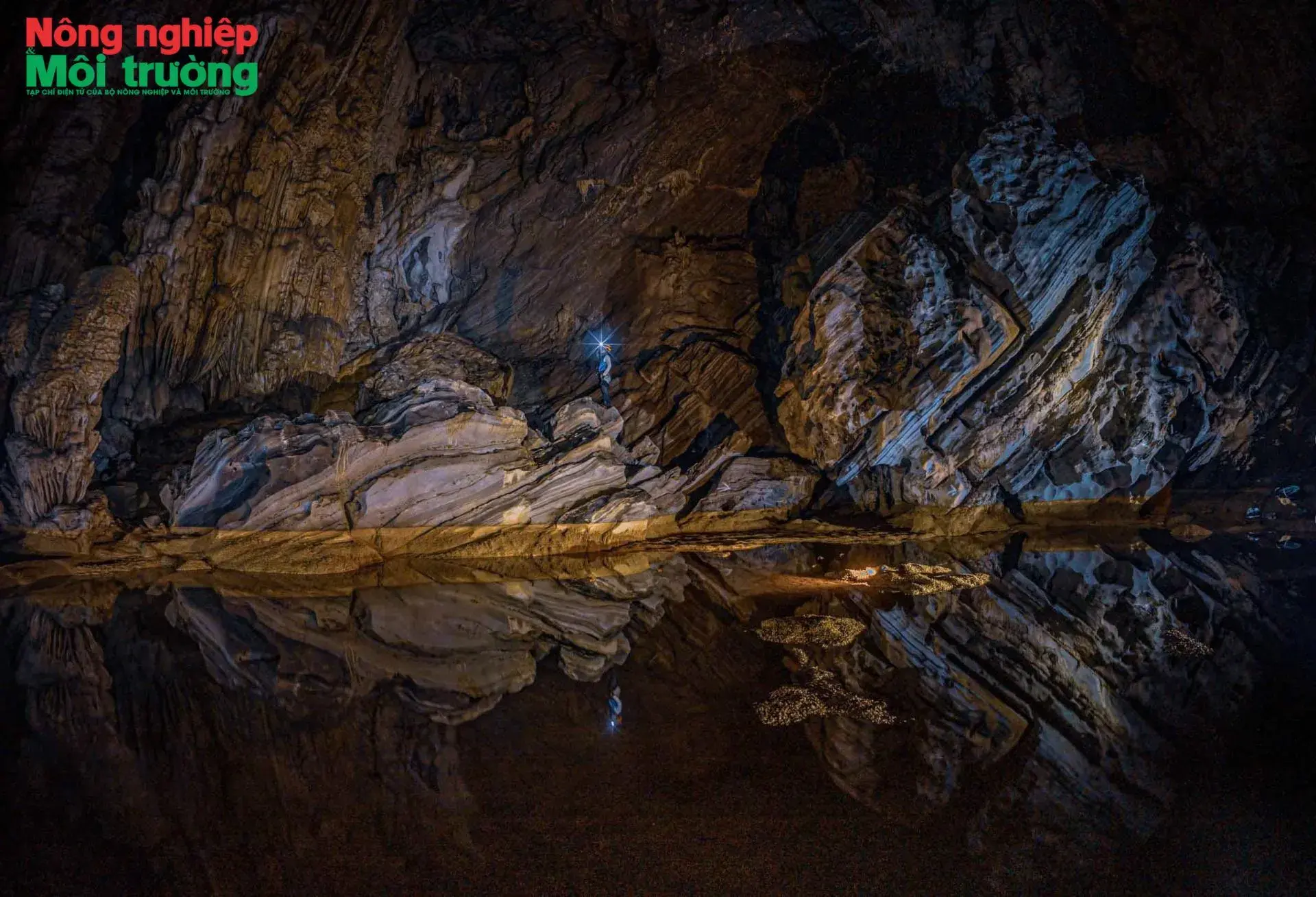
Ruc Mon Cave is a beautiful and largely untouched karst formation within the Truong Son limestone system, renowned for its diverse stalactite formations, clear underground river, and adventure tourism opportunities. It is ideal for caving enthusiasts, trekkers, and nature lovers.Inside the cave, the underground river mirrors the cave formations like a massive glass surface, creating a rare “parallel world” effect where the boundary between reality and illusion almost disappears. The combination of wet and dry sections distinguishes Ruc Mon from caves like Son Doong, making it a unique natural masterpiece.The cave is clearly divided into two main sections: a wet cave and a dry cave. The wet section is formed by an underground river that flows year-round, with remarkably clear water reaching depths of up to 30 meters in some areas.The dry section features a dense system of shimmering stalactites and stalagmites. These include so-called “living” formations that are still developing, taking on shapes reminiscent of Phuc–Loc–Tho figures, seals, cascading strands of “fairy hair,” inverted lotus blossoms, golden sticky rice discs, and towering columns. In contrast, “fossilized” formations display marble-like veining, silk-like textures, and massive basket-shaped structures, reflecting earlier stages of geological formation.The surrounding streams are picturesque, with clear, cool water flowing gently among smooth boulders. Distant mountains, shrouded in mist, provide a deep green backdrop that enhances the tranquil and pristine scenery. The sound of flowing water blending with birdsong creates a natural symphony, encouraging visitors to immerse themselves in the environmentVisitors bathed in the clear, cold waters near the cave entrance, experiencing the untouched natural environment
Delegation members noted that Ruc Mon Cave has significant potential for sustainable tourism, particularly given its proximity to the world-famous Phong Nha–Ke Bang National Park. However, any development must be carefully managed, prioritizing conservation while ensuring stable livelihoods for the local ethnic minority community.
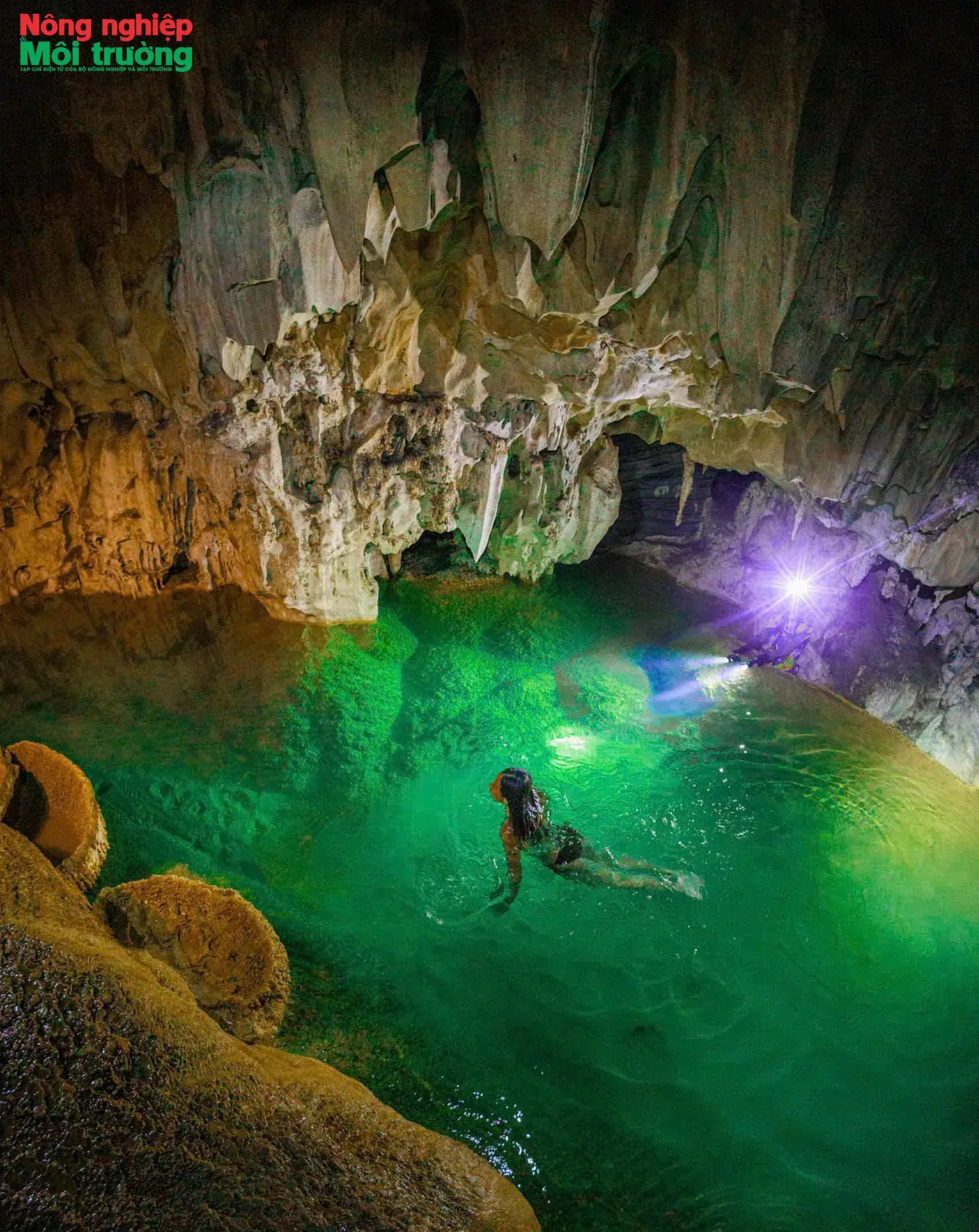
A natural skylight approximately 50 meters from the cave entrance allows sunlight to filter through the rock, producing a striking visual effect. The quiet atmosphere, stable temperature of 18–22°C, and sounds of flowing water and fluttering bats give visitors a sense of stepping back to Earth’s primordial era.During the field survey, the delegation experienced key activities such as stream trekking, swimming in the cave’s “lazy river,” rope climbing, and interacting with local residents. These activities illustrate the emerging model of adventure tourism combined with ecological and cultural experiences in the area.The combination of wet and dry sections distinguishes Ruc Mon from caves like Son Doong, making it a unique natural masterpieceInside the cave, the underground river mirrors the cave formations like a massive glass surface, creating a rare “parallel world” effect where the boundary between reality and illusion almost disappearsThe reflective water inside Ruc Mon Cave highlighted millions-of-years-old stalactites, emphasizing the cave’s scale, raw beauty, and untouched characterNearby, ancient limestone formations, clear streams, terraced fields, and the small Chut village (about ten households) complete the settingThe cave spans 2,863 meters with ceilings over 50 meters high—wide enough to park ten buses side by side—and winds through multiple unexplored branches.
The expedition concluded, but the impression of this “rough gem” in the heart of the Truong Son Mountains remains vivid. With its unique geological, scenic, and cultural value, Ruc Mon Cave is not only a destination for adventure seekers but also a testament to the principle that tourism development should go hand-in-hand with nature conservation and the preservation of local cultural identity.
On the occasion of War Invalids and Martyrs Day (July 27), Vietnam’s national day of remembrance for wounded veterans and fallen soldiers, the Agriculture and Environment Magazine joined hands with the International Women Entrepreneurs Development Research Institute (IWEDI) to honor families of wounded and fallen servicemen through a community outreach event held in Lao Cai province.
On July 26, 2025, the Agriculture and Environment Magazine, in collaboration with the International Women Entrepreneurs Development Institute (IWEDI), organized the “Green pagoda” tree planting program at Truc Lam Thien Phu Pagoda, Trung Tam ward, Lao Cai province. A total of 333 new trees were planted as part of the initiative.
On 15-16 July 2025 in Hanoi, the Ministry of Agriculture and Environment of Viet Nam, in collaboration with the Food and Agriculture Organization of the United Nations (FAO), convened the High-Level Inter-regional Knowledge Exchange on One Country One Priority Product (OCOP) Models. The event brought together agriculture ministers and senior officials from 17 African and Asian countries. As host and model-sharing country, Viet Nam presented its “One Commune One Product” (OCOP) program as a successful example of community-driven rural development, innovation, and product branding — inspiring interregional cooperation in agrifood systems transformation.
On July 3 in Hanoi, the Agriculture and Environment Magazine, led by Editor-in-Chief Dr. Dao Xuan Hung, paid an official visit to the Institute for Women Entrepreneurs Development International (IWEDI) for a working session aimed at formalizing a strategic partnership.
On June 7, 2025, the Agriculture and Environment Magazine (under the Ministry of Agriculture and Environment) launched a program in Hai Ninh commune, Quang Ninh district, Quang Binh province to build a charity house for a disadvantaged family and to donate water tanks to local fishermen who make their living from offshore fishing.