



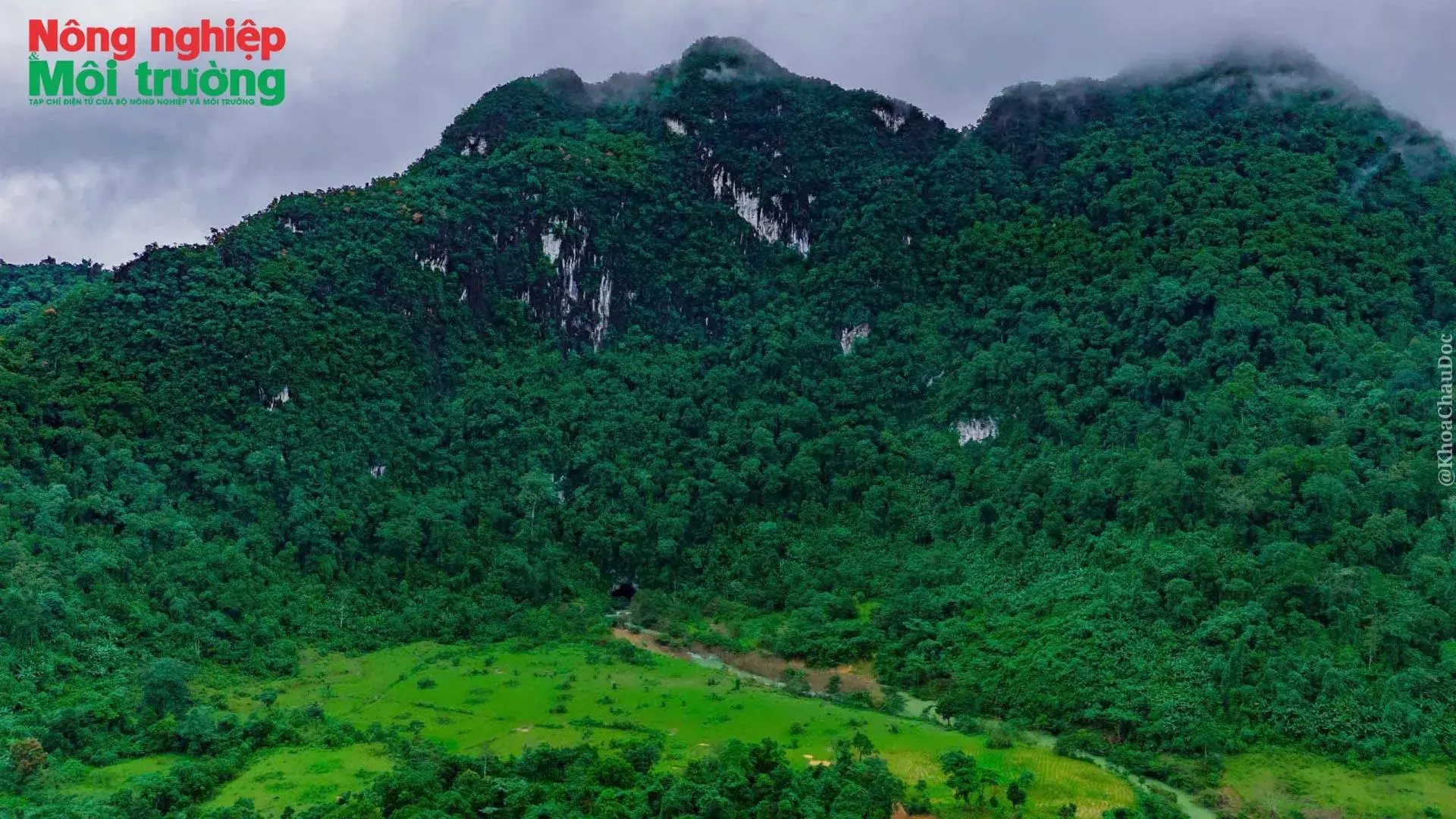
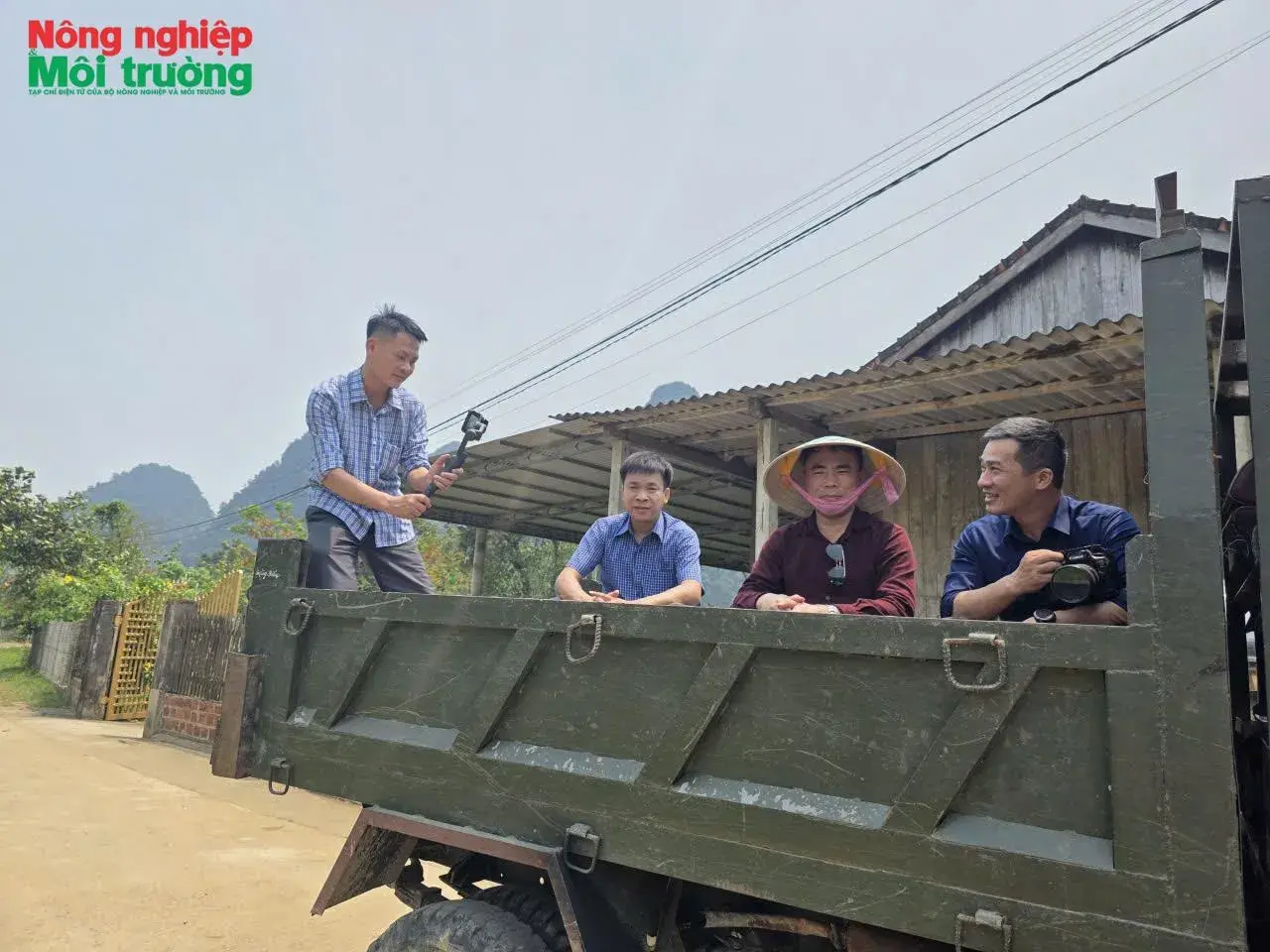
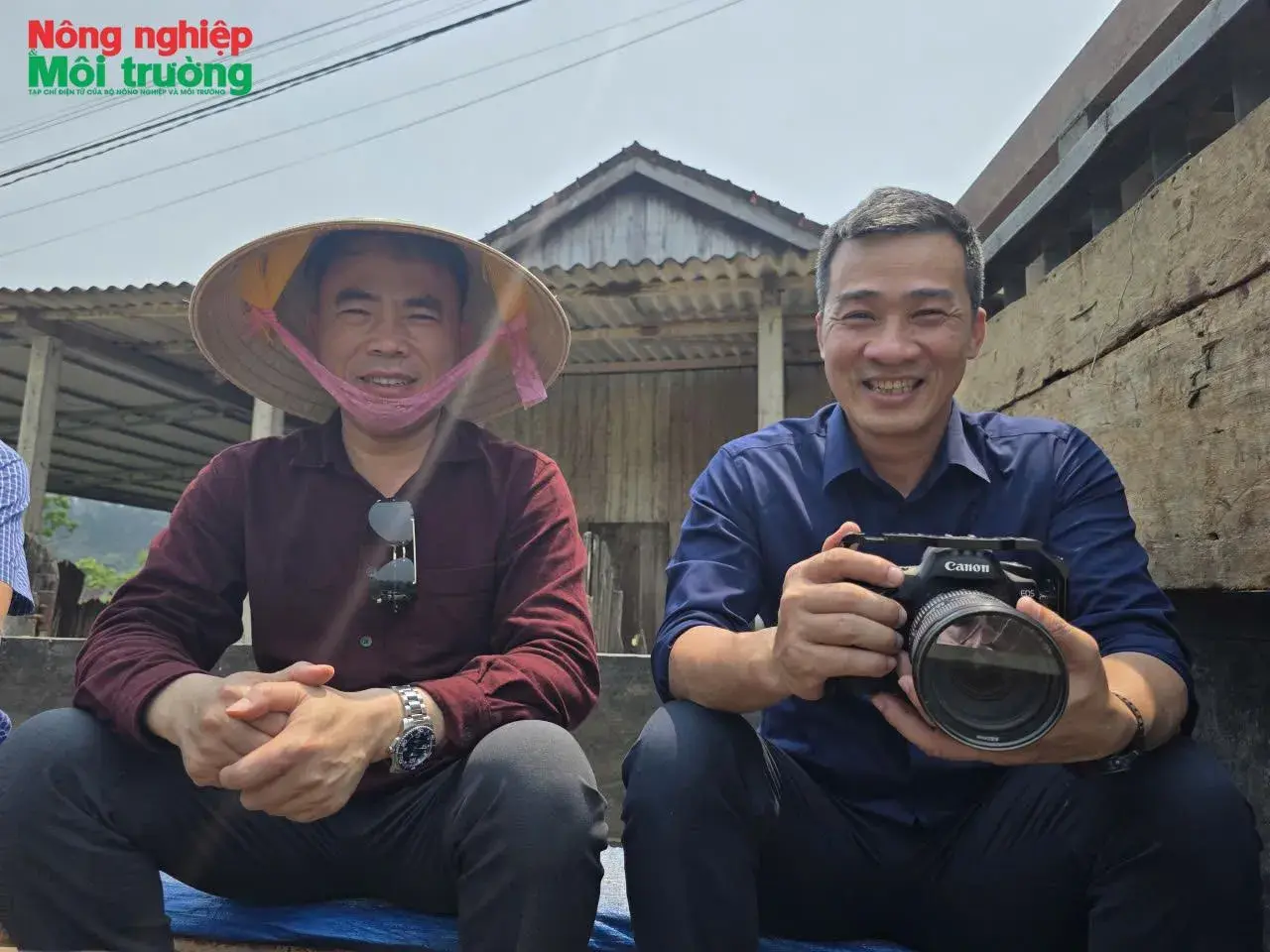
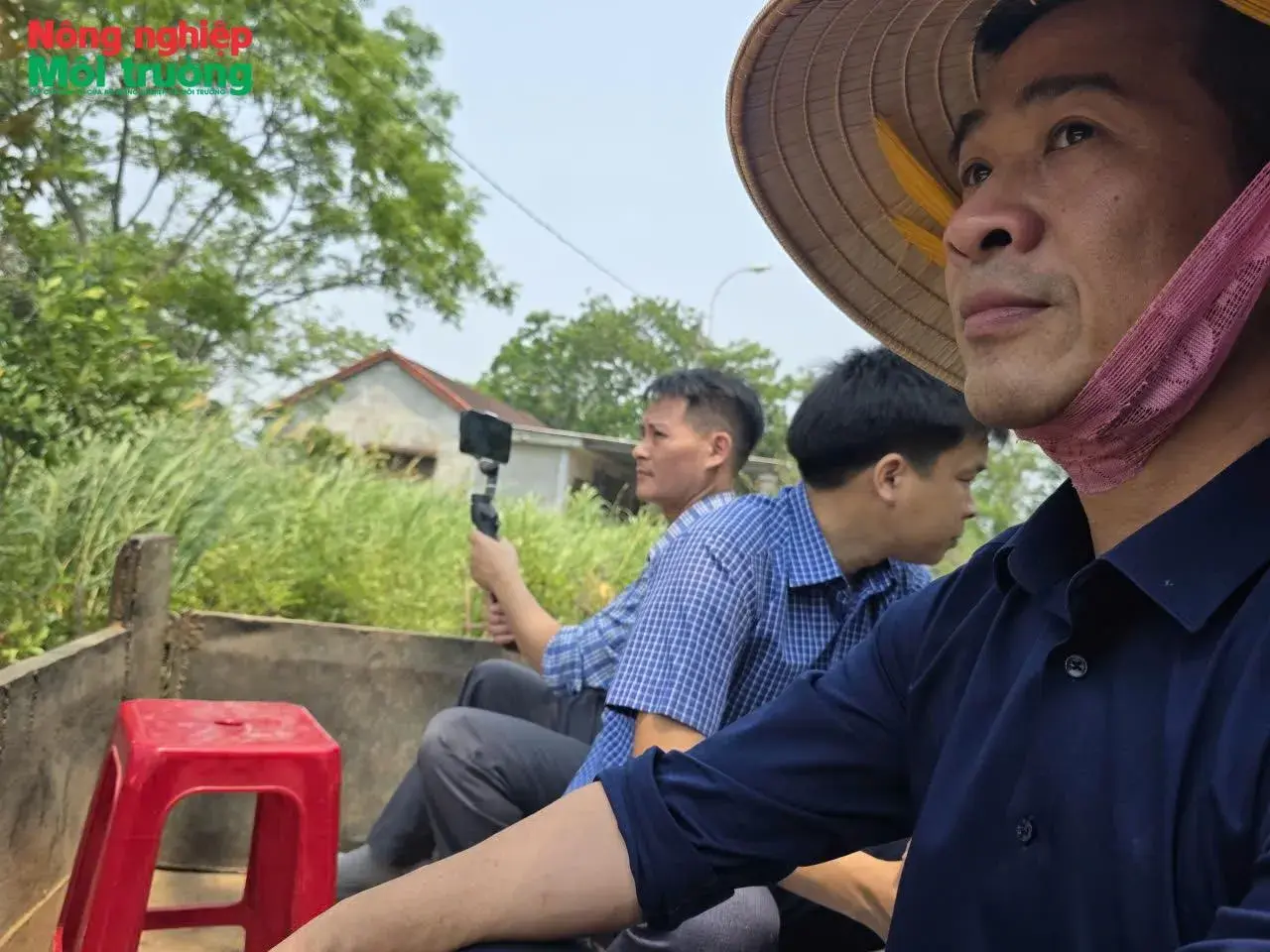
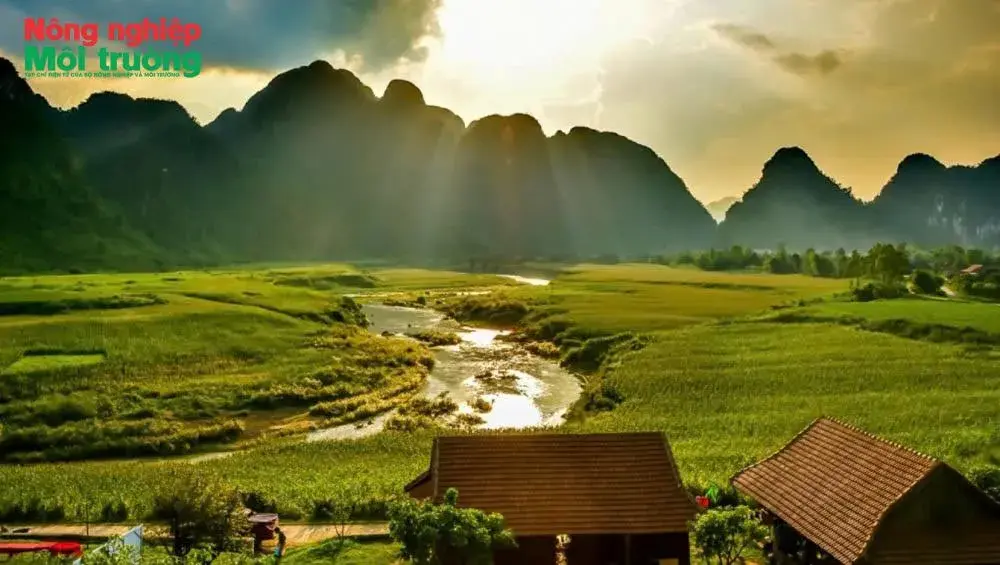
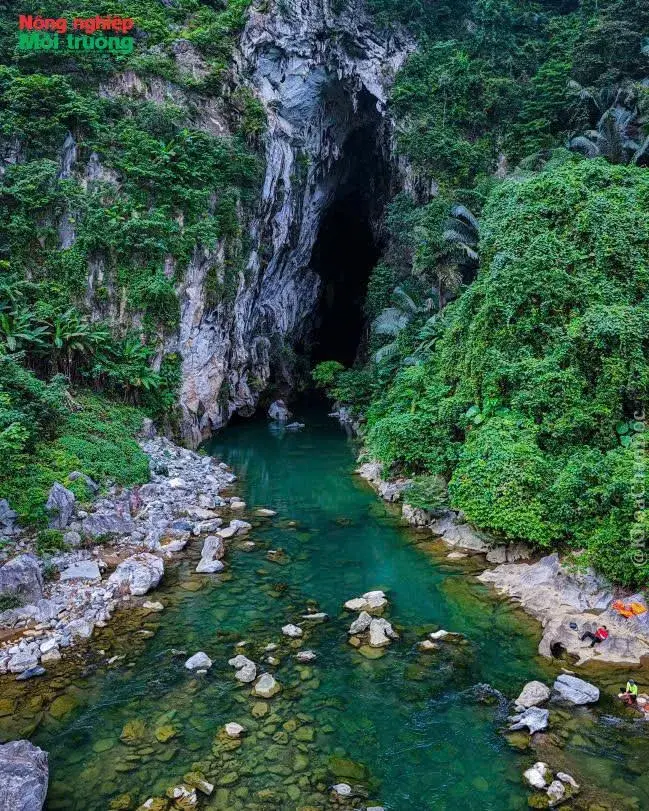
 During a field trip to central Viet Nam, a delegation from Agriculture and Environment Magazine conducted an on-site survey of Ruc Mon cave, one of the few karst caves in the Truong Son range that has retained its near-pristine condition. The visit provided hands-on experience and insight into the potential for eco-tourism development linked with conservation and sustainable livelihoods.
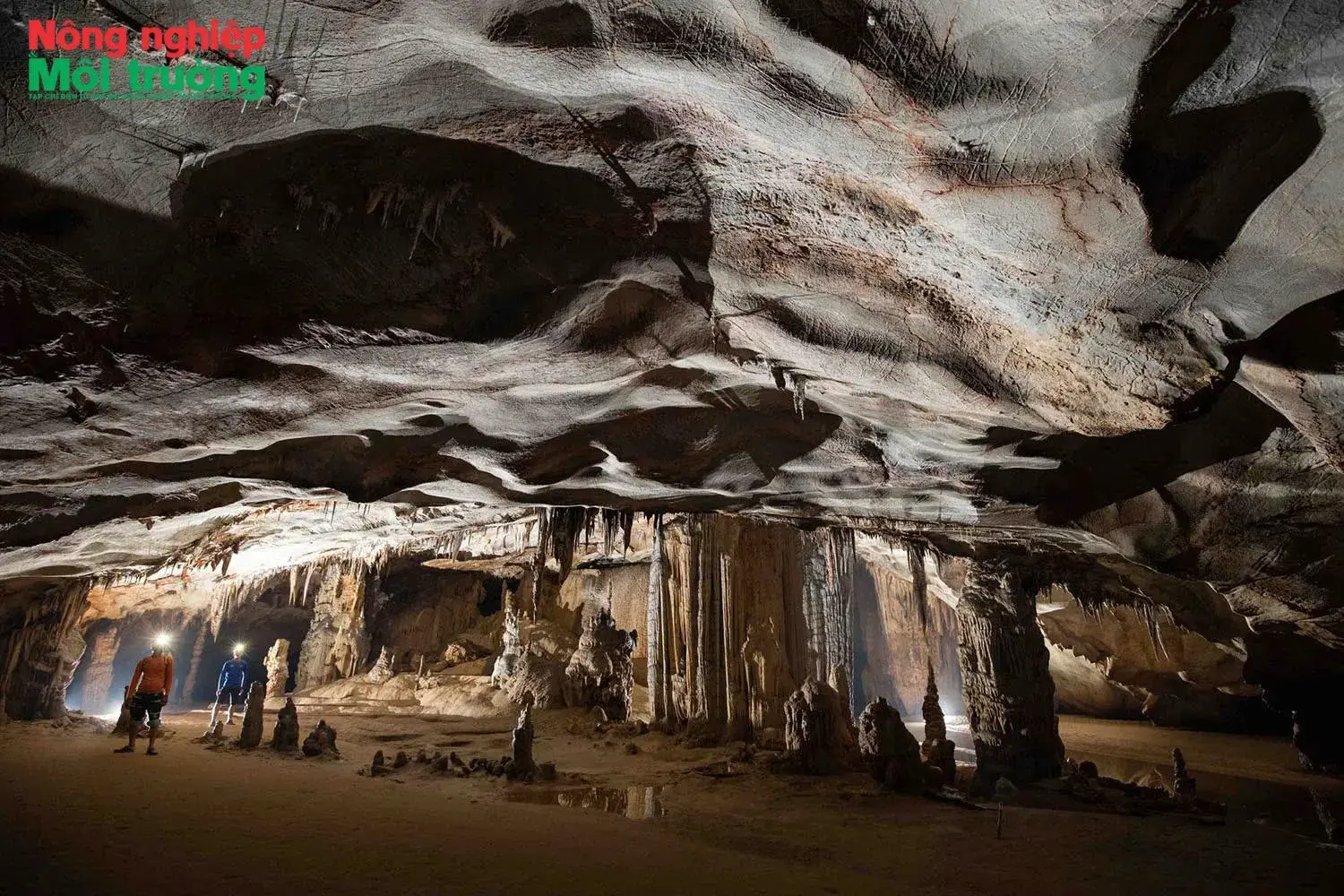
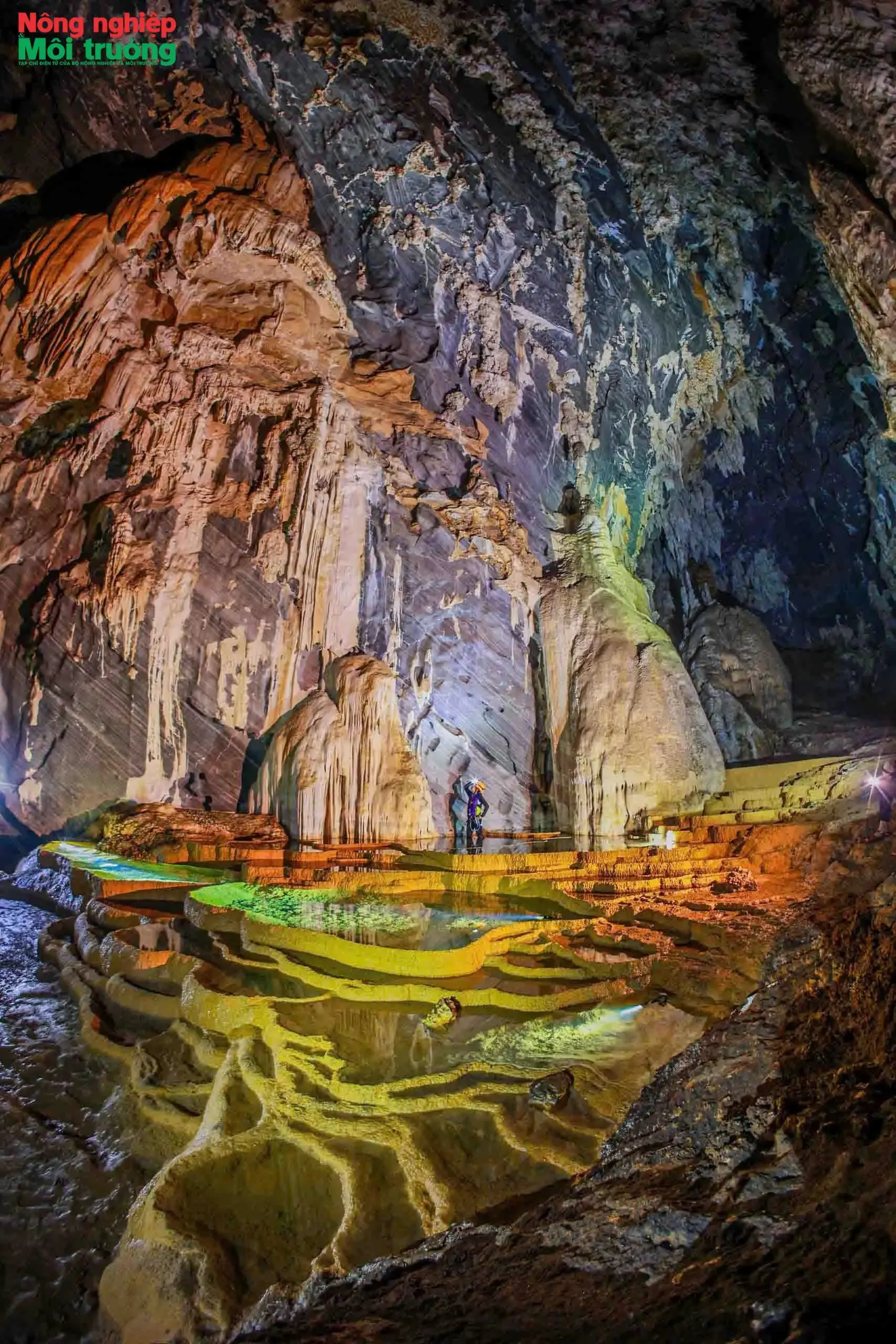
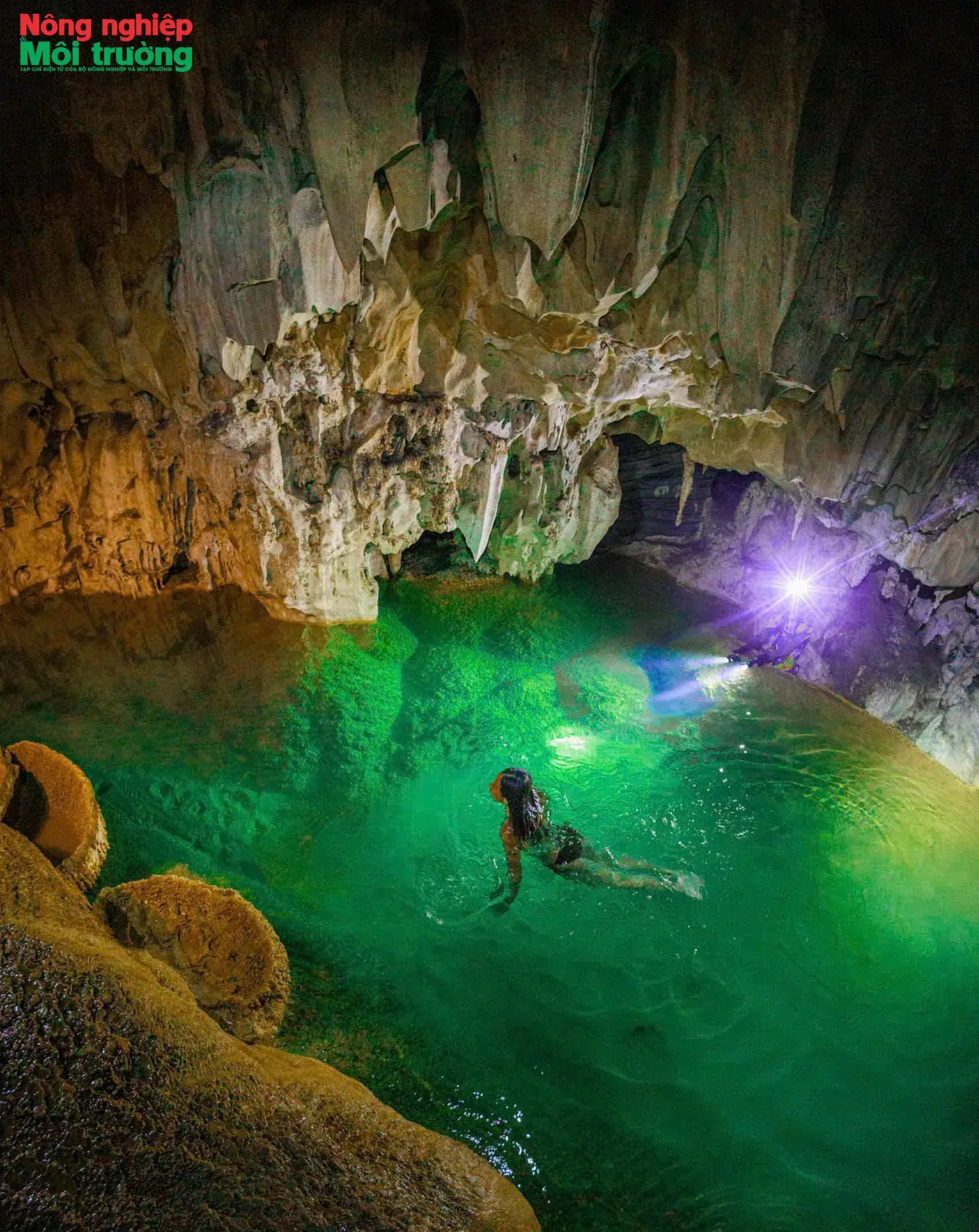
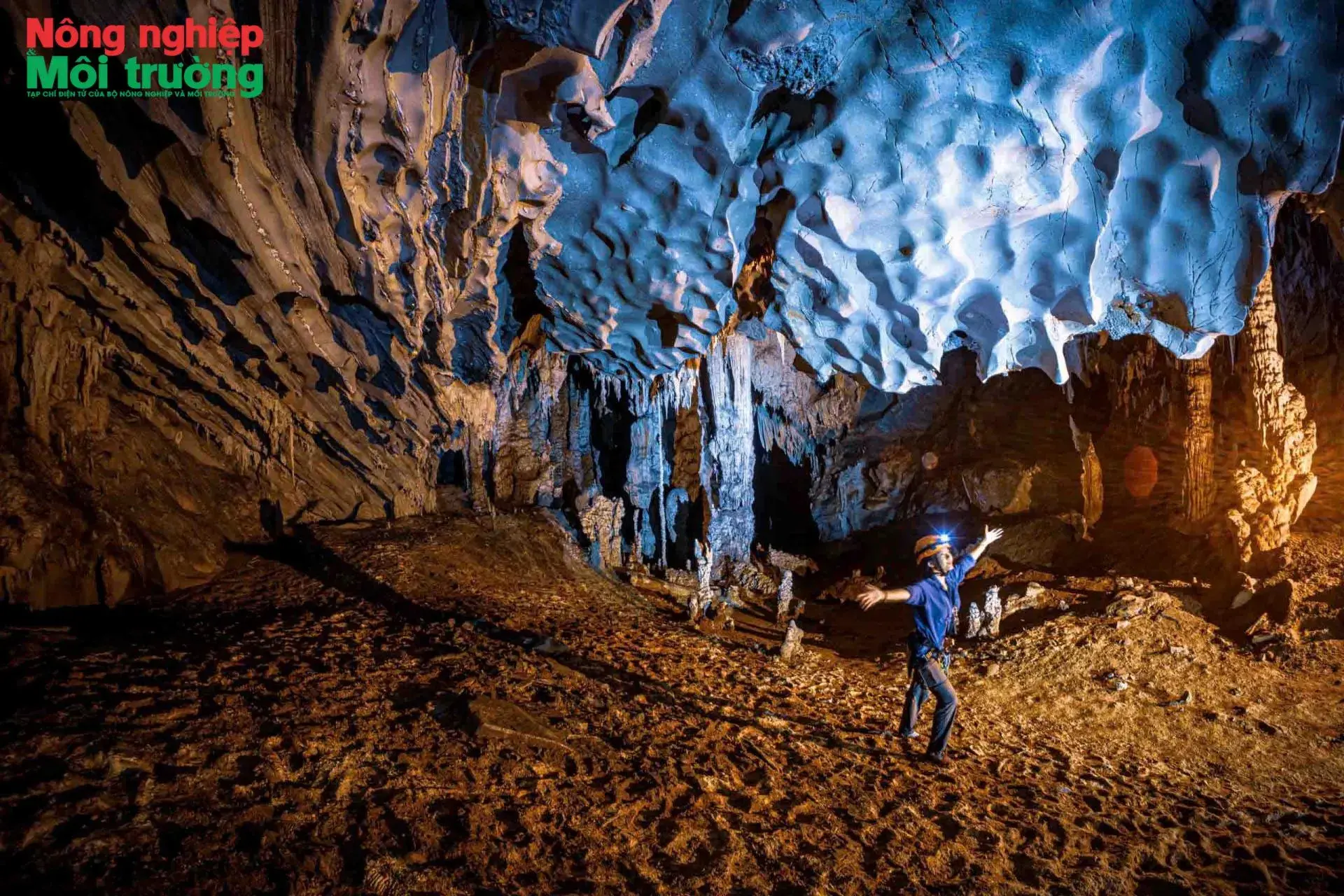
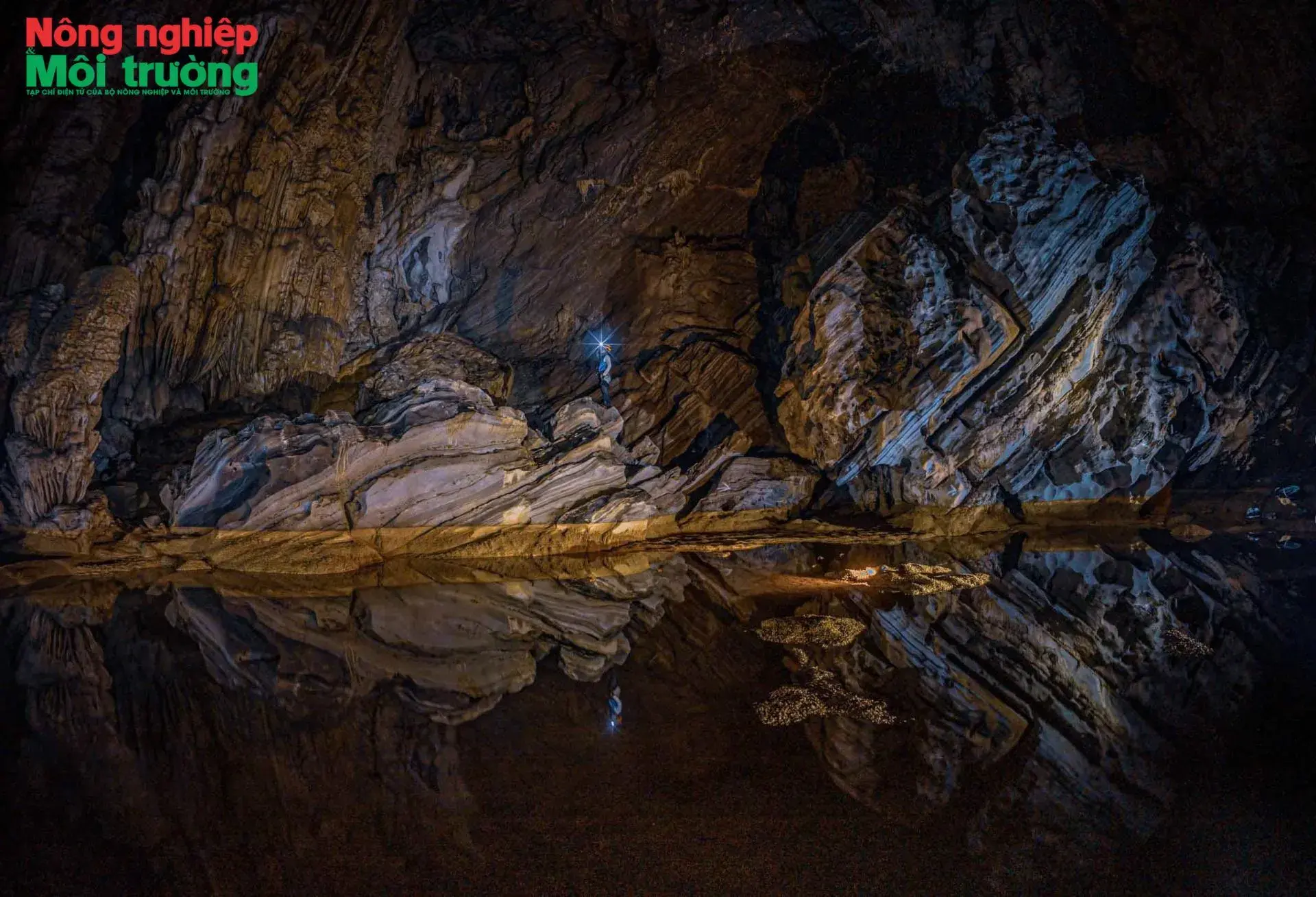
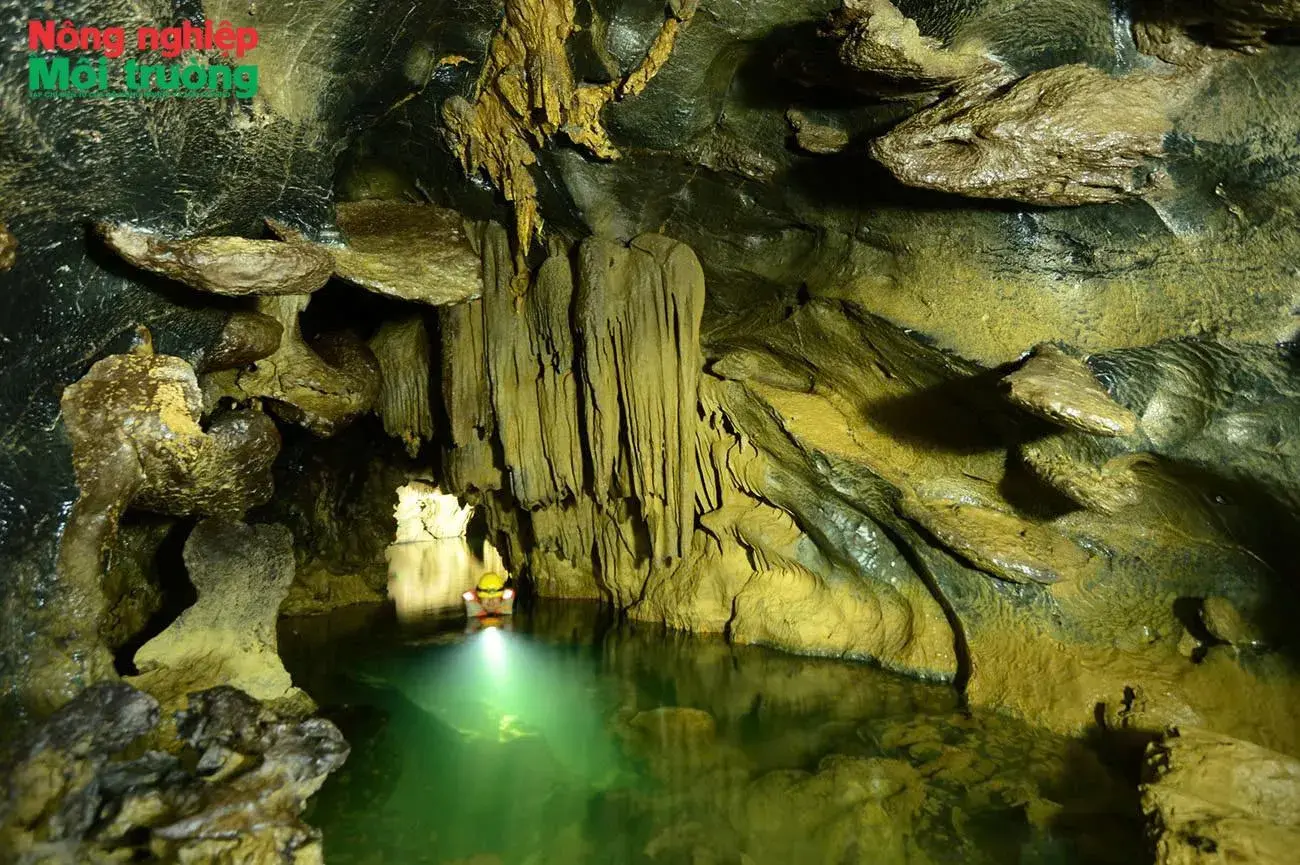
Inside the cave, the scene transforms dramatically. Extending nearly 3 km with ceilings over 50 meters high, Ruc Mon Cave resembles a vast geological labyrinth. Its system is clearly divided into dry and wet sections—the latter featuring an underground river with crystal-clear water, reaching depths of up to 30 meters in some areas. Unique stalactites and stalagmites form shapes reminiscent of “Phuc–Loc–Tho” figures, inverted lotus blossoms, shimmering “fairy hair,” and other natural sculptures, creating an enchanting space where each step feels like entering a living natural museum.
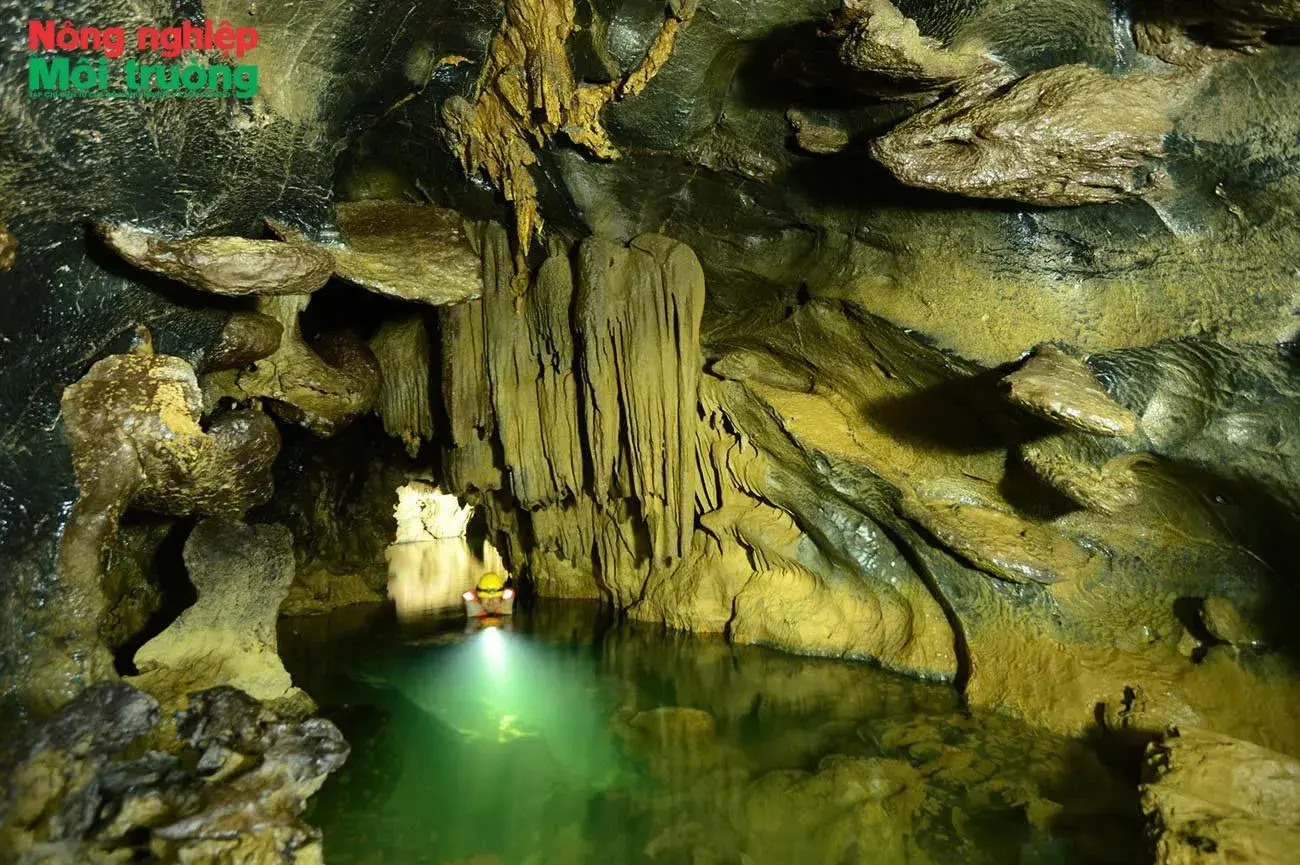
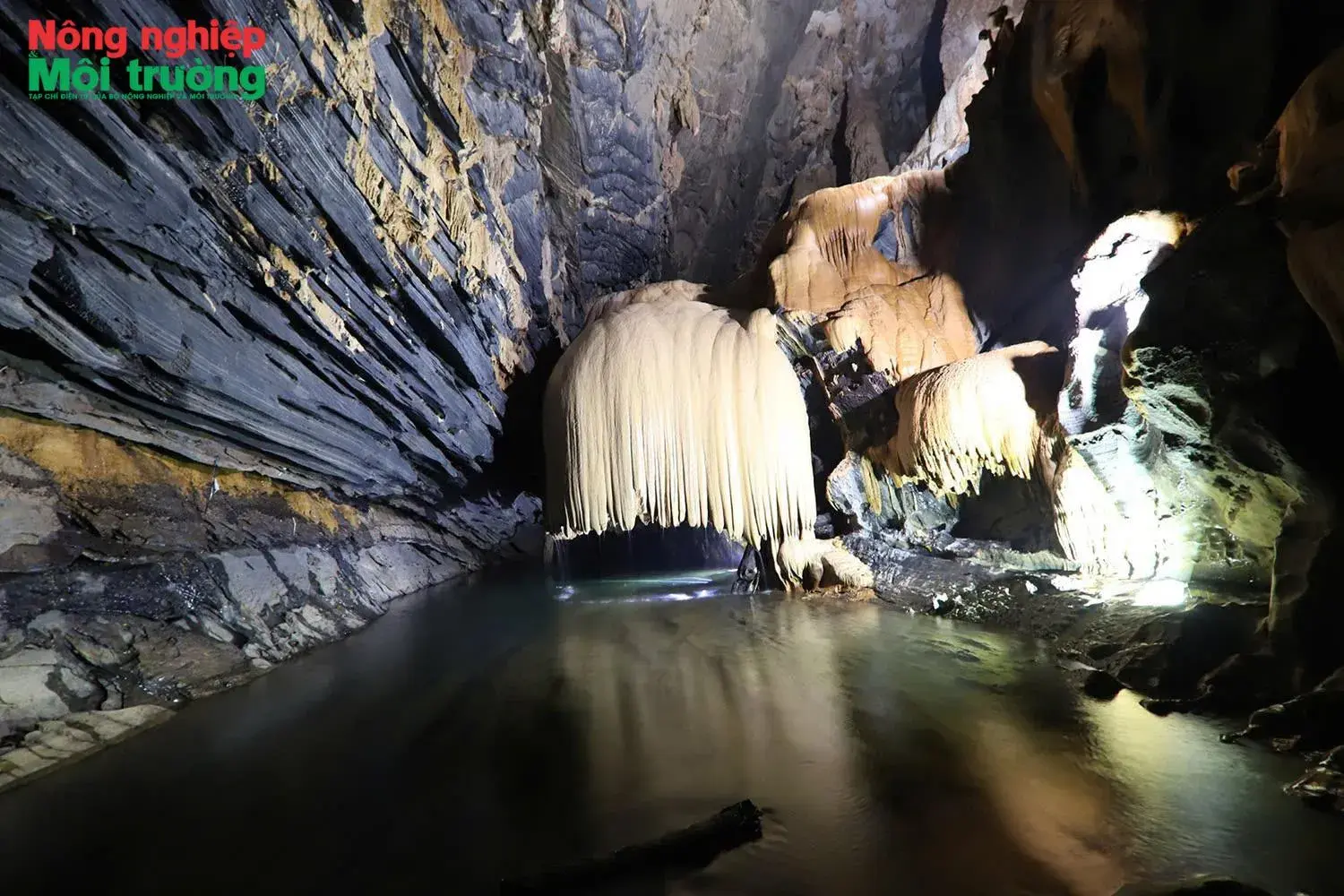
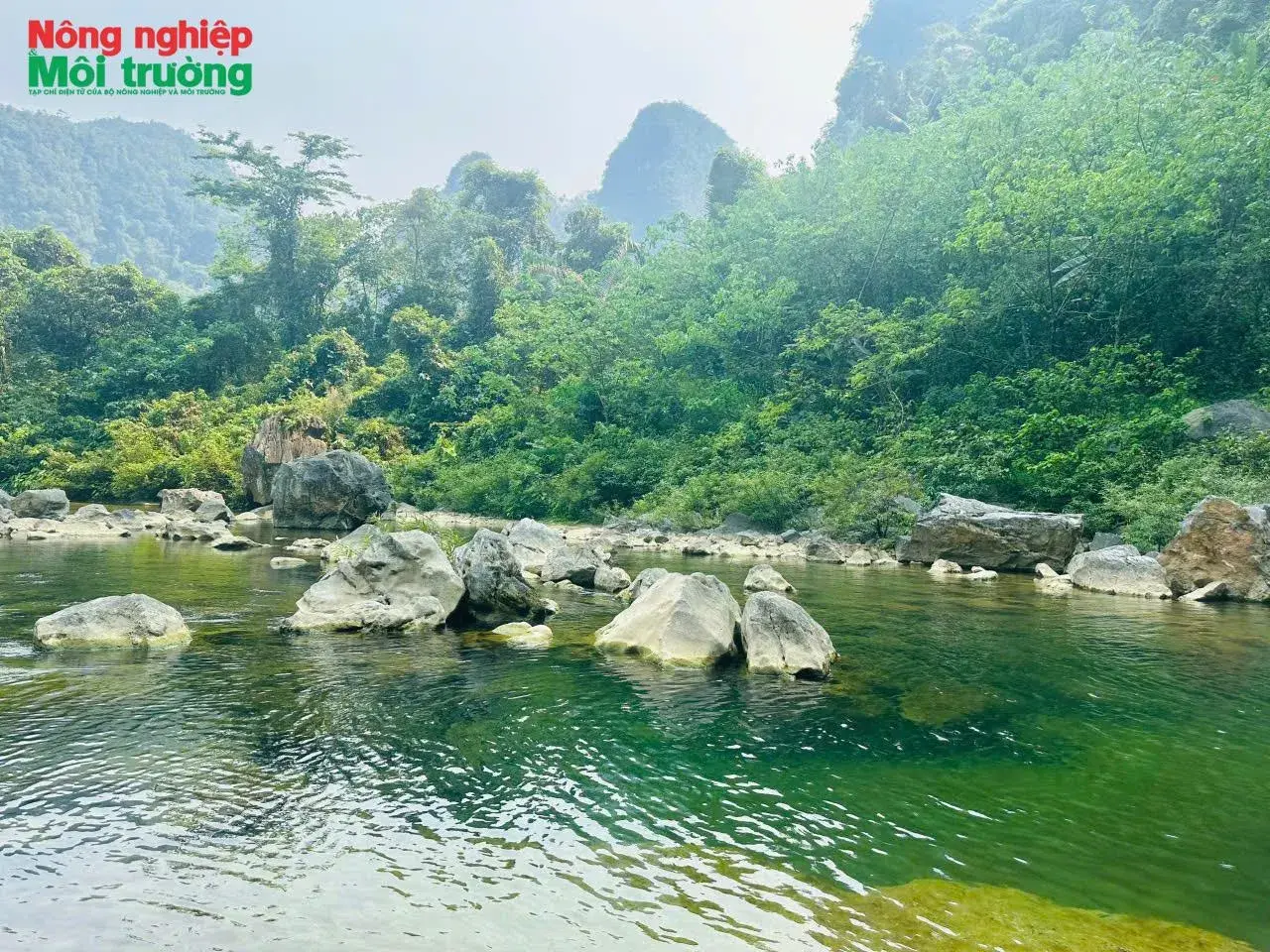
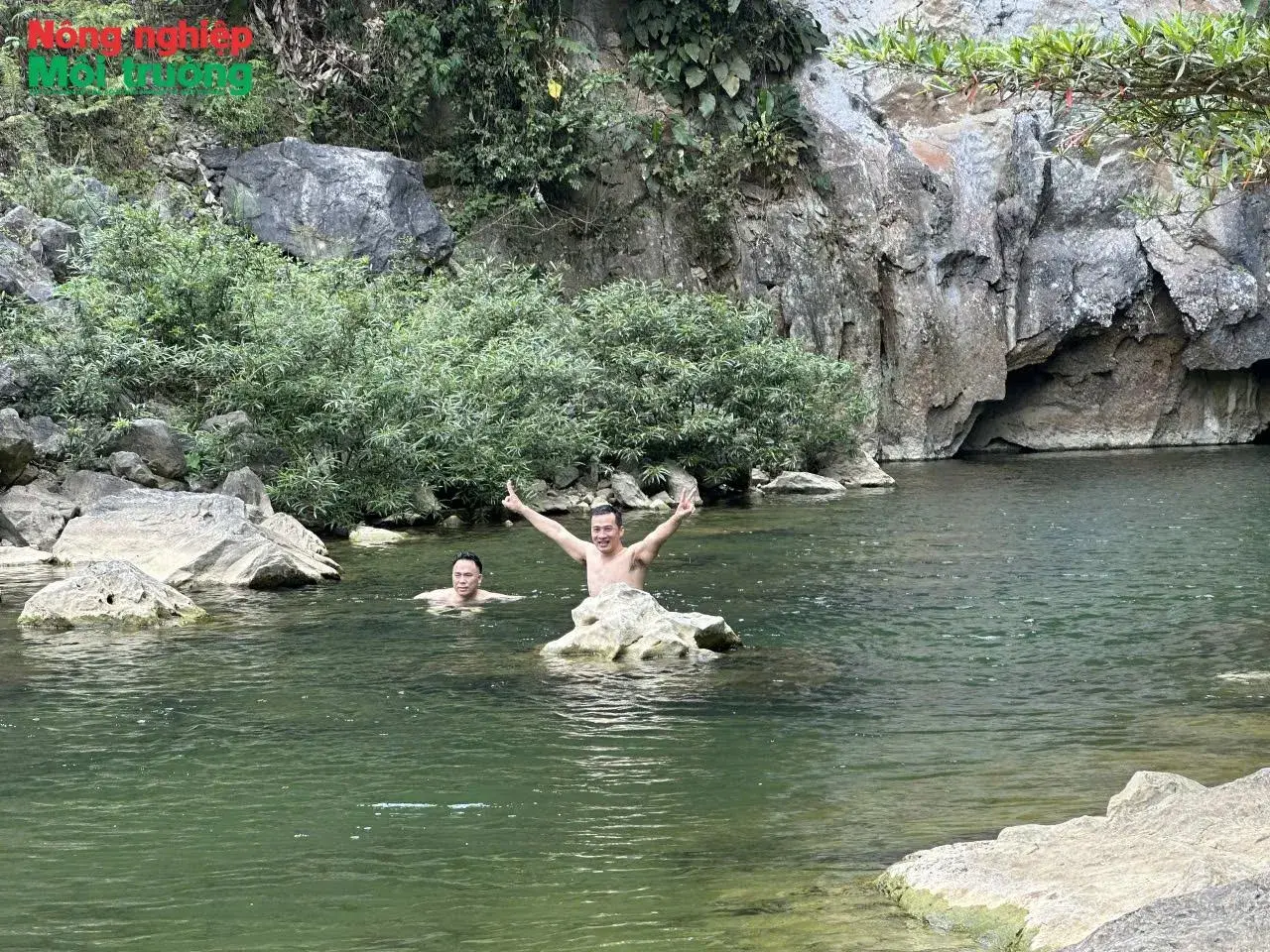
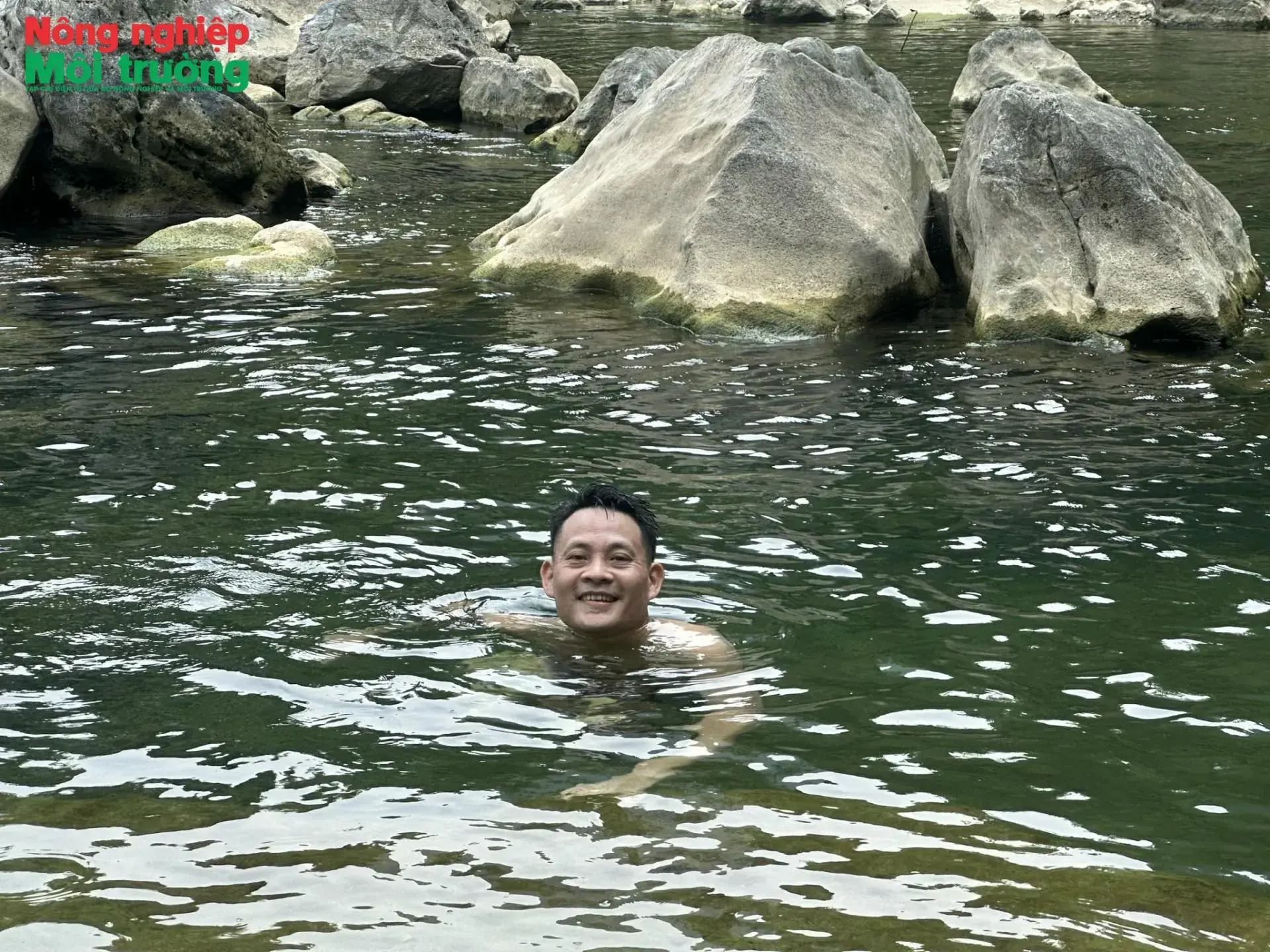
Delegation members noted that Ruc Mon Cave has significant potential for sustainable tourism, particularly given its proximity to the world-famous Phong Nha–Ke Bang National Park. However, any development must be carefully managed, prioritizing conservation while ensuring stable livelihoods for the local ethnic minority community.
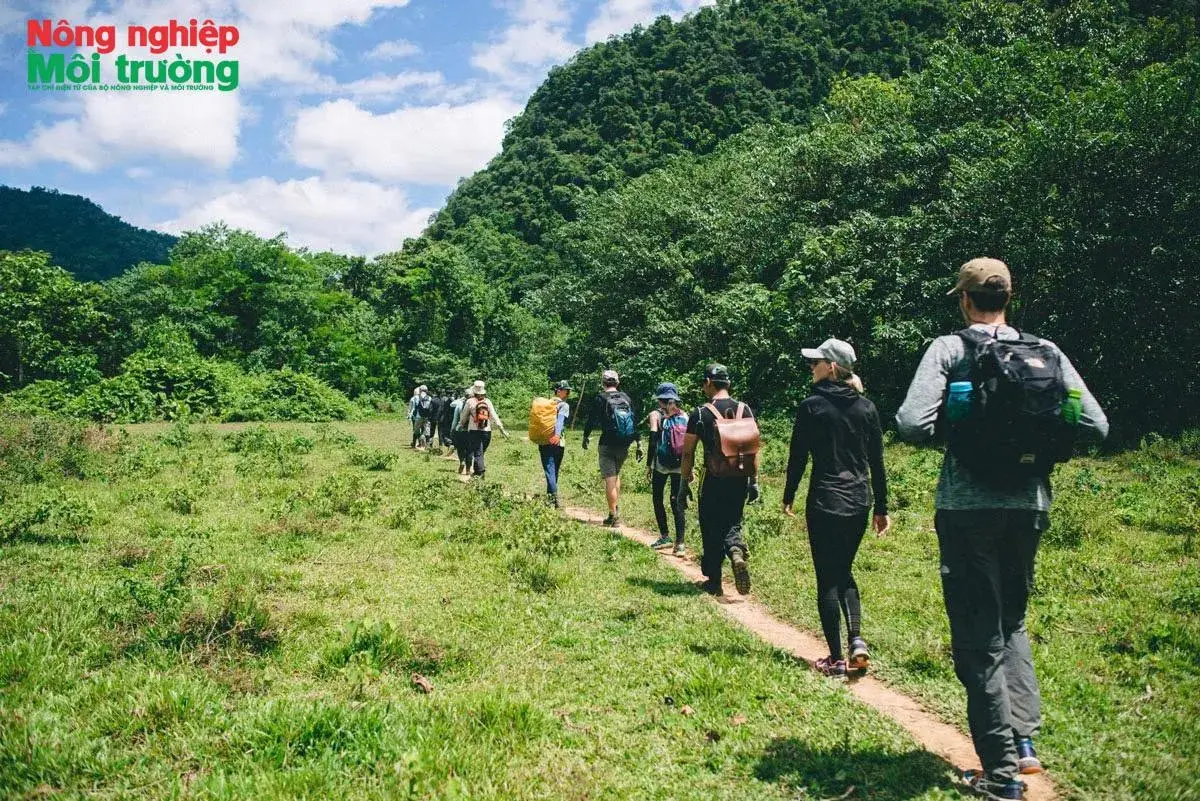
The expedition concluded, but the impression of this “rough gem” in the heart of the Truong Son Mountains remains vivid. With its unique geological, scenic, and cultural value, Ruc Mon Cave is not only a destination for adventure seekers but also a testament to the principle that tourism development should go hand-in-hand with nature conservation and the preservation of local cultural identity.
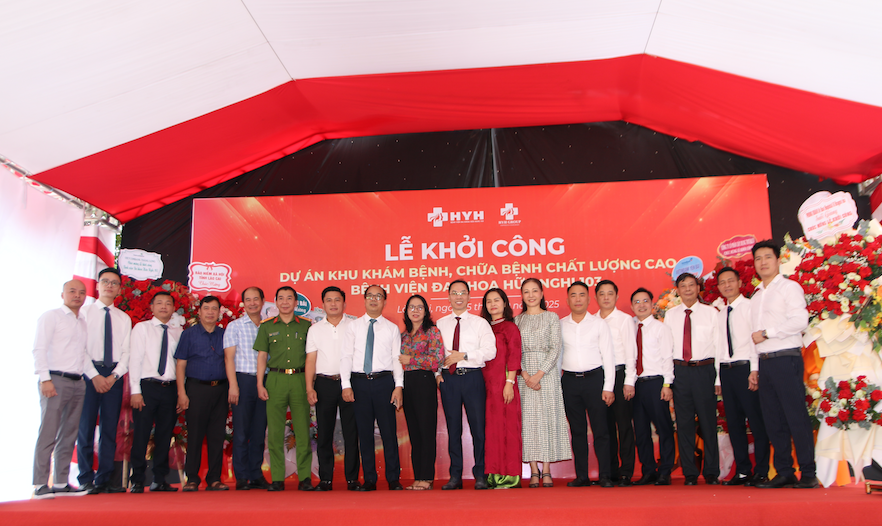
On September 25, in Yen Bai ward, Lao Cai province, the groundbreaking ceremony was held for the high-quality medical examination and treatment complex - Huu nghi 103 General Hospital, with HYH Group as the investor.
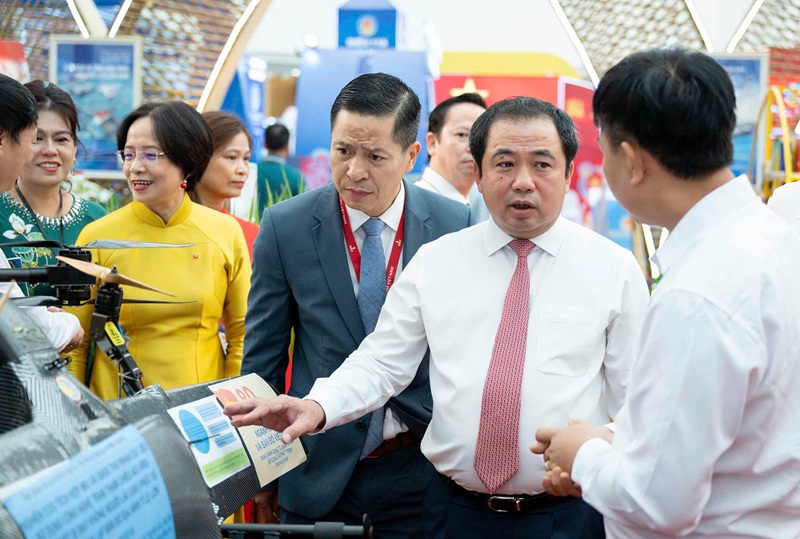
On August 28 at the Vietnam Exposition Centre in Hanoi, the opening ceremony of the National Achievements Exhibition themed “80 years of Independence - Freedom - Happiness” took place with great significance. Within this framework, the Ministry of Agriculture and Environment presented major scientific and technological achievements that reflect Vietnam’s journey of innovation, food security assurance, and sustainable agricultural development, while reaffirming the country’s position in global agricultural trade.
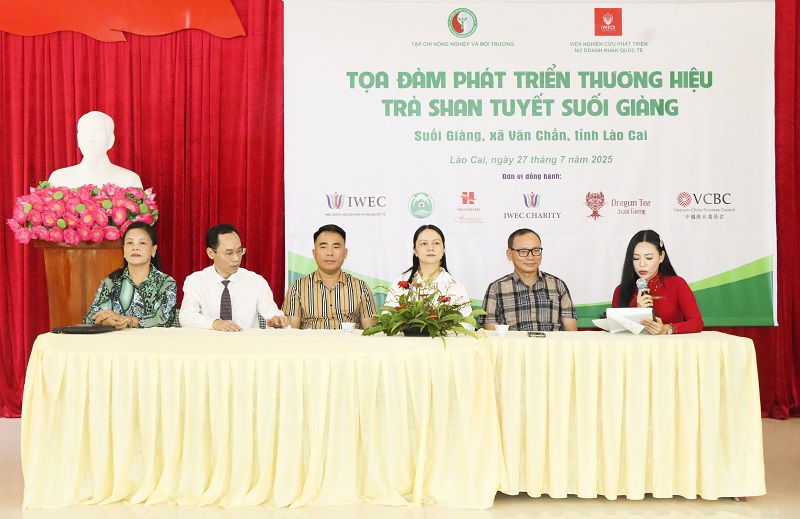
On July 27, 2025, in Van Chan Commune, Lao Cai province, the Agriculture and Environment Magazine, in collaboration with the International Women Entrepreneurs Development Institute (IWEDI), held a seminar titled “Developing the Suoi Giang Shan Tuyet tea brand: Elevating indigenous value”. The event brought together government officials, experts, business leaders, and local tea artisans to explore sustainable development strategies for Shan Tuyet tea, a unique “green treasure” of the Suoi Giang highlands.
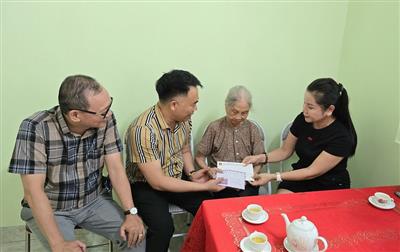
To mark the 78th anniversary of War Invalids and Martyrs Day (July 27, 1947 - July 27, 2025), the Agriculture and Environment Magazine and the International Institute for Women Entrepreneurs Development (IWED) jointly organized a commemorative trip to Vietnam’s Northwest region. The program included floral and incense tributes to President Ho Chi Minh and fallen soldiers at the Nghia Lo Prison and Outpost historical site, as well as a visit to Heroic Vietnamese Mother Nguyen Thi Hoa in Thuong Bang La commune, Lao Cai province.
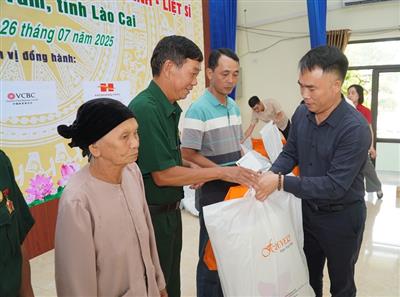
On the occasion of War Invalids and Martyrs Day (July 27), Vietnam’s national day of remembrance for wounded veterans and fallen soldiers, the Agriculture and Environment Magazine joined hands with the International Women Entrepreneurs Development Research Institute (IWEDI) to honor families of wounded and fallen servicemen through a community outreach event held in Lao Cai province.