


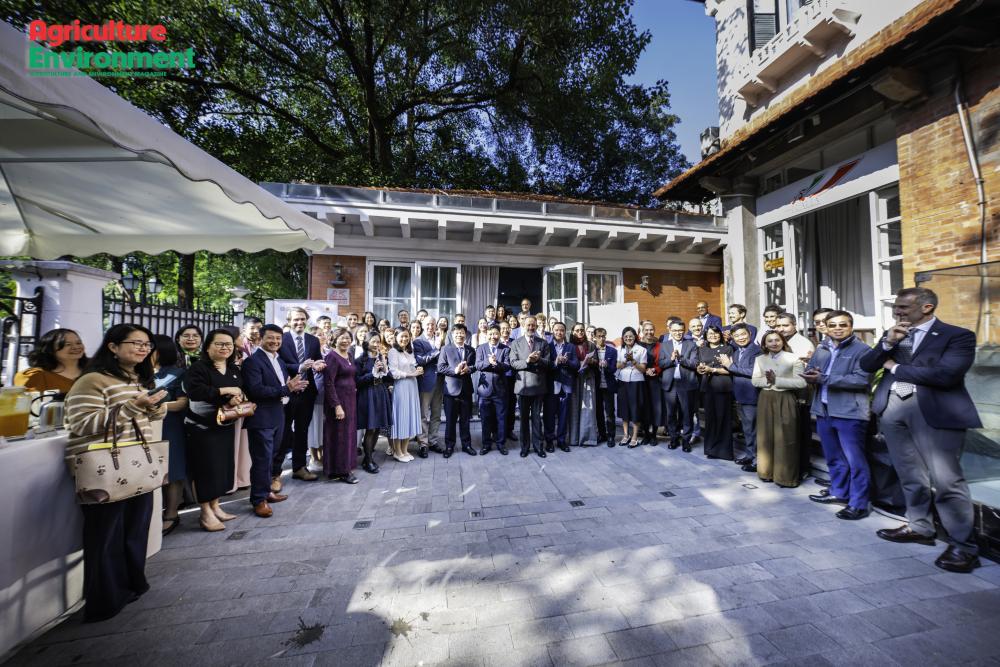
 The Embassy of Italy in Viet Nam and Thai Nguyen University of Agriculture and Forestry have joined the Viet Nam One Health Partnership for Zoonoses (OHP), broadening its network of institutional partners. The signing ceremony, held at Casa Italia in Hanoi on November 26, 2026, was accompanied by a meeting of the Food Safety Technical Working Group, where participants examined Italian and European Union (EU) regulatory practices and discussed priorities for improving food safety management in Viet Nam.
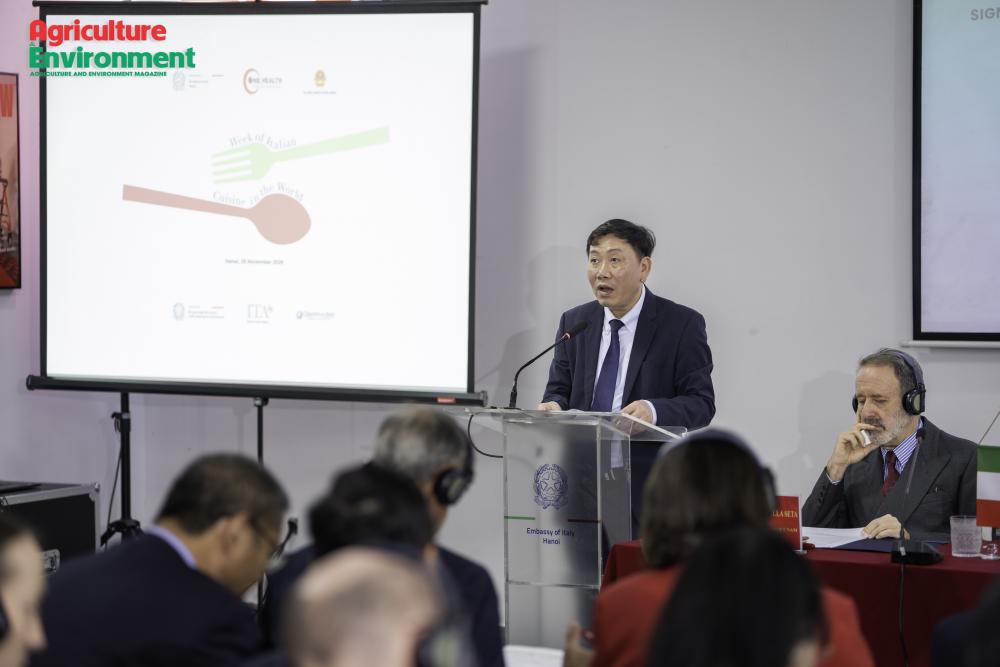
New members strengthen links between international expertise and local implementation
The signing ceremony took place as part of the 11th edition of Italian Cuisine Week in Viet Nam. Participants included representatives of government agencies, the Italian Embassy, EU and Italian experts, research institutes, universities, professional associations, businesses and development partners.
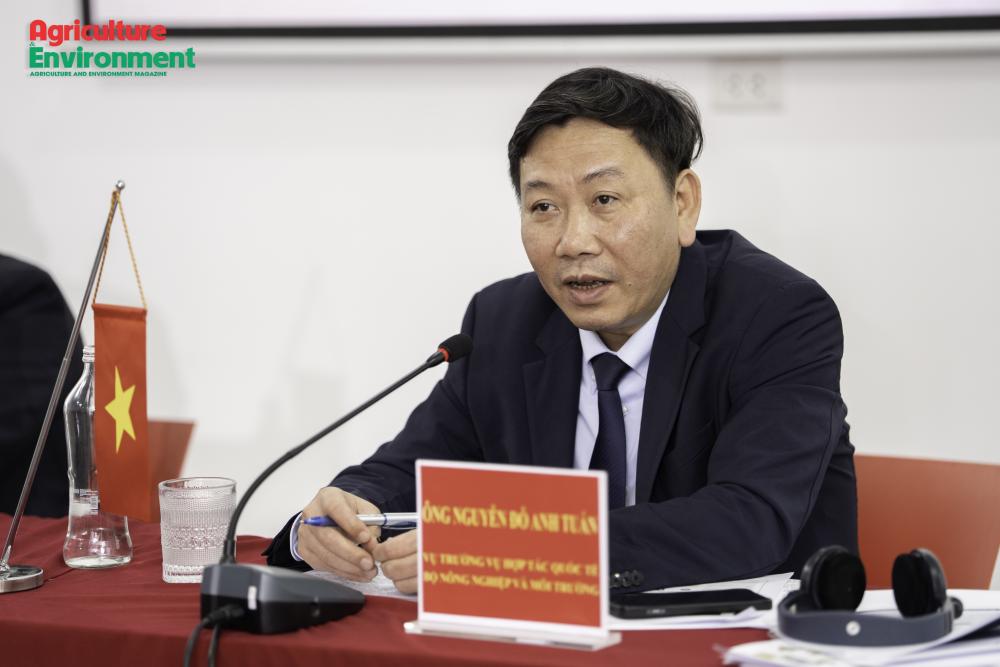
In his opening remarks, Nguyen Do Anh Tuan, Director General of the International Cooperation Department at the Ministry of Agriculture and Environment (MAE), highlighted OHP's role in connecting government agencies, international organizations, development partners, research institutes, universities and the private sector. The partnership grew out of cooperation on preventing and controlling avian and human influenza and has gradually developed into a cross-sectoral platform for advancing the One Health approach.
According to Nguyen Do Anh Tuan, the 2026–2030 period calls for OHP to further strengthen its role in facilitating policy dialogue and technical cooperation, improve coordination among sectors, and align programs, projects and resources. The objective is to translate shared cross-sectoral priorities into concrete activities and results. Technical working groups, he said, play an important role in connecting experts, sharing scientific evidence and identifying priority issues requiring coordinated action.
The admission of the Italian Embassy and Thai Nguyen University of Agriculture and Forestry (TUAF) provides two complementary avenues for expanding the partnership.
Italy's participation will create an additional institutional link between OHP and Italian specialized agencies, scientific organizations, businesses and cooperation networks. This is expected to provide further opportunities for policy dialogue, knowledge-sharing and cooperation in institutional capacity, technology and human resource development, particularly in One Health and food safety.
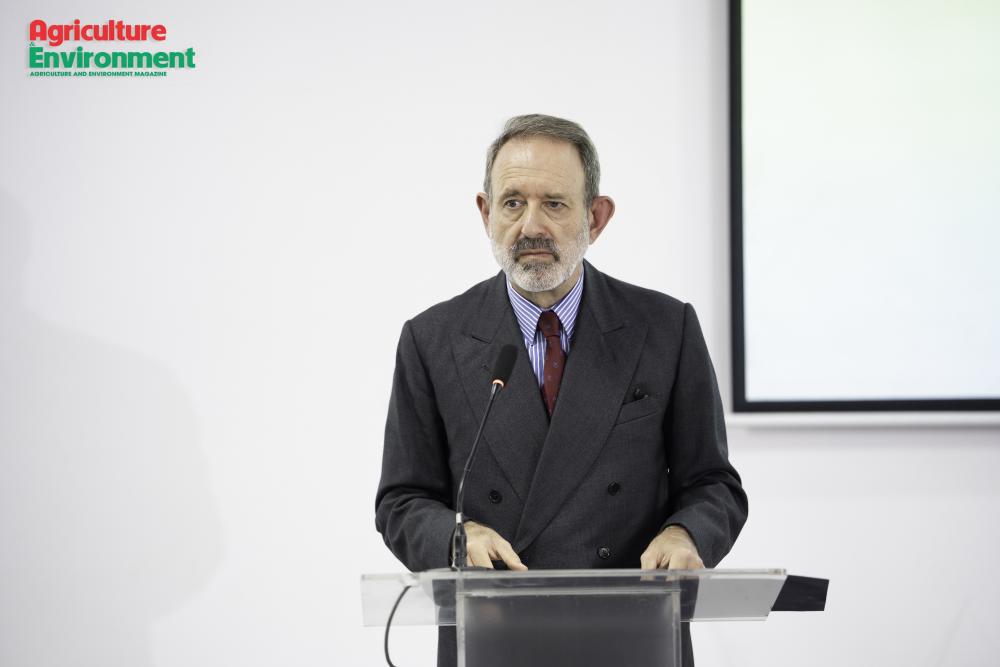
Speaking at the event, Italian Ambassador to Viet Nam Marco Della Seta said Italy and Viet Nam shared many similarities in their agricultural traditions, food cultures and emphasis on food quality. Protecting agricultural resources, ensuring food safety and safeguarding the health of consumers, animals and the environment were shared responsibilities for both countries.
He emphasized the growing importance of the One Health approach in addressing interconnected challenges affecting human, animal and ecosystem health. Italy was ready to share its institutional, scientific and technical experience while learning from Viet Nam's achievements and cooperation priorities.
Meanwhile, TUAF has strengths in education, research and technology transfer across agriculture, livestock production, veterinary medicine, environmental science and food technology. Selected by the province as a focal institution for promoting One Health activities locally, the university is well positioned to connect government agencies, veterinary and health authorities, environmental institutions, communities and OHP technical groups.
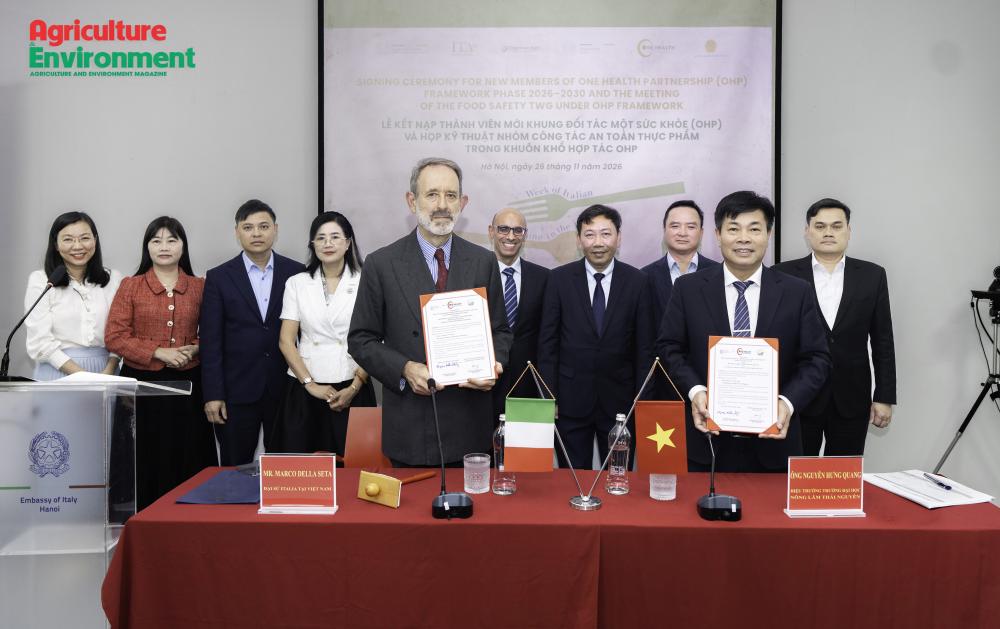
Experience in Thai Nguyen also demonstrates that universities can contribute beyond scientific research by directly supporting interventions along food supply chains. At the meeting, university representatives presented a One Health model for improving food safety in the pork supply chain, covering farms, slaughterhouses, markets and consumers.
EU and Italian practices highlight the role of risk-based food controls
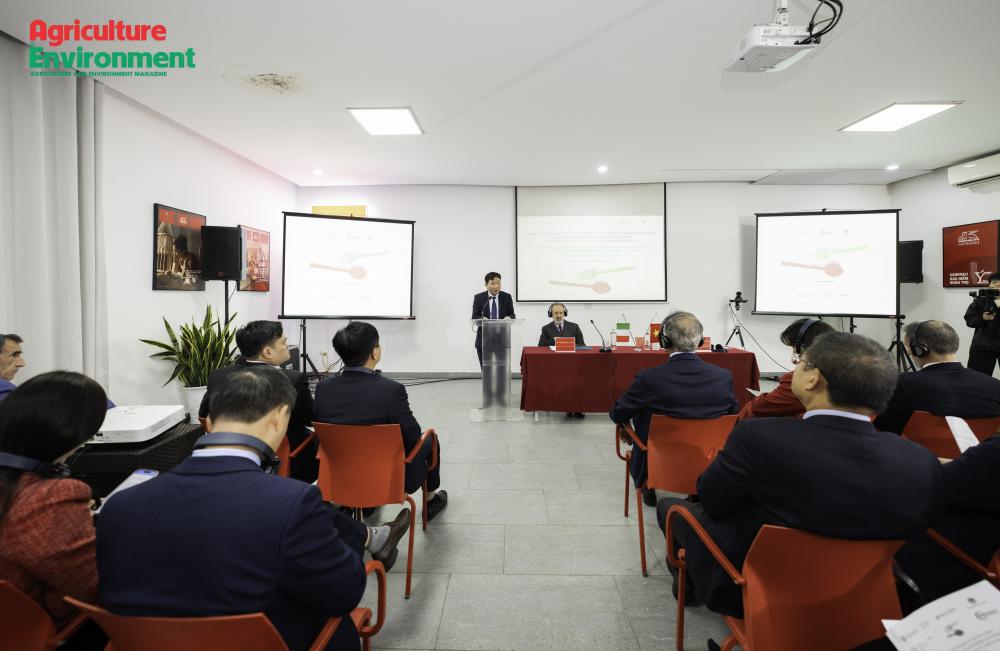
A key part of the program was a meeting of the Food Safety Technical Working Group under the theme “Food safety regulatory frameworks and prospects for cooperation in Italy and the European Union: Implications for Viet Nam and exporting countries.”
Presentations focused on three issues directly affecting food production, trade and exports: risk assessment of pesticide residues, official controls on imported food and traceability throughout supply chains.
A representative of the European Food Safety Authority (EFSA) outlined the role of independent scientific risk assessment in developing food safety regulations, particularly in establishing maximum residue levels (MRLs) for pesticides.
An important distinction is that an MRL is a legal limit on the amount of pesticide residue permitted in or on food when plant protection products are used in accordance with approved conditions. It is not a toxicity threshold. Assessing potential risks to consumer health also requires consideration of dietary exposure and toxicological reference values. This distinction is essential when interpreting residue monitoring results and evaluating food safety.
On import controls, Diana Quiliquini, a representative of Unit G4 – Official Controls at the European Commission's Directorate-General for Health and Food Safety (DG SANTE), outlined the system established under Regulation (EU) 2017/625. The regulation provides a harmonized framework for official controls covering food and feed, animal health and welfare, plant health and other areas related to the agri-food chain.
According to Diana Quiliquini, the EU's control system is based on clearly defined responsibilities. Food business operators bear primary responsibility for food safety, while competent authorities in EU member states conduct inspections and monitoring. The European Commission, in turn, audits national control systems to assess their effectiveness and ensure consistent implementation of EU regulations.
For consignments subject to border controls, the process involves three types of checks: documentary, identity and physical checks. Documentary checks apply to all relevant consignments, while the frequency of identity and physical checks depends on the type of commodity and its associated risk. Higher-risk commodities are subject to harmonized inspection frequencies at designated border control posts, with checks conducted at the first point of entry into the EU.
An important component of the system is TRACES, the EU's digital platform for managing trade and official control information. It includes the Common Health Entry Document (CHED), which is used to notify the arrival of consignments in advance and record inspection results. Importers must submit prior notifications through the system, while competent authorities record inspection findings before goods can be released for free circulation in accordance with applicable regulations.
The presentation also addressed several technical issues directly relevant to Viet Nam. According to information shared at the meeting, Viet Nam has actively used TRACES to issue health certificates, but these certificates are not yet digitally signed, meaning paper certificates must still accompany consignments. The possibility of using an electronic seal had been explored, but the process had not been finalized. For electronic phytosanitary certificates (ePhytos), the presentation also raised the question of whether Viet Nam plans to develop a national system connected to the International Plant Protection Convention (IPPC) ePhyto Hub.
Drawing on Italy's experience, a representative of the Central Inspectorate for Quality Protection and Fraud Repression of Agri-food Products (ICQRF) outlined how quality assurance before export, border controls and domestic traceability can be linked. TRACES/CHED, together with specialized databases covering products such as wine and olive oil, helps authorities cross-check information on consignments, processing, inventories and products placed on the market.
These experiences illustrate why food safety controls cannot be confined to border inspections. They need to operate throughout the supply chain, supported by interconnected and verifiable data. This is particularly important for exporting countries seeking to maintain access to the EU market.
Viet Nam's draft food safety law outlines priorities for regulatory reform
At the meeting, Dinh Thi Thu Thuy, Deputy Director of the Food Safety Department under the Ministry of Health, presented key policy directions in the draft revised Law on Food Safety. The draft centers on five major policy areas: risk-based food safety controls across the entire supply chain, from farm to fork; reform of management and inspection procedures; improved oversight of food services; digitalization of food safety data; and consolidation of state food safety management under a single lead agency.
A shift toward supply-chain management requires coordinated controls covering raw material production, crop cultivation, livestock farming, processing, storage, transportation, distribution and consumption. Technical safety limits, inspections of imported food, traceability and post-market inspections are among the key tools proposed to implement this approach.
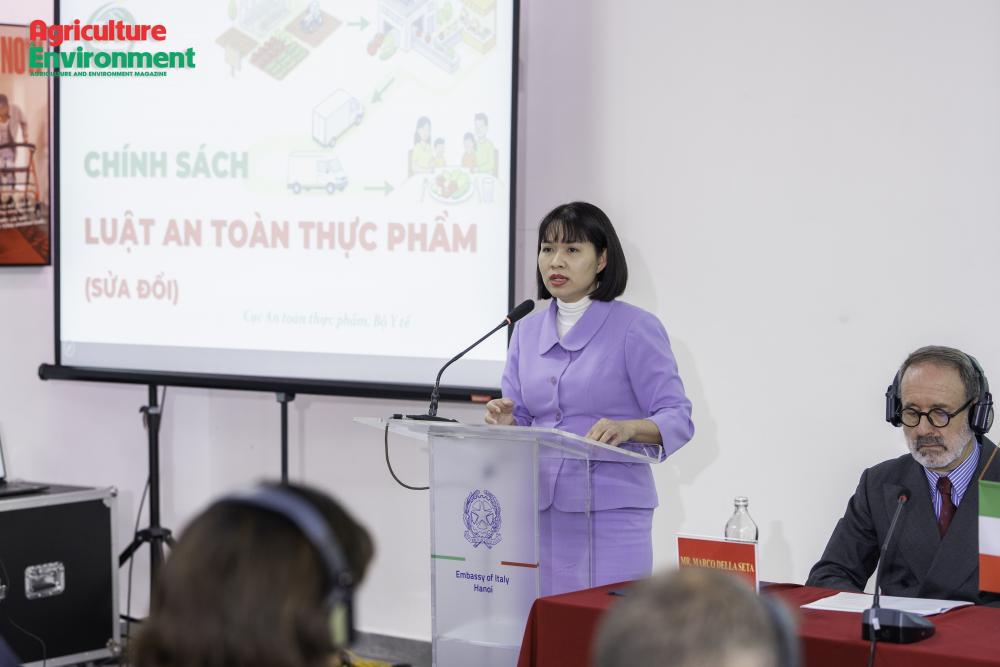
One issue attracting particular attention is how food production and business establishments and food service providers should be regulated. The draft seeks to strengthen risk-based post-market inspections rather than apply blanket checks across all products and businesses. Establishments handling high-risk products or showing signs of violations would receive priority for monitoring and inspection.
For collective catering facilities, meal providers and street food businesses, the draft also seeks to clarify responsibilities for food safety, including those of institutions receiving meals from external suppliers.
Building an interconnected food safety information system across ministries and sectors is another priority. Linking data on products, production establishments, product declarations, inspection results and compliance records would give authorities a stronger basis for tracing food origins, selecting targets for post-market inspections and addressing violations. Businesses would also be able to reduce the need to submit the same information repeatedly to different government agencies.
The proposal to consolidate state food safety management under a single lead agency at the Ministry of Health is also included in the draft. However, this remains part of the legislative development process. Further work is needed to clarify coordination responsibilities among sectors and establish a transition roadmap that will not disrupt production and business activities
The draft revised Law on Food Safety was submitted to the 16th National Assembly for consideration during its second session and is expected to be considered for passage at the third session in May 2027. Against this backdrop, discussions with international experts and partners provided an opportunity to examine regulatory experience, identify technical requirements and contribute to further policy development.
Domestic experience presented at the meeting also highlighted the growing role of technology and multi-stakeholder participation in food supply chains.
Representatives of the Ho Chi Minh City High-Tech Association shared experience from a decade of traceability initiatives covering pork, poultry and eggs, as well as programs such as Tick Xanh Trách Nhiệm (Responsible Green Tick) and Suất Ăn Minh Bạch (Transparent Meals). These initiatives rely not only on technology but also on economic incentives for businesses and oversight by local authorities, schools and parents.
Farm4trade representatives introduced ADAL, a system using artificial intelligence (AI) and computer vision to capture and analyze images of carcasses and lesions on slaughter lines, linking the findings to carcass identification codes, consignments and farms. The technology could support veterinary inspectors in inspection, monitoring and data analysis, but it is not intended to replace professional veterinary assessments. Any application in Viet Nam would require validation and assessment in coordination with competent authorities.
Based on the discussions, Vietnamese, Italian and EU participants identified several priority areas for cooperation. These include strengthening risk assessment and controls on residues, microbiological hazards and other food safety threats; improving laboratory testing capacity; connecting traceability data across supply chains; applying digital technologies and AI to inspection and monitoring; improving food safety at traditional markets, small-scale slaughterhouses and collective catering facilities; and expanding training, expert exchanges and the sharing of management procedures.
The proposals will be consolidated by the OHP Secretariat and the Food Safety Technical Working Group, which willconsider the relevant lead agencies, cooperation partners and next steps for implementation.
The practical value of the expanded partnership will ultimately depend on translating these new institutional connections into technical cooperation that responds to Viet Nam's regulatory needs and production realities.
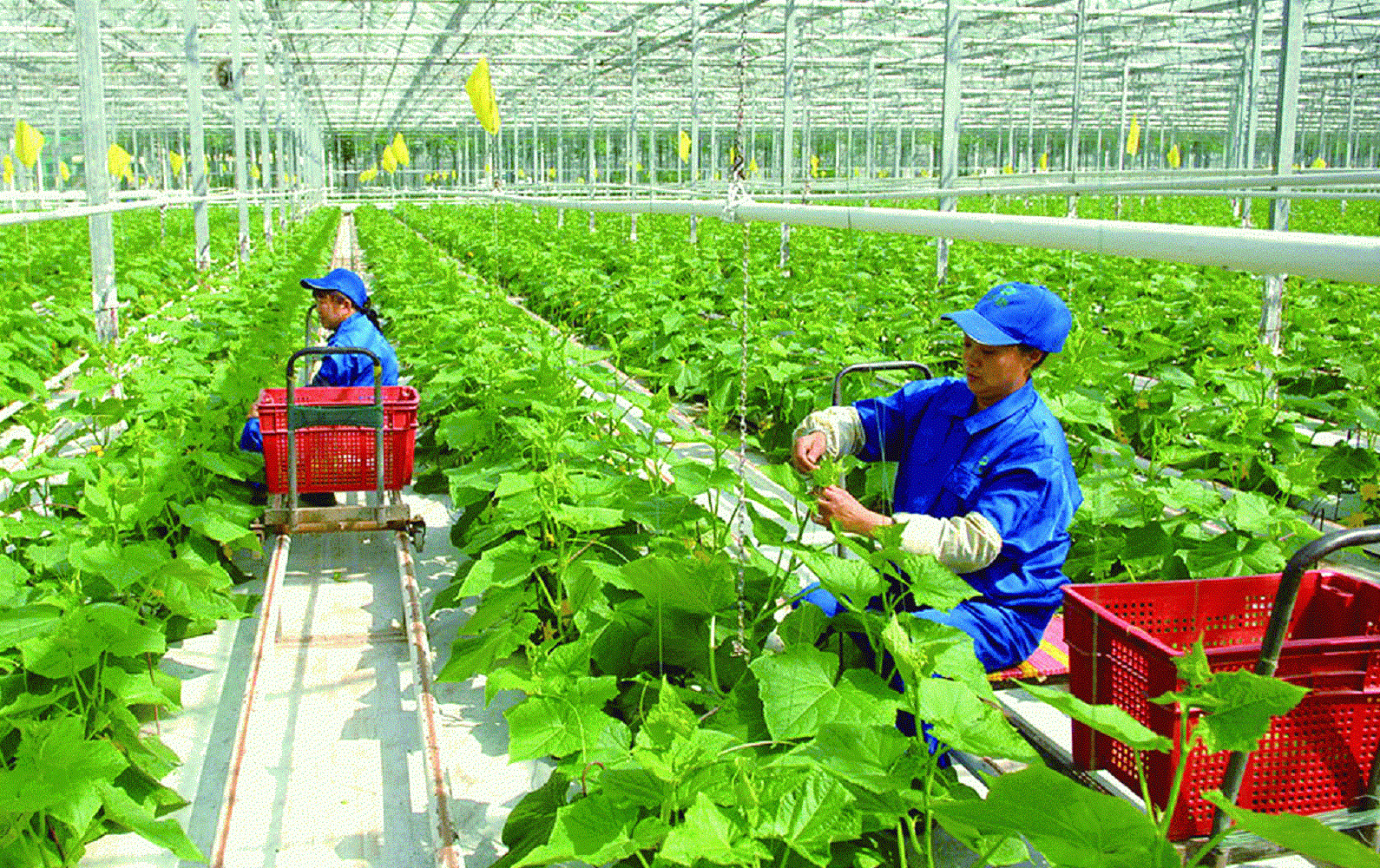
For science and technology, innovation, and digital transformation to become genuine drivers of growth in the agriculture and environment sector, the selection of appropriate technologies must be accompanied by coordinated efforts to address research mechanisms, investment resources, management data, and the commercialization of scientific research outcomes. At the conference on “Science and technology to identify new growth drivers for the agriculture and environment sector in Northern Viet Nam”, held in Hanoi on October 27, participants discussed practical challenges in sectoral management, the development of forestry raw material areas, the establishment of land databases, and research into next-generation biotechnology.
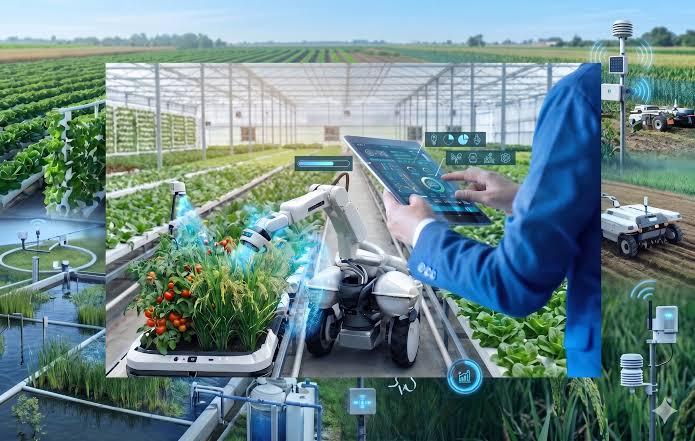
At the conference on “Science and technology to identify new growth drivers for the agriculture and environment sector in Northern Viet Nam”, held in Hanoi on October 27, representatives of local governments shared results from the application of science and technology, innovation, and digital transformation in agricultural value chains where their localities have comparative advantages. Experiences in rice production, fruit cultivation, Arabica coffee, marine oyster farming, and dairy production demonstrate that each subsector has distinct technological, production organization, and market requirements. Identifying and addressing these specific challenges is essential to improving agricultural productivity, product quality, and value.
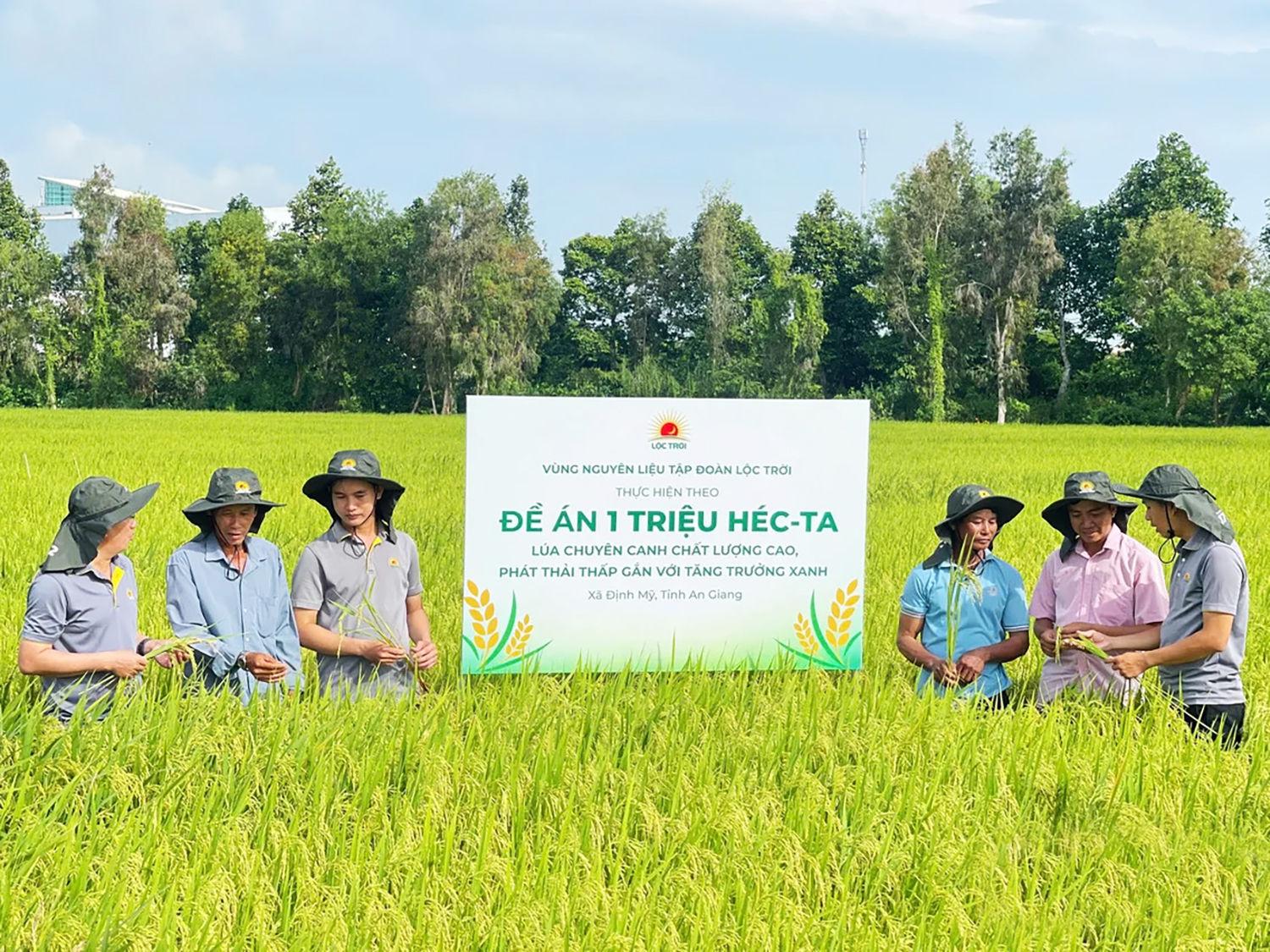
At a conference held on October 15 to mark World Food Day and strengthen cooperation in implementing the high-quality, low-emission rice production scheme, participants emphasized the need to move beyond isolated pilot models toward large-scale production. For this transition to deliver substantive results, low-emission farming practices must be complemented by stable value-chain partnerships, appropriate financing, technologies tailored to different agroecological zones, and mechanisms that ensure farmers share in the benefits.
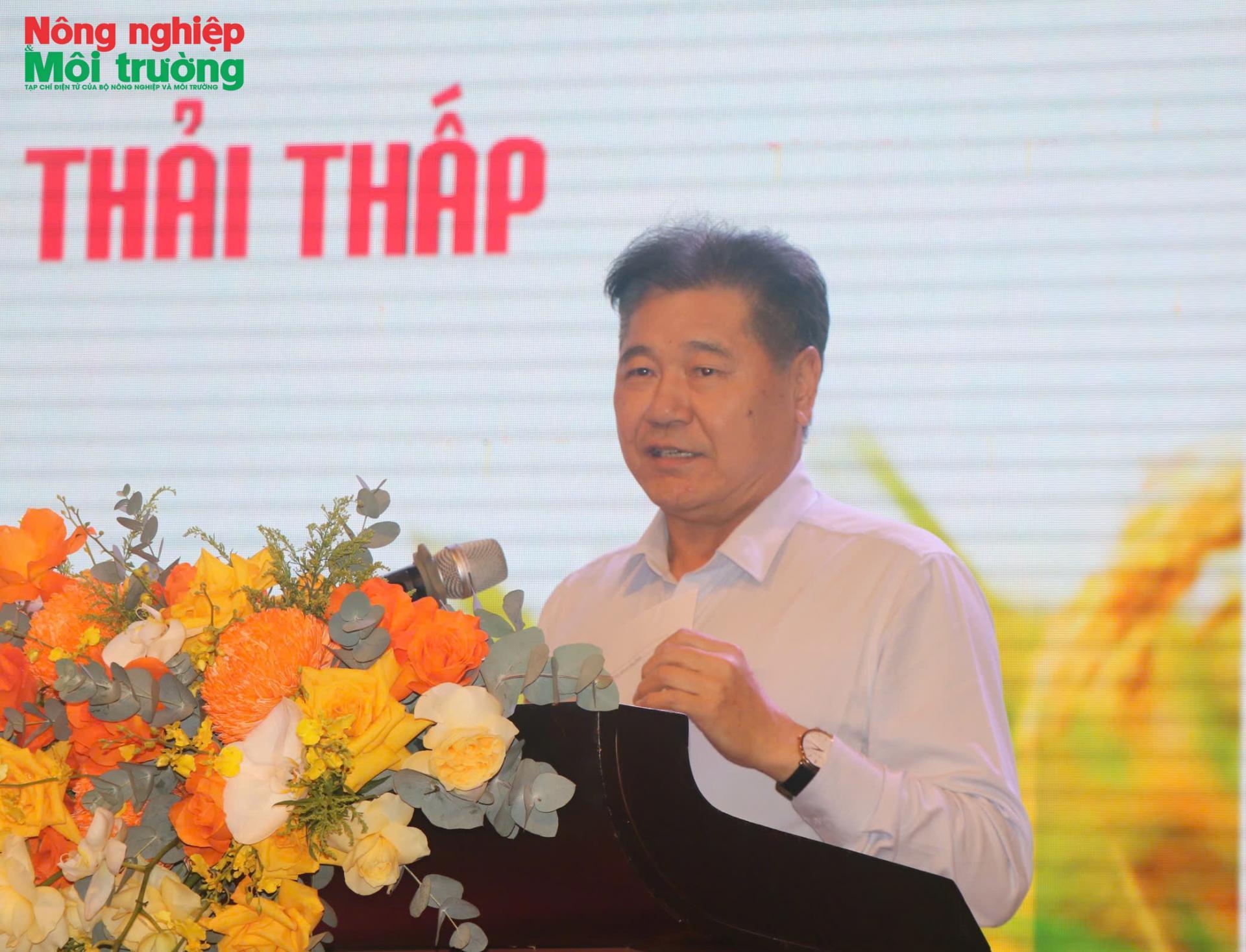
Rice production in Viet Nam faces a dual challenge: maintaining productivity, efficiency and farmers’ livelihoods while reducing pressure on natural resources and the environment. In recent years, low-emission rice farming models have been introduced in production areas across the country, with initial results showing their potential to reduce irrigation water use, agricultural inputs and greenhouse gas emissions.
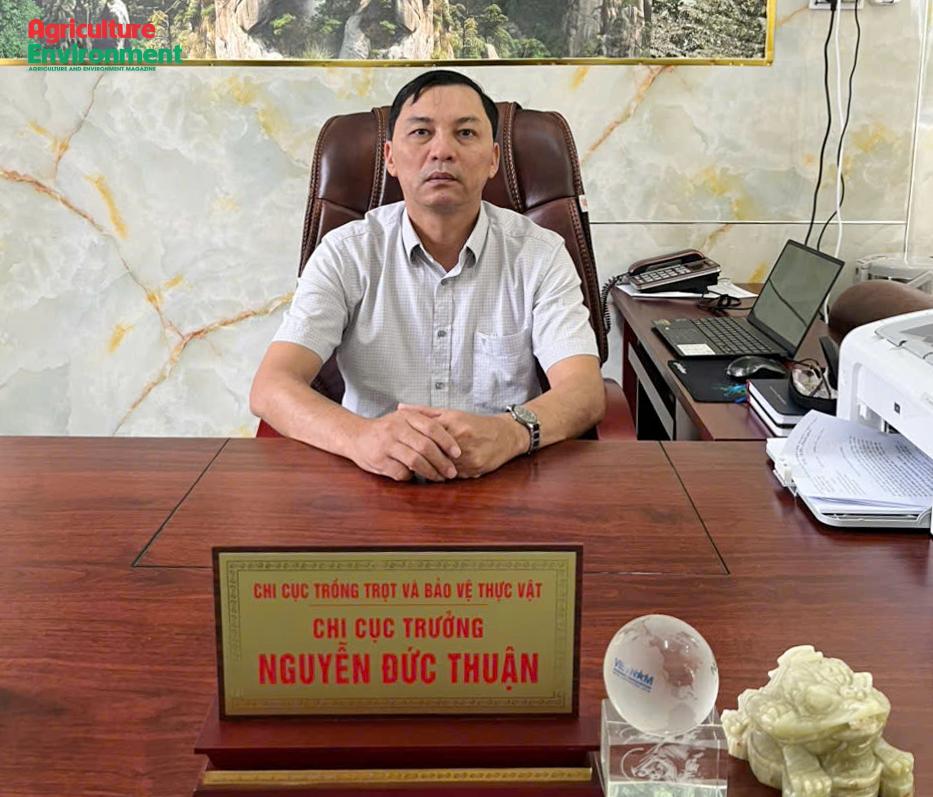
Resolution No. 36/2026/NQ-CP has addressed a number of obstacles in the issuance and management of planting area codes and packing facility codes, strengthened decentralization to the commune level, and shifted the management approach from pre-inspection toward post-inspection.