



 For science and technology, innovation, and digital transformation to become genuine drivers of growth in the agriculture and environment sector, the selection of appropriate technologies must be accompanied by coordinated efforts to address research mechanisms, investment resources, management data, and the commercialization of scientific research outcomes. At the conference on “Science and technology to identify new growth drivers for the agriculture and environment sector in Northern Viet Nam”, held in Hanoi on October 27, participants discussed practical challenges in sectoral management, the development of forestry raw material areas, the establishment of land databases, and research into next-generation biotechnology.
Reorienting science and technology research toward practical challenges
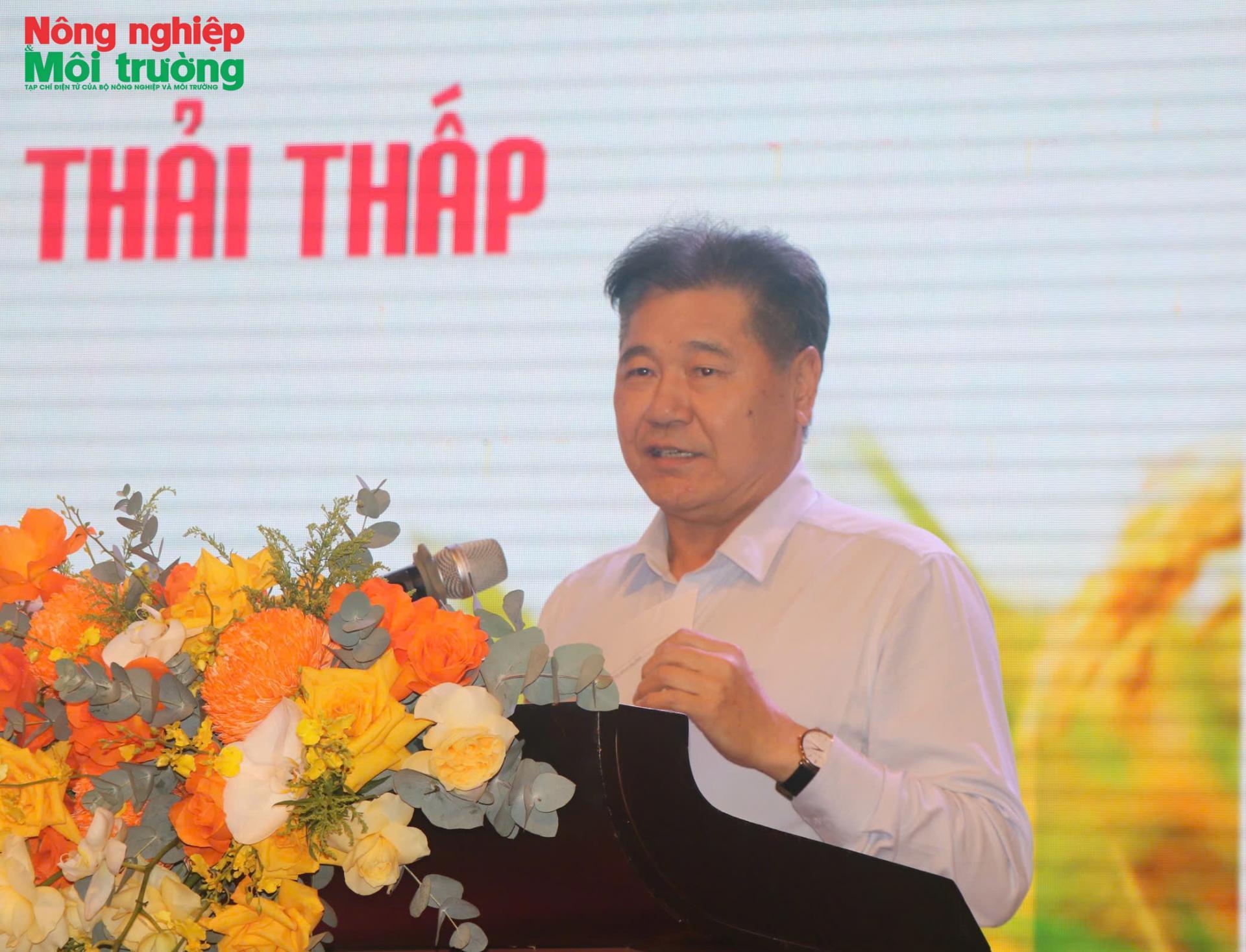
Dang Ngoc Diep – Deputy Minister of Agriculture and Environment
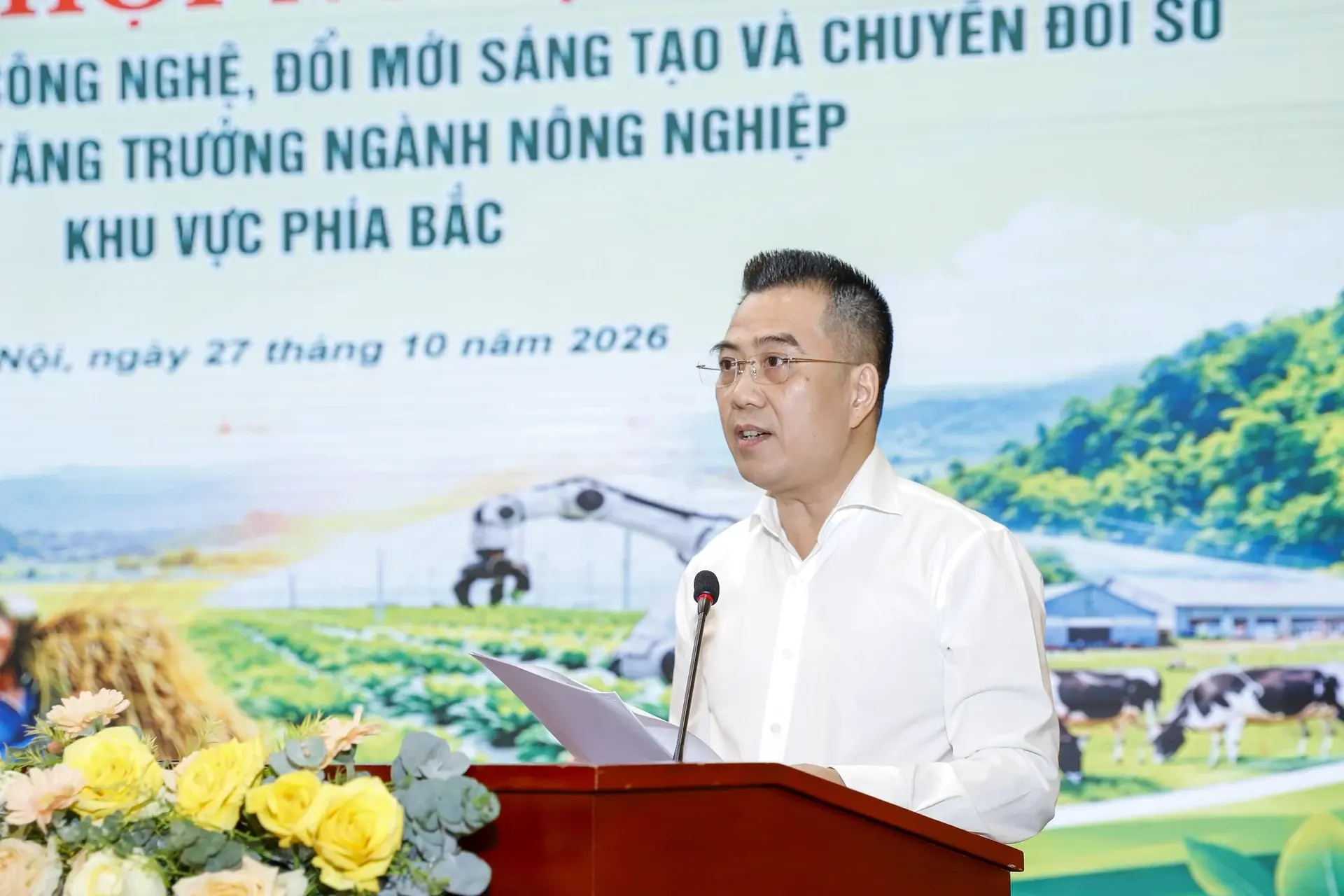
Reporting on the current state of science and technology, innovation, and digital transformation, as well as existing bottlenecks and proposed solutions, Deputy Minister Dang Ngoc Diep noted that from 2021 to 2026, the agriculture and environment sector continued to make important contributions to economic growth, food security, employment, and export performance.
In 2025, the sector recorded growth of 3.78%, while exports of agricultural, forestry, and fishery products reached US$70.63 billion. During the first nine months of 2026, sectoral growth stood at 4.02%, with exports totaling US$56.3 billion. These results were supported in part by advances in science and technology, including the development of new varieties, biotechnology applications, mechanization, and the adoption of advanced farming practices.
In rice production alone, the application of technical advances helped increase the yields of new rice varieties by approximately 9%, raise annual production by an estimated 2.4 million metric tons, and generate additional economic value of approximately VND 12 trillion per year. In the livestock sector, Vietnam has 365 animal feed manufacturing plants with a combined designed capacity of more than 31 million metric tons per year, as well as 92 veterinary drug manufacturing facilities meeting Good Manufacturing Practice (GMP) standards, including 12 facilities specializing in vaccine production. A number of important vaccines have been researched and produced domestically, helping strengthen the country's capacity to prevent and control animal diseases.
In crop production and plant protection, 381 standards and technical regulations have been developed and submitted for promulgation, comprising 249 standards and technical regulations in crop production and 132 technical regulations in plant protection. In forestry, 102 new forest tree varieties have been recognized, bringing the total number of recognized varieties to 346, alongside 47 technical advances. Vietnam currently has more than 3,200 forest seed production and trading establishments, and seed quality is controlled across approximately 90% of its concentrated plantation forest area.
Aquaculture production increased from 4.89 million metric tons in 2021 to 6.11 million metric tons in 2025, representing average annual growth of approximately 5.2%. In post-harvest preservation and processing, value added in the agricultural, forestry, and fishery processing industries continued to grow by approximately 7.5–8% annually. The share of high-value-added processed products increased from around 20% in 2020 to 30% in 2025.
However, Deputy Minister Dang Ngoc Diep also identified several major bottlenecks. Mechanisms to incentivize research, application, technology transfer, and commercialization have yet to generate sufficiently strong incentives. Investment resources remain fragmented, while mechanisms for mobilizing private-sector capital and promoting public-private partnerships have not yet achieved their full potential. Policies supporting enterprises in technological innovation, digital transformation, deep processing, and green agriculture also need further refinement.
Another issue is the uneven level of self-reliance in crop, livestock, and aquaculture breeding. In livestock production, feed accounts for approximately 60–70% of production costs, while domestic raw materials meet only 30–35% of demand. Viet Nam imports 24.78 million metric tons of animal feed ingredients, valued at approximately US$8.22 billion, leaving domestic production exposed to fluctuations in international prices and markets.
In addition, agricultural production remains fragmented and dominated by small-scale household operations. Linkages among farmers, cooperatives, enterprises, processing facilities, and markets are not yet sufficiently sustainable. Infrastructure for preservation, cold storage, logistics, and deep processing remains inadequate, while the utilization of agricultural by-products to produce higher-value goods is still limited.
Against this backdrop, Deputy Minister Dang Ngoc Diep emphasized the need to shift the growth model away from reliance primarily on production volume toward one driven by productivity, quality, advanced technology, deep processing, and value addition. Science and technology research tasks should therefore be reorganized, moving away from isolated projects toward addressing specific challenges facing agricultural commodities, value chains, and localities.
Priority should be given to mastering core and strategic technologies, with clearly defined outputs, intended applications, receiving enterprises, and implementation areas. At the same time, key agricultural value chains should be developed in line with the comparative advantages of each region, with efforts to reduce input costs and post-harvest losses, strengthen deep-processing capacity, utilize by-products, and build product brands.
The Deputy Minister also highlighted the need to complete the agriculture and environment sector's database system, ensuring the standardization, connectivity, and interoperability of data on land, varieties and breeding stock, crop-growing areas, aquaculture areas, forests, diseases, production volumes, product quality, traceability, and markets.
Another important measure is to improve mechanisms for commissioning, selecting, funding, co-funding, and evaluating science and technology research tasks. Enterprises should be encouraged to participate throughout the process, from defining research priorities and conducting studies and trials to adopting and commercializing the results. Performance should be assessed using substantive indicators, including increases in productivity and value added; reductions in production costs, losses, and emissions; the proportion of products meeting applicable standards; and the potential for research outcomes to be applied and scaled up.
Making large-timber forestry economically viable for forest growers
Hoang Gia Long – Vice Chairman of the Tuyen Quang Provincial People's Committee
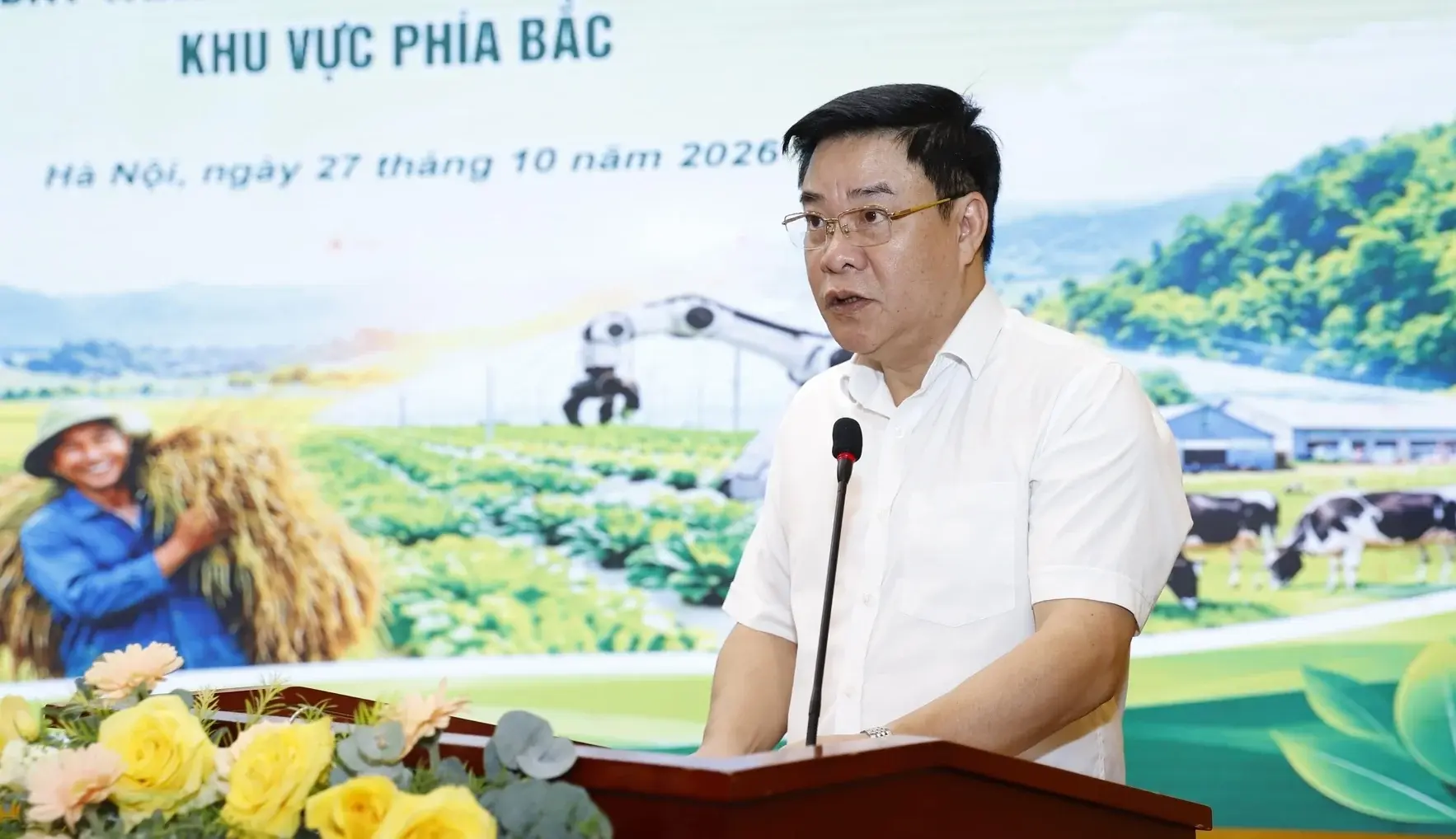
With its extensive forest area and forest resources, Tuyen Quang identifies science and technology, innovation, and digital transformation as important factors in improving forest management, developing forestry raw material areas, and increasing the value of forestry products. However, according to Hoang Gia Long, the main challenge today is not limited to forest cultivation techniques. It also concerns economic returns and the organization of value chains in ways that give forest growers an incentive to maintain longer production cycles.
In 2025, the province had approximately 858,000 hectares of forest, including 624,202 hectares of natural forest and 234,195 hectares of planted forest meeting the criteria for classification as forest. More than 130,000 hectares had been certified under sustainable forest management schemes. The province had 583 agricultural product processing facilities, timber harvesting reached approximately 1.4 million cubic meters, and forest cover stood at 62.2%, the second-highest rate nationwide.
In applying science and technology, the province approved the investment policy for a high-tech agriculture development project with a projected total investment of VND 150 billion. In forest seed production, the database had been updated by July 2026 to include 73 seed production and trading establishments and 160 seed sources, meeting an estimated 78–83% of demand according to the project's survey.
In forest planting, tending, and protection, the province has gradually applied improved silvicultural techniques, digital maps, and satellite imagery to monitor changes in forest conditions, provide early warnings of forest fires, and detect changes in forest area. Other measures include tissue culture and the use of lightweight organic nursery potting media. The province has issued 4,712 production-area codes covering more than 5,227 hectares.
Nevertheless, the development of large-timber plantation areas continues to face significant challenges. According to the figures presented, planted forests meeting the criteria for classification as forest in age classes IV and V covered approximately 148,448 hectares, accounting for 33.39%. Despite existing development orientations and technical support, many households continue to harvest timber before it reaches maturity to secure their livelihoods, recover invested capital, and limit risks.
According to Hoang Gia Long, forest growers must bear the costs associated with extending production cycles while also facing risks from natural disasters and price fluctuations. Meanwhile, realized selling prices and market outlets for large-diameter timber are not always assured. Asymmetries in information and bargaining power, together with shortcomings in mechanisms for sharing benefits and risks along the value chain, can weaken incentives to maintain forests for longer periods.
Production is also fragmented, while rugged and dissected terrain increases harvesting and transportation costs. The selection of suitable tree varieties, contractual linkages, and data management for forest plots and raw material origins are not yet fully coordinated. The bottleneck therefore involves not only technical inputs but also the relationships among raw material areas, processing enterprises, and markets.
To address these issues, the province has proposed applying science and technology to the selection of planting areas, tree varieties, and rotation periods suited to local conditions. Geospatial data and growth models should be combined with financial analysis to identify areas suitable for large-timber development and determine which rotation periods generate higher net returns. Silvicultural techniques and mechanization should also be selected according to terrain conditions, rather than applying a single rotation period to all areas and household groups.
Alongside technical measures, the province has called for improvements in value chain organization. Enterprises with processing technology and market access should establish linkages with cooperatives and household groups from the outset of raw material area development. Contractual provisions on quality, purchasing prices, and risk-sharing arrangements should be transparent, giving forest growers a sound basis for deciding when to harvest while enabling enterprises to forecast raw material supply and quality.
Tuyen Quang has proposed that the Ministry of Agriculture and Environment study the economic efficiency of large-timber plantation forestry, the effects of credit policies, price transmission mechanisms, and the distribution of benefits and risks along the value chain. The province also wishes to be selected as a research and pilot site for large-timber raw material area models linked to sustainable forest management and the application of science and technology. Such models should be led by enterprises, involve the voluntary participation of forest growers, and receive support from research institutions.
As Hoang Gia Long emphasized, sustainable development of large-timber raw material areas cannot rely solely on encouraging people to retain their forests for longer periods. It requires viable business models that ensure forest growers derive tangible benefits from extending production cycles.
Integrating land databases with agricultural product traceability
Bui Duy Cuong – Vice Chairman of the Hanoi People's Committee
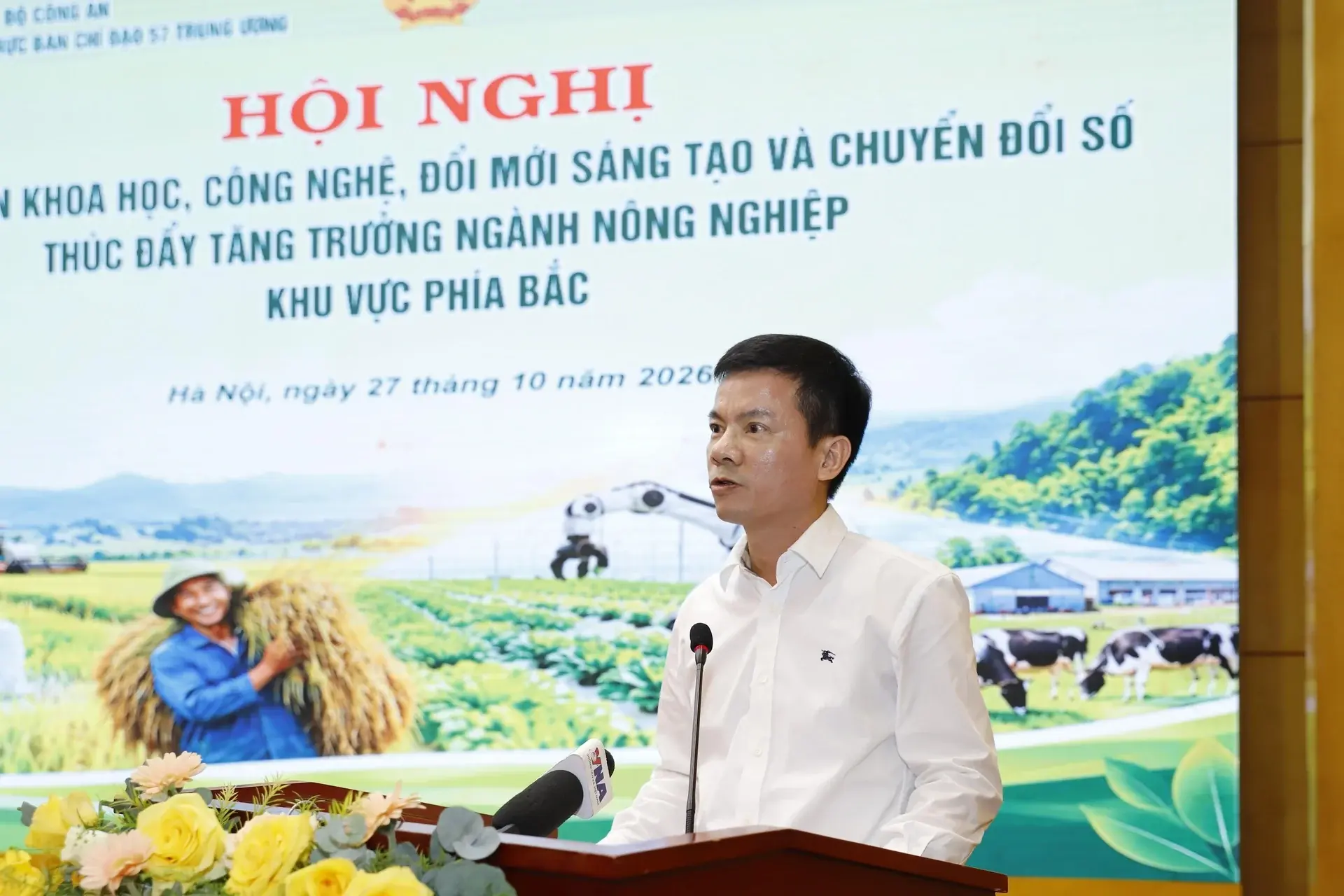
For Hanoi, one of the key requirements in applying science and technology and advancing digital transformation is to establish an integrated land database while completing the traceability system for agricultural, forestry, and fishery products. These efforts are essential to managing a locality with a large consumer market.
According to Bui Duy Cuong, the city is developing a land database covering approximately 4.8 million land parcels. By the time of the conference report, 99.7% of the database development work had been completed, while approximately 60% of the data had been cleaned and standardized to meet the requirements for accuracy, completeness, and consistency with the systems of the Ministry of Public Security and the Ministry of Agriculture and Environment. Hanoi aims to complete the standardization of data for all 4.8 million land parcels by mid-December 2026.
Once completed, the database will be regularly updated to reflect changes, providing a foundation for land management and information connectivity across sectors and localities.
In agricultural, forestry, and fishery product traceability, Hanoi has the characteristics of a major consumption center, serving approximately 10 million people. The city also has numerous high-tech agricultural production models and more than 1,700 agricultural, forestry, and fishery product processing facilities. Traceability must therefore cover the entire chain from production to consumption, linking the responsibilities of suppliers with those involved in distribution and processing.
Since 2018, the city has operated an agricultural and fishery product traceability system, provided consultation and training to more than 3,336 establishments, and managed 13,207 product traceability codes. Hanoi has also worked with other localities to establish and monitor 1,388 safe food supply chains, as well as more than 3,400 products under the One Commune One Product (OCOP) program.
To connect data for management purposes, the city has selected four priority product groups—pork, chicken, vegetables, and tea—for integration with the Ministry of Agriculture and Environment's system. Since August 3, 2026, the city's database system for school nutrition and food safety has been officially operational, receiving online account registrations and application dossiers.
According to the Vice Chairman of the Hanoi People's Committee, the city needs to continue improving its data infrastructure and standardizing core information on production establishments, products, consignments, certifications, and distribution, while ensuring connectivity with the Ministry of Agriculture and Environment's database system.
At the same time, Hanoi will expand the application of science and technology in production, monitoring, early warning, and traceability. It will also strengthen training and digital skills guidance, supporting cooperatives, enterprises, and farmers in improving their digital capabilities and fulfilling their responsibilities for traceability and food supply chain management.
Removing barriers to biotechnology commercialization
Prof. Dr. Nguyen Thi Lan – President of Vietnam National University of Agriculture (VNUA)
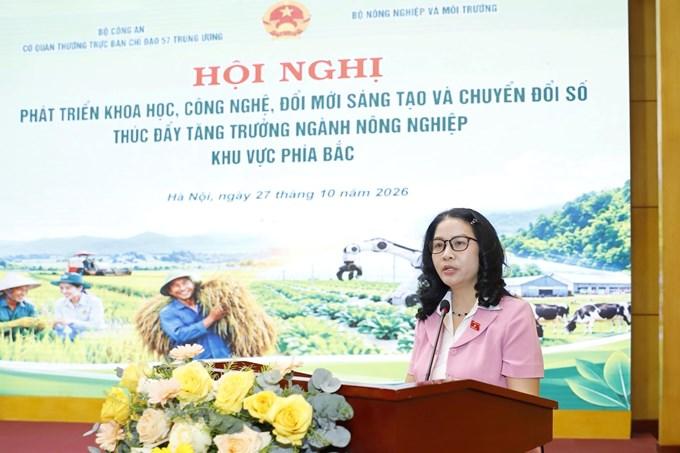
According to Prof. Dr. Nguyen Thi Lan, next-generation biotechnology is creating important opportunities for agricultural applications, particularly in genome editing, cell technology, molecular biology, recombinant proteins, and microbial technology. Combined with artificial intelligence, these technologies can support the development of advanced crop and livestock varieties, vaccines, and biological products, thereby improving productivity and quality while strengthening the sector's technological self-reliance.
International experience shows that turning these technologies into drivers of growth requires research to be aligned with market demand, enterprises to be involved, and sufficient resources to be allocated for product development and completion. Japan commercialized a genome-edited tomato with elevated gamma-aminobutyric acid (GABA) content in 2021. Wageningen University in the Netherlands has developed strong links between research and enterprises in plant breeding, while KU Leuven in Belgium emphasizes intellectual property support and the establishment of spin-off companies based on research outcomes.
In Viet Nam, research into next-generation biotechnology has advanced across several fields, but a considerable gap remains between scientific findings and commercially viable products. Some technologies require further trials, process refinement, efficacy assessment, biosafety evaluation, and standardization before they can be introduced into production.
Drawing on its research experience, Viet Nam National University of Agriculture has developed research capacity in gene technology, cell technology, microbiology, proteins, vaccines, and biological products. The university currently has 1,516 faculty and staff members, including 414 PhD holders; 46 strong research groups; and 52 laboratories. Its Center for Excellence in Research and Innovation has 20 key laboratories, seven of which are ISO-certified. These laboratories have the capacity to analyze and test more than 200 indicators related to food quality and safety, over 250 indicators related to animal diseases, and more than 500 indicators for environmental monitoring and assessment of environmental quality.
In biotechnology research, the university has applied molecular markers in combination with conventional breeding to improve selection efficiency. Results include 16 high-quality rice varieties, eight high-quality maize varieties with high anthocyanin content, three potato varieties for industrial processing, three varieties of beans and legumes, five edible and medicinal mushroom varieties, and 114 varieties of fruit trees, flowers, and ornamental plants.
In livestock research, the university has applied CRISPR/Cas9 technology and successfully developed a meat-oriented line of Vietnamese Yellow cattle. In veterinary medicine, several vaccine candidates against African swine fever have been researched. A microbial strain intended for vaccine production has been submitted for international patent registration. The vaccine is currently undergoing trials, with preliminary results indicating its ability to induce an immune response and protect pigs against viral challenge under experimental conditions.
The university has also developed a microbial strain bank to support research into vaccines for animal diseases, diagnostic kits for porcine reproductive and respiratory syndrome and African swine fever, pregnancy test strips for cattle, and hormone-impregnated devices to support reproduction in dairy cattle. In bacteriophage research, phage cocktails are being studied to broaden their activity against pathogenic bacteria and reduce the risk of resistance developing. Microbial products such as EMINA have also been developed for the treatment of livestock production environments, rice straw, and agricultural by-products.
During the 2016–2026 period, the university recorded 208 science and technology products that had been registered for intellectual property protection or recognized for circulation or as technical advances in the agricultural sector. These included 10 patents and utility solution patents, 25 plant variety protection titles, 128 crop varieties recognized for circulation, 42 technical advances, and three animal breeds.
Several research outcomes have been transferred and applied in production. The CT16 rice variety has been tested and developed in Cuba, while aeroponics technology has been introduced to Indonesia's Ministry of Science and Technology. Technologies and products involving crop varieties, biological products, disease-free potato seed production, and environmental treatment have also been implemented in various localities across Vietnam.
Notably, the university is focusing on the development of spin-off companies to bridge the gap between research outcomes and production and business activities. Since 2015, its Agricultural Technology Incubation Center has supported the incubation of 30 technologies and compiled a portfolio of more than 120 potential science and technology products.
In the subsequent development phase, the university has collaborated with VNUA Veterinary Bioproduct Technology Joint Stock Company since 2024 to research, test, and refine technologies and develop markets for IgY antibody preparations used to prevent and treat animal diseases. According to the conference presentation document, revenue from these products reached approximately VND 12 billion, and the company contributed around 5% of its revenue back to the university.
The university is also developing a plan to establish nine spin-off companies based on researchers' core technologies in fields including medicinal plants, cosmetics, veterinary medicine, aquaculture, the environment, crop varieties, e-commerce, and agricultural automation. Of these, six companies are currently undergoing formal establishment procedures.
However, according to Prof. Dr. Nguyen Thi Lan, the commercialization of research outcomes and the development of spin-off companies continue to face several obstacles. The first is the gap between completed and accepted research projects and products that are ready for commercialization. Many next-generation biotechnology applications, including genome-edited varieties, vaccine candidates, bacteriophages, and microbial products, require further process refinement, pilot-scale production, efficacy assessment, safety evaluation, and standardization.
Resources for post-research development remain limited, although this stage is essential for transforming scientific findings into products that can be adopted and used in production. In addition, regulations on ownership rights, valuation, and equity contributions using intellectual property still require more consistent guidance. This creates difficulties for research institutions when developing commercialization plans and establishing enterprises.
Another bottleneck is the lack of specialized intermediary organizations to support the assessment of technology maturity, intellectual property management, valuation, business plan development, and investor connections. Research teams cannot easily undertake all these tasks themselves, while enterprises need validated products and clear regulatory pathways before making investment decisions.
Based on this experience, the university has proposed refocusing research on market demand and clearly defined product outputs. Enterprises should be encouraged to participate from the task-proposal stage and remain involved in technology commissioning, co-investment in research, product development, and market expansion. Financial support mechanisms for the post-research stage should also be established, with priority given to technology refinement, pilot-scale production, efficacy and safety assessment, standardization, and product registration.
For spin-off companies, specific guidance is needed on ownership rights, technology valuation, equity contributions using intellectual property, and mechanisms for researchers to participate in these enterprises. The university has also proposed developing specialized intermediary organizations to support commercialization and expanding the shared use of laboratory systems, pilot production facilities, and testing and quality assessment infrastructure.
In addition, investment in incubation and innovation centers at universities, stronger research capacity, and the completion of procedures for testing, recognition, and registration for circulation of new biotechnology products are considered essential conditions for accelerating the commercialization of agricultural science and technology research outcomes.
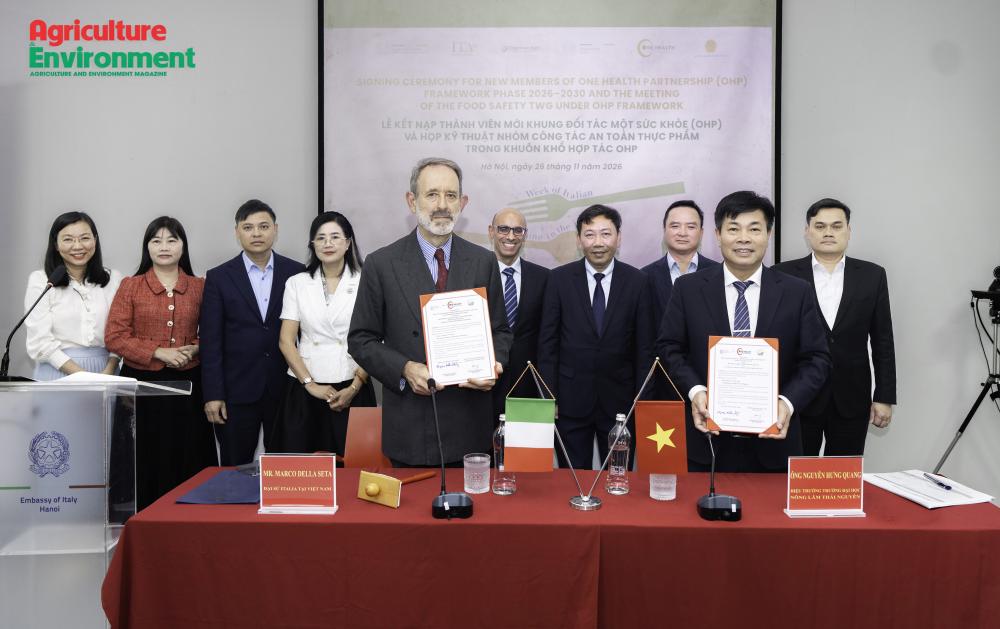
The Embassy of Italy in Viet Nam and Thai Nguyen University of Agriculture and Forestry have joined the Viet Nam One Health Partnership for Zoonoses (OHP), broadening its network of institutional partners. The signing ceremony, held at Casa Italia in Hanoi on November 26, 2026, was accompanied by a meeting of the Food Safety Technical Working Group, where participants examined Italian and European Union (EU) regulatory practices and discussed priorities for improving food safety management in Viet Nam.
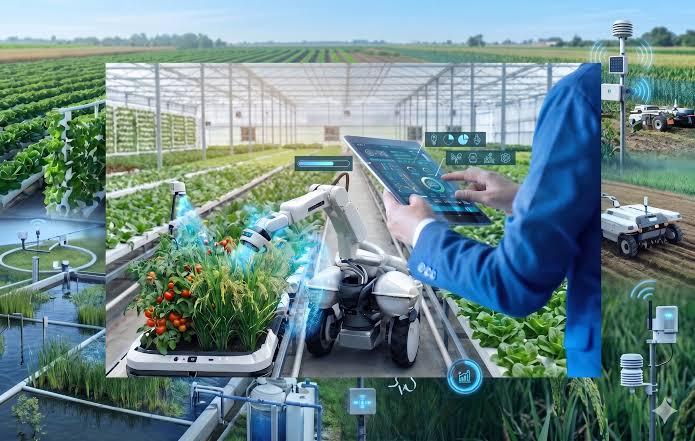
At the conference on “Science and technology to identify new growth drivers for the agriculture and environment sector in Northern Viet Nam”, held in Hanoi on October 27, representatives of local governments shared results from the application of science and technology, innovation, and digital transformation in agricultural value chains where their localities have comparative advantages. Experiences in rice production, fruit cultivation, Arabica coffee, marine oyster farming, and dairy production demonstrate that each subsector has distinct technological, production organization, and market requirements. Identifying and addressing these specific challenges is essential to improving agricultural productivity, product quality, and value.
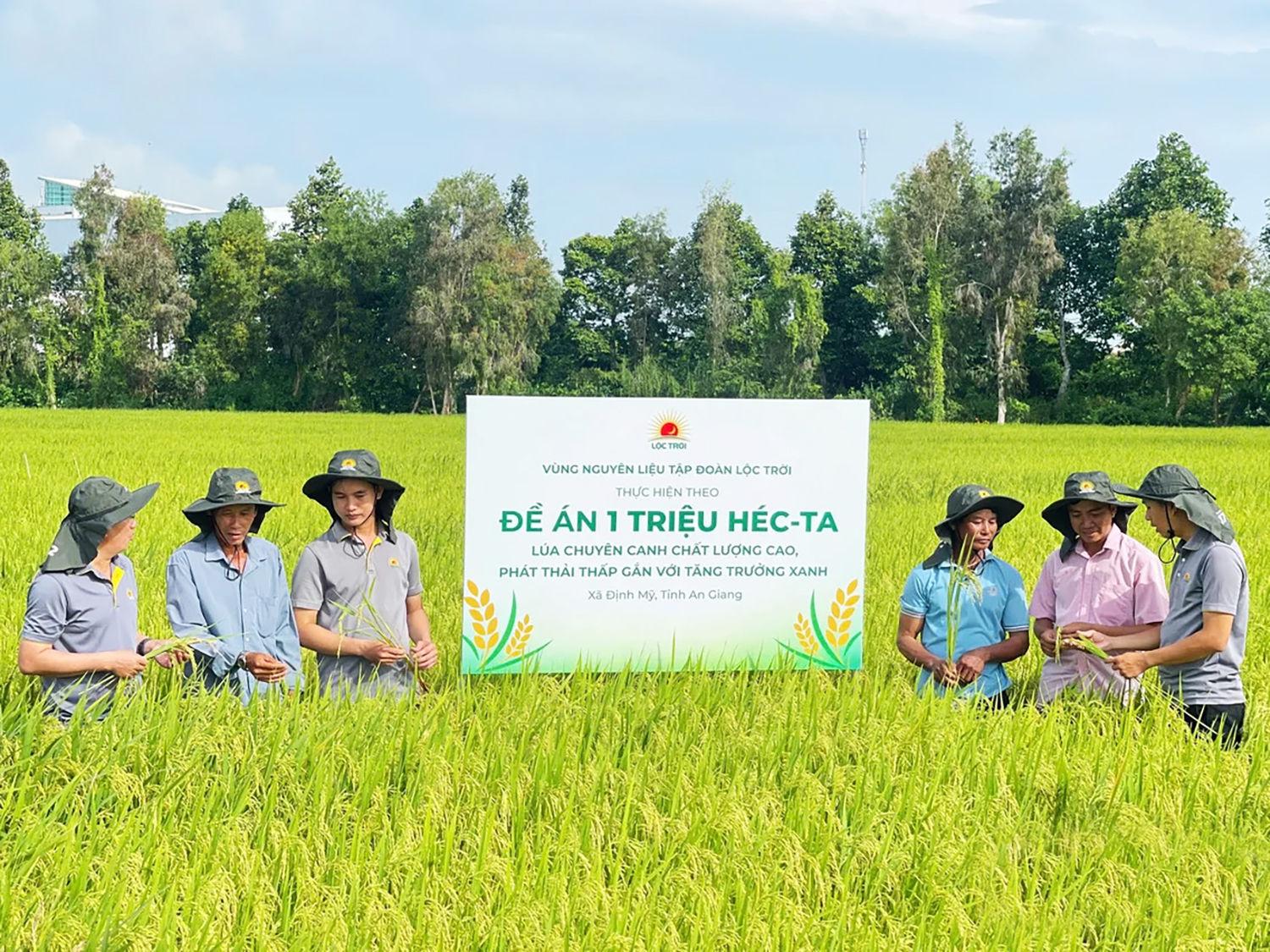
At a conference held on October 15 to mark World Food Day and strengthen cooperation in implementing the high-quality, low-emission rice production scheme, participants emphasized the need to move beyond isolated pilot models toward large-scale production. For this transition to deliver substantive results, low-emission farming practices must be complemented by stable value-chain partnerships, appropriate financing, technologies tailored to different agroecological zones, and mechanisms that ensure farmers share in the benefits.
Rice production in Viet Nam faces a dual challenge: maintaining productivity, efficiency and farmers’ livelihoods while reducing pressure on natural resources and the environment. In recent years, low-emission rice farming models have been introduced in production areas across the country, with initial results showing their potential to reduce irrigation water use, agricultural inputs and greenhouse gas emissions.
Resolution No. 36/2026/NQ-CP has addressed a number of obstacles in the issuance and management of planting area codes and packing facility codes, strengthened decentralization to the commune level, and shifted the management approach from pre-inspection toward post-inspection.