


 At the conference on “Science and technology to identify new growth drivers for the agriculture and environment sector in Northern Viet Nam”, held in Hanoi on October 27, representatives of local governments shared results from the application of science and technology, innovation, and digital transformation in agricultural value chains where their localities have comparative advantages. Experiences in rice production, fruit cultivation, Arabica coffee, marine oyster farming, and dairy production demonstrate that each subsector has distinct technological, production organization, and market requirements. Identifying and addressing these specific challenges is essential to improving agricultural productivity, product quality, and value.
Organizing the rice value chain for higher quality and profitability
Lai Van Hoang – Vice Chairman of the Hung Yen Provincial People's Committee
According to Lai Van Hoang, science and technology, innovation, and digital transformation can become genuine drivers of economic growth only when they translate into higher productivity, improved product quality, and increased incomes for farmers. In the rice sector, this requires organizing production along an integrated value chain that connects seed development, cultivation, harvesting, processing, marketing, and by-product utilization. The province is focusing on two main product categories: high-quality rice and specialty rice, with economic efficiency serving as the key measure of technological application.
According to figures presented at the conference, the locality maintains approximately 193,000 hectares of rice annually, with an average paddy yield of 6.52 metric tons per hectare and total paddy production of approximately 1.26 million metric tons. Processed rice output reaches nearly 850,000 metric tons annually, of which approximately 550,000 metric tons are destined for export and consumption outside the province.
At the seed development stage, the province and businesses have prioritized the development and selection of varieties with improved yields, quality, and resilience. Thai Binh Seed was cited as an enterprise with research and commercialization capacity, holding more than 40 proprietary crop varieties. Alongside the selection of high-quality varieties, the province is focusing on the rehabilitation of specialty varieties and aligning varietal characteristics with local raw material production conditions and processing and market requirements.
Results reported from hundreds of production models show reductions of 30% in seed use, 27% in labor required for transplanting, 44% in labor for pesticide spraying, and 28% in chemical fertilizer use. Yields increased by approximately 9%, while profits rose by approximately VND 8.59 million per hectare compared with conventional farming practices.
Another notable result is the application of alternate wetting and drying (AWD) irrigation across 4,200 hectares. Preliminary monitoring results indicate yield increases of approximately 0.15–0.4 metric tons per hectare, savings of one to three irrigation events, and a 41.72% reduction in greenhouse gas emissions. In harvesting operations, mechanization, timely drying, and temperature and moisture control for individual product lots have helped reduce post-harvest losses and maintain paddy and rice quality for processing.
Alongside technological improvements, traceability has been implemented across the value chain, covering seed batches, agricultural inputs, production activities, harvesting, and the linkage of paddy lots with milled rice lots and customers. In 2025, 15 rice-producing and trading enterprises uploaded information to the provincial traceability system, while one enterprise established a connection with the Ministry of Agriculture and Environment's agricultural product traceability system.
However, according to Lai Van Hoang, data systems and software platforms connecting central and local authorities remain insufficiently integrated. Some information on cultivated area, varieties, production volumes, and selling prices cannot yet be fully cross-referenced. Data on revenue and profits by rice product category, reductions in post-harvest losses, and the value recovered from by-products are also incomplete. Translating research findings into commercial products and services requires closer coordination among regulatory agencies, research institutes, and businesses. Farmers also need access to straightforward production protocols, reasonably priced services, and markets that offer prices commensurate with product quality.
In response to these challenges, the province has proposed that the Ministry of Agriculture and Environment support the development of a 2027–2030 program for high-quality and specialty rice production, initially selecting two to three raw material production areas for pilot implementation. These areas should be organized through an integrated approach encompassing seed selection, cultivation practices, mechanization services, drying, processing, and marketing. Businesses should sign contracts at the beginning of each production season, with control plots established to assess performance.
The province also called for research commissioning and technology transfer to be linked to specific outputs, with priority given to the rehabilitation of specialty varieties and the refinement of cultivation protocols suited to individual varieties. Investment in shared infrastructure and services for raw material production areas is also necessary. In addition, the province proposed standardizing rice value chain data and connecting it to sectoral data systems to avoid the development of overlapping software platforms.
Notably, the locality proposed shifting program evaluation criteria away from the number of production models implemented toward measurable economic outcomes. The proposed targets are to reduce production costs by at least 10% and increase profits by at least 15% per hectare per cropping season compared with control plots under comparable conditions. Other indicators should include post-harvest loss rates, the proportion of output sold under contractual arrangements, and the volume of by-products collected for which viable outlets are available.
Developing fruit production and sustainable Arabica coffee in Son La
Nguyen Thanh Cong – Vice Chairman of the Son La Provincial People's Committee
According to Nguyen Thanh Cong, Son La has identified the application of science and technology, innovation, and digital transformation as important approaches to sustainable agricultural development, particularly in sectors where the province has comparative advantages, such as fruit production and Arabica coffee cultivation on sloping land. The introduction of new varieties, research into varietal selection and development, and the expansion of planting material resources have received support from central ministries and agencies.
In fruit production, Son La currently has approximately 85,050 hectares under fruit cultivation, with key products including longan, dragon fruit, avocado, and strawberries. The province continues to research and introduce new crop varieties into production. The successful cultivation of kiwifruit in Moc Chau is cited as an example of applying science and technology and selecting varieties suited to local ecological conditions.
Alongside the expansion of production areas, the province is seeking to attract investment in deep processing to increase the value of agricultural products after harvest. According to the presentation, Son La's fruit products have reached markets in 21 countries, while products from its processing sector have entered more than 50 markets. The development of concentrated production areas, the selection of suitable varieties, and improvements in processing capacity are considered important factors in expanding market access.
For Arabica coffee, the province has identified digital transformation and the development of geospatial data on coffee-growing areas as key priorities. These efforts aim to improve raw material area management, strengthen traceability, and meet import market requirements, particularly those under the European Union Deforestation Regulation (EUDR).
According to the Son La Provincial People's Committee's report, the province is estimated to have more than 44,000 hectares of coffee by the end of 2026, with green coffee production reaching approximately 50,960 metric tons. The cumulative area covered by sustainability and equivalent certification schemes is reported at 35,465 hectare-counts, including 18,116 hectares certified under Rainforest Alliance (RA), 15,041 hectare-counts under 4C, and 2,308 hectares under the Coffee and Farmer Equity (CP) program. In addition, 141 hectares are VietGAP-certified, 543.7 hectares are under organic-oriented production, and one registered growing-area code covers 38.6 hectares.
Specialty coffee cultivation covers approximately 2,600 hectares, with nearly 2,000 metric tons of green coffee produced. The province maintains two high-tech coffee production zones covering 1,039.5 hectares and involving 1,560 households. Five coffee value chain partnerships cover a total area of 2,160 hectares and generate annual output of 4,518 metric tons. The geographical indication "Son La Coffee" has been protected, and eight organizations have been authorized to use it. The province also has nine coffee products recognized under the One Commune One Product (OCOP) program: one product has received a five-star rating, five have received four-star ratings, and three have received three-star ratings.
By the end of 2025, the cumulative area of coffee replanted, rejuvenated through pruning, and rehabilitated through grafting had reached 2,818 hectares. Of this area, 1,204 hectares were replanted, while 1,614 hectares underwent grafting and pruning-based rehabilitation. In 2025, coffee exports totaled 27,800 metric tons, valued at US$112.38 million, representing a 26.60% increase in value compared with 2024. Son La coffee has reached 20 countries across the European Union, North America, the Middle East, and ASEAN.
In terms of economic performance, the average yield during the 2025–2026 crop year was approximately 12 metric tons of fresh coffee cherries per hectare. At selling prices of VND 25,000–30,000 per kilogram, gross revenue was estimated at VND 300–360 million per hectare, with profits reaching approximately VND 264–324 million per hectare after deducting production costs.
In the processing sector, 20 enterprises, cooperatives, and facilities are involved in coffee purchasing, preliminary processing, and processing. Of these, seven operate at an industrial scale and five engage in deep processing. Industrial-scale processing capacity can handle more than 50% of the province's fresh coffee cherry output.
To implement the EUDR, Son La established a pilot model in Nam Lau and Muong Chanh communes, where coffee-growing areas were surveyed and digital data collected for traceability. The pilot covered 6,098.9 hectares across 18,766 plots. Building on these initial results, the province expanded data collection to 28 communes and wards with concentrated coffee-growing areas. According to the conference proceedings, by October 18, 2026, data had been collected for 58,336 hectares across 158,416 coffee plots. Data verification, standardization, and updating are ongoing.
However, coffee production remains fragmented, and mountainous terrain creates difficulties in some areas regarding transportation, water availability, and access to mechanization. Land records remain inconsistent. Several areas lack cadastral maps, while discrepancies persist between actual land use and forestry data compiled over different periods. In some locations, boundaries between forestry land and agricultural production land are not clearly demarcated on the ground, complicating the determination of plot boundaries and the legal status of coffee-growing areas for traceability purposes.
In addition, the province's extensive geographical area and limited telecommunications coverage in some locations constrain digital transformation. Farmers also have varying levels of digital literacy. Preliminary processing and industrial processing capacity remain insufficient to handle the entire raw material supply, while the proportion of deep-processed products remains low. Traditional drying practices and small-scale processing by some households continue to affect product quality and the environment.
Nguyen Thanh Cong also emphasized the need for research into post-harvest preservation technologies and logistics for agricultural products. Strawberries illustrate the urgency of this issue: without appropriate preservation and transportation, the product can lose up to 65% of its value within just 24 hours. The province therefore hopes that scientists and central ministries and agencies will give greater attention to research on preservation technologies to maintain product quality and value.
Son La has proposed that the Ministry of Agriculture and Environment expedite the completion of a unified growing-area database system for EUDR implementation, with standardized data structures, fields, and technical requirements from the central to local levels. The system should be capable of receiving, integrating, and synchronizing standardized data submitted by local authorities, thereby avoiding duplicate data collection.
The province has also called for policies supporting technological innovation, investment in raw material production infrastructure, deep processing, and environmental treatment in coffee processing. Strengthening connections between science and technology programs and enterprises with the capacity to invest, purchase, process, and market coffee is considered essential to developing sustainable Arabica coffee value chains and improving the competitiveness of Son La coffee in export markets.
Addressing environmental and seed constraints in pacific oyster farming
Nguyen Van Cong – Vice Chairman of the Quang Ninh City People's Committee
With its advantages in marine resources, Quang Ninh is orienting its aquaculture sector toward industrial-scale development, with Pacific oysters identified as one of its key cultivated species. According to Nguyen Van Cong, during the first nine months of 2026, Pacific oyster production in the province exceeded 44,000 metric tons, accounting for approximately 44% of its total aquaculture production.
To reorganize marine farming areas, the province has reviewed and incorporated approximately 136,000 hectares of water area into its marine aquaculture planning. It aims to establish five concentrated marine aquaculture zones with a combined area of approximately 93,600 hectares. The area with potential for Pacific oyster farming alone is estimated at approximately 20,000 hectares.
By September 2026, Quang Ninh had allocated marine areas to 57 organizations, covering 4,609 hectares, and 817 individuals, covering 517 hectares. Marine area allocation follows a differentiated approach based on the scale and characteristics of participating groups. Areas within three nautical miles are prioritized for local livelihoods, particularly those of people transitioning from capture fisheries to aquaculture. Areas between three and six nautical miles are prioritized for cooperatives and small and medium-sized enterprises, while areas beyond six nautical miles are encouraged to attract investment in industrial-scale marine aquaculture.
Alongside marine spatial planning and area allocation, the province has approved a science, technology, and innovation program through 2030, with approximately VND 7 trillion in catalytic public funding planned to support strategic tasks under eight programs. Three of these programs are dedicated to agriculture. Quang Ninh is also decentralizing the management of science and technology tasks to sectoral departments and commune-level People's Committees, which are authorized to participate in proposing, selecting, and signing contracts for such tasks.
The city is also addressing genetic resource constraints by developing research, demonstration, and technology transfer facilities and models, with the aim of improving its capacity to supply high-quality seed. Another notable change is the replacement of foam floats with high-density polyethylene (HDPE) floats throughout the province's marine aquaculture operations.
Nevertheless, according to Nguyen Van Cong, oyster farming continues to face institutional, environmental, seed-related, and technological constraints. Existing regulations do not yet provide adequate mechanisms for selecting investors when multiple applicants seek to develop the same marine area. Marine spatial planning also lacks the level of detail required for management at the level of individual coordinates and farming plots. Conflicts may also arise between areas allocated to different aquaculture species, including pearl oysters and marine fish.
From an environmental perspective, Pacific oysters are filter feeders that depend directly on naturally available food sources. When farming densities are high but research on environmental carrying capacity and plankton availability is insufficient, oyster productivity and quality may decline in certain farming areas. This issue requires further scientific investigation before industrial-scale marine aquaculture is expanded.
Seed supply is another major constraint. Annual demand for oyster seed is estimated at approximately 5.5 billion, while local production currently meets only about 34% of this demand. The selection and breeding of oyster broodstock lines have not received sufficient attention. Oyster stocks introduced more than 20 years ago have not undergone adequate selection and classification, creating potential risks of genetic deterioration and affecting growth performance and disease resistance.
In addition, existing farming methods based on suspended rope and raft systems are more suitable for sheltered bays and are not yet compatible with the province's plans to expand industrial aquaculture into exposed offshore waters. The province also lacks sufficient deep-processing facilities that meet export standards, while preservation technologies remain inadequate for market requirements. Large quantities of discarded oyster shells are generated, but commercially viable technologies for recycling them as raw materials for animal feed and other products have yet to be developed.
To address these challenges, Quang Ninh has proposed that ministries, agencies, and research institutes support the transfer of advanced marine farming technologies; conduct genetic analysis and restore high-quality, disease-free oyster broodstock lines; develop offshore oyster farming models incorporating digital technologies and automation; and research technologies for reusing oyster shells in a circular economy.
The city also plans to allocate approximately VND 2 trillion in 2027, including around VND 1 trillion for science and technology, innovation, and digital transformation. Pilot farming areas will be developed through integrated models that control seed quality, optimize farming practices, monitor environmental conditions, and apply digital technologies for traceability.
High-tech dairy production and the need for green investment mechanisms
Vo Thi Nhung – Deputy Director of the Department of Agriculture and Environment of Nghe An Province
Nghe An's presentation focused on its high-tech dairy production value chain, a model linking raw material production areas, farms, processing plants, and distribution networks. According to Vo Thi Nhung, during the first nine months of 2026, the province's fresh milk production exceeded 315 million liters, while more than 65,000 dairy cattle were raised using high-tech production systems. Milk produced through high-tech farming accounted for approximately 98% of the province's total fresh milk output.
Average milk yield during peak production periods reached approximately 35 liters per cow per day, equivalent to around 11,000 liters per cow over a 305-day lactation cycle. These results are associated with the integrated application of technologies in breeding, herd management, nutrition, and environmental control.
One foundation of this value chain is the integrated production model implemented since 2005 with the participation of TH Group. Production is organized through a closed-loop system encompassing raw material production areas, feed production facilities, dairy farms, milk processing plants, and the TH true mart distribution network. This model has contributed to changes in agricultural production practices in the Nghia Dan and Thai Hoa areas.
Within the value chain, the enterprise provides farmers with technical support, seeds, and fertilizers to develop crops used as dairy feed, while also purchasing their output. On average, the company purchases more than VND 100 billion worth of roughage each year, including rice straw, grass, and sugarcane, from local farmers. This arrangement provides additional income for producers while helping the enterprise secure part of its feed supply.
In terms of technological application, TH Group has mastered and successfully applied in vitro fertilization technology in dairy cattle. Large-scale farms use Israeli herd management technologies, including electronic identification chips to monitor animal health, as well as feed formulation technologies and systems for optimizing rumen fermentation.
In environmental management, the production chain applies wastewater treatment technologies from the Netherlands. Dairy herd data have been digitized in the livestock and veterinary database system, while QR codes are used for fresh milk traceability. The province and participating enterprises have also committed to pursuing net-zero emissions by 2050.
Despite these achievements, the development of high-tech dairy production continues to face financing constraints. Initial investment in automated climate-controlled barns, circular waste treatment systems, and deep-processing facilities requires substantial capital. This creates difficulties for medium- and small-scale farms and cooperatives seeking to expand or participate in integrated value chains.
Another challenge is the lack of specific technical guidelines for quantifying greenhouse gas emission reductions and generating carbon credits in dairy production. Nghe An has therefore proposed that the Ministry of Agriculture and Environment promptly issue standards and technical regulations for measuring emission reductions, providing a basis for the province and enterprises to implement carbon credit initiatives in the coming years.
According to Vo Thi Nhung, the development of high-tech dairy production in Nghe An demonstrates the contribution of science and technology, innovation, and digital transformation to improved productivity and product quality. Further improvements in policy mechanisms, support for businesses, and access to technology will be important for the continued development of the dairy sector.
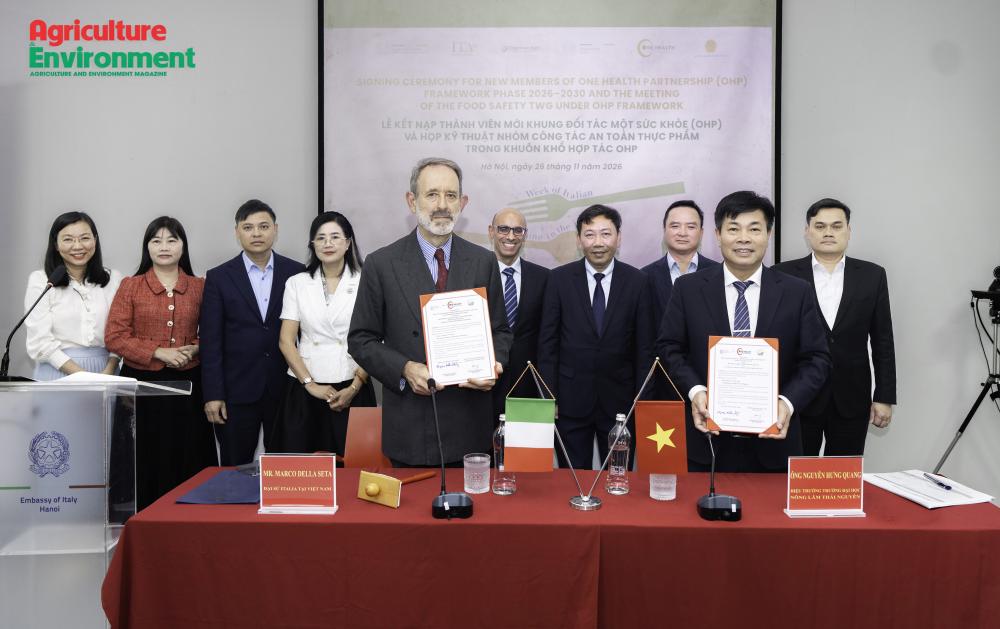
The Embassy of Italy in Viet Nam and Thai Nguyen University of Agriculture and Forestry have joined the Viet Nam One Health Partnership for Zoonoses (OHP), broadening its network of institutional partners. The signing ceremony, held at Casa Italia in Hanoi on November 26, 2026, was accompanied by a meeting of the Food Safety Technical Working Group, where participants examined Italian and European Union (EU) regulatory practices and discussed priorities for improving food safety management in Viet Nam.
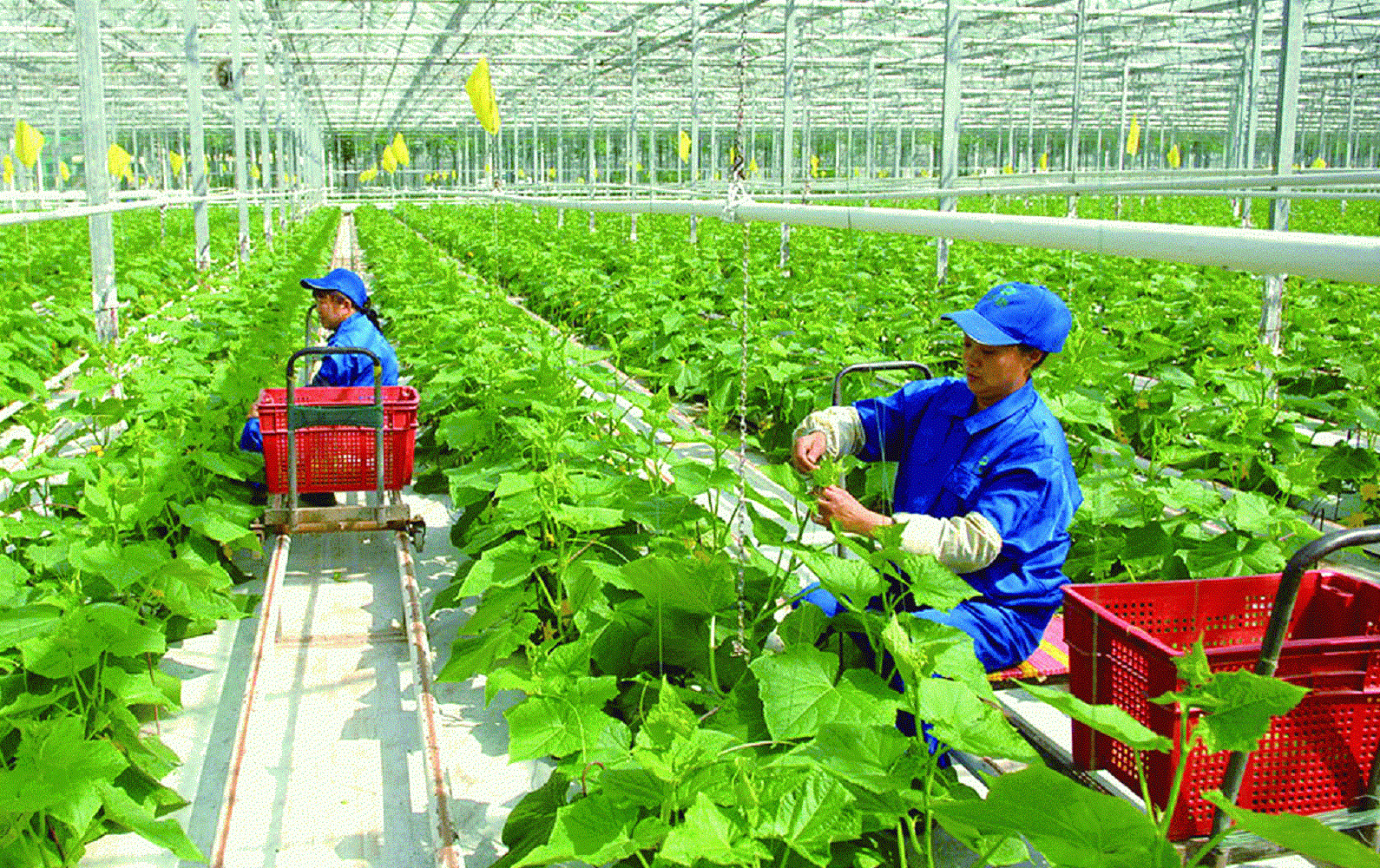
For science and technology, innovation, and digital transformation to become genuine drivers of growth in the agriculture and environment sector, the selection of appropriate technologies must be accompanied by coordinated efforts to address research mechanisms, investment resources, management data, and the commercialization of scientific research outcomes. At the conference on “Science and technology to identify new growth drivers for the agriculture and environment sector in Northern Viet Nam”, held in Hanoi on October 27, participants discussed practical challenges in sectoral management, the development of forestry raw material areas, the establishment of land databases, and research into next-generation biotechnology.
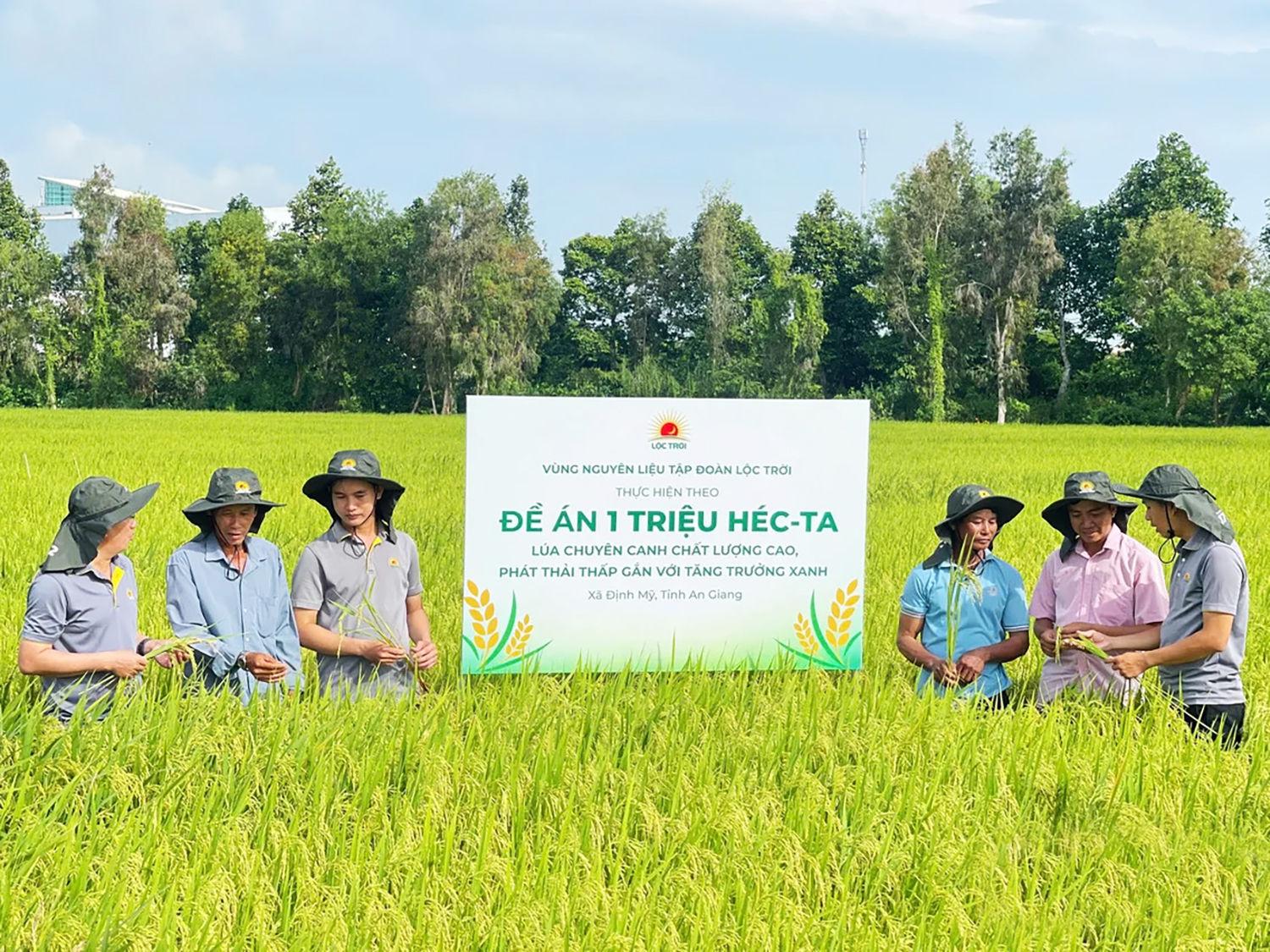
At a conference held on October 15 to mark World Food Day and strengthen cooperation in implementing the high-quality, low-emission rice production scheme, participants emphasized the need to move beyond isolated pilot models toward large-scale production. For this transition to deliver substantive results, low-emission farming practices must be complemented by stable value-chain partnerships, appropriate financing, technologies tailored to different agroecological zones, and mechanisms that ensure farmers share in the benefits.
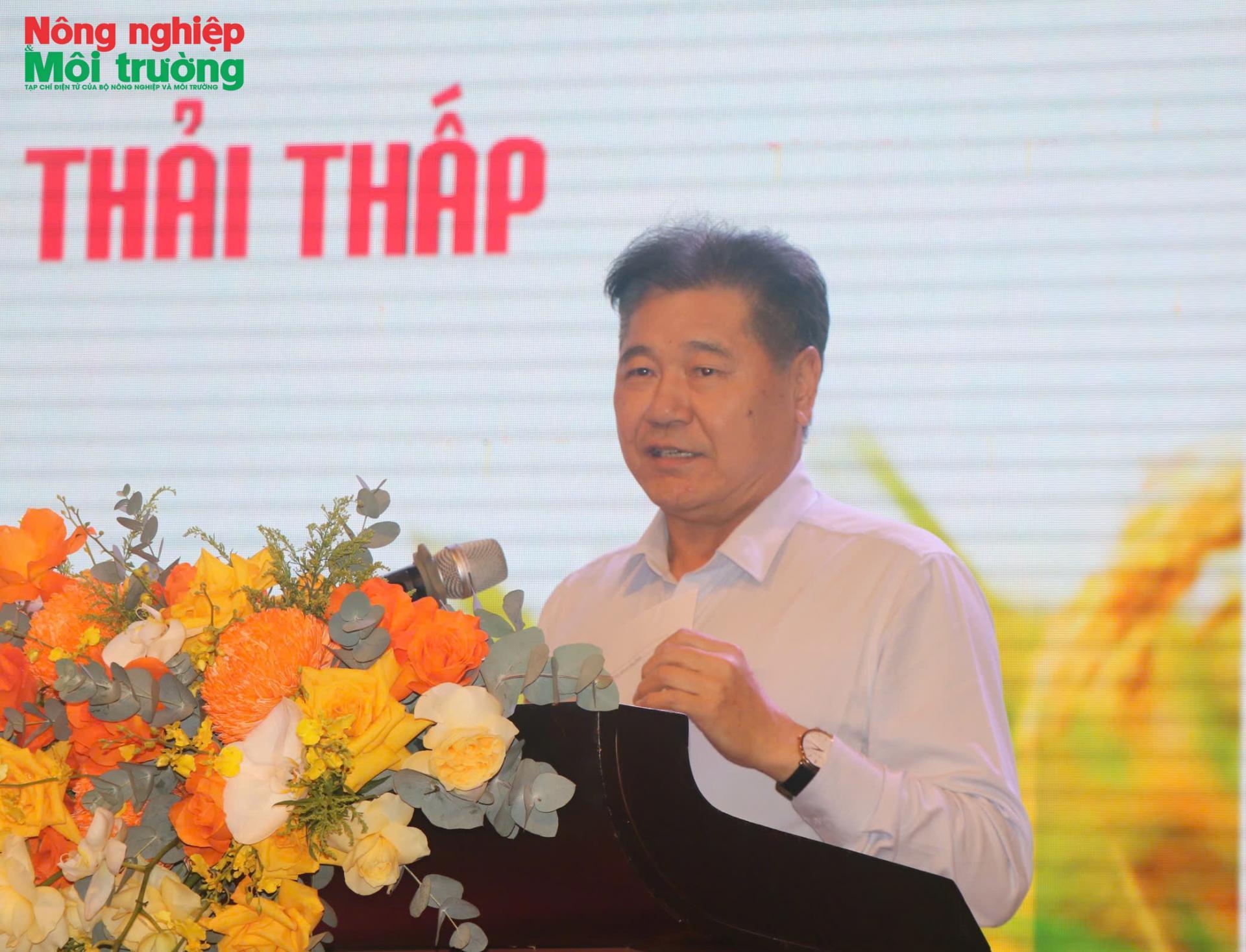
Rice production in Viet Nam faces a dual challenge: maintaining productivity, efficiency and farmers’ livelihoods while reducing pressure on natural resources and the environment. In recent years, low-emission rice farming models have been introduced in production areas across the country, with initial results showing their potential to reduce irrigation water use, agricultural inputs and greenhouse gas emissions.
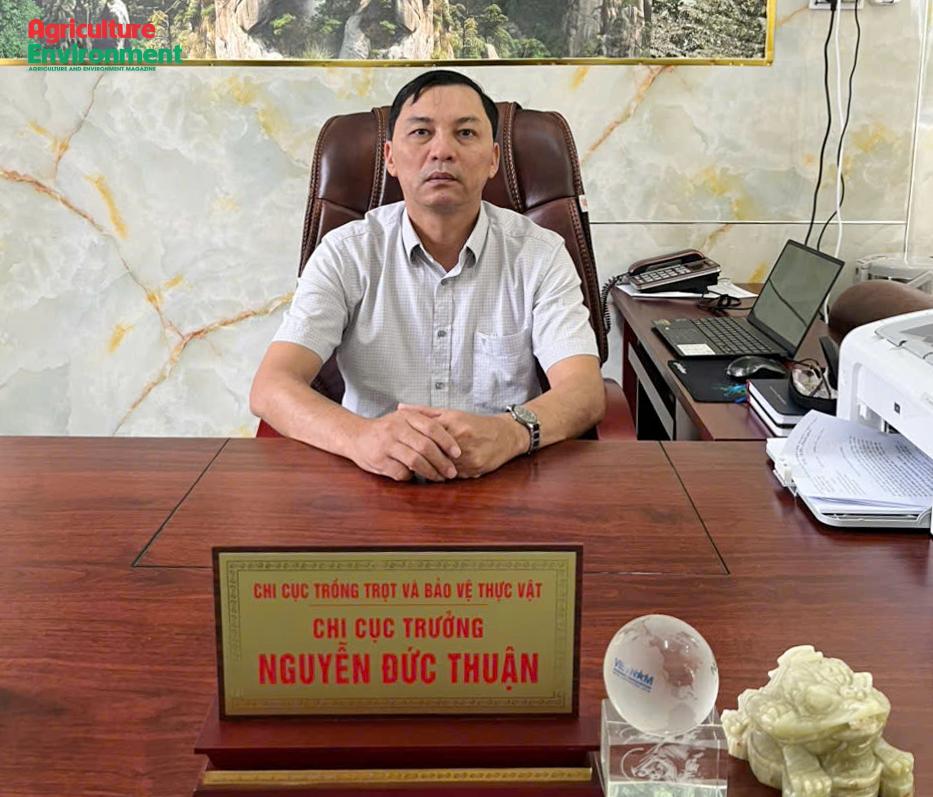
Resolution No. 36/2026/NQ-CP has addressed a number of obstacles in the issuance and management of planting area codes and packing facility codes, strengthened decentralization to the commune level, and shifted the management approach from pre-inspection toward post-inspection.