



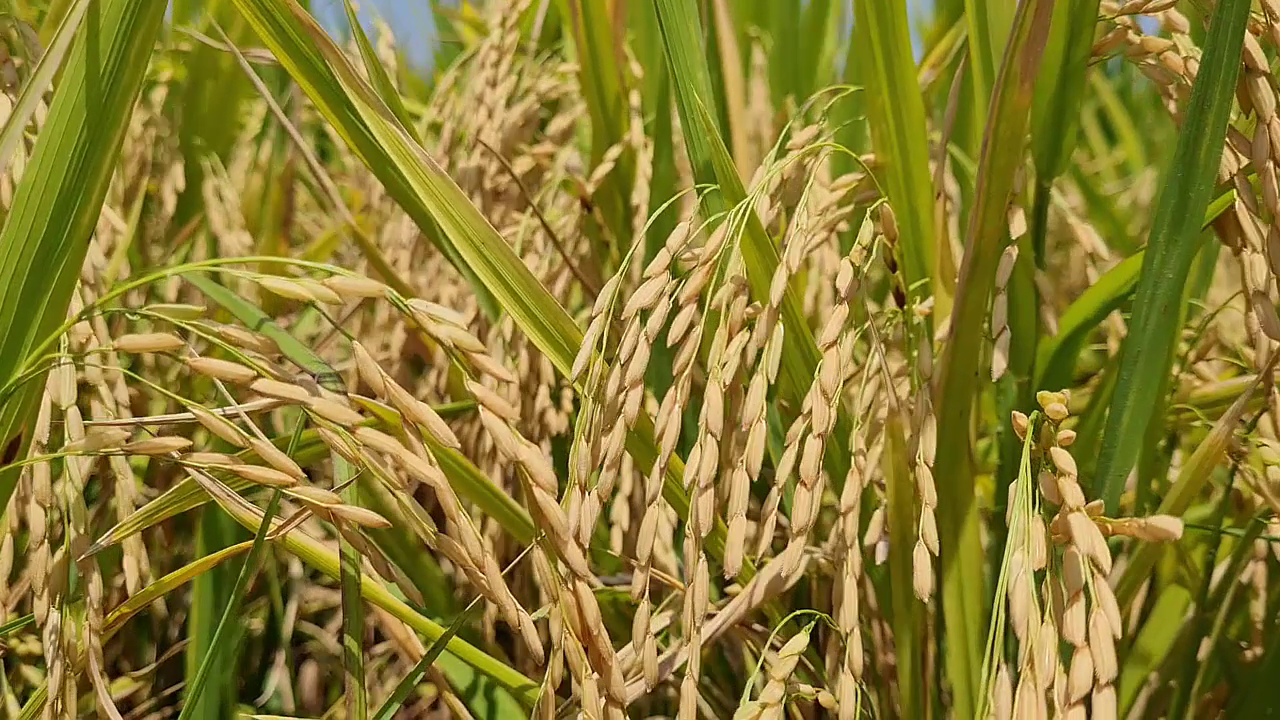
 A study of 180 local rice accessions conserved at the Plant Resources Center revealed diversity in subspecies classification and grain quality traits. Within this germplasm collection, researchers identified eight accessions with promising characteristics, including aroma, low amylose content, and low to intermediate gelatinization temperatures, providing additional genetic resources for conservation and the breeding of high-quality rice varieties.
A diverse pool of local rice germplasm
In rice production, yield represents only one component of varietal value. Grain shape, aroma, amylose content, and starch gelatinization characteristics can all affect grain quality and the eating quality of cooked rice. Viet Nam possesses a diverse pool of local rice germplasm conserved across different agroecological regions.
This germplasm also contains valuable traits for research and rice breeding, relating not only to grain quality but also to adaptation to environmental conditions. However, the combined assessment of genetic characteristics and grain quality across large collections of local rice accessions remains limited.
In a study conducted from May to December 2023, the authors — Le Thi Thu Trang, La Tuan Nghia, Pham Thi Thuy Duong, Do Ha Thu, La Hoang Nhat Minh, Ta Diep Vien Phuong, and Nesio Samuel Manhique — evaluated 180 local rice accessions conserved at the Plant Resources Center.
An important feature of the study was its combined approach to subspecies classification and the evaluation of several traits directly associated with grain quality. This approach provided a clearer characterization of the variation present within local rice germplasm.
Indica and Japonica diversity in Viet Nam’s local rice germplasm
One of the study’s initial findings demonstrated the genetic diversity of the rice collection examined. Using the ORF100 marker in chloroplast DNA, the researchers classified 104 accessions as belonging to the Japonica subspecies, accounting for 57.8%, while 76 accessions belonged to the Indica subspecies, accounting for 42.2%.
The results indicate that both major subspecies of cultivated rice, Oryza sativa, are represented in the local rice germplasm examined. Notably, all Japonica accessions in the study were collected from the midland and mountainous provinces of northern Viet Nam.
The identification of these subspecies has significance beyond taxonomic classification. According to the authors, the information contributes to the germplasm database and supports the conservation and utilization of germplasm resources, as well as the selection of materials for rice breeding programs.
Variation among accessions was also evident in grain characteristics. Among the 180 accessions evaluated, slender grain shape was predominant, accounting for 102 accessions, or 56.6%. The researchers considered this trait valuable for the utilization of germplasm in breeding rice varieties with grain shapes suited to market demand.
Traits that underpin the value of local rice germplasm
While subspecies classification provides an indication of genetic diversity, grain quality traits provide further insight into the potential use of individual germplasm resources.
The study found substantial variation in grain size and shape among the 180 accessions. Of these, 117 accessions, or 65%, were classified as having long or very long grains. Slender grain shape was also predominant, indicating that the local rice germplasm collection contains a considerable amount of material with morphological traits of interest for quality rice breeding.
Another trait examined was amylose content, which is associated with starch structure and the cooking characteristics of rice. Amylose content among the accessions ranged from 5.2% to 24.8%. Of the 180 accessions, 59 were classified as having very low amylose content and 83 as having low amylose content. Thus, most of the accessions examined fell within the low to very low amylose categories.
Aroma was another notable trait, although it was not widespread across the entire collection. Seventy accessions were identified as aromatic, including 62 classified as slightly aromatic and eight classified as aromatic.
The distribution of gelatinization temperature was also relatively clear. As many as 162 accessions, or 90%, exhibited intermediate gelatinization temperature, while 13 had low gelatinization temperature and five had high gelatinization temperature. According to the study, gelatinization temperature is associated with cooking time, with accessions having low gelatinization temperatures tending to require shorter cooking times.
These traits occurred in different combinations across the accessions, resulting in a germplasm collection that was diverse not only in morphology but also in grain quality characteristics.
Eight promising accessions identified for grain quality
Based on the evaluation results, the researchers selected germplasm resources that simultaneously met several grain quality criteria, including aroma, amylose content below 20%, low or intermediate gelatinization temperature, and grain shape ranging from semi-slender to slender.
The eight selected accessions were Lua nep 3 thang (SĐK3323), Tam xoan (SĐK6249), Cham hon (SĐK12563), Khau co giang (SĐK14225), Khau on na (SĐK14624), Te nuong (SĐK15785), Khau nua (SĐK25163), and Lua nuong (SĐK26070). All eight accessions belonged to the Japonica subspecies.
Each accession displayed a different combination of traits. Cham hon, Te nuong, and Lua nuong had grain lengths exceeding 7 mm and length-to-width ratios within the slender-grain category. Meanwhile, Lua nep 3 thang, Khau co giang, Khau on na, Khau nua, and Lua nuong had very low amylose contents, ranging from 5.2% to 6.9%.
Tam xoan had an amylose content of 18.6%, remaining below the 20% threshold established by the researchers for selection. Cham hon had an amylose content of 12.9%, while Te nuong had an amylose content of 14.3%.
These findings do not establish the commercial value of the accessions in the market. However, according to the study, they identify germplasm resources with combinations of traits worthy of further investigation and utilization in breeding programs for high-quality rice varieties.
More broadly, the study demonstrates that the value of local rice germplasm lies not only in the number of accessions conserved, but also in the diversity of traits within individual accessions. A collection encompassing multiple phenotypes, genetic groups, and trait combinations can provide additional options for research and rice breeding programs.
As grain quality becomes an increasingly important criterion in the rice sector, the systematic identification and utilization of such germplasm resources are relevant both to the conservation of genetic resources and to the development of rice varieties that better meet quality requirements. The study therefore provides further evidence of the diversity of Vietnam’s rice resources, showing that local rice accessions conserved in germplasm collections contain numerous traits that warrant continued research and utilization.
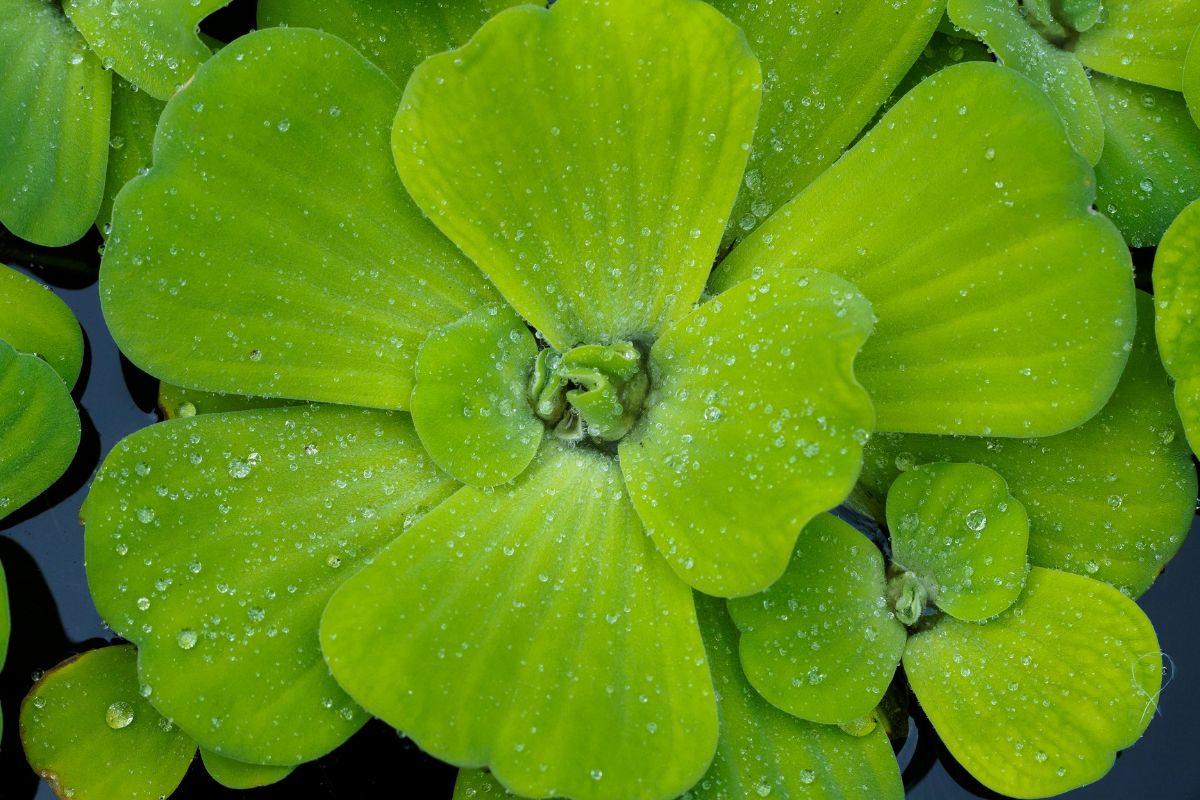
A scientific study by An Giang University, Vietnam National University, Ho Chi Minh City, and the An Giang Center for Rural Clean Water and Environmental Sanitation has demonstrated the potential of water lettuce (Pistia stratiotes) for treating piggery wastewater under natural conditions. The findings show that treatment performance varies with the initial biomass density and the pollutant being targeted. The approach offers a low-cost, environmentally friendly biological treatment option with potential for application by pig farms and household producers in Viet Nam.
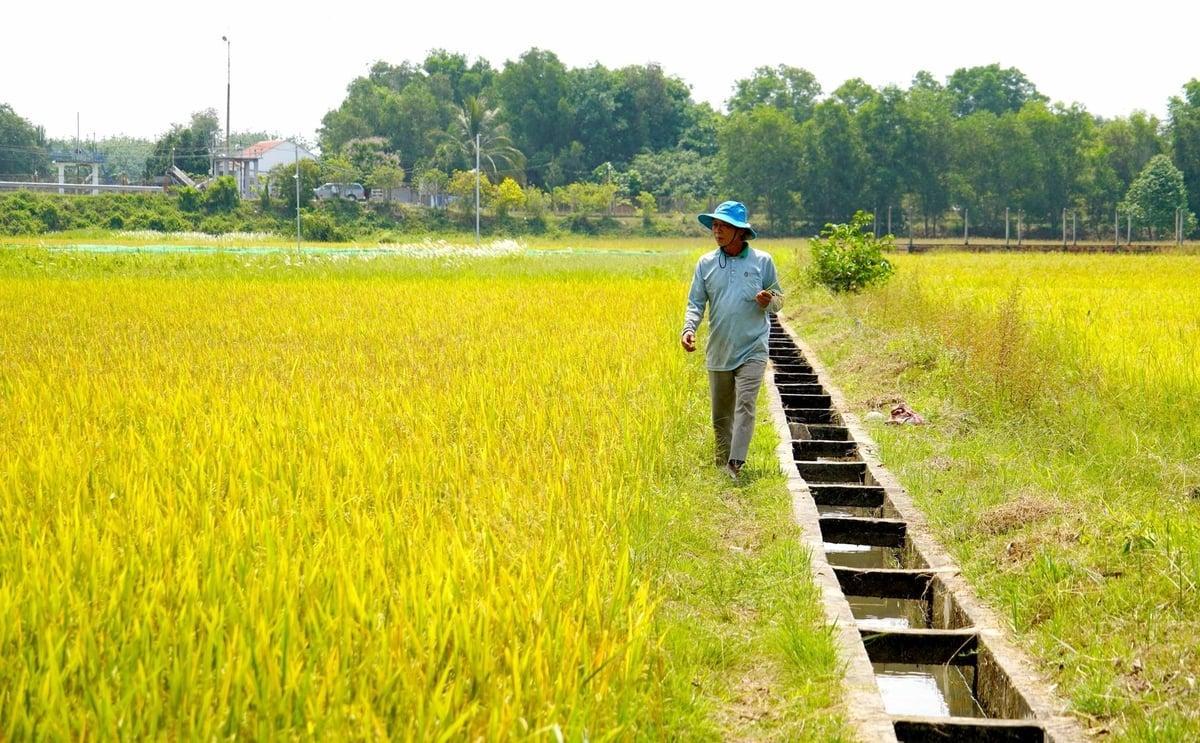
In low-lying areas of the former Cu Chi district, located in northwestern Ho Chi Minh City, seasonal flooding occurs alongside agricultural production and urbanization, creating various pressures on soil quality and its capacity for recovery. A study by Nguyen Thi Oanh, Phan Lieu, Truong Vinh Hai, and Tran Minh Tien found clear differences in soil health among rice cultivation, vegetable farming, and fruit orchards, with distinct patterns of chemical and biological degradation. The integration of multiple indicators through Principal Component Analysis (PCA) not only helped identify these differences but also provided a scientific basis for guiding soil management and restoration measures in peri-urban agricultural wetlands.
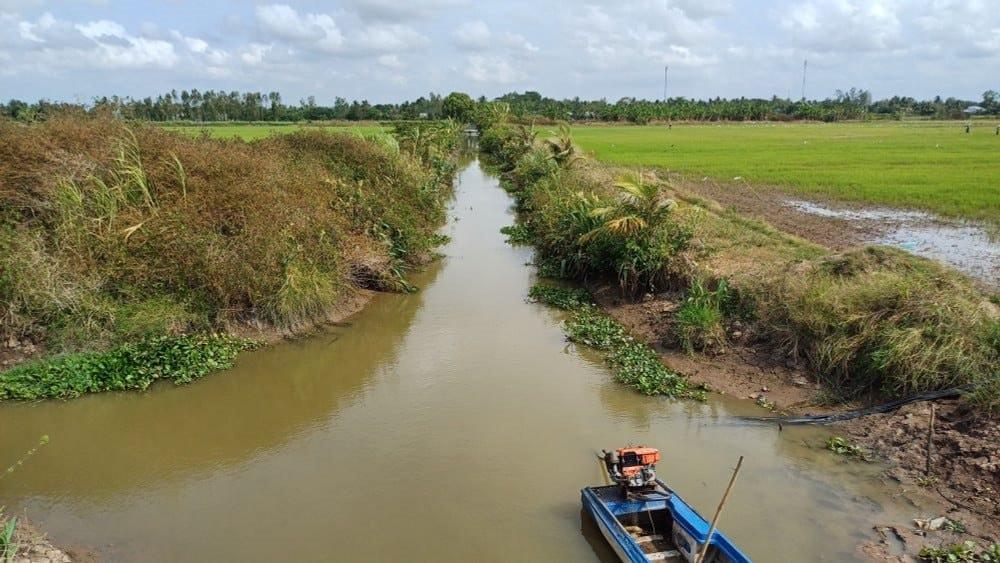
Saline intrusion is posing growing challenges to agricultural production in the lower Hau River region, where agricultural land use is closely linked to water availability. A study conducted in the former Soc Trang province, now part of Can Tho city, assessed saline intrusion risk to agricultural land use in 2024 under the RCP 4.5 and RCP 8.5 climate change scenarios for 2030 and 2050. The results show that the area of rice cultivation affected by higher salinity levels tends to increase, providing an additional scientific basis for land use planning and the selection of appropriate adaptation-oriented farming systems.
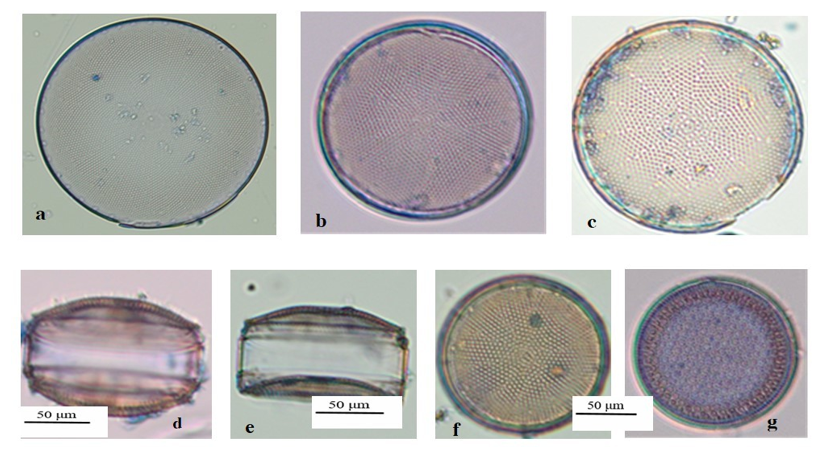
A study of phytoplankton samples collected from various marine areas of Viet Nam between 2015 and 2025 identified 21 species belonging to the genera Coscinodiscus and Coscinodiscopsis. Notably, Coscinodiscus reniformis and Coscinodiscopsis sp. were recorded and described in detail based on their cellular morphological characteristics, providing additional data for the identification and taxonomic classification of these diatom groups in Vietnamese waters.
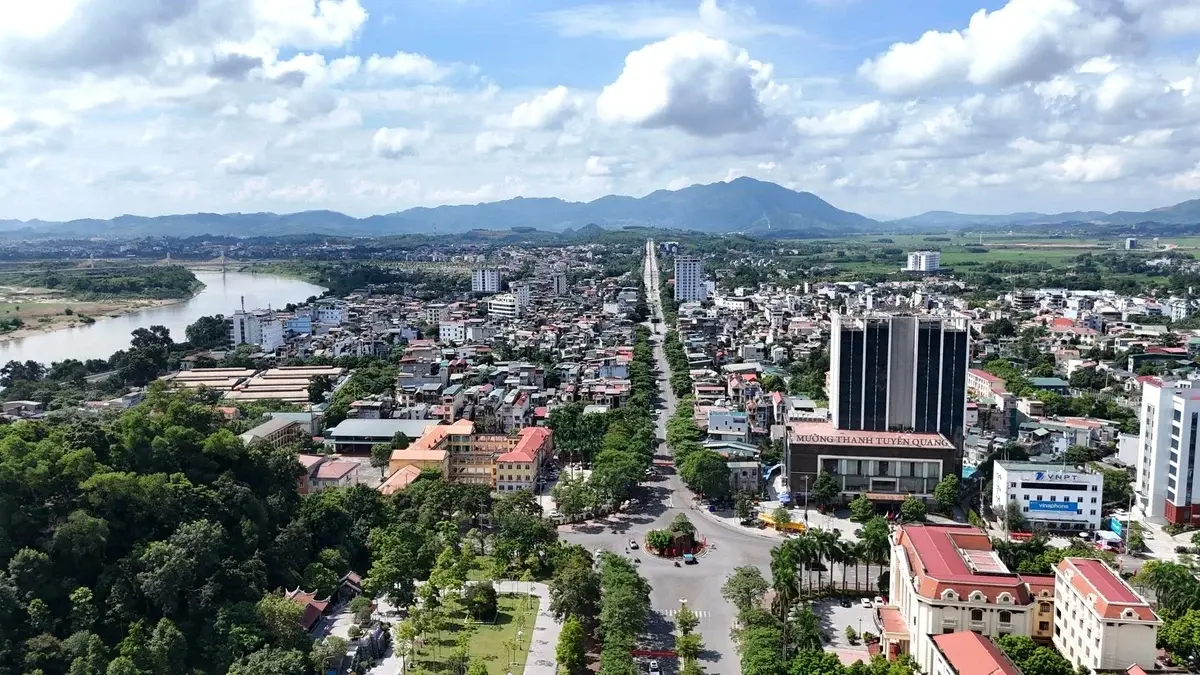
As land management becomes increasingly digitized, greater attention is being paid to organizing data in an integrated manner and making it accessible through digital mapping platforms. A study by Nguyen Dinh Trung of the Faculty of Natural Resources and Environment, Viet Nam National University of Agriculture, developed a land price database for four wards in Tuyen Quang Province by combining cadastral data, land price information, and field survey results. The database was organized using a GIS-based approach, linking land price information to individual land parcels and facilitating data updating and retrieval.