



 Durian in the Central Highlands was once a golden dream—until the market lost its trust. What followed became a turning point: farmers choosing to stand together, bound by a shared commitment to farm with responsibility and honor. No longer chasing short-term prices, they turned instead to transparency—keeping careful records, following standards, protecting their planting area codes. It was this simple promise that helped durian return to export markets—and, more importantly, restored trust in an entire region. A small story, perhaps, but one that speaks to a larger truth: sustainability begins with credibility.
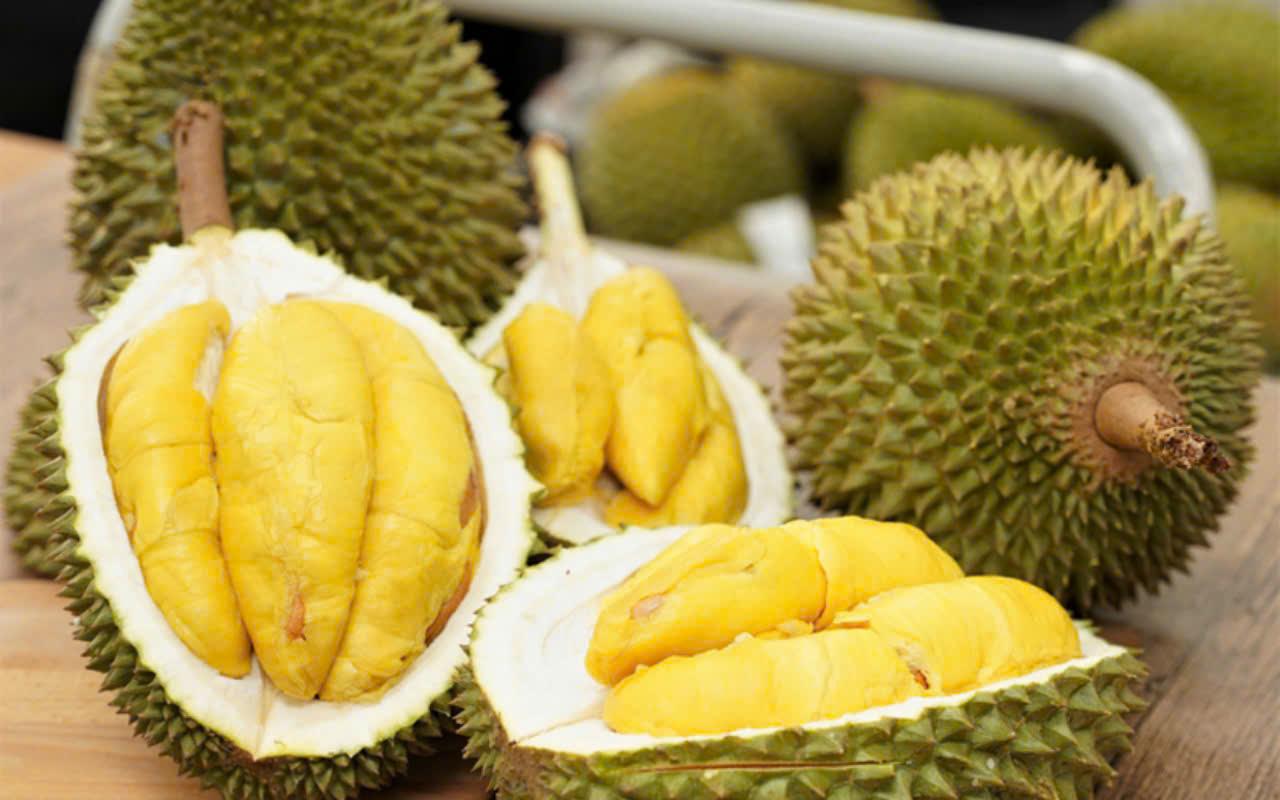
DURIAN AND THE PROMISE THAT RESTORED TRUST |
On the red basalt soil of the Central Highlands, where morning mist still clings to the leaves and the crow of a rooster seems to call in a new dry season, durian was once seen as something the land quietly set aside. Farmers tended each tree as if raising a child—measuring out every drop of water, every handful of fertilizer, picking pests off by hand.
Then the traders came, and everything changed.
“At this price, it’s as good as gold—why not plant it?” people said. Pepper fields were cleared. Coffee groves gave way. “One harvest can match years of hard work.” A dream of a better life began with a single fruit.
Then things began to unravel.
One day, over the commune loudspeaker, an announcement broke through: “A shipment of durian has been rejected due to excessive cadmium residues and untraceable pesticides.”
Weeks later came more reports: shared planting codes, falsely labeled packing facilities, traders mixing substandard fruit into export consignments.
Confusion spread. Prices fell like fruit after a storm. Some wept. Some blamed others. Some quietly cut down their trees.
Then, at a cooperative meeting in An Phu commune, Mr. Tam—who had grown durian for more than twenty years—stood up.
“Not everyone has done wrong,” he said. “But if no one speaks up, even those who do right will be blamed. We have to start again—and this time, we do it with accountability.”
So they wrote a community pledge.
No one imposed it.
No order came from above.
It was simply a promise among those who shared the same work.
Each household signed:
Grow according to proper techniques.
Keep complete farming records.
Use only approved inputs.
Do not misuse planting codes.
Any violations will be addressed within the group.
The pledge was printed and hung at the village office, where anyone passing by could read it. From that moment on, doing things right simply became the norm. And those who cut corners began to feel, quietly, ashamed.
Then one day, an inspection team arrived. They visited the orchard of Mrs. Sau, who had long worried whether her paperwork was in order.
It was. Her durians were selected for an official export shipment to South Korea.
With tears in her eyes, she said, “I never thought that I—a farmer in the hills—could export my own fruit without worry. Just follow the process, and keep your word.”
Since then, each harvest has carried a different kind of hope. Not only for good weather, but for one another to keep their promises. No more quiet deals behind closed doors—only clear and shared commitments.
Local authorities now publish lists of compliant households—a public roll of trusted farmers. Companies step in to purchase produce, cooperatives act as intermediaries, training sessions are held, and planting area codes are managed through QR systems.
Gradually, Vietnamese durian regained trust. Its sweetness now goes beyond taste—it lingers in the confidence it carries, knowing it was grown with responsibility and care.
The story of durian is a story of trade. But more than that, it is a story of integrity.
A promise shared among neighbors—between farmers and consumers, between a region and the global market—can carry more weight than a thousand campaigns.
One person who keeps their word builds a brand.
A group that keeps its word creates a trusted growing region.
An entire sector that keeps its word secures its future.
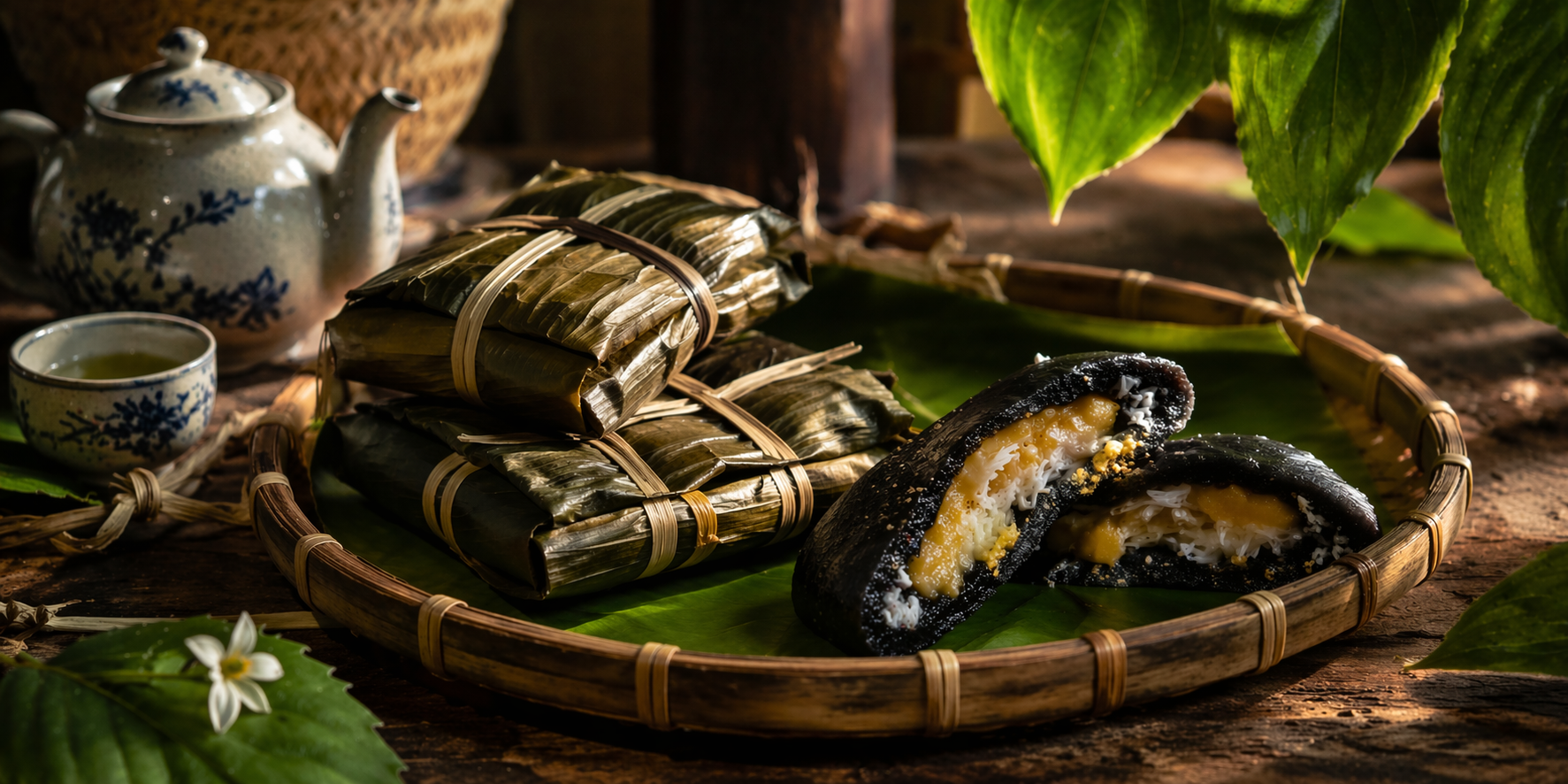
In modern life, sometimes a single familiar flavor is enough to carry us back into the quiet depths of memory. In “Xích Lô’s Notebook”, Lê Minh Hoan writes with a gentle, unadorned voice—leading readers through familiar scenes of the countryside before settling on a simple truth: development does not mean losing one’s roots. This small story invites us to pause, and to reflect more deeply on rural life, culture, and the enduring journey of preserving Vietnamese identity.
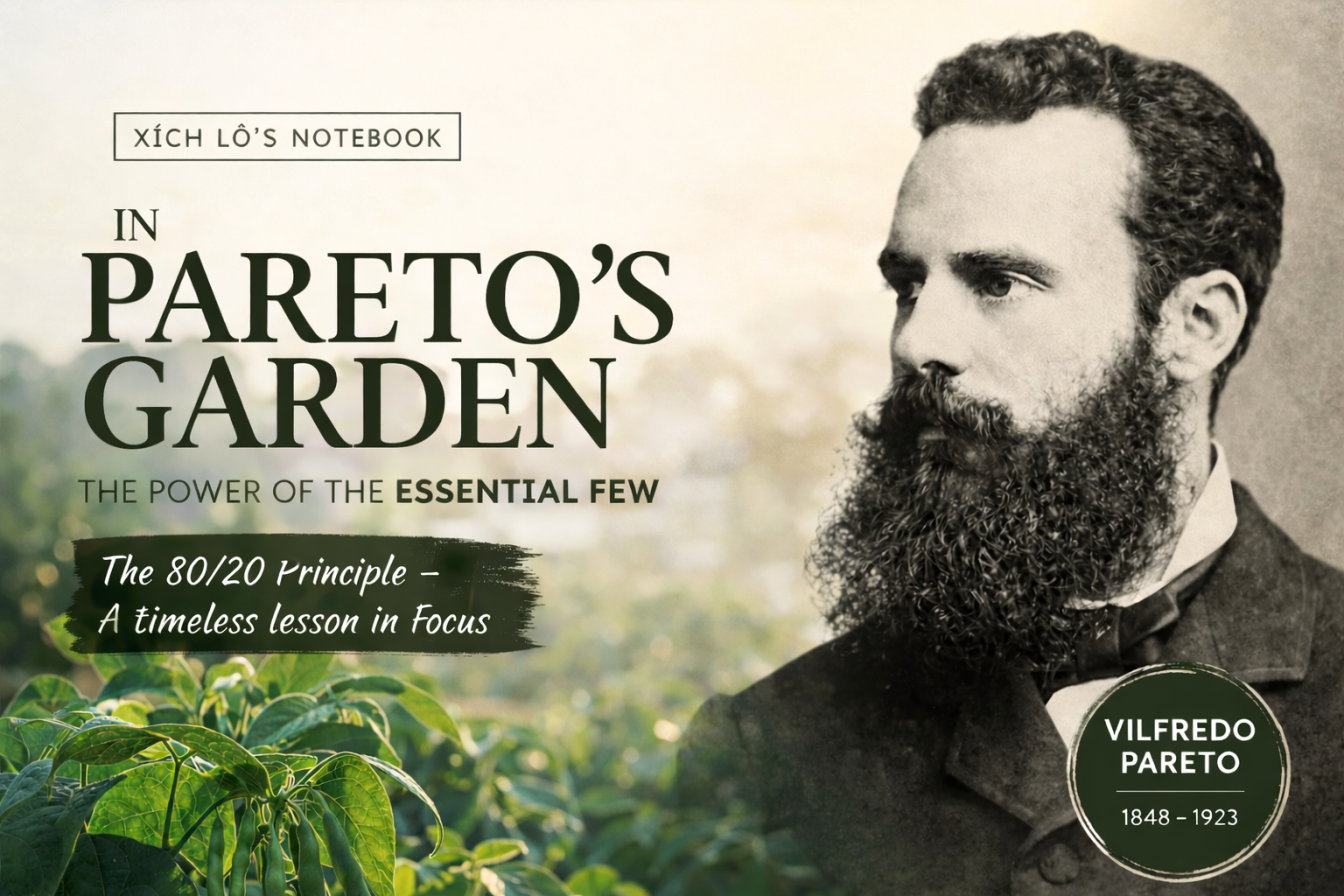
In his reflective “Xích Lô’s Notebook” series, Lê Minh Hoan revisits the story of Vilfredo Pareto—told through the simple image of a bean garden—to illuminate a profound insight. More than a statistical rule, the 80/20 principle emerges as a way of seeing: a reminder to look beyond the noise of abundance, to recognize what truly matters, and to act with clarity and intention.

In "Xích Lô’s Notebook" by Lê Minh Hoan, even the smallest moment—a rice seedling leaning in the wind—can open into something deeper. From there, nature quietly offers its lessons on how to live, if we are willing to pause and listen.
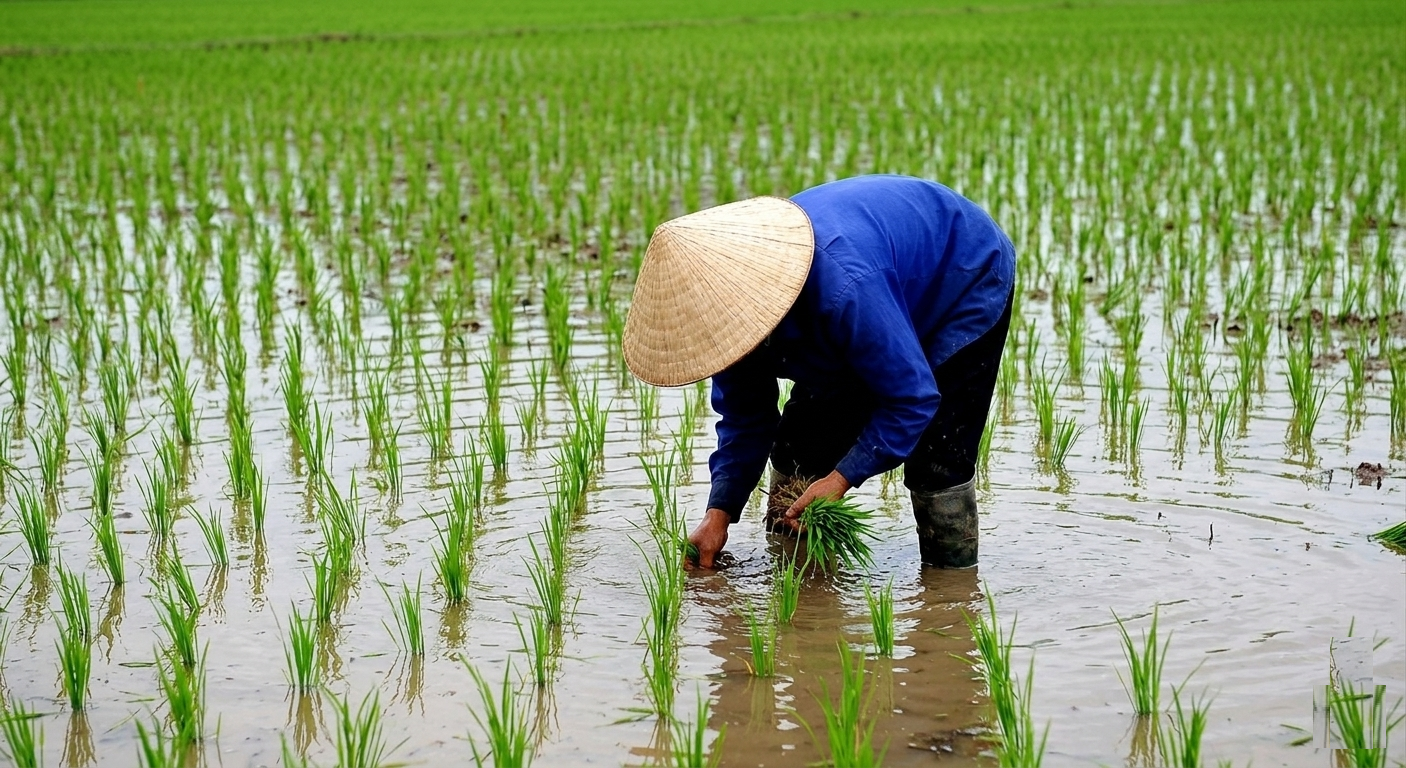
A quietly evocative fable by Lê Minh Hoan, featured in the “Xích Lô’s Notebook” series, draws from the familiar image of Viet Nam’s rice fields to illuminate a deeper philosophy of leadership and human conduct. Through the bending rice—heavy with grain—the author reflects on humility, attentive listening, and growth through lived experience, offering a gentle yet enduring lesson for those in public service and beyond.
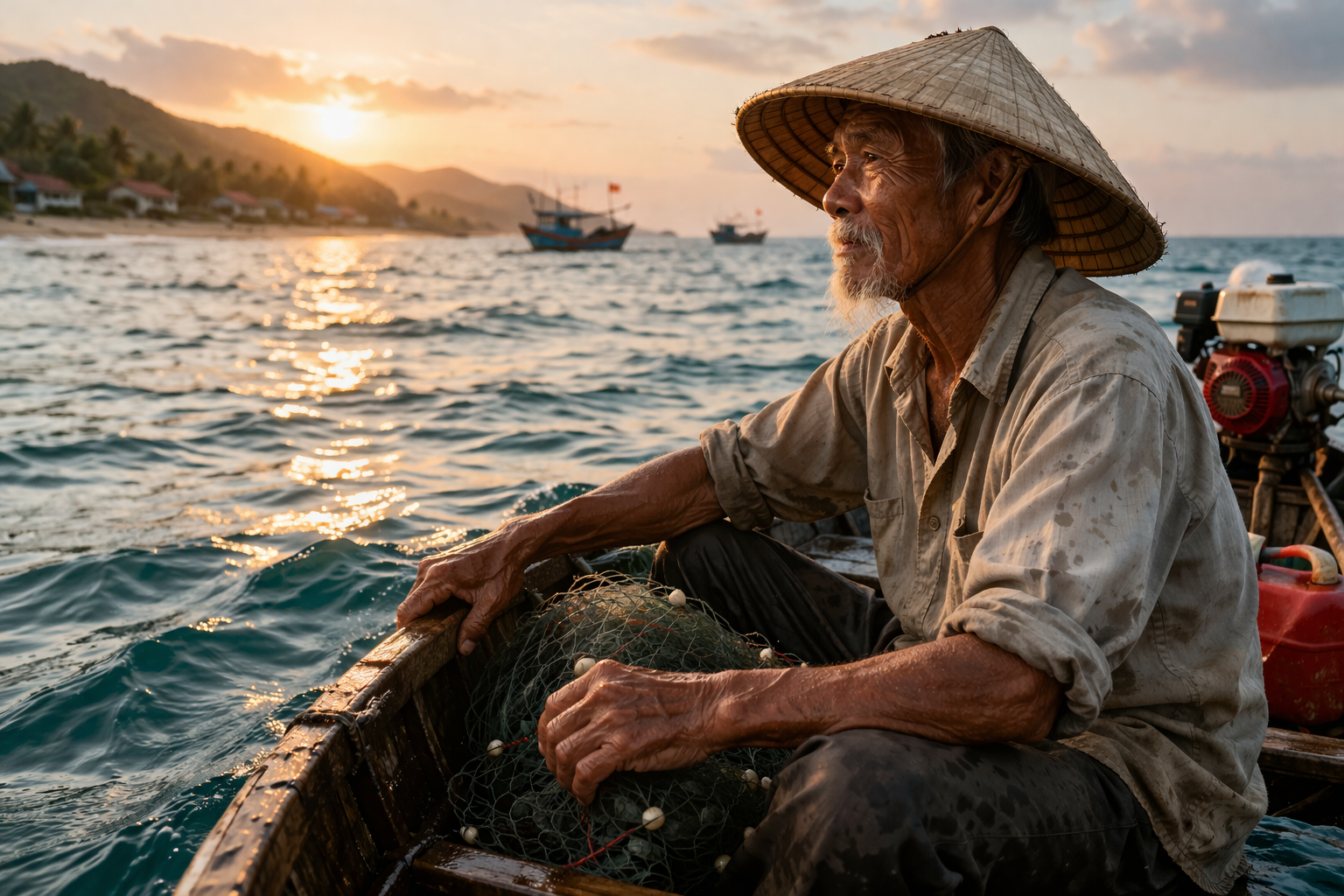
Some stories begin not with action, but with a quiet sense of loss. This is one of them. “The fisherman and the reef,” a short fable by Lê Minh Hoan in the Xích Lô’s Notebook series, reflects on the fragile bond between people and nature—reminding us that what sustains life is often what we are most at risk of forgetting.