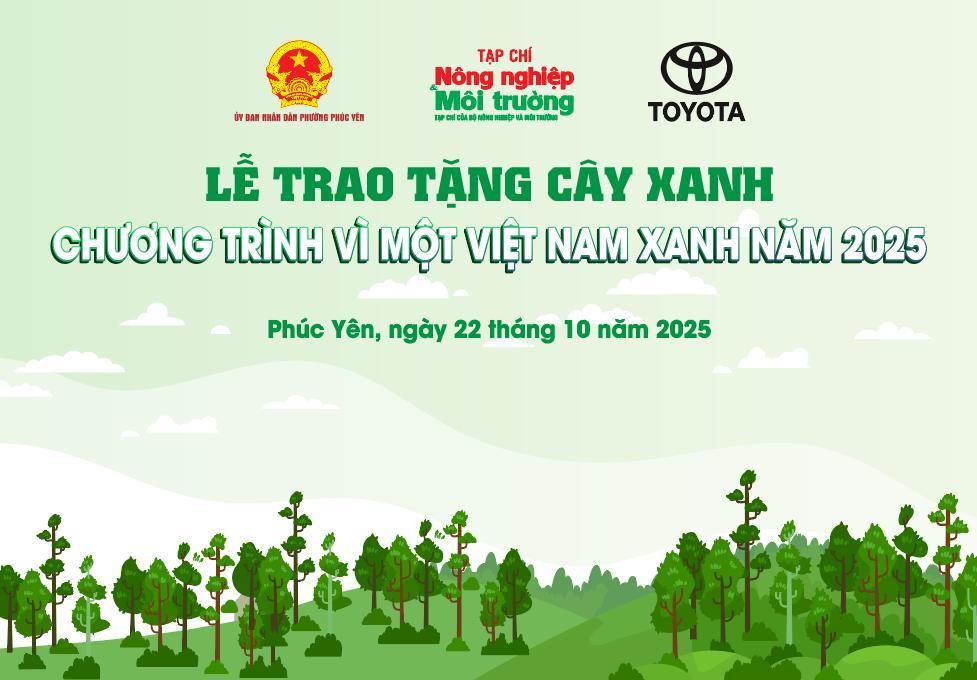




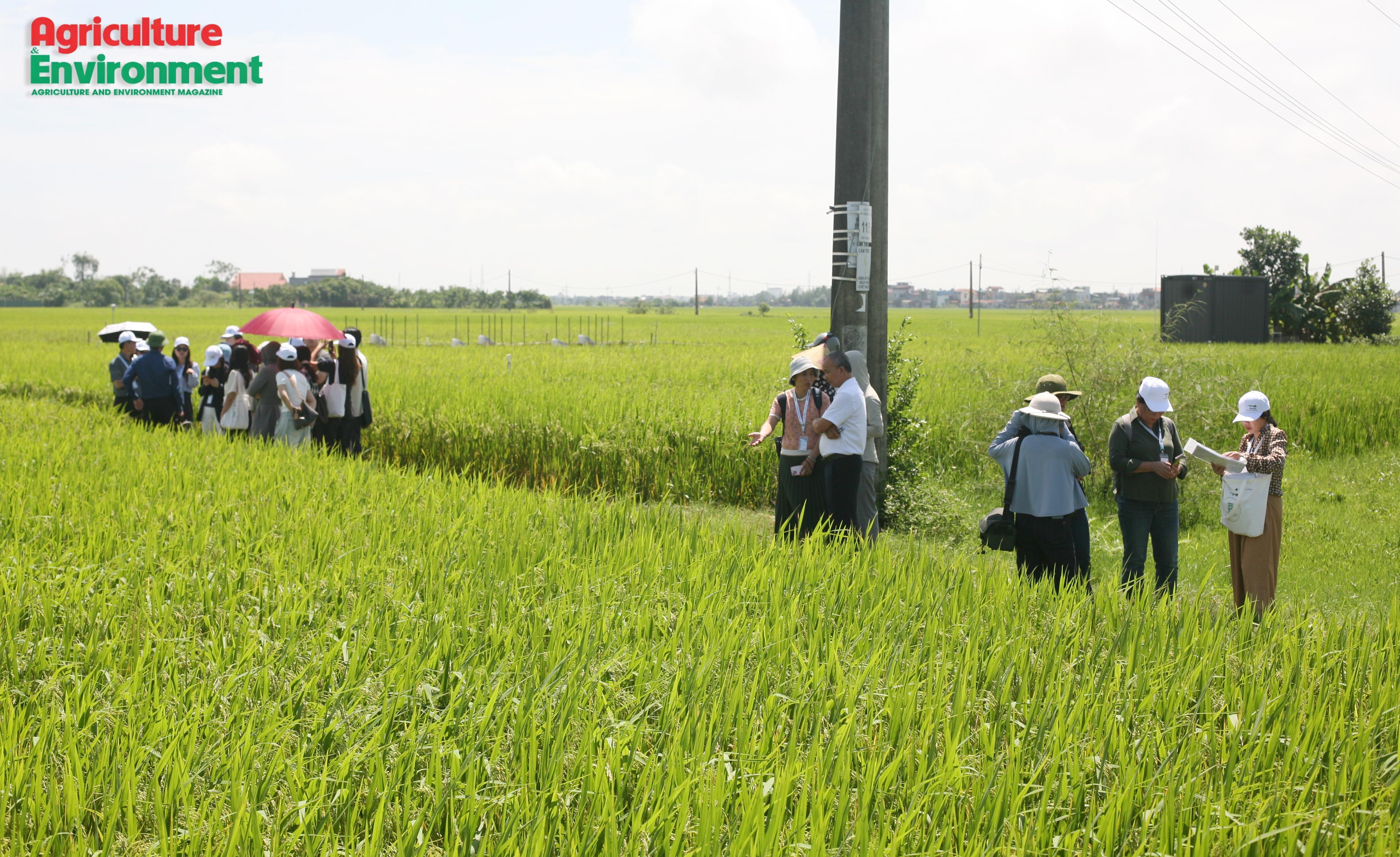
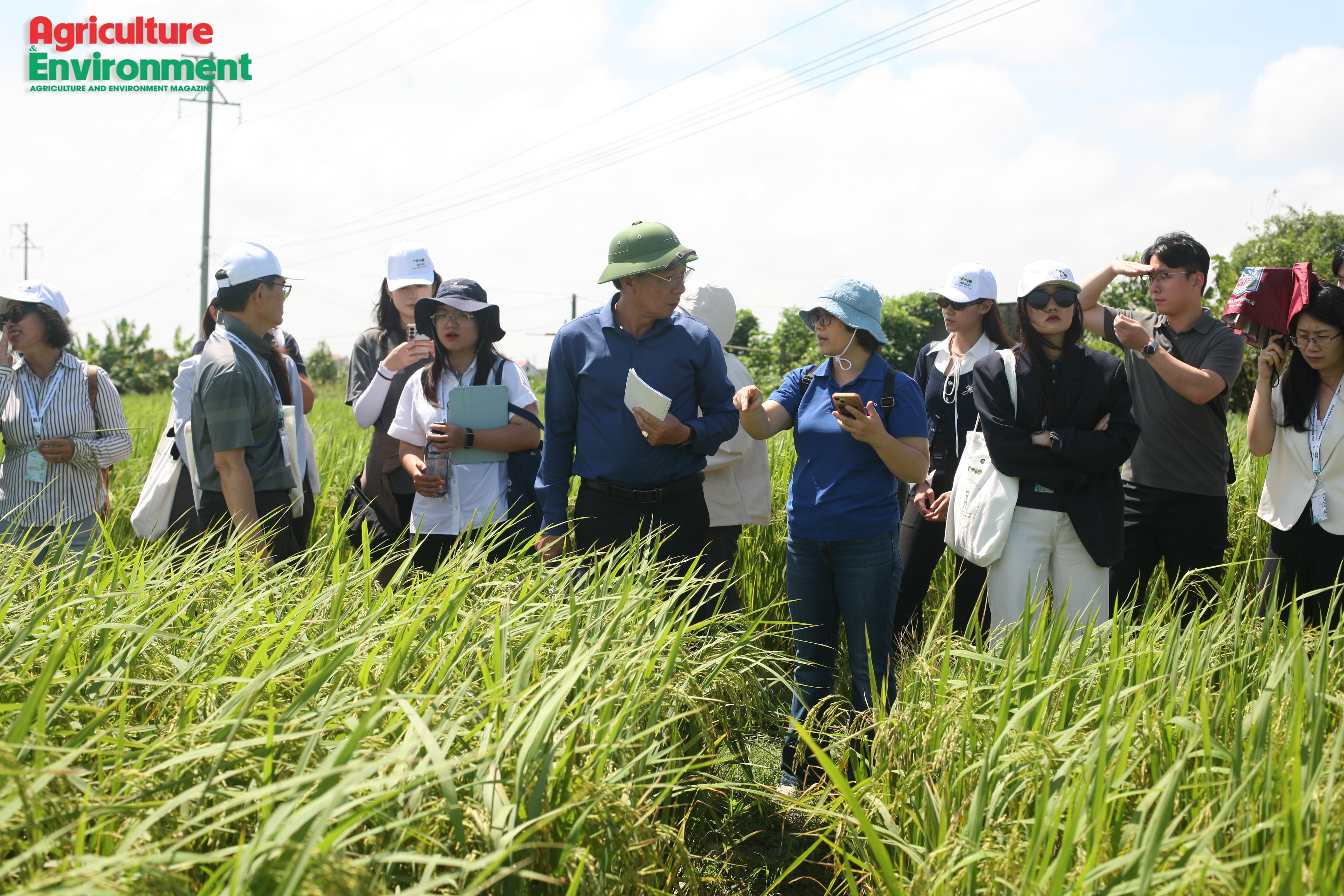
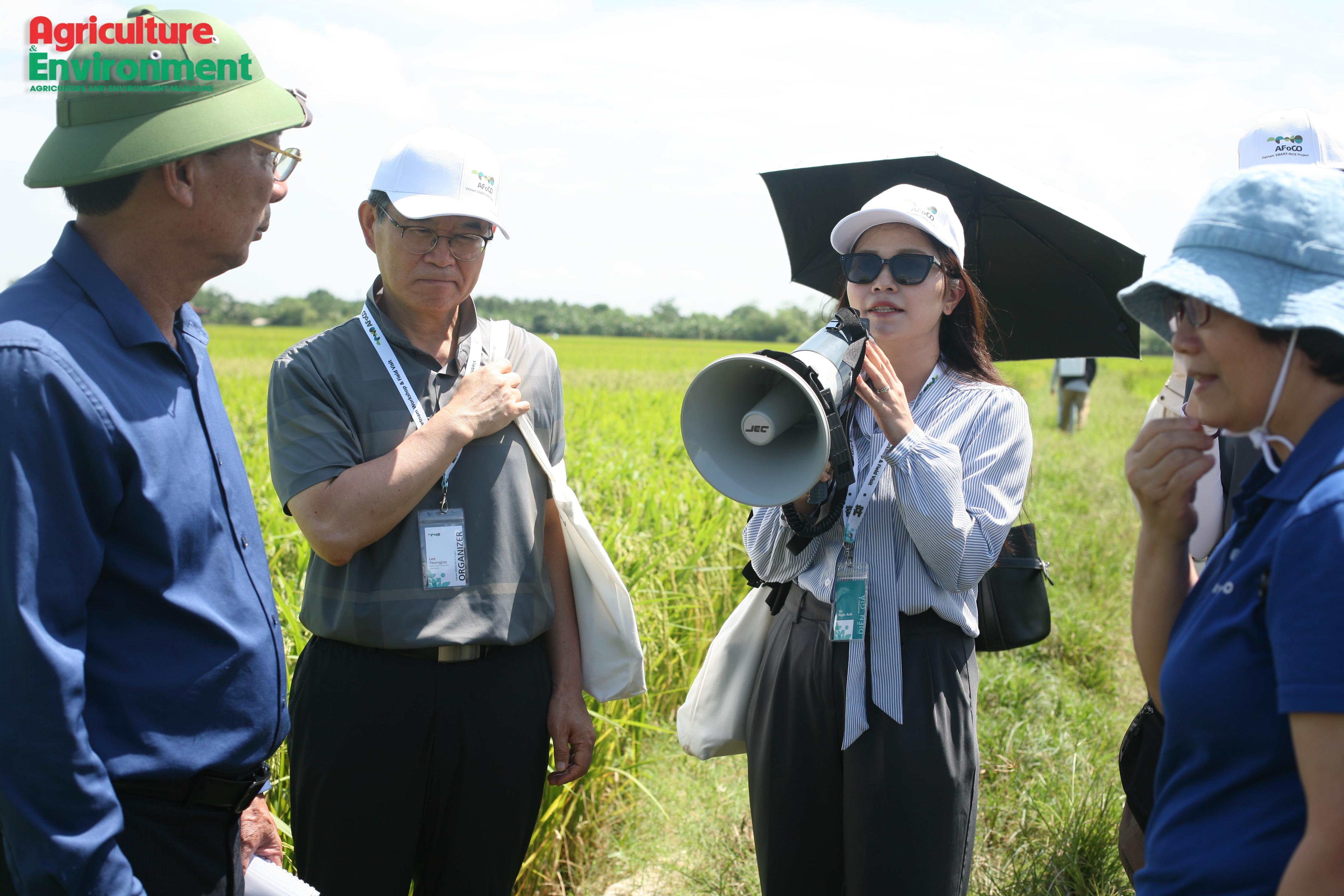
 On September 18, a delegation of experts, officials and representatives of organizations and businesses conducted a field survey of the Smart-Rice model in Bac Tien Hung, Hung Yen province. The model, which initially covered 67 hectares, has since expanded to more than 120 hectares, demonstrating the potential for applying alternate wetting and drying (AWD) on a larger scale. However, scaling up the approach will require more than water-management techniques, with irrigation infrastructure, production organization, and the ability to measure and verify emissions reductions also being key considerations.
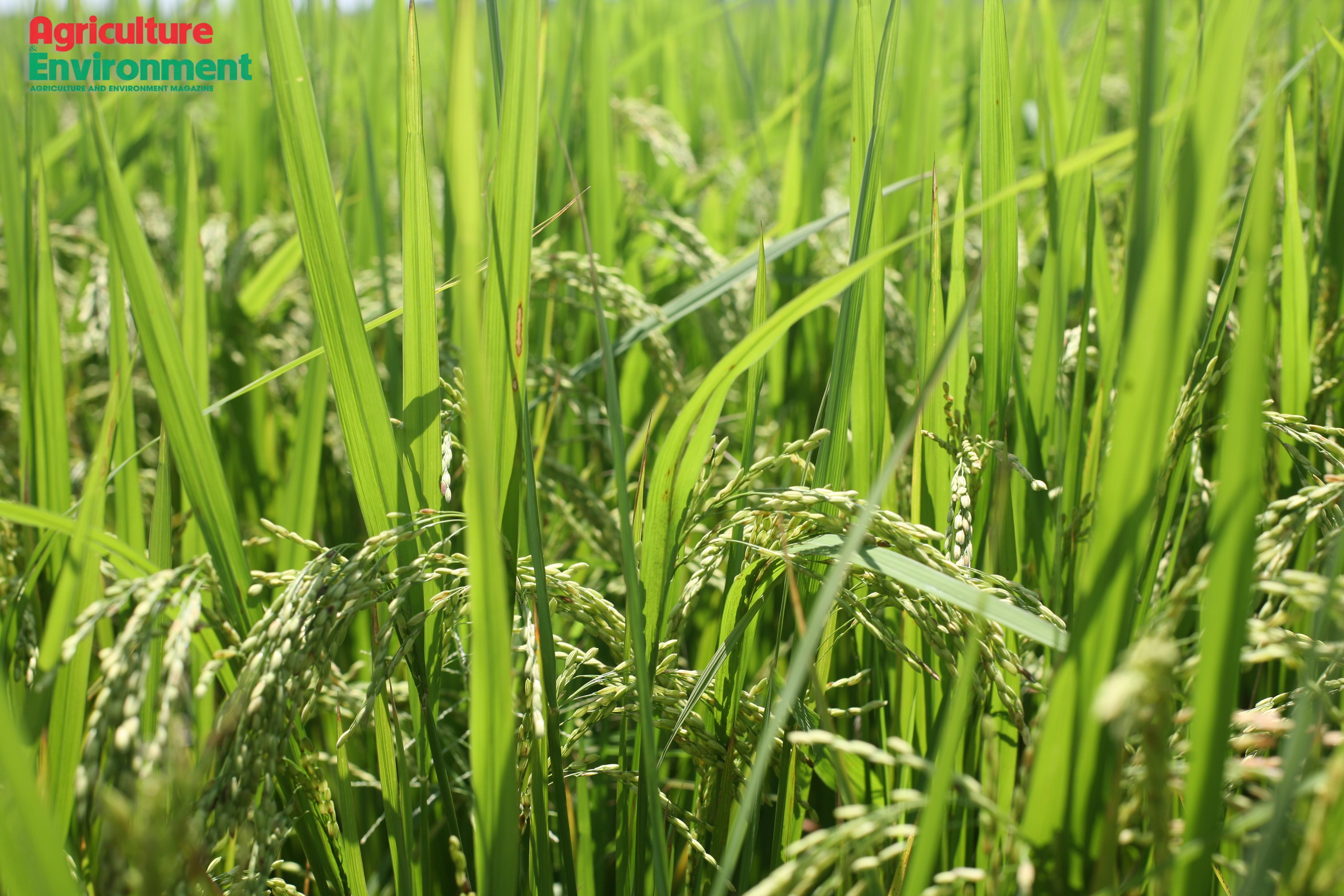
Rather than keeping fields continuously flooded, AWD allows rice fields to dry for periods before water is supplied again. While the change may appear straightforward, it requires farmers to move away from a long-standing practice of maintaining standing water in rice fields through much of the crop's growth cycle.
The Bac Tien Hung model has been implemented since the 2024 spring crop through cooperation between Thanks Carbon Korea, the Institute for Agricultural Environment (IAE) and Phú Lương Agricultural Service Cooperative. The initial area was about 67 hectares and has grown to more than 120 hectares in the current crop.
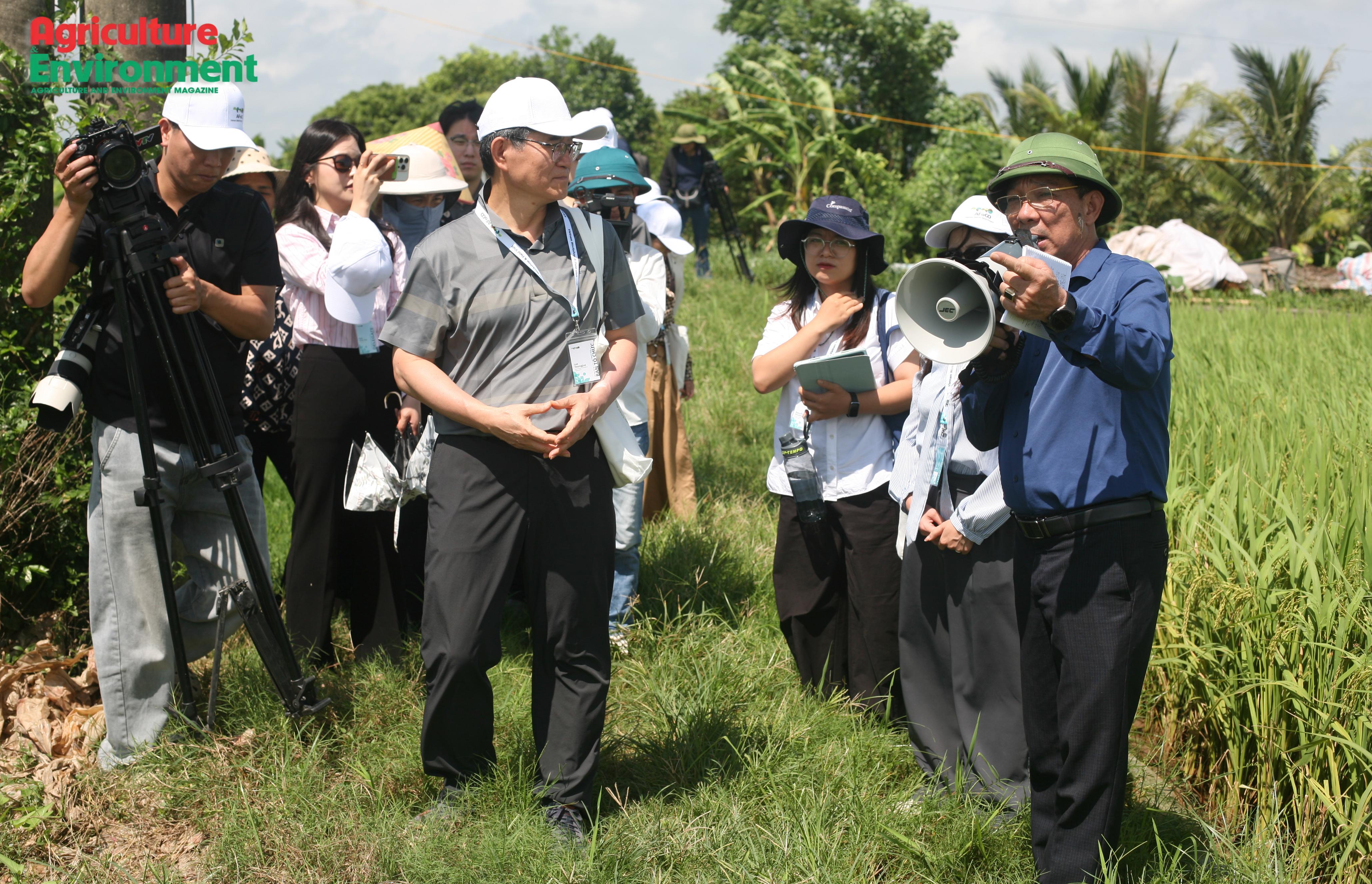
The expansion was among the issues examined during the field visit. For a new farming technique, results from a pilot-scale area are only a starting point. A broader question is how the technique can be organized across fields farmed by multiple households that share irrigation infrastructure and need to follow relatively synchronized cropping schedules.
These figures help explain the interest in AWD as part of efforts to develop low-emission rice production. When fields are not continuously flooded, conditions conducive to methane formation in the soil are reduced. For rice production, emissions reduction is therefore directly linked to changes in water management in the field.
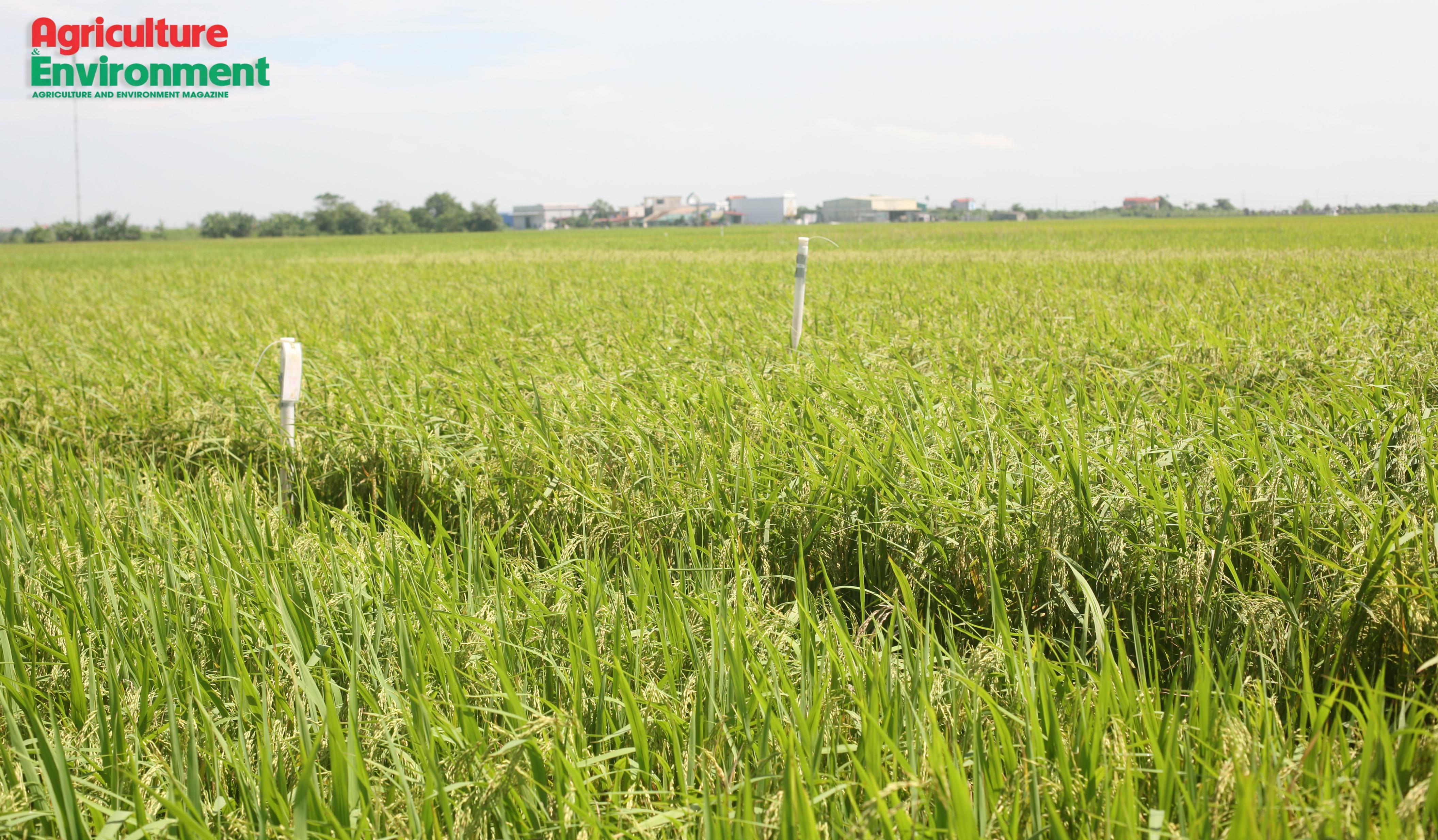
Earlier trials also showed that AWD water management could be monitored through designated observation points in rice fields. In a study covering more than 67 hectares, local officials monitored water levels at specific locations using an application and water-level tubes. Under the criteria used in the study, three consecutive dry days counted as one successful dry-down, while two or more successful dry-downs were considered successful AWD adoption.
Results from the monitored sites showed that 63.4% met the criteria for AWD adoption, with 40% recording two successful dry-downs and 23.3% recording three. Yields at AWD sites ranged from 7.23 to 7.58 tonnes per hectare, while the control site recorded 7.23 tonnes per hectare.
The findings indicate that AWD does not necessarily require a yield trade-off to reduce water use. But turning results from individual fields into a widely adopted farming practice presents a more complex challenge.
Some of the difficulties identified during implementation are rooted in actual production conditions.
Farmers' established practice of maintaining standing water can make it difficult to drain fields at the required times. Uneven terrain, obstructions in parts of the field irrigation network, and the need for water during certain periods of pest and disease control can also affect the drying schedule. Weather conditions may further alter the schedule, particularly during periods of unusual cold or rainfall.
These constraints show that AWD cannot be managed solely at the individual-farm level. If one farmer drains a field while neighboring fields remain flooded, achieving consistent water management across the production area becomes more difficult.
The role of agricultural cooperatives is therefore particularly important. Organizing irrigation schedules, coordinating farmers, and providing guidance on when to drain and refill fields can help ensure more consistent implementation than leaving decisions to individual households.
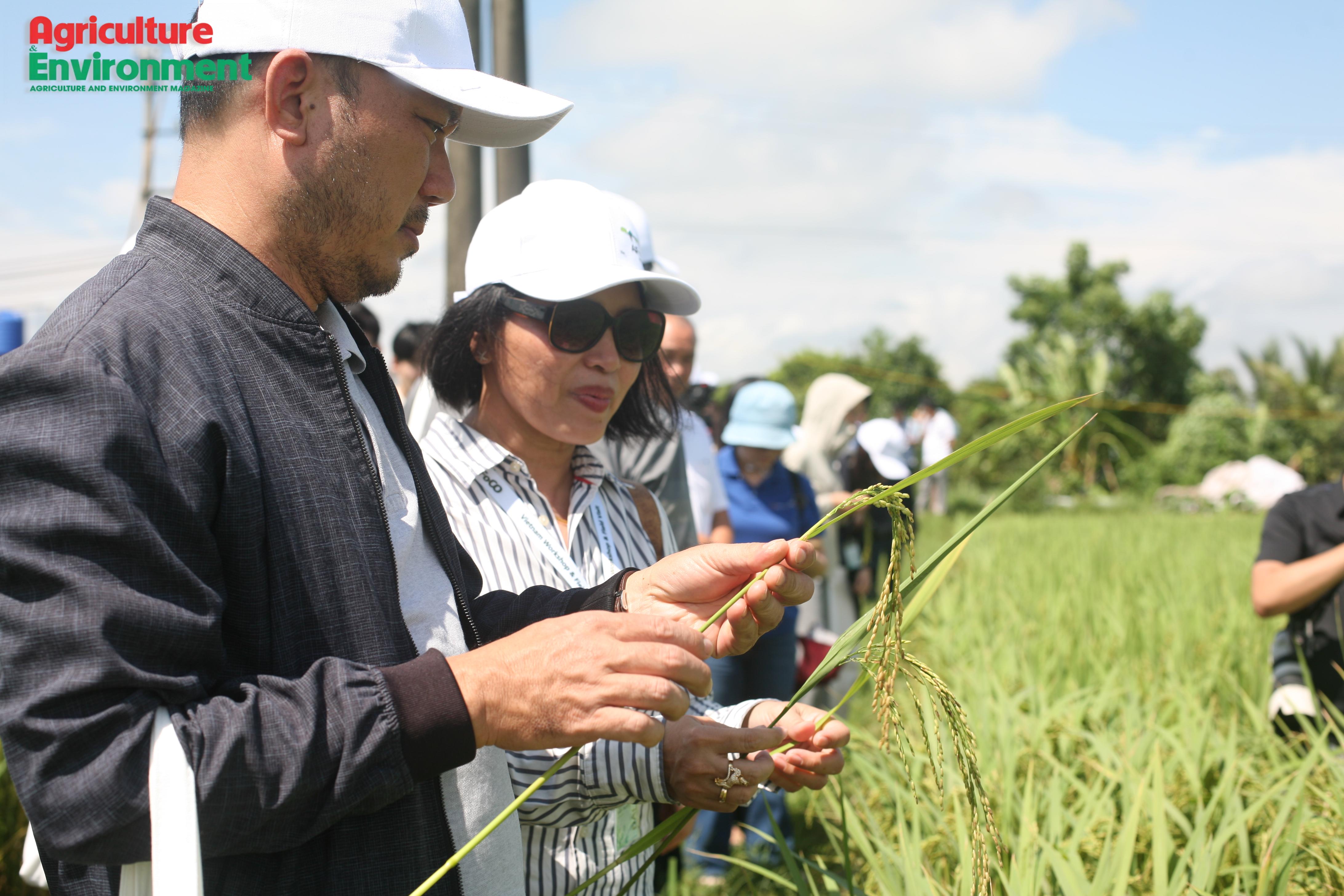
This will also need to be considered as the cultivated area expands. A technique may be relatively straightforward to understand at the level of a single field, but applying it across tens or even hundreds of hectares requires a different approach to production management.
Another important component of the program has been the use of technology to monitor water management. Earlier trials in the project area used the Haimdall application to enable local officials to record water levels at monitoring points, with the data combined with measurements from water-level tubes and field images.
The purpose is not simply to determine whether a field is wet or dry. Water-management data provide inputs for calculating greenhouse gas emissions, including methane, and for developing a measurement, reporting and verification (MRV) system for AWD.
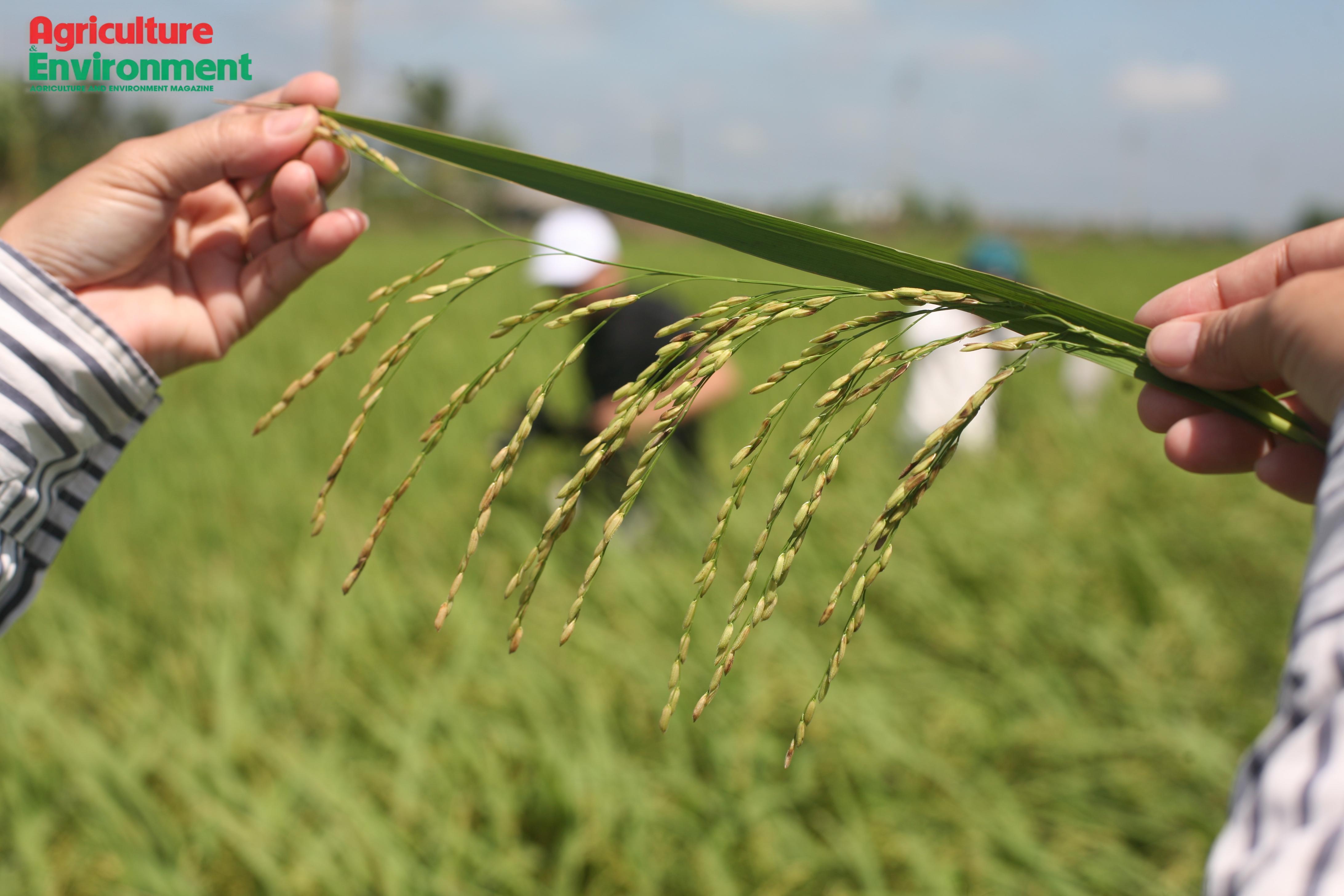
The trial also explored the use of satellite imagery combined with artificial intelligence to collect data on water-management practices. Such an approach could become increasingly relevant as production areas expand, since manually monitoring individual fields would become more difficult without technological support.
The field trials, however, also showed that technology depends on reliable input data. Taking and uploading images in the field could be hampered by internet connectivity, while water-level tubes could produce errors because of external impacts, spider webs or heavy rain.
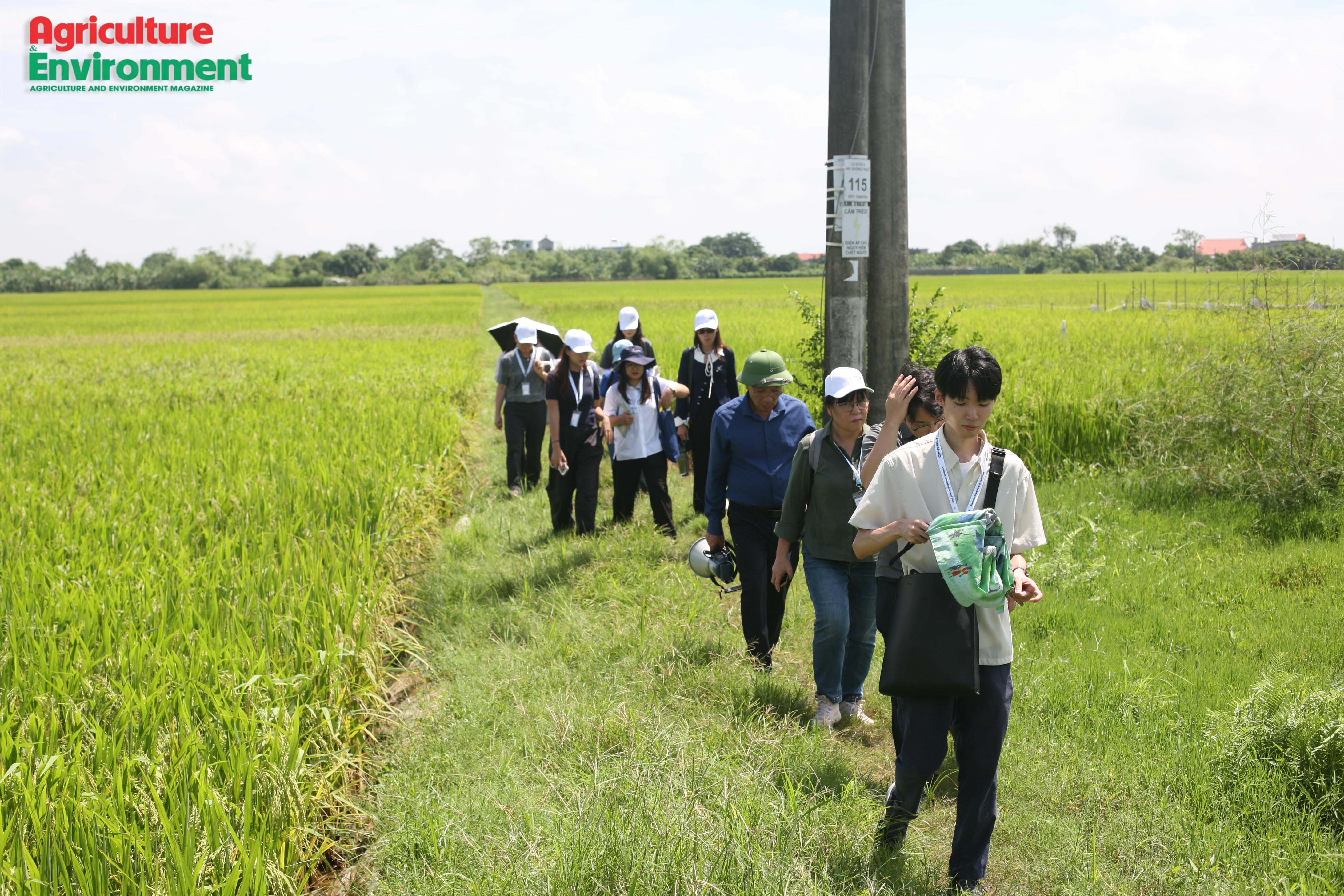
The Bac Tien Hung field visit was part of a three-day program held from September 17 to 19. On September 17, experts, officials, scientists, farmers and business representatives attended a workshop on research and implementation of Smart-Rice in Vietnam, with discussions focusing on AWD, low-emission rice production and MRV.
The field visit provided an opportunity to examine those technical and data-related discussions in the context of an operating rice production area. It also brought emissions-reduction objectives alongside practical production questions: where water comes from, when fields should be drained, who coordinates irrigation, whether farmers can implement the practice consistently, and how the results can be documented through reliable data.
But the size of the cultivated area is not the only measure of whether the model can be scaled up. Production costs, labor requirements, actual reductions in input use and the benefits received by farmers still need to be assessed more fully.
If low-emission rice production is to be linked to carbon markets, emissions reductions will also need to be measured and verified through a reliable data system. In that context, AWD is not simply about how much irrigation water can be saved in a rice field. It is also about whether the resulting changes in greenhouse gas emissions can be demonstrated with credible data.
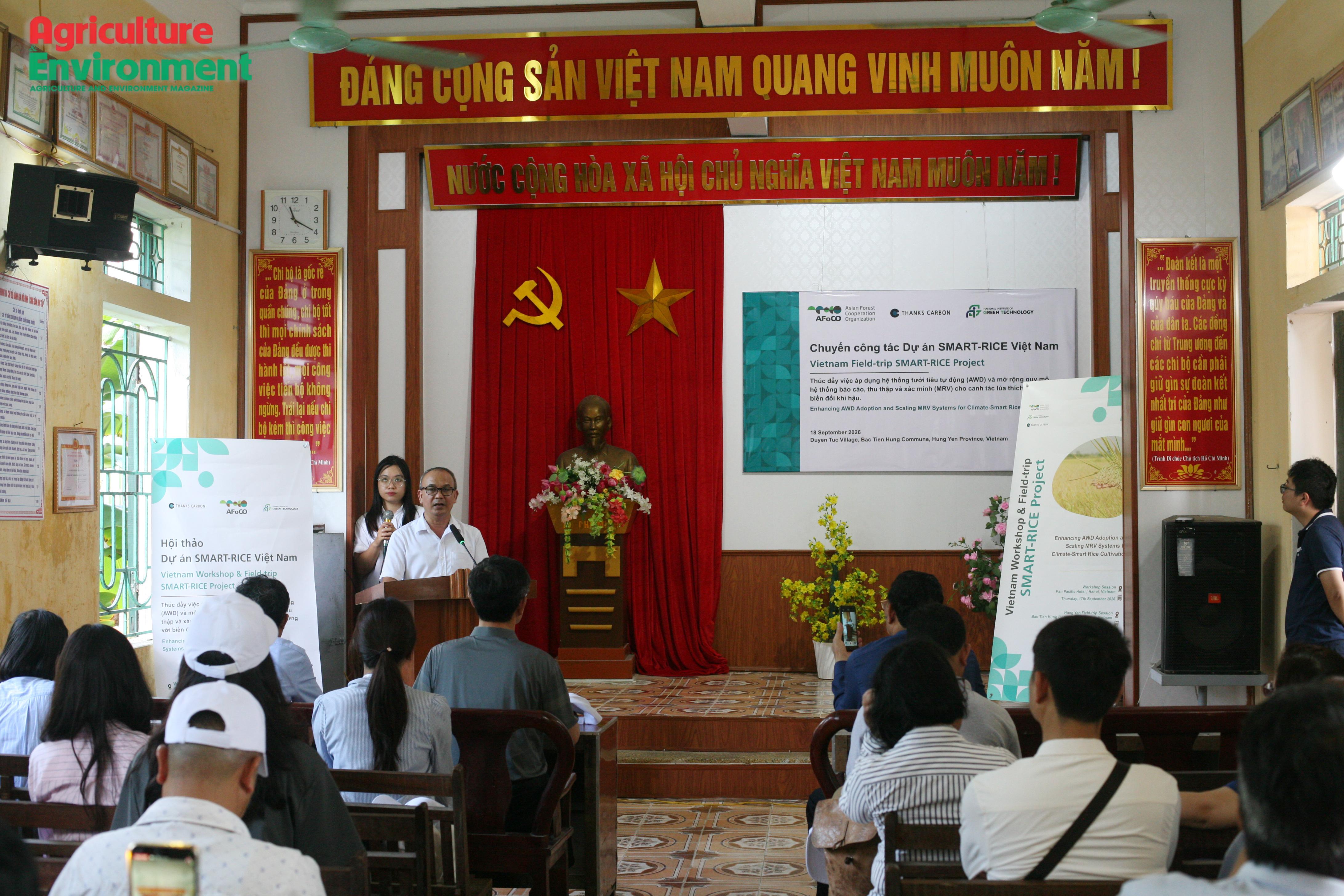
Scaling up low-emission rice production will require farmers to be able to adopt the practice, production systems to be organized accordingly, and emissions reductions to be measured and verified. The interaction of these three elements will determine whether AWD can move from a pilot model to broader application.
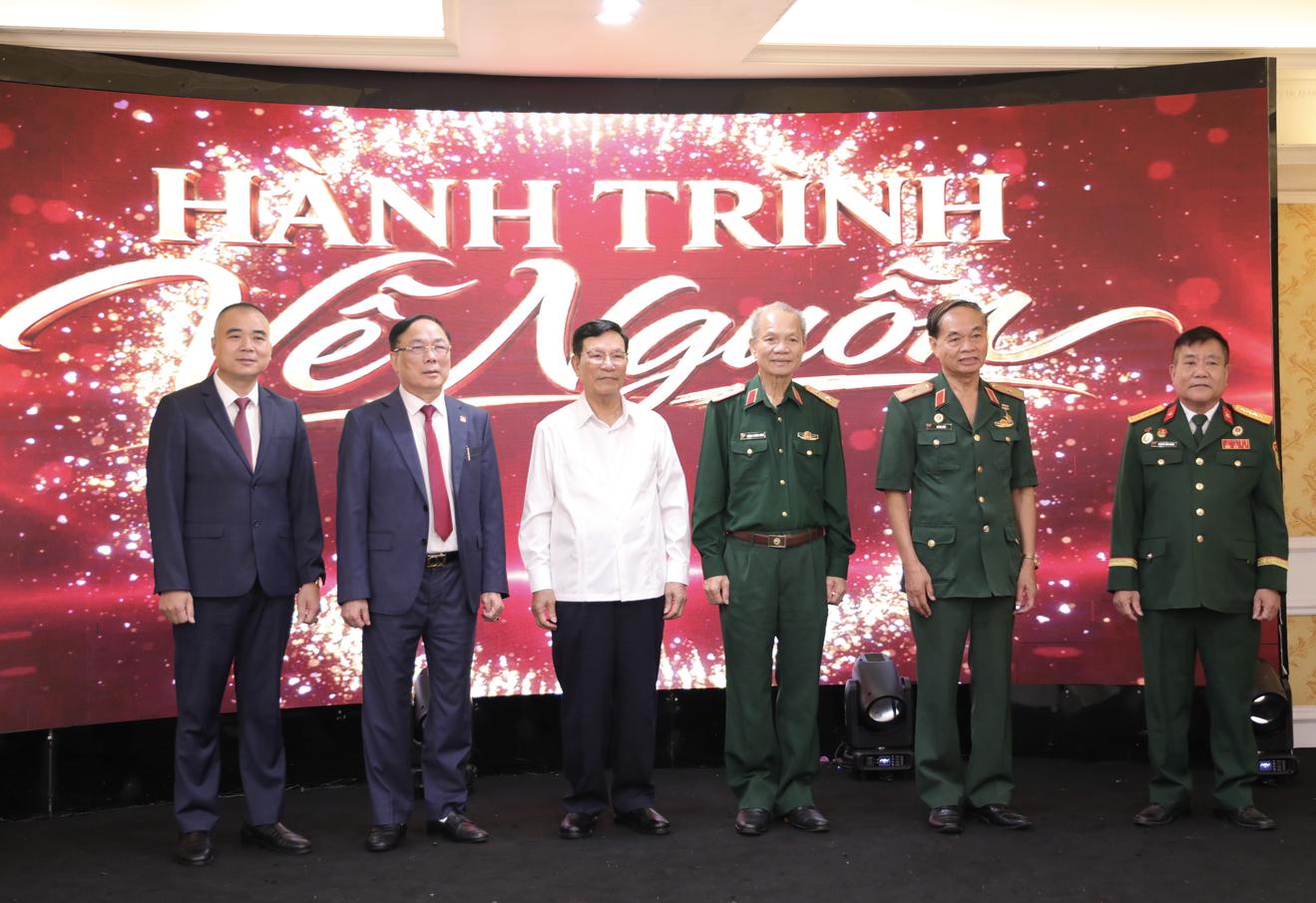
The “Back to the roots – Returning to know where we came from” program was officially launched, with a focus on telling stories about people, hometowns, memories, history, culture and values passed down through generations in Viet Nam.
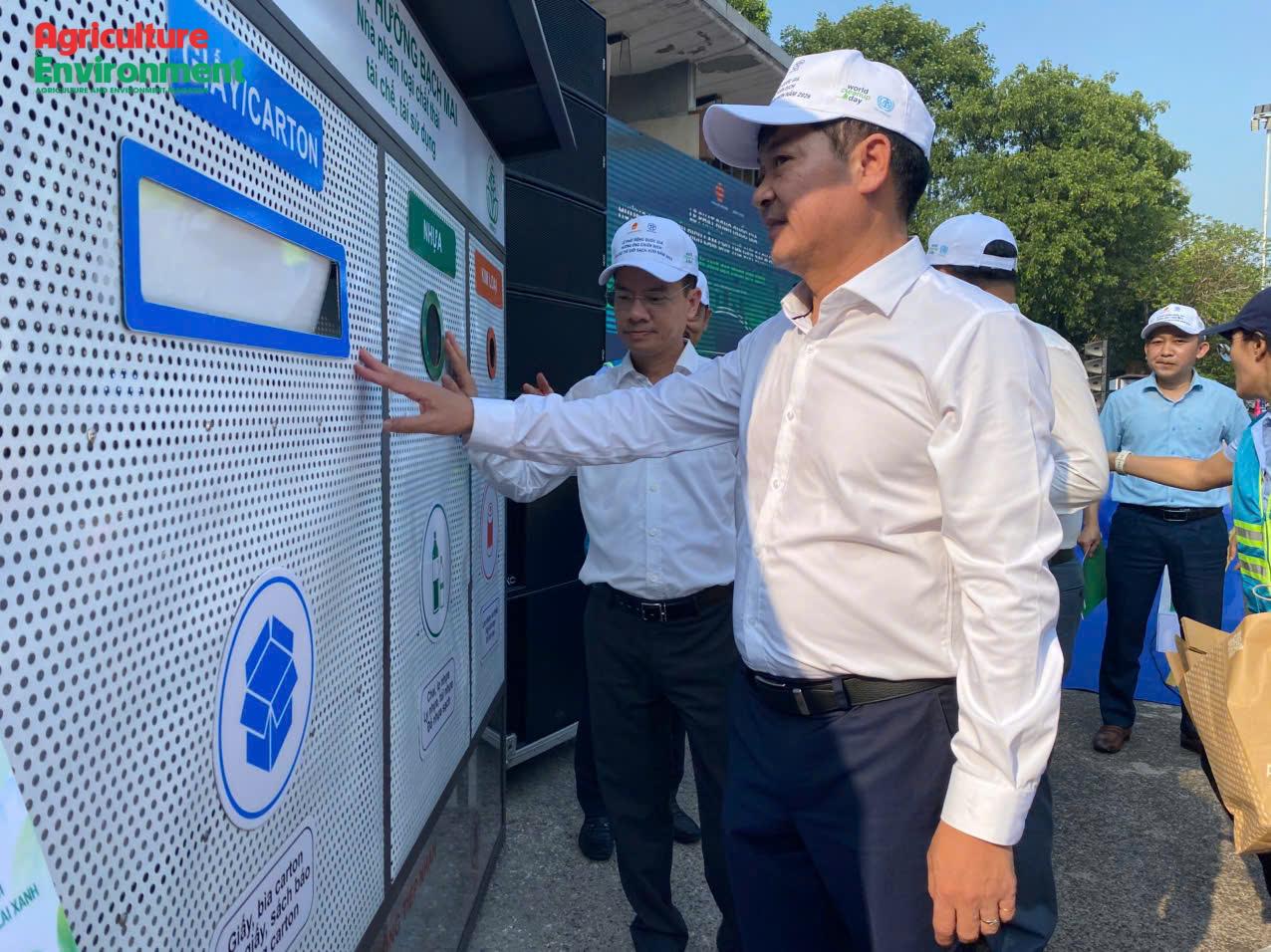
Immediately after the launch ceremony for the 2026 World Cleanup Day campaign, the “21 days of waste sorting” program was rolled out alongside a network of 100 recycling material sorting and recovery hubs (HUBs) in areas stretching from Hanoi’s Ring Road No. 2 toward the city center. Residents were instructed to sort and bring paper, plastic, metal and other recyclable materials to collection points, where items that might otherwise have been discarded were received, weighed, recorded and returned to the recycling stream.
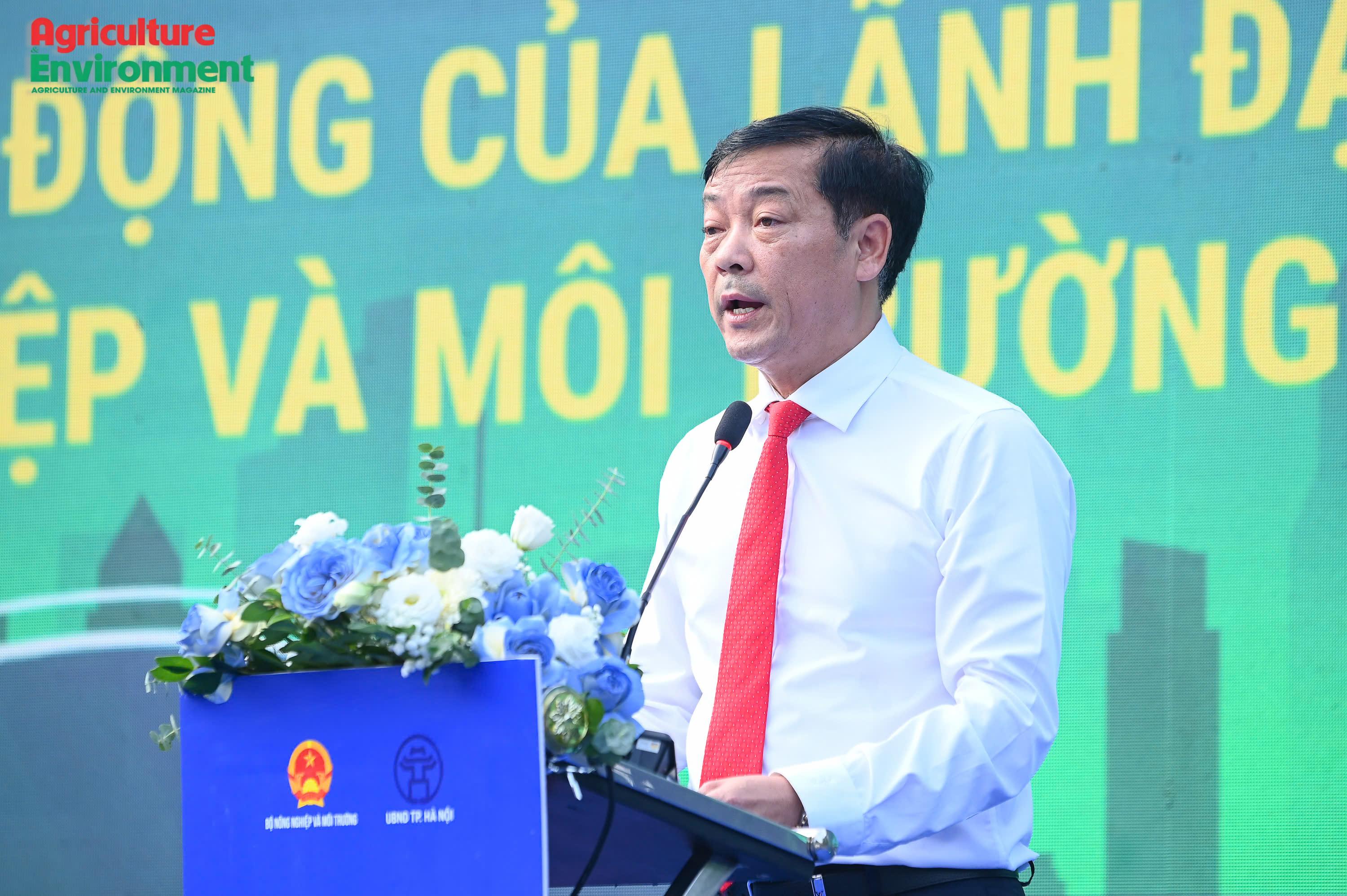
The Ministry of Agriculture and Environment, in coordination with the Hanoi People’s Committee, launched Viet Nam’s national campaign on September 20 to mark World Cleanup Day 2026 at Thong Nhat Park in Hanoi. Under the theme “From a clean plate to a clean city,” the event placed food waste, organic waste and waste separation at source within a broader discussion of resource management, green urban development and sustainable development.
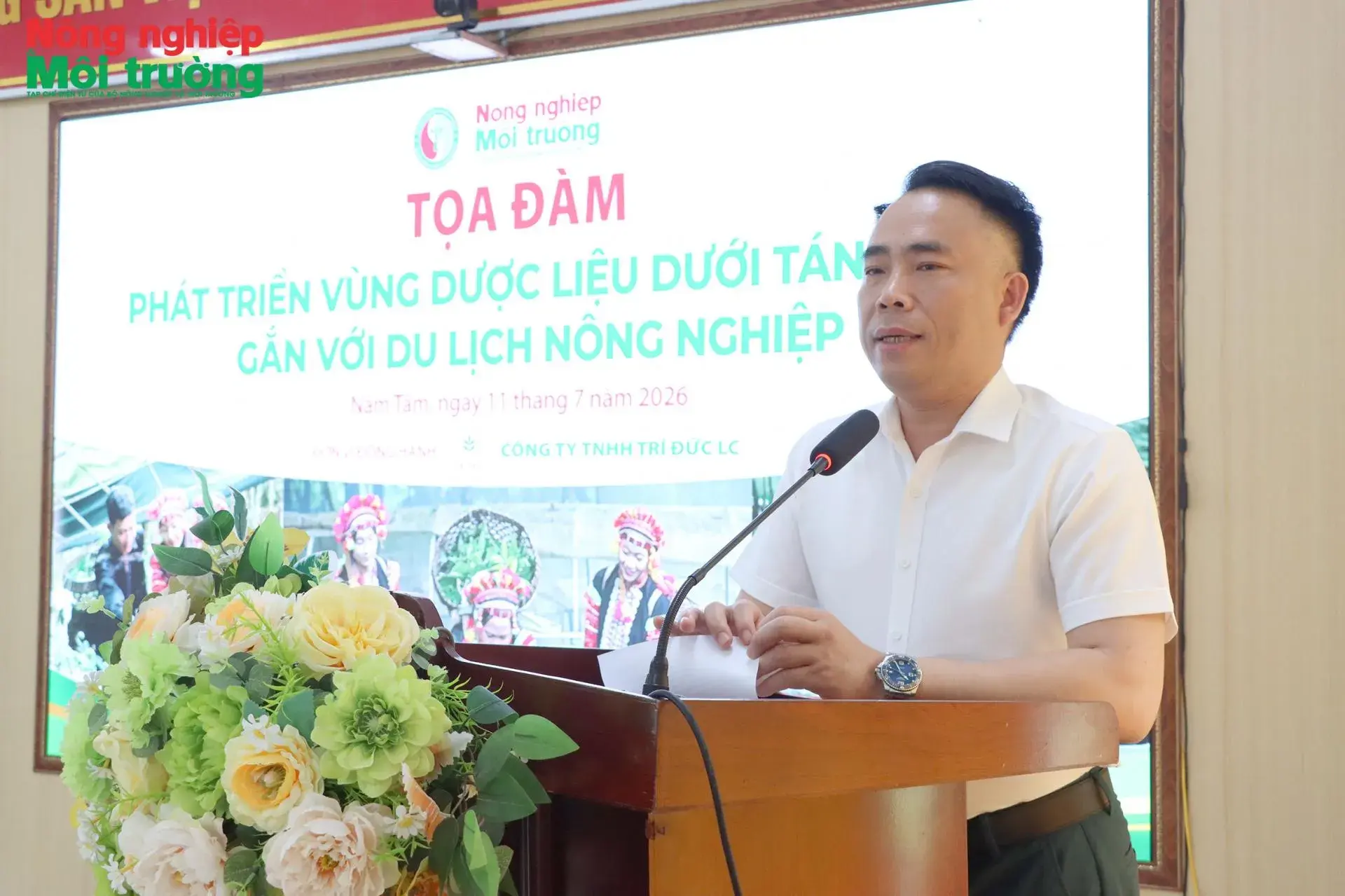
On July 11, the Agriculture and Environment Magazine, in coordination with the Nam Tam Commune People's Committee, hosted a discussion titled "Developing medicinal herb areas under forest canopies in association with agricultural tourism" in Nam Tam commune, Lai Chau province. The event brought together government officials, scientists, businesses and local residents to discuss solutions for developing forest-based livelihoods, promoting a green economy and improving incomes in upland communities. Tri Duc LC Co., Ltd. supported the event.
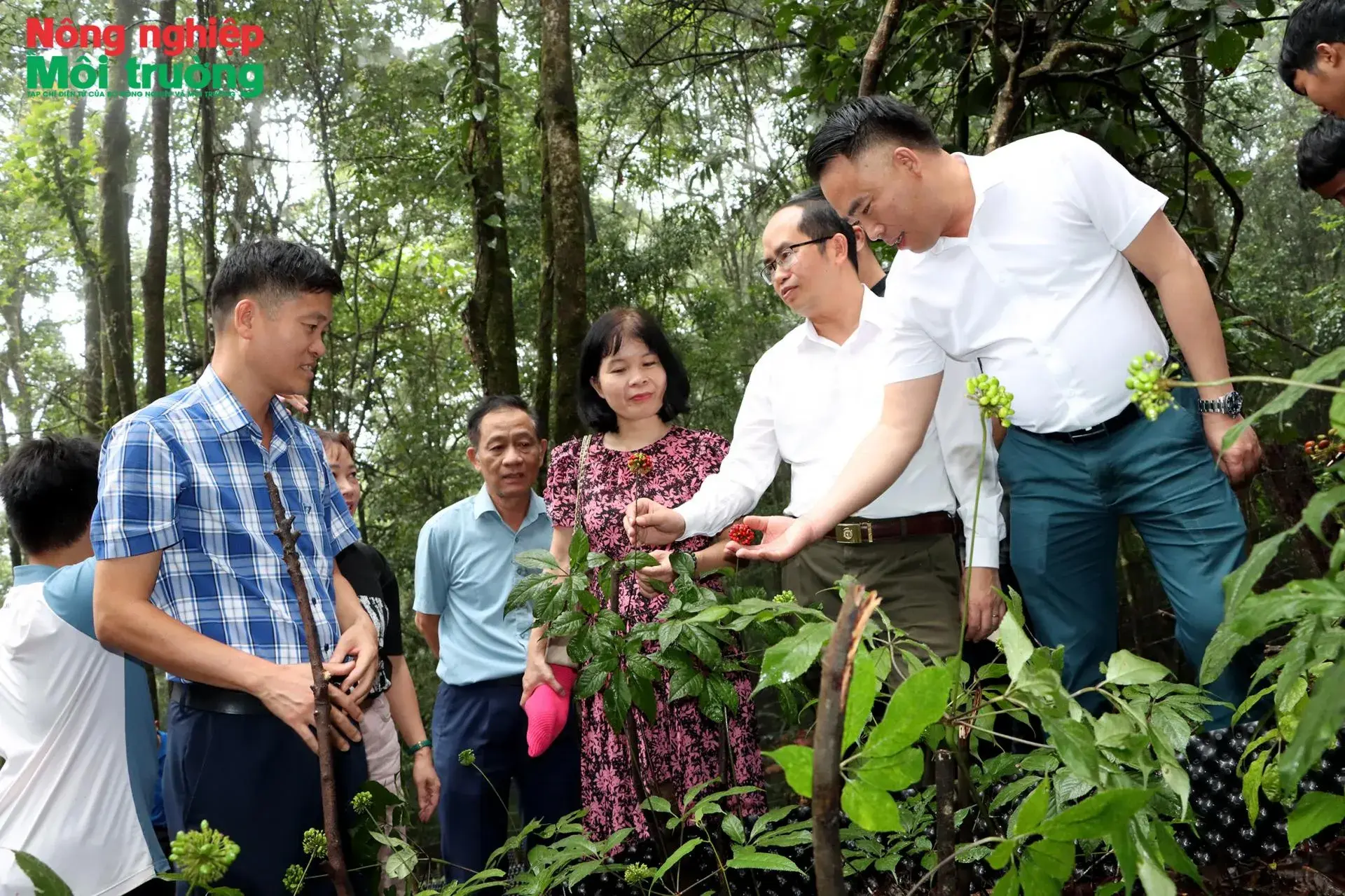
A delegation from the Agriculture and Environment Magazine, together with scientists and experts, conducted a field survey on July 11 of a medicinal herb cultivation model linked to agricultural tourism in Nam Tam commune, Lai Chau province, as part of the seminar "Developing medicinal herb areas under forest canopies in association with agricultural tourism."