



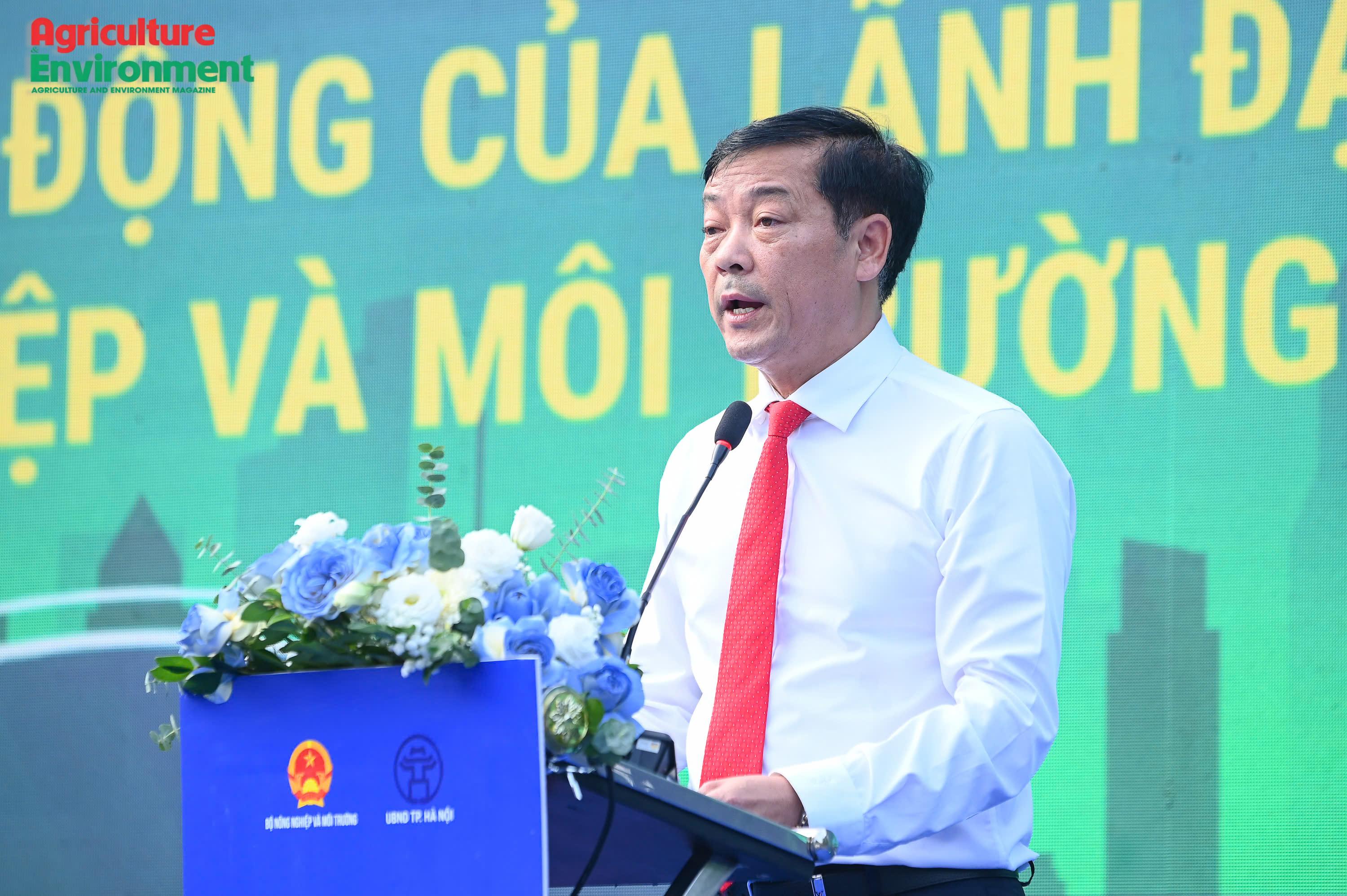
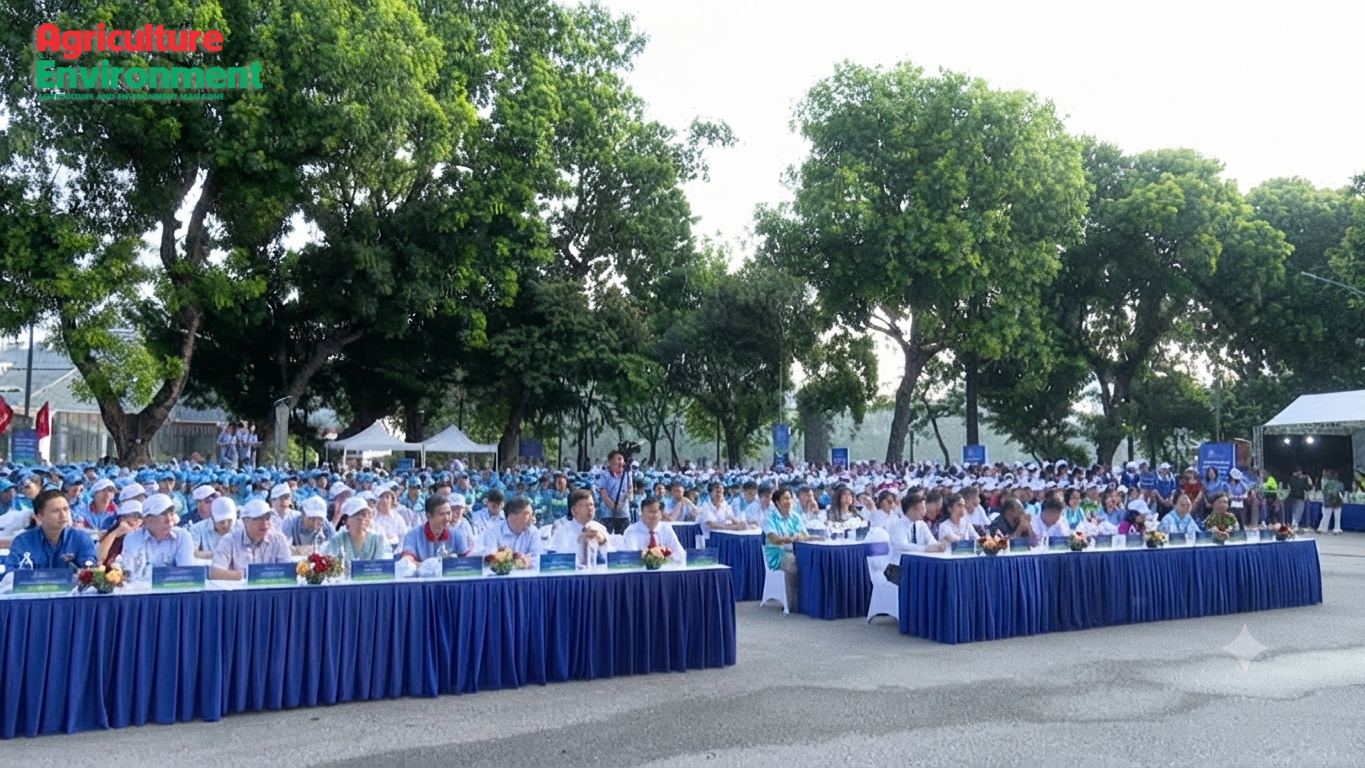
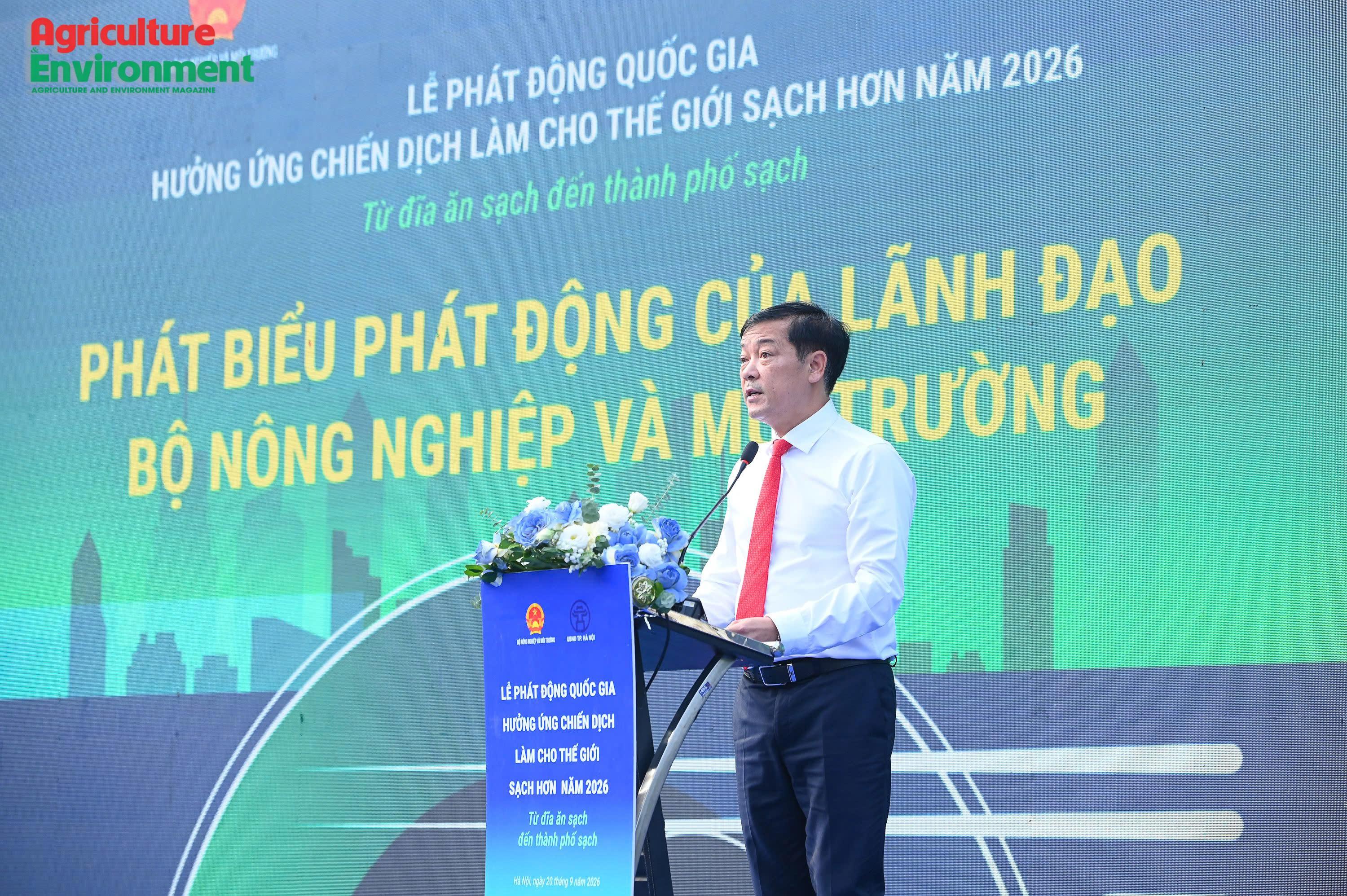
 The Ministry of Agriculture and Environment, in coordination with the Hanoi People’s Committee, launched Viet Nam’s national campaign on September 20 to mark World Cleanup Day 2026 at Thong Nhat Park in Hanoi. Under the theme “From a clean plate to a clean city,” the event placed food waste, organic waste and waste separation at source within a broader discussion of resource management, green urban development and sustainable development.
Food waste carries wider environmental and economic costs
World Cleanup Day was launched by the United Nations Environment Programme (UNEP) in 1993 and has been held annually in the third week of September. Viet Nam has participated in the campaign since 1994.
In 2026, the campaign focuses on an issue closely connected to everyday life but with much broader implications: food waste and food waste management.
According to the UNEP Food Waste Index Report 2024, about 1.05 billion tonnes of food was wasted in 2022, equivalent to about 19% of the food available to consumers. Food waste was generated by households, food service providers and retailers.
Meanwhile, according to a 2025 estimate by the Food and Agriculture Organization of the United Nations (FAO), about one in 13 people worldwide faces hunger, while more than 2 billion people experience moderate to severe food insecurity to some degree.
According to materials cited at the event, food waste may account for up to 10% of global greenhouse gas emissions and cause about $1 trillion in economic losses each year. In Viet Nam, food waste and organic waste account for about 50%-70% of municipal solid waste in urban areas.
Waste separation is key to more efficient resource management
According to Deputy Minister Le Trong Yen, the theme “From a clean plate to a clean city” reflects the idea that a clean city is not simply one with effective waste collection and treatment systems. It must first be a place where less waste is generated and resources are used more efficiently.
A meal can be the starting point for a broader chain of actions: reducing food waste, cutting waste at source, separating waste properly, recovering materials that retain value, and then reusing, recycling or appropriately treating waste that cannot be recovered.
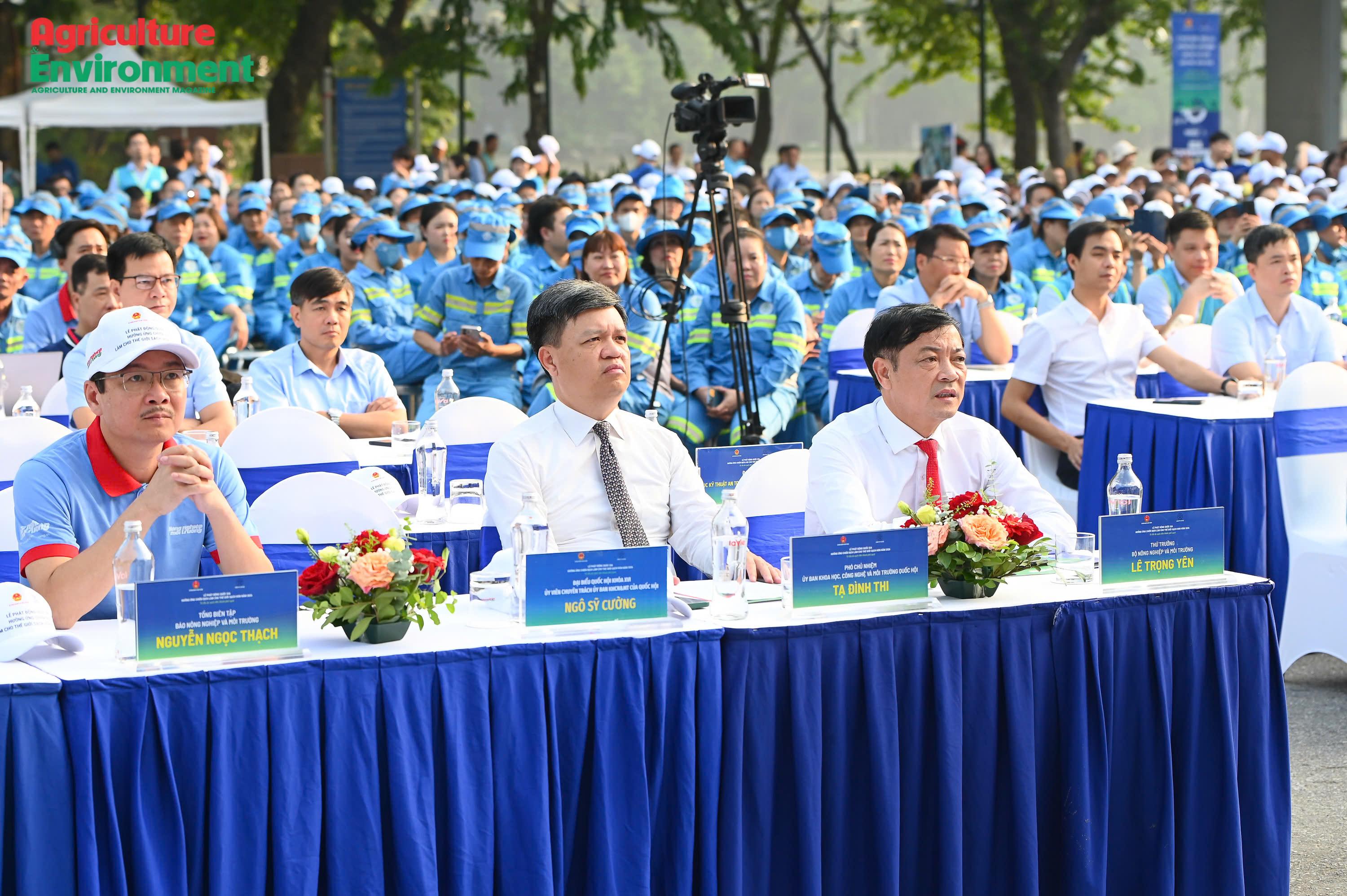
In his remarks, Deputy Minister Le Trong Yen outlined five areas of action for the coming period.
The first is to reduce food waste and waste at source, with participation from households, offices, schools, restaurants, hotels, markets and food businesses. For businesses, reducing losses during production, processing, storage and distribution should go hand in hand with more efficient use of raw materials, energy and water.
Second, waste separation at source needs to become the foundation of a modern waste management system. Separation is meaningful only when it is organized in coordination with collection, transportation and corresponding treatment capacity.
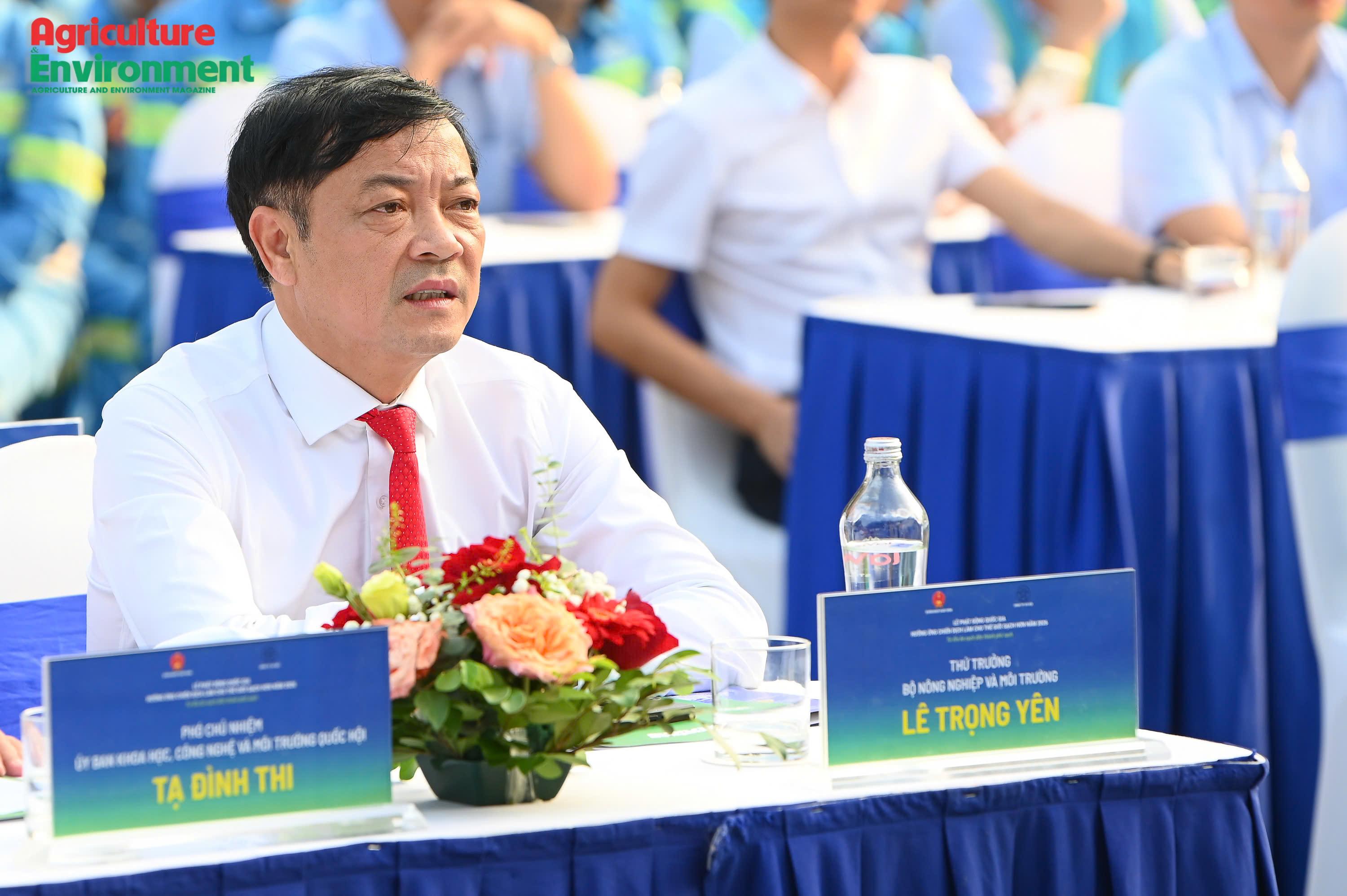
Third is a shift in approach from “waste treatment” to “resource management through waste.” Under this approach, materials that retain value should be reused, recycled or recovered for material or energy purposes. At the same time, innovation should be encouraged to reduce packaging, extend product lifespans and design products to facilitate repair, reuse and recycling.
Fourth is to make environmental protection part of urban culture, from keeping streets, rivers, lakes, canals and drainage ditches clean to reducing the use of single-use plastic products and developing green models in residential areas, schools, offices and businesses.
Finally, cooperation and resource mobilization should be strengthened with international organizations, development partners, businesses and social organizations to expand access to knowledge, technology and management experience.
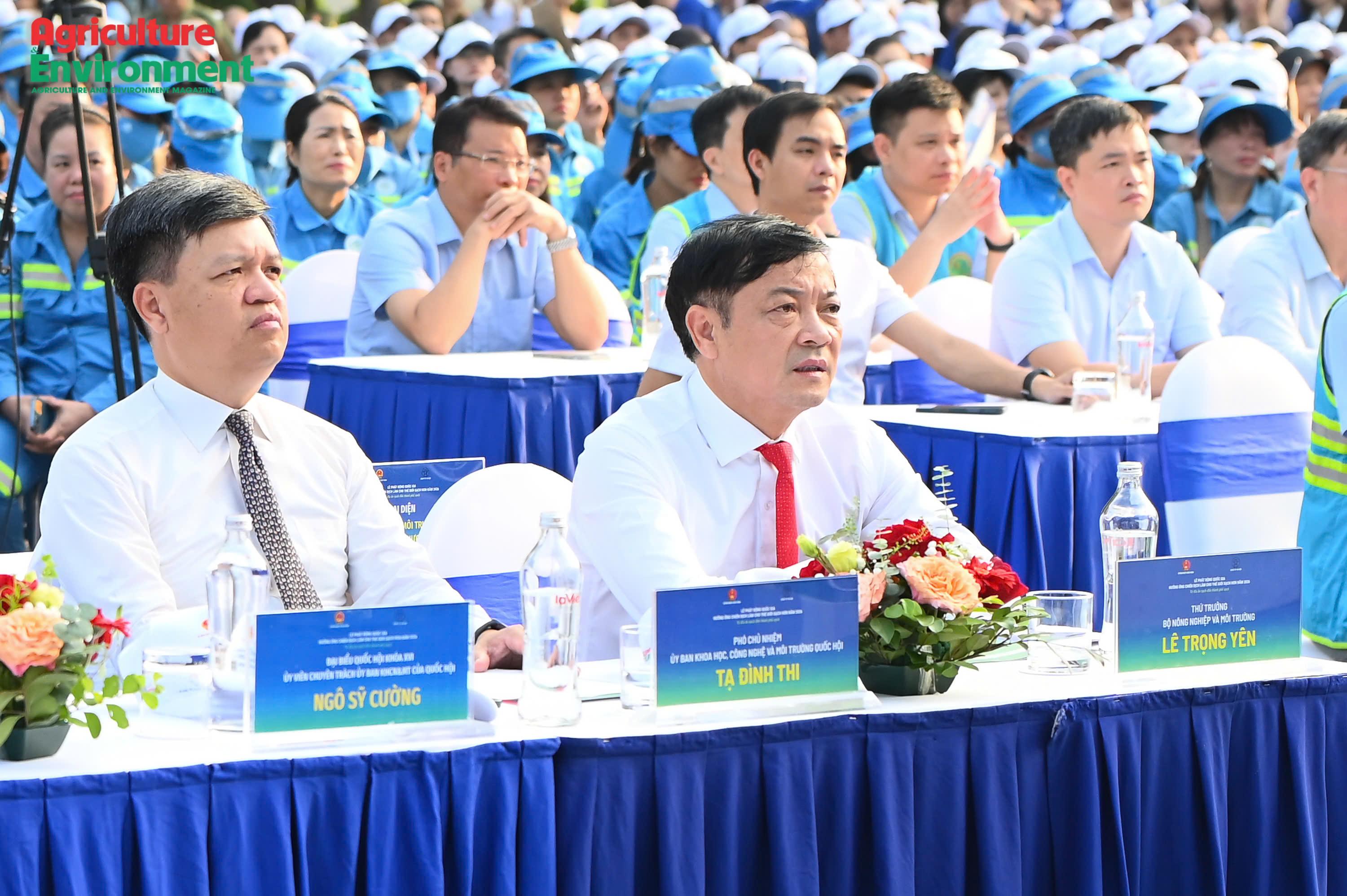
The message was also placed in the context of Conclusion No. 75-KL/TW, issued by the 14th Party Central Committee on July 28, 2026, on environmental protection and climate change response. The conclusion places the environment and climate at the center of development and identifies them as a foundation for the green transition and sustainable development.
Hanoi faces growing pressure on waste management
Hanoi’s selection as the venue for the launch carried particular significance. The capital has a large population and a high intensity of production, business, services and consumption, while also facing growing pressure in waste management.
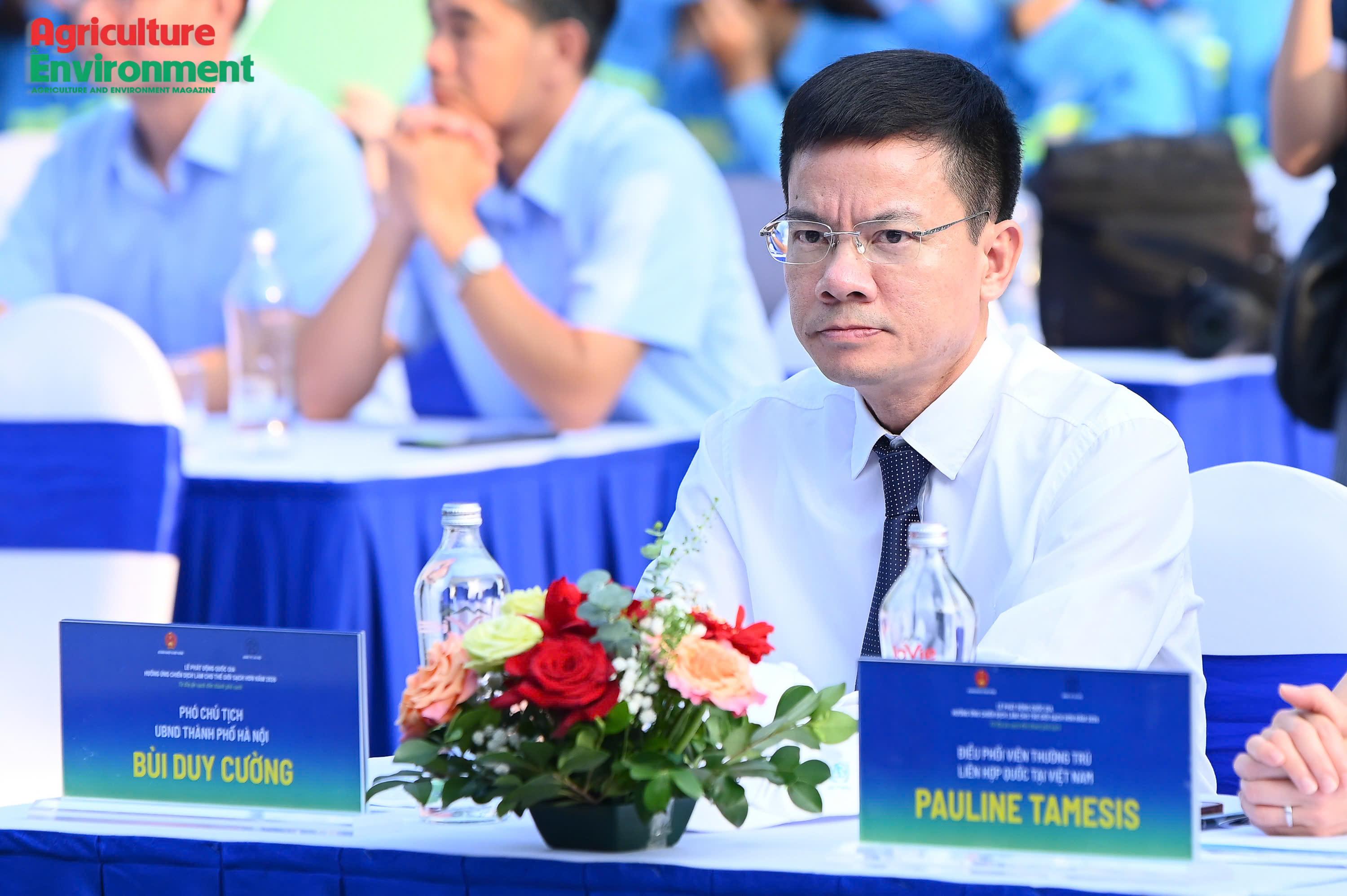
However, the message at the launch ceremony was that such pressure also creates opportunities to test and scale up new models.
Deputy Minister Le Trong Yen said Hanoi should not only host the event but also take the lead in developing waste management models suited to urban conditions and promoting greener lifestyles among residents.
From the United Nations perspective, Pauline Tamesis, United Nations Resident Coordinator in Viet Nam, said the way a society produces, consumes and manages food directly affects the quality of the urban environment.
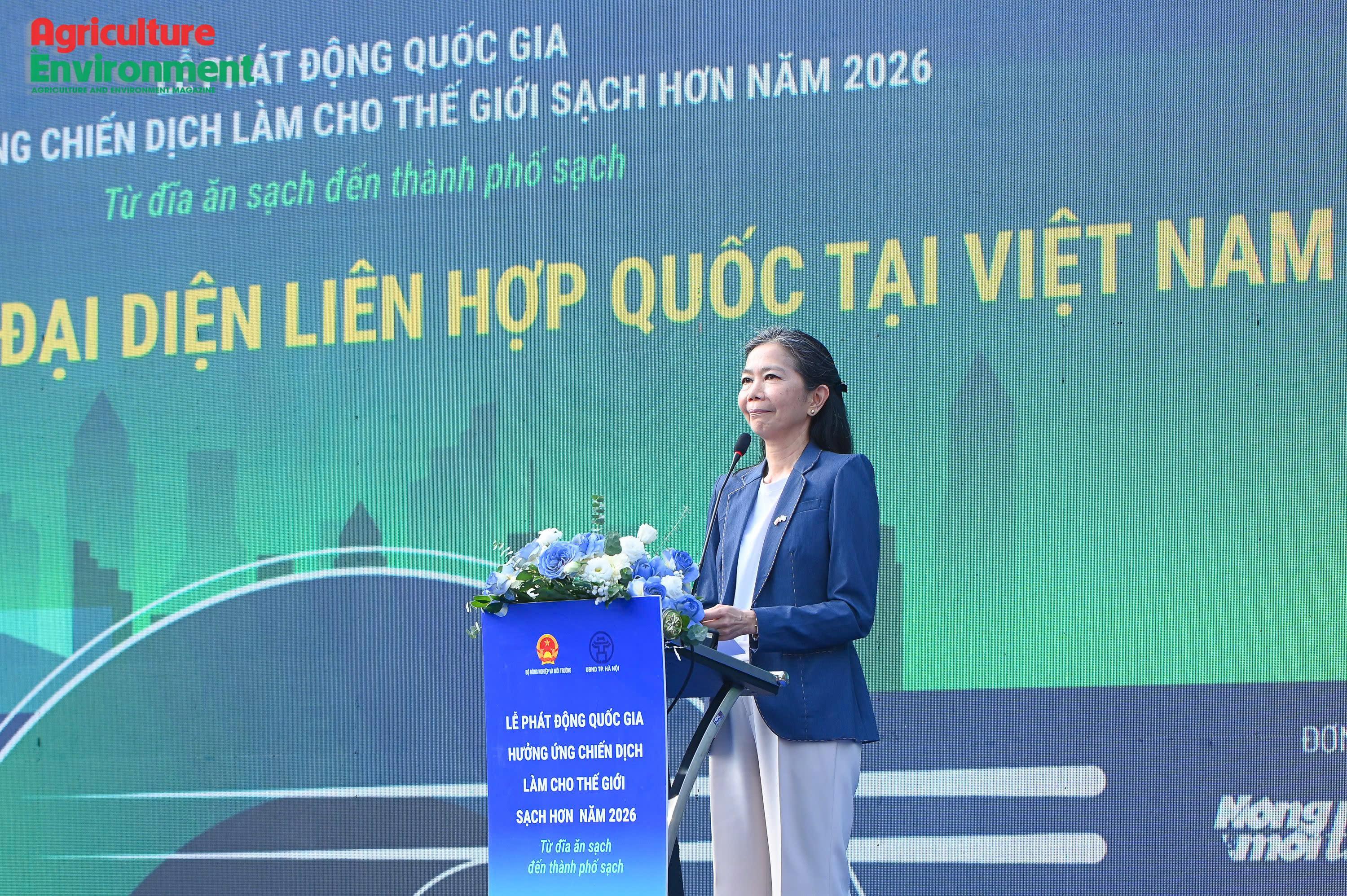
She said the United Nations system, including FAO, was working with the Ministry of Agriculture and Environment and local partners in areas including improving post-harvest handling and storage, developing circular economy solutions, protecting resources, improving farmers’ livelihoods and creating new economic opportunities.
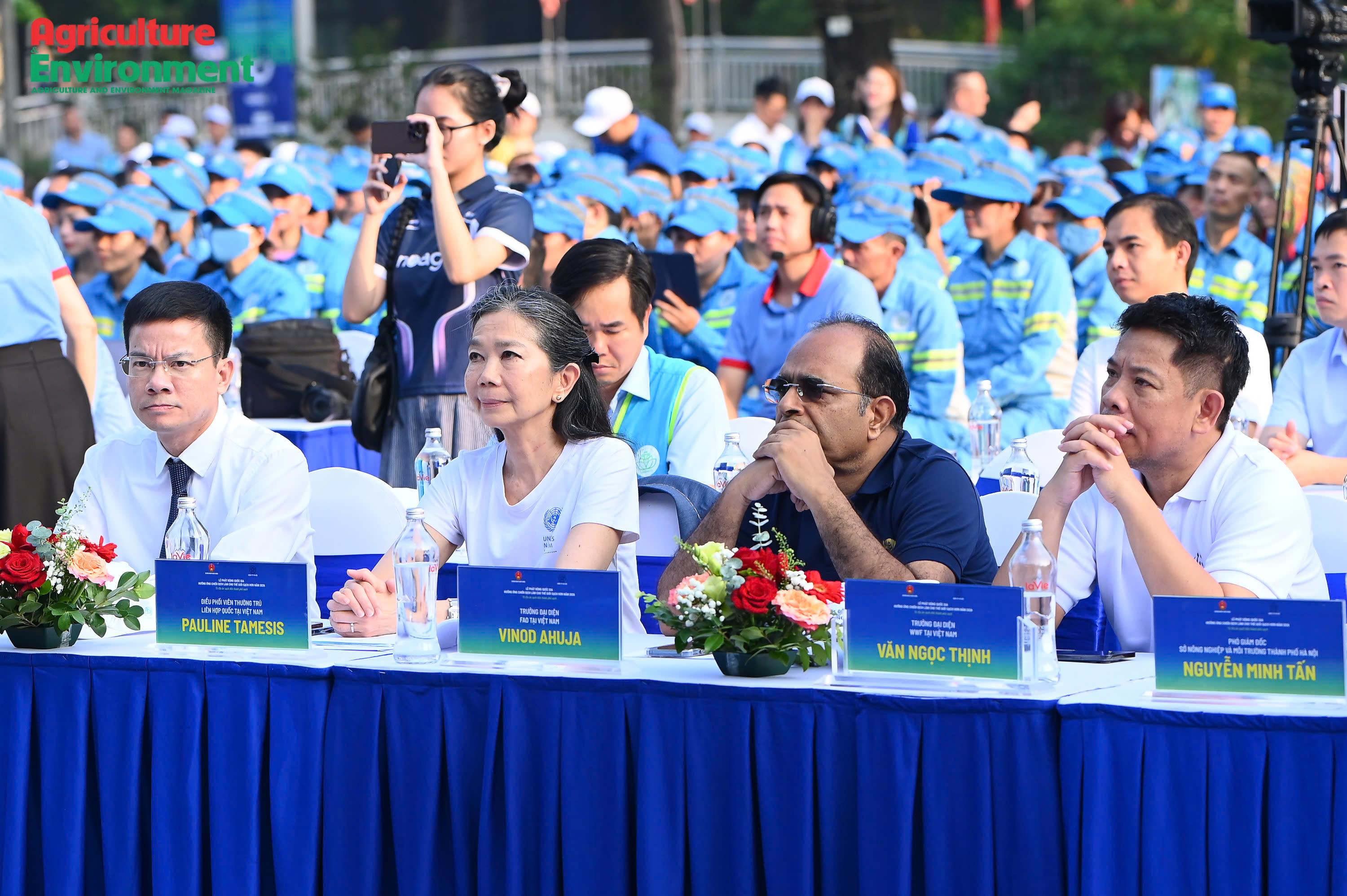
According to Pauline Tamesis, action was needed across the entire food supply chain: limiting losses, keeping edible food within the supply chain and finding ways to turn unavoidable organic waste into useful resources.
Calls for action across the food supply chain
In a message to the campaign, Anacláudia Rossbach, Executive Director of UN-Habitat, said about one-third of food produced worldwide is lost or wasted, placing additional pressure on the climate, natural resources and urban waste management systems.
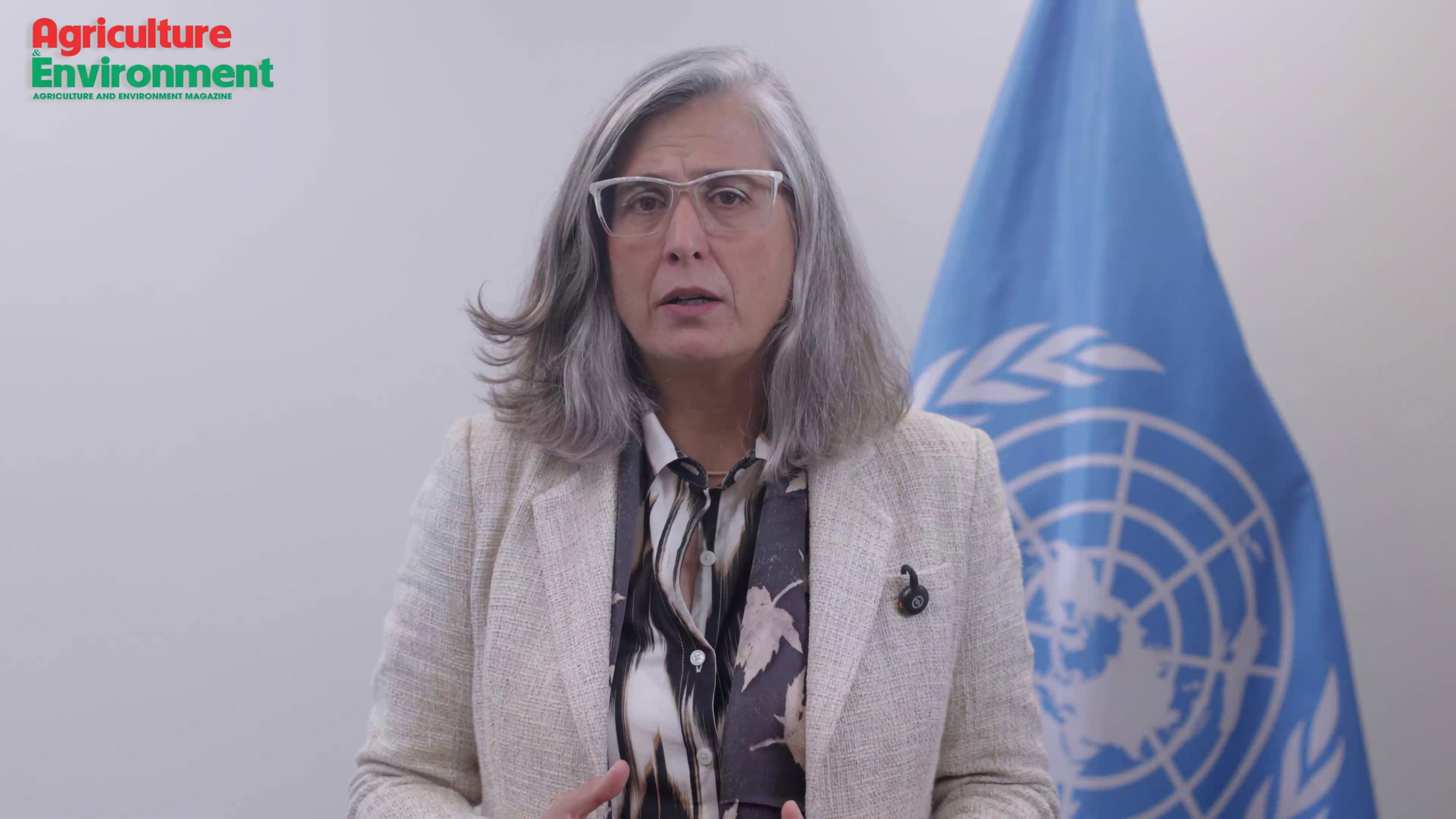
She said municipal authorities had a leading role in waste management and the provision of essential services, while national governments were responsible for developing policies, incentive mechanisms and investment. Cooperation among cities and regions could help accelerate the implementation of solutions.
Under this approach, waste is not simply something to be discarded. Surplus food can be recovered, organic waste can be turned into compost or energy, while informal waste collection networks, waste pickers and local businesses can also participate in creating value and employment opportunities.
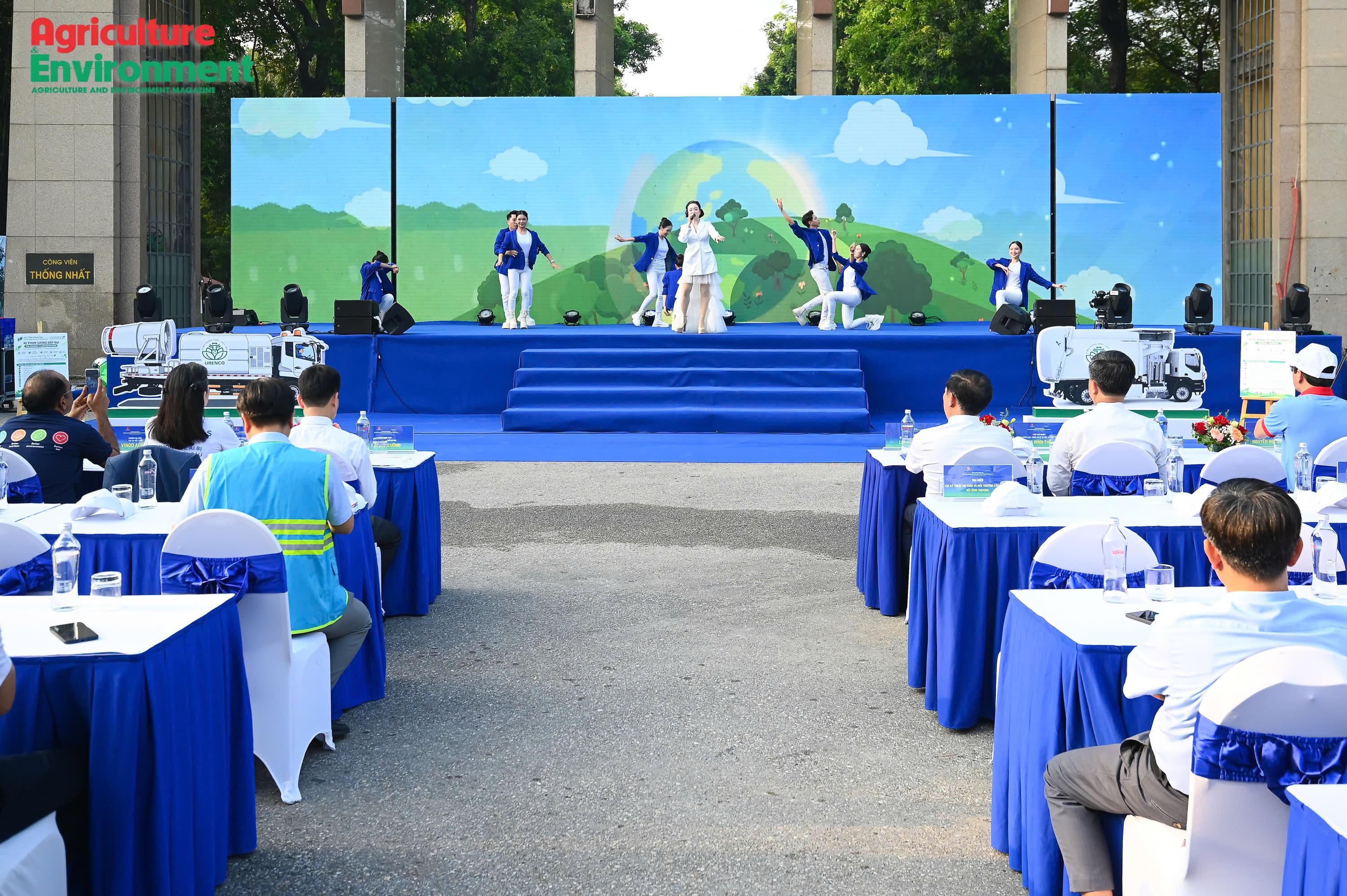
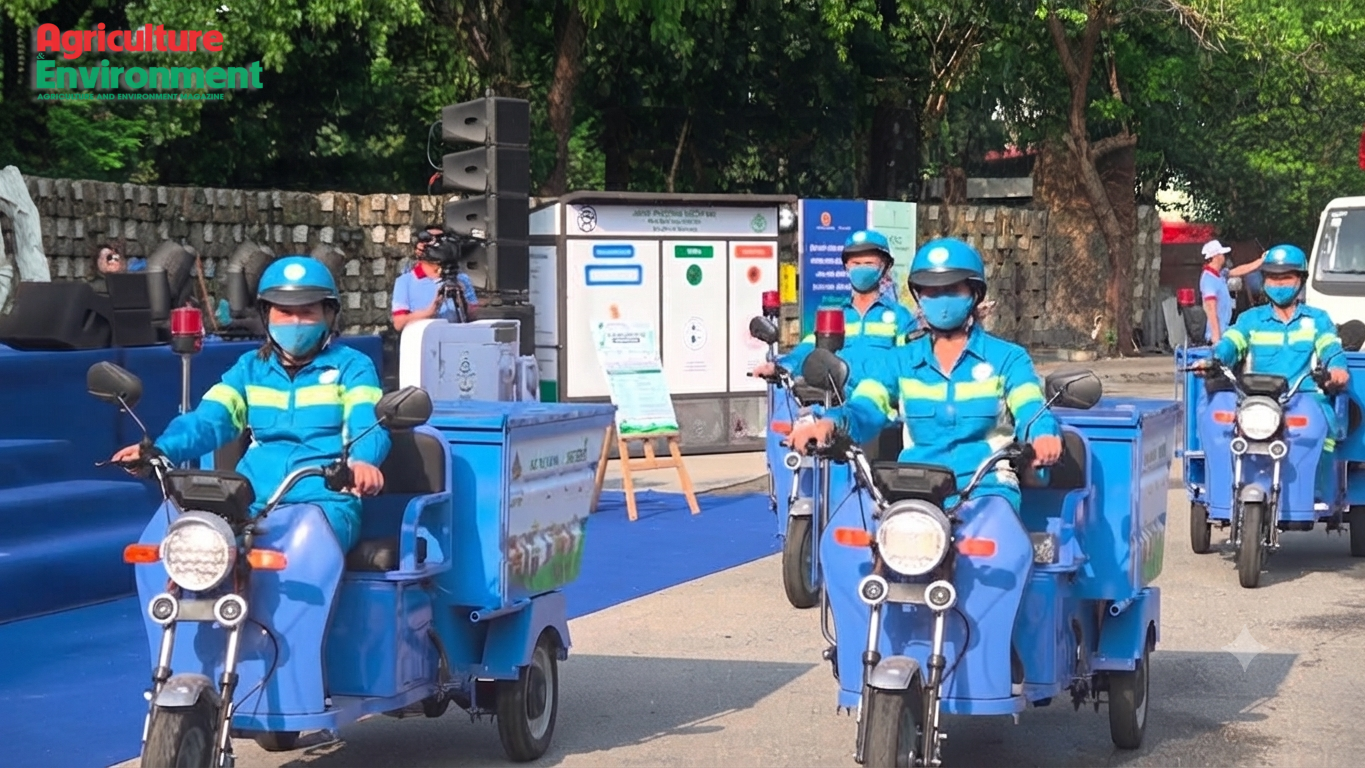
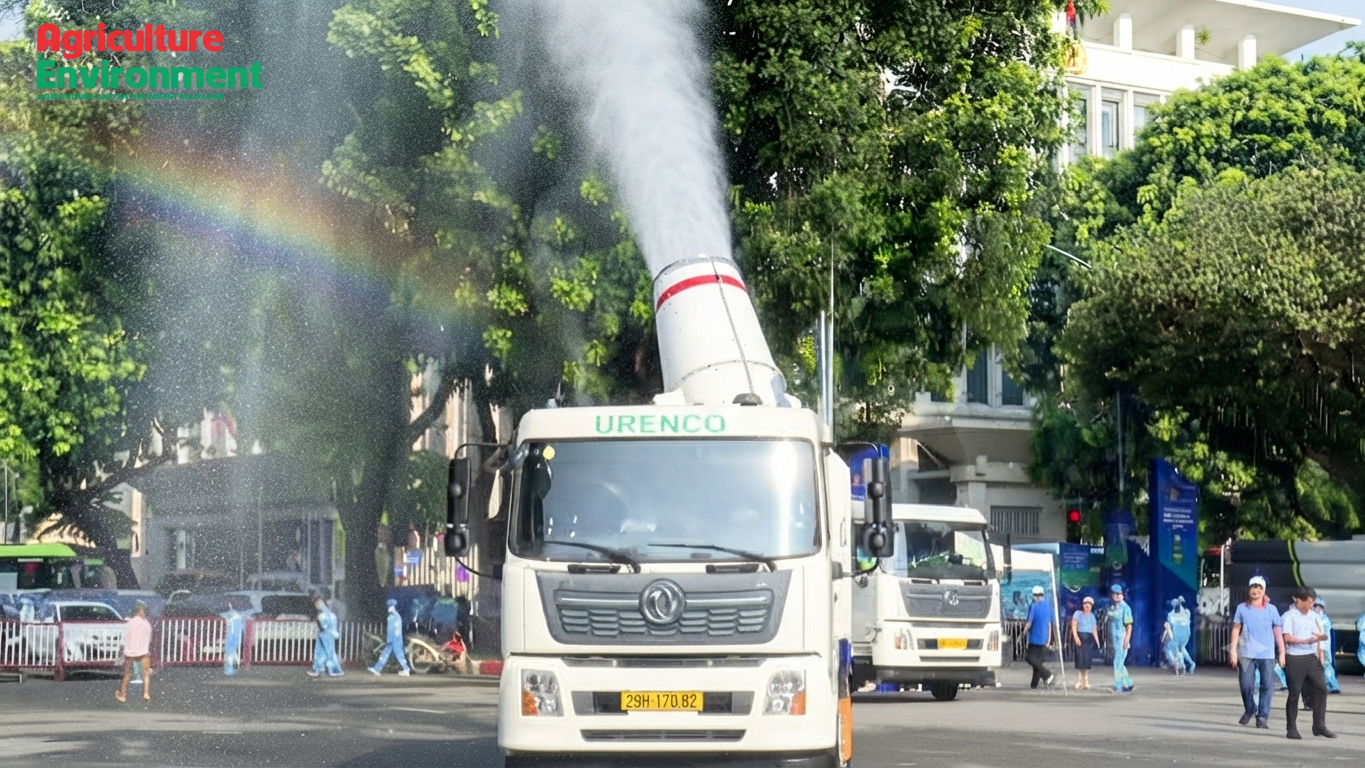
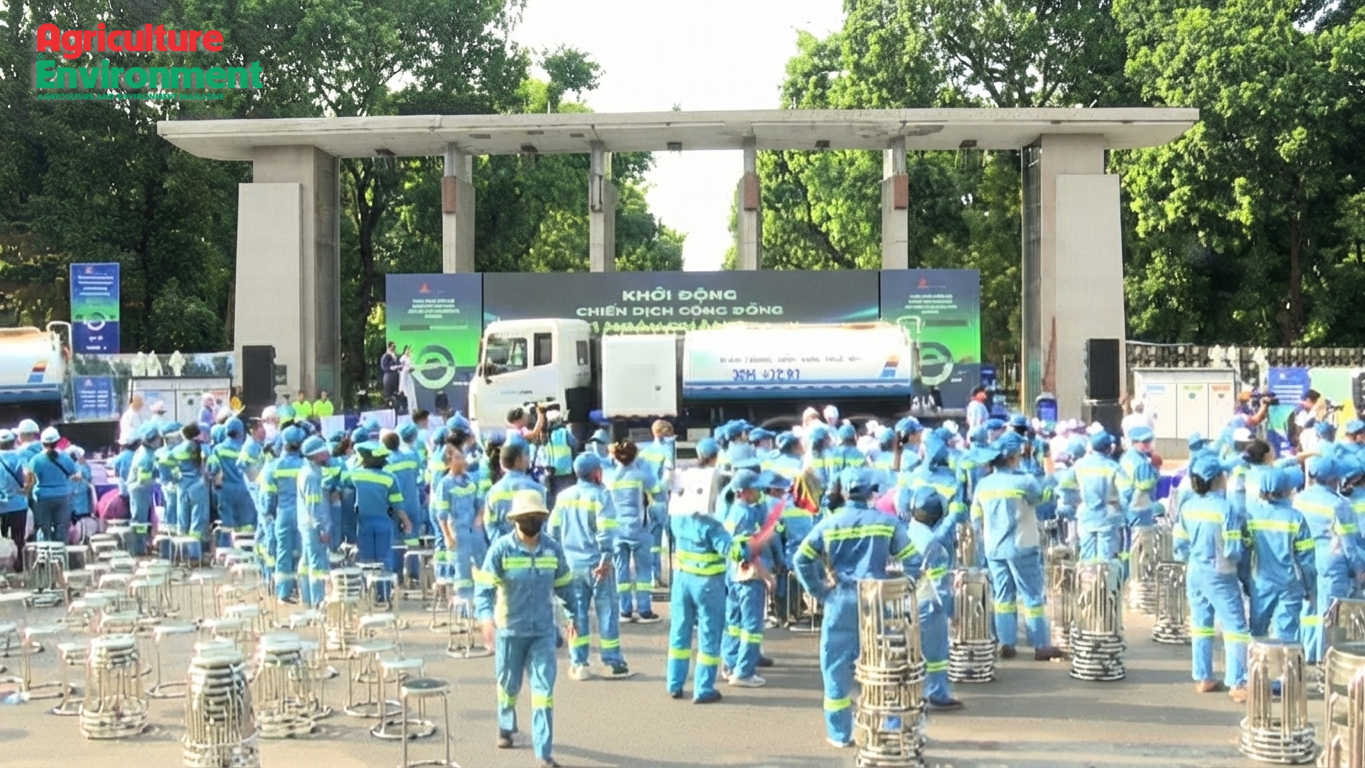
In Hanoi, following the launch campaign, specific initiatives have been put into practice, including a network of 100 collection points for waste separation and recyclable-material recovery and the community-based “21 days of waste separation” program.
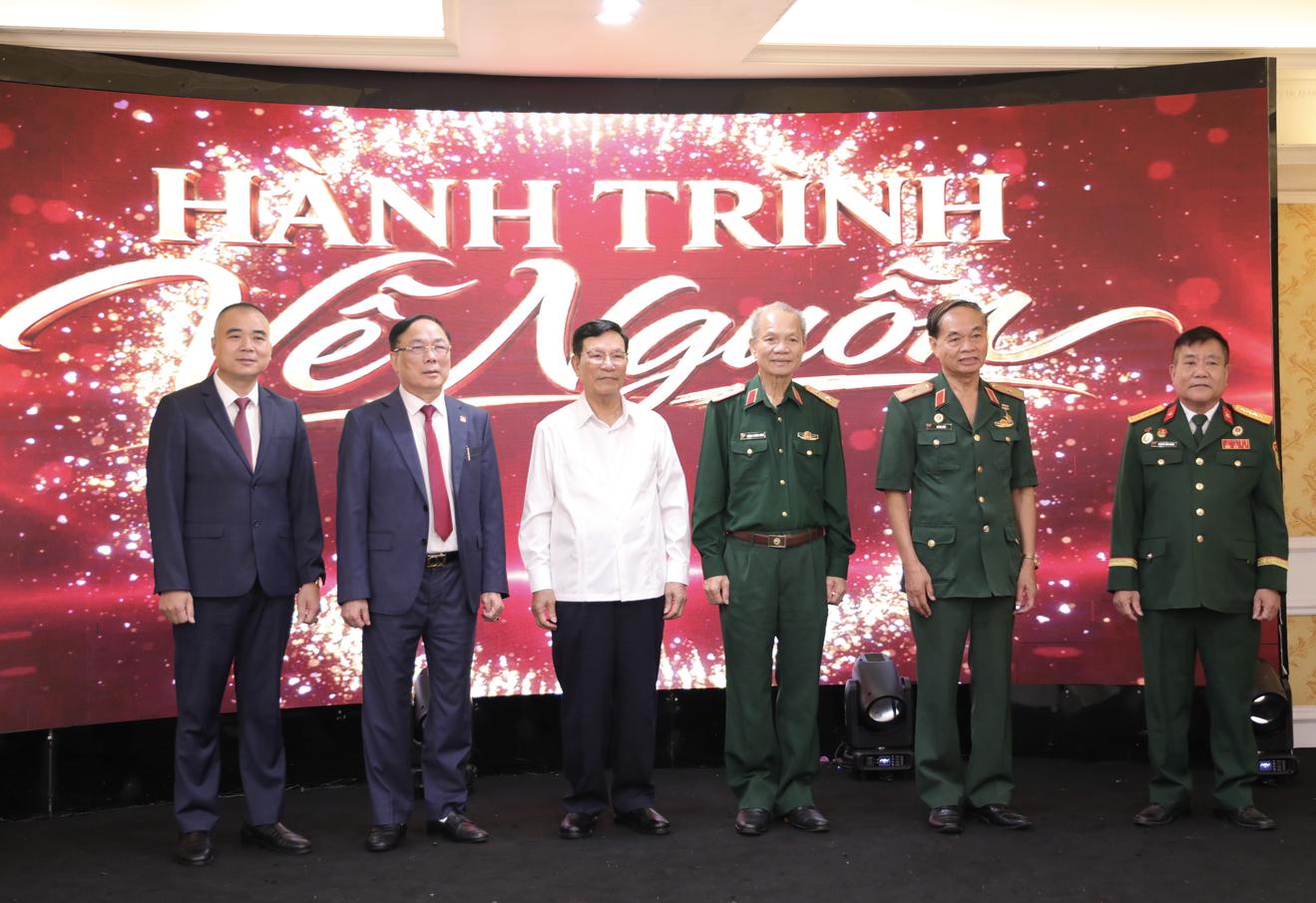
The “Back to the roots – Returning to know where we came from” program was officially launched, with a focus on telling stories about people, hometowns, memories, history, culture and values passed down through generations in Viet Nam.
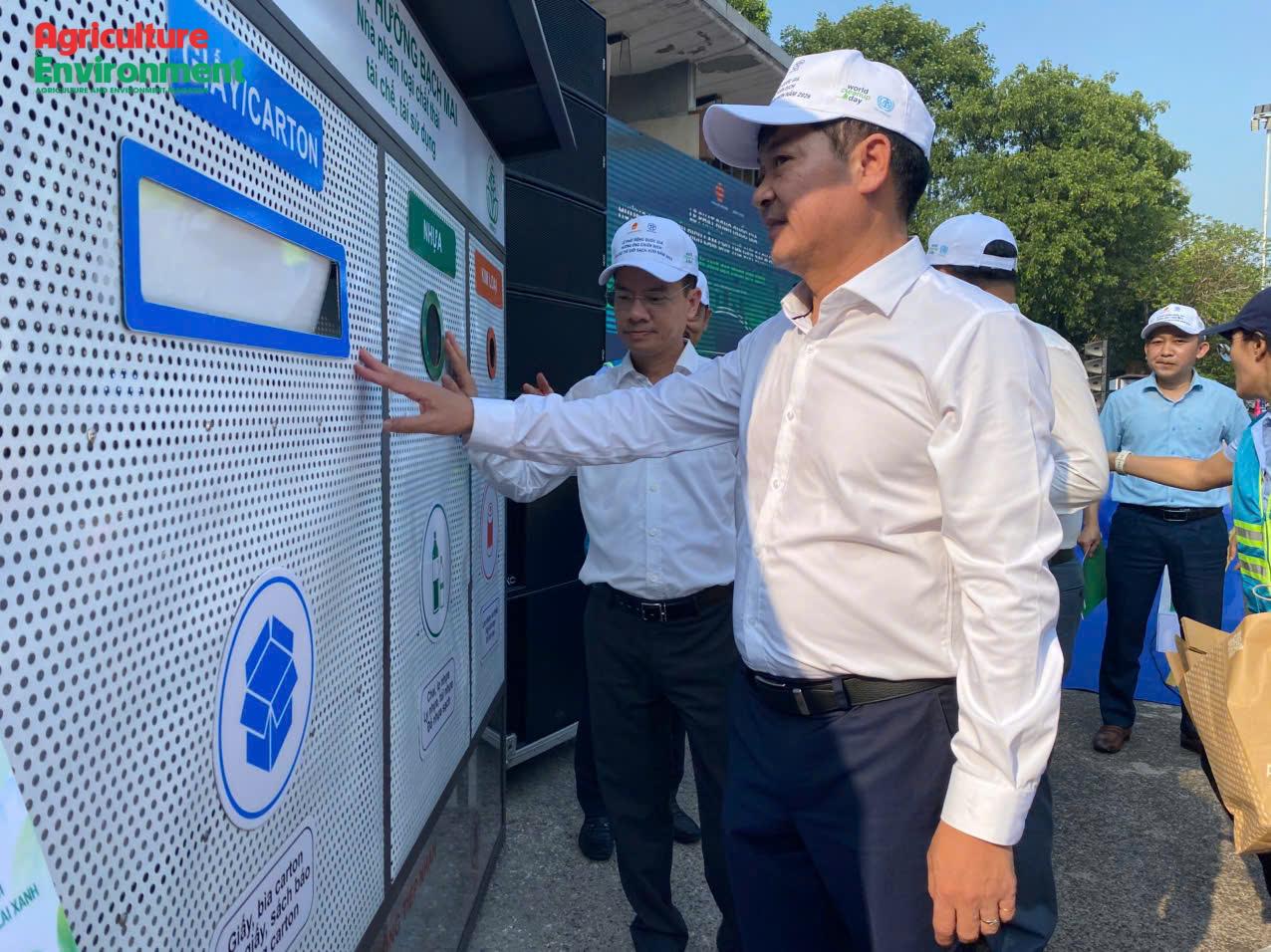
Immediately after the launch ceremony for the 2026 World Cleanup Day campaign, the “21 days of waste sorting” program was rolled out alongside a network of 100 recycling material sorting and recovery hubs (HUBs) in areas stretching from Hanoi’s Ring Road No. 2 toward the city center. Residents were instructed to sort and bring paper, plastic, metal and other recyclable materials to collection points, where items that might otherwise have been discarded were received, weighed, recorded and returned to the recycling stream.
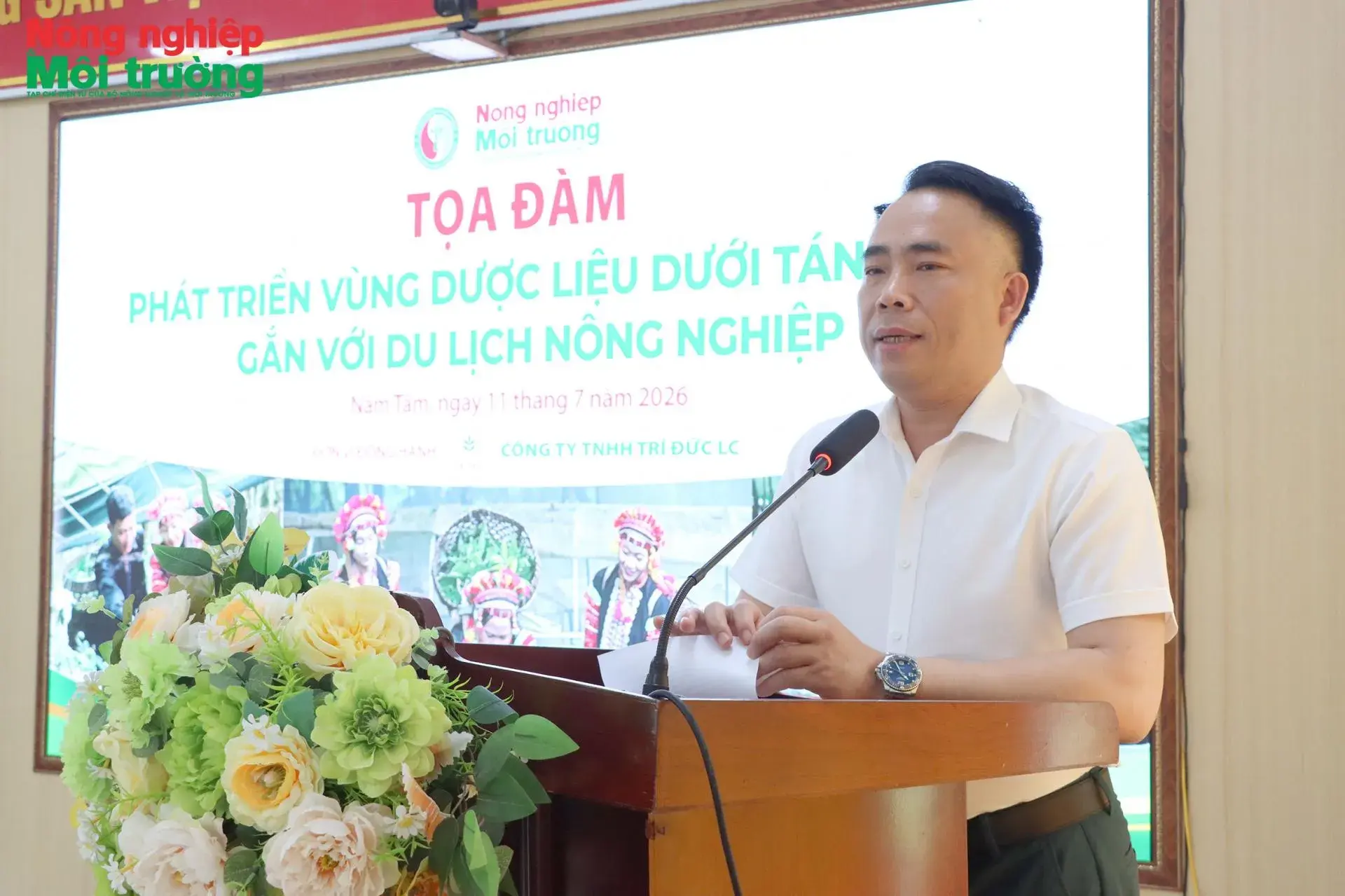
On July 11, the Agriculture and Environment Magazine, in coordination with the Nam Tam Commune People's Committee, hosted a discussion titled "Developing medicinal herb areas under forest canopies in association with agricultural tourism" in Nam Tam commune, Lai Chau province. The event brought together government officials, scientists, businesses and local residents to discuss solutions for developing forest-based livelihoods, promoting a green economy and improving incomes in upland communities. Tri Duc LC Co., Ltd. supported the event.
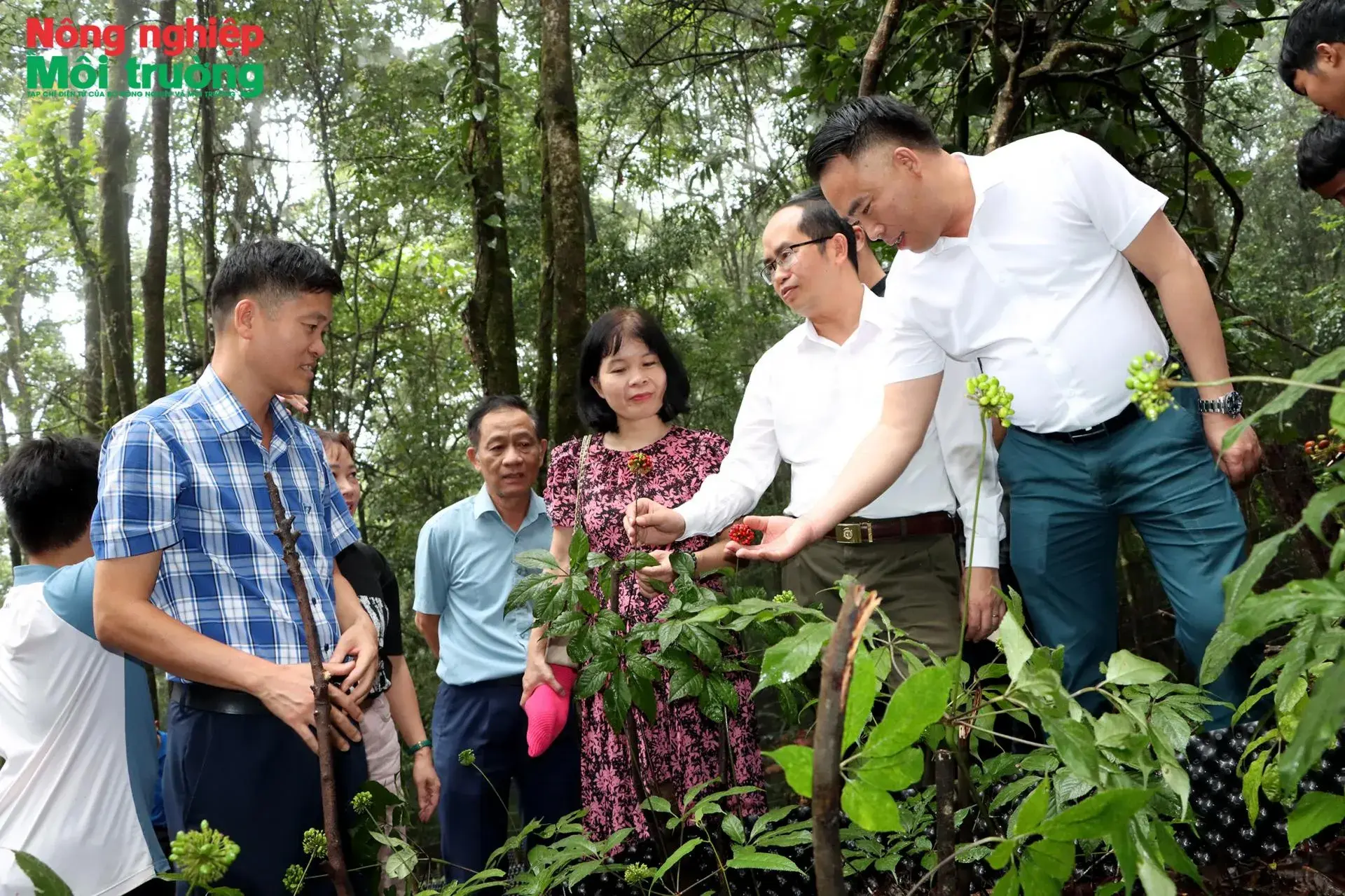
A delegation from the Agriculture and Environment Magazine, together with scientists and experts, conducted a field survey on July 11 of a medicinal herb cultivation model linked to agricultural tourism in Nam Tam commune, Lai Chau province, as part of the seminar "Developing medicinal herb areas under forest canopies in association with agricultural tourism."
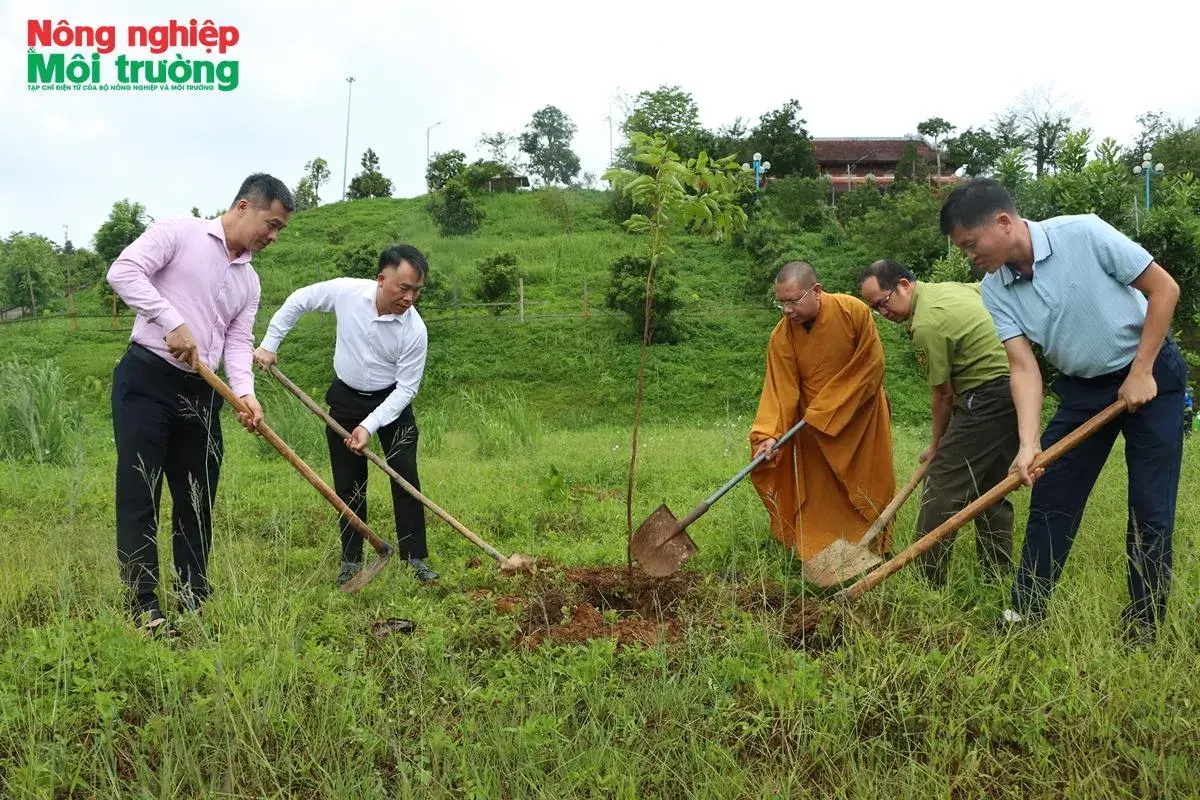
On July 10, the Agriculture and Environment Magazine planted 405 trees at Linh Son pagoda in Lai Chau province under its "Green pagoda" environmental initiative to promote environmental protection, help create greener, cleaner surroundings, and support sustainable development. The program was organized with the support of Tri Duc LC Co., Ltd.