



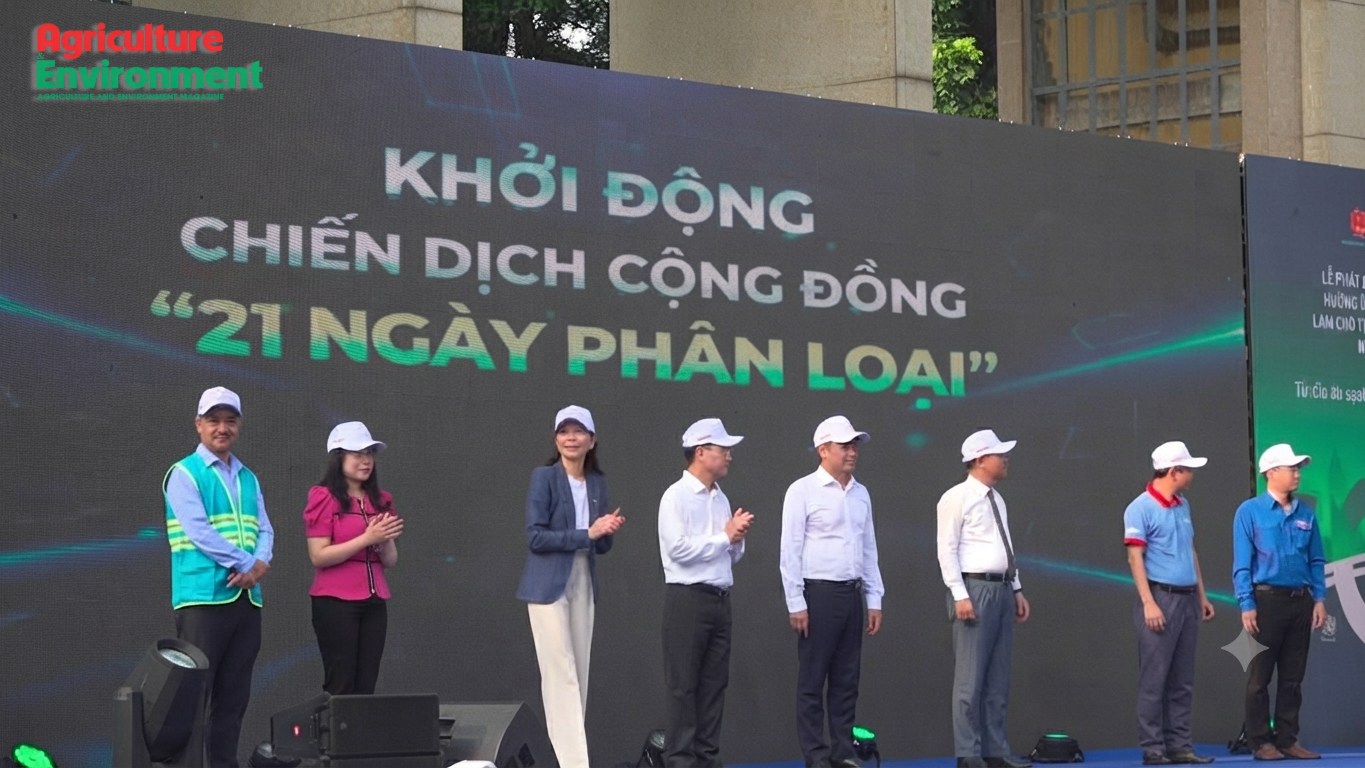
 Immediately after the launch ceremony for the 2026 World Cleanup Day campaign, the “21 days of waste sorting” program was rolled out alongside a network of 100 recycling material sorting and recovery hubs (HUBs) in areas stretching from Hanoi’s Ring Road No. 2 toward the city center. Residents were instructed to sort and bring paper, plastic, metal and other recyclable materials to collection points, where items that might otherwise have been discarded were received, weighed, recorded and returned to the recycling stream.
A plastic bottle can still be a resource
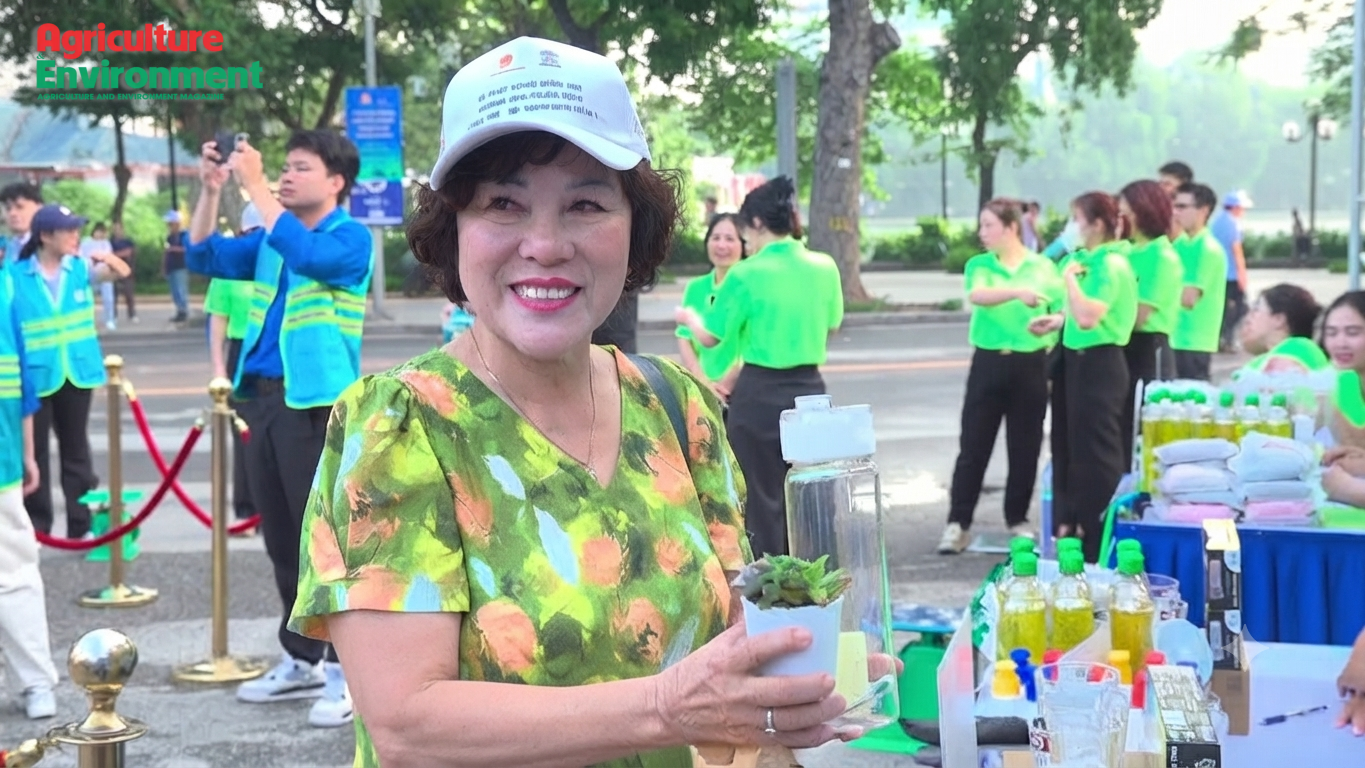
At the program’s collection points, sorting starts with simple actions: setting a plastic bottle aside, keeping a cardboard box dry, or taking a metal can to the appropriate collection point.
These small actions are the starting point for a broader change in how waste is viewed. When different types of materials are mixed together, many recyclable materials lose their value or become more difficult to recover, while the amount of waste requiring final treatment increases.
When properly separated at the source, paper, plastic, metal and other suitable materials can instead be recovered and sent for recycling.
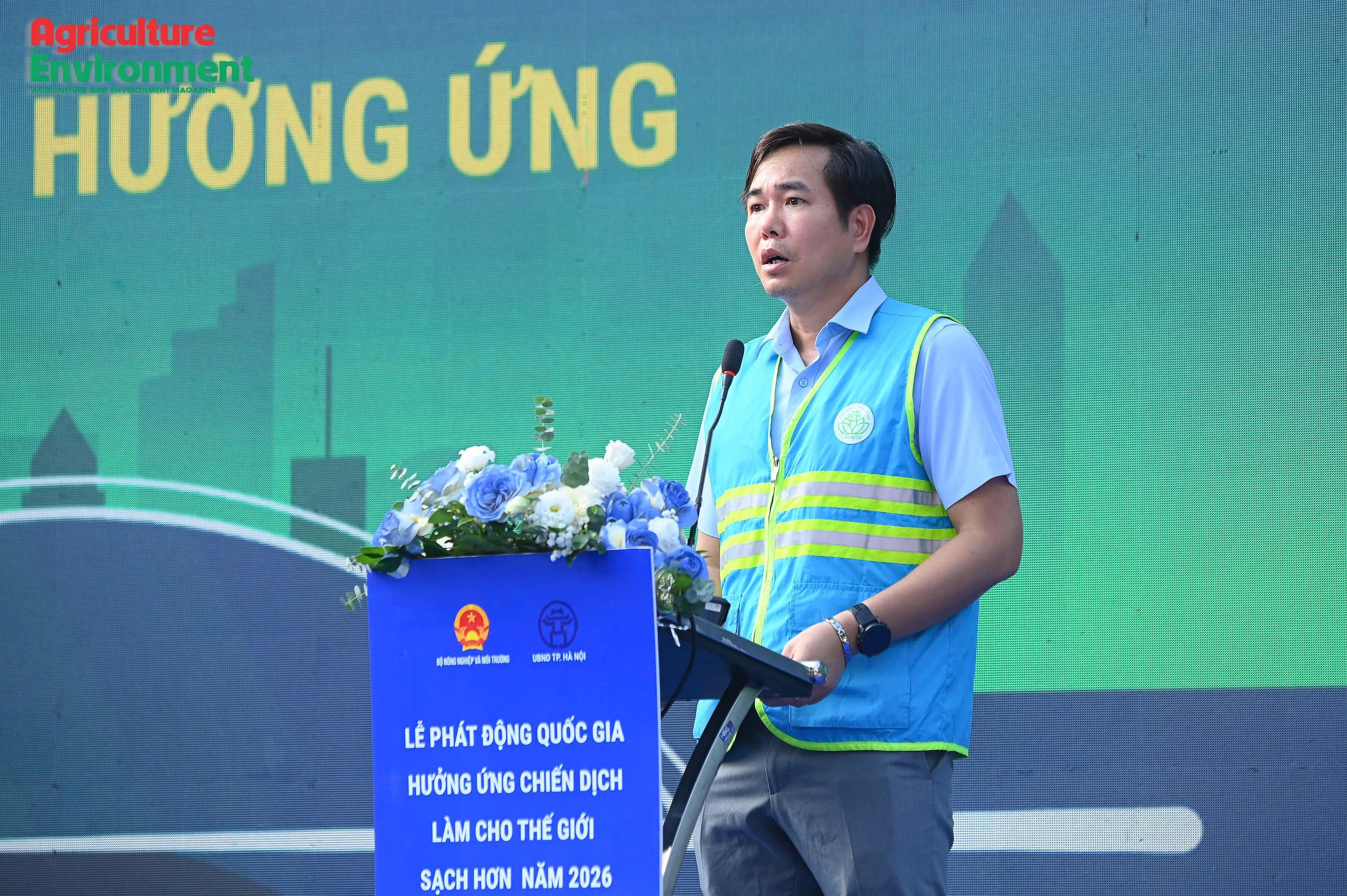
Nguyen Thanh Son, Deputy General Director of URENCO, said a clean city could not rely solely on increased waste collection and treatment. The approach needed to shift toward reducing the volume of waste requiring treatment while recovering materials that still had value and returning them to production and everyday use.
From this perspective, source separation is not merely a technical requirement of the waste management system. It is also the first step in changing how communities view the things they throw away: a plastic bottle, cardboard box or metal can can still be a resource rather than automatically becoming waste destined for landfill or incineration.
Bringing material recovery closer to communities
One of the components implemented alongside “21 Days of Waste Sorting” is a network of 100 recycling material sorting and recovery hubs (HUBs), jointly operated by URENCO and its partners, stretching from the area around Ring Road No. 2 toward central Hanoi.
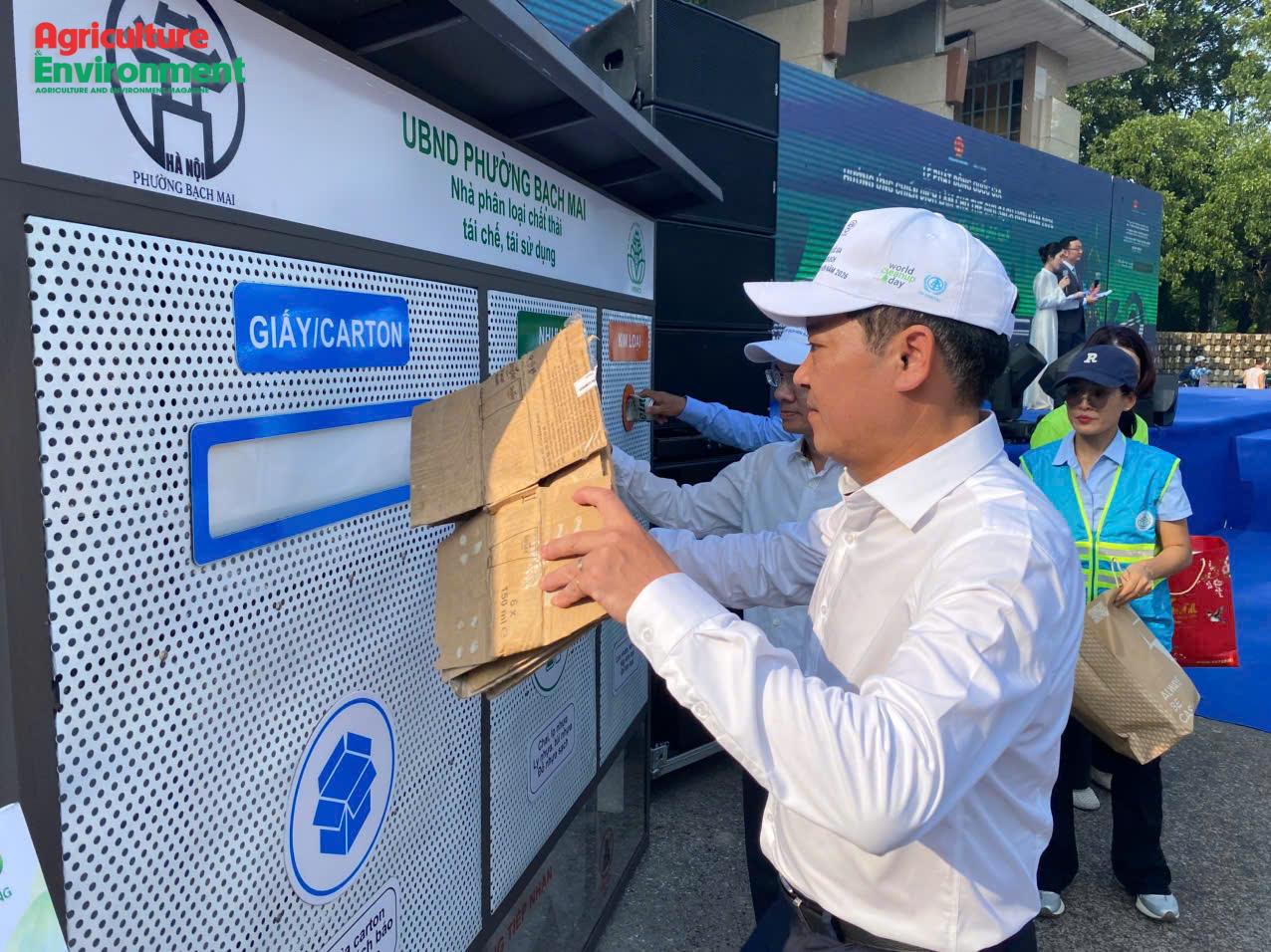
The network aims to bring material recovery closer to residential areas, ensuring that waste sorting does not remain merely a call to action but is supported by specific locations where residents can bring materials they have separated.
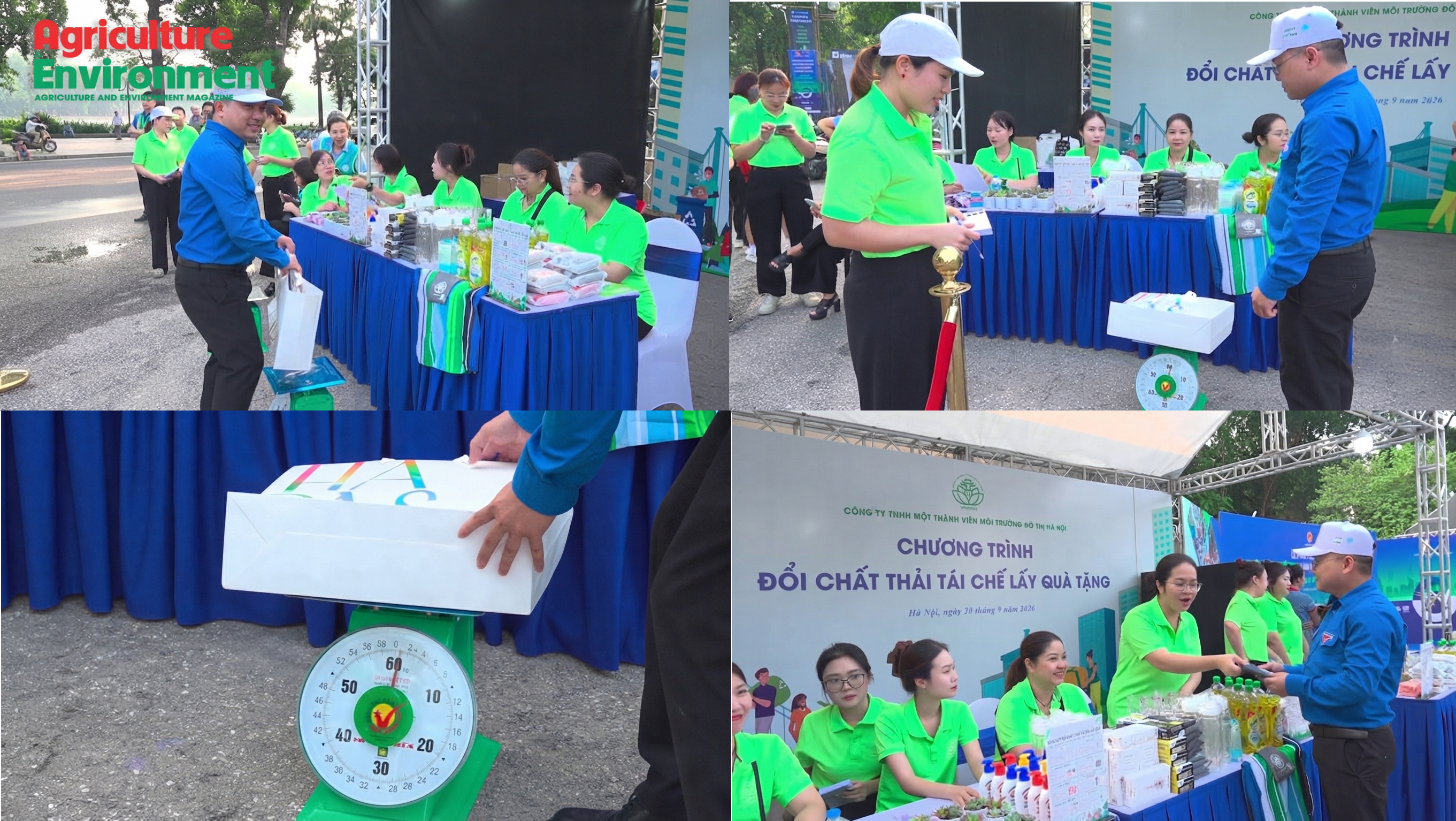
Under the program’s design, the HUBs are intended to be easily identifiable and convenient for residents, with standardized procedures. Once received, materials are sorted, weighed, recorded and transferred to appropriate collection and recycling organizations or systems.
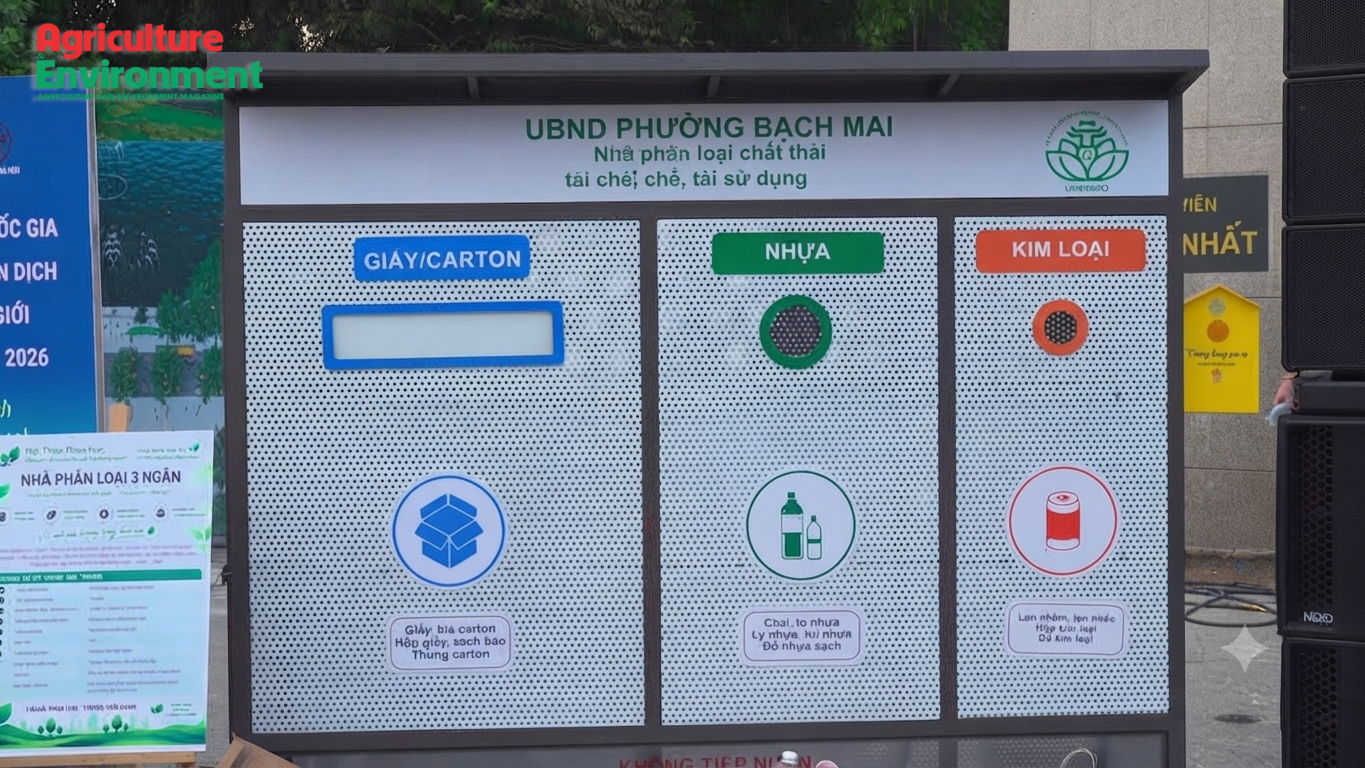
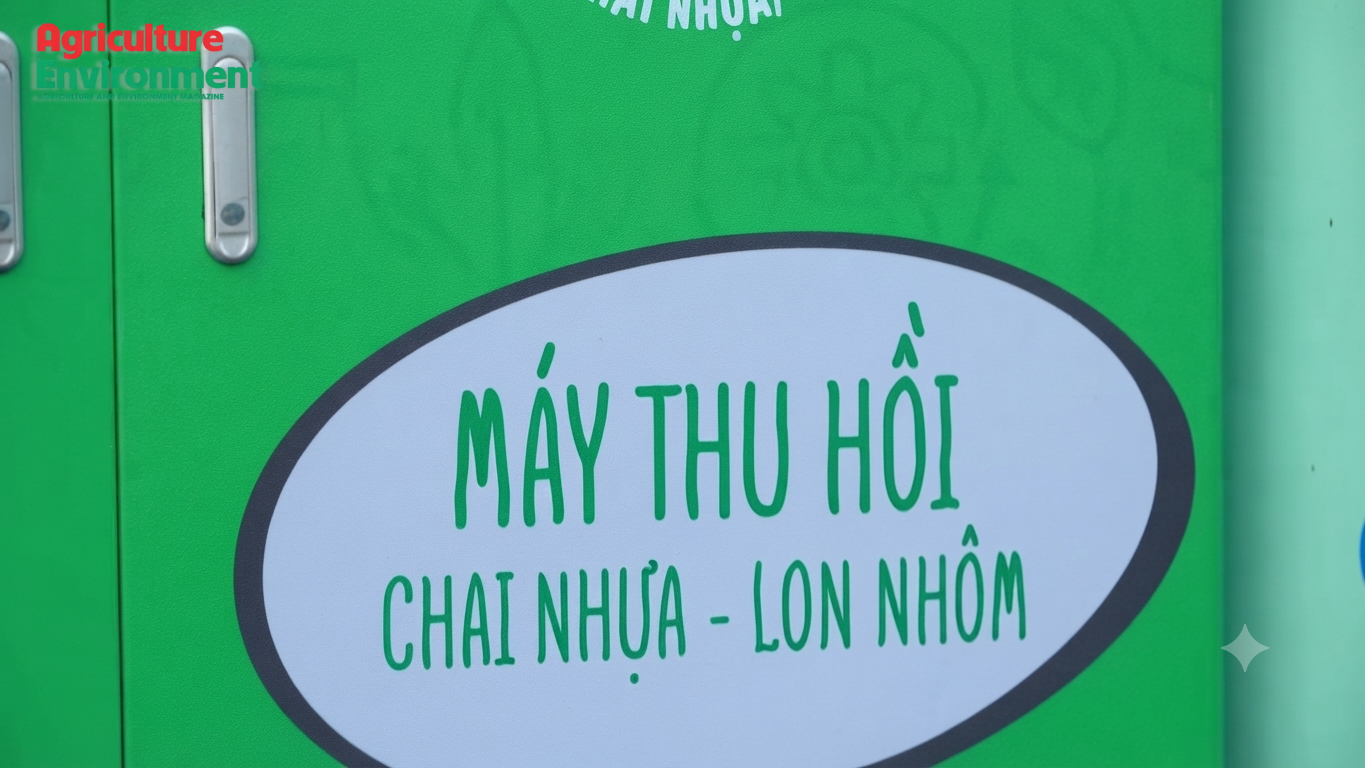
According to Nguyen Thanh Son, URENCO is responsible for collection and transportation, HUB operations, data management and connecting recovered materials with appropriate receiving organizations. A digital map is also used to help residents locate collection points, organize collection routes and track material flows.
The arrangement creates a clear cycle: source separation, recovery, recycling and the return of materials to production and everyday use.
The goal of the 100-HUB network, therefore, is not simply to collect more recyclable materials. More importantly, it is to establish infrastructure that is close enough, convenient enough and reliable enough for residents to maintain waste-sorting practices in their daily lives.
Making source separation a daily practice
The “21 days of waste sorting” period was chosen as a manageable timeframe for families, schools, agencies, businesses and individuals to start with simple actions and repeat them regularly.
Rather than asking communities to overhaul their entire approach to waste management within a short period, the program focuses on one specific action: separating recyclable materials and taking them to the appropriate collection point.
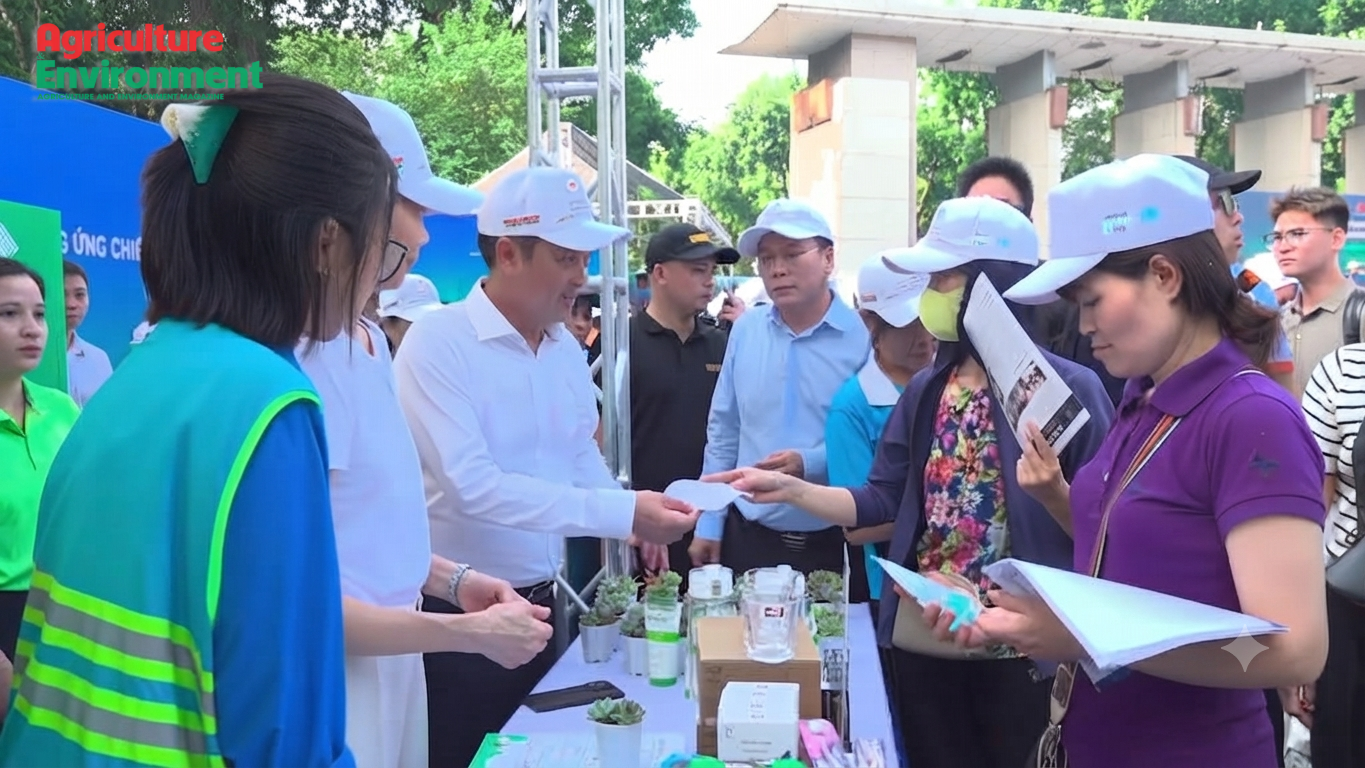
According to Nguyen Thanh Son, what should be recognized after 21 days is not only the amount of material recovered. More important is a change in awareness: recyclable materials should be retained as a resource rather than sent directly into the final waste stream.
This also places a requirement on the recovery infrastructure itself. URENCO said the infrastructure could only be effective if communities used and trusted it. A HUB may be located in a convenient place, but for it to become a meaningful recovery point, residents need to know where it is, what materials they can bring there and what happens to those materials after they are received.
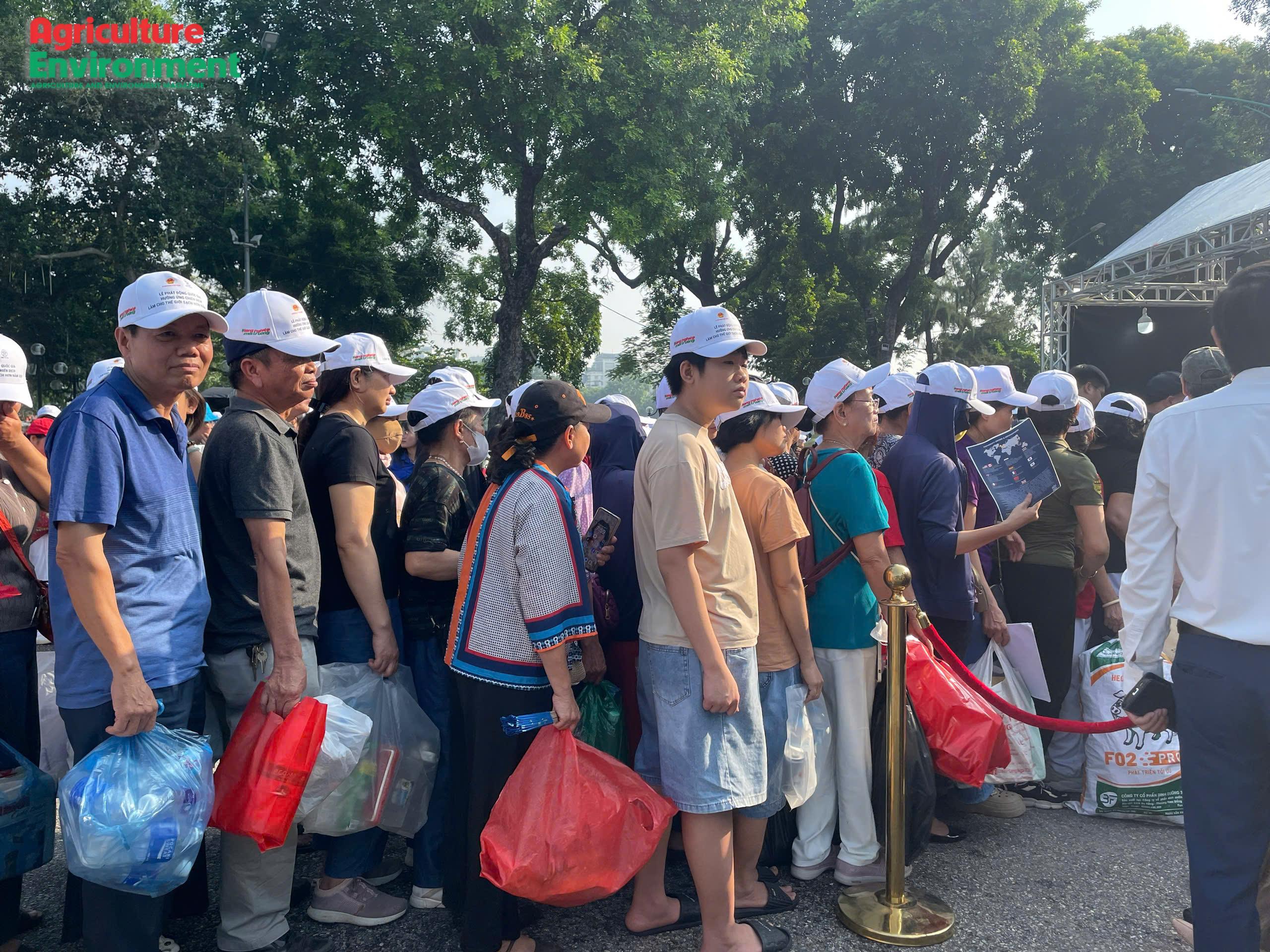
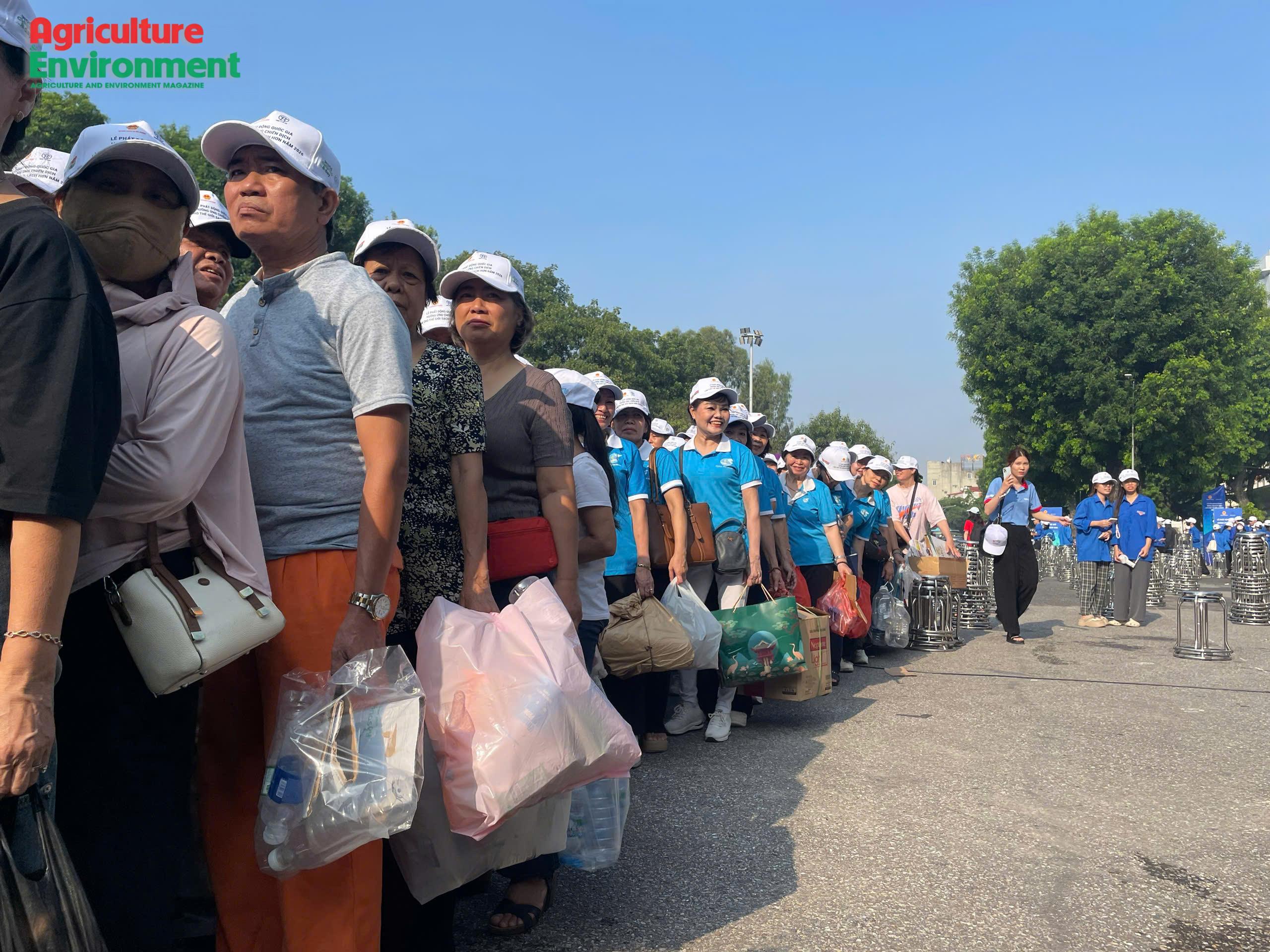
For that reason, the “21 days” is not framed primarily as a short-term campaign. Instead, it seeks to establish an action simple enough to repeat and gradually incorporate into everyday routines.
Images of residents bringing paper, plastic bottles and metal cans to collection points thus provide the most tangible expression of waste sorting: a concept that may appear to belong to the waste management system is translated into an ordinary daily action.
Small items, a larger resource stream
A single plastic bottle may not make much difference. Neither will one cardboard box or one metal can. But when thousands and eventually millions of people regularly perform the same simple action, these small amounts of material can form a stable, measurable resource stream with value for recycling activities.
That is the broader objective of the “21 Days of Waste Sorting” program. Rather than allowing recyclable materials to become mixed with general waste, the program seeks to keep them in circulation for longer.
According to URENCO, keeping materials in circulation can reduce the amount of waste requiring final treatment while conserving resources and generating additional value in the production process.
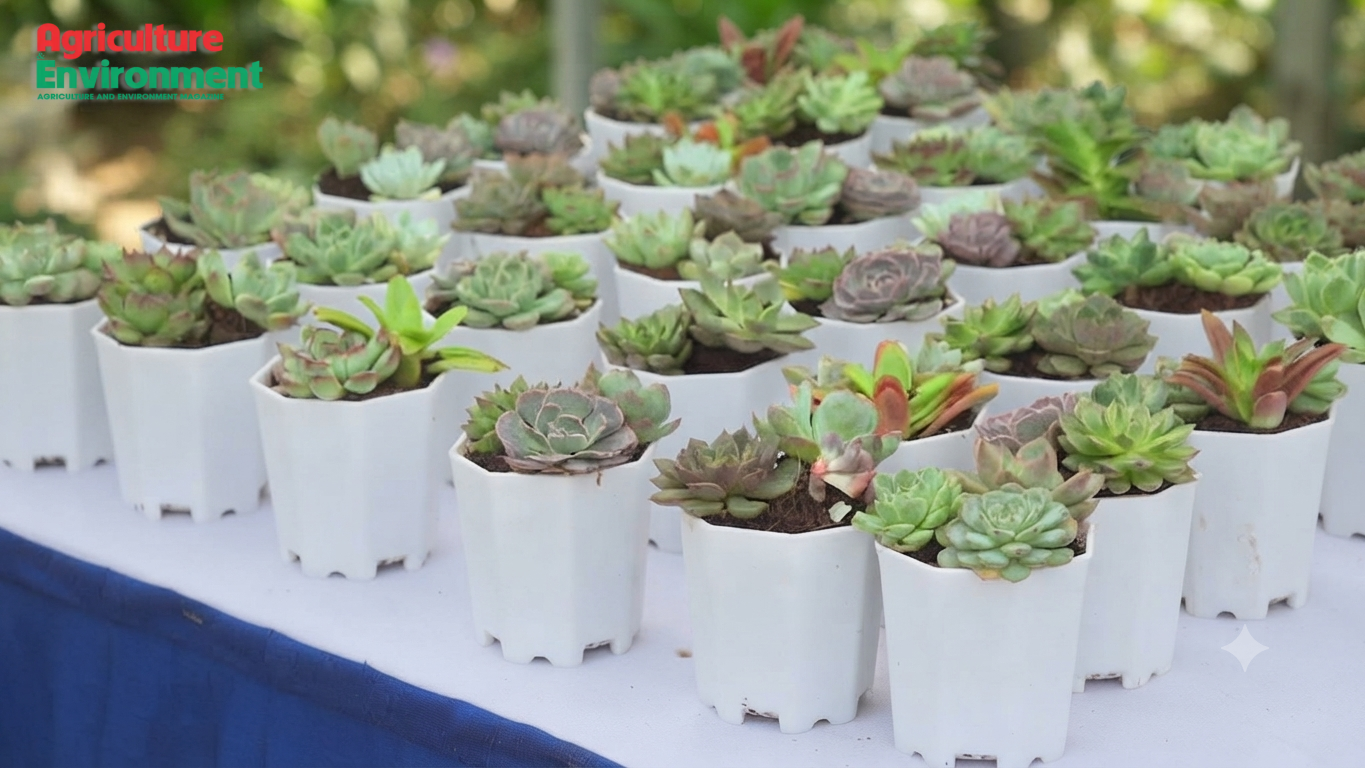
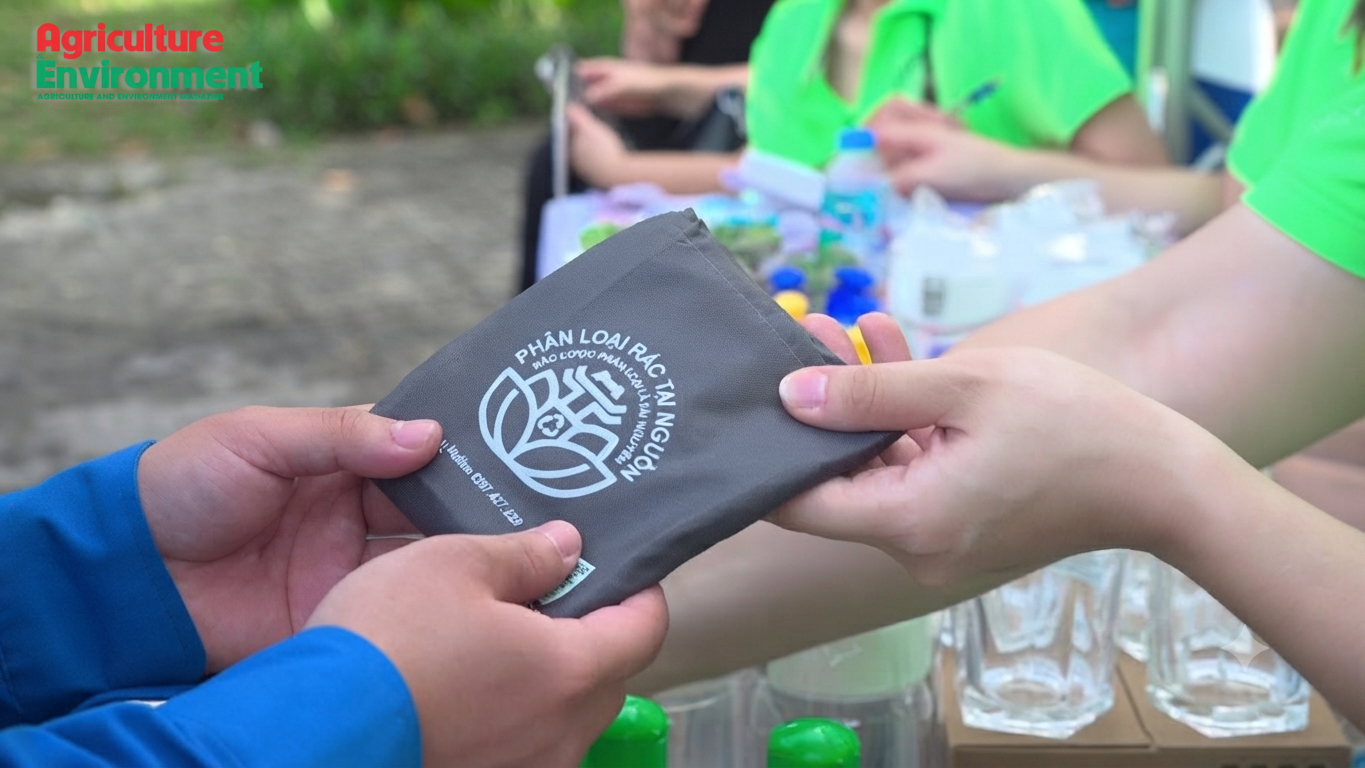
To sustain the model, URENCO said it would continue operating the HUBs in a professional, convenient and transparent manner; organize separate collection; connect recovered materials with appropriate receiving organizations; publicly disclose and evaluate results; and provide guidance to communities on waste sorting. Based on implementation results, the company will study proposals to expand the network and develop appropriate value chains.
The significance of the model, therefore, lies not only in the number of HUBs or the 21-day period. Its core is the creation of a continuous chain in which residents separate materials where waste is generated, the system provides appropriate collection points, collection and recycling operators continue the process, and recovered materials have an opportunity to return to production.
When a habit is repeated often enough, small discarded items are no longer simply things thrown away without a defined destination. They can become part of a managed resource stream within the urban environment.
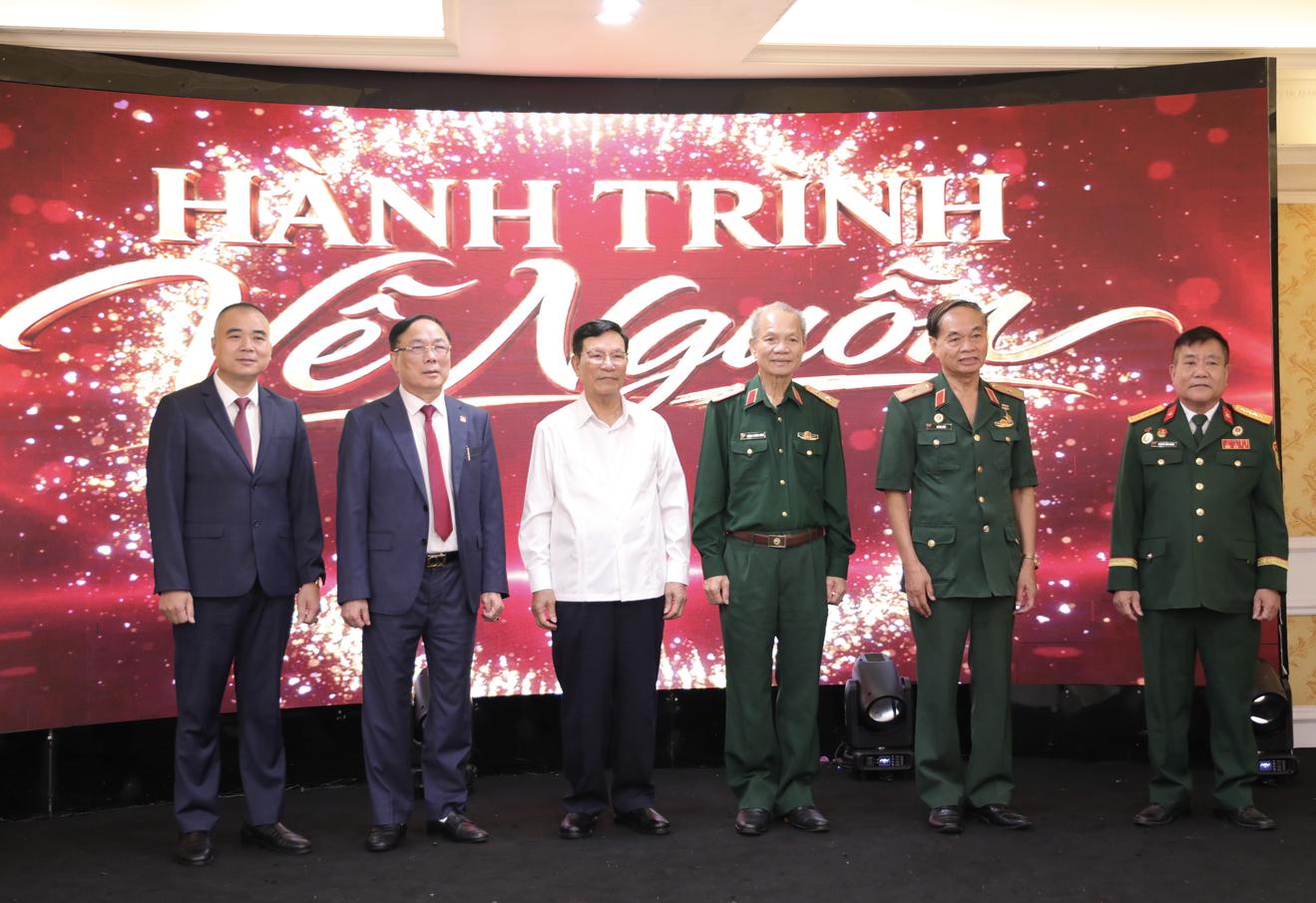
The “Back to the roots – Returning to know where we came from” program was officially launched, with a focus on telling stories about people, hometowns, memories, history, culture and values passed down through generations in Viet Nam.
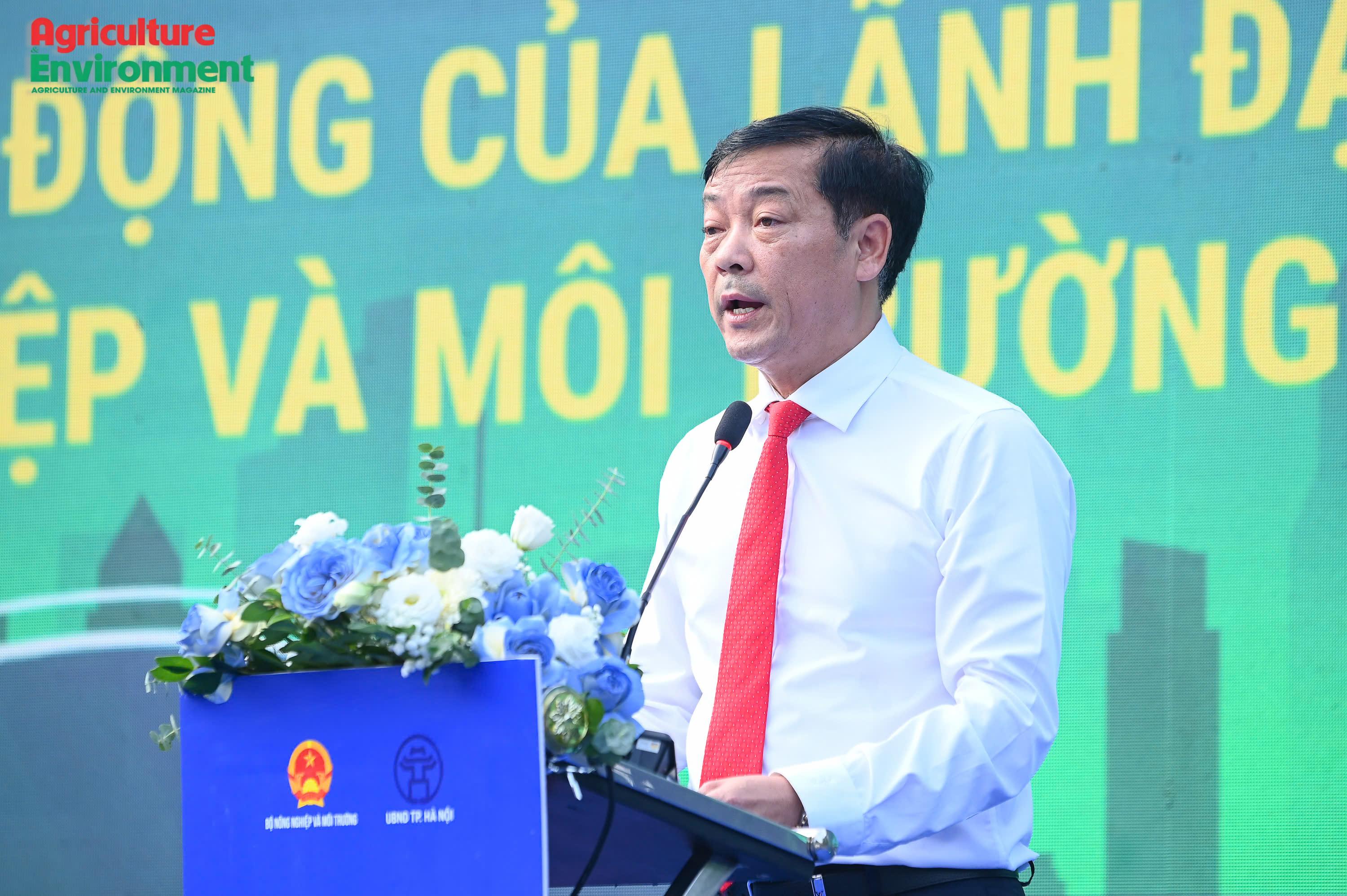
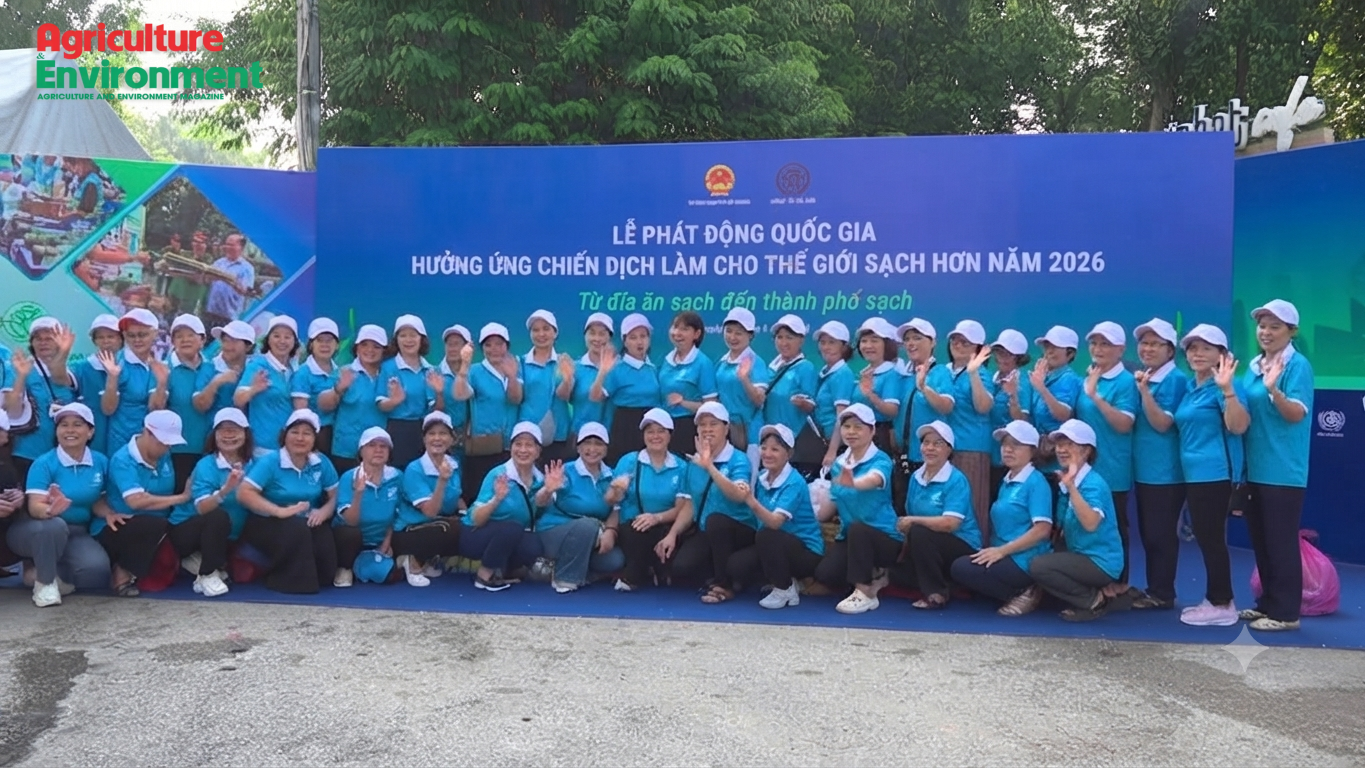
The Ministry of Agriculture and Environment, in coordination with the Hanoi People’s Committee, launched Viet Nam’s national campaign on September 20 to mark World Cleanup Day 2026 at Thong Nhat Park in Hanoi. Under the theme “From a clean plate to a clean city,” the event placed food waste, organic waste and waste separation at source within a broader discussion of resource management, green urban development and sustainable development.
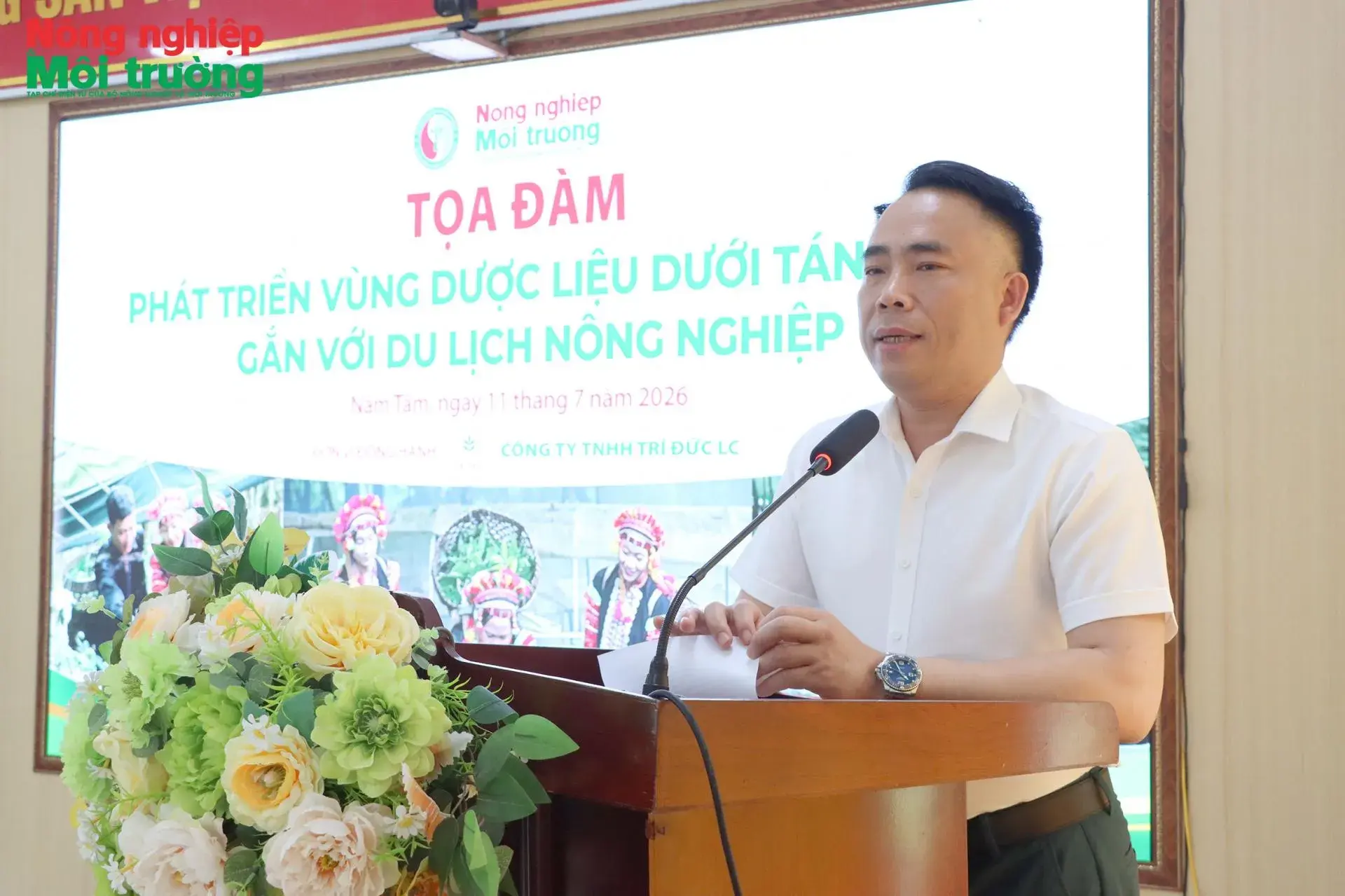
On July 11, the Agriculture and Environment Magazine, in coordination with the Nam Tam Commune People's Committee, hosted a discussion titled "Developing medicinal herb areas under forest canopies in association with agricultural tourism" in Nam Tam commune, Lai Chau province. The event brought together government officials, scientists, businesses and local residents to discuss solutions for developing forest-based livelihoods, promoting a green economy and improving incomes in upland communities. Tri Duc LC Co., Ltd. supported the event.
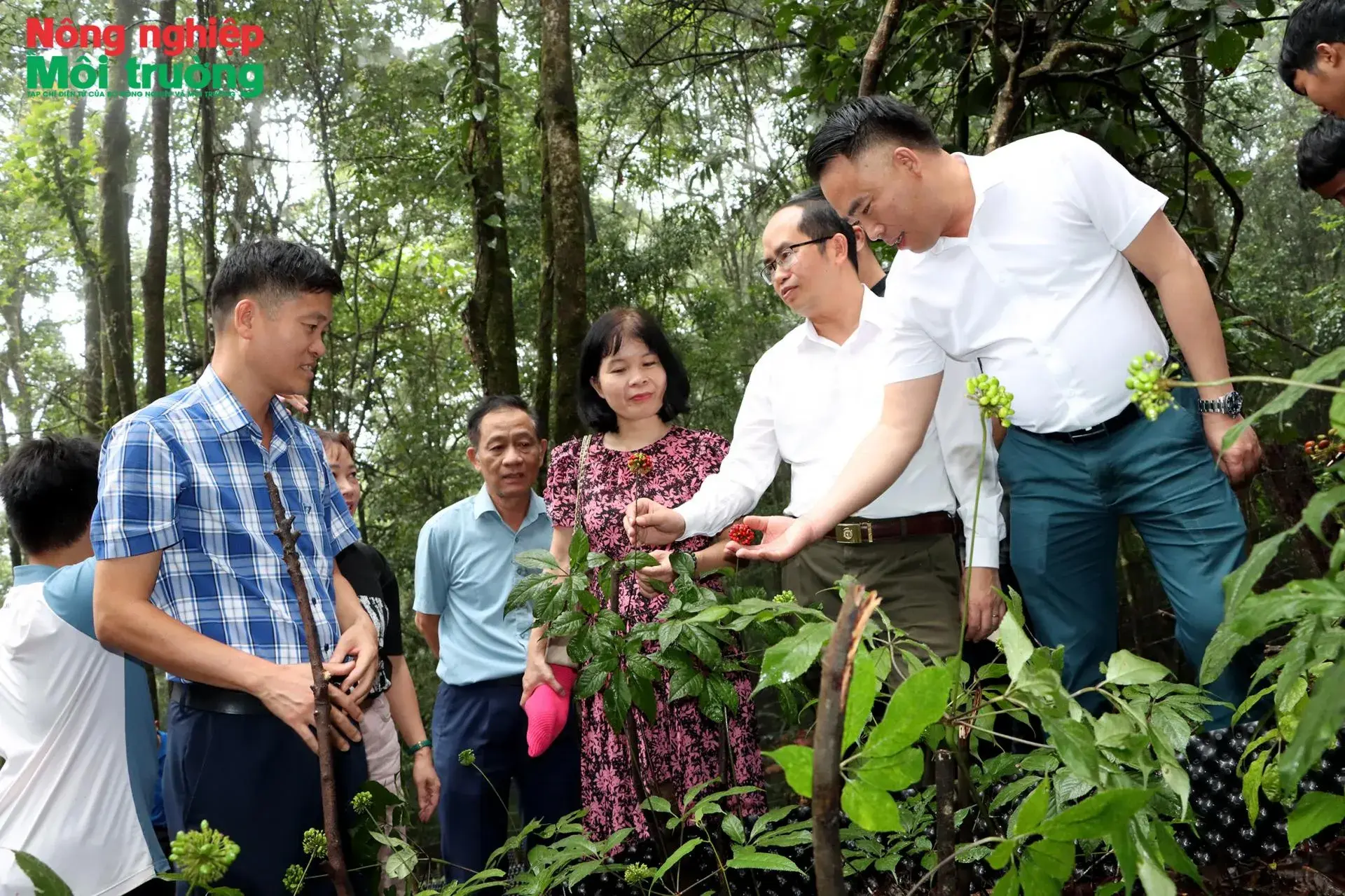
A delegation from the Agriculture and Environment Magazine, together with scientists and experts, conducted a field survey on July 11 of a medicinal herb cultivation model linked to agricultural tourism in Nam Tam commune, Lai Chau province, as part of the seminar "Developing medicinal herb areas under forest canopies in association with agricultural tourism."
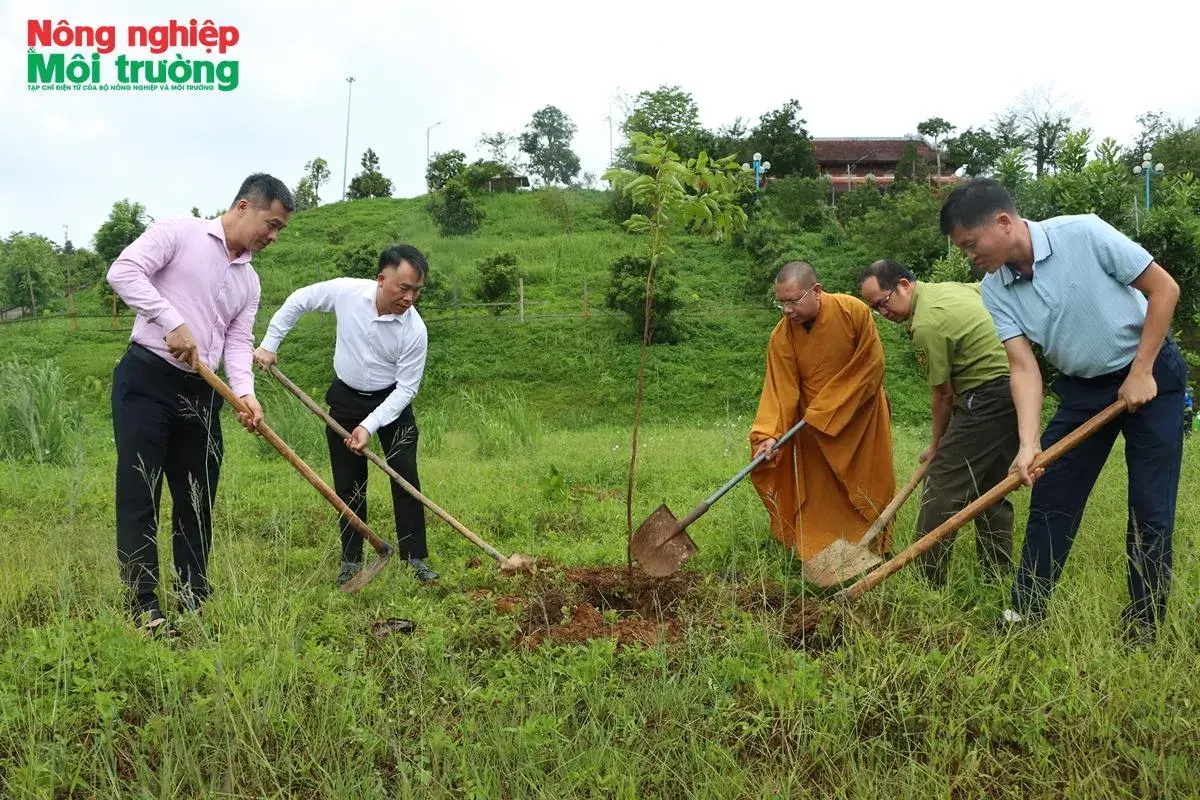
On July 10, the Agriculture and Environment Magazine planted 405 trees at Linh Son pagoda in Lai Chau province under its "Green pagoda" environmental initiative to promote environmental protection, help create greener, cleaner surroundings, and support sustainable development. The program was organized with the support of Tri Duc LC Co., Ltd.