



 On March 23, the Ministry of Agriculture and Environment and the International Livestock Research Institute (ILRI) agreed to strengthen cooperation in sustainable livestock development, food safety, disease prevention and control, and the transformation of food systems toward modernization and climate resilience.
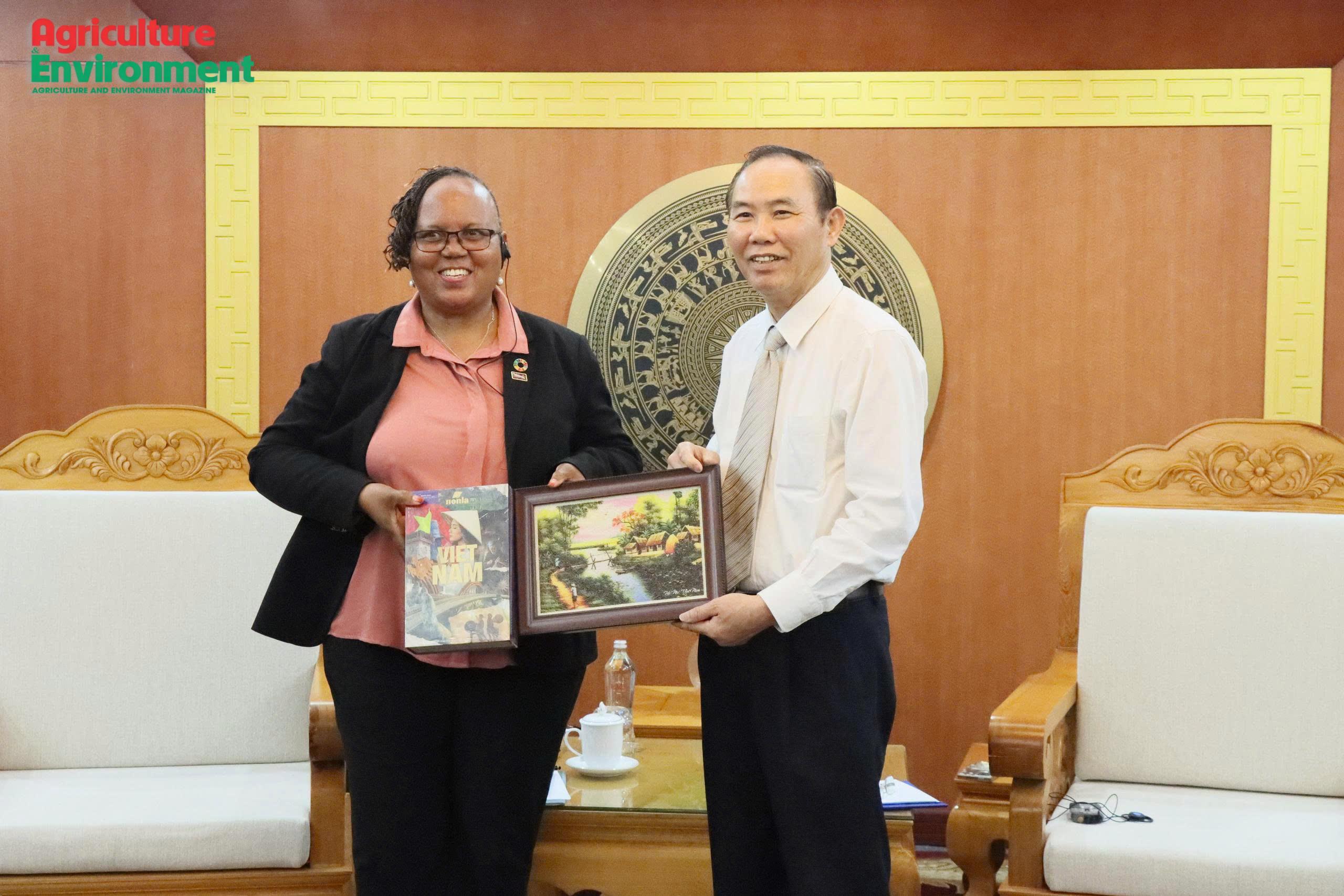
Strengthening cooperation in livestock development
At a meeting with Siboniso Moyo, Deputy Director General – Research, Partnerships and Impact at the International Livestock Research Institute (ILRI), Deputy Minister Phung Duc Tien expressed appreciation for the institute’s cooperation and highlighted the importance of exchanges between the two sides on sustainable livestock development in the region.
He emphasized that Viet Nam attaches importance to the role of the Consultative Group on International Agricultural Research (CGIAR), particularly ILRI, in livestock development, especially in scientific research, knowledge sharing, strengthening disease prevention capacity, and promoting sustainable food systems.
Viet Nam’s agricultural sector has received strong support from international partners, including ILRI and the CGIAR system. This cooperation has contributed to the country’s implementation of the Sustainable Development Goals (SDGs), particularly SDG 1, SDG 2, and SDG 6.
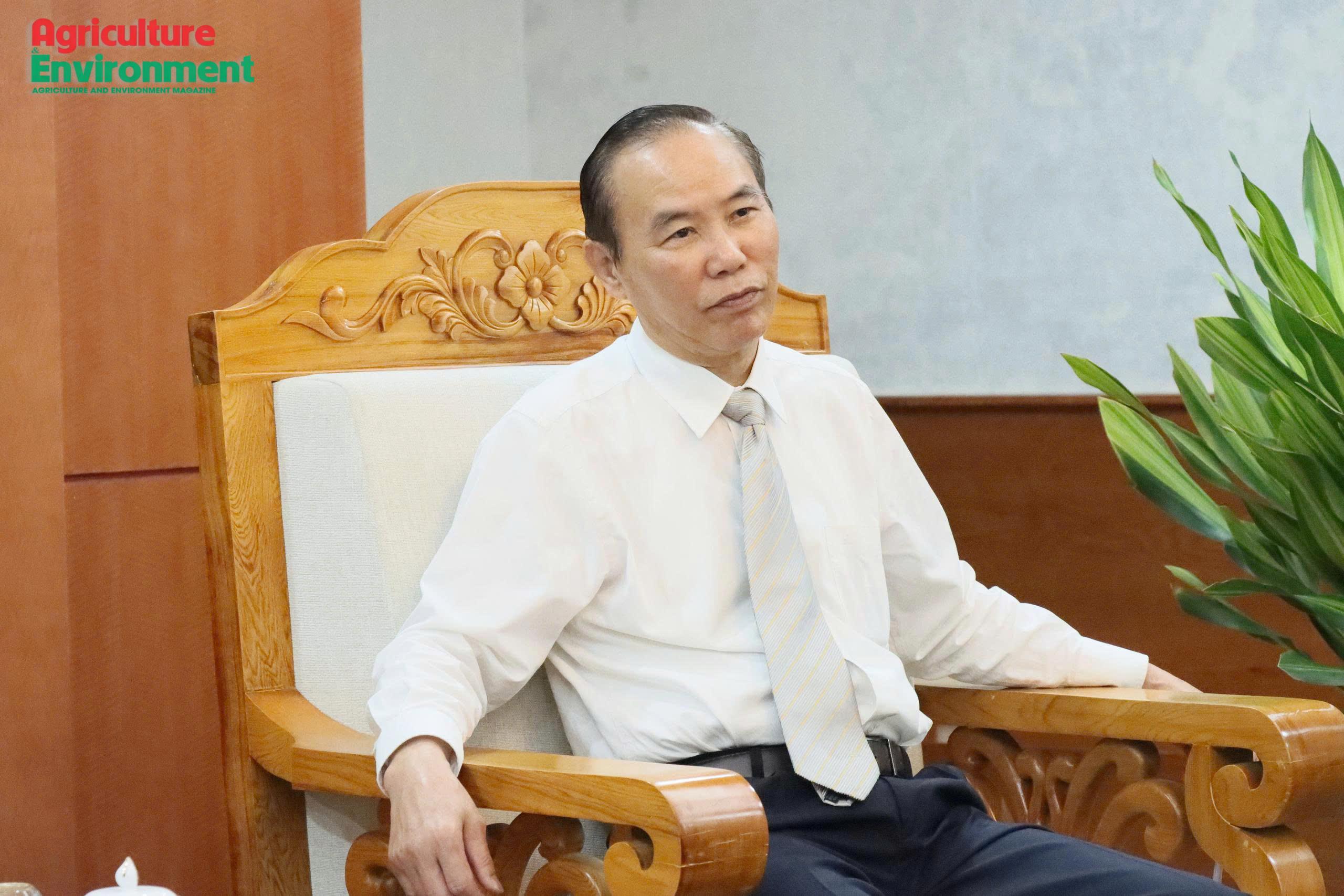
Providing an overview of the domestic context, Deputy Minister Phung Duc Tien said the Vietnamese Government identifies science and technology, innovation, digital transformation, and data as key drivers of agricultural development in the coming period. These elements, he noted, should be deployed across the entire value chain, from crop and livestock breeding, biotechnology, and processing to traceability, logistics, and digital commerce. Priority will be given to mastering breeding technologies to improve productivity, quality, and competitiveness.
According to the ministry, agriculture is expected to continue serving as a pillar of the economy in 2025, ensuring national food security and supporting social stability and livelihoods for more than 60 percent of the rural population. The sector contributes 11.64 percent of GDP and provides employment for nearly 30 percent of the national workforce.
Regarding livestock and veterinary services, the Deputy Minister said that after 80 years of development, the sector has played a key role in ensuring food security and contributing to socio-economic development, particularly in rural areas. In recent years, livestock production has shifted from smallholder farming to large-scale commercial production, with increased application of science and technology and value chain development.
Viet Nam currently maintains a herd of more than 31 million pigs and over 585 million poultry, with total meat output reaching approximately 8.7 million tons per year.
Several livestock products have established a presence in international markets, including honey, suckling pigs, edible bird’s nests, salted duck eggs, milk, and processed poultry products. These developments have helped increase added value and strengthen the sector’s position in global supply chains.
In response, Deputy Director General Siboniso Moyo said cooperation between ILRI and Viet Nam continues to be strengthened and expanded, particularly as the institute implements its development strategy toward 2030. The strategy reaffirms ILRI’s commitment to improving livelihoods through sustainable livestock-based food systems in low- and middle-income countries.
With about five years remaining to achieve the 2030 targets, she noted that significant gaps remain in many SDGs, requiring accelerated action by countries and international organizations.
ILRI is prioritizing efforts in key areas such as prevention and control of zoonotic diseases, food safety, antimicrobial resistance (AMR) management, development of climate-resilient livestock systems, and strengthening national capacities through scientific cooperation, innovation, and digital transformation.
Priorities for future cooperation
At the meeting, Deputy Minister Phung Duc Tien said the transformation of the livestock sector in the coming period is an urgent requirement and should follow three strategic directions. These include placing science, technology, innovation, and digital transformation at the center of development; linking livestock development with enhanced biosecurity and a One Health approach; and recognizing livestock as a key component in climate change response and livelihood improvement.
He proposed that ILRI continue to coordinate closely with the Ministry of Agriculture and Environment in several priority areas. The two sides will step up cooperation under the One Health framework, focusing on surveillance and control of zoonotic and food-borne diseases, as well as antimicrobial resistance.
They will also expand joint research, pilot initiatives, and capacity building with agencies under the ministry, particularly in livestock breeding, animal health, and food safety.
The Deputy Minister called on ILRI to enhance knowledge sharing, transfer research outcomes, and support policy development through research institutions, policymaking bodies, and agricultural extension systems.
He also stressed the need to promote research cooperation and innovation to support Viet Nam’s goal of becoming a regional hub for food systems innovation. Both sides agreed to strengthen regional cooperation and South–South exchanges in developing sustainable livestock and agri-food systems.
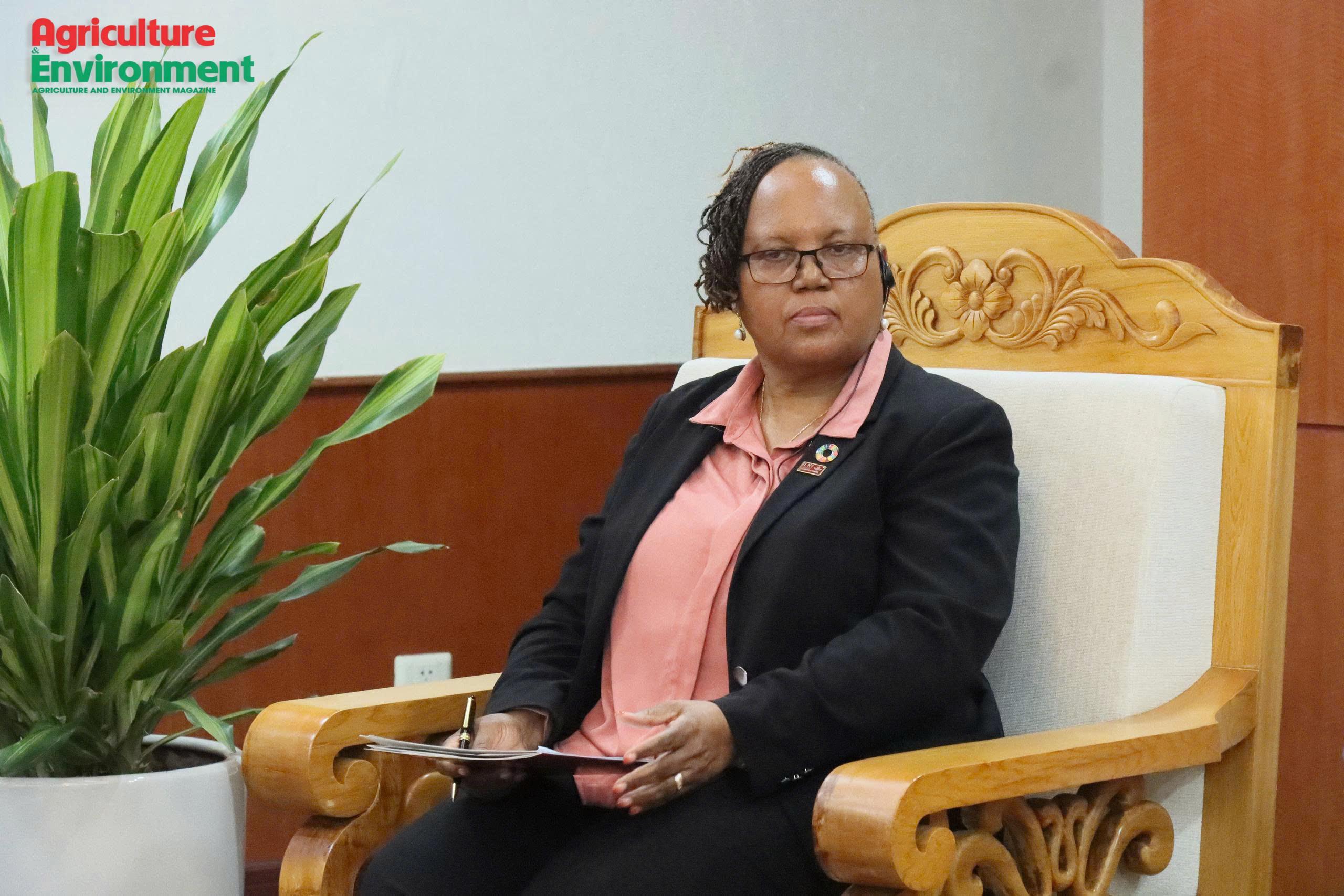
Deputy Director General Siboniso Moyo welcomed Viet Nam’s development orientation, noting that policies on science and technology, innovation, digital transformation, and private sector engagement are laying an important foundation for modern, sustainable agricultural and livestock development.
She affirmed that ILRI will continue to promote cooperation with Viet Nam in livestock genetics and breeding, animal feed and nutrition, and value chain development for poultry, pork, dairy, and beef, while strengthening the application of the One Health approach in both research and practice.
She added that ILRI stands ready to work closely with Viet Nam and international partners to provide policy recommendations, enhance regional cooperation, and support the development of sustainable, efficient, and resilient livestock systems in response to global challenges.
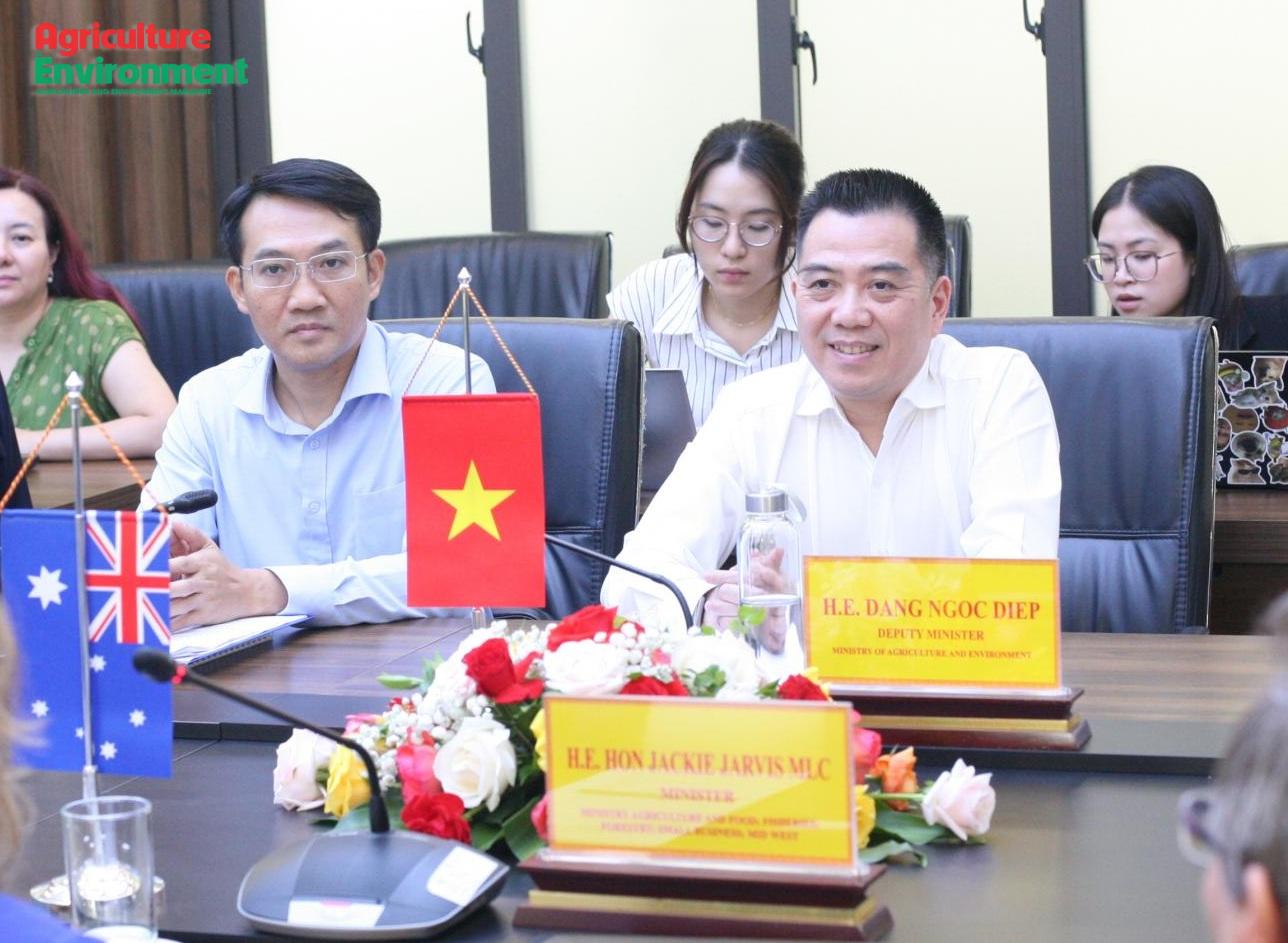
The September 24 meeting between Deputy Minister of Agriculture and Environment Dang Ngoc Diep and Hon Jackie Jarvis MLC, Western Australia’s Minister for Agriculture and Food; Fisheries; Forestry; Small Business; and the Mid West, highlighted scope for expanding Viet Nam-Australia cooperation beyond trade in agricultural, forestry and fishery products to science and technology, climate change adaptation, biosecurity and the marine economy. The two sides also discussed strengthening business links, addressing technical issues and turning areas of potential into concrete cooperation programs.
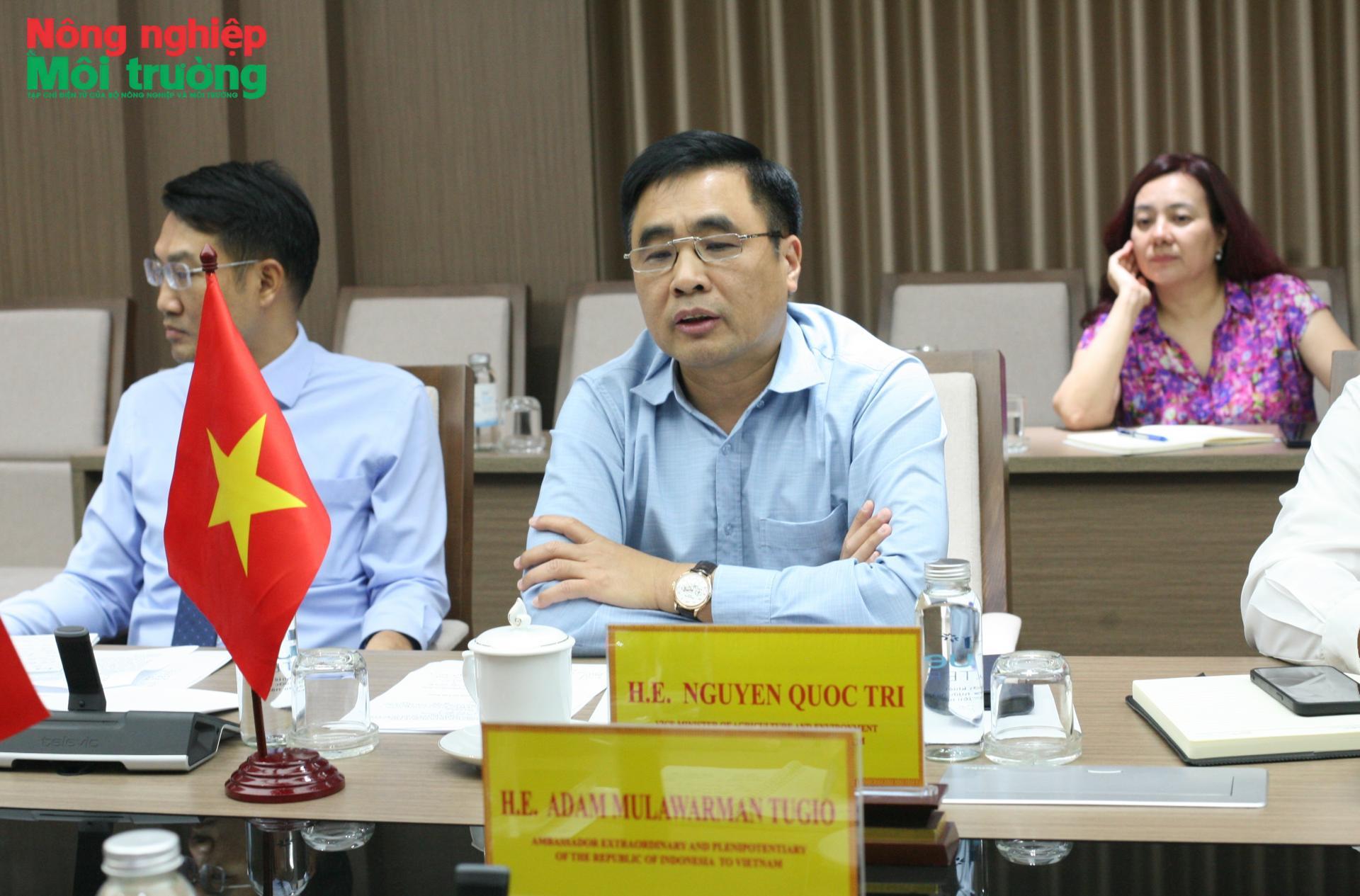
A meeting between Deputy Minister of Agriculture and Environment Nguyen Quoc Tri and Indonesian Ambassador to Viet Nam Adam Mulawarman Tugio on September 22 highlighted the specific market issues shaping agricultural cooperation between the two countries. From Halal products and fisheries to livestock and veterinary vaccines, expanding bilateral trade is closely tied to standards, quarantine requirements, technical dossiers and business connections.
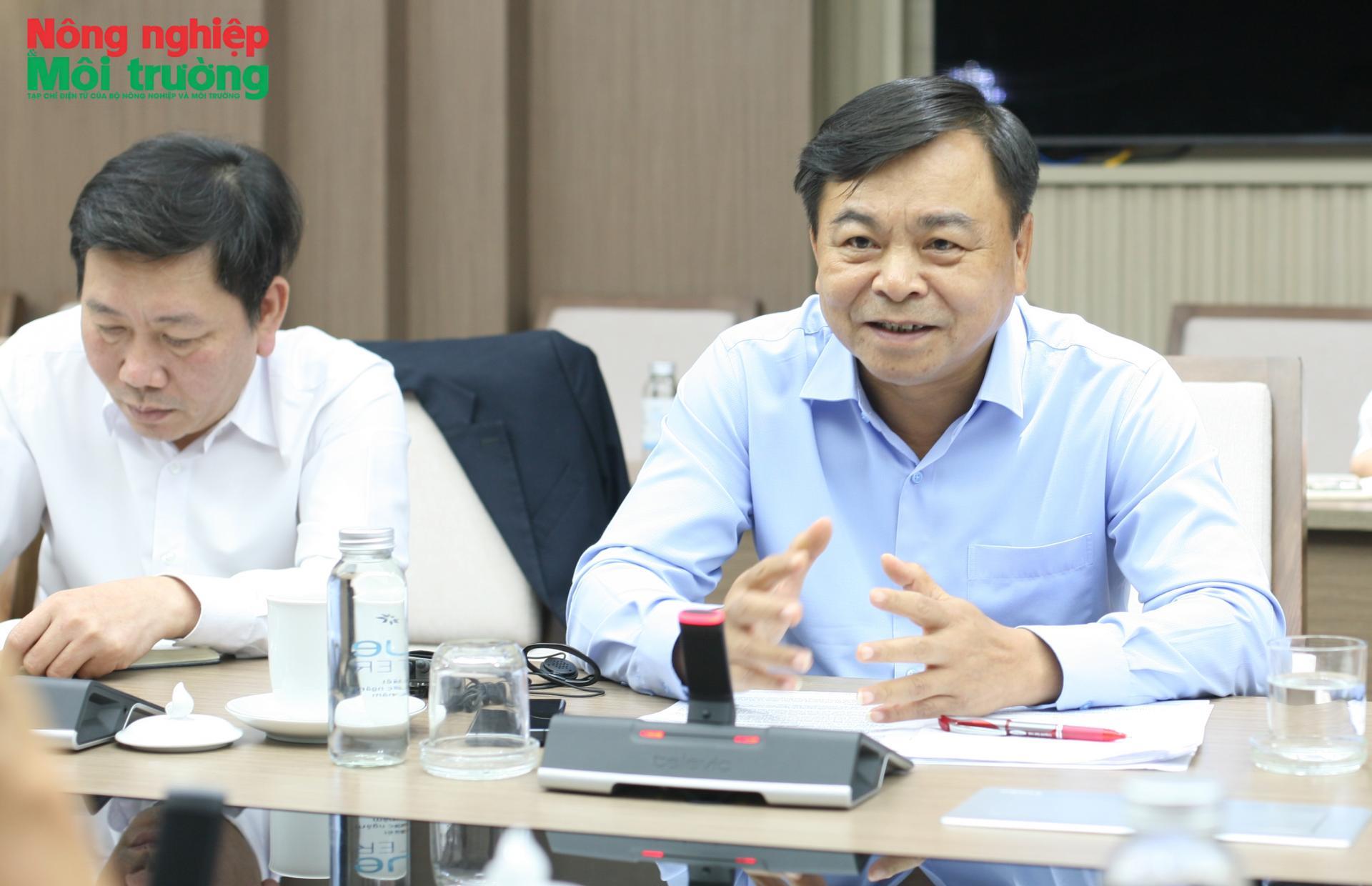
Deputy Minister of Agriculture and Environment Nguyen Hoang Hiep met with a World Bank (WB) delegation on September 9 to discuss the AgriConnect initiative. The meeting focused on ways to better connect public investment, policy and private capital to the development of agricultural value chains.
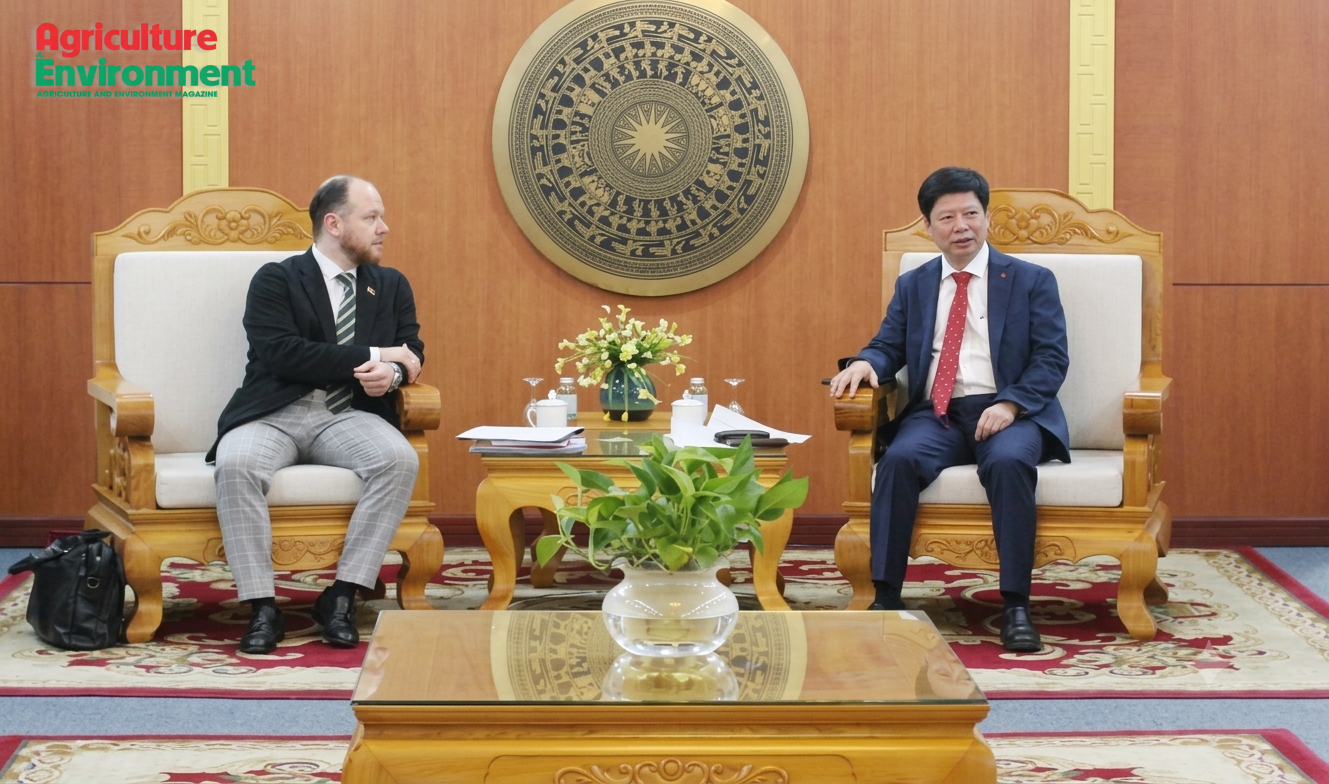
The licensing of four Belarusian companies to export boneless beef to Viet Nam, with the first shipment entering the Vietnamese market in April 2026, marks a concrete result in efforts to address market-access procedures between the two countries. In the opposite direction, the number of Vietnamese companies authorised to export meat and seafood to the Eurasian Economic Union (EAEU) is only about one-sixth the number of Belarusian companies authorised to export to Viet Nam, pointing to further scope for addressing technical barriers and expanding market opportunities for Vietnamese agricultural products.
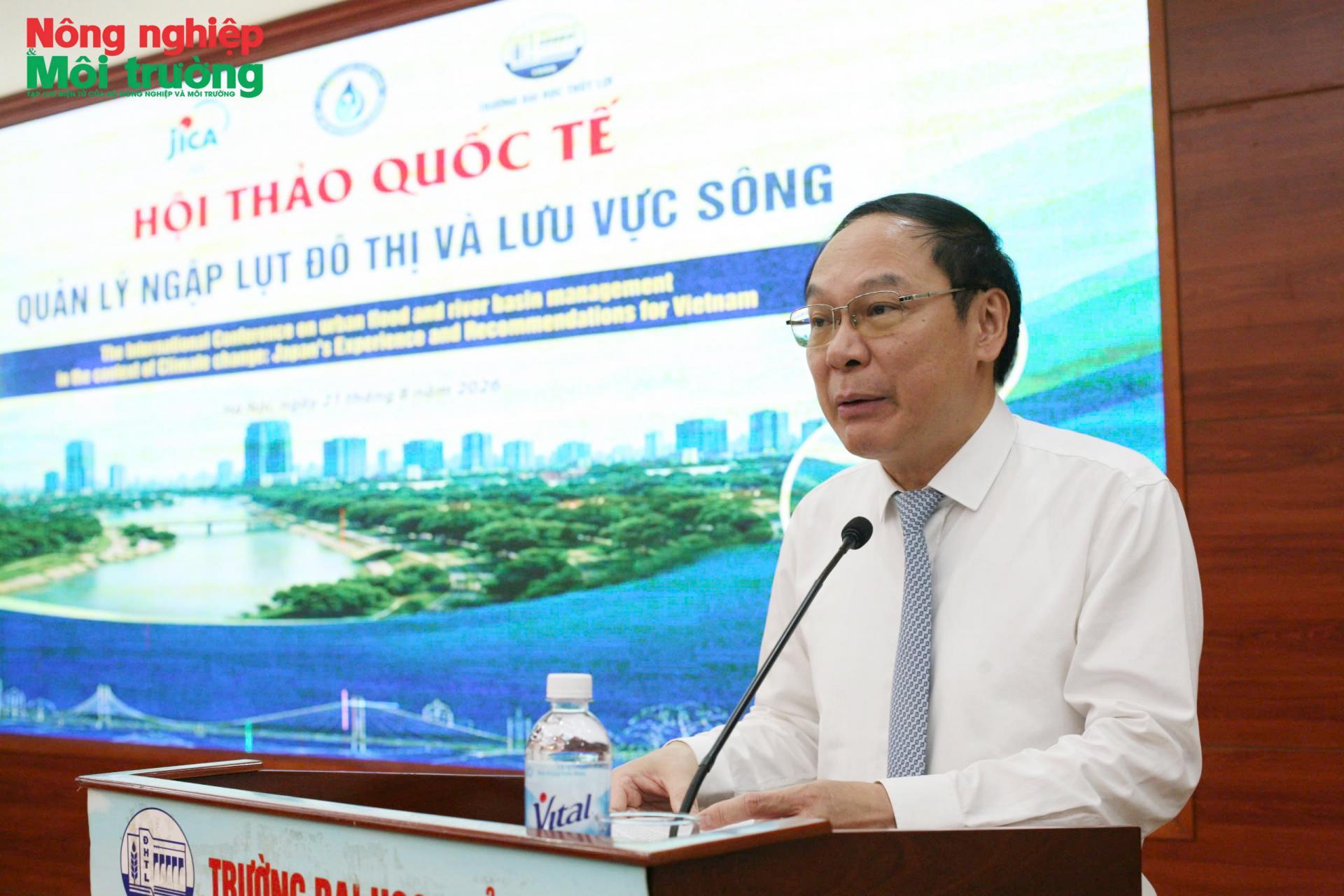
Urban flooding is increasingly influenced by a combination of heavy rainfall, river flows, tides, water-storage capacity, land use and urban spatial planning. At the international conference on “Urban flood and river basin management in the context of climate change: Japan’s experience and recommendations for Viet Nam”, held in Hanoi on August 21, Deputy Minister of Agriculture and Environment Le Cong Thanh said the issue should be addressed as part of integrated water resources management, urban planning and disaster risk governance, rather than being treated solely as a drainage problem within individual cities.