



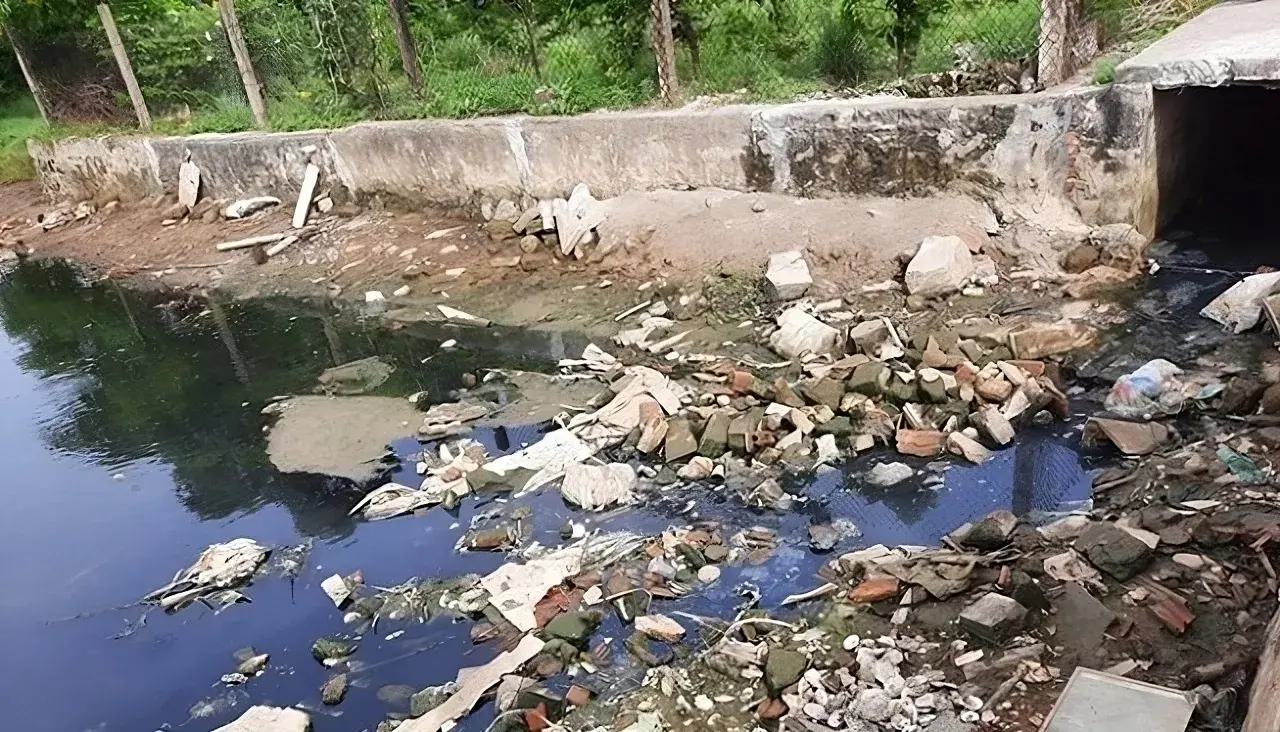
 The application of low-frequency ultrasound irradiation to domestic wastewater has demonstrated its potential to reduce organic matter and microbial counts in experimental samples, according to a study by Hoang Duc An, Huynh Thi Minh Thanh, and Vo Thi Hong Phuong of the Faculty of Natural Sciences, Quy Nhon University. The findings also indicate that treatment performance depends on operating conditions and influent wastewater quality, suggesting that ultrasound could serve as a supplementary step in wastewater treatment processes.
Acoustic cavitation underlies the effects on organic matter and microorganisms
In domestic wastewater treatment, controlling microbial contamination is closely linked to reducing organic loads and other pollutants. Alongside conventional treatment technologies, high-power ultrasound is being investigated as a method that may facilitate the breakdown of complex organic structures and reduce microbial counts in water.
The underlying mechanism is acoustic cavitation. As ultrasound propagates through a liquid, gas bubbles form, grow, and subsequently collapse, generating intense localized mechanical forces. This process can also produce highly reactive oxidizing radicals, which may damage microbial cell structures and transform organic compounds in water.
To evaluate the potential applications of this mechanism, the researchers conducted experiments using domestic wastewater collected from a separate drainage system serving a residential area in Quy Nhon Nam Ward, Gia Lai province, Viet Nam. Two ultrasound frequencies, 30 kHz and 40 kHz, were investigated, with irradiation times ranging from 1 to 12 minutes and power densities ranging from 50 to 200 W/L. Treatment performance was assessed by measuring total aerobic microorganisms, total coliform counts, and selected water-quality parameters.
This approach enabled the researchers to examine how treatment performance changed with variations in operating parameters and provided a basis for assessing where ultrasound might best fit within an integrated wastewater treatment process.
Treatment at 30 kHz achieves greater microbial reduction
The experimental results showed that microbial reduction increased with longer irradiation times. At 30 kHz, microbial counts decreased by 26.16% after 1 minute and by 57.56% after 12 minutes. At 40 kHz, the corresponding reductions increased from 19.19% to 51.16%.
The difference between the two frequencies indicates that operating conditions have a substantial influence on treatment performance. Under the experimental conditions, 30 kHz produced greater microbial reduction than 40 kHz. According to the researchers, this difference may be associated with the characteristics of cavitation bubbles and the intensity of the mechanical forces generated when they collapse, which can affect their ability to damage microbial cells.
Power density was another important factor. In the power-density experiments at 30 kHz, increasing the power density raised microbial reduction from 45.35% to 83.37% at 200 W/L. A similar trend was observed at 40 kHz.
These findings indicate that frequency, power density, and irradiation time need to be considered together when selecting operating conditions. However, results obtained under specific experimental conditions cannot be directly generalized to all wastewater sources. Influent composition, particularly total suspended solids (TSS) concentrations, may substantially affect energy propagation through the water and the degree of contact between the treatment mechanism and microorganisms.
Water quality improves, but disinfection remains incomplete
To assess the overall effects of ultrasound irradiation, the researchers conducted a further experiment under the selected operating conditions: a frequency of 30 kHz, a power density of 200 W/L, and an irradiation time of 12 minutes.
The results showed that five-day biochemical oxygen demand (BOD₅), an indicator of the oxygen required for the biological decomposition of organic matter, decreased by 45%, from approximately 48 mg/L to 26.4 mg/L. The post-treatment value met the Column A limit under Vietnam's National Technical Regulation QCVN 14:2025/BTNMT, as referenced in the study.
This finding indicates that ultrasound may not only affect microorganisms but also help improve the organic characteristics of wastewater. According to the researchers, acoustic cavitation may contribute to breaking down complex organic structures into simpler molecules, thereby reducing the BOD₅ of the wastewater sample.
Other water-quality parameters also improved. TSS decreased by approximately 24.7%, while the ammonium concentration fell by 15.6%. Total coliform counts decreased by 88.6%, and the total aerobic microbial count declined by approximately 84.7%.
These results must, however, be interpreted in relation to both the percentage reductions and the resulting water quality. Although the total coliform count decreased substantially, the final concentration remained at approximately (4.9 \times 10^5) CFU/100 mL, nearly 100 times the Column B limit used for comparison in the study. Post-treatment TSS and ammonium concentrations also remained above their respective limits.
The findings therefore demonstrate that ultrasound irradiation can improve several important water-quality indicators but is not sufficient to replace all stages of wastewater treatment. For final disinfection, the residual microbial concentration is a more important consideration than the percentage reduction alone.
Integrating ultrasound into the appropriate treatment stage
One important consideration in the study was the high initial TSS concentration, which was approximately 216 mg/L. After ultrasound irradiation, the concentration remained at around 163 mg/L. The researchers suggested that suspended particles may shield microorganisms from the direct effects of ultrasound, potentially explaining why the relatively high microbial inactivation rate did not reduce the total coliform count to the required limit.
In light of the experimental findings, an appropriate approach would be to integrate ultrasound into treatment stages with clearly defined objectives rather than use it as a standalone solution for untreated wastewater.
One option is to apply ultrasound during pretreatment to help disrupt floc structures and alter complex organic compounds before subsequent treatment stages. Another is to investigate its use as a supplementary final disinfection step after mechanical treatment has substantially reduced suspended solids. The choice of approach should depend on wastewater characteristics, effluent-quality requirements, and compatibility with existing treatment processes.
The study by Hoang Duc An, Huynh Thi Minh Thanh, and Vo Thi Hong Phuong adds experimental evidence on the potential application of low-frequency ultrasound in domestic wastewater treatment. Its contribution lies not only in the observed reductions in organic matter and microbial counts but also in identifying limitations that need to be considered when applying the technology to wastewater with high suspended-solids concentrations.
Further research is needed to evaluate ultrasound treatment in combination with sedimentation, filtration, and biological treatment, as well as to determine suitable operating conditions for different wastewater types. This would enable a more comprehensive assessment of the technology's capacity to improve water quality and contribute to efficient domestic wastewater treatment systems that meet environmental protection requirements.
Sources: This article is based on the study “Testing the disinfection efficiency of domestic wastewater by ultrasonic waves” by Hoang Duc An, Huynh Thi Minh Thanh, Vo Thi Hong Phuong, published in the Science Journal of Agriculture and Environment, Issue 1, August 2026
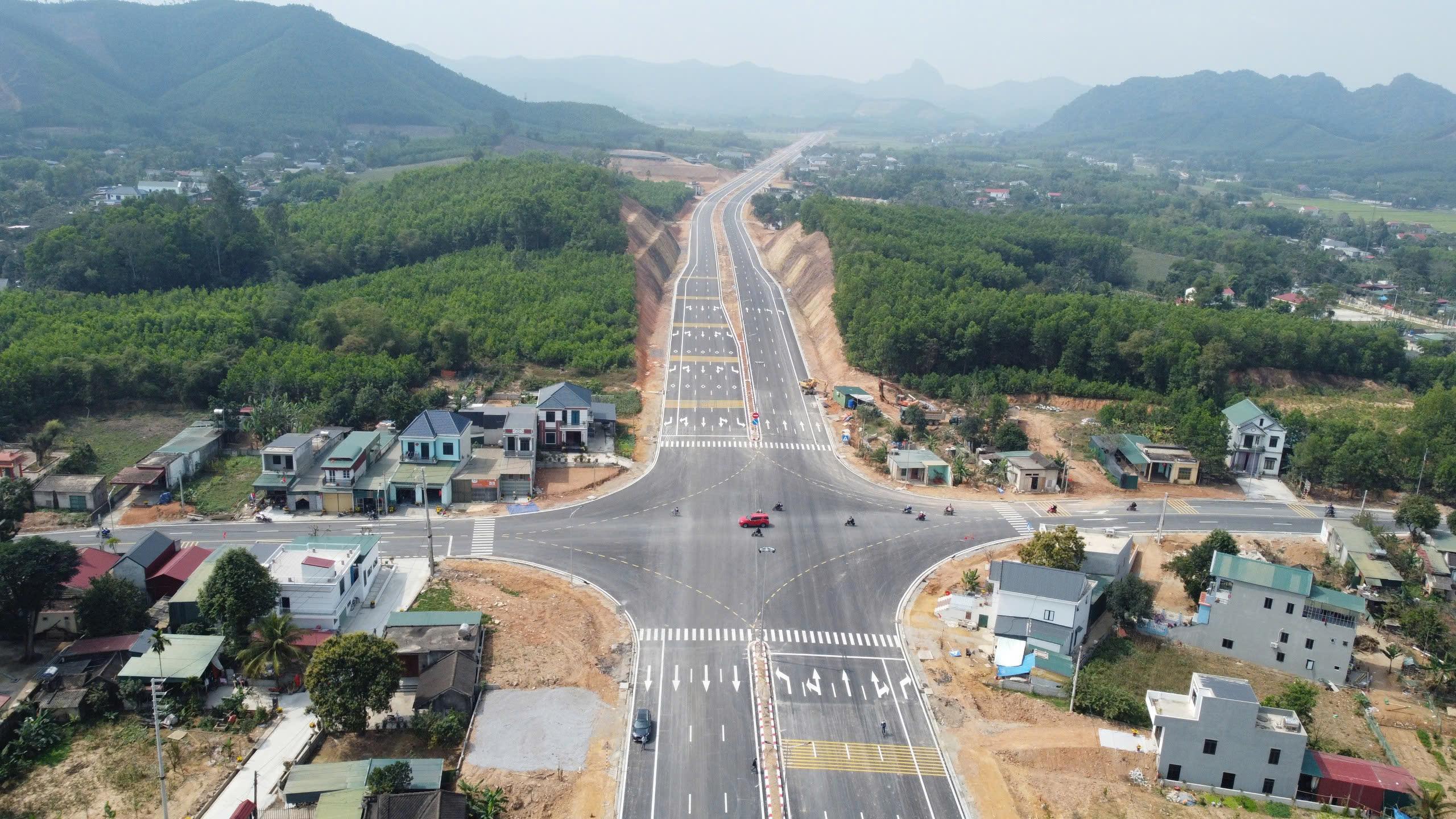
A study by Tran Thanh Son and colleagues on the Ben En–Ben Sung town center road project, in what is now Nhu Thanh commune, Thanh Hoa province, Viet Nam, demonstrates that integrating unmanned aerial vehicle (UAV) photogrammetry with MicroStation V8i can produce a land-use status map that meets the accuracy requirements for large-scale mapping. The results provide detailed geospatial data and identify 136,032.6 m² of land within the project’s acquisition boundary, supporting land inventory and the preparation of compensation, assistance, and resettlement plans.
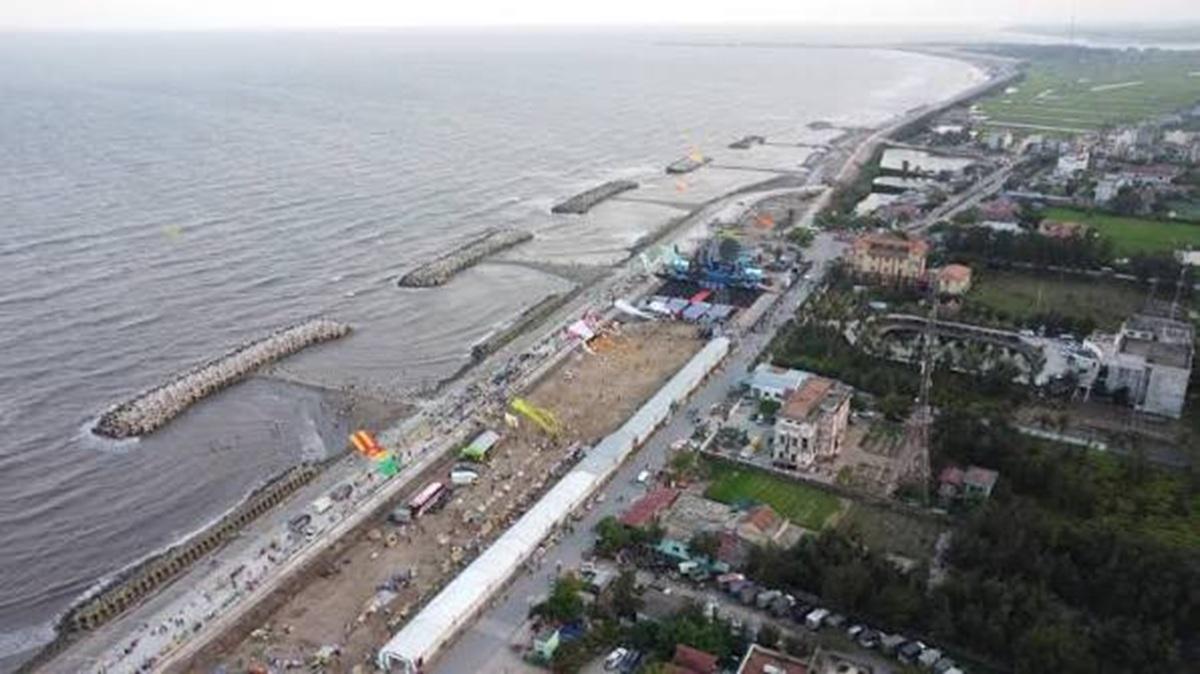
Producing cadastral extract maps in extensive aquaculture areas requires data acquisition methods that are both efficient and accurate, including in locations with extensive water surfaces and limited physical accessibility. A study by Phan Van Khue and Nguyen Duc Loc in Ninh Binh province, Viet Nam, shows that unmanned aerial vehicle (UAV) technology, combined with global navigation satellite system/real-time kinematic (GNSS/RTK) positioning and field verification, can meet the requirements for large-scale cadastral mapping, improve surveying efficiency, and provide data to support land administration.
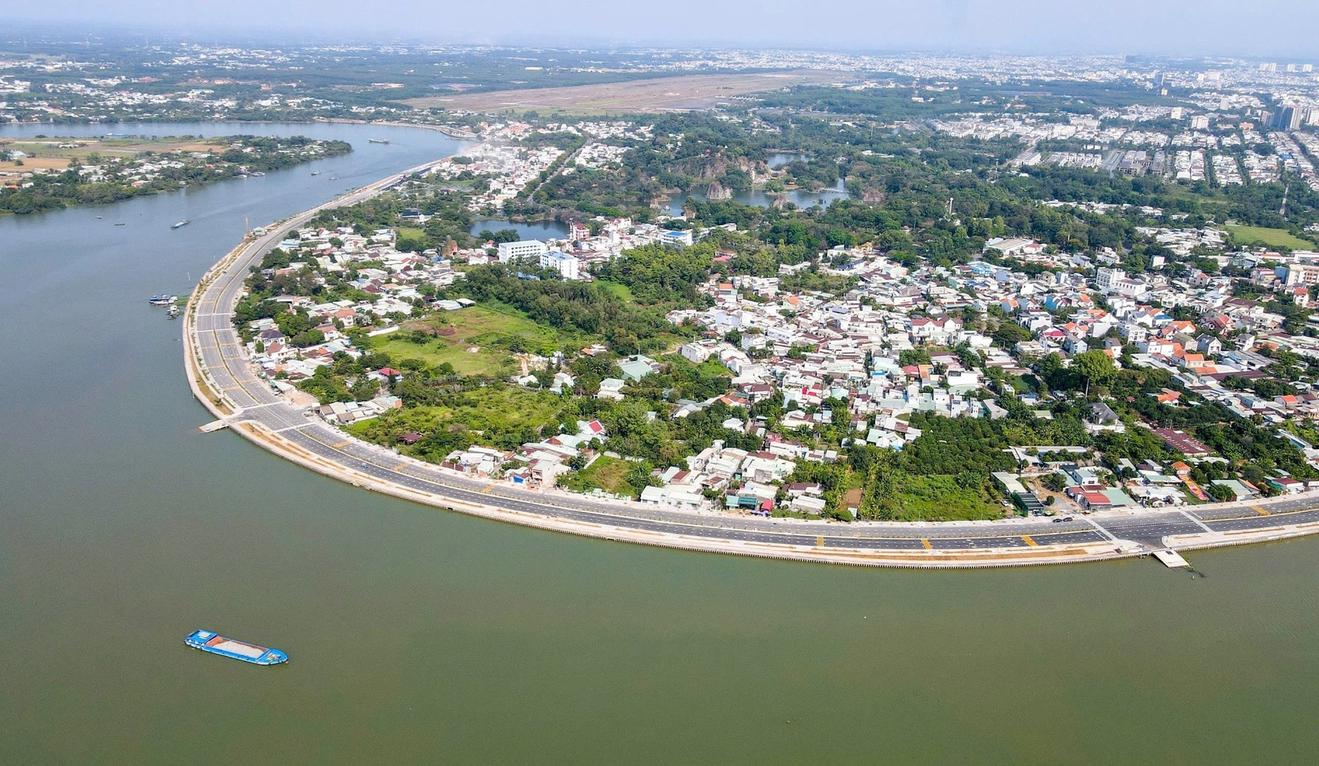
By integrating Landsat 8 satellite imagery with the NDVI, LST, and VTCI indices on the Google Earth Engine platform, researchers from the Southern Institute of Water Resources Planning have developed an agricultural drought-zoning map for the Dong Nai River Basin for 2014–2024. Comparisons with reference drought indices and field survey findings suggest that the approach has potential for identifying drought-prone areas, particularly agricultural areas outside the service areas of irrigation infrastructure.

Selecting technologies suited to specific agroecological zones and producers’ capacity is an approach proposed by Nguyen Trong Tuan Anh, MSc, to strengthen agricultural resilience, improve resource-use efficiency, and advance green and circular production.

Using remote sensing data, geographic information systems (GIS), and the Analytic Hierarchy Process (AHP), Vietnamese scientists have developed a map of the potential for Arabica coffee cultivation on sloping land in Dien Bien Province. The findings identify areas with suitable natural conditions and provide a scientific basis for cultivation-zone planning, crop restructuring, and more efficient use of land and water resources in a mountainous province in northwestern Viet Nam.