



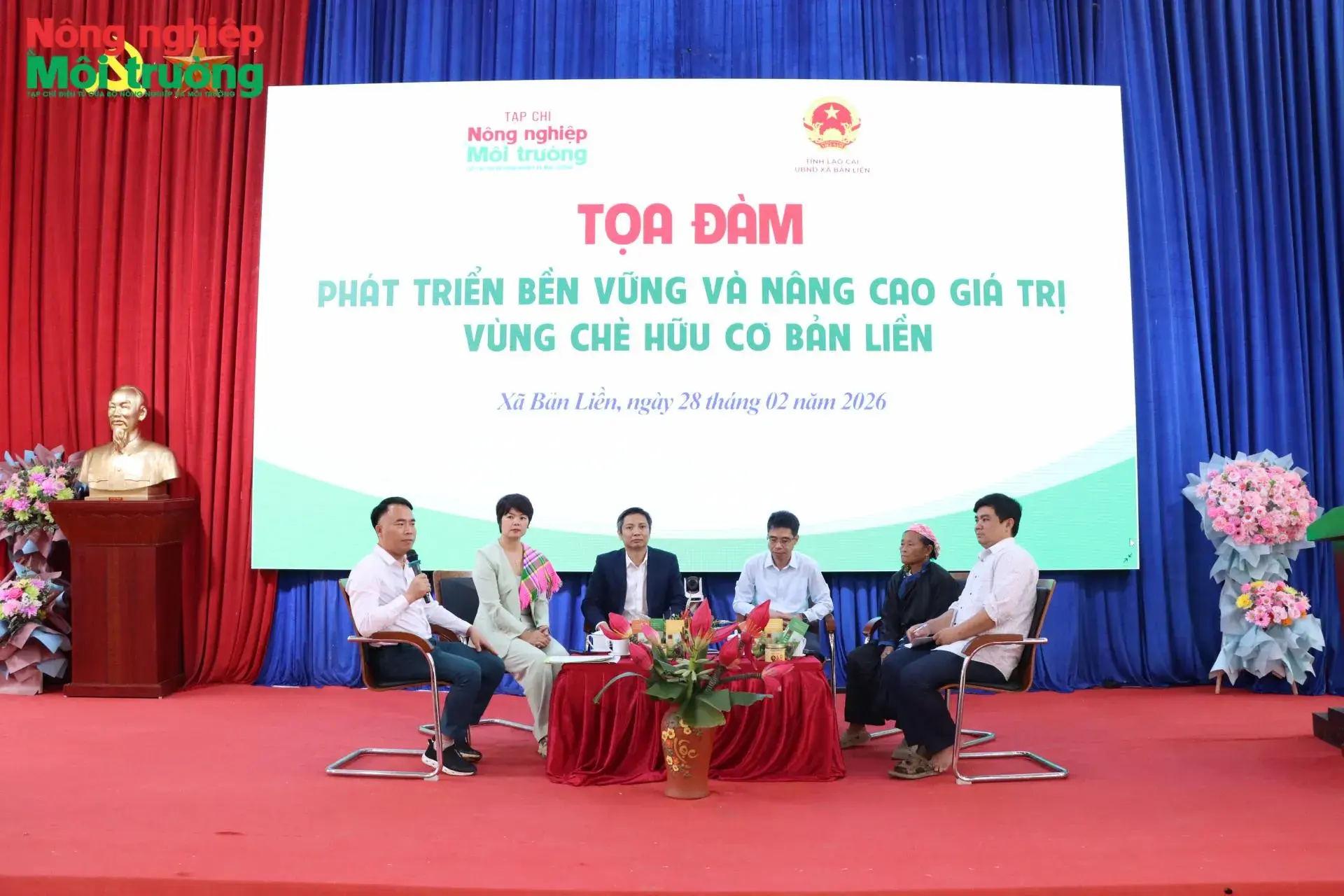
 More than 1,400 hectares of tea produced under internationally certified organic standards, with about 90% of output exported to demanding markets such as Europe, the United States and Canada—these figures reflect not only an agricultural product but also a shift in development thinking toward organic agriculture. The roundtable, titled “Sustainable development and value enhancement of the Ban Lien organic tea region,” was organized by the Agriculture and Environment Magazine in coordination with the People’s Committee of Ban Lien Commune. It provided a forum for policymakers, businesses and farmers to discuss how tea can move beyond its traditional role in poverty reduction to become a driver of a sustainable green economy.
Ban Lien tea earns five-star OCOP recognition
The roundtable was held after a tree-planting ceremony organized earlier the same day by the Agriculture and Environment Magazine in coordination with local authorities in Ban Lien Commune.
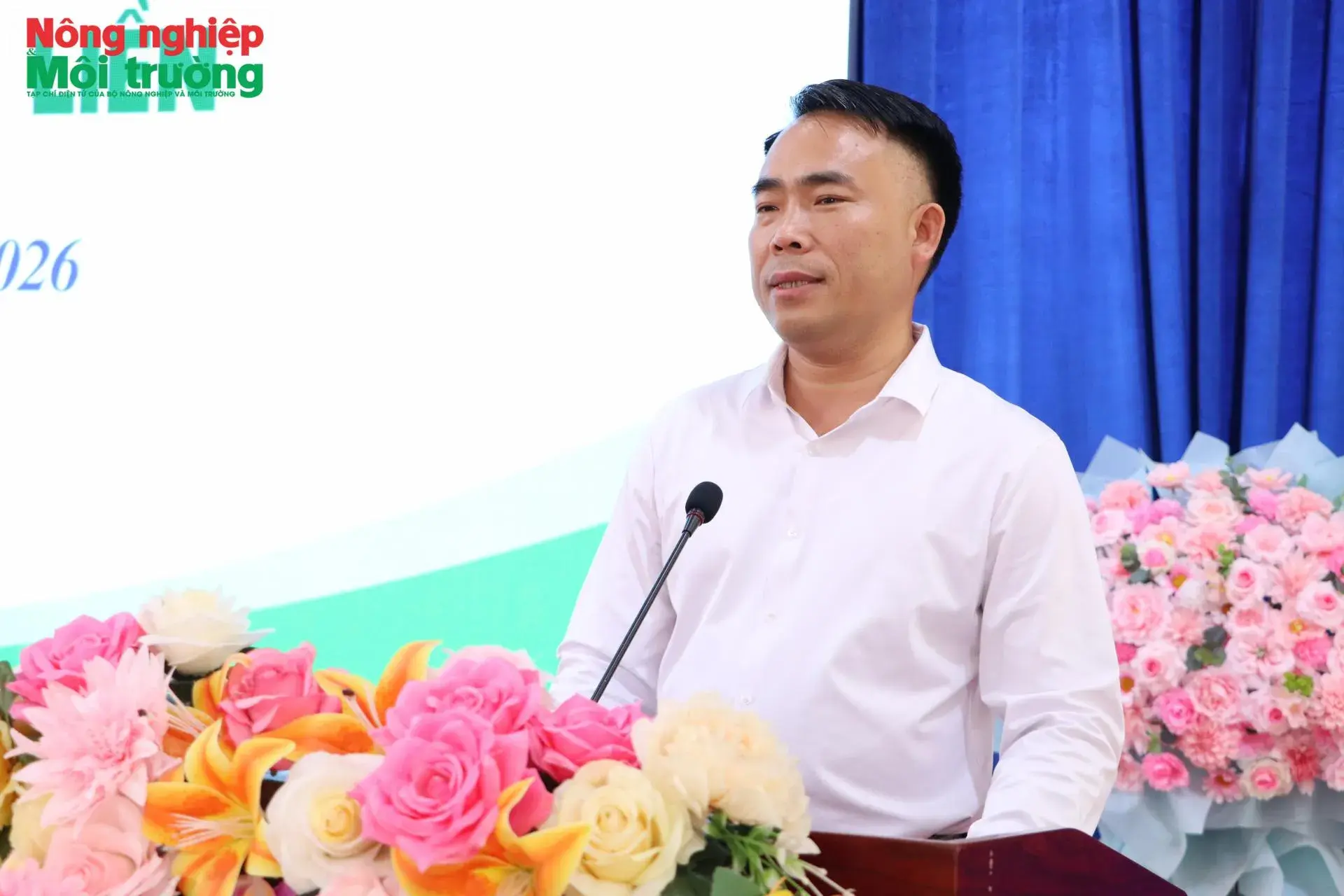
In his opening remarks, Dr. Dao Xuan Hung, Editor-in-Chief of the Agriculture and Environment Magazine, said green, circular and organic agriculture has become an inevitable trend as Viet Nam seeks to expand access for its agricultural products in global markets.
Within that context, Ban Lien has emerged as a notable example. With more than 1,400 hectares of organic tea, the area has established a stable raw material zone with strict controls over soil and water quality as well as harvesting procedures. Ban Lien Shan Tuyet tea has been awarded a five-star rating under the national One Commune One Product (OCOP) Program, the highest classification in the program.
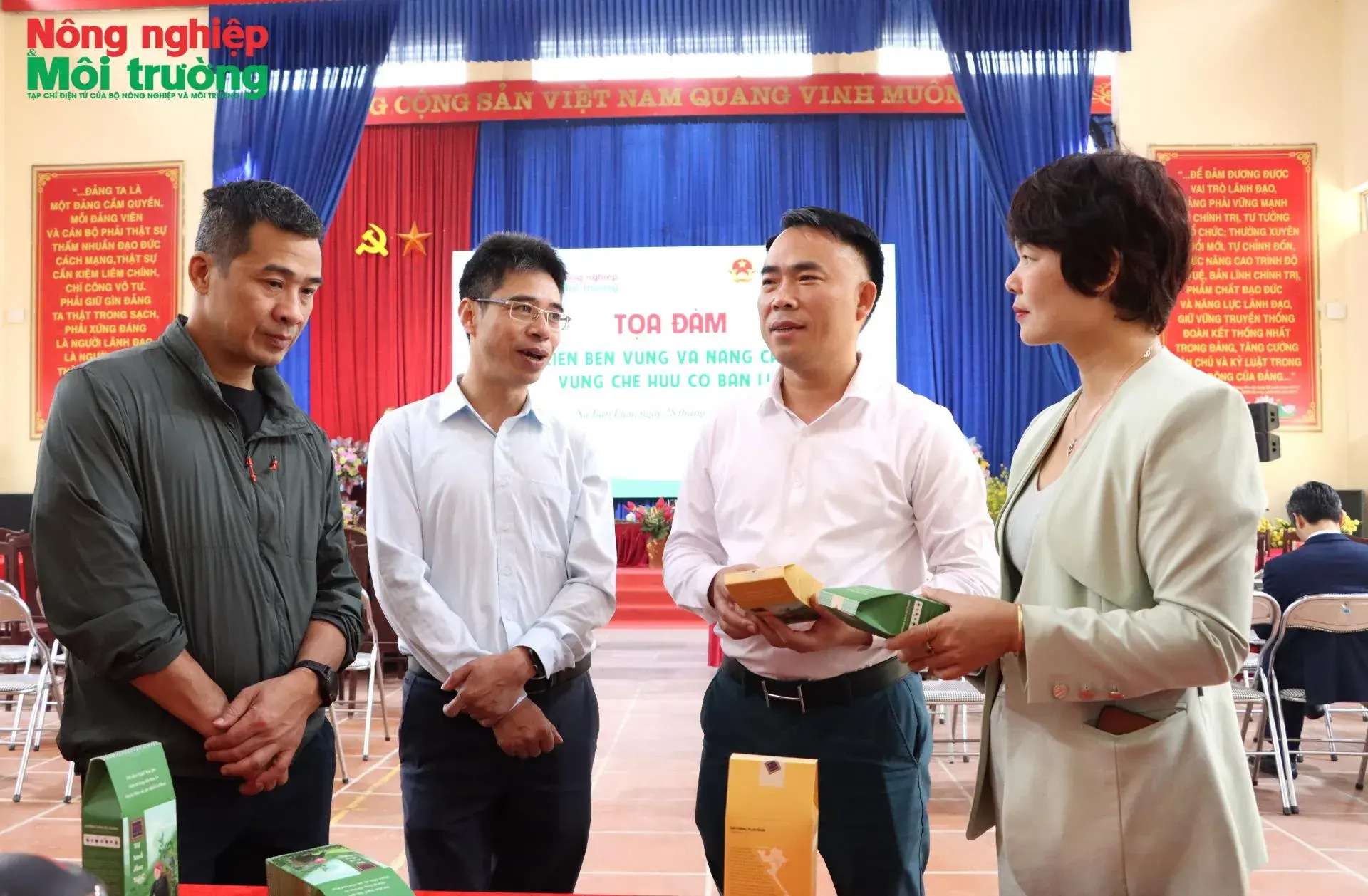
Local officials said the recognition was the result of sustained changes in cultivation practices, including eliminating chemical fertilizers and synthetic crop protection products, applying biological pest control measures, and maintaining detailed production logs to ensure traceability.
Participants identified three strategic priorities to further enhance value and economic efficiency: expanding research and development and deep processing to diversify products and increase added value; promoting commercialization, digital transformation and transparent product traceability to strengthen market confidence; and integrating multi-value approaches under a circular economy model by linking tea production with eco-tourism and cultural experiences to create sustainable livelihoods
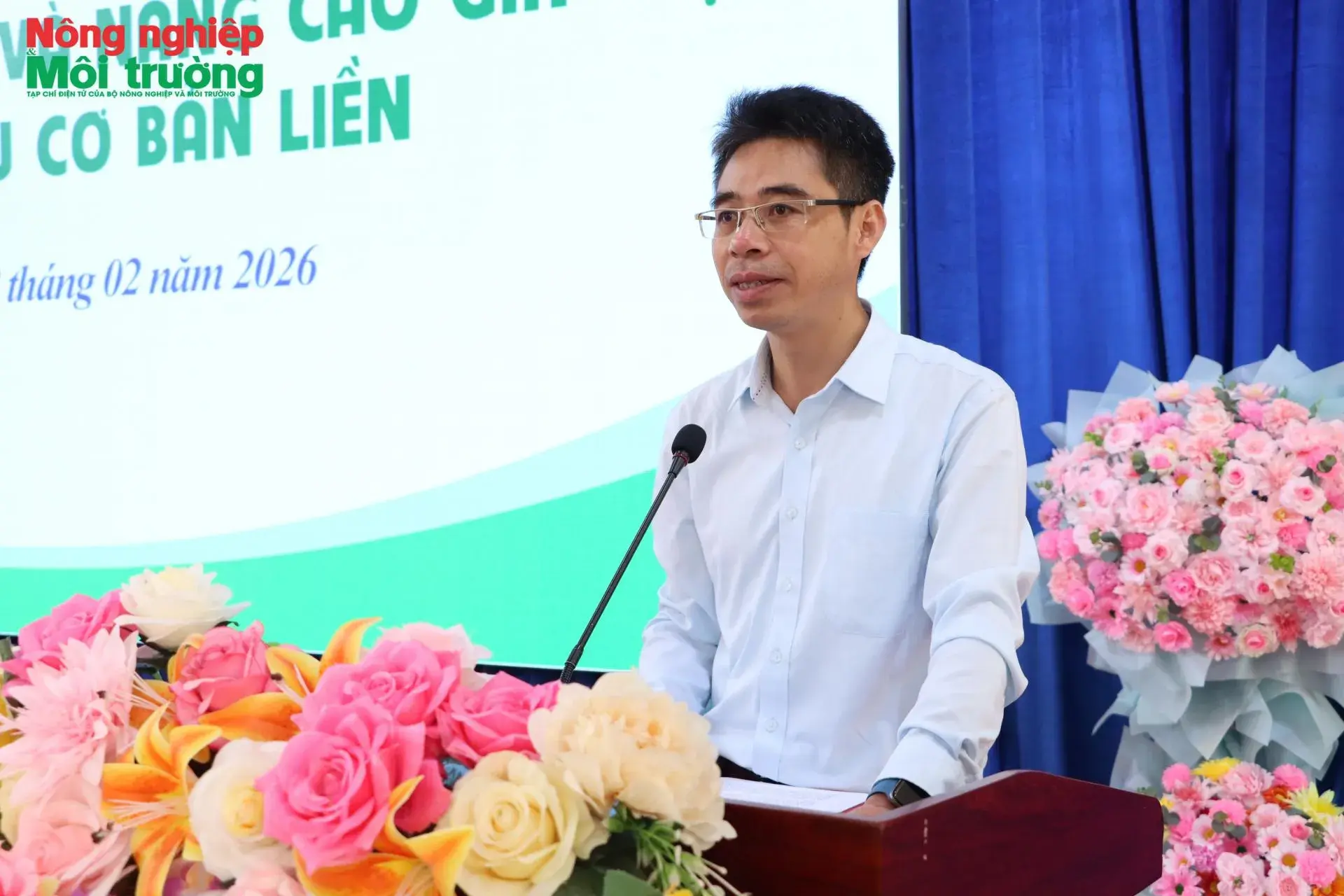
Deputy Secretary of the Party Committee and Chairman of the People’s Committee of Ban Lien Commune Luong Manh Ha described the transition as a turning point in development thinking. Tea is no longer viewed solely as a poverty-reduction crop but as an ecological asset, he said, adding that protecting ecosystems, water resources and soil quality is essential to accessing high-end markets.
Currently, about 90% of Ban Lien’s tea output is exported to Europe, the United States and Japan—markets that require not only consistent quality but also transparent traceability systems.
Discussion focuses on quality control and value chain development

The open discussion session brought together Deputy Director of the Lao Cai Department of Agriculture and Environment Pham Binh Minh; Deputy Director of the Lao Cai Department of Culture, Sports and Tourism Vu Thi Mai Oanh; Deputy Secretary of the Party Committee and Chairman of the People’s Committee of Ban Lien Commune Luong Manh Ha; Director of the Ban Lien Tea Cooperative Pham Quang Than; and a representative tea-growing household from Ban Lien Commune. Dr. Dao Xuan Hung, Editor-in-Chief of the Agriculture and Environment Magazine, moderated the session.
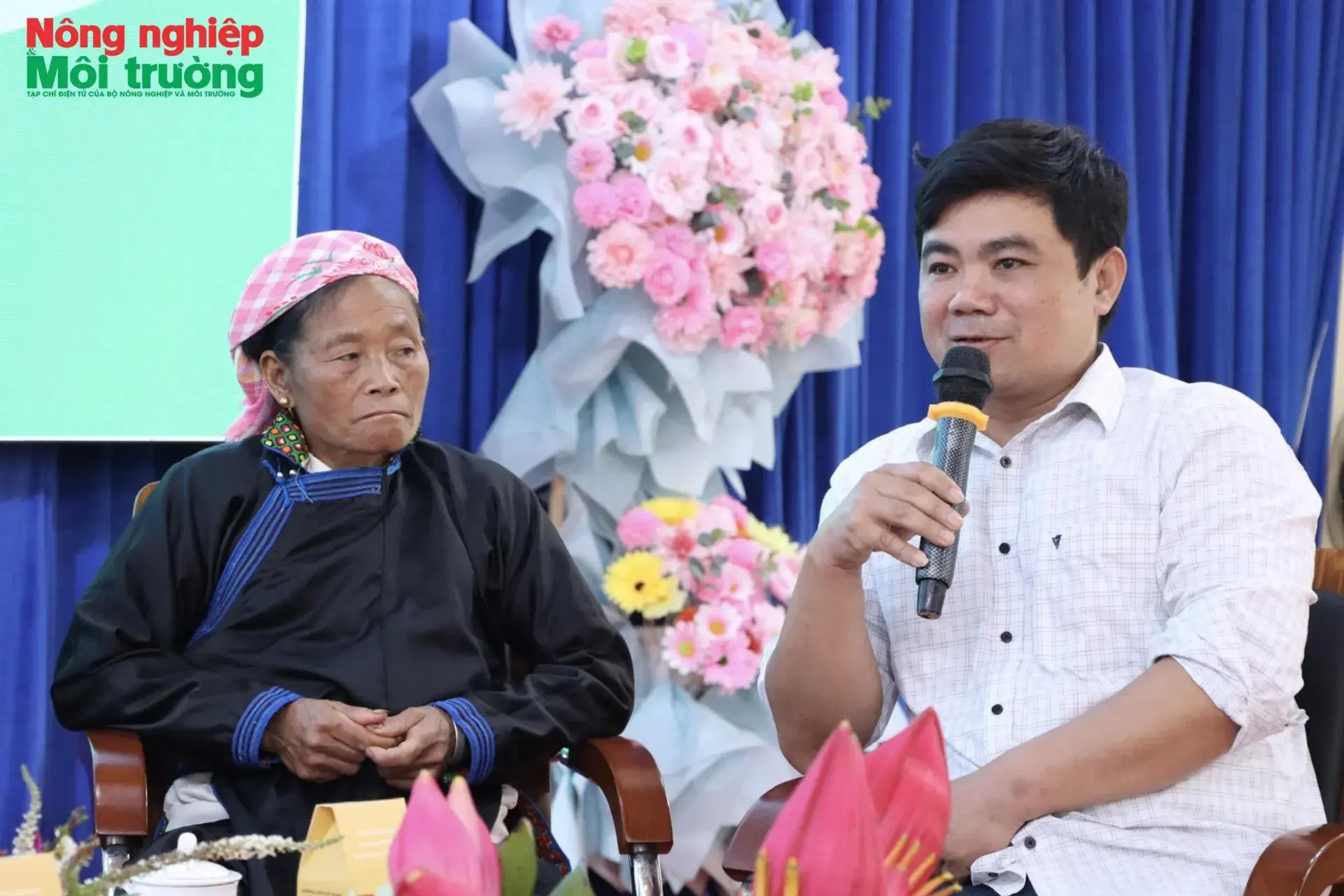
Director of the Ban Lien Tea Cooperative Pham Quang Than outlined efforts to bring Ban Lien tea to international markets. He said maintaining consistent quality across an expanding certified organic area remains a major challenge, noting that non-compliance by a single household could affect the reputation of the entire region. He called for strengthened community-based monitoring mechanisms and regular technical support from specialized agencies.

From a regulatory perspective, Deputy Director of the Lao Cai Department of Agriculture and Environment Pham Binh Minh highlighted provincial support policies for organic and OCOP-certified products. Lao Cai Province has issued specific support plans and is promoting the development of a closed value chain covering production, processing, packaging, distribution and tourism promotion, he said. Stronger value chain linkages would enable profits to extend beyond raw material sales to services, experiential tourism and e-commerce, he added.

Deputy Director of the Lao Cai Department of Culture, Sports and Tourism Vu Thi Mai Oanh said community-based tourism development requires thorough preparation and cross-sector coordination. She said Ban Lien has benefited from communications initiatives that have helped enhance its visibility, and called for high-quality community tourism that preserves local cultural space and ensures sustainable development.
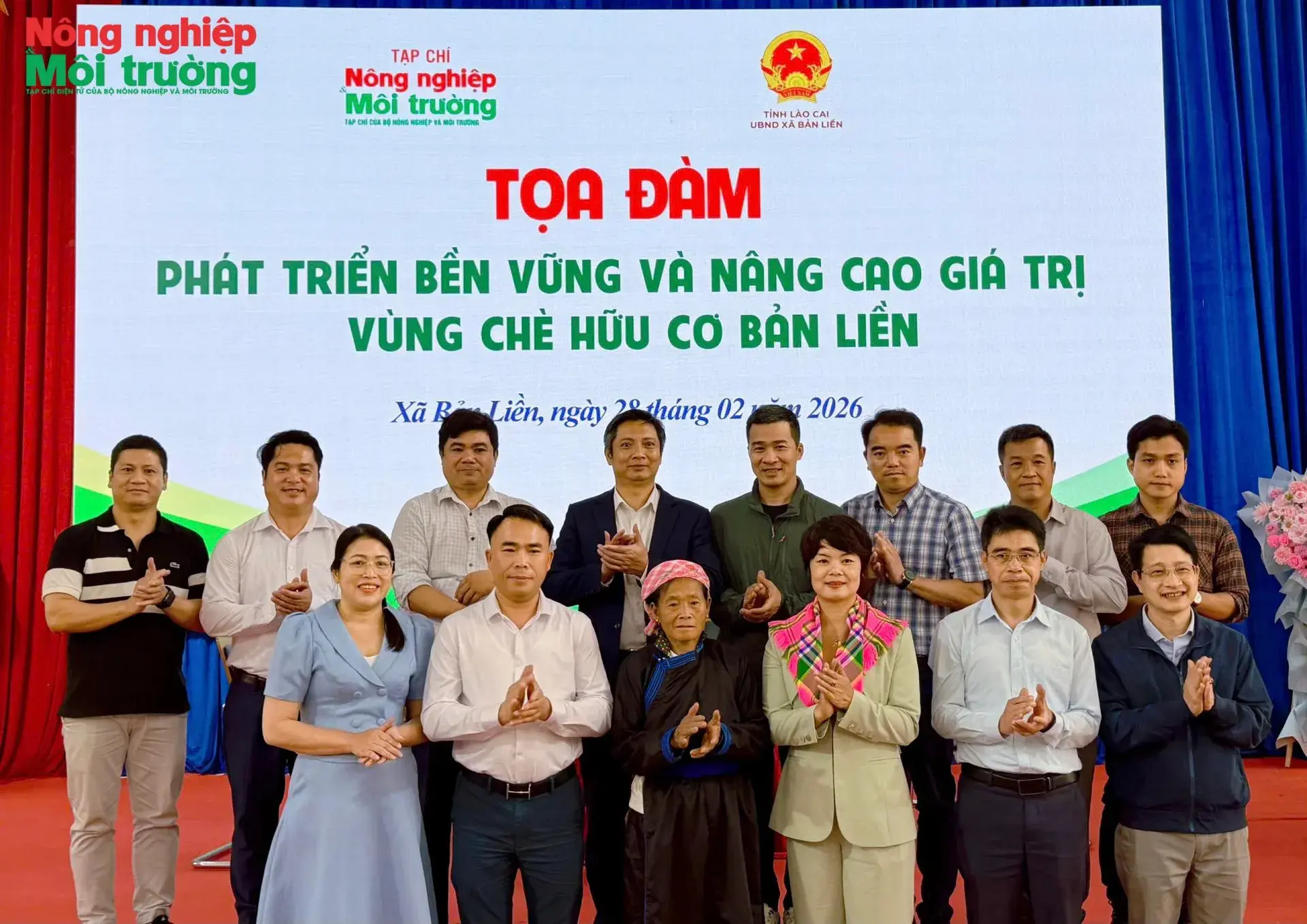
The roundtable concluded with participants reaffirming commitments to compliance with organic production standards, product offtake arrangements and linkages with local tourism development.
Discussions underscored a broader lesson for agricultural development: value lies not only in output volume but also in building trust through quality assurance and responsible production practices. As climate change intensifies and market competition grows, participants said the Ban Lien organic tea model offers a reference for other agricultural regions seeking to enhance value through strict production standards, quality certification and integrated value chains.
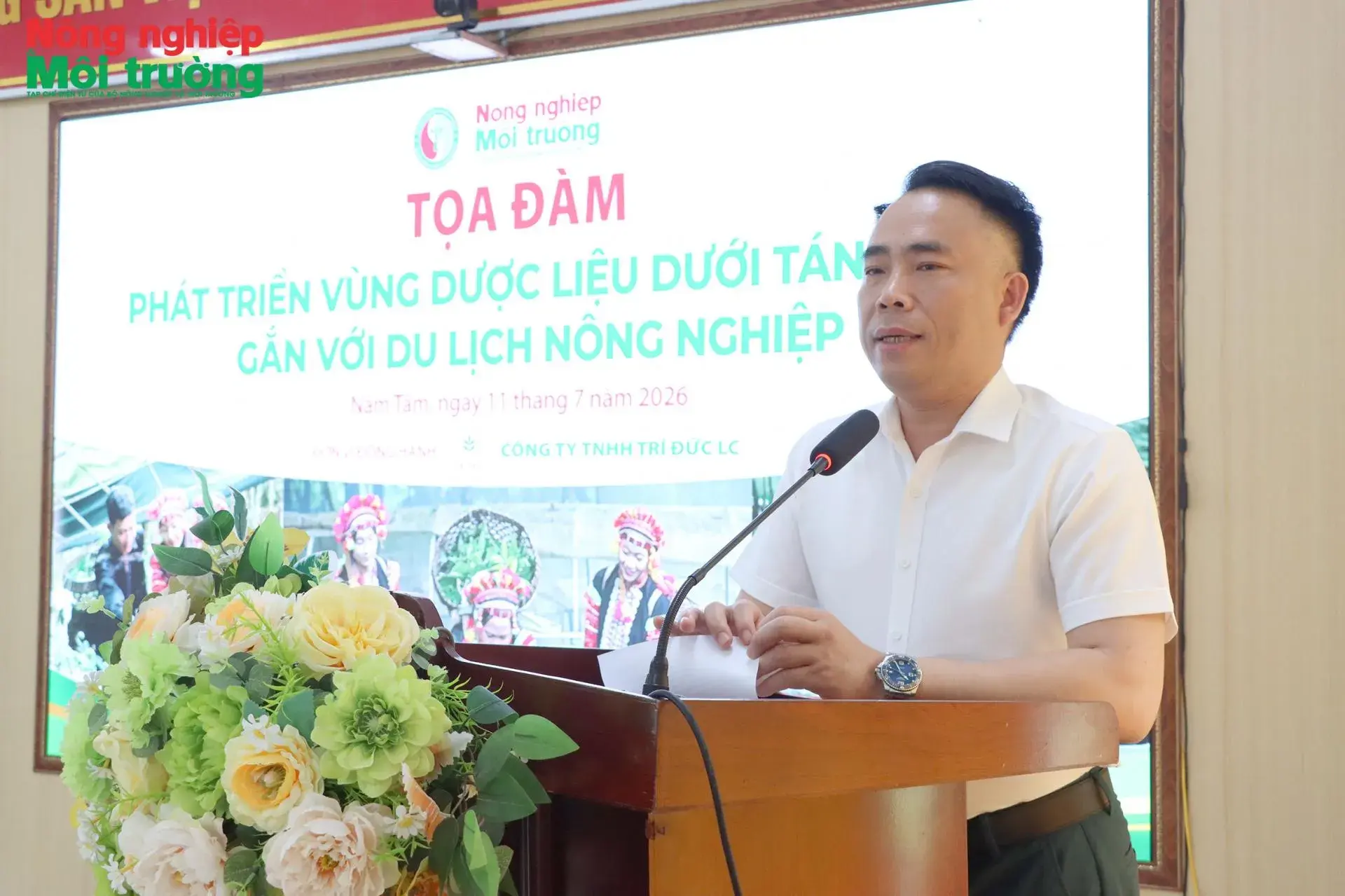
On July 11, the Agriculture and Environment Magazine, in coordination with the Nam Tam Commune People's Committee, hosted a discussion titled "Developing medicinal herb areas under forest canopies in association with agricultural tourism" in Nam Tam commune, Lai Chau province. The event brought together government officials, scientists, businesses and local residents to discuss solutions for developing forest-based livelihoods, promoting a green economy and improving incomes in upland communities. Tri Duc LC Co., Ltd. supported the event.
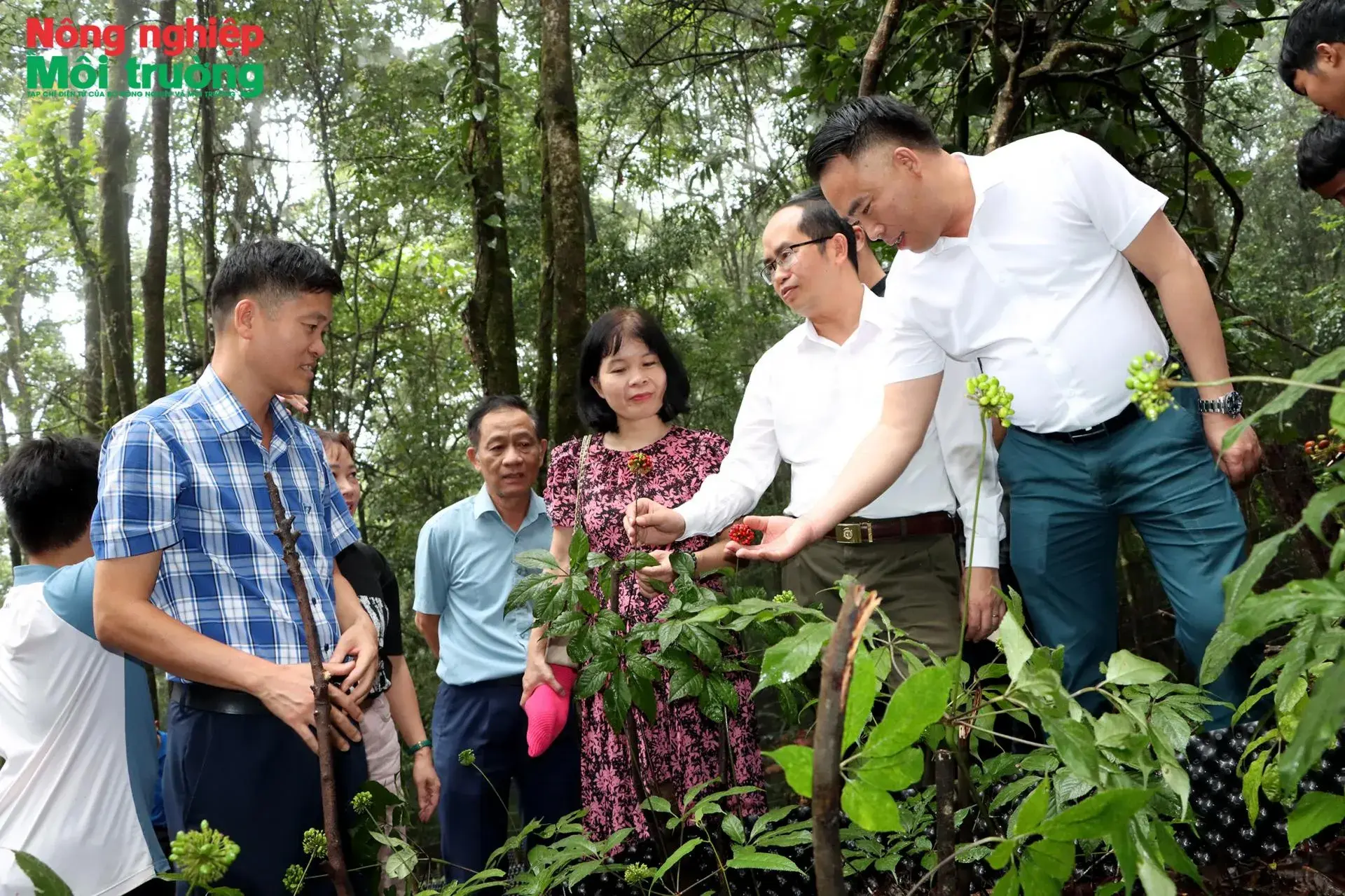
A delegation from the Agriculture and Environment Magazine, together with scientists and experts, conducted a field survey on July 11 of a medicinal herb cultivation model linked to agricultural tourism in Nam Tam commune, Lai Chau province, as part of the seminar "Developing medicinal herb areas under forest canopies in association with agricultural tourism."
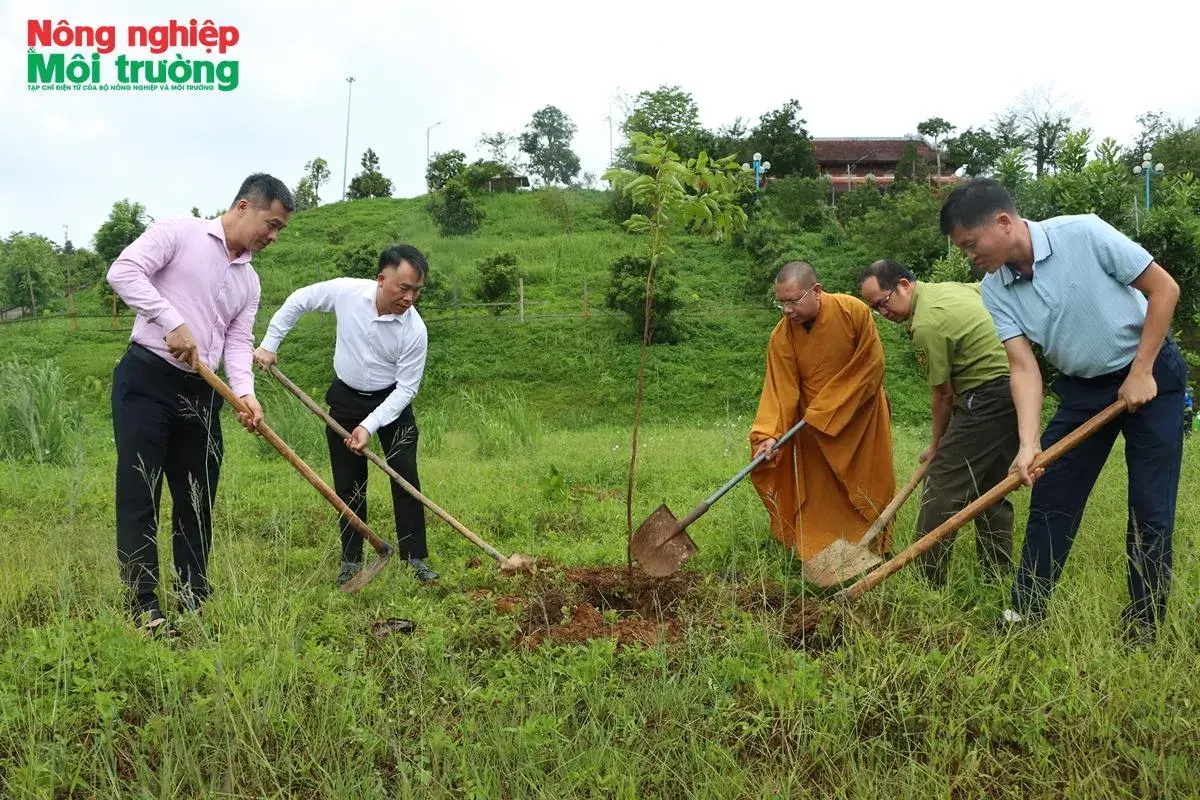
On July 10, the Agriculture and Environment Magazine planted 405 trees at Linh Son pagoda in Lai Chau province under its "Green pagoda" environmental initiative to promote environmental protection, help create greener, cleaner surroundings, and support sustainable development. The program was organized with the support of Tri Duc LC Co., Ltd.
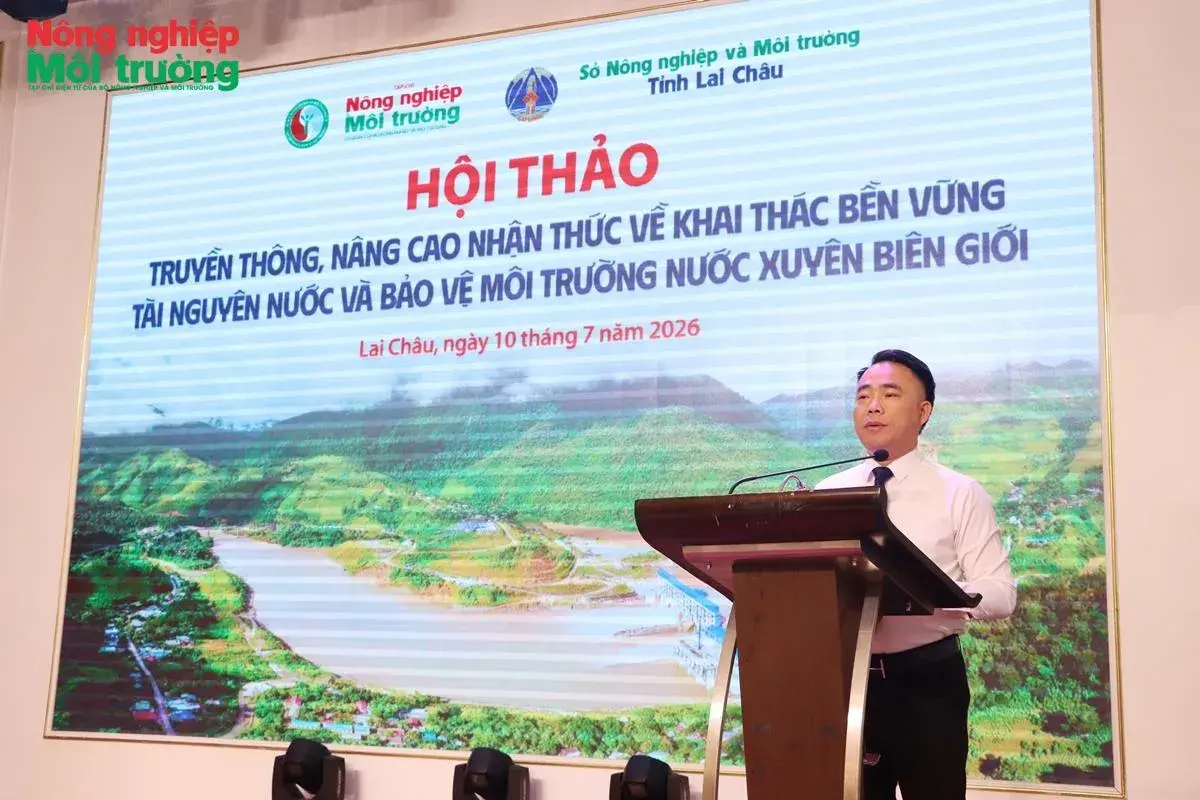
On July 10, the Agriculture and Environment Magazine, in coordination with the Lai Chau Department of Agriculture and Environment, held a seminar titled "Communication and public awareness on sustainable use of water resources and transboundary water environment protection" in Tan Phong ward, Lai Chau province.
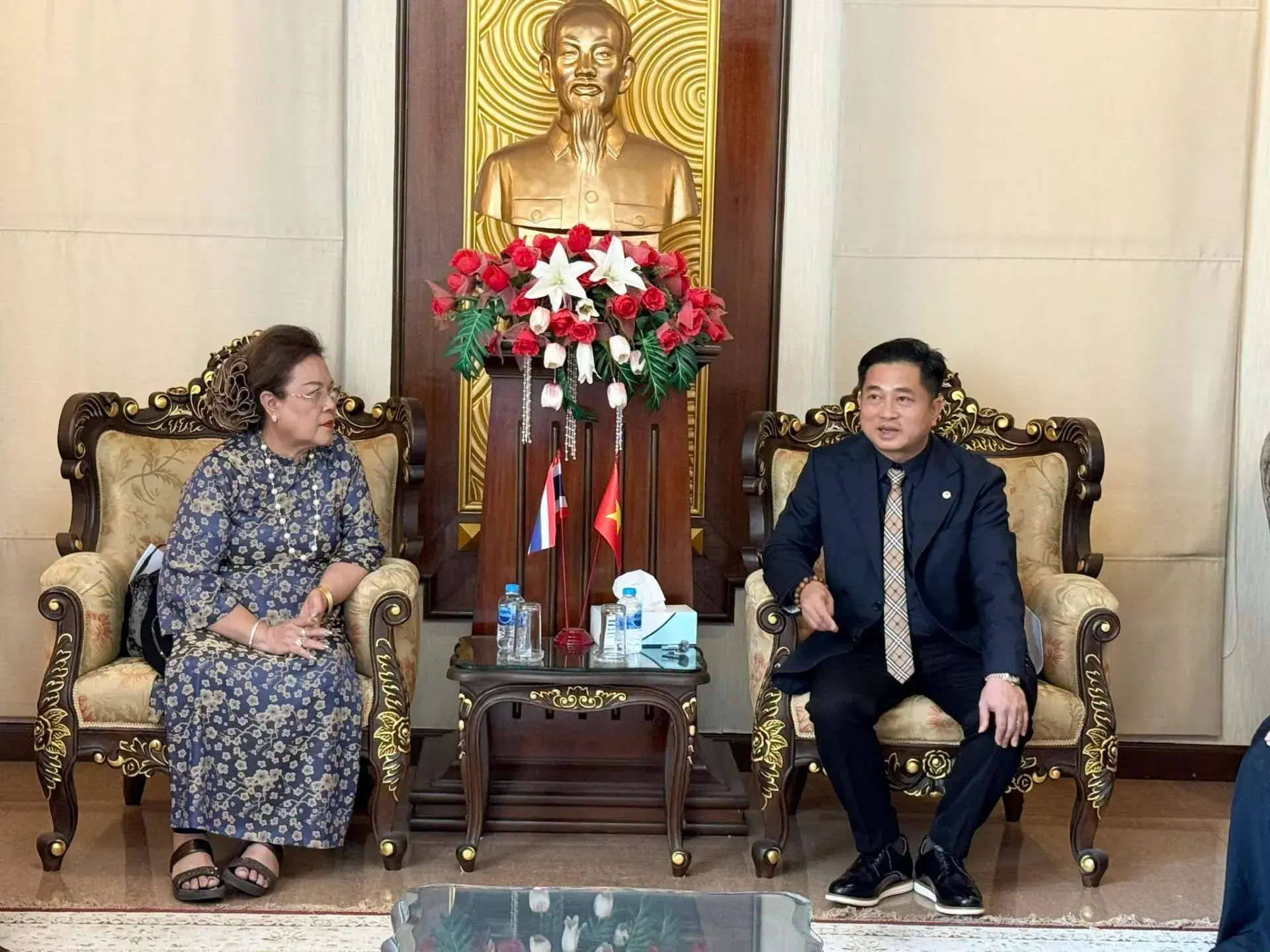
The Consulate General of Viet Nam in Khon Kaen held a working session on June 23, 2026, with the Executive Committee of the Viet Nam Ao Dai Culture Association in Thailand to discuss plans for cultural and artistic activities marking the 50th anniversary of diplomatic relations between Viet Nam and Thailand, while further promoting the role of the ao dai in showcasing Vietnamese culture and strengthening ties within the Vietnamese community in Thailand.