



 For many years, Vietnamese agricultural exports entered global markets largely on the strength of seasonal advantages and competitive pricing. However, as importing countries tighten requirements on product quality, food safety, and supply chain transparency, the limitations of that production model have become increasingly apparent. Traceability is therefore no longer limited to labeling or QR-code identification; it has become a catalyst for broader changes in the way agricultural production is governed and managed.
When markets began demanding product traceability
A significant shift has emerged in agricultural trade in recent years: importing markets are no longer satisfied with knowing where a product was grown. Increasingly, they want to know how it was produced, through which stages it passed, and who is accountable for the entire process.
From growing area codes and packing facilities to farm production records and agricultural inputs, requirements for data transparency are now penetrating every stage of the agricultural supply chain. As a result, traceability — a concept that remained relatively unfamiliar only a few years ago — has become an increasingly central issue in sectoral governance, export management, and agricultural organization.

For years, Vietnamese agricultural products competed internationally through seasonal timing, production volume, and competitive pricing. Yet as importing markets continue to tighten sanitary and phytosanitary standards, food safety controls, and product traceability requirements, the shortcomings of the previous approach have become more difficult to ignore.
A shipment flagged for excessive pesticide residues, misuse of growing area codes, or the inability to accurately identify product origins in the event of a quality incident can directly affect the reputation of an entire commodity sector. This pressure is especially acute for large export industries characterized by complex procurement chains and heavy dependence on external markets.
According to the Department of Science and Technology, Ministry of Agriculture and Environment, many importing countries are shifting away from inspections focused solely on final products and toward oversight of the entire production chain. In this context, traceability is increasingly becoming a prerequisite for market access.
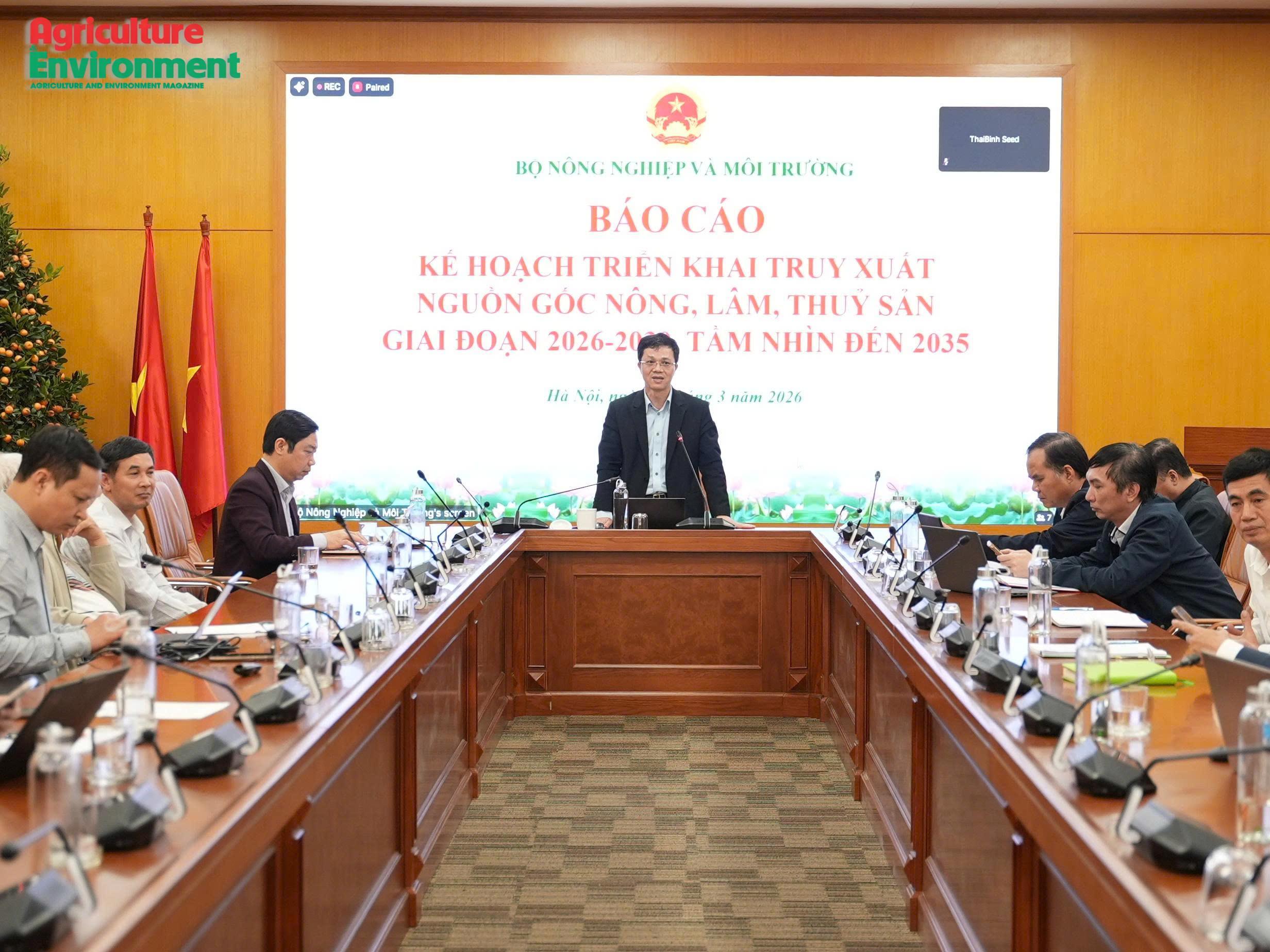
Speaking at a March 10, 2026 working session on the implementation plan for traceability in agriculture, forestry, and fisheries for the 2026–2030 period, with a vision toward 2035, Dr. Nguyen Van Long, Director of the Department of Science and Technology, emphasized that traceability has become an inevitable trend for ensuring supply chain transparency, controlling quality and food safety, and strengthening the reputation and competitiveness of Vietnamese agricultural products in international markets.
According to Dr. Nguyen Van Long, traceability is not merely a tool for helping consumers identify products. For government agencies, it is also an essential instrument for agricultural data governance, supporting the monitoring and management of production, distribution, and export chains in a more transparent manner. Notably, the agricultural sector’s current approach differs substantially from the initial phase of traceability implementation.
Previously, many localities viewed traceability primarily as the application of electronic labels or QR codes on packaging. Today, however, traceability is increasingly linked to production data governance and the ability to oversee the entire lifecycle of a product.
According to a report from the Authority for Quality, Processing and Market Development, traceability is one of the key tools supporting food safety management in agriculture, forestry, and fisheries. When a market warning is issued or a product fails to meet quality standards, authorities must be able to rapidly identify the origin of raw materials, production facilities, distribution pathways, and the scope of impact in order to control risks in a timely manner.
Yet effective traceability requires complete and interoperable data across all stages of the supply chain — an area that remains a major bottleneck for many agricultural commodities.
The Department of Science and Technology noted that traceability data remain fragmented across multiple systems. Farm records in many areas continue to be updated manually; information between growing areas, packing facilities, and enterprises is often inconsistent; and some businesses must repeatedly enter the same data to satisfy different administrative requirements.
From a governance perspective, this fragmentation not only increases costs and processing time, but also complicates investigations when quality incidents or trade disputes arise.
Traceability has therefore evolved beyond the narrow issue of electronic labels or product identification technologies. It is increasingly becoming a matter of reorganizing data across the entire agricultural production chain.
Traceability becomes part of agricultural governance reform
Faced with increasingly stringent import requirements and growing pressure to strengthen quality control throughout supply chains, Viet Nam’s agricultural sector is entering a new phase of production governance reform. I’.Where production data once remained fragmented among local authorities, enterprises, and specialized management systems, the current objective is to establish an integrated traceability platform capable of linking production areas, distribution, and exports.
On January 7, 2026, the Ministry of Agriculture and Environment issued Decision No. 25/QĐ-BNNMT approving the Plan for the Implementation of Traceability in Agriculture, Forestry, and Fisheries for 2026–2030, with a vision toward 2035. The plan aims to establish a unified traceability system for agricultural, forestry, and fishery products while ensuring data connectivity, information sharing, and digitalized state management. Earlier, on December 26, 2025, the Ministry officially launched the Vietnam Agricultural Product Traceability System in Hanoi and initiated a pilot program for the durian sector.
According to the Department of Science and Technology, the system is designed as an end-to-end management platform connecting growing areas, packing facilities, distribution, and exports. Beyond supporting traceability during incidents, it is also intended to create an integrated data platform for sector-wide management. Importantly, this initiative is not merely about developing another standalone management software system or electronic labeling platform.
Under Decision No. 25/QĐ-BNNMT, the Ministry envisions integrating the traceability system with the National Product and Goods Traceability Portal while promoting data sharing among regulatory agencies, local authorities, and enterprises. The plan also calls for the application of technologies such as remote sensing, UAVs/drones, GPS, IoT, and digital data systems to support the verification of production-area information and strengthen supply chain oversight.
From a governance standpoint, this represents a notable shift away from administrative management based primarily on paper documentation toward data-driven supply chain management.
At the March 10, 2026 working session, Dr. Nguyen Van Long emphasized that effective traceability implementation must be grounded in both sector-specific legal frameworks and broader regulations related to traceability and digital transformation.
He stressed that specialized departments and agencies under the Ministry should work closely with enterprises and local authorities to develop standardized procedures tailored to each production sector, rather than pursuing fragmented approaches or maintaining isolated data systems across different stages of the supply chain.
Dr. Nguyen Van Long also noted that enterprises with existing data management systems and practical implementation experience should play a more active role in the development and refinement of the agricultural sector’s traceability system.
This reflects a broader reality: traceability is no longer viewed as an isolated technical task, but rather as an integral component of the agricultural sector’s ongoing transformation in governance.
Durian becomes the first pilot commodity
Among Viet Nam’s export-oriented agricultural commodities, durian was chosen by the Ministry of Agriculture and Environment as the first sector to pilot the national traceability system. The rationale extends beyond the commodity’s rapid export growth in recent years. Durian is also one of the sectors facing the greatest pressure regarding quality management, growing area codes, and product traceability.
The rapid expansion of cultivation areas and export volumes has generated increasing demands for supply chain oversight. From production zones and packing facilities to distribution channels, all product-related information must now be verifiable upon request from importing markets.
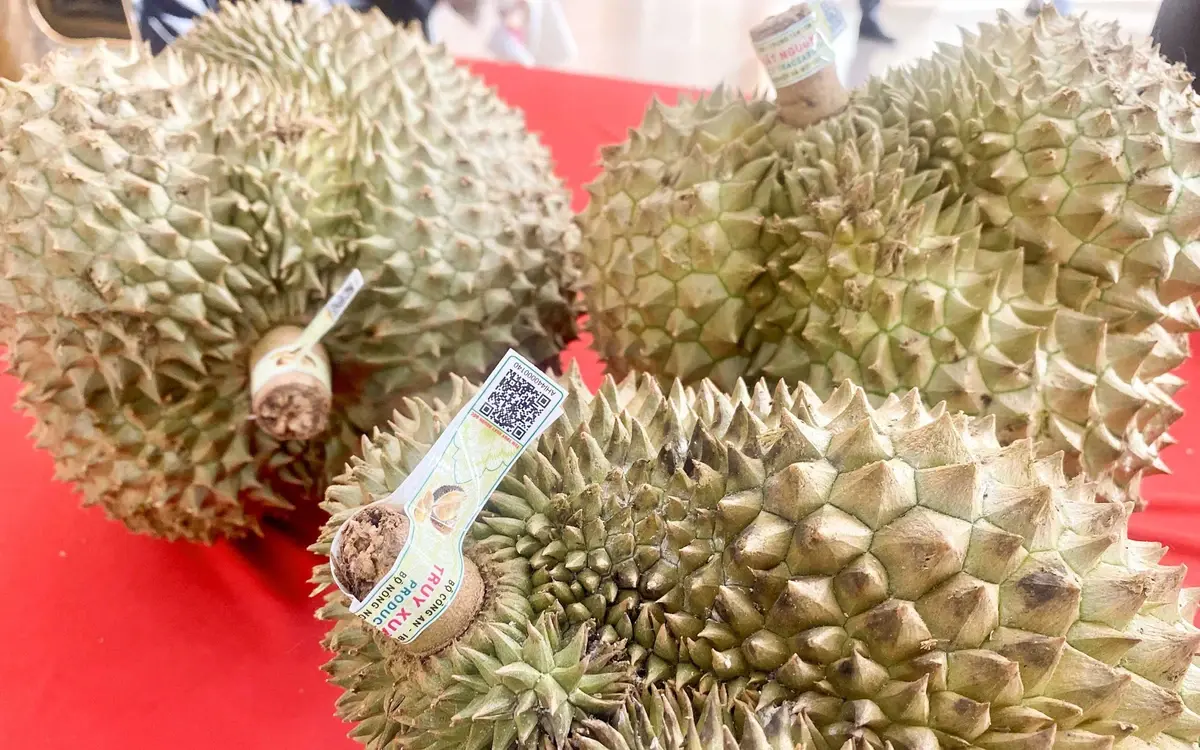
According to the Department of Science and Technology, since late 2025 the Ministry has collaborated with enterprises to research and develop a traceability system for durian based on end-to-end management from cultivation areas to export.
Netacom participated in developing the pilot data management solution. The system was designed to support enterprises, packing facilities, and growing areas in updating information on production, packaging, and product distribution within a unified data framework.
Following the official launch of the Vietnam Agricultural Product Traceability System on December 26, 2025, the pilot phase was implemented from January 1 through June 30, 2026.
According to the implementation plan, multiple training and guidance programs have been organized in localities to help enterprises, cooperatives, and producers adapt to the new data management procedures. The first durian shipments processed under the pilot traceability model were expected to clear customs in April 2026. The pilot process has also revealed the highly practical challenges associated with building agricultural production databases.
At the March 10, 2026 working session, representatives from Netacom stated that the main difficulty does not lie in software development itself, but rather in simplifying data-entry procedures and reducing duplication across different stages of the supply chain.
According to the company, operational procedures for the system were developed through consultations with specialized agencies in order to streamline data input and reduce the burden on users at the production level.
From the perspective of agricultural enterprises, Nguyen Manh Hung, Chief Executive Officer of Nafoods Group Joint Stock Company, argued that traceability systems must be grounded in the realities of production zones and the actual capacities of producers.
CEO Nguyen Manh Hung explained that during the development of the company’s passion fruit production database, Nafoods repeatedly revised interfaces and data-entry methods, but with limited success because producers struggled to work with rigid digital forms.
After multiple adjustments, the company shifted to using Zalo messaging and image-based updates to better align with practical conditions in production areas.
Experiences from the pilot phase demonstrate that traceability is not merely a technological challenge. It is directly reshaping how agricultural production is organized, how production zones are managed, and how supply chains operate. For the durian industry, the pilot program is also being viewed as the first major test of the agricultural sector’s capacity to establish an integrated data platform as part of Vietnam’s broader digital transformation process.
Traceability is no longer just about QR codes
One issue repeatedly highlighted by sectoral agencies during the development of the traceability system is the overly simplistic understanding that still exists in many places. In numerous cases, traceability continues to be viewed mainly as the attachment of electronic labels or QR codes that allow consumers to retrieve product information. Yet according to agencies under the Ministry of Agriculture and Environment, the most critical component of traceability does not lie in the external identifier itself, but in the underlying data system supporting the product.
The Department of Science and Technology defines traceability as the process of tracking and identifying products throughout the entire production chain — from raw materials, agricultural inputs, cultivation, harvesting, post-harvest handling, and packaging to distribution and export.

This means that a traceability system only has value when information is comprehensively updated, verifiable, and interoperable across all stages of the supply chain.
In its report on the implementation status of agricultural traceability tasks, the Department noted that data remain fragmented across multiple systems; connectivity among local authorities, enterprises, and regulatory agencies remains limited; and information updates in many areas are still conducted manually.
These shortcomings have made it difficult to investigate quality incidents or respond efficiently when importing markets issue warnings.
According to the Authority for Quality, Processing and Market Development, traceability plays a critical role in food safety management for agricultural, forestry, and fishery products by enabling authorities to quickly identify the origins of raw materials, assess the scope of impact, and determine the relevant stages of the supply chain when risks emerge.
However, if data across the chain are inconsistent or not updated regularly, traceability systems cannot function effectively in practice.
In the forestry sector, these requirements have become increasingly evident in recent years. According to the Department of Forestry and Forest Protection, forest-product traceability is now directly linked to legal timber verification and supply chain transparency. Identifying the origins of timber harvesting, transportation, processing, and distribution requires continuously updated data capable of being cross-checked whenever necessary.
These experiences illustrate that traceability is no longer merely a tool for supporting product marketing. It is gradually becoming a foundational mechanism for quality management and supply chain oversight across the agricultural sector.
That is why, in Decision No. 25/QĐ-BNNMT issued on January 7, 2026, the Ministry of Agriculture and Environment established the objective of building a traceability system capable of connecting, sharing, and integrating data among regulatory agencies, enterprises, and local authorities.
The plan also promotes the application of technologies such as remote sensing, UAVs/drones, GPS, IoT, and digital databases to verify production-area information and strengthen supply chain monitoring and product quality management.
From a governance perspective, this demonstrates that traceability is increasingly being approached as a data-driven supply chain management tool rather than simply a product identification solution.
How traceability is reshaping agricultural production
In the past, farm records in many areas were maintained primarily to complete administrative paperwork or satisfy requirements for growing area codes. Today, however, data are gradually becoming an integral part of production organization and product distribution.
This transformation is especially visible in export-oriented sectors, where demands for supply chain transparency continue to intensify. As traceability systems are implemented across entire supply chains, information related to growing areas, agricultural inputs, cultivation processes, harvesting, post-harvest handling, and packaging must all become identifiable and verifiable. This also means that accountability at each stage of the production chain is becoming more clearly defined.
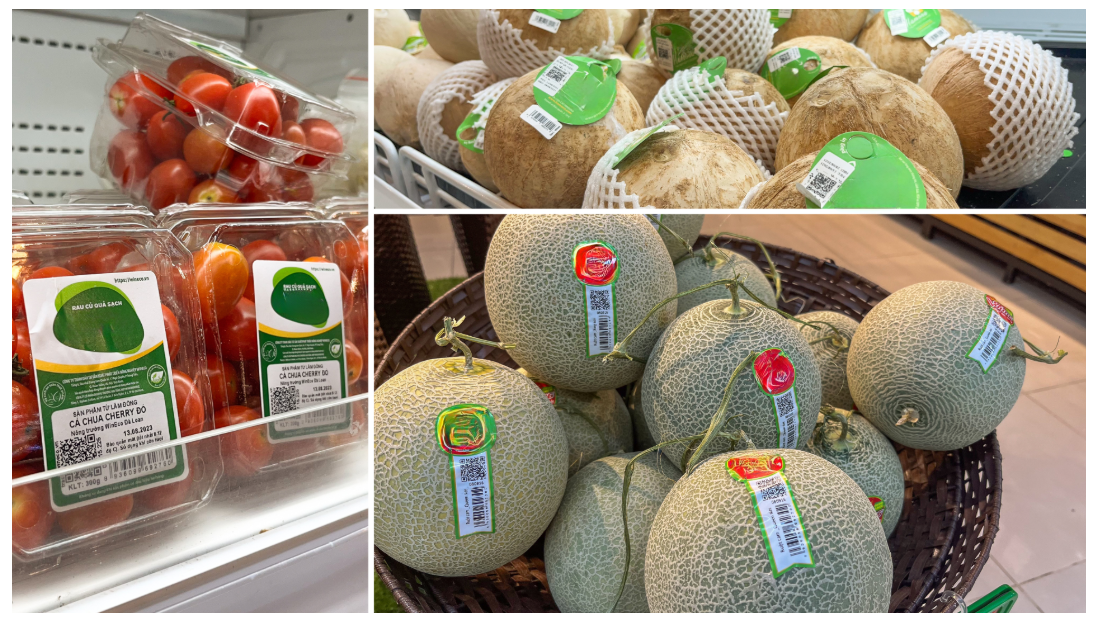
At the March 10, 2026 working session, Dr. Nguyen Van Long emphasized that traceability implementation requires the simultaneous participation of regulatory agencies, enterprises, and local authorities to ensure consistency in system development and operation.
According to Dr. Nguyen Van Long, specialized agencies under the Ministry must work directly with enterprises and local authorities to establish procedures tailored to the characteristics of each production sector, since every commodity has its own distinct production zones and supply chain structures.
One issue repeatedly raised by enterprises participating in the pilot program was the role of grassroots-level institutions in traceability implementation.
According to participating enterprises, commune-level officials, cooperatives, and production-area managers will serve as frontline actors supporting farmers in adopting new data-update procedures and production requirements. As a result, training and guidance programs will need to be conducted regularly to ensure consistency in implementation.
From a longer-term perspective, the most significant transformation driven by traceability may not lie in software platforms or digital technologies, but rather in the gradual emergence of a more transparent production model capable of verifying data directly from production zones.
As each shipment becomes subject to origin verification and distribution tracking, agricultural production itself is beginning to shift from fragmented management toward supply chain-based governance centered on shared accountability for data.
Through this process, traceability is gradually reshaping the governance model of Vietnam’s agricultural sector — not only to meet export-market requirements, but also to strengthen quality management and support more sustainable forms of agricultural organization.
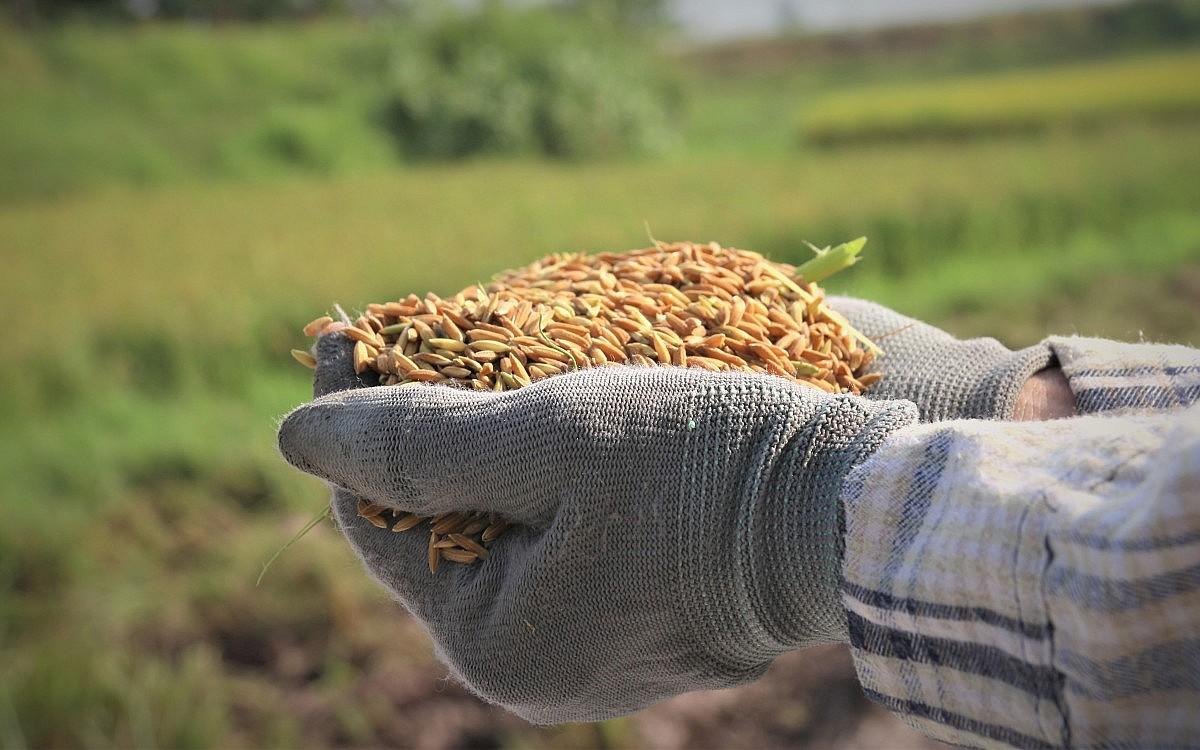
Policies achieve lasting impact only when they translate into changes in production practices. This is particularly true of efforts to reduce food loss and waste: setting reduction targets or encouraging the productive use of agricultural by-products will have limited effect unless producers can see clear economic returns and businesses have access to sufficiently stable markets.

Viet Nam has gradually established a policy foundation for reducing food loss and waste (FLW), increasingly linking the issue to sustainable development, the circular economy, and food system transformation. The challenge in the next phase is therefore not to start from scratch, but to connect existing policies into a coherent, data-driven governance framework that prioritizes prevention and is supported by sufficiently strong coordination mechanisms to drive action at the national level.
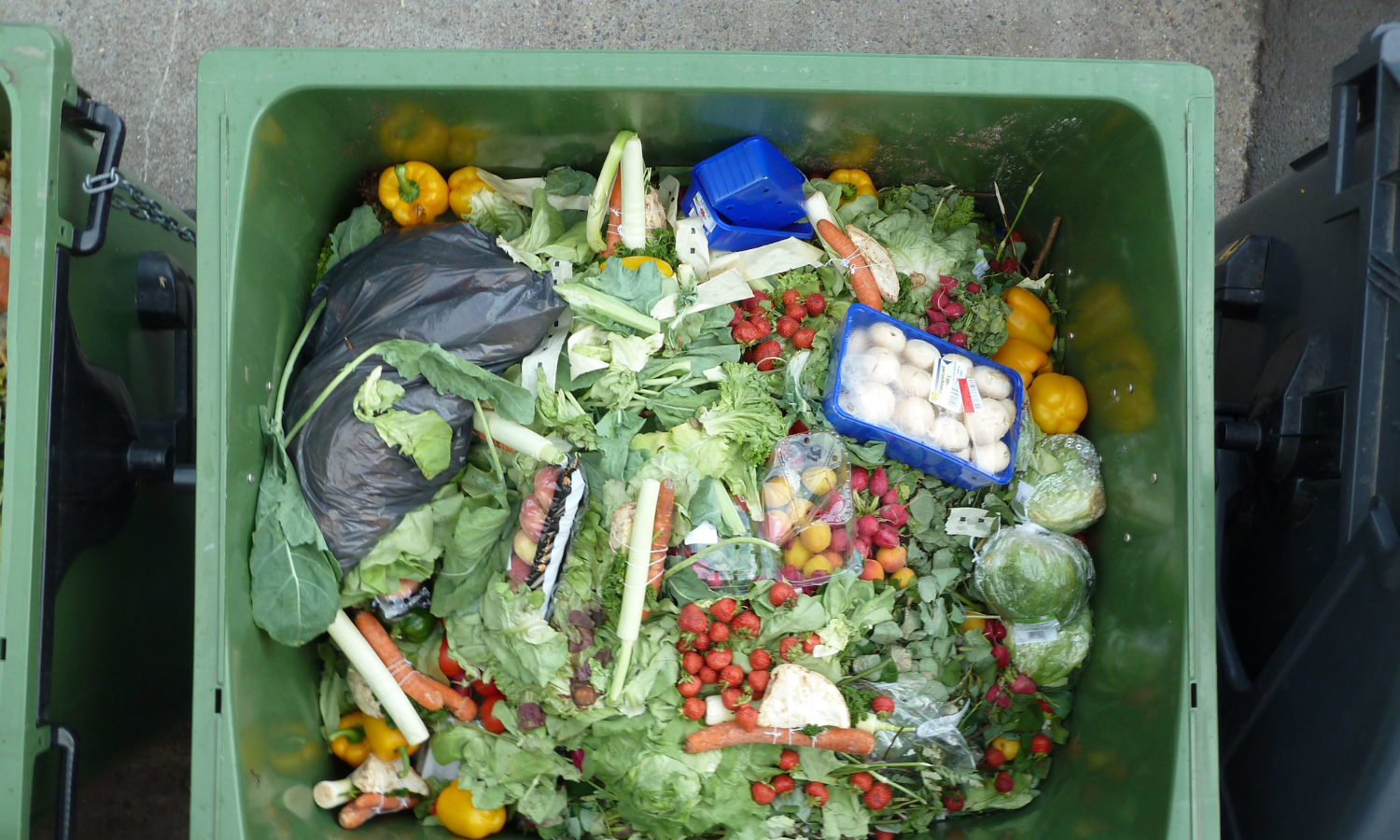
International experience suggests that food loss and waste (FLW) is not a problem that can be resolved through a single policy measure. Effective action requires institutions capable of coordinating stakeholders, data that can identify where losses occur, regulations that do not create unnecessary barriers, and mechanisms that allow businesses and communities to participate.
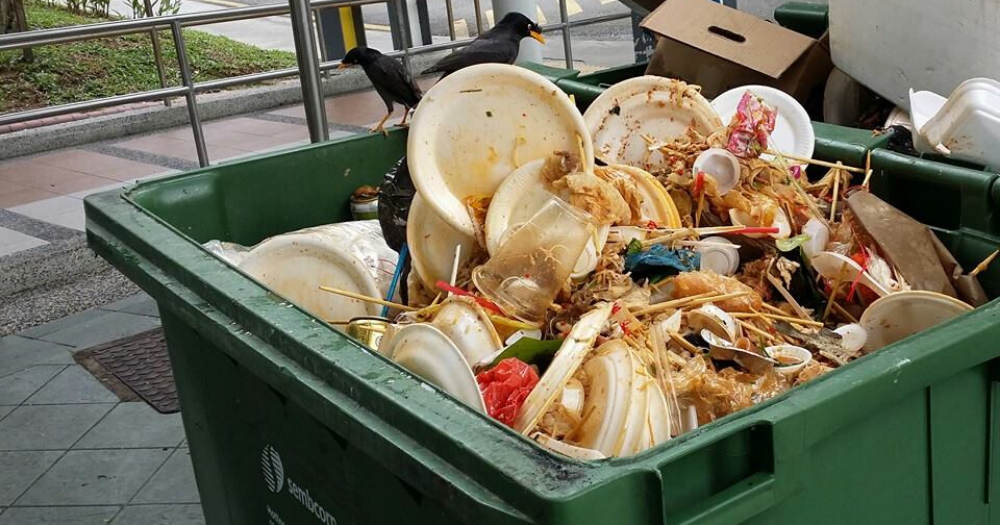
Food loss and waste are emerging as major bottlenecks in global agrifood systems, with large quantities of food lost or discarded despite the land, water, energy and labor invested in producing it. In Viet Nam, the issue not only diminishes the value of agricultural products but also generates substantial economic, environmental and social costs. Research on selected value chains shows that food losses occur throughout the chain, from production and harvesting to transportation, post-harvest handling and storage, while food waste continues to arise at the retail, food service and household levels. A clear understanding of the current situation is essential for Viet Nam to further strengthen its policies to reduce food loss, curb food waste and improve the efficiency of the agrifood system as a whole.
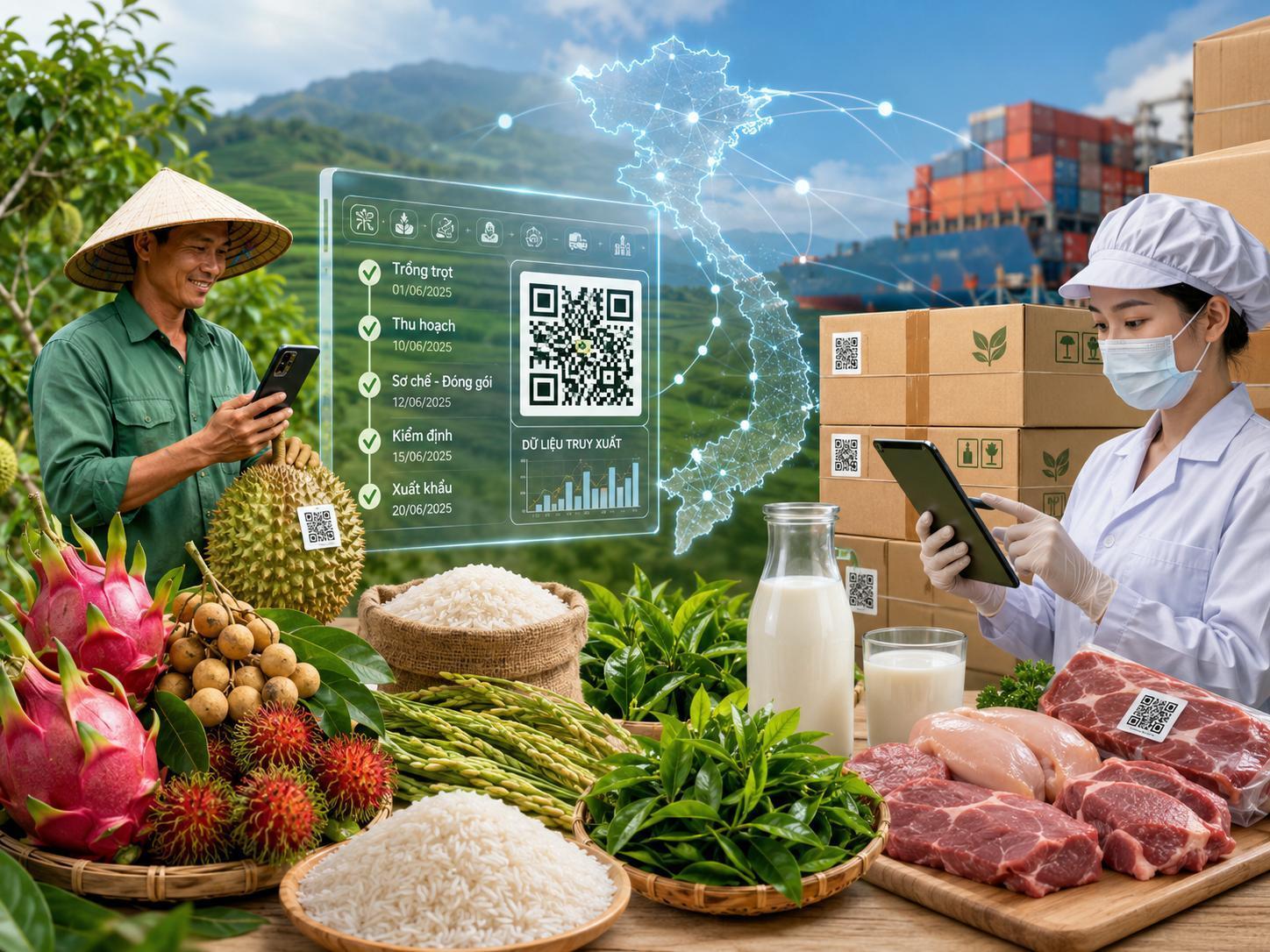
Resolution No. 36/2026/NQ-CP and new regulations on growing-area codes (GACs) and packing-facility codes (PFCs) are prompting changes in how these codes are managed, registered, and maintained. At a training session on implementation of the new regulations held on August 20, government officials and experts focused on procedural changes, requirements for digitizing records, and the supporting role of agricultural extension services at the local level.