




 Decree No. 112/2026/ND-CP has established a legal framework for Viet Nam to engage in the international transfer of greenhouse gas emission reduction outcomes and carbon credits. But the distance between an environmentally beneficial activity and a credit eligible for international transfer remains considerable. To enter this market, businesses must overcome challenges involving technology, financing, data, additionality and project management capacity.
A legal framework is only the starting point
On April 1, 2026, the Government issued Decree No. 112/2026/ND-CP on the international exchange of greenhouse gas emission reduction results and carbon credits. The decree took effect on May 19, 2026. The decree marks an important step in Viet Nam's implementation of Article 6 of the Paris Agreement, providing a legal basis for regulators, businesses and investors to develop programs and projects aimed at transferring emission reduction outcomes internationally.
A core principle of international transfers under Article 6 is avoiding double counting. Where a corresponding adjustment applies, emission reductions authorized by Viet Nam for international transfer will no longer be counted toward Viet Nam's Nationally Determined Contribution (NDC), but instead will be accounted for by the acquiring party. Each transfer decision therefore affects not only the interests of project owners and buyers, but also the remaining scope for Viet Nam to meet its national climate commitments.
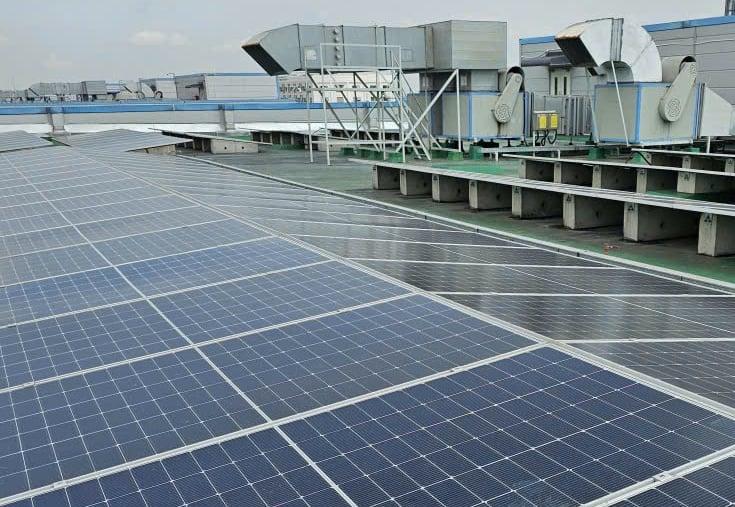
Decree No. 112 sets transfer limits for different categories of emission reduction measures. Where a corresponding adjustment applies, the maximum transfer rate is 90% for programs and projects under List No. 01 and 50% for those under List No. 02 of Appendix I. Where no corresponding adjustment applies, the maximum transfer rate may be 90% for all programs and projects. Emission reduction outcomes remaining after the transfer may be used for domestic exchange.
However, the 90% and 50% rates are legal limits on the amount of emission reduction outcomes or issued carbon credits that may be transferred. They are not profit margins, nor do they guarantee that a project will find a buyer.
A project subject to a lower transfer limit may still be commercially more viable if it uses appropriate technology, has low measurement costs, reliable data, limited risks and a clear market outlet. Conversely, a project eligible for a higher transfer rate may prove unviable if its upfront investment costs are excessive or the quality of its credits cannot be demonstrated.
According to Bui Duc Minh, a doctoral researcher at Hanyang University in Seoul, South Korea, Vietnamese businesses generally remain at an early stage of readiness. Many have yet to fully understand the structure of international carbon markets, project registration procedures, measurement, reporting and verification systems, additionality requirements, or procedures for obtaining approval for international transfers.
This represents a significant gap as the market attracts growing interest and numerous projects are being presented as potential sources of new revenue.
Foreign businesses, meanwhile, often have experience with international standards and methodologies but may not fully understand the conditions for project implementation in Viet Nam. Differences in institutions, investment and land procedures, production structures, community relations and responsibilities among administrative levels can significantly affect project timelines.
Bui Duc Minh said combining the international expertise of project developers with the institutional knowledge and practical understanding of Vietnamese partners is therefore important in moving projects from concepts to measurable outcomes.
The carbon market is not solely the domain of technology companies or intermediaries. Projects require coordination among investors, methodology experts, financial institutions, independent validation and verification bodies, regulators and beneficiary communities. The rights, responsibilities and interests of all parties need to be clearly established from the outset.
Credit quality depends on MRV and additionality
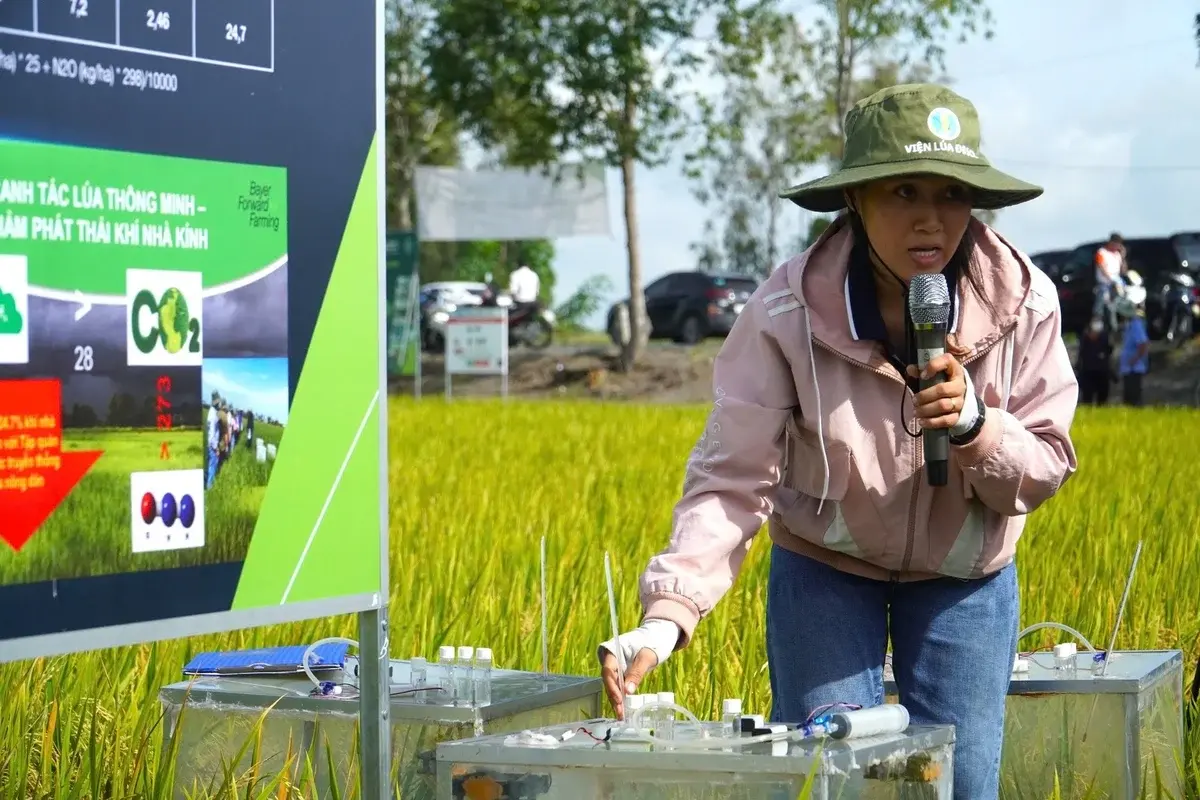
The first requirement for a carbon credit is that the emission reduction must be measurable, reportable and verifiable. MRV — measurement, reporting and verification — is not an additional procedure to be carried out after a project is completed. It must be incorporated into the project's technology and operating processes from the outset. Baseline data, project boundaries, emission sources, measurement frequency, sampling methods, equipment, uncertainty and responsibilities for data storage all need to be clearly defined.
Additionality presents another major hurdle. A project must demonstrate that the claimed emission reductions would not have occurred under a business-as-usual scenario without the incentive provided by the carbon mechanism. In other words, credits should not be issued for outcomes that would have occurred anyway because they were required by law, had already become standard practice, or were financially attractive enough to proceed without carbon revenue. Demonstrating additionality therefore requires an assessment of technology, investment conditions, practical barriers and the prevalence of the proposed solution.
Bui Duc Minh highlighted cases in which a technology is considered new in Viet Nam but has already been deployed elsewhere. If a business only begins developing a carbon project after the technology has already been implemented, additionality will come under closer scrutiny.
If this element cannot be clearly demonstrated, Minh said, businesses should not base their plans on international transfers. The point, however, is not to rule out technologies that are emerging in the market, but to ensure that projects follow the required sequence and can substantiate their claims.
In practice, a green activity, a quantified emission reduction, an issued carbon credit and a credit approved for international transfer represent different stages.
Businesses that promote a project as capable of generating credits when it remains only at the technical concept stage risk creating a misleading impression of its commercial potential. Nor should businesses simply multiply an estimated area, capacity or energy saving by a reference carbon price and present the result as guaranteed revenue.
Commercial value also depends on the methodology used, credit vintage, associated social and environmental benefits, the reputation of the project owner, buyer demand and the conditions governing credit use.
The World Bank's state and trends of carbon pricing 2025 report also emphasized the importance of quality, transparency and the real-world impact of carbon pricing instruments. Contracts should therefore clearly specify ownership of emission reduction outcomes, verification costs, issuance conditions, payment schedules and arrangements if Viet Nam does not approve the international transfer.
Decree No. 112 requires international exchanges to be recorded in the National Registration System. Emission reduction outcomes or carbon credits that have been cancelled or have expired may not be transferred.
The Ministry of Agriculture and Environment is responsible for issuing approval for international transfers after the relevant emission reduction outcomes or carbon credits have been issued and the opinions of relevant regulatory authorities have been obtained.
The procedure makes clear that a commercial contract between two parties cannot substitute for approval by the Vietnamese Government.
Market participation requires stronger capabilities
Alongside technical capacity, financing is a major constraint. A carbon project requires upfront investment in surveys, design, stakeholder consultation, technology, data systems, registration, validation and verification, as well as multiple monitoring cycles.
Revenue, meanwhile, only materializes after the results have been verified, credits issued and approved for transfer, and transactions completed. This time lag exposes businesses to risks related to cash flow, interest rates, changes in methodologies and fluctuations in market demand.
Bui Duc Minh said that if projects have to rely on conventional lending without financing mechanisms suited to the characteristics of emission reduction projects, their risk exposure will be high. This assessment reflects a structural challenge: the main asset of a project may be a future stream of carbon credits, while banks may find it difficult to value such assets or accept them as collateral. Smaller projects face even greater difficulties in accessing finance because preparation costs per credit can be high.
Businesses should not simply wait for preferential financing. They should assess carbon revenue alongside direct benefits such as fuel savings, improved efficiency, better product quality and lower compliance costs. Projects that can survive only if credits command a high price will be particularly vulnerable to market fluctuations.
For the State, the legal framework needs to be matched by implementation capacity. Businesses need practical technical guidance, clear points of contact for applications, predictable processing timelines and consistent coordination between the Ministry of Agriculture and Environment and sectoral ministries.
Regulators also need sufficient expertise to assess technologies, methodologies and impacts on Vietnam's NDC, avoiding a situation in which regulations exist on paper but applications are delayed because of limited technical capacity.
The market also needs risk-sharing instruments, including project-preparation finance, milestone-based lending, partial guarantees and support for MRV costs.
Public resources should prioritize data infrastructure, workforce training, methodological guidance and a transparent registration system. At the same time, benefit-sharing mechanisms should ensure that people and communities directly involved in changing practices, providing data and assuming project-related risks receive a commensurate share of the value, in line with the principles of Decree No. 112.
Vietnamese businesses have an advantage in understanding local conditions, while international investors can contribute technology, methodologies, financing and access to buyers.
Partnerships will be sustainable only if Vietnamese partners play a substantive role in project design, data governance and negotiations over carbon rights, and understand how the value of carbon credits is created.
Before deciding to invest, businesses need clear answers to a series of questions: Which category does the emission reduction activity fall under? Which methodology can be applied? Is the baseline data sufficient? How can additionality be demonstrated? Who owns the emission reduction outcomes? Who bears the costs of MRV and verification? What purpose are the credits intended to serve? And how would an international transfer affect Viet Nam's NDC? Only when these questions have been addressed should businesses begin calculating potential selling prices.
Decree No. 112 has opened a necessary gateway for Viet Nam to participate more deeply in global climate cooperation. But the opportunity does not lie in generating as many credits as possible. It lies in producing high-quality credits, protecting national interests and ensuring a fair distribution of value among participants.
The carbon market can provide an additional source of financing for the green transition, but it cannot substitute for sound technology, reliable data and transparent governance.
A sector receiving particular attention in this broader business landscape is low-emission rice production. Viet Nam has significant potential to reduce methane emissions from rice fields, but converting those reductions into tradable credits presents specific requirements involving methodologies, irrigation, data and farmer organization.
Part 2: “Unlocking carbon credits from Vietnamese rice production” will examine these challenges.

Experts, policymakers, representatives of international organizations, vocational education and training institutions, and businesses shared perspectives on Viet Nam’s roadmap for fulfilling international commitments, advancing technology transformation, developing green workforce capacity, and strengthening the management of controlled substances at the inception workshop of the sustainable management of controlled substances under the Montreal protocol project (SMS-MP) held in Hanoi on July 24.
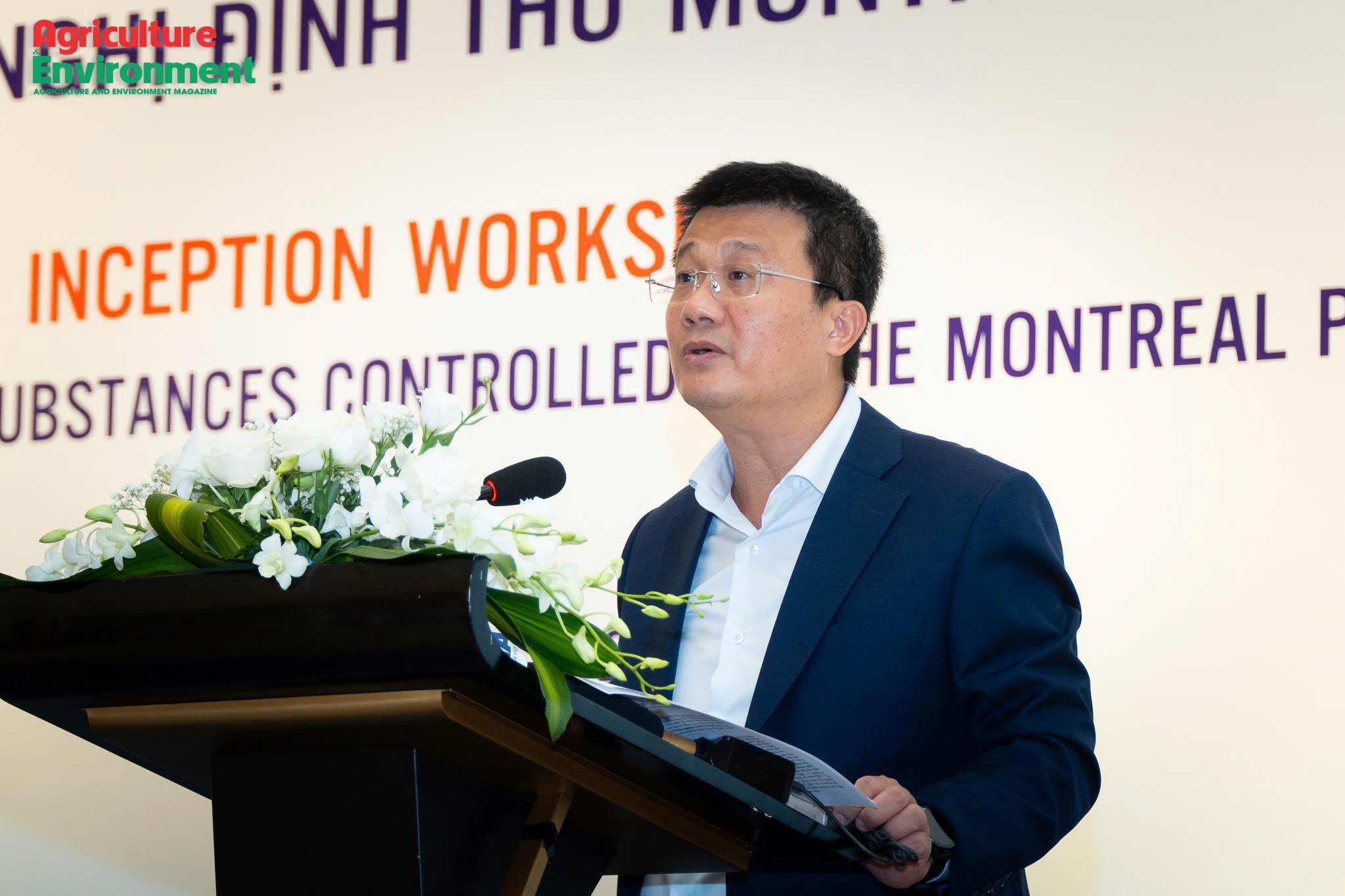
Climate-friendly, energy-efficient refrigeration technologies have become a key priority for Viet Nam as it implements its commitments under the Montreal protocol and the Kigali amendment. At the inception workshop on the sustainable management of Montreal protocol substances project (SMS-MP) on July 24, government agencies, international partners and businesses discussed coordinated measures on technology, policy and workforce development to support the country's transition.
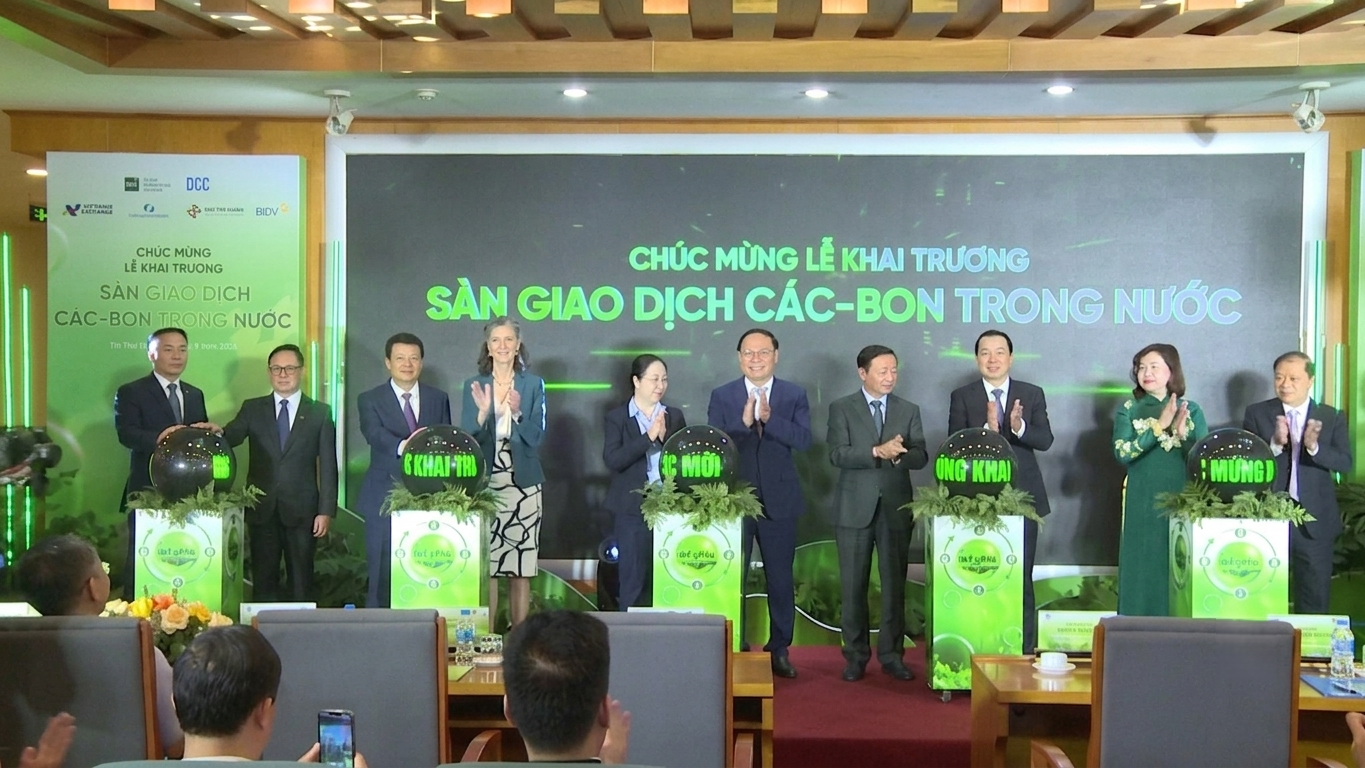
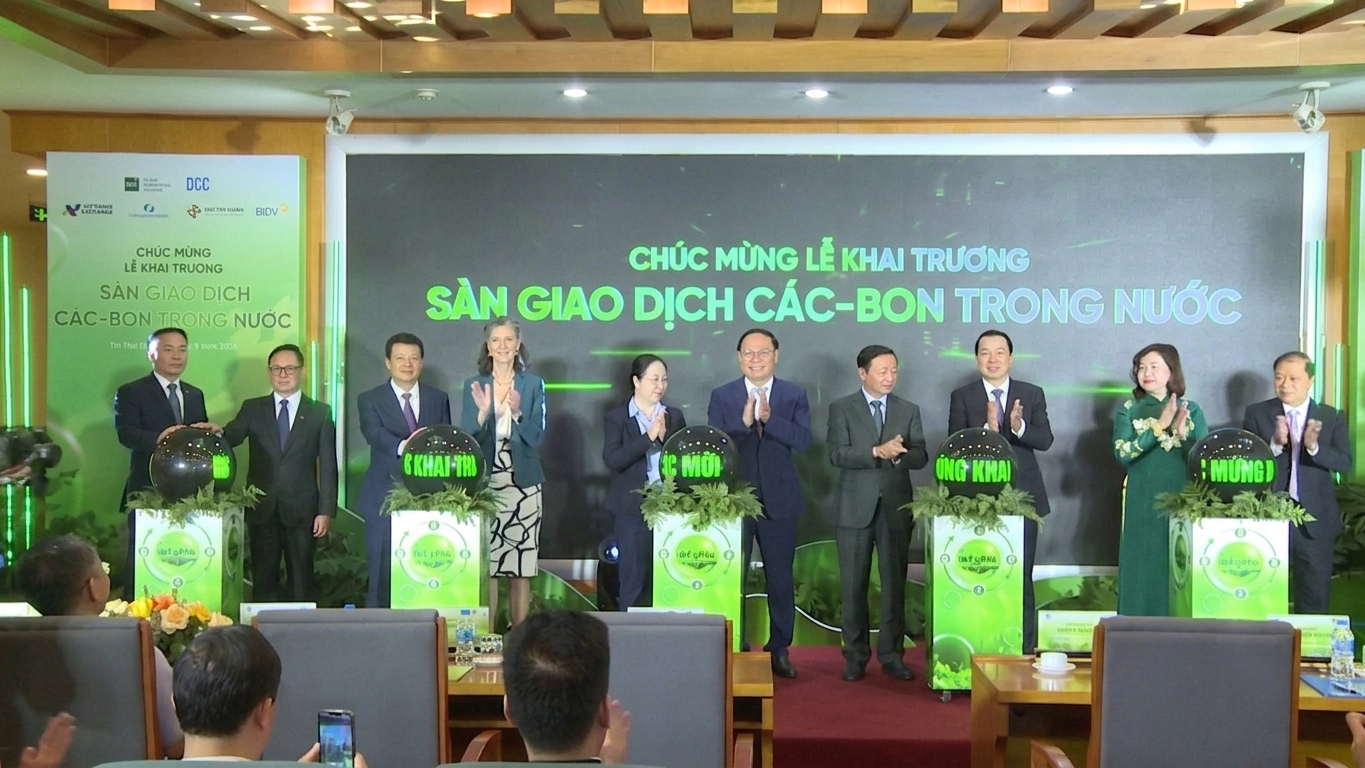
On June 29, Viet Nam officially launched its domestic carbon exchange at the Hanoi Stock Exchange (HNX), marking a significant step in the country’s roadmap to establish a national carbon market. For the first time, greenhouse gas emission allowances and carbon credits are being traded on a centralized official platform, turning carbon—previously treated as a difficult-to-quantify environmental factor—into a tradable commodity with measurable economic value.
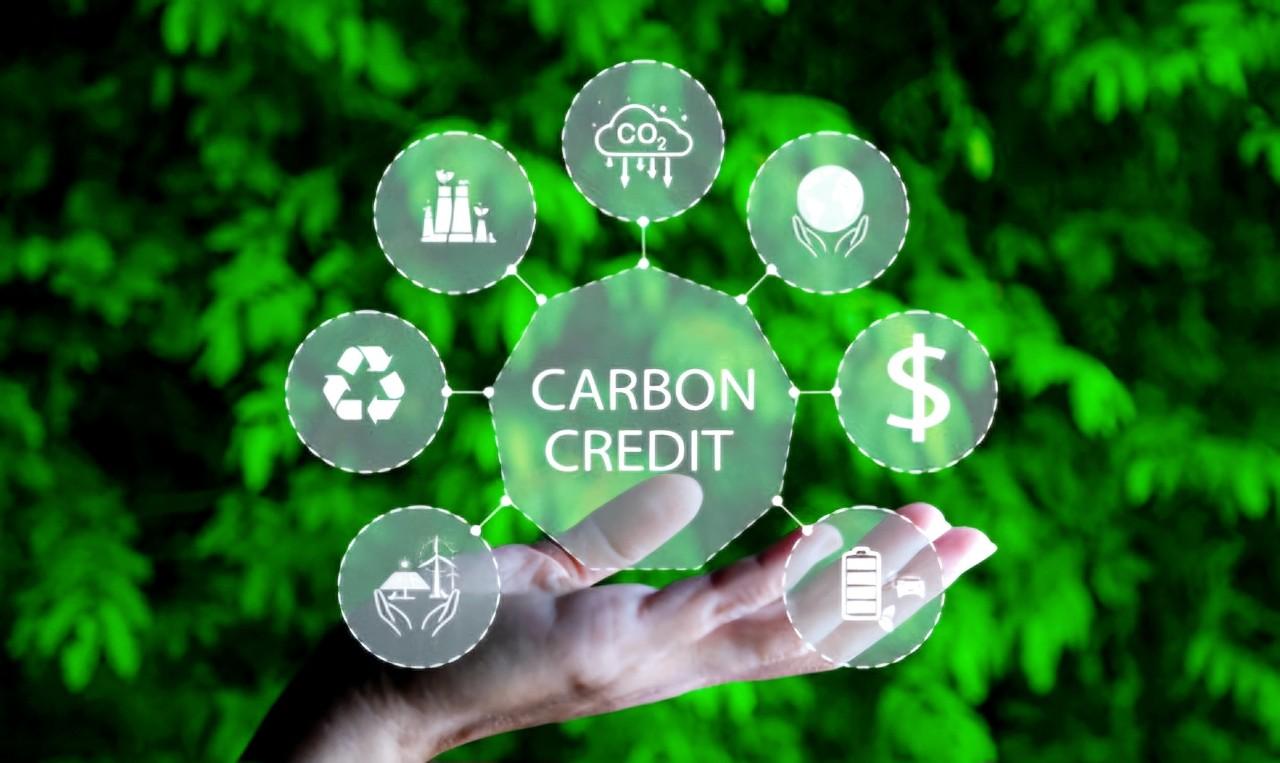
As the global economy moves deeper into the Net Zero era, Viet Nam is emerging as one of Southeast Asia’s most ambitious countries in developing a large-scale carbon market. Beyond reducing greenhouse gas emissions, the strategy reflects a broader effort to restructure the economy toward a greener and more sustainable growth model while strengthening the country’s competitiveness in an era when carbon is increasingly becoming a new measure of value in international trade.
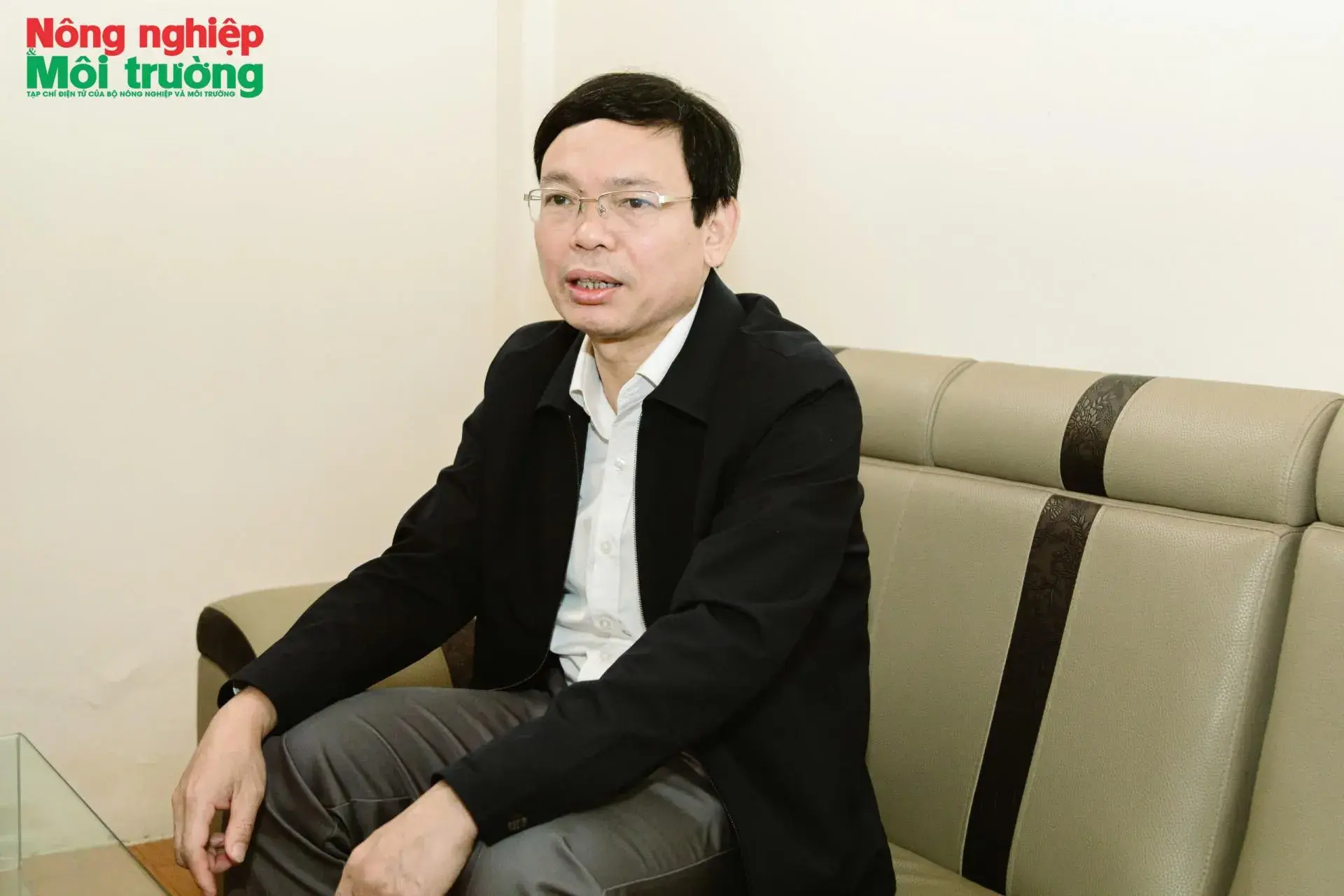
As the impacts of climate change become increasingly evident, extreme weather events are directly affecting livelihoods and agricultural production. In response, the Nghe An Provincial Agricultural Extension Center has implemented a range of measures to support farmers, strengthen adaptive capacity, and promote more sustainable agricultural production.