



 Amid increasingly complex riverbank, canal, and stream erosion in An Giang province, a research team led by Nguyen Thi Ly and Doan Thi Lien from the Hanoi University of Natural Resources and Environment conducted an assessment of riparian vegetation in acid sulfate soil areas to identify plant species capable of stabilizing riverbanks and adapting to local hydrological conditions. Through field surveys, community structure analysis, and species-selection criteria using the Analytical Hierarchy Process (AHP), the study proposes four promising groups of plant species for integration into ecological erosion-control models.
Ecological context: Erosion pressures and the need for riparian management in An Giang
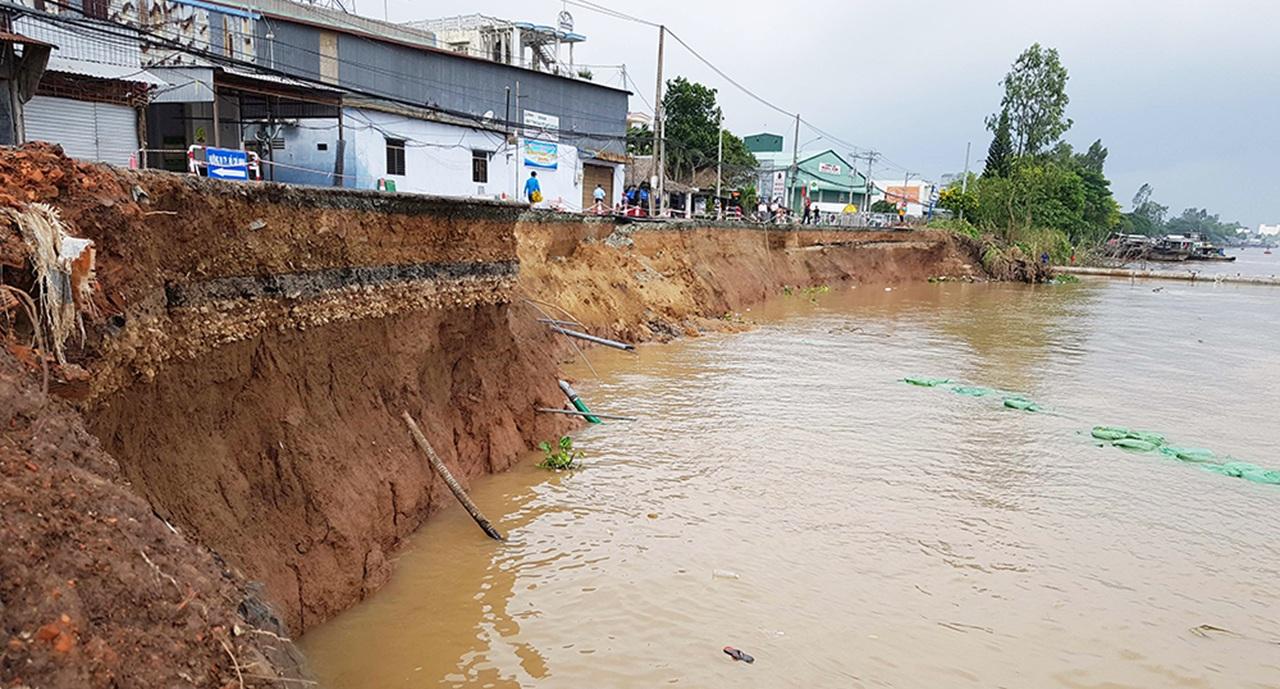
An Giang is among the provinces in the Mekong Delta most severely affected by riverbank, canal, and stream erosion. Its dense network of waterways—long considered an advantage for inland navigation, agriculture, and rural livelihoods—is now experiencing major disturbances due to climate change, altered hydrological regimes, excessive sand mining, and human encroachment along riverbanks. Severe erosion has resulted in land loss, damaged infrastructure, and heightened risks for local communities.
In this landscape, riparian vegetation is a critical ecological component. Native plant root systems reinforce soil structure, slow near-bank flows, trap sediment, and form natural bio-buffers against erosion. Studies have shown that unvegetated floodplains may erode up to 80% more than those covered by vegetation. Yet selecting species capable of thriving in An Giang’s acid sulfate soils, characterized by high acidity, low organic matter, and fluctuating moisture, remains a complex task.
The U Minh Thuong region—representing typical acid sulfate soil conditions—serves as an ideal site to evaluate species adaptability. As erosion pressure intensifies, assessing riparian vegetation and identifying species with protective potential is essential to informing Nature-based Solutions (NbS) for An Giang.
Research approach: Field surveys and multi-criteria evaluation
To objectively characterize riparian vegetation in acid sulfate soil areas and determine suitable plant species for erosion control, the research team used a comprehensive methodology integrating field surveys, ecological analysis, and multi-criteria evaluation.
Fieldwork was conducted along three transects with a total of nine standard plots (200 m² each). Across these plots, the team identified 28 vascular plant species, recording morphological traits such as total height, basal diameter, DBH, crown spread, and overall tree quality. Additional 2 m × 2 m subplots documented shrubs, herbs, and ground-cover species, ensuring a complete picture of community structure.
Specimens that were difficult to identify in the field were collected for laboratory classification using standard herbarium collections and authoritative Vietnamese botanical references. Species were grouped into trees, shrubs, and herbs, forming a comprehensive inventory characteristic of riparian ecosystems in acid sulfate soils.
Community structure was analyzed using widely recognized biodiversity indices, including the Shannon–Wiener diversity index, Pielou evenness index, and dominance index, providing insight into ecological balance, species interactions, and functional roles related to soil stabilization.
For plant-species selection, the team employed the AHP, using four main criteria: (1) nativeness, (2) root-system characteristics, (3) tolerance to harsh environmental conditions, and (4) propagation feasibility.
Each criterion was subdivided and weighted based on expert judgment. Scoring followed a 0–2 scale, enabling normalized comparisons and ranking of species with the highest suitability for riparian erosion control.
This integrated approach effectively synthesized field data, expert insights, and quantitative evaluation to establish a robust foundation for recommending species suitable for deployment in An Giang.
Riparian vegetation characteristics in acid sulfate soil areas of An Giang
Surveys in U Minh Thuong recorded 28 vascular plant species distributed across three life-form groups: 10 tree species, 12 shrubs, and 6 herbaceous species. These species commonly occur along riverbanks and canals, forming the core of local riparian ecosystems.
Key species with strong adaptability to acidic, waterlogged conditions include Melaleuca cajuputi, bamboo species, Eucalyptus camaldulensis, Vetiver grass (Chrysopogon zizanioides), Paspalum conjugatum (Muzi grass), and Axonopus compressus (carpet grass). These species frequently form mixed clusters, consistent with the patterns described in the study’s Abstract, and create stable communities with important soil-binding and erosion-reducing functions.
Biodiversity metrics reflect moderate ecosystem diversity: a species richness index of 4.71, and a vascular plant density of approximately 4,167 individuals per hectare. The Pielou evenness index (0.82) indicates balanced species distribution, while the dominance index (1–λ = 0.915) shows no single species overwhelmingly dominates the community—evidence of ecological resilience.
Vertical stratification is marked, with most species concentrated in the T3 layer (4–8 m), typical of taxa capable of tolerating prolonged inundation. The T4 layer (0–4 m) shows the lowest density, reflecting harsher surface-soil conditions and strong competition from upper tiers.
Overall, An Giang’s riparian vegetation in acid sulfate soil environments demonstrates strong ecological resilience and forms natural bio-shields that help mitigate erosion along rivers, canals, and streams.
Priority plant species for riparian erosion control
Grounded in the evaluation criteria and the AHP, the study identifies four plant species with the highest potential for use in vegetation-based, eco-hydrological erosion-control models in An Giang. These species demonstrate strong adaptability to acid sulfate soils, possess robust root systems, tolerate prolonged flooding, and can be propagated efficiently—key requirements for large-scale riparian restoration.
Melaleuca cajuputi: A keystone species of acid sulfate soil ecosystems, Melaleuca cajuputi dominates the upper canopy (4–8 m) and thrives under long periods of inundation. Its deep, wide-spreading root network improves soil cohesion and enhances bank stability, reducing the risks of subsidence. The species’ strong regenerative capacity and ease of cultivation enable the formation of stable, long-lived stands—an advantage for riparian protection forests along rivers and canals.
Vetiver grass (Chrysopogon zizanioides): Well known for one of the deepest and most fibrous root systems among grasses—extending 3–4 meters downward—Vetiver significantly reinforces bank slopes, slows near-bank flow velocity, and traps sediment. Its rapid growth rate, resilience to pests, and low management cost make it an efficient and scalable NbS for areas prone to surface erosion and bank instability.
Axonopus compressus (Carpet grass) and Paspalum conjugatum (Muzi grass): These low-growing groundcover species rank highly for their ability to establish quick vegetative cover and stabilize surface soils. By forming a dense protective layer, they reduce sheet erosion and complement upper-story species within multi-tier riparian vegetation systems. Both Axonopus compressus and Paspalum conjugatum spread readily under mildly acidic and waterlogged conditions and require minimal care once established.
Supplementary species for multi-layer vegetation systems: Although not among the highest-scoring species in the AHP assessment, Sarcocephalus orientalis and Phragmites australis offer meaningful ecological contributions when incorporated into multi-layer riparian vegetation models based on NbS.
Sarcocephalus orientalis (Yellow Sarcocephalus): Highly adaptable to acidic and waterlogged environments, this species enhances mid-story structure, increases canopy density, and strengthens the overall ecological integrity of restored riparian zones.
Phragmites australis (Common Reed): With strong tolerance to fluctuating water levels, Phragmites australis forms dense stands that help stabilize shallow banks, reduce wave and flow-induced erosion, and facilitate sediment accumulation—especially in lowland riparian environments.
Toward an integrated, multi-tier riparian vegetation system
By combining upper-canopy trees (Melaleuca cajuputi), deep-rooting grasses (Vetiver), groundcover species (Axonopus compressus, Paspalum conjugatum), and mid- and low-story supplementary species (Sarcocephalus orientalis, Phragmites australis), the study proposes a multi-tier riparian vegetation system that enhances soil stability, reduces erosion risks, and strengthens the eco-hydrological resilience of riverbanks, canals, and streams across An Giang province.
Scientific significance and practical implications for An Giang and the Mekong Delta
The study provides an updated, evidence-based assessment of riparian vegetation in acid sulfate soil areas and offers a standardized methodology consistent with international best practices in ecological restoration and vegetation-based erosion control.
Findings establish a sound scientific basis for selecting appropriate plant species to stabilize riverbanks amid rising erosion pressures. The recommended species—particularly Melaleuca cajuputi, Vetiver grass, Sarcocephalus orientalis, and Phragmites australis—enable the development of robust eco-hydrological models, reducing reliance on inflexible and costly hard-engineering structures.
The species-selection framework is transferable to other parts of the Mekong Delta with similar soil conditions. Integrating native vegetation with soft hydrological measures provides a scalable pathway for climate adaptation.
The study ultimately underscores the importance of NbS in disaster-risk reduction, providing scientific justification for agencies seeking to design effective riparian protection, vegetation restoration, and sustainable livelihood strategies for riverine communities.
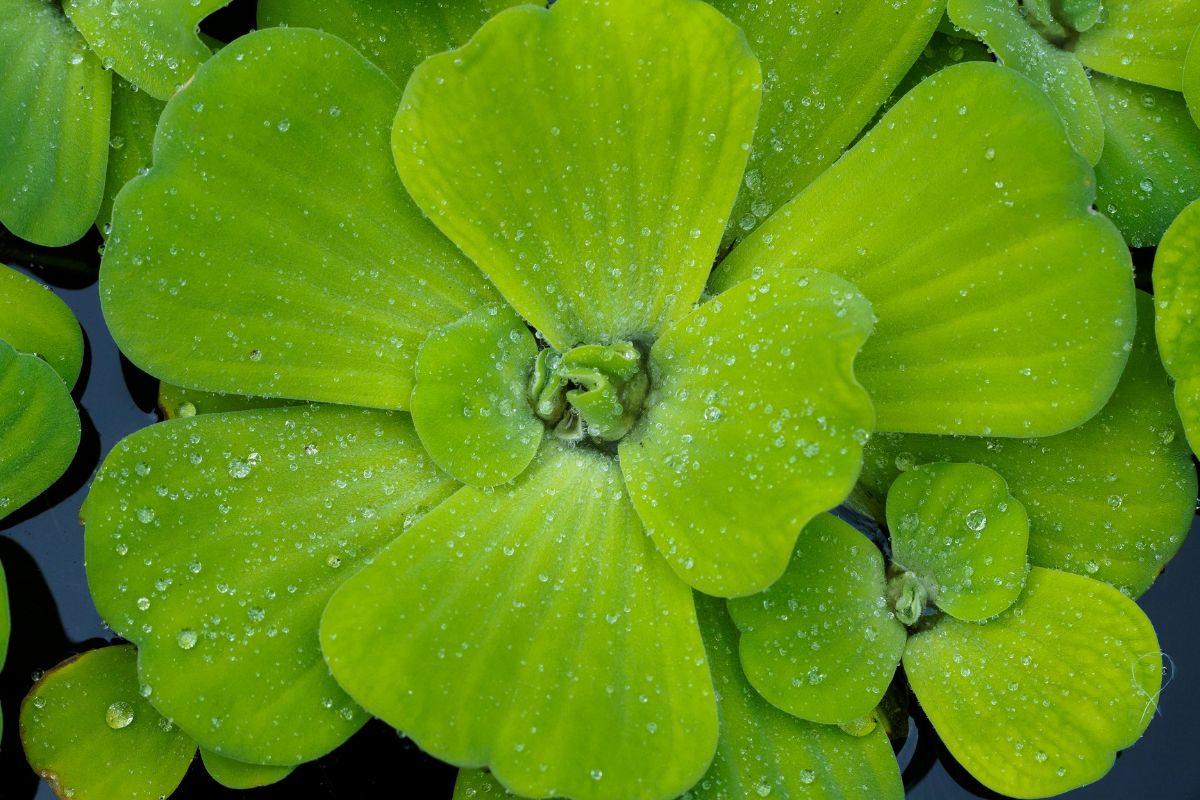
A scientific study by An Giang University, Vietnam National University, Ho Chi Minh City, and the An Giang Center for Rural Clean Water and Environmental Sanitation has demonstrated the potential of water lettuce (Pistia stratiotes) for treating piggery wastewater under natural conditions. The findings show that treatment performance varies with the initial biomass density and the pollutant being targeted. The approach offers a low-cost, environmentally friendly biological treatment option with potential for application by pig farms and household producers in Viet Nam.
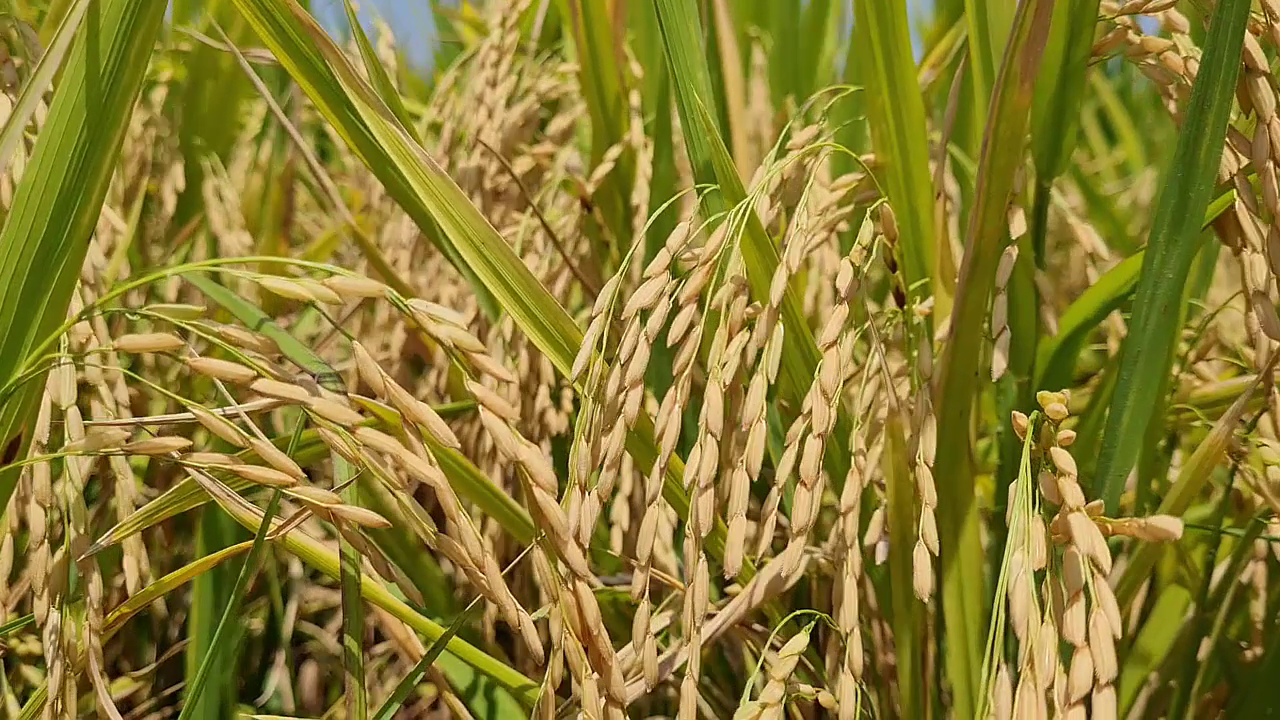
A study of 180 local rice accessions conserved at the Plant Resources Center revealed diversity in subspecies classification and grain quality traits. Within this germplasm collection, researchers identified eight accessions with promising characteristics, including aroma, low amylose content, and low to intermediate gelatinization temperatures, providing additional genetic resources for conservation and the breeding of high-quality rice varieties.
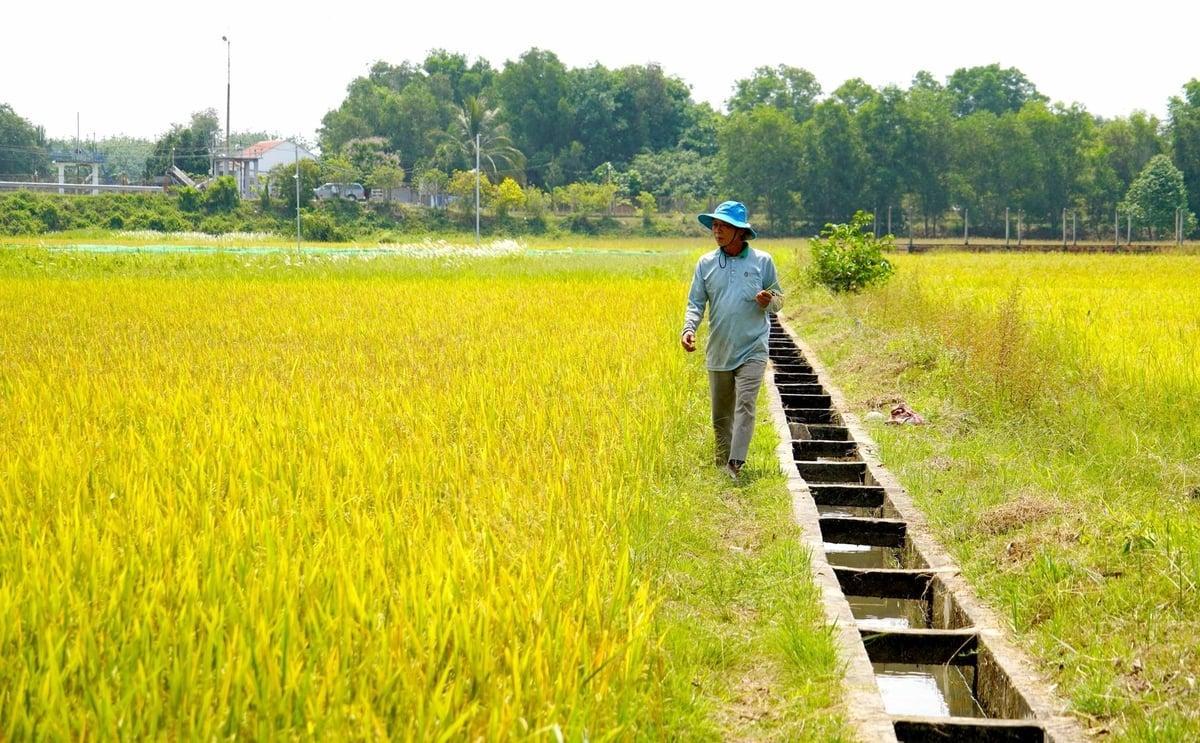
In low-lying areas of the former Cu Chi district, located in northwestern Ho Chi Minh City, seasonal flooding occurs alongside agricultural production and urbanization, creating various pressures on soil quality and its capacity for recovery. A study by Nguyen Thi Oanh, Phan Lieu, Truong Vinh Hai, and Tran Minh Tien found clear differences in soil health among rice cultivation, vegetable farming, and fruit orchards, with distinct patterns of chemical and biological degradation. The integration of multiple indicators through Principal Component Analysis (PCA) not only helped identify these differences but also provided a scientific basis for guiding soil management and restoration measures in peri-urban agricultural wetlands.
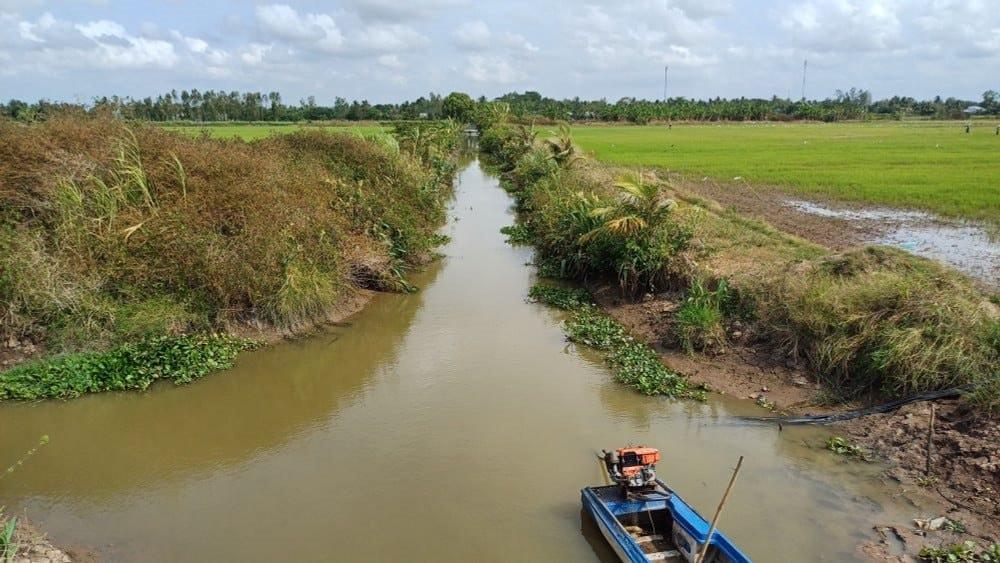
Saline intrusion is posing growing challenges to agricultural production in the lower Hau River region, where agricultural land use is closely linked to water availability. A study conducted in the former Soc Trang province, now part of Can Tho city, assessed saline intrusion risk to agricultural land use in 2024 under the RCP 4.5 and RCP 8.5 climate change scenarios for 2030 and 2050. The results show that the area of rice cultivation affected by higher salinity levels tends to increase, providing an additional scientific basis for land use planning and the selection of appropriate adaptation-oriented farming systems.
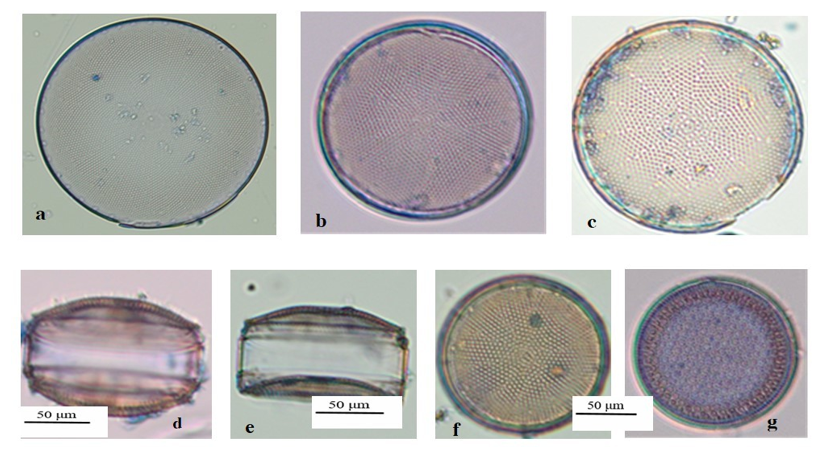
A study of phytoplankton samples collected from various marine areas of Viet Nam between 2015 and 2025 identified 21 species belonging to the genera Coscinodiscus and Coscinodiscopsis. Notably, Coscinodiscus reniformis and Coscinodiscopsis sp. were recorded and described in detail based on their cellular morphological characteristics, providing additional data for the identification and taxonomic classification of these diatom groups in Vietnamese waters.