



 In the mountainous communes of A Luoi district (Hue city), where the livelihoods of ethnic minority communities are closely linked to forests, land, and water resources, climate change is no longer an abstract concept. It has become increasingly tangible through successive seasons of storms, floods, and droughts. Based on field surveys conducted in A Roang and Hong Ha communes, a study by a research team from Hue University provides locally grounded evidence on the major types of natural disasters, their levels of impact, and the ways in which local communities have been adapting during the period 2020–2024.
When livelihoods are closely linked to forests, land, and weather
In the mountainous communes of A Luoi district, the livelihoods of ethnic minority communities depend heavily on natural resources such as land, forests, and water. The dominant livelihood activities remain agriculture and forestry, including wet rice cultivation, upland crops, rubber plantations, acacia plantation forests, livestock raising, and the collection of non-timber forest products. These livelihood strategies are highly dependent on natural conditions and weather variability.
Survey results from A Roang and Hong Ha communes indicate that land-use structures among ethnic minority households are relatively similar. Acacia plantation forest land accounts for the largest proportion, ranging from 71.36% to 77.6% of total household land area, with ownership rates between 75.0% and 91.0% of households. Rubber plantation land ranks next, although the average area is only about 1 hectare per household. Agricultural production land—primarily wet rice fields and upland crops—plays an important role in securing livelihoods but is typically small in scale, fragmented, and located near rivers and streams, making it particularly vulnerable to natural disaster risks.
Aquaculture is not a common livelihood activity in the study area; only a small number of households maintain fish ponds for household consumption. Residential land, livestock enclosures, and home gardens are generally limited in size, while the practice of free-range grazing of livestock in forest areas remains prevalent among many households.
In terms of occupational structure, agriculture and forestry are the two primary livelihood sectors for ethnic minority communities in the area. In A Roang commune, 58.4% of household heads report agriculture as their main occupation. Forestry is more prevalent among household heads in Hong Ha commune and among other household members in both communes, with corresponding proportions of 56.2%, 57.7%, and 41.4%, respectively. In addition, a segment of younger laborers has begun to engage in livelihood activities less dependent on forests, such as industrial employment, migrant wage labor, small-scale trade and services, traditional zèng weaving, or contracted forest management and protection. Nevertheless, overall livelihoods in A Luoi District remain highly sensitive to climate variability and natural disasters.
Field research under pre-merger administrative boundaries
Fieldwork for the study was conducted between January and June 2025 in A Roang and Hong Ha communes, A Luoi district. This period preceded the administrative reorganization and merger of commune- and district-level units under the resolution that took effect on July 1, 2025. Accordingly, all data were collected, compiled, and analyzed based on commune and district names, as well as the structure of specialized agencies under the pre-merger administrative system, in order to ensure consistency and accuracy.
Secondary data on climate change, natural disasters, and disaster-related damage were obtained from the Hue City Hydrometeorological Station, the A Luoi District Department of Agriculture and Rural Development, and the People’s Committees of A Roang and Hong Ha communes. In addition, the study utilized data from in-depth interviews with technical staff, focus group discussions with village and commune representatives, and a household survey involving 173 ethnic minority households residing in the study area.
Clarifying the administrative context at the time of data collection is essential, as after July 1, 2025, A Roang and Hong Ha communes were merged with other administrative units and renamed A Luoi 4 Commune and A Luoi 5 Commune, respectively, under the new administrative structure of Hue City. Throughout this article, place names and administrative boundaries are used consistently according to the context at the time the research was conducted.
A Luoi in the vortex of natural disasters, 2020–2024
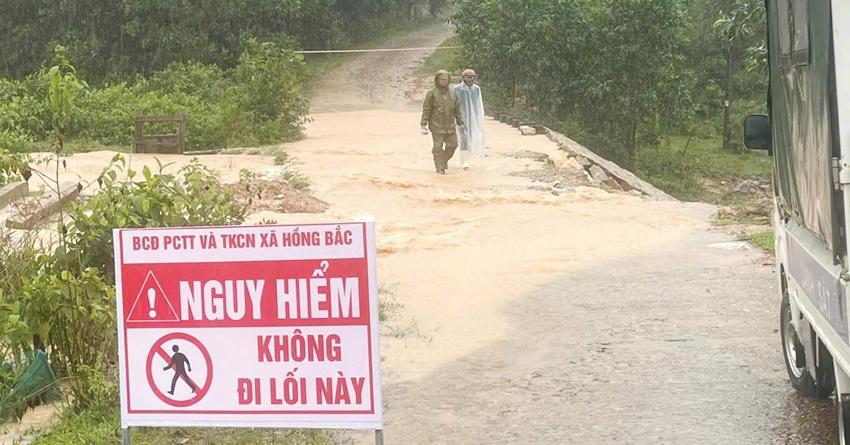
During the period 2020–2024, A Luoi district was affected by multiple types of natural disaster risks with notable frequency and intensity. According to aggregated data from the Hue City Hydrometeorological Station and local records, the area experienced impacts from storms, floods, flash floods, thunderstorms, hail, severe cold spells, and drought.
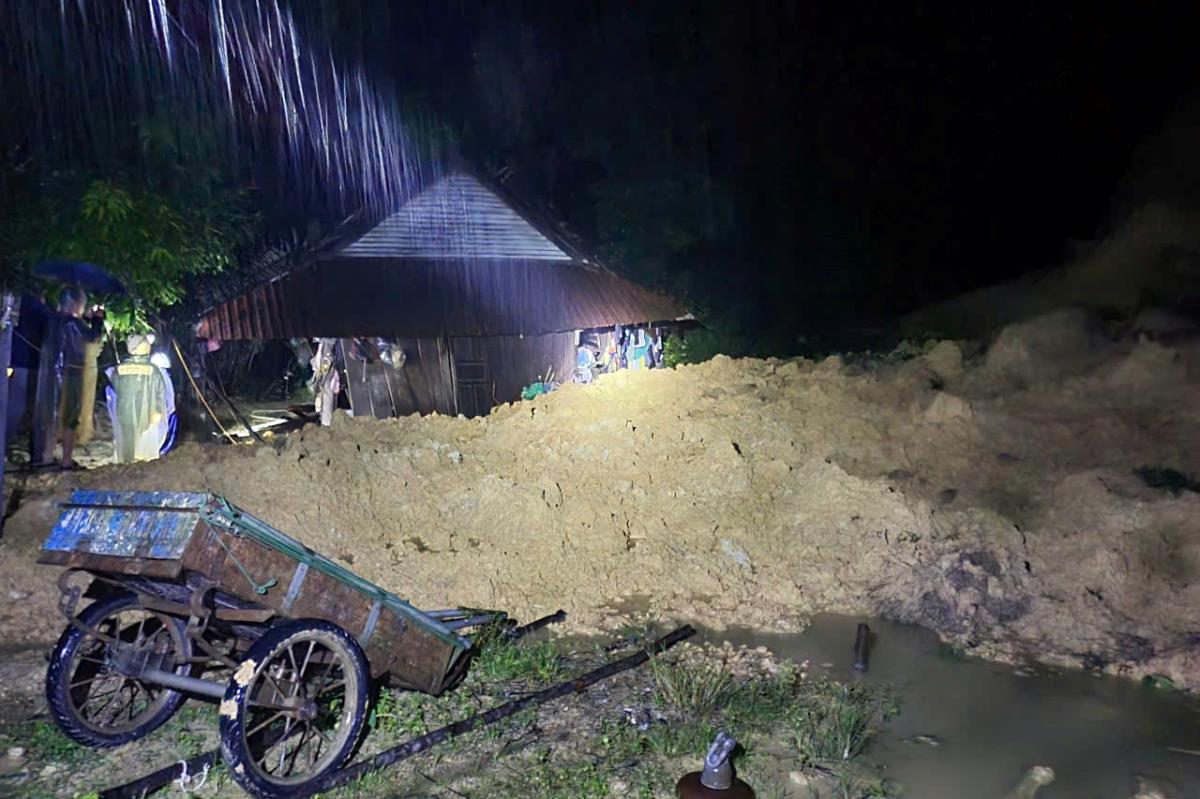
Over the five-year period, a total of 13 storms and tropical depressions, along with 5 flash flood events, affected the district. The years 2020 and 2022 recorded the most severe impacts. In 2020 alone, although 5 of the 6 storms did not make direct landfall, storm circulation still generated strong winds ranging from Beaufort scale levels 5 to 10 and heavy rainfall ranging from 159.5 mm to 1,029 mm. The mountainous terrain exacerbated the effects of prolonged rainfall, increasing the risk of flash floods and landslides in residential and production areas.
Severe cold spells represent a recurrent winter hazard. During the study period, 65 days with temperatures below 13°C were recorded, causing significant damage to livestock production, particularly cattle and poultry. During transitional seasons, A Luoi District was also affected by thunderstorms and hailstorms. Over five years, 881 days with dangerous thunderstorm events were recorded, including three particularly damaging episodes in 2020, 2022, and 2024, with wind gusts reaching Beaufort scale levels 7–8. In the first six months of 2025 alone, three thunderstorm events with wind speeds ranging from levels 7 to 10 were recorded.
Drought also represents a significant climate-related risk in the area. Meteorological data indicate that during 2020–2024 there were 3 months of moderate drought, 5 months of severe drought, and 3 months of extreme drought. From 2020 to 2022, extreme drought events were concentrated in the summer months, intensifying shortages of irrigation and domestic water supplies in many communes and villages.
Disaster adaptation: Largely short-term coping measures
The study indicates that in response to increasing climate change impacts and natural disasters, ethnic minority households in A Roang and Hong Ha communes have adopted certain adaptive measures. However, these measures are generally short-term and reactive in nature, and have not yet developed into stable, long-term adaptation strategies.
Household survey results show that most current adaptive measures focus on minimizing immediate damage during disaster events, such as reinforcing houses, protecting livestock shelters, harvesting crops early when storms or floods are forecast, or relocating people and assets to safer locations. Some households adjust cropping calendars to avoid periods of heavy rainfall or severe cold spells, but these adjustments are largely based on traditional experience and direct observation rather than long-term climate information.
Access to information on climate change and natural disasters remains limited. Information is mainly obtained through loudspeaker systems, commune and village officials, or informal community exchanges. Technical support, training, or adaptation guidance involving specialized agencies is not widespread and varies considerably among households.
In agricultural production, adaptive measures remain fragmented and largely spontaneous. Some households adjust crop varieties, livestock breeds, or production scales to reduce risk, but these changes have not yet formed a clear trend and are insufficient to offset disaster-related losses. In livestock production, responses to severe cold spells and disease primarily involve sheltering animals and stockpiling feed, while investment capacity to improve husbandry conditions remains limited.
Overall, the study shows that existing adaptive measures mainly enable households to cope with immediate shocks and are not yet sufficient to enhance long-term adaptive capacity under increasingly complex climate change conditions.
Livelihoods at the threshold of transition
Beyond short-term coping measures, the study identifies signs that the livelihoods of some households in A Roang and Hong Ha communes are approaching a threshold of transition, driven by recurrent natural disasters and prolonged climate-related risks.
In recent years, repeated damage to plantation forests, rubber plantations, crops, and livestock has eroded livelihood assets. Some households have been forced to reduce agricultural production areas or abandon land due to landslides, sediment deposition, and insufficient irrigation water. The loss of productive land and declining yields have reduced the stability of agricultural income.
In response, some households have begun seeking alternative or supplementary livelihood strategies outside agriculture. These activities are largely spontaneous, small in scale, and dependent on household-specific conditions, such as seasonal wage labor, collection of non-timber forest products, or unstable non-farm employment. However, households’ capacity to adjust livelihood strategies remains constrained by limited education, capital, skills, and access to markets.
For households that continue agricultural production, adjustments in farming methods have begun to emerge, although the pace of change remains slow. Some households have shifted to crops with shorter growing periods or lower exposure to storms and drought, but these changes have not yet been implemented at scale or resulted in stable production models.
The study emphasizes that current livelihood shifts are primarily passive responses to climate-related risks rather than outcomes of deliberate, long-term adaptation strategies. As climate change and natural disasters continue to exert pressure, the livelihoods of ethnic minority communities in the mountainous district of A Luoi face significant challenges, as reflected cautiously and objectively in the study’s findings.

A scientific study by An Giang University, Vietnam National University, Ho Chi Minh City, and the An Giang Center for Rural Clean Water and Environmental Sanitation has demonstrated the potential of water lettuce (Pistia stratiotes) for treating piggery wastewater under natural conditions. The findings show that treatment performance varies with the initial biomass density and the pollutant being targeted. The approach offers a low-cost, environmentally friendly biological treatment option with potential for application by pig farms and household producers in Viet Nam.
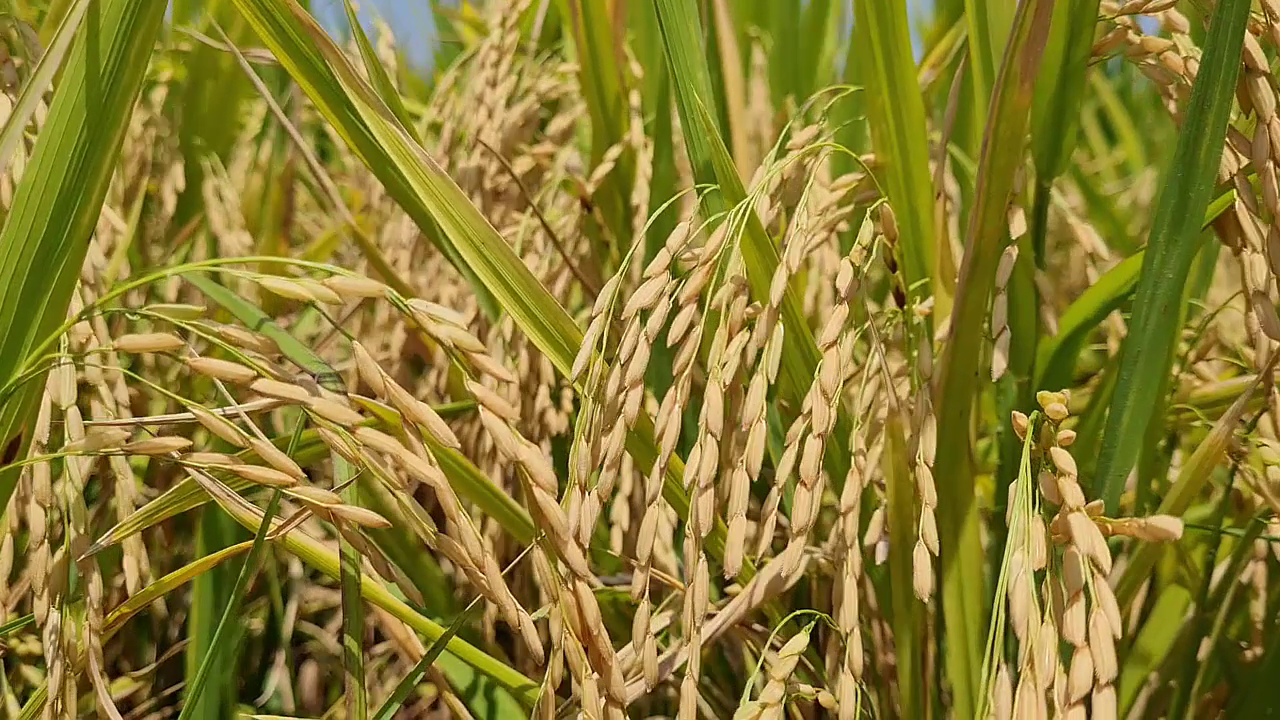
A study of 180 local rice accessions conserved at the Plant Resources Center revealed diversity in subspecies classification and grain quality traits. Within this germplasm collection, researchers identified eight accessions with promising characteristics, including aroma, low amylose content, and low to intermediate gelatinization temperatures, providing additional genetic resources for conservation and the breeding of high-quality rice varieties.
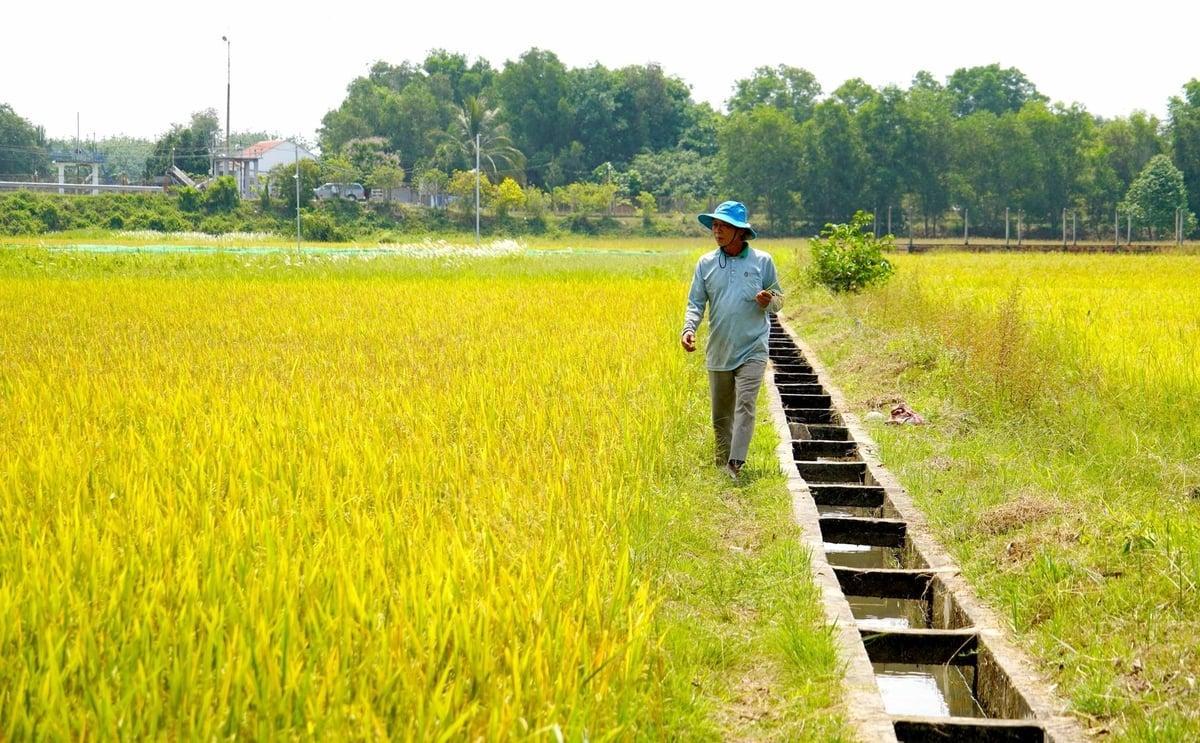
In low-lying areas of the former Cu Chi district, located in northwestern Ho Chi Minh City, seasonal flooding occurs alongside agricultural production and urbanization, creating various pressures on soil quality and its capacity for recovery. A study by Nguyen Thi Oanh, Phan Lieu, Truong Vinh Hai, and Tran Minh Tien found clear differences in soil health among rice cultivation, vegetable farming, and fruit orchards, with distinct patterns of chemical and biological degradation. The integration of multiple indicators through Principal Component Analysis (PCA) not only helped identify these differences but also provided a scientific basis for guiding soil management and restoration measures in peri-urban agricultural wetlands.
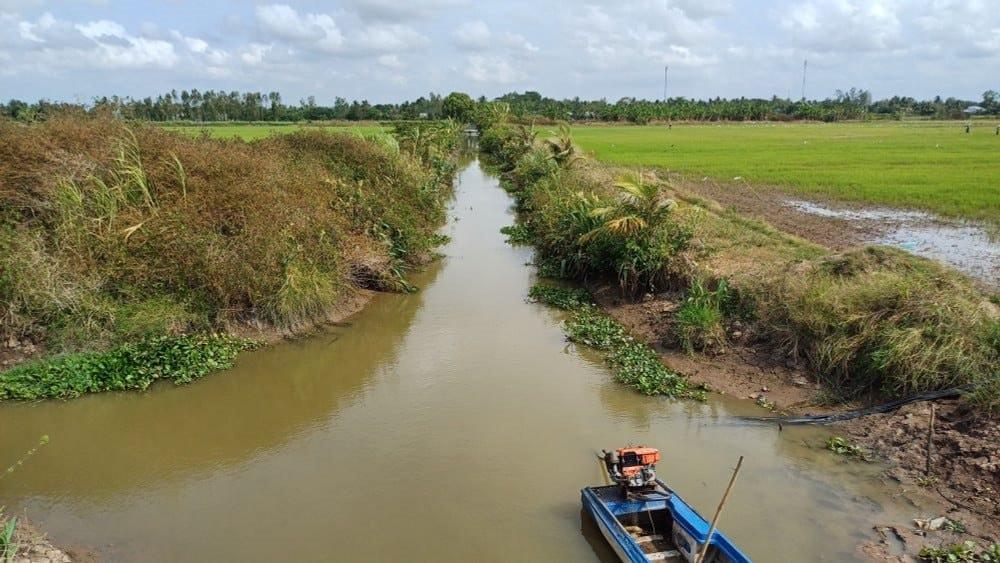
Saline intrusion is posing growing challenges to agricultural production in the lower Hau River region, where agricultural land use is closely linked to water availability. A study conducted in the former Soc Trang province, now part of Can Tho city, assessed saline intrusion risk to agricultural land use in 2024 under the RCP 4.5 and RCP 8.5 climate change scenarios for 2030 and 2050. The results show that the area of rice cultivation affected by higher salinity levels tends to increase, providing an additional scientific basis for land use planning and the selection of appropriate adaptation-oriented farming systems.
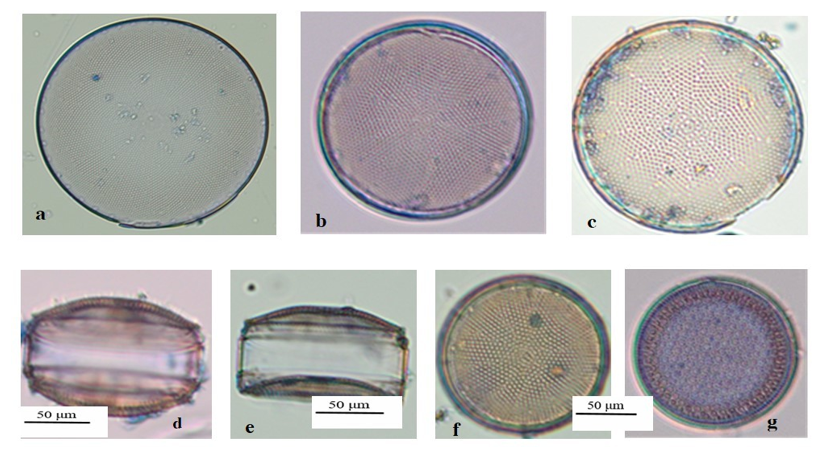
A study of phytoplankton samples collected from various marine areas of Viet Nam between 2015 and 2025 identified 21 species belonging to the genera Coscinodiscus and Coscinodiscopsis. Notably, Coscinodiscus reniformis and Coscinodiscopsis sp. were recorded and described in detail based on their cellular morphological characteristics, providing additional data for the identification and taxonomic classification of these diatom groups in Vietnamese waters.