



 In the context of rapidly increasing municipal solid waste (MSW) generation in urban areas, digital transformation is opening significant opportunities to improve the efficiency of waste collection, transportation, treatment, and recycling. The study conducted by Phan Thi Hai Luyen and Pham Quang Dung (Vietnam National University of Agriculture) provides a comprehensive overview of digital technologies—including the Internet of Things (IoT), Artificial Intelligence (AI), Big Data, Geographic Information Systems (GIS), and smart management models—together with a SWOT analysis assessing the feasibility of applying such technologies in Vietnam. Findings indicate that digital transformation can deliver substantial improvements, although challenges remain in terms of infrastructure, investment costs, and public awareness.
Rising waste management pressures and the need for digital innovation
Municipal solid waste is increasing rapidly worldwide, closely associated with urbanization and rising living standards. According to Kaza et al. (2018), an average person generates approximately 0.74 kg of waste per day—equivalent to 6 million tons globally each day, or 2.01 billion tons annually. Without effective management measures, global MSW generation could surge to 3.40 billion tons by 2050, with an estimated growth rate of 5.5% per year. This escalating volume poses major challenges for urban centers, particularly in developing countries.
In many regions, MSW management remains largely traditional—dependent on manual sorting, lacking integrated databases, and insufficient decision-support tools. As a result, collection efficiency is low, waste is mixed at the source, and treatment practices are often uncontrolled, contributing to soil, water, and air pollution. Open landfills remain a major source of methane (CH₄), a greenhouse gas with a global warming potential 26 times higher than CO₂ (IPCC, 2021). The waste sector currently accounts for about 5% of global greenhouse gas emissions.
Additionally, MSW treatment costs place a heavy burden on local budgets. According to the World Bank (2020), waste collection and treatment can consume 20–50% of municipal environmental expenditures, especially in low- and middle-income countries.
Against this backdrop, digital transformation offers the potential to restructure MSW management systems. Technologies such as IoT, AI, Big Data, and GIS enable real-time monitoring, route optimization, more accurate sorting, and increased transparency. Many countries now consider digital solutions foundational to modern waste management linked with circular economy and smart city goals. Vietnam is also promoting these approaches through policies such as the 2020 Law on Environmental Protection, which emphasizes source separation and the adoption of technological tools to enhance operational efficiency.
Core digital technologies shaping MSW management
The study by Phan Thi Hai Luyen and Pham Quang Dung highlights that digital transformation in MSW management is not simply the deployment of modern equipment; it is an integrated technological ecosystem spanning data-collection sensors, analytical algorithms, and digital decision-support platforms. Four major technological groups stand out: IoT, AI, Big Data, and GIS/GPS.
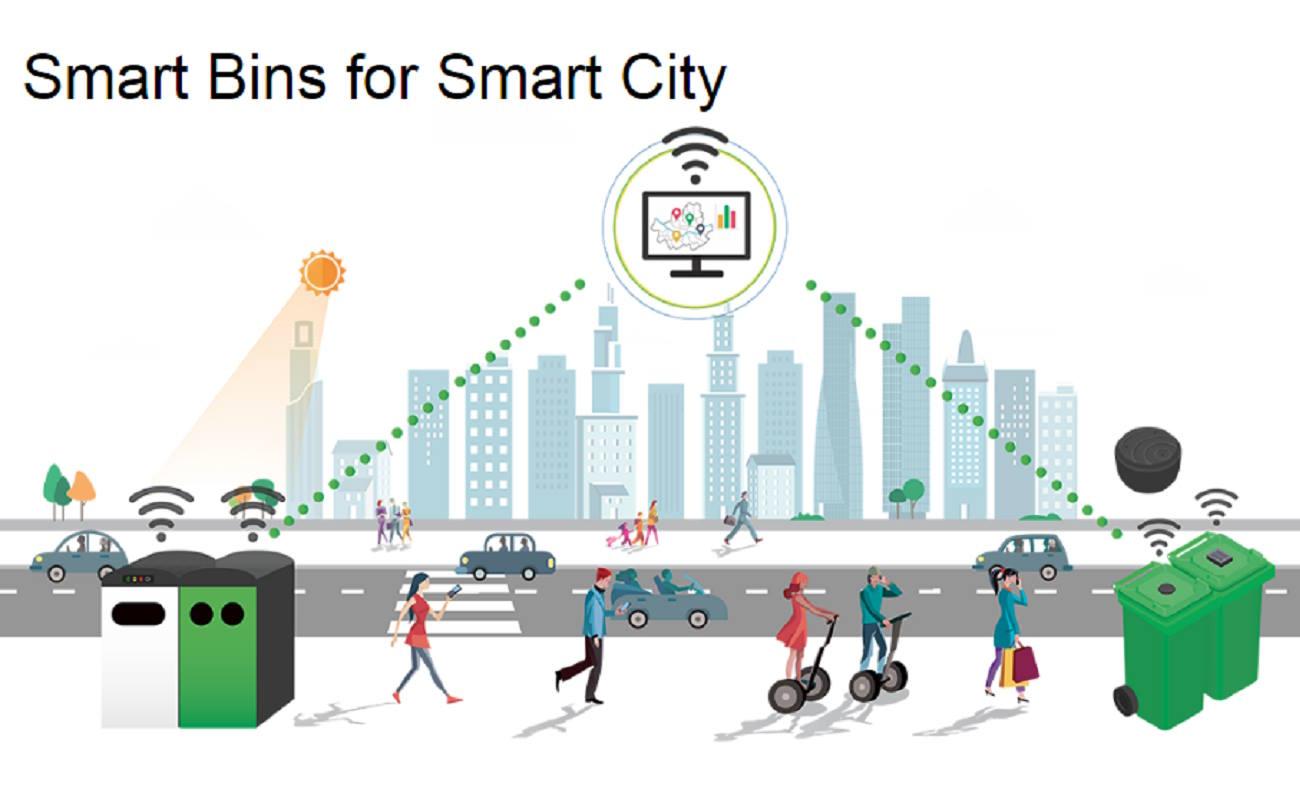
Internet of Things (IoT) is increasingly applied in smart waste bin systems. Ultrasonic, smoke, humidity, and weight sensors detect fill levels, forecast fire risks, and identify abnormalities, transmitting real-time data to management centers. These innovations optimize collection schedules, reduce vehicle trips, and lower transportation costs. RFID tags and GPS devices on bins and collection trucks help track location, operations, and route performance.
Artificial Intelligence (AI) contributes to automated waste sorting and processing. Machine vision systems identify materials and distinguish plastics, metals, and organics on conveyor belts. Robotic arms powered by AI—such as Heavy Picker and Fast Picker—have achieved high accuracy in sorting. AI also detects illegal dumping through analysis of satellite imagery and CCTV footage.
Big Data analytics supports forecasting of waste generation patterns over time and space. Variables such as population, urbanization, tourism seasons, or major events lead to fluctuations in waste volumes. Historical data analysis supports optimizing infrastructure, transfer station locations, and collection routes. For example, research in Pleiku shows that organic waste accounts for 62% of total MSW—an important basis for proposing composting or landfill reduction solutions.
GIS/GPS technologies optimize spatial planning and track waste transportation activities. Integrating mapping data with real-time positioning enables the development of optimized collection routes, reducing travel distance and fuel consumption. Cities such as Hue and Can Tho have applied GIS/GPS effectively to organize collection points and assess vehicle performance.
Mobile applications are increasingly used to enable public reporting, service registration, waste-sorting guidance, and reward-point systems. Although current apps remain limited in features and updates, they are considered an important tool for enhancing community participation.
SWOT analysis: Opportunities and challenges for digital transformation in Vietnam
The SWOT analysis conducted by the authors reveals both opportunities and challenges in applying digital transformation to MSW management in Vietnam.
Digital technologies such as AI, IoT, Big Data, and GIS can optimize the entire waste collection–transportation–treatment cycle. International pilot models demonstrate that digital transformation can reduce collection costs by 20–30% through route optimization and fewer truck trips. Automated sorting improves recycling rates and reduces the volume sent to landfills. According to the World Bank (2018, 2021), smart management solutions could increase recycling rates from the current 10% to around 70% under appropriate policies. Centralized data systems also enhance transparency and evidence-based policymaking.
Major barriers lie in the uneven development of technological infrastructure across localities, especially with respect to data storage, IoT sensors, and digital platforms. Human resources proficient in environmental technology are limited, making system operation challenging. Initial investment costs for sensors, data platforms, and supervisory systems remain high.
Vietnam is receiving strong governmental support for digital transformation and the circular economy, reflected in the 2020 Law on Environmental Protection and national digital transformation programs. Smart city initiatives, rising demand for source separation, and international cooperation create favorable conditions for technological adoption. Public awareness is gradually improving through communication campaigns and pilot models.
Technical, organizational, and social challenges persist. Differences in data standards hinder system integration. Data privacy and cybersecurity issues must be addressed as waste management becomes increasingly digitized. Traditional management habits, fragmented coordination among stakeholders, and limited willingness to pay for smart services may slow implementation.
Overall, the SWOT analysis suggests that Vietnam possesses both the motivation and capacity to advance digital transformation in MSW management, provided that weaknesses are addressed through a coordinated roadmap.
Strategic directions to accelerate digital transformation in MSW management
Based on the authors’ analysis and international experience, several strategic directions are proposed to accelerate digital transformation in Vietnam’s MSW sector:
Strengthen policies and supportive mechanisms: Government should formulate policy frameworks encouraging digital technologies through investment priorities, financial incentives, and legal guidelines for IoT, AI, and Big Data applications. Standardizing data and technical specifications is essential for system interoperability.
Invest in technological infrastructure and capacity building: Priority should be given to developing large MSW databases, sensor networks, GPS monitoring platforms, and data analytics systems in major cities before scaling nationwide. Digital literacy training for environmental managers is also essential.
Promote public-private partnerships (PPP) and support environmental technology enterprises: Enterprises play a critical role in research, development, and system operation. PPP models help reduce fiscal burden and stimulate innovation while expanding the market for digital waste management solutions.
Enhance community participation: Public cooperation—especially in source separation—is key to successful digital transformation. Communication campaigns and mobile apps for incident reporting, collection scheduling, and sorting guidance should be expanded. Incentive schemes such as reward points may increase participation.
Implement suitable pilot models: Cities with high waste volumes such as Hanoi, Ho Chi Minh City, and Da Nang should pilot smart bins, AI-based sorting, and GIS-optimized routes. Pilots enable cost–benefit evaluation prior to broader replication.
If implemented consistently and data-driven, these directions will create a foundation for Vietnam to transition from traditional MSW management to a fully digitalized model, contributing to the circular economy and sustainable urban development.
The way forward
Digital transformation is emerging as an essential pathway for modernizing municipal solid waste (MSW) management amid rapid waste growth and growing limitations of traditional approaches. The review by Phan Thi Hai Luyen and Pham Quang Dung demonstrates that technologies such as IoT, AI, Big Data, and GIS can significantly enhance waste collection, transportation, treatment, and recycling while strengthening transparency and oversight.
Although digital transformation offers major potential—such as lowering collection costs, improving recycling rates, and reducing greenhouse gas emissions—real-world implementation in Vietnam still faces challenges related to infrastructure, human resources, initial investment, and community behavior. A comprehensive approach is therefore needed, with government leading policy and infrastructure development, enterprises driving innovation, and communities shaping the success of implementation.
Overall, digital transformation not only optimizes MSW management but also supports broader goals in sustainable development, the circular economy, and smart urban governance. Careful, context-appropriate deployment of digital solutions will be a critical step toward improving environmental quality and enhancing urban management efficiency in Vietnam.
From research to practice
The review highlights digital transformation as a key solution to improving MSW management effectiveness amid rapid urbanization and growing environmental pressures. Technologies such as IoT, AI, Big Data, and GIS not only modernize monitoring and collection systems but also create opportunities to improve recycling rates and reduce greenhouse gas emissions—critical elements for sustainable development and a circular economy.
However, Vietnam’s digital transformation journey in MSW management faces obstacles. Technological infrastructure remains uneven, initial investment costs are high, and traditional community practices persist. These factors underscore the need for a phased approach supported by workforce training and stronger stakeholder coordination.
Encouragingly, national policies on digital transformation and environmental protection are increasingly conducive to piloting and scaling smart management models. With the collaboration of government, businesses, and communities, digital transformation can become a powerful driver advancing Vietnam toward a more efficient, transparent, and sustainable MSW management system in the future.

A scientific study by An Giang University, Vietnam National University, Ho Chi Minh City, and the An Giang Center for Rural Clean Water and Environmental Sanitation has demonstrated the potential of water lettuce (Pistia stratiotes) for treating piggery wastewater under natural conditions. The findings show that treatment performance varies with the initial biomass density and the pollutant being targeted. The approach offers a low-cost, environmentally friendly biological treatment option with potential for application by pig farms and household producers in Viet Nam.
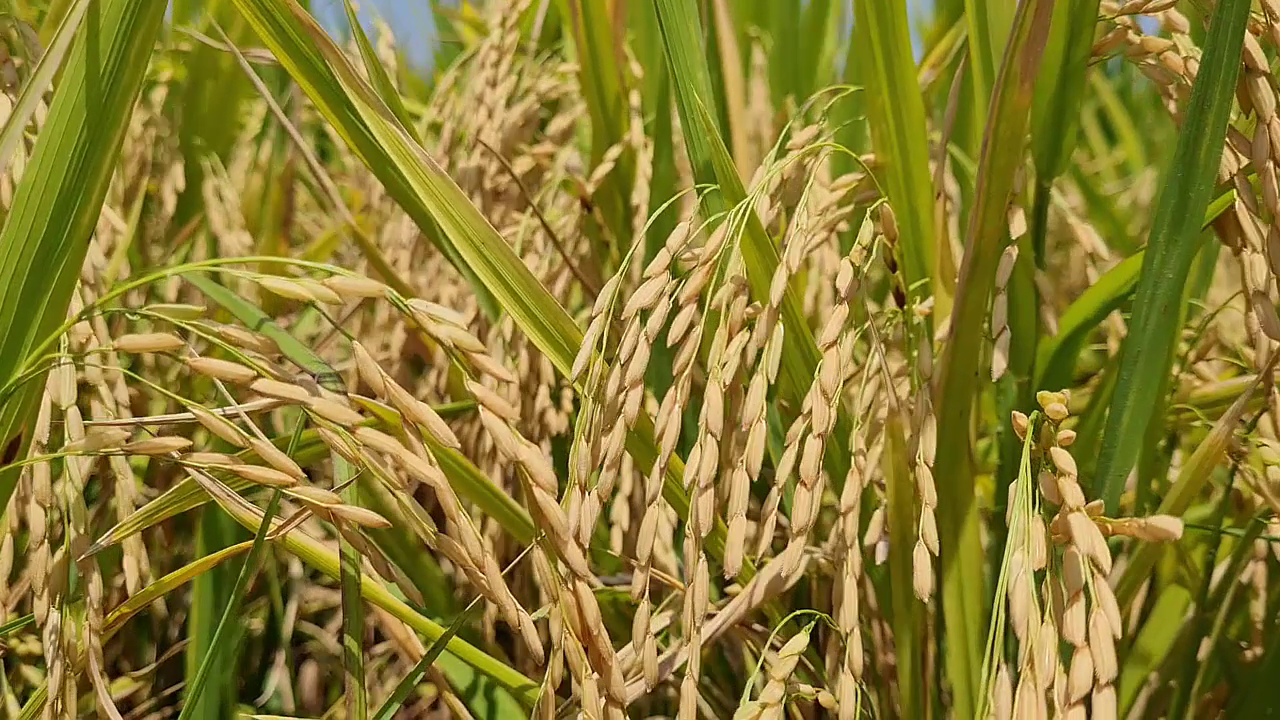
A study of 180 local rice accessions conserved at the Plant Resources Center revealed diversity in subspecies classification and grain quality traits. Within this germplasm collection, researchers identified eight accessions with promising characteristics, including aroma, low amylose content, and low to intermediate gelatinization temperatures, providing additional genetic resources for conservation and the breeding of high-quality rice varieties.
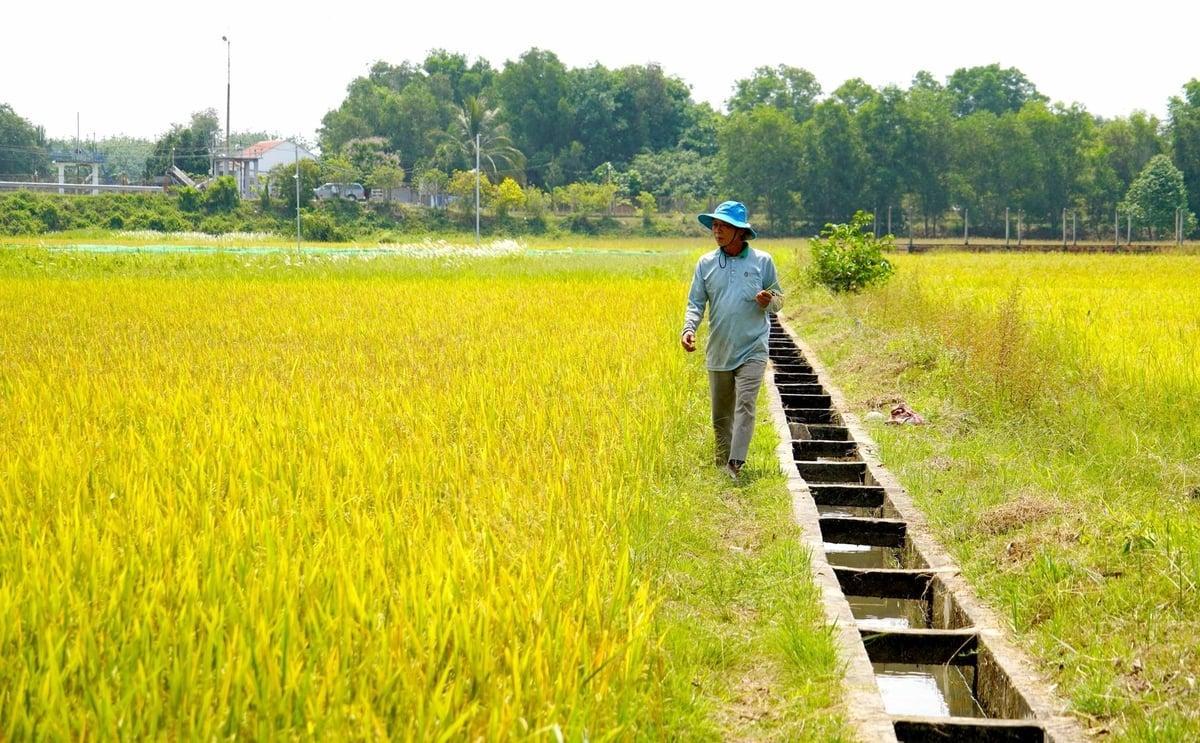
In low-lying areas of the former Cu Chi district, located in northwestern Ho Chi Minh City, seasonal flooding occurs alongside agricultural production and urbanization, creating various pressures on soil quality and its capacity for recovery. A study by Nguyen Thi Oanh, Phan Lieu, Truong Vinh Hai, and Tran Minh Tien found clear differences in soil health among rice cultivation, vegetable farming, and fruit orchards, with distinct patterns of chemical and biological degradation. The integration of multiple indicators through Principal Component Analysis (PCA) not only helped identify these differences but also provided a scientific basis for guiding soil management and restoration measures in peri-urban agricultural wetlands.
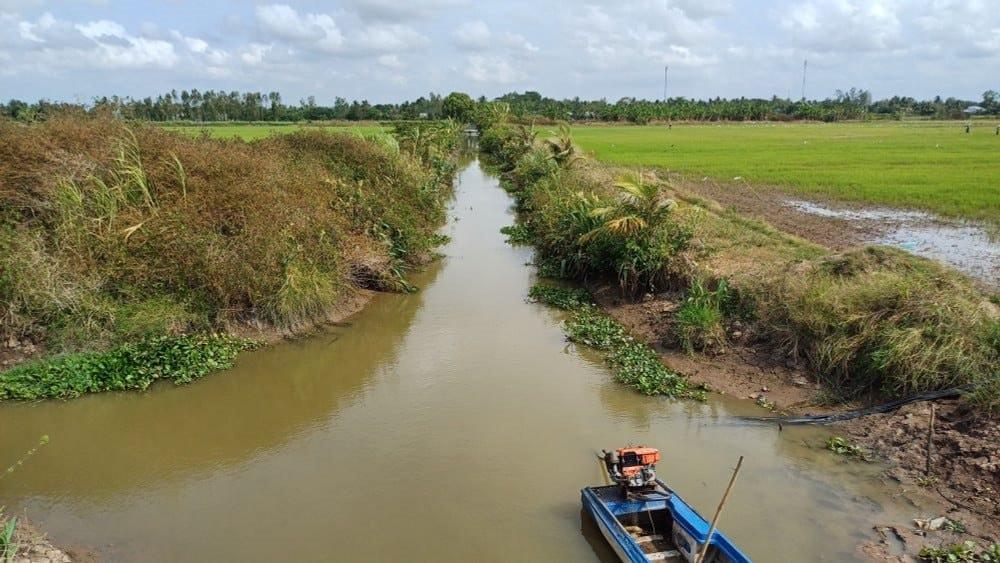
Saline intrusion is posing growing challenges to agricultural production in the lower Hau River region, where agricultural land use is closely linked to water availability. A study conducted in the former Soc Trang province, now part of Can Tho city, assessed saline intrusion risk to agricultural land use in 2024 under the RCP 4.5 and RCP 8.5 climate change scenarios for 2030 and 2050. The results show that the area of rice cultivation affected by higher salinity levels tends to increase, providing an additional scientific basis for land use planning and the selection of appropriate adaptation-oriented farming systems.
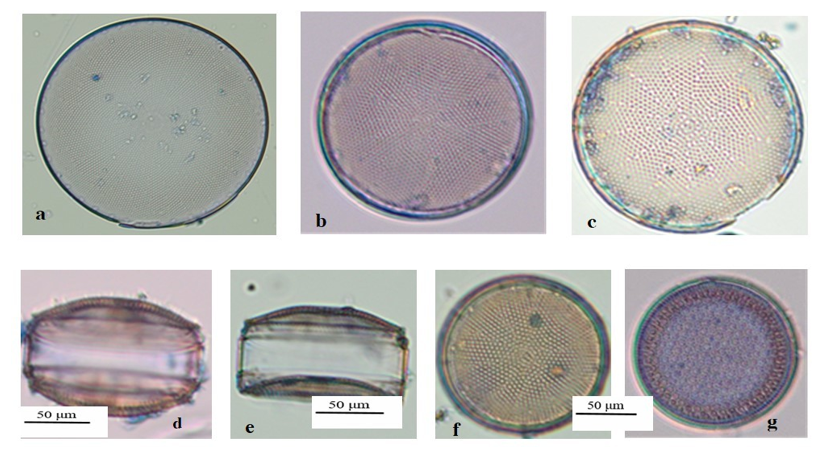
A study of phytoplankton samples collected from various marine areas of Viet Nam between 2015 and 2025 identified 21 species belonging to the genera Coscinodiscus and Coscinodiscopsis. Notably, Coscinodiscus reniformis and Coscinodiscopsis sp. were recorded and described in detail based on their cellular morphological characteristics, providing additional data for the identification and taxonomic classification of these diatom groups in Vietnamese waters.