




 Vegetable production has emerged as one of the fastest-growing sectors of agriculture in Son La province in recent years; however, it continues to face significant challenges related to product quality, food safety, and production efficiency. In this context, greenhouse and net house vegetable cultivation is increasingly viewed as a promising approach to better control growing conditions and enhance value added. The study “Current status and solutions for developing greenhouse and net house vegetable production in Son La province,” conducted by a research team from the Fruit and Vegetable Research Institute and the Vietnam National University of Agriculture, draws directly on on-the-ground production and distribution practices. It provides a relatively comprehensive assessment of the scale, performance, and key challenges associated with this production model across the province.
Vegetable production in Son La: Growth dynamics and emerging requirements
In recent years, vegetable production in Sơn La Province has expanded significantly in both cultivated area and output. According to official statistics, the total vegetable-growing area increased from 9,575 hectares in 2019 to 11,925 hectares in 2023, representing an average annual growth rate of 5.64%. Over the same period, average yields rose from 13.99 tons per hectare to 15.08 tons per hectare, while total output increased from 134,004 tons in 2019 to 179,142 tons in 2023.
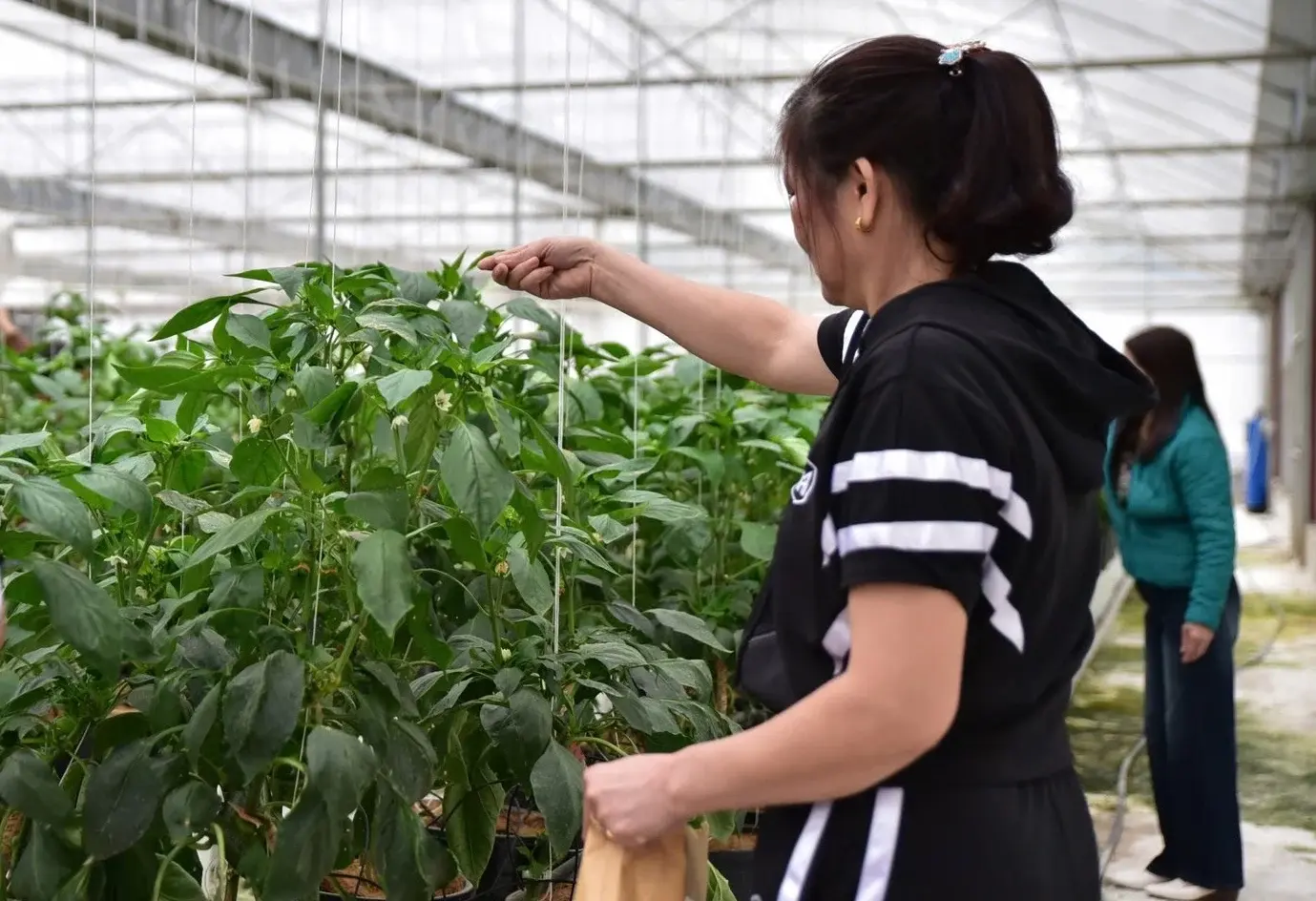
This expansion underscores the increasingly important role of vegetable crops within the province’s agricultural production structure. However, alongside growth in scale, more stringent requirements have emerged with respect to product quality, market responsiveness, and food safety. In practice, vegetable production in many localities remains heavily dependent on weather conditions and traditional farming practices, while the adoption of advanced production protocols remains limited. As a result, producers face heightened risks related to pest and disease pressure, yield instability, and inconsistent product quality.
Against this backdrop, the application of greenhouses and net houses in vegetable production has been identified as a viable pathway to address these constraints. Protective cultivation structures enable producers to better regulate external environmental factors, mitigate adverse weather impacts, reduce pest incidence, and facilitate the adoption of safer and more controlled production practices.
In Son La, greenhouse and net house production models have been introduced in recent years, often in conjunction with investments in water-saving irrigation systems. By 2024, the total area of crops applying water-saving irrigation technologies in the province reached 4,028 hectares. Of this total, greenhouse and net house cultivation accounted for 115.45 hectares, including 95.68 hectares devoted specifically to vegetable production. Nevertheless, relative to the province’s overall vegetable-growing area, this scale remains modest, and the actual effectiveness of these models has not yet been comprehensively assessed in terms of economic performance, product quality, and production organization.
These practical considerations underscore the need for in-depth, field-based research to clarify the current status of greenhouse and net house vegetable production in Sơn La and to identify the key challenges confronting its development.
A research approach grounded in production practices and the value chain
The study “Current status and solutions for developing greenhouse and net house vegetable production in Son La province” was designed to generate empirical evidence to support the assessment of protected vegetable cultivation systems within the province. The research focused on Son La city and the districts of Moc Chau and Van Ho—areas where vegetable production is relatively developed and where greenhouse and net house models have been introduced in recent years.
In terms of survey subjects, the research team interviewed 61 vegetable-producing households, including 25 households cultivating vegetables in greenhouses. In addition, surveys were conducted with five cooperatives involved in vegetable production and distribution, as well as 12 collectors and wholesalers operating within the study areas. Primary data were collected between March and August 2023. The study also drew on secondary data covering the 2020–2024 period from provincial reports and documents related to agricultural production in Son La.
A notable feature of the study is its adoption of a value chain approach. Rather than focusing exclusively on on-farm production, the research examined the entire process from production and aggregation to market distribution. This approach made it possible to clarify the roles of different actors along the chain and to analyze the linkages between production efficiency, product quality, and market requirements.
Based on this framework, the study employed economic statistical analysis, cost–benefit accounting, and selected statistical tests to compare economic performance and product quality across different cultivation systems. The findings not only reflect the current state of greenhouse and net house vegetable production in Son La, but also highlight practical issues that must be addressed in the further development of these production models.
Production scale and investment in greenhouses and net houses
The study findings indicate that greenhouse and net house vegetable production in Son La province has expanded in recent years, although the overall scale remains limited relative to the province’s total vegetable-growing area. By 2024, the total area under greenhouse and net house cultivation reached 115.45 hectares, of which 95.68 hectares were dedicated to vegetable crops. Data from 2020 show that approximately 20.42% of vegetable-growing areas applied water-saving irrigation systems.
During the 2019–2022 period, despite the impacts of the COVID-19 pandemic, the area under greenhouse and net house cultivation increased at an average annual rate of 100.96%. Concurrently, the area of crops equipped with water-saving irrigation systems expanded from 497.9 hectares in 2019 to 927 hectares in 2022, corresponding to an average annual growth rate exceeding 23%. According to the research team, this trend reflects growing interest among producers in cultivation systems that conserve water, reduce dependence on weather conditions, and improve production efficiency.
Household surveys reveal that the average greenhouse area was approximately 1,045 m² per household, while the average net house area reached 1,144.4 m² per household. Production scale varied across study sites. Son La city and Moc Chau district face land constraints, with vegetable-growing land accounting for less than 50% of total agricultural land. In contrast, Van Ho district—designated as a vegetable production zone following its establishment in 2013—records a much higher proportion of vegetable land, representing 77.8% of total agricultural land.
In terms of investment levels, the study classified greenhouses into two categories. Type 1 greenhouses averaged approximately 6,733 m² per household, with an average investment cost of about VND 302,000 per m². The highest investment levels were recorded in Van Ho district (approximately VND 430,000 per m²), while the lowest were observed in Son La city (around VND 256,000 per m²). Type 2 greenhouses averaged around 600 m² per household, with an average investment of approximately VND 219,000 per m²; the highest investment levels were again observed in Van Ho district (around VND 263,000 per m²), and the lowest in Moc Chau district (approximately VND 193,000 per m²).
For net houses, the average area was about 1,084 m² per household, with an average investment cost of roughly VND 145,000 per m². Most net houses were constructed between 2012 and 2016. At the time of the survey, many structures showed signs of deterioration or damage caused by hailstorms and strong winds, negatively affecting their production efficiency.
Economic performance and product quality: Evidence from the data
A central focus of the study was the comparison of economic performance between greenhouse/net house vegetable production and open-field cultivation. The results indicate that greenhouse tomato production delivers particularly strong outcomes. Tomato yields under greenhouse conditions exceeded 116.19 tons per hectare, substantially higher than the approximately 62.82 tons per hectare recorded for open-field cultivation. Tomatoes grown in greenhouses were predominantly F1 hybrid varieties, with a production cycle from planting to harvest of approximately 7–9 months.
Economic performance was assessed through detailed cost–benefit accounting, with depreciation of greenhouse and net house investments calculated using the straight-line method over a 10-year lifespan and included in total production costs. The analysis shows that productivity, revenue, and profit indicators for greenhouse tomato production were all significantly higher than those for open-field production, with statistical significance at the 1% level (99% confidence).
For other crops, such as cabbage and cucumber, the study did not identify statistically significant differences in economic performance between greenhouse and open-field systems. The research team attributes this result primarily to the small sample size of households cultivating these crops in greenhouses (n = 4), which was insufficient to establish statistically robust conclusions.
In addition to economic indicators, the study assessed product quality based on consumer evaluations. Non-parametric Mann–Whitney tests indicate that greenhouse-grown tomatoes were rated higher in quality than open-field tomatoes, with an Asymptotic Significance (p-value) of 0.002 and an Exact Significance (p-value) of 0.02, leading to rejection of the null hypothesis that product quality is equal across cultivation systems.
Similarly, greenhouse-grown cabbage and cucumber were rated more favorably than open-field products, with confidence levels of 99% for cabbage and 95% for cucumber. These findings suggest that, beyond yield and economic returns, greenhouse and net house cultivation has a positive effect on product quality as perceived by the market.
Product distribution and food safety considerations
The study shows that vegetables produced in greenhouses and net houses in Son La are distributed through multiple channels involving producers, cooperatives, collectors, and wholesalers. Between March 2022 and March 2023, the total volume supplied by surveyed households reached nearly 200 tons, primarily consisting of tomatoes, cabbage, cucumber, sweet pepper, and lettuce.
In terms of distribution structure, the most prominent channel was from producers to collectors, accounting for approximately 37.3% of total volume. This was followed by channels involving producers selling to collector–wholesalers, representing about 31.1%. Approximately 25% of output was marketed through cooperatives supplying supermarkets and retail outlets in Hanoi. Local retail markets accounted for around 6.0%, while direct sales from producers to consumers represented only 0.6%.
Overall, approximately 45.84% of total vegetable output was supplied directly to the Hanoi market, while the remaining 54.16% passed through intermediary actors within Son La before being distributed to other markets inside and outside the province. This distribution structure highlights the substantial role of intermediaries within the greenhouse and net house vegetable value chain.
Alongside distribution, the study examined production practices related to food safety. With respect to irrigation water sources, most households relied on groundwater, streams, or ponds and reservoirs; 35.8% of households reported the presence of aquatic animals or livestock in these water sources, indicating potential contamination risks. Among greenhouse and net house producers, 56% reported having water samples tested, compared with only 7.1% among open-field producers.
Regarding fertilizer use, 56% of households applied fertilizers based on personal experience, 28% followed guidance from technical staff, and 16% adhered to instructions provided on product labels. For pesticide application, 60% sprayed when pests were detected, 24% applied pesticides on a fixed schedule, and 16% followed technical guidance. In terms of dosage, 80% complied with label instructions, while 20% followed technical recommendations. During pesticide application, 84% of households reported wearing protective clothing and masks.
At the harvest and post-harvest stages, the study found that 60% of households were required to sort products according to buyer specifications. Approximately 30% of products were sold directly to local collectors without sorting, cleaning, or packaging, while only 4% were sorted and packaged prior to sale. In addition, certain personal hygiene practices during harvesting and packaging—such as handwashing—were not consistently observed. According to the research team, these shortcomings are largely attributable to limited training and insufficient knowledge of food safety practices among producers.
Key issues emerging from the study
Based on survey findings and analysis, the study concludes that greenhouse and net house vegetable production in Son La province has begun to generate higher economic returns for certain crops—most notably tomatoes—while also improving product quality as assessed by consumers. Investment in greenhouses, net houses, and water-saving irrigation systems has increased in recent years, even amid the challenges posed by the COVID-19 pandemic.
However, the study also identifies several persistent constraints. Production remains fragmented and small-scale, with substantial disparities in investment levels across households and localities. Linkages between producers, cooperatives, and other value chain actors remain weak, while intermediaries continue to play a dominant role in product distribution.
Moreover, limitations persist in food safety practices across multiple stages, including irrigation water management, fertilizer and pesticide use, and post-harvest handling. These issues are closely associated with producers’ access to information, technical training, and awareness of food safety requirements.
Building on an analysis of strengths, weaknesses, opportunities, and challenges facing greenhouse and net house vegetable producers, the study proposes a set of solution groups aimed at promoting sustainable development of vegetable production in Son La. These include measures related to science and technology, production organization, market development, finance and credit, as well as institutional and policy frameworks. The proposed solutions are grounded in field-based research findings and reflect the practical challenges currently confronting the development of greenhouse and net house vegetable production in the province.

A scientific study by An Giang University, Vietnam National University, Ho Chi Minh City, and the An Giang Center for Rural Clean Water and Environmental Sanitation has demonstrated the potential of water lettuce (Pistia stratiotes) for treating piggery wastewater under natural conditions. The findings show that treatment performance varies with the initial biomass density and the pollutant being targeted. The approach offers a low-cost, environmentally friendly biological treatment option with potential for application by pig farms and household producers in Viet Nam.
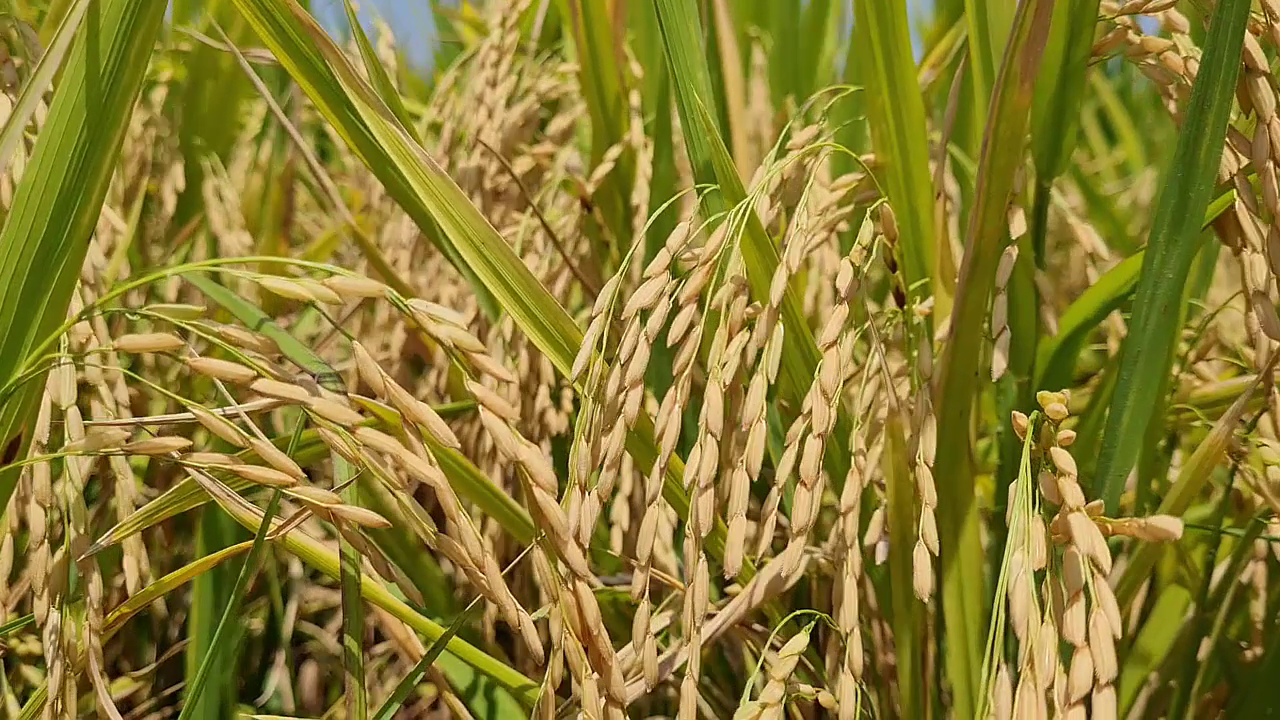
A study of 180 local rice accessions conserved at the Plant Resources Center revealed diversity in subspecies classification and grain quality traits. Within this germplasm collection, researchers identified eight accessions with promising characteristics, including aroma, low amylose content, and low to intermediate gelatinization temperatures, providing additional genetic resources for conservation and the breeding of high-quality rice varieties.
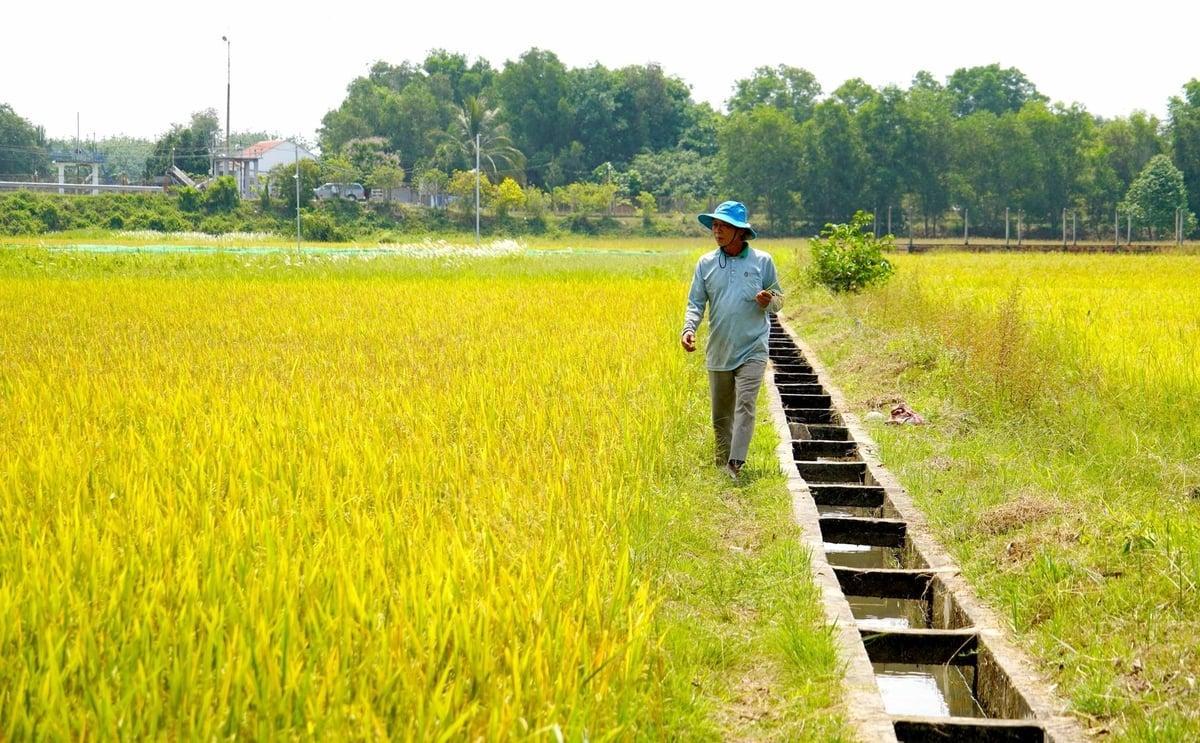
In low-lying areas of the former Cu Chi district, located in northwestern Ho Chi Minh City, seasonal flooding occurs alongside agricultural production and urbanization, creating various pressures on soil quality and its capacity for recovery. A study by Nguyen Thi Oanh, Phan Lieu, Truong Vinh Hai, and Tran Minh Tien found clear differences in soil health among rice cultivation, vegetable farming, and fruit orchards, with distinct patterns of chemical and biological degradation. The integration of multiple indicators through Principal Component Analysis (PCA) not only helped identify these differences but also provided a scientific basis for guiding soil management and restoration measures in peri-urban agricultural wetlands.
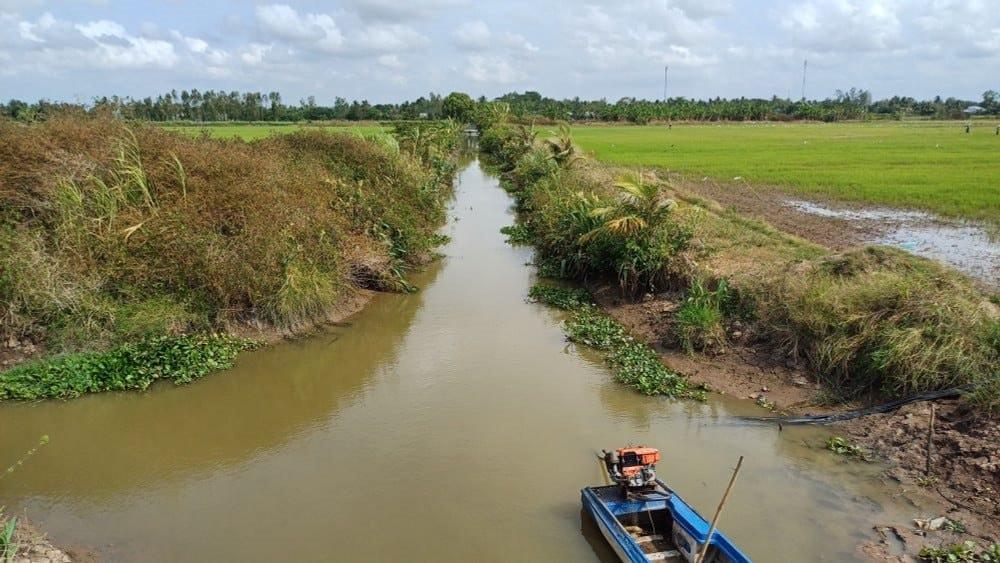
Saline intrusion is posing growing challenges to agricultural production in the lower Hau River region, where agricultural land use is closely linked to water availability. A study conducted in the former Soc Trang province, now part of Can Tho city, assessed saline intrusion risk to agricultural land use in 2024 under the RCP 4.5 and RCP 8.5 climate change scenarios for 2030 and 2050. The results show that the area of rice cultivation affected by higher salinity levels tends to increase, providing an additional scientific basis for land use planning and the selection of appropriate adaptation-oriented farming systems.
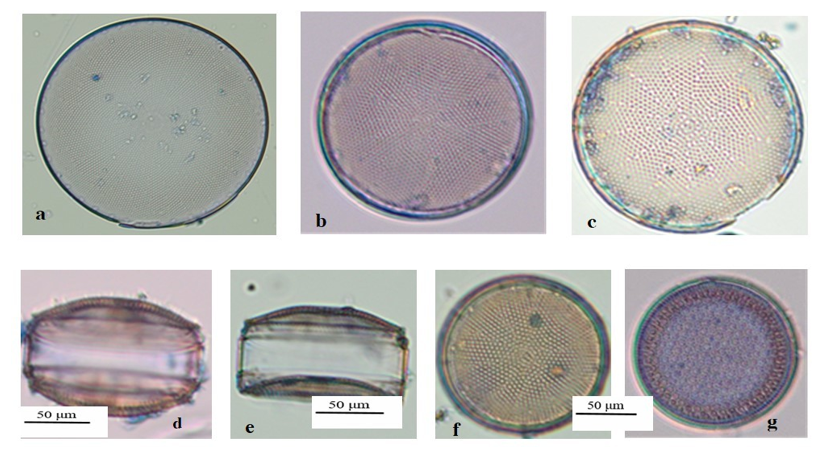
A study of phytoplankton samples collected from various marine areas of Viet Nam between 2015 and 2025 identified 21 species belonging to the genera Coscinodiscus and Coscinodiscopsis. Notably, Coscinodiscus reniformis and Coscinodiscopsis sp. were recorded and described in detail based on their cellular morphological characteristics, providing additional data for the identification and taxonomic classification of these diatom groups in Vietnamese waters.