




 The emergence of recombinant African swine fever virus (ASFV) strains derived from genotypes I and II (rASFV I/II) poses a new challenge to the effectiveness of currently available vaccines in Viet Nam. A preliminary study conducted in experimental pigs by Nguyen Van Diep, Nguyen Van Duc, Vu Xuan Dang, Nguyen Thi Ngoc, Do Phuc Tue, Tran Ngoc Tiep (AVAC Vietnam Joint Stock Company), and Pham Ngoc Doanh (Institute of Biology, Vietnam Academy of Science and Technology) shows that the AVAC ASF LIVE vaccine confers cross-protective efficacy against this strain, with outcomes influenced by vaccination regimen and challenge dose.
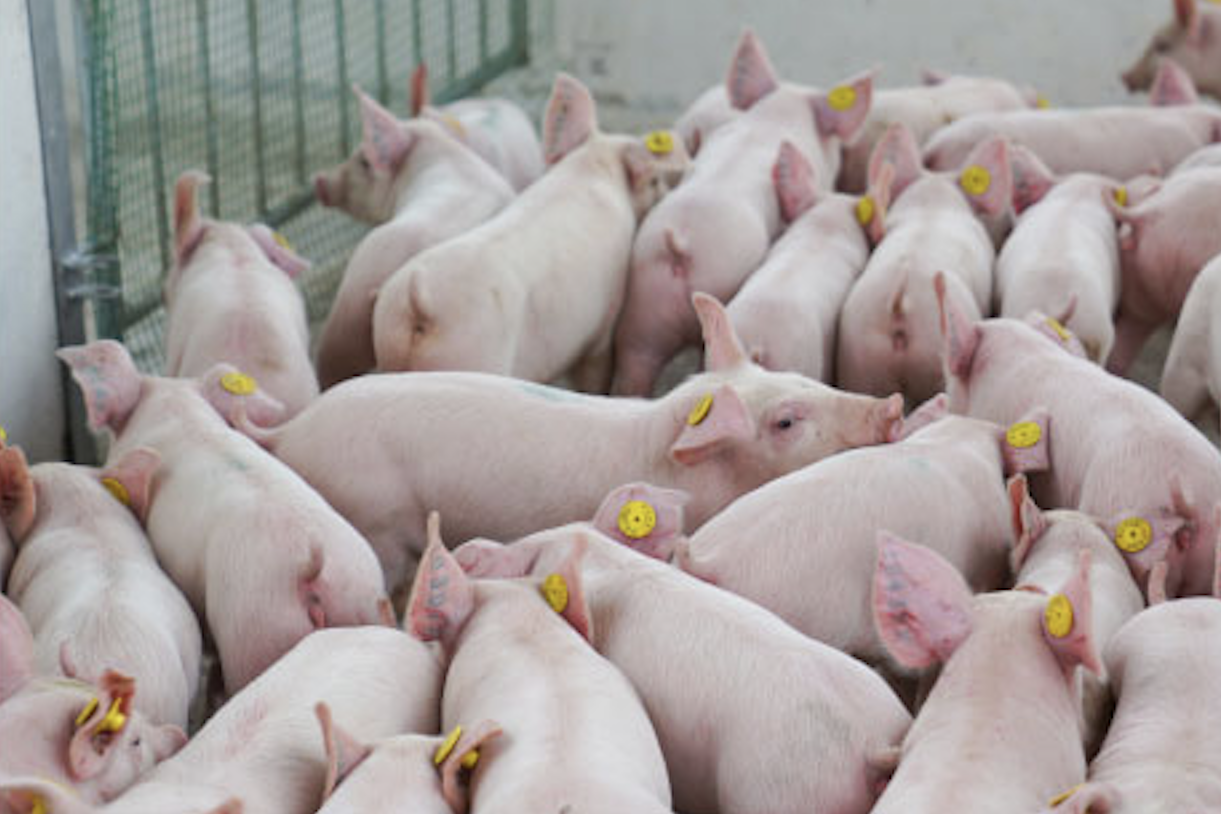
Challenges posed by recombinant ASFV strains
African swine fever (ASF), caused by African swine fever virus (ASFV), continues to pose a persistent threat to the pig production sector globally, including in Vietnam. Since 2019, outbreaks in Viet Nam have been predominantly associated with genotype II strains, which serve as the basis for the development of commercially available live attenuated vaccines such as AVAC ASF LIVE, NAVET-ASFVAC, and DACOVAC-ASF2.
However, since 2023, recombinant ASFV strains between genotype I and II (rASFV I/II) have been detected in domestic pig populations. These strains exhibit hybrid genomic characteristics, comprising approximately 44% genotype I and 56% genotype II genetic material, including several genes associated with virulence and immunogenicity derived from genotype II.
The emergence of rASFV I/II poses a direct challenge to existing vaccines developed from genotype II strains. Previous data indicate that protective efficacy may be significantly reduced when pigs are challenged with high doses of recombinant virus. This raises concerns regarding vaccine performance under conditions of ongoing viral evolution.
At the same time, previous studies have documented cross-protection between ASFV genotypes, particularly between genotype I and II. This underscores the need for further evaluation under conditions that approximate field exposure.
A key question is whether genotype II-based vaccines can provide protection against rASFV I/II under different challenge conditions, particularly at low challenge doses commonly encountered in field settings. In addition, the role of booster vaccination in enhancing protective efficacy remains to be clarified.
Study design reflecting field-relevant conditions
To address these questions, the study was designed to evaluate not only whether protection occurs, but also under which conditions protection is achieved.
A total of 26 healthy five-week-old three-way crossbred pigs (Yorkshire × Landrace × Duroc), confirmed negative for ASFV, PRRSV, PCV2, CSFV, and FMDV, were included. Prior to the experiment, pigs were acclimatized for 5–7 days, with baseline rectal temperature monitoring and individual identification to ensure strict control of each animal.
Two independent experiments were conducted corresponding to two vaccination regimens. In the first experiment, pigs received a single dose of AVAC ASF LIVE (2 mL per animal, containing >10³·⁵ HAD₅₀ of vaccine virus) and were challenged at 28 days post-vaccination. In the second experiment, pigs received two doses administered 21 days apart and were challenged at 49 days after the first vaccination.
A key feature of the study design was the use of multiple challenge doses (10, 20, 100, and 200 HAD₅₀) to simulate a range of viral exposure levels from low to high. The challenge virus was rASFV I/II-avac02, isolated from an outbreak in Vinh Phuc Province in 2023 and deposited in GenBank (PQ010732).
All evaluation parameters were comprehensively monitored over a 21-day post-challenge period, including rectal temperature, clinical signs (feed intake and activity), mortality rate and time to death. These assessments were complemented by detection of viremia by real-time PCR and measurement of antibody responses by ELISA at multiple time points.
This design not only enables comparison of vaccine efficacy between the two vaccination regimens, but also clarifies the relationship between challenge dose and vaccine-induced protective efficacy, an important factor when interpreting outcomes under diverse field exposure conditions.
Post-vaccination immune responses
One of the key indicators for evaluating vaccine performance is its ability to induce an immune response, particularly antibody production. The study results show that both vaccination regimens induced a clear humoral immune response in experimental pigs.
Under the single-dose regimen, ASFV-specific antibodies were not detected at 7 days post-vaccination. However, by day 14, all pigs (10/10) were seropositive, corresponding to a 100% response rate. Antibody levels continued to increase over time, with S/P ratios rising from 0.84 ± 0.21 at day 14 to 1.14 ± 0.12 at day 28.
A similar pattern was observed under the two-dose regimen. Following the first dose, antibodies were detected at day 14 with 100% seropositivity and remained stable through day 21. After the booster dose (administered 21 days after the first dose), antibody responses remained at 100% through day 49 (28 days after the second dose), with S/P ratios increasing from 0.92 ± 0.14 to 1.23 ± 0.19.
In contrast, all pigs in the control group remained seronegative at all sampling time points.
These results indicate that the AVAC ASF LIVE vaccine induces a consistent humoral immune response, providing a basis for evaluating protective efficacy upon challenge.
Protective efficacy varies with challenge dose
While immune responses indicate readiness, protective efficacy is most clearly demonstrated following challenge with the virus.
All unvaccinated control pigs developed typical clinical signs after challenge, including high fever (>40.5°C), reduced feed intake, and decreased activity, and all died at every challenge dose. Time to death ranged from 7–9 days at higher challenge doses (100–200 HAD₅₀) and from 9–19 days at lower doses (10–20 HAD₅₀).
In contrast, in vaccinated groups, protective efficacy varied depending on the challenge dose.
At low challenge doses (10–20 HAD₅₀), the vaccine provided complete protection. Specifically, under the single-dose regimen with a challenge dose of 10 HAD₅₀, all pigs (5/5) survived (100%) without significant clinical signs; only mild and transient fever and reduced feed intake were observed in some animals. Similarly, under the two-dose regimen with a challenge dose of 20 HAD₅₀, all pigs (3/3) remained clinically healthy throughout the 21-day observation period.
However, as the challenge dose increased, protective efficacy declined. Under the single-dose regimen at 100 HAD₅₀, only 2/5 pigs survived (40.0%). Under the two-dose regimen at 200 HAD₅₀, survival reached 66.7% (2/3 pigs), while one pig developed clinical signs and died on day 14 post-challenge.
This pattern was consistent with virological findings. No viremia was detected in groups with complete protection at low challenge doses. In contrast, viremia was detected in some animals at higher challenge doses, particularly in those with severe disease and mortality.
These observations indicate that protective efficacy is not absolute but depends on challenge dose. At low challenge doses, the vaccine effectively controls viral replication; at higher doses, protective efficacy is reduced.
Booster vaccination enhances protective efficacy
A notable finding of the study is the difference between vaccination regimens, highlighting the role of booster vaccination in enhancing protective efficacy.
Under comparable challenge conditions with the rASFV I/II strain, the two-dose regimen produced more favorable outcomes than the single-dose regimen. This is reflected in higher survival rates after the 21-day observation period: at high challenge doses, the two-dose regimen achieved 66.7% survival, whereas the single-dose regimen achieved 40.0% survival.
Differences were also observed in disease progression and viremia. In the two-dose regimen, surviving pigs generally showed no detectable viremia and maintained stable clinical status. In contrast, viremia was detected in some pigs under the single-dose regimen, particularly in those with severe disease and mortality.
These findings indicate that booster vaccination enhances immune responses and improves control of viral replication under higher challenge pressure.
However, protective efficacy was not absolute. Even under the two-dose regimen, clinical signs and mortality were observed at higher challenge doses, indicating that vaccine performance remains influenced by challenge dose.
The study also acknowledges several limitations, including the relatively small sample size, evaluation of a single recombinant strain, and incomplete representation of natural transmission pathways. These limitations highlight the need for further studies under more diverse and field-relevant conditions.
Implications for ASF vaccine performance under evolving epidemiology
The results of this study provide additional experimental evidence on the cross-protective efficacy of the AVAC ASF LIVE vaccine against the recombinant rASFV I/II strain under experimental conditions.
Importantly, the findings show that protective efficacy is not a fixed value but varies depending on challenge dose and vaccination regimen. The observation of complete protection at low challenge doses (10–20 HAD₅₀) and reduced efficacy at higher doses (100–200 HAD₅₀) clarifies the relationship between challenge dose and vaccine-induced protection.
In addition, the difference between single-dose and two-dose regimens provides further basis for investigating the role of booster vaccination in enhancing protective efficacy, particularly under conditions of higher exposure risk.
As noted by the authors, these results are preliminary, given the limited sample size and scope of evaluation. Further studies with larger-scale and more diverse designs are needed to validate and expand these findings under field conditions.

A scientific study by An Giang University, Vietnam National University, Ho Chi Minh City, and the An Giang Center for Rural Clean Water and Environmental Sanitation has demonstrated the potential of water lettuce (Pistia stratiotes) for treating piggery wastewater under natural conditions. The findings show that treatment performance varies with the initial biomass density and the pollutant being targeted. The approach offers a low-cost, environmentally friendly biological treatment option with potential for application by pig farms and household producers in Viet Nam.
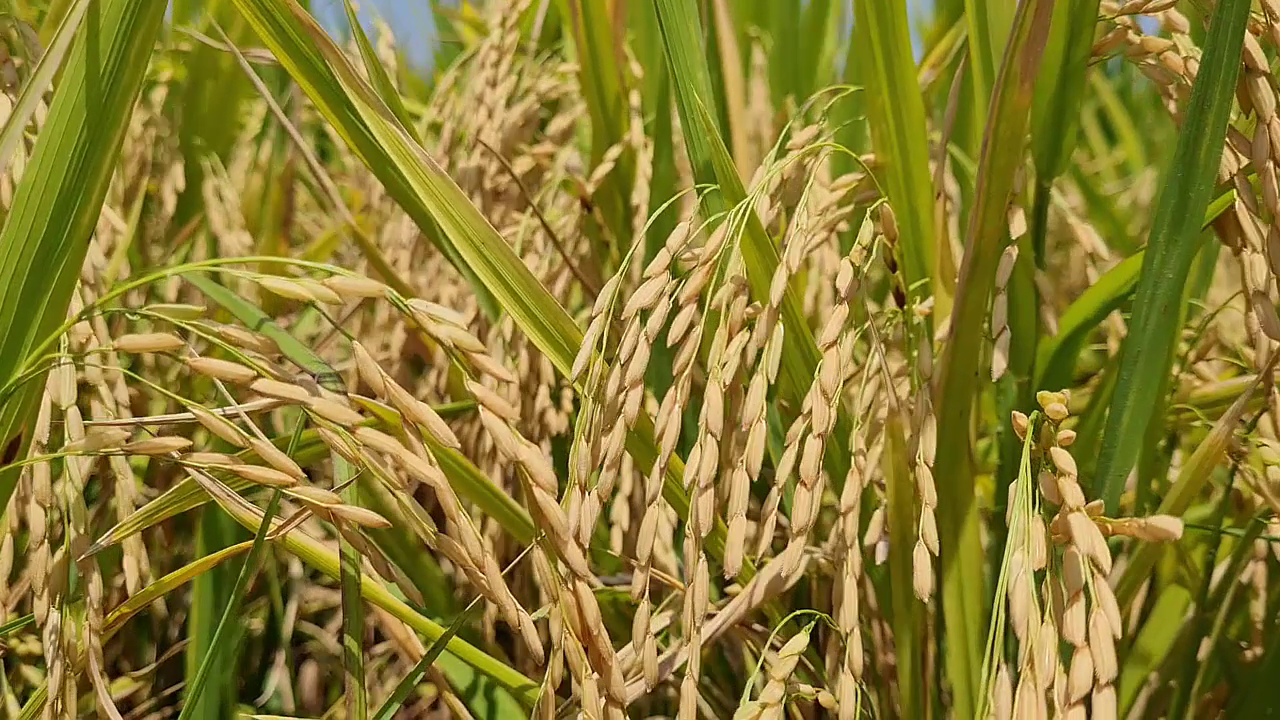
A study of 180 local rice accessions conserved at the Plant Resources Center revealed diversity in subspecies classification and grain quality traits. Within this germplasm collection, researchers identified eight accessions with promising characteristics, including aroma, low amylose content, and low to intermediate gelatinization temperatures, providing additional genetic resources for conservation and the breeding of high-quality rice varieties.
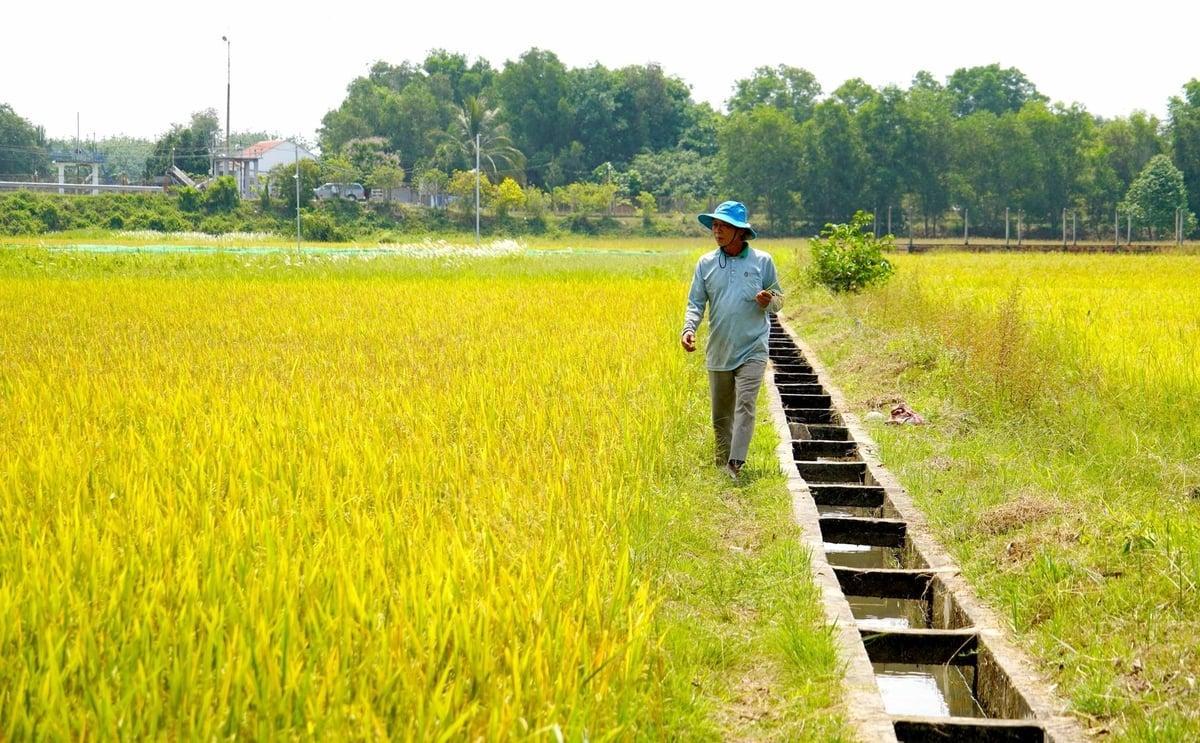
In low-lying areas of the former Cu Chi district, located in northwestern Ho Chi Minh City, seasonal flooding occurs alongside agricultural production and urbanization, creating various pressures on soil quality and its capacity for recovery. A study by Nguyen Thi Oanh, Phan Lieu, Truong Vinh Hai, and Tran Minh Tien found clear differences in soil health among rice cultivation, vegetable farming, and fruit orchards, with distinct patterns of chemical and biological degradation. The integration of multiple indicators through Principal Component Analysis (PCA) not only helped identify these differences but also provided a scientific basis for guiding soil management and restoration measures in peri-urban agricultural wetlands.
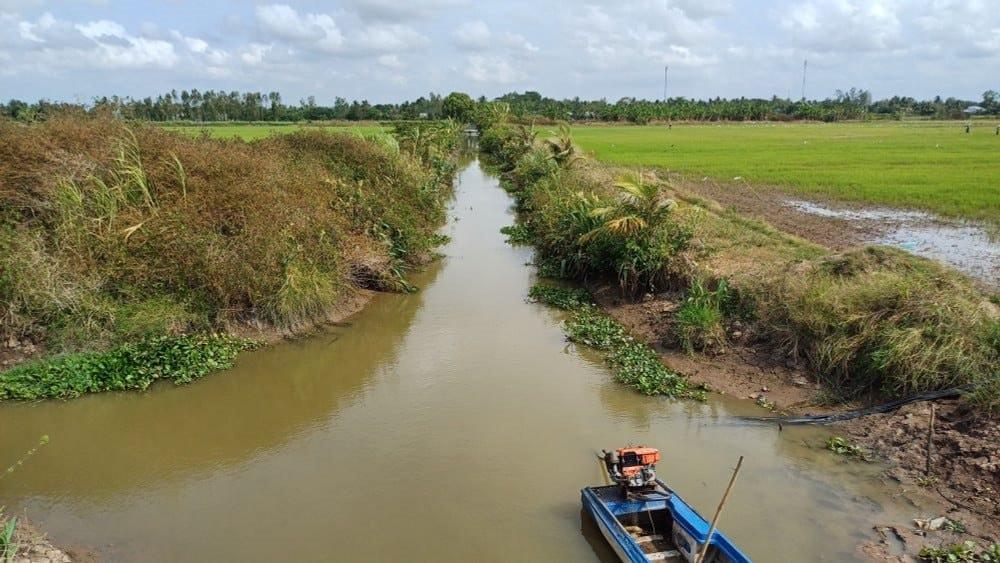
Saline intrusion is posing growing challenges to agricultural production in the lower Hau River region, where agricultural land use is closely linked to water availability. A study conducted in the former Soc Trang province, now part of Can Tho city, assessed saline intrusion risk to agricultural land use in 2024 under the RCP 4.5 and RCP 8.5 climate change scenarios for 2030 and 2050. The results show that the area of rice cultivation affected by higher salinity levels tends to increase, providing an additional scientific basis for land use planning and the selection of appropriate adaptation-oriented farming systems.
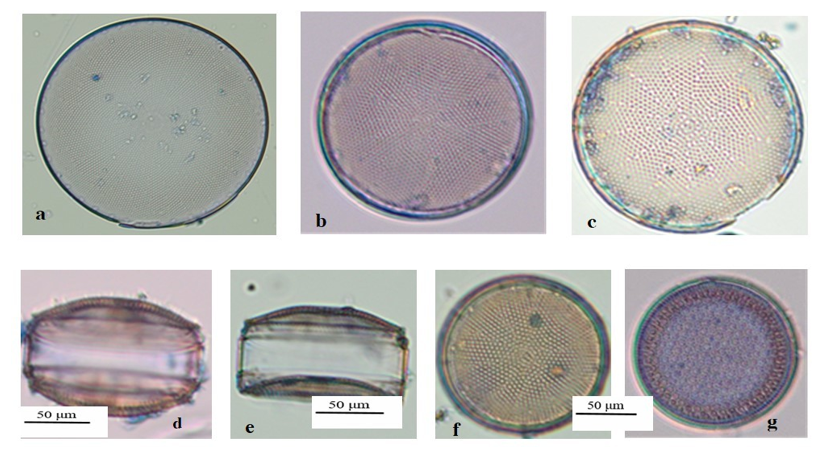
A study of phytoplankton samples collected from various marine areas of Viet Nam between 2015 and 2025 identified 21 species belonging to the genera Coscinodiscus and Coscinodiscopsis. Notably, Coscinodiscus reniformis and Coscinodiscopsis sp. were recorded and described in detail based on their cellular morphological characteristics, providing additional data for the identification and taxonomic classification of these diatom groups in Vietnamese waters.