



 Amid accelerating climate change and increasingly unpredictable natural hazards, Viet Nam’s hydro-meteorological forecasting is entering a period of transformation unprecedented in both scale and pace. Moving beyond traditional methods, the sector is transitioning decisively into the era of artificial intelligence (AI), big data, and comprehensive digital transformation. With coordinated investments in high-performance computing, modernization of the national observation network, and the integration of deep-learning algorithms into forecasting workflows, the hydro-meteorological service is becoming an intelligent “national sentinel,” helping protect lives and property while laying the foundation for sustainable development in the digital age.

AI and digital transformation as drivers of forecasting modernization
In the context of the Fourth Industrial Revolution, science and technology, artificial intelligence, and digital transformation have evolved from supplementary tools into core foundations of modern hydro-meteorological (M/H) forecasting.
Globally, advances in high-performance computing (HPC), high-resolution numerical weather prediction (NWP), and deep learning are reshaping contemporary forecasting techniques. Leading centers such as ECMWF, NOAA, and the UK Met Office have incorporated AI to reduce systematic model errors, support ultra-short-term nowcasting, and expand impact-based forecasting capabilities.
At the same time, the open-data movement led by the World Meteorological Organization (WMO) has fostered broader knowledge-sharing and improved access to global climate, satellite, and model datasets—resources essential for countries like Vietnam as they develop modern forecasting systems.
For Viet Nam—a country highly exposed to climate impacts—the shift is even more urgent. More frequent extreme storms, intense rainfall, flash floods, and landslides demand a fundamental transition: from phenomenon-based to impact-based forecasting, and from qualitative to quantitative forecasting that is more detailed, timely, and extended in lead time.
Technological breakthroughs enhancing forecasting capabilities
A landmark achievement in Viet Nam’s modernization efforts was the deployment of the Cray XC40 supercomputer. With nearly 80 TFLOPS of computing power, it enables 3-kilometer resolution forecasts over the entire country and the East Sea within 30–40 minutes—placing Viet Nam among regional leaders in computational forecasting capacity.
In parallel, more than 3,200 automatic rain gauges, 10 modernized weather radars, and an upgraded lightning-detection network now generate 1 km × 1 km resolution datasets updated hourly—high-value inputs for next-generation prediction models.
During historic flood events—such as those in Central Viet Nam in October 2020 and the extreme rainfall episode in September 2024—the upgraded forecasting system produced rapid 3-kilometer quantitative precipitation updates, enabling early warnings of flash floods and landslides down to the commune level. These improvements helped save thousands of lives and significantly reduce economic losses. Recognition by the WMO as a Regional Support Center (SWFP-SeA, SeAFFGS) has further strengthened Viet Nam’s access to global standards and advanced disaster-warning technologies.
AI applications in Viet Nam’s hydro-meteorological operations are expanding rapidly, including:
- Tropical cyclone and vortex identification from satellite imagery
- Deep-learning-based ultra-short-term rainfall nowcasting
- Model bias correction using artificial neural networks
- Convective cloud detection with Himawari-8 imagery to improve tropical-cyclone intensity forecasts
The introduction of SmartMet in 2019 replaced manual analytical workflows, enabling synchronized data exchange between central and provincial forecasting centers, enhanced product visualization, and reduced bulletin issuance time from several hours to under an hour.
In addition, ensemble forecasting systems—with 32 short-range members and 51 medium-range members—now provide probabilistic quantitative precipitation forecasts for more than 3,000 communes, improving the effectiveness of community-level disaster preparedness.
Despite these advances, significant challenges remain. AI-dedicated computing infrastructure (GPU clusters, big-data storage) remains inadequate for training large deep-learning models; interdisciplinary expertise in AI, meteorology, hydrology, and data science is still limited; and legal frameworks, data-sharing mechanisms, and investment resources remain insufficient. Heavy reliance on foreign datasets and software also constrains technological autonomy. These constraints hinder the operational uptake of research innovations at a time when society’s need for precise, timely forecasting is increasing.
To ensure that AI and digital transformation become strategic pillars of the forecasting system, the National Hydro-Meteorological Agency has identified five key priorities:
- Position AI as a core instrument for climate-change adaptation, aligned with the National Climate Change Strategy to 2050 and Resolution No. 57-NQ/TW (2024) on science, technology, innovation, and national digital transformation.
- Invest heavily in digital infrastructure, particularly HPC systems, GPU clusters, and open-data platforms.
- Standardize, digitize, and integrate datasets across observation, hydrology, remote sensing, and socio-economic information systems.
- Develop interdisciplinary human resources skilled in AI, climate science, data science, and risk-management methodologies.
- Strengthen international cooperation, including participation in Climate Change AI, the WMO AI Task Team, and bilateral partnerships with ECMWF, the UK Met Office, DeepMind, and other leading research institutions.
Digital-transformation outcomes achieved thus far include:
- GIS-based seasonal rainfall maps updated monthly, supporting regional and temporal assessments of rainfall, drought, and water scarcity
- Hydrological modeling for streamflow forecasting and reservoir water-level simulation, improving operational safety for hydropower and irrigation systems
- Big-data-based drought trend analysis and drought-risk mapping
- Development of water-resource scenarios based on rainfall, streamflow, and water-demand trends to support planning for domestic use, agriculture, and hydropower
- Real-time visual warning systems, quantitative rainfall maps, and drought-risk products have enabled provincial authorities, disaster-management agencies, and local communities to take more proactive preparedness actions.
International cooperation as a catalyst for advancement
Viet Nam is an active member of WMO-coordinated regional initiatives such as SWFP and FFGS, contributing data and receiving technical assistance and expert training. Maintaining these commitments, however, requires stable financial and human-resource investment, while public-private partnerships and broader mobilization of resources within the sector remain limited.
Looking forward, Viet Nam plans to establish a Climate–Meteorology Innovation Center to promote public-private collaboration, connect research institutes with technology enterprises and international organizations, and accelerate the adoption of AI and next-generation climate-modeling technologies.
Forecasting in service of sustainable development and public well-being
The future of Viet Nam’s hydro-meteorological forecasting lies not only in the accuracy of its models but also in its ability to support people, communities, and economic activities. Each forecast must serve as an “intelligent service product” linked to real-world decisions—crop scheduling, urban planning, reservoir operations, tourism management, transportation, and energy planning.
With robust AI deployment, comprehensive digital transformation, open-data sharing, and strengthened human-resource capacity, Vietnam can position itself as a regional leader in modern hydro-meteorological forecasting—contributing to environmental security, disaster-risk reduction, and sustainable national development.
Technology, artificial intelligence, and digital transformation are reshaping the entire hydro-meteorological landscape. With strategic vision, focused investments, and strengthened international partnerships, the sector is poised to become an intelligent forecasting platform supporting a green, safe, and sustainable Vietnam in the twenty-first century.
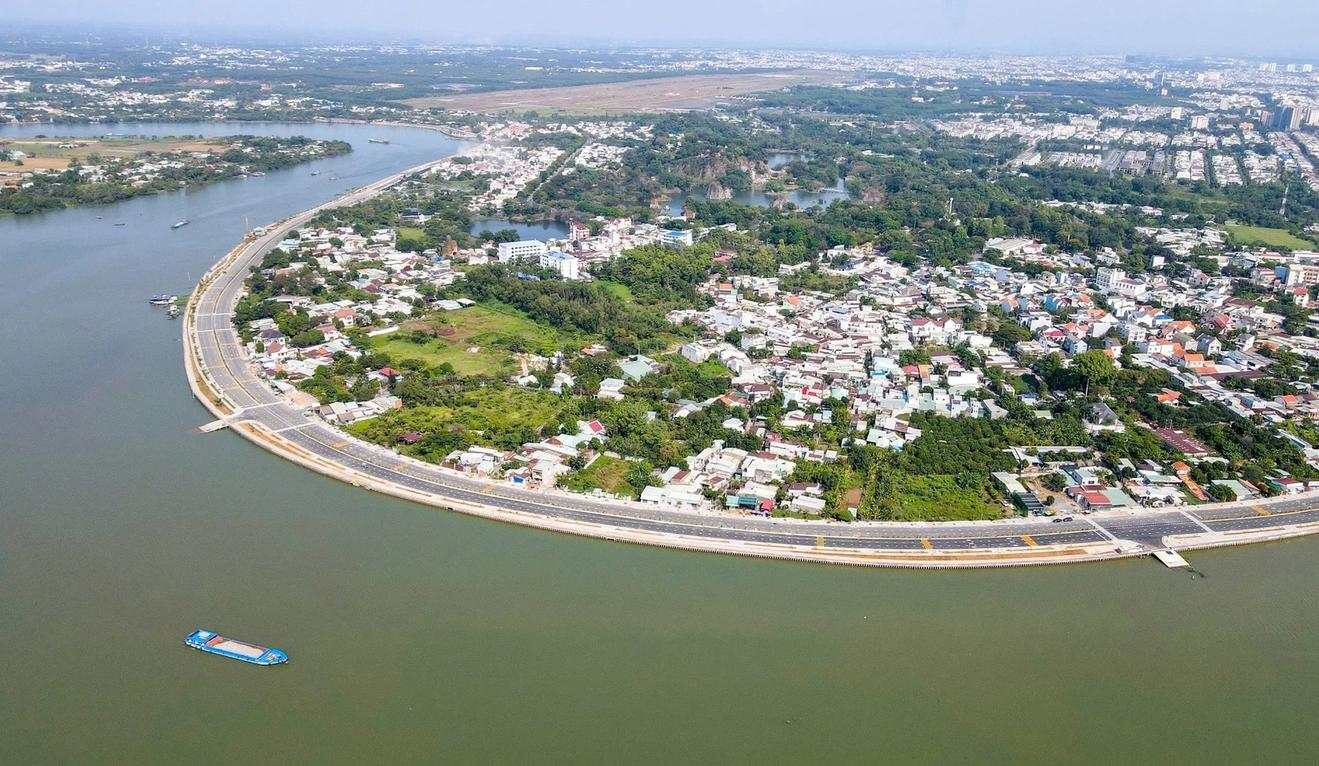
By integrating Landsat 8 satellite imagery with the NDVI, LST, and VTCI indices on the Google Earth Engine platform, researchers from the Southern Institute of Water Resources Planning have developed an agricultural drought-zoning map for the Dong Nai River Basin for 2014–2024. Comparisons with reference drought indices and field survey findings suggest that the approach has potential for identifying drought-prone areas, particularly agricultural areas outside the service areas of irrigation infrastructure.
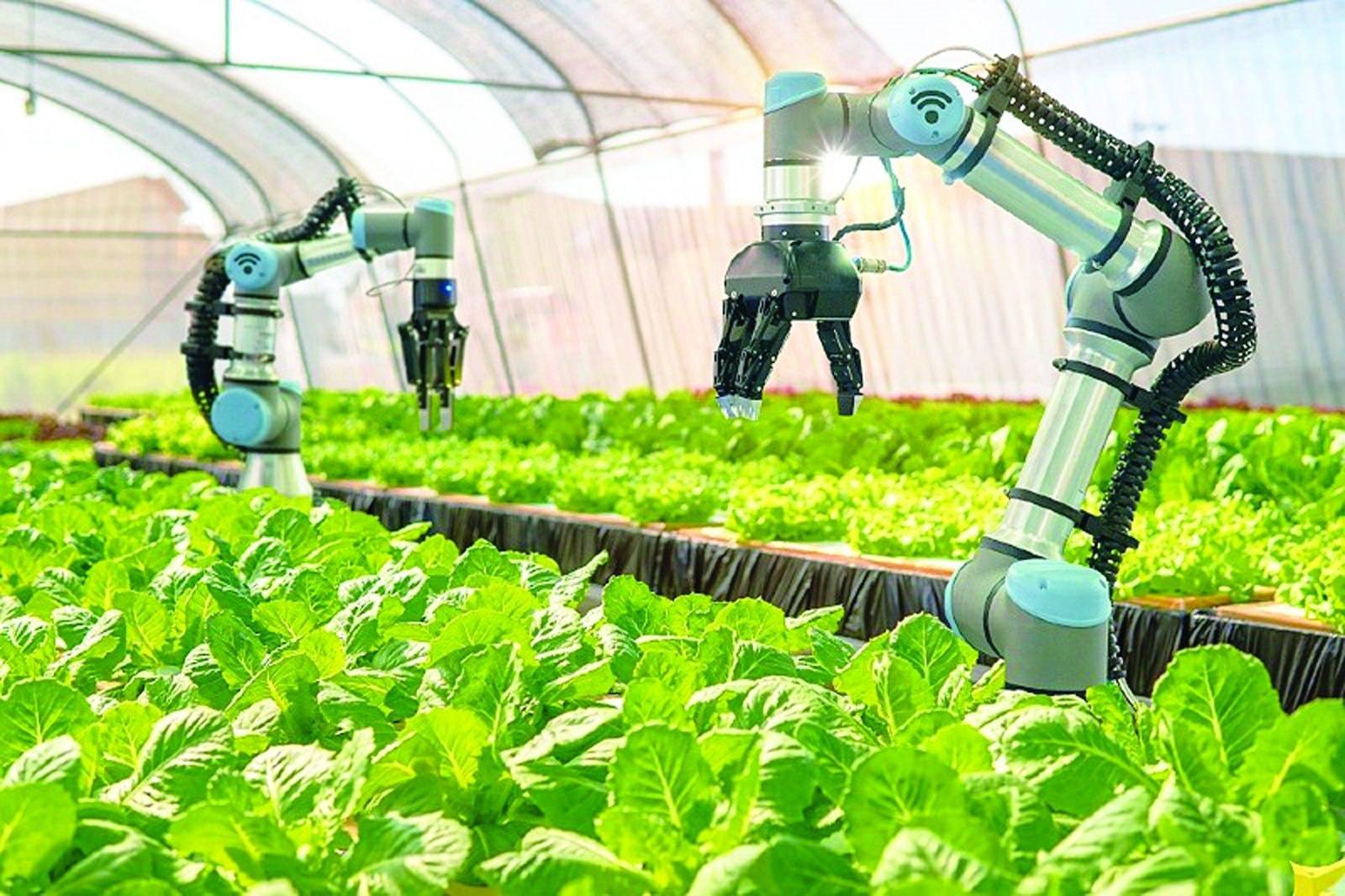
Selecting technologies suited to specific agroecological zones and producers’ capacity is an approach proposed by Nguyen Trong Tuan Anh, MSc, to strengthen agricultural resilience, improve resource-use efficiency, and advance green and circular production.
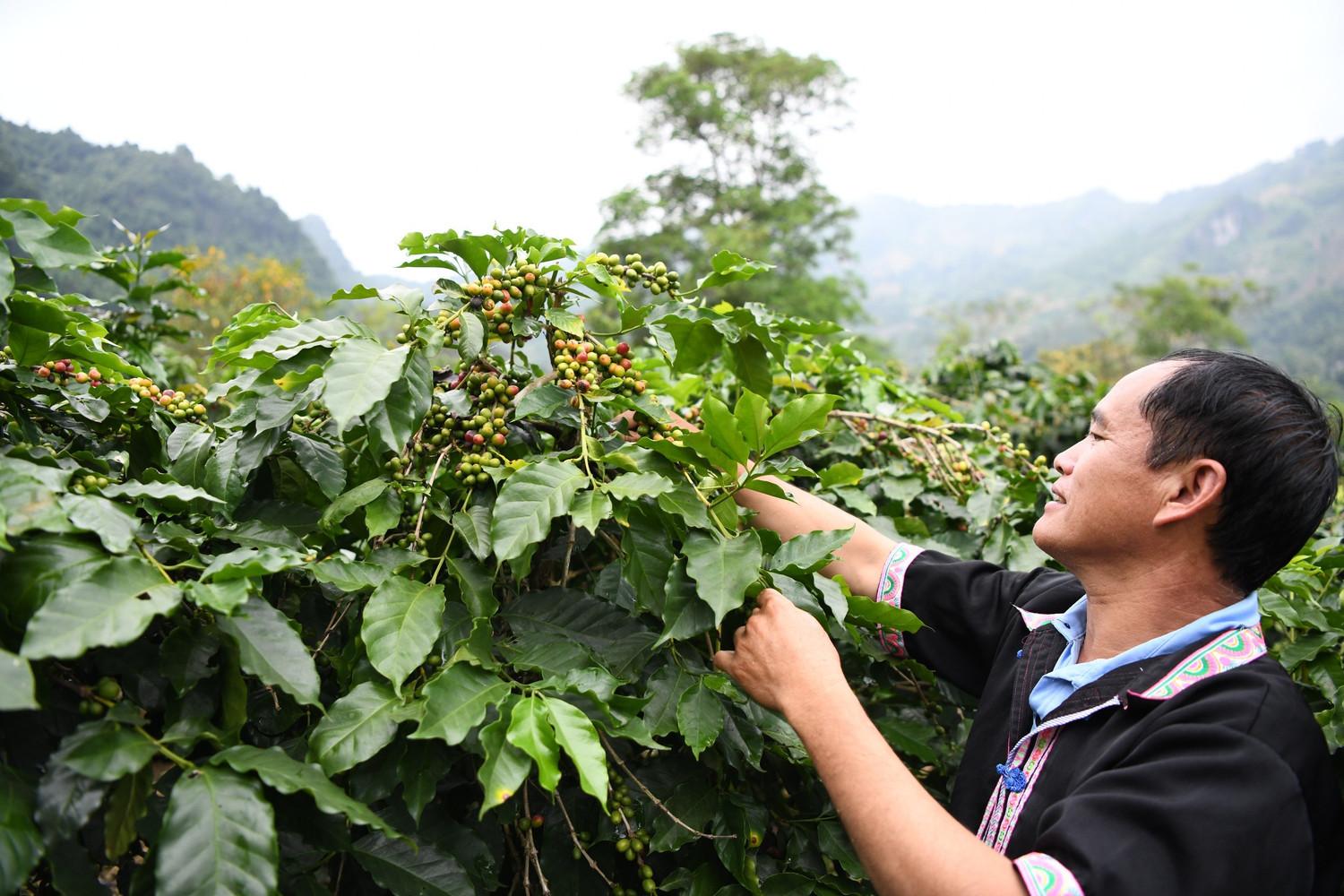
Using remote sensing data, geographic information systems (GIS), and the Analytic Hierarchy Process (AHP), Vietnamese scientists have developed a map of the potential for Arabica coffee cultivation on sloping land in Dien Bien Province. The findings identify areas with suitable natural conditions and provide a scientific basis for cultivation-zone planning, crop restructuring, and more efficient use of land and water resources in a mountainous province in northwestern Viet Nam.
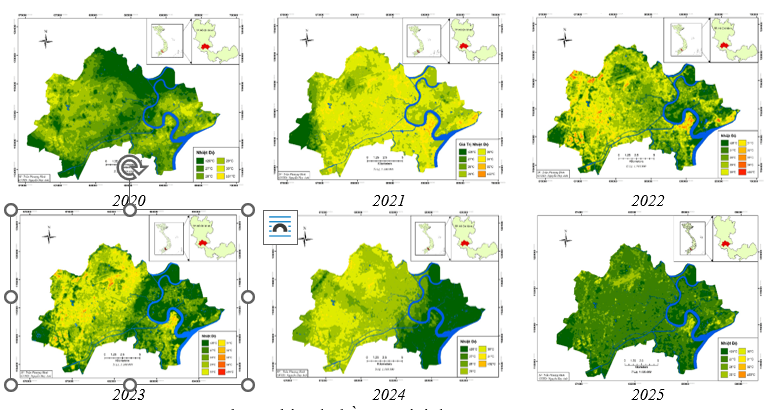
Against the backdrop of climate change and rapid urbanization, land surface temperature (LST) in major cities tends to increase, thereby intensifying the urban heat island (UHI) effect. A study by Tran Van Trong, Nguyen Huy Anh, Tran Phuong Binh, and Bach Van Luong of Ho Chi Minh City University of Natural Resources and Environment aims to develop a workflow for monitoring and assessing LST variation in Ho Chi Minh City during 2020–2025 through the integration of remote sensing data and geographic information systems (GIS).
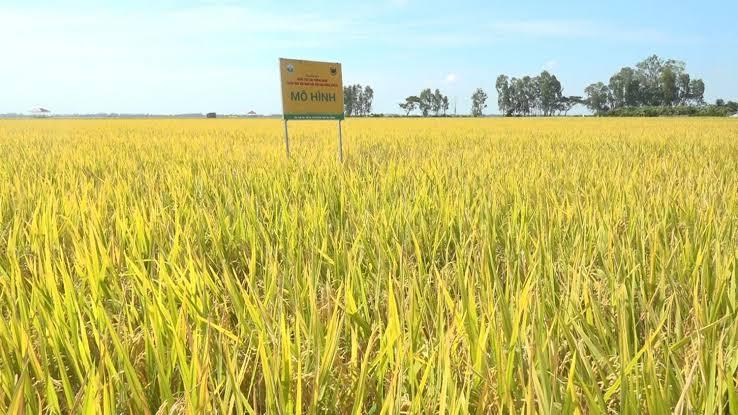
Whether rice paddy fields are inundated or dry produces distinct signatures in radar imagery. Building on this characteristic, researchers from the Southern Institute of Water Resources Research and the Vietnam National Space Center, Viet Nam Academy of Science and Technology, tested a method for detecting inundation in rice paddy fields in An Giang Province, providing an additional source of data for monitoring water regimes and estimating methane emissions from rice cultivation.