



 Against the backdrop of air pollution continuing to pose significant challenges to sustainable development, Viet Nam has made notable progress in strengthening its legal framework amid a broader process of institutional consolidation during the 2024–2025 period. Research conducted by a team from Can Tho University indicates that the current focus of air quality governance in Viet Nam is shifting from institutional development toward strengthening implementation and enforcement capacity, with growing demands for monitoring capability, cross-sector coordination, and the effective application of economic instruments for emissions control.
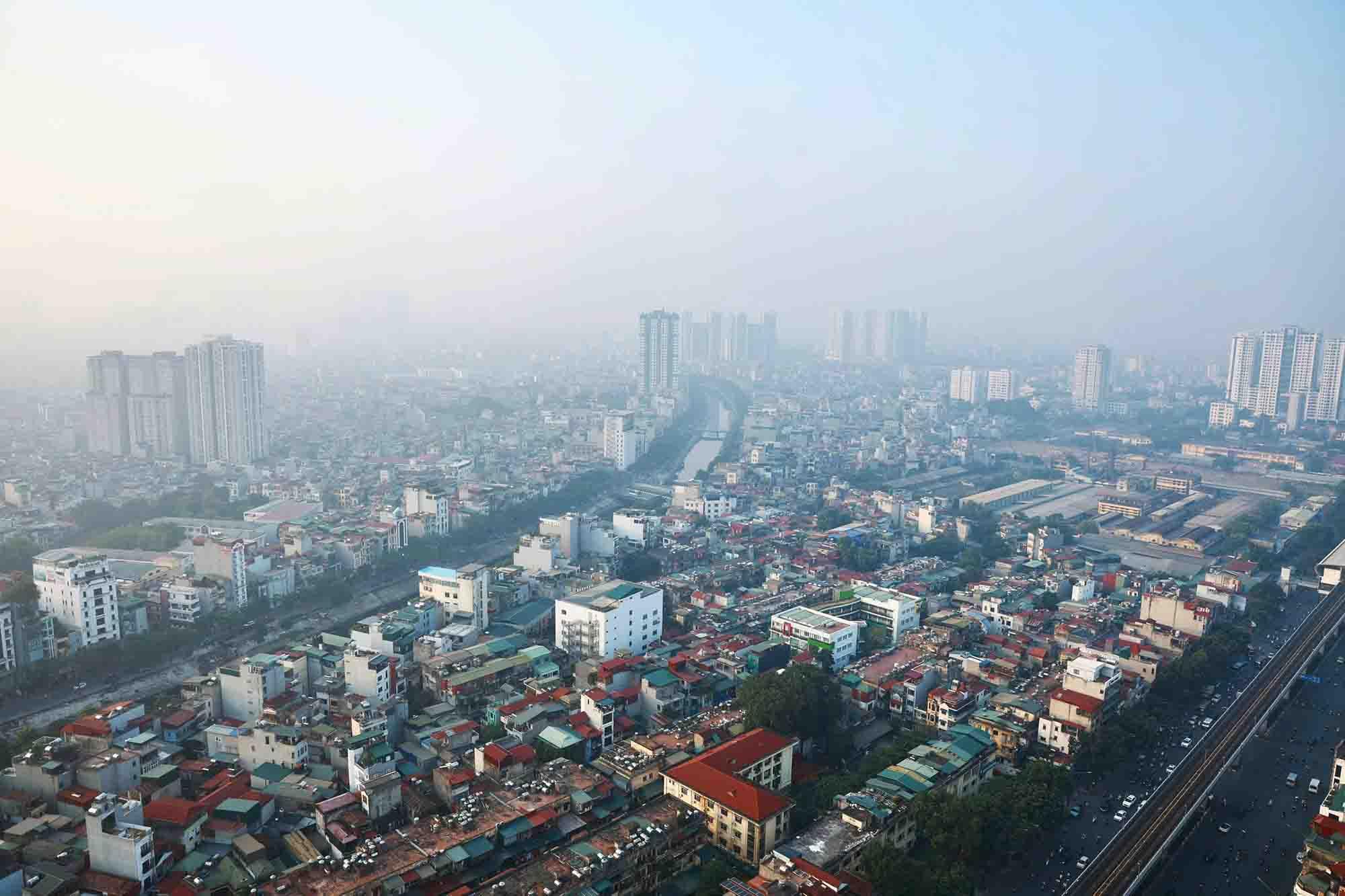
Air pollution rises amid rapid inodustrialization and urbanization
Over the past three decades, Viet Nam has maintained a high rate of economic growth, gradually transitioning from a low-income country to a middle-income economy. Rapid industrialization and urbanization, together with the sharp increase in motorized transport, have created strong momentum for socioeconomic development. At the same time, however, these processes have significantly increased environmental pressures, particularly on air quality.
Air pollution is currently regarded as one of the most pressing environmental challenges in major urban centers and industrial clusters. According to the study conducted by researchers at Can Tho University, PM2.5 concentrations in major cities such as Hanoi and Ho Chi Minh City frequently exceed the guideline levels recommended by the World Health Organization (WHO), increasing public health risks and contributing to substantial economic losses.
Unlike other forms of environmental pollution that tend to have relatively localized impacts, air pollution is highly dispersive and influenced simultaneously by multiple emission sources and meteorological conditions. This makes air quality governance inherently more complex and requires an integrated approach rather than fragmented sector-specific interventions. In Viet Nam, the major emission sources currently include industrial production, transportation, waste management, and certain agricultural activities such as the open burning of crop residues after harvest and intensive livestock production.
For many years, assessments of air quality governance in Viet Nam often identified the primary barrier as the lack of adequate policy mechanisms, technical standards, and sufficiently strong economic instruments to control emissions. However, the researchers argue that this assessment no longer fully reflects the current context. Major developments during 2024–2025 suggest that air quality governance in Viet Nam is entering a new phase, in which the core challenge is no longer limited to policy formulation but increasingly centers on effective implementation and enforcement in practice.
Strengthening the institutional framework and reshaping air quality governance
One of the most significant developments in Viet Nam’s air quality governance in recent years has been the rapid strengthening of the institutional framework and emissions control instruments. The foundation of this transition lies in the 2020 Law on Environmental Protection, which marked a shift from a reactive approach focused on pollution remediation toward proactive control of emission sources, while gradually integrating economic instruments into environmental governance.
Building on this foundation, the 2024–2025 period witnessed the coordinated issuance of several important regulatory instruments. Decree No. 153/2024/ND-CP on environmental protection fees for air emissions operationalized the “polluter pays” principle, creating a basis for internalizing environmental costs into production costs. Under this mechanism, major emitting facilities must weigh the costs of investing in pollution control technologies against the financial burden associated with continued emissions.
In parallel with the adoption of economic instruments, the national technical standards system for emissions has also been significantly tightened. Circular No. 45/2024/TT-BTNMT introduced new industrial emissions standards, raising control requirements for hazardous pollutants, particularly in high-emission industrial sectors. Regarding transport emissions—one of the primary contributors to urban air pollution—a 2025 ministerial circular introduced new emissions standards for road vehicles, thereby strengthening emissions control at the source.
In addition to emissions control regulations, environmental spatial planning has also been strengthened through regulations on environmental buffer distances between production facilities and residential areas. This is regarded as an important instrument for reducing conflicts between industrial development and the quality of life of surrounding communities.
Notably, 2025 also marked a major institutional shift with the establishment of the Ministry of Agriculture and Environment through the restructuring of the state administrative system. The study identifies this development as more than a simple administrative reorganization; it represents a strategic advancement toward an integrated, multi-sector governance model. The new structure is expected to strengthen coordination across sectors closely linked to air quality, particularly industry, agriculture, and waste management.
This process of institutional consolidation indicates that Viet Nam has substantially narrowed legal and institutional gaps in air quality governance. Whereas the principal challenge in the past was the lack of regulations or control instruments, the current focus is increasingly shifting toward implementation capacity, enforcement, and ensuring consistency across governance systems from the central to local levels.
Major emission sources and pollution hotspots come into sharper focus
Although the legal framework has been significantly strengthened, air quality in Viet Nam—particularly in major urban centers and industrial zones—continues to face substantial pressure from multiple emission sources. However, a key distinction in the current phase is that major emission sources are increasingly being identified, quantified, and brought under regulatory control through specific legal instruments.
Among emission sources, industry remains the largest stationary source of emissions. Energy-intensive sectors such as thermal power generation, steel production, cement manufacturing, and certain construction material industries generate large quantities of particulate matter, NOx, and SOx—key pollutants affecting air quality. The significance of this trend lies not only in the scale of emissions but also in the changing governance approach. Whereas monitoring previously relied largely on qualitative assessments, greenhouse gas inventory requirements and updated emissions standards are gradually shifting monitoring toward more rigorous quantitative approaches.
In addition to industry, transportation remains a major source of emissions in urban areas. The rapid growth in motorized vehicles over recent years has made emissions from cars and motorcycles a direct contributor to fine particulate pollution and other air pollutants in urban atmospheres. This is one of the reasons vehicle emissions standards are being progressively tightened to control emissions at the source.
An important finding of the study is the increasingly recognized role of non-industrial and non-transport emission sources, particularly agriculture and waste management. Activities such as the open burning of crop residues after harvest, intensive livestock production, and solid waste treatment can generate substantial emissions, yet these sources have long been insufficiently quantified. The recent introduction of more detailed emission factors has provided regulators with a stronger basis for assessing the impacts of these dispersed emission sources.
Pollution hotspots are also becoming more clearly identified, particularly in areas where industrial development conflicts with residential land use. Previously, determining the spatial extent of impacts from dust, gaseous emissions, or odors was challenging due to the lack of quantitative criteria. However, with the refinement of regulations on environmental buffer distances, identifying and delineating high-risk pollution areas now has a clearer legal basis.
Overall, Viet Nam’s challenge no longer lies primarily in insufficient information about pollution sources. Major emission sources are increasingly being identified with greater precision. This means that the governance focus is shifting toward a more critical question: how to effectively control emission sources that have already been identified.
The gap between policy and implementation
The rapid strengthening of the legal framework has created an important foundation for air quality governance in Viet Nam. However, actual improvements in air quality depend not solely on the completeness of legal instruments but also heavily on implementation and enforcement capacity. This creates a significant gap between policy objectives and real-world outcomes.
The first major barrier lies in technological transition within the production sector. The adoption of stricter emissions standards aligned with international practices means that many enterprises must invest in upgrading air pollution control systems or modifying production technologies. For high-emission industries, this transition requires substantial financial resources and cannot be completed in the short term. Therefore, the challenge lies not only in setting higher standards but also in ensuring an appropriate transition pathway for enterprises.
The second barrier relates to the practical effectiveness of economic instruments. The application of environmental protection fees for air emissions is considered a major step toward internalizing environmental costs into production activities. However, the study indicates that the effectiveness of this instrument depends heavily on the relationship between fee levels and the cost of investing in emissions reduction technologies. If the cost of paying emissions fees remains significantly lower than the cost of technological upgrades, enterprises may choose short-term financial optimization over long-term technological transformation. This underscores the need to further optimize economic instruments to create meaningful incentives for technological innovation.
The third barrier arises from the governance transition itself. The establishment of the Ministry of Agriculture and Environment creates opportunities for stronger integrated governance, but it also introduces substantial demands for cross-sector coordination, administrative process standardization, and decentralized implementation at the local level. During the transition period, adaptation pressures on local administrative systems are considerable, particularly as management responsibilities continue to expand in both scale and complexity.
Beyond these three barriers, the study also emphasizes the critical role of data infrastructure in modern air quality governance. Although mechanisms for sharing monitoring data have gradually improved, integrating data from multiple networks—including national monitoring stations, automated enterprise systems, and remote sensing technologies—still requires a high degree of technological interoperability and governance standardization.
These challenges illustrate the persistent gap between policy and implementation during the current transition phase. In other words, Viet Nam has moved beyond the stage of legal framework deficiency; the central challenge now lies in strengthening implementation and enforcement capacity so that newly established governance instruments can deliver measurable outcomes in practice.
Implementation capacity becomes the central priority
Based on the above analysis, the Can Tho University study concludes that air quality governance in Viet Nam is entering a critical transition phase. Whereas the primary priority in earlier stages was to build and strengthen the legal framework, the current focus has shifted toward strengthening implementation and enforcement capacity to ensure that governance instruments function effectively in practice.
This transition reflects a fundamental shift in environmental governance. The adoption of stricter technical standards, the application of economic instruments such as environmental protection fees for air emissions, and the consolidation of a multi-sector governance model have established a relatively comprehensive institutional foundation for air pollution control. However, the ultimate effectiveness of this system will depend on consistent implementation and enforcement across all levels of governance.
According to the researchers, one of the most important priorities for the next phase is to strengthen implementation and enforcement resources at the grassroots level. Local authorities directly monitor emission sources, conduct inspections and compliance oversight, and respond to air quality developments in real time. As the scope of governance continues to expand—from industrial and transport emissions to agricultural emissions and waste management—the technical capacity and coordination capability of local governments will become increasingly decisive.
Beyond human resources, data infrastructure is also considered a key pillar of modern air quality governance. A transparent, integrated, and real-time data system would not only improve monitoring quality but also strengthen policy responsiveness. Effective integration of national monitoring data, enterprise-generated data, and emerging technologies such as remote sensing can help reduce the gap between pollution detection and regulatory action.
The study also highlights the importance of economic instruments in supporting long-term transition. For mechanisms such as environmental protection fees and green credit to generate substantive impacts, effectiveness depends not only on policy adoption but also on designing incentives strong enough to influence corporate investment behavior. When compliance costs and the benefits of green transition are appropriately balanced, incentives for technological innovation become significantly stronger.
Overall, Viet Nam has made substantial progress in institutional consolidation for air quality governance. The principal challenge is no longer the need for additional regulations, but rather ensuring that existing policies are implemented and enforced effectively, consistently, and in ways measurable through tangible improvements in air quality. The success of this transition will ultimately depend on whether these governance reforms can deliver measurable improvements in air quality in the years ahead.
|
Study Overview |

A scientific study by An Giang University, Vietnam National University, Ho Chi Minh City, and the An Giang Center for Rural Clean Water and Environmental Sanitation has demonstrated the potential of water lettuce (Pistia stratiotes) for treating piggery wastewater under natural conditions. The findings show that treatment performance varies with the initial biomass density and the pollutant being targeted. The approach offers a low-cost, environmentally friendly biological treatment option with potential for application by pig farms and household producers in Viet Nam.
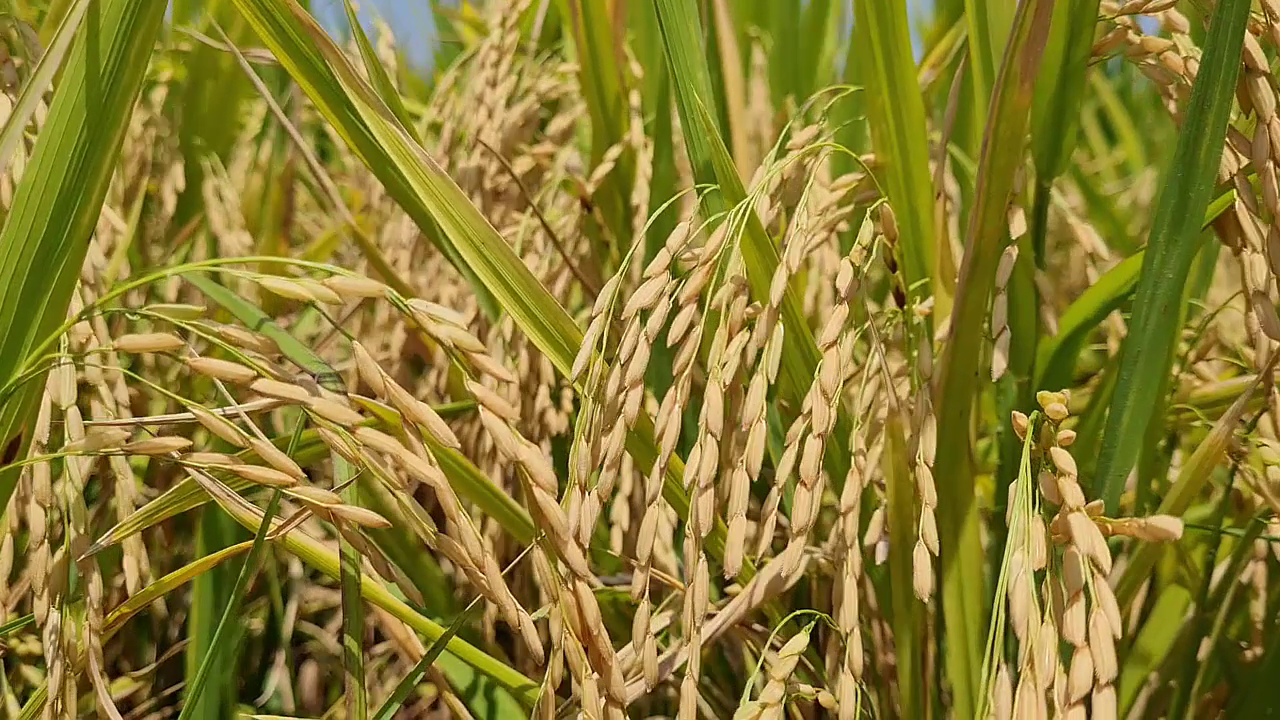
A study of 180 local rice accessions conserved at the Plant Resources Center revealed diversity in subspecies classification and grain quality traits. Within this germplasm collection, researchers identified eight accessions with promising characteristics, including aroma, low amylose content, and low to intermediate gelatinization temperatures, providing additional genetic resources for conservation and the breeding of high-quality rice varieties.
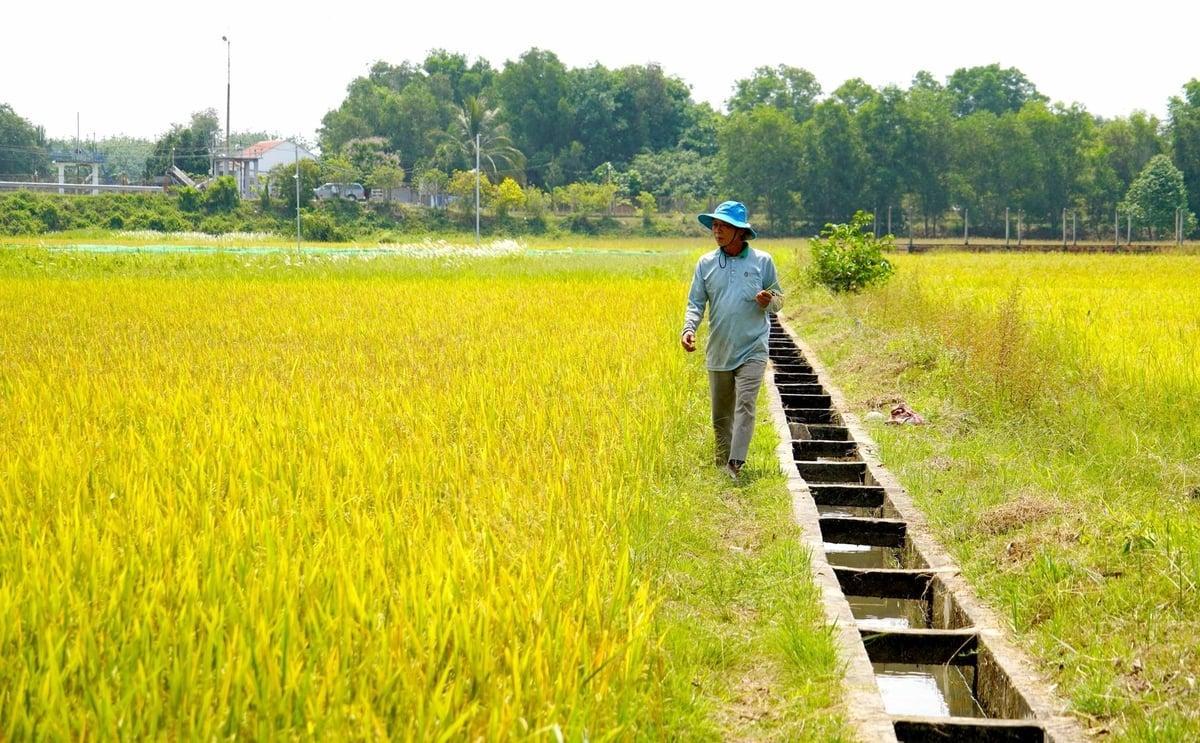
In low-lying areas of the former Cu Chi district, located in northwestern Ho Chi Minh City, seasonal flooding occurs alongside agricultural production and urbanization, creating various pressures on soil quality and its capacity for recovery. A study by Nguyen Thi Oanh, Phan Lieu, Truong Vinh Hai, and Tran Minh Tien found clear differences in soil health among rice cultivation, vegetable farming, and fruit orchards, with distinct patterns of chemical and biological degradation. The integration of multiple indicators through Principal Component Analysis (PCA) not only helped identify these differences but also provided a scientific basis for guiding soil management and restoration measures in peri-urban agricultural wetlands.
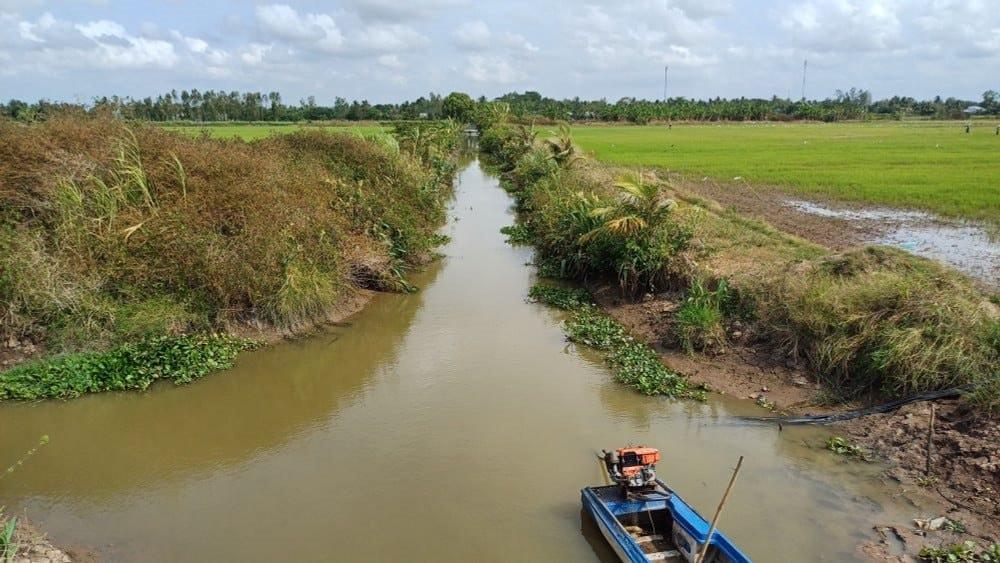
Saline intrusion is posing growing challenges to agricultural production in the lower Hau River region, where agricultural land use is closely linked to water availability. A study conducted in the former Soc Trang province, now part of Can Tho city, assessed saline intrusion risk to agricultural land use in 2024 under the RCP 4.5 and RCP 8.5 climate change scenarios for 2030 and 2050. The results show that the area of rice cultivation affected by higher salinity levels tends to increase, providing an additional scientific basis for land use planning and the selection of appropriate adaptation-oriented farming systems.
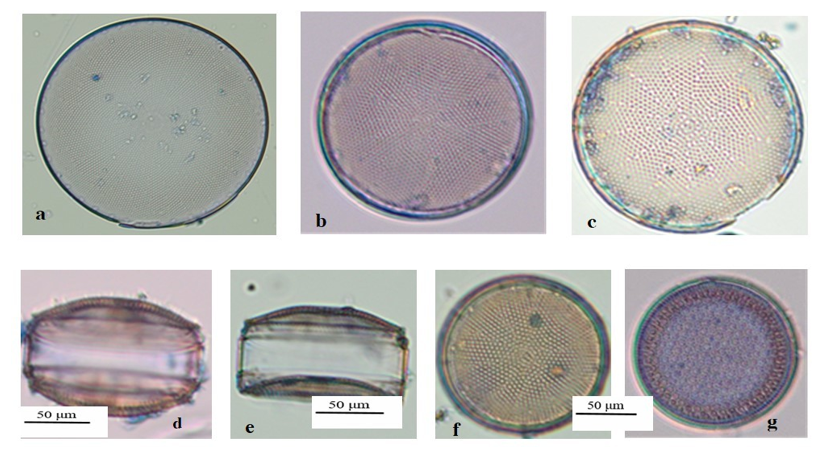
A study of phytoplankton samples collected from various marine areas of Viet Nam between 2015 and 2025 identified 21 species belonging to the genera Coscinodiscus and Coscinodiscopsis. Notably, Coscinodiscus reniformis and Coscinodiscopsis sp. were recorded and described in detail based on their cellular morphological characteristics, providing additional data for the identification and taxonomic classification of these diatom groups in Vietnamese waters.