



 Viet Nam and the United Nations agreed to focus on a substantive review of the 2025 response plan, finalize the 2026 contingency plan in April, and strengthen early warning and response capacity at the grassroots level. The priorities were discussed at a meeting between the Ministry of Agriculture and Environment and UN partners.
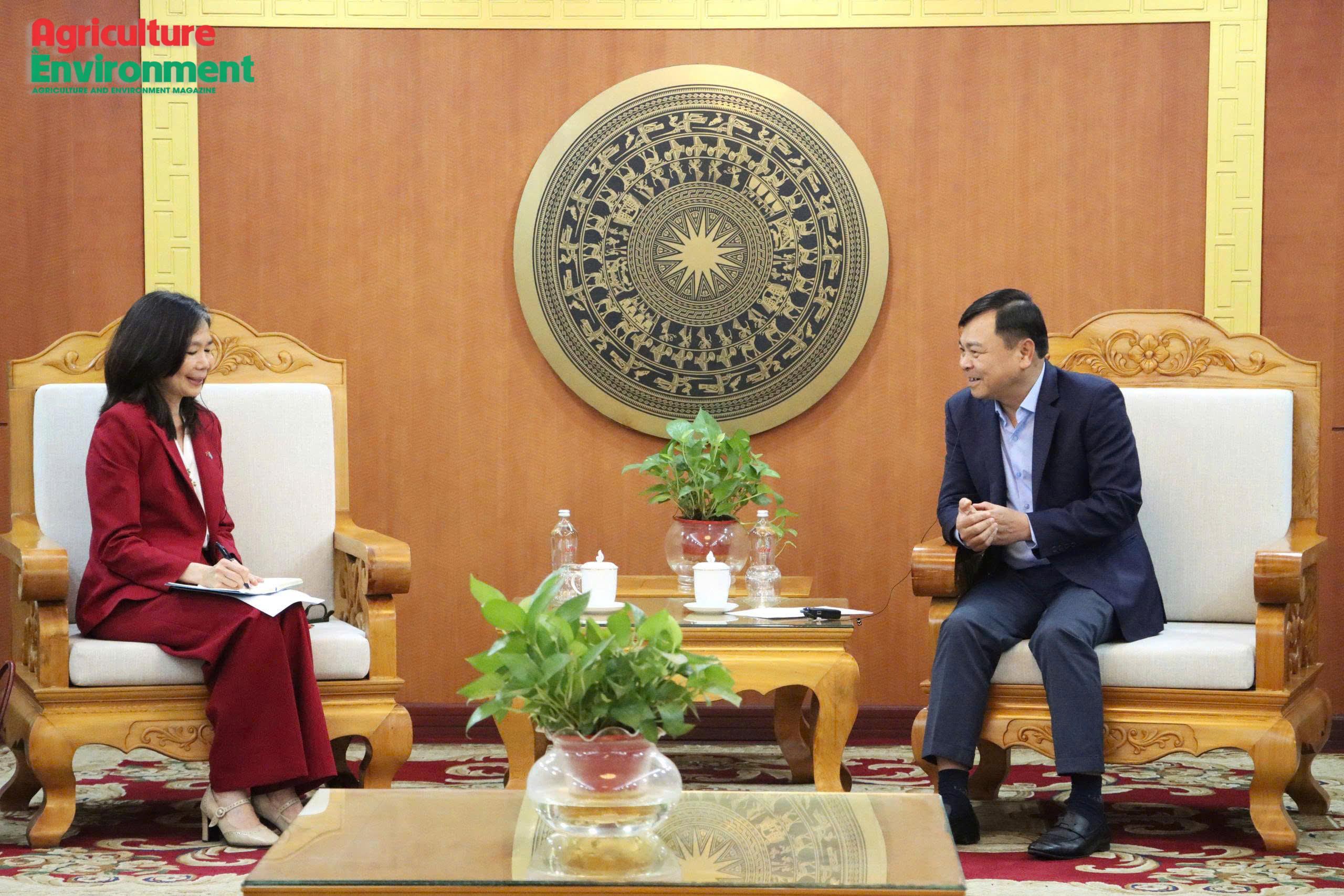
On March 3, Deputy Minister of the Ministry of Agriculture and Environment Nguyen Hoang Hiep met with Resident Coordinator of the United Nations in Viet Nam Pauline Tamesis on the sidelines of a meeting of the Disaster Risk Reduction Partnership.
Focus on review of 2025 response and early prevention
At the meeting, Deputy Minister Nguyen Hoang Hiep said that 2025 had seen extensive cooperation between Vietnamese authorities and international partners in disaster response. He noted that, beyond financial resources, the participation of UN agencies had also helped improve coordination and supported personnel working on the ground.
According to the Deputy Minister, the development and approval of the Disaster Risk Reduction Partnership’s action plan immediately after discussions at the end of 2025 had enabled a more proactive response and shortened reaction time in emergency situations. This provides a basis for shifting the focus toward a comprehensive review, drawing lessons learned and improving preparedness for the next phase.
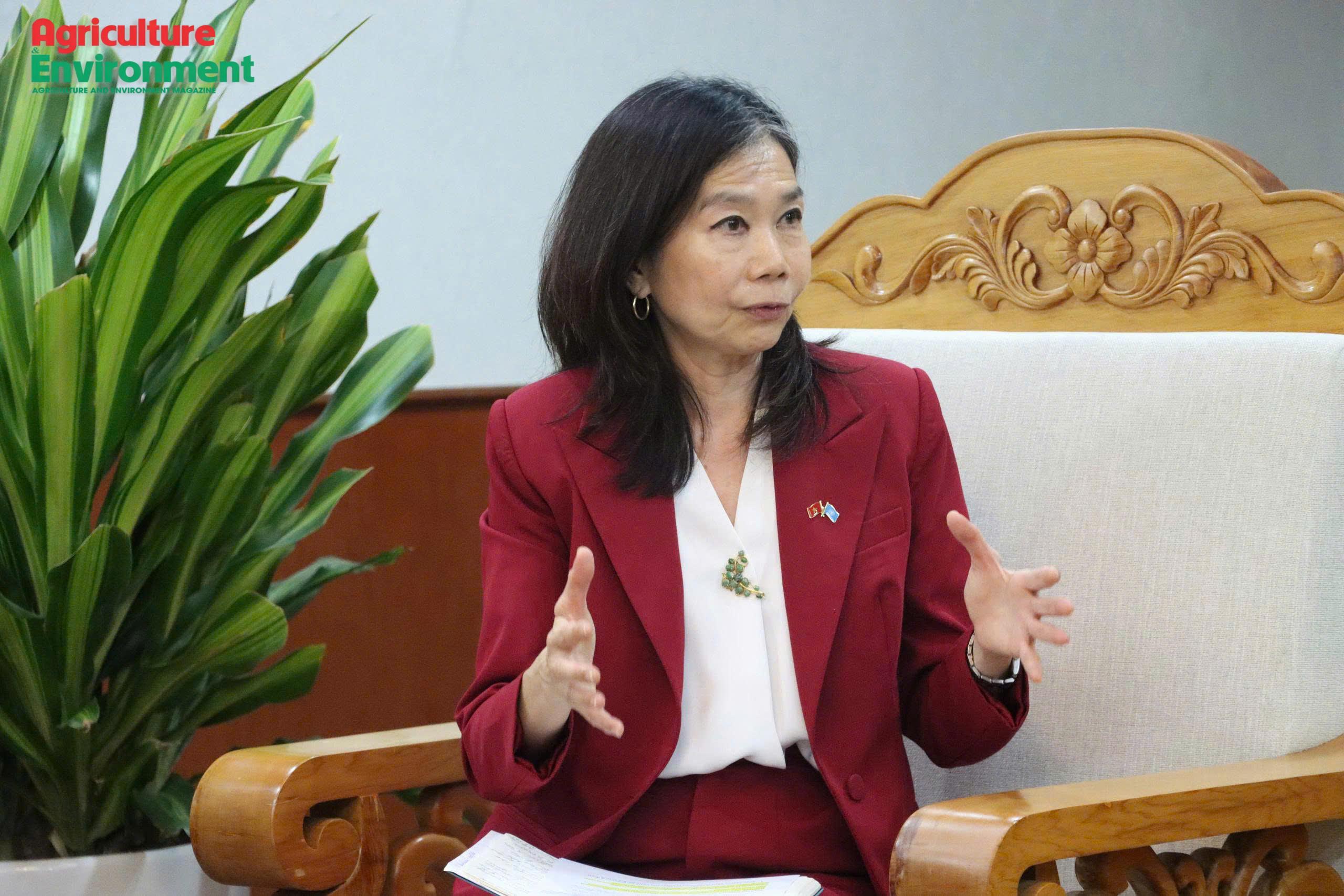
From the UN side, Pauline Tamesis said that in the next cooperation cycle the organization would adopt an approach that links emergency response with long-term recovery, with early warning playing a central role. Ensuring that people receive timely information and are able to take appropriate action is key to minimizing losses, she said.
The United Nations proposed conducting an after-action review of the joint response plan for 2025 to identify strengths and gaps in coordination across support sectors such as water, sanitation and hygiene, temporary shelter, food security, education, health care and protection. The review would help adjust coordination mechanisms and improve the effectiveness of assistance in future emergencies.
At the same time, partners will strengthen preparedness through risk-scenario planning tools, assessments of coordination system capacity, the integration of disaster risk reduction into development planning, improved disaster loss databases, and more effective disaster risk financing mechanisms.
Finalize 2026 contingency plan before May, strengthen local resilience
Regarding the 2026 contingency plan, Deputy Minister Nguyen Hoang Hiep said existing shortcomings should be objectively reviewed so that inappropriate elements can be revised or supplemented. He called for the plan to be finalized and approved in April 2026 to ensure readiness before the start of the storm and flood season.
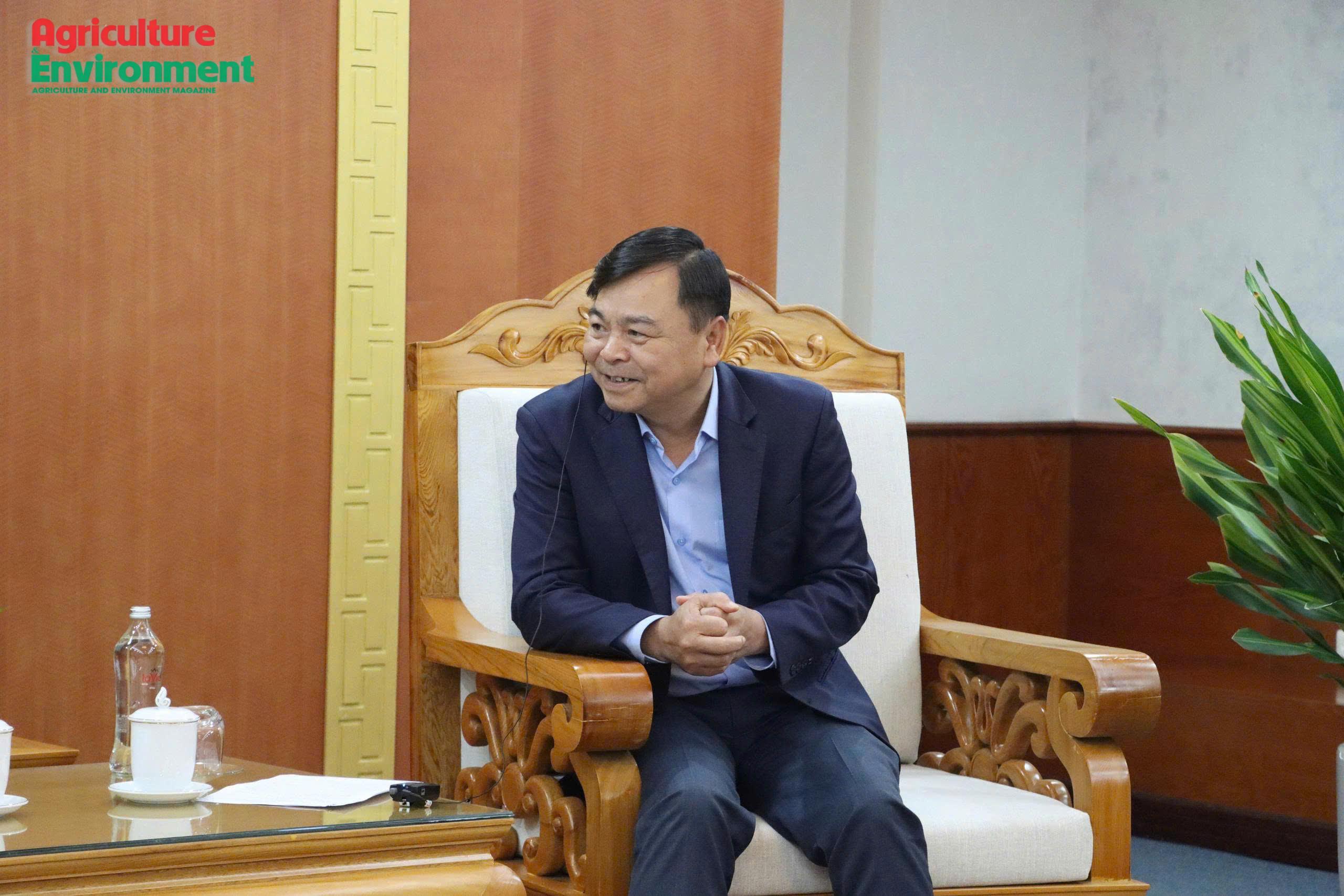
One priority is strengthening on-site response capacity. Along with consolidating disaster response forces at the commune level, he said greater attention should be given to developing trained volunteer teams equipped with basic knowledge and essential equipment to participate in disaster prevention and response.
On early warning and information dissemination, the Deputy Minister acknowledged that the current system still has bottlenecks, particularly in transmitting warnings to the public. In some cases, residents have not received alerts in time. The upcoming plan must address these shortcomings to ensure that warnings reach the right people at the right time, he said.
Improving the proactiveness of local authorities was also highlighted. Local leaders must fully understand disaster risks in their areas, develop specific plans and widely communicate them to communities to enable proactive prevention.
On resources, the Vietnamese side recognized the effectiveness of emergency support mechanisms implemented in 2025 and called for further improvements in coordination to ensure more efficient use during floods and storms.
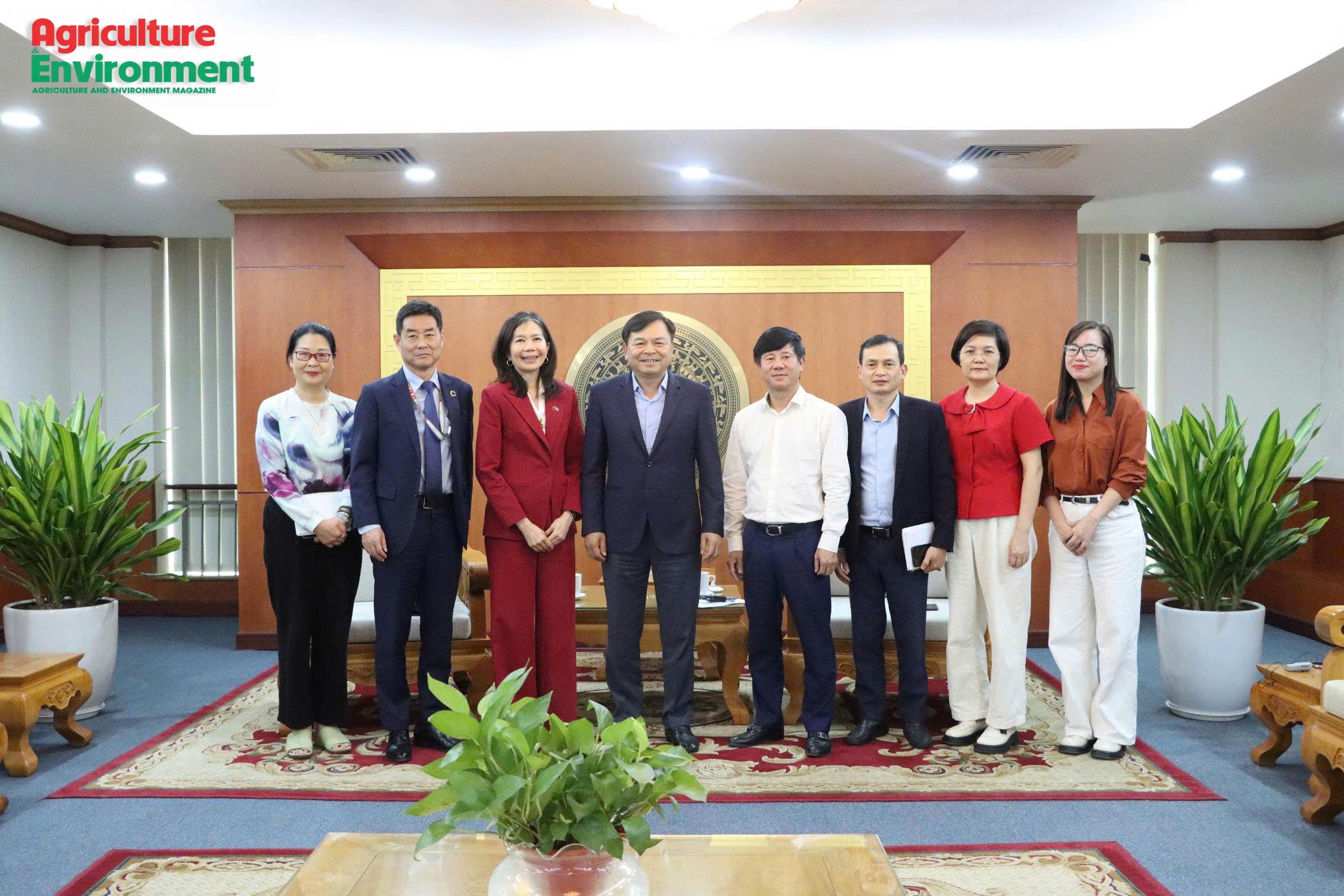
In the longer term, Viet Nam plans to prioritize investment in resilient infrastructure during the 2026–2030 period, particularly public facilities such as schools and health centers, to reduce disruptions during disasters. However, the resilience of individual households and communities will still depend on proactive public participation, alongside support from the government and international partners.
The meeting not only aimed to agree on the 2026 plan but also reaffirmed a shared direction for cooperation: prioritizing prevention, strengthening coordination, and ensuring that early warning systems operate effectively at the grassroots level.
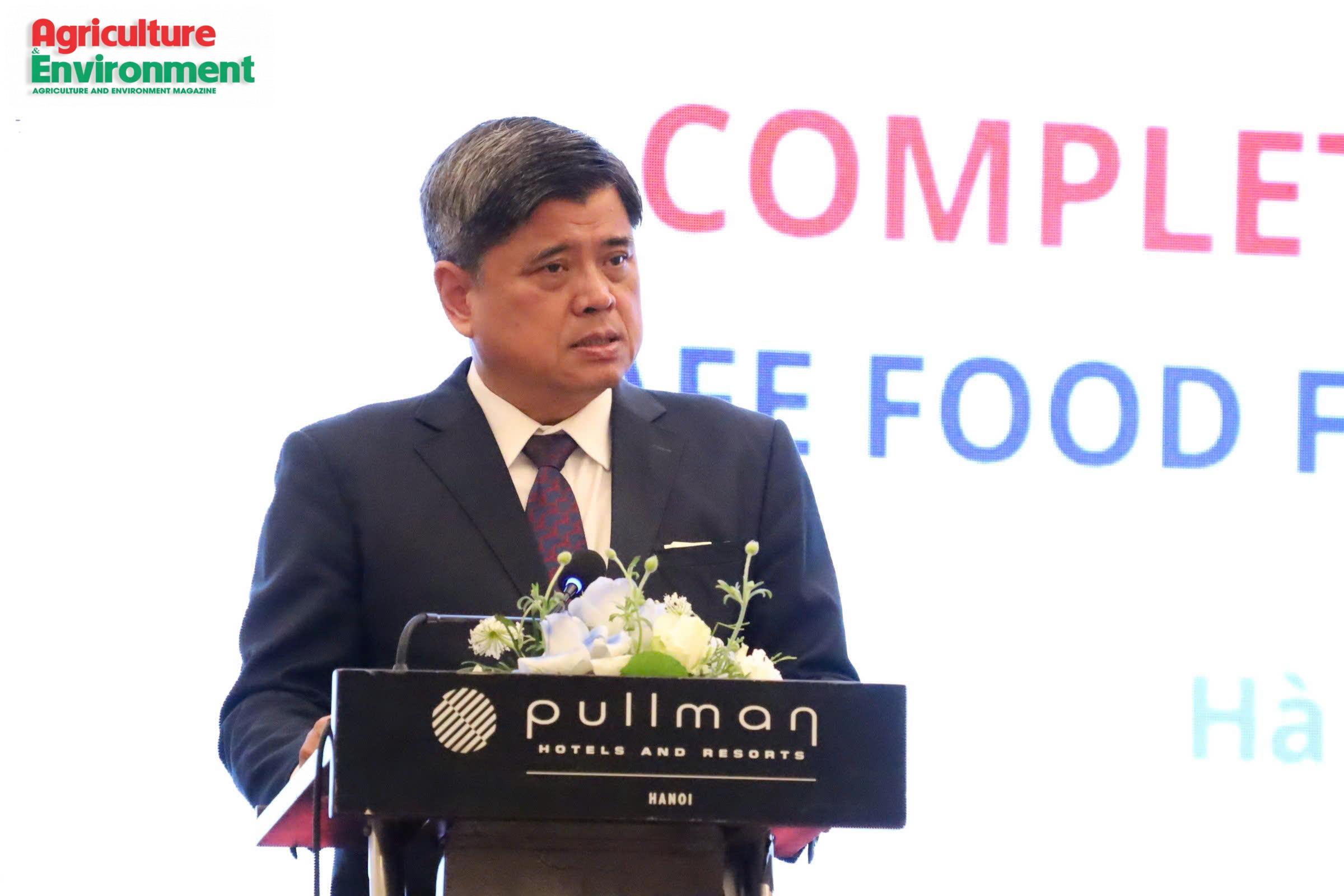
On April 16, the Ministry of Agriculture and Environment, in coordination with the Embassy of Canada in Viet Nam, held a conference to review the “Safe food for growth” (SAFEGRO) project, assessing its results, impacts and effectiveness over the 2020–2026 period. The event also aimed to share lessons learned and project outputs to support the continuation and scaling up of effective models, contributing to improved sustainability and effectiveness in ensuring food safety in Viet Nam.
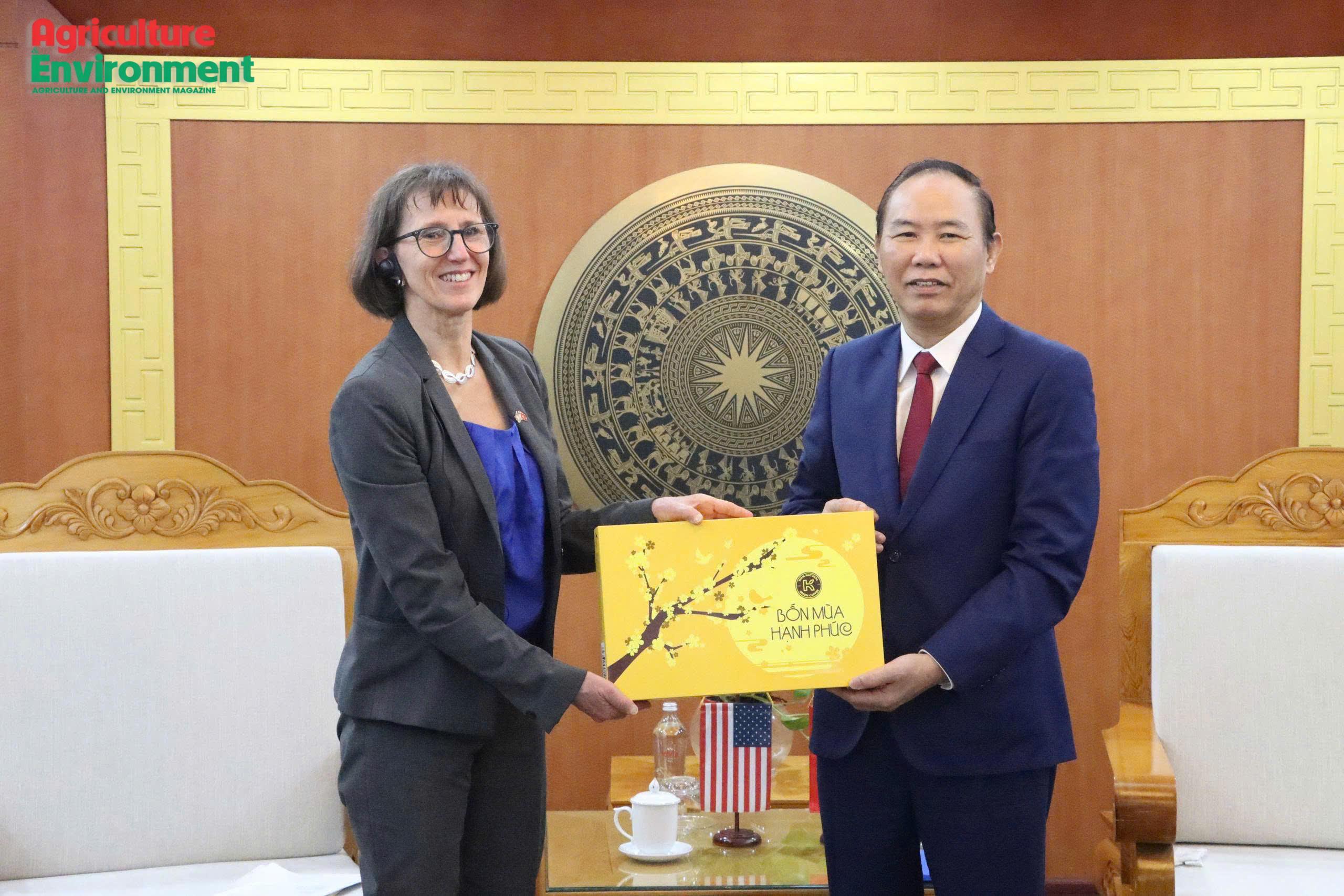
Viet Nam has welcomed U.S. support in strengthening health security, describing it as a key foundation for controlling cross-border diseases and promoting sustainable agricultural development. The two sides agreed to expand cooperation in surveillance, early warning, vaccine research, and implementation of the Global Health Security Program.
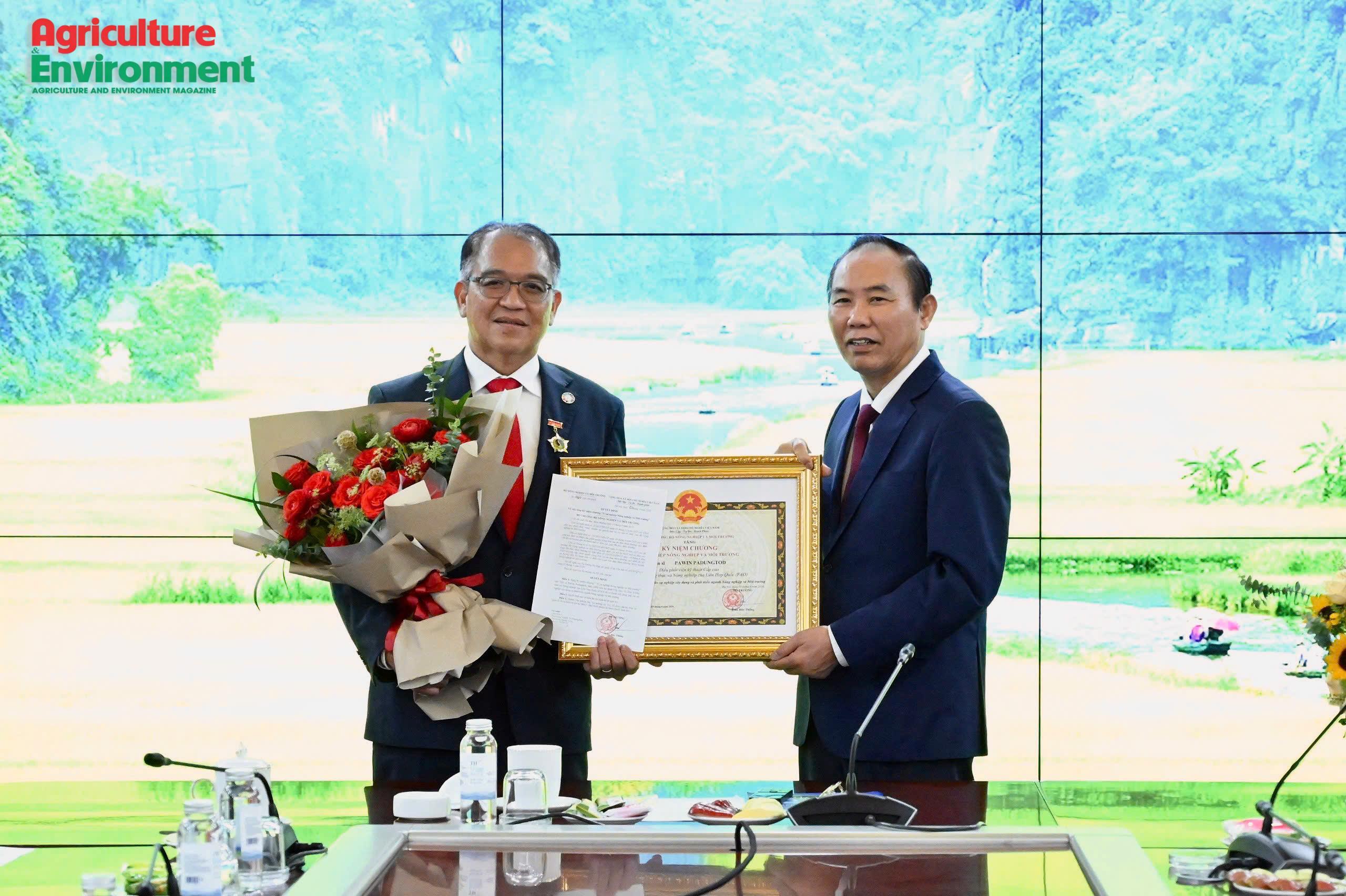
Deputy Minister of Agriculture and Environment Phung Duc Tien on April 10 presented the “For the cause of Agriculture and Environment” insignia to Dr. Pawin Padungtod, Senior Technical Coordinator of the Food and Agriculture Organization (FAO) in Viet Nam, in recognition of his contributions to advancing the One Health approach, strengthening veterinary systems, and promoting sustainable livestock production.
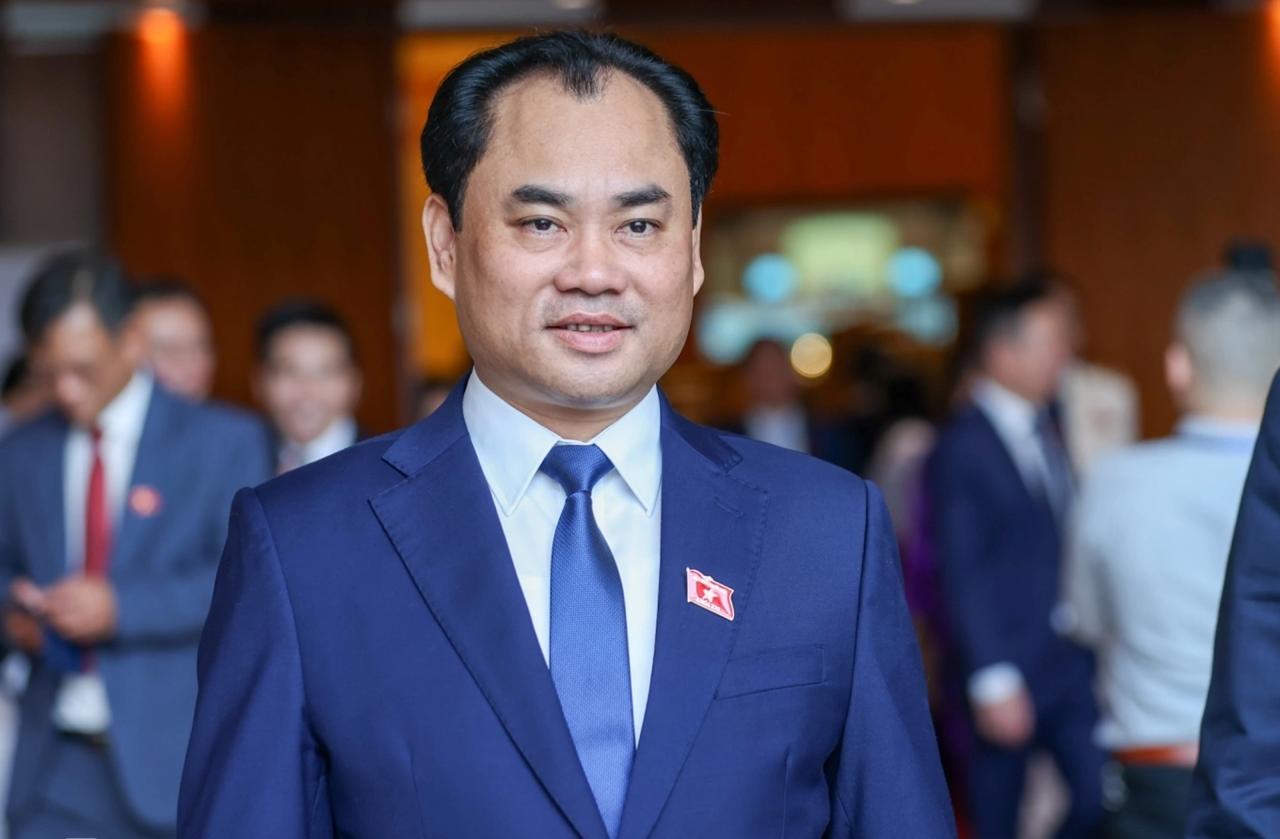
National Assembly on April 8 approved the appointment of Standing Deputy Minister Trinh Viet Hung as Minister of Agriculture and Environment for the 2026–2031 term, with all deputies present voting in favor.
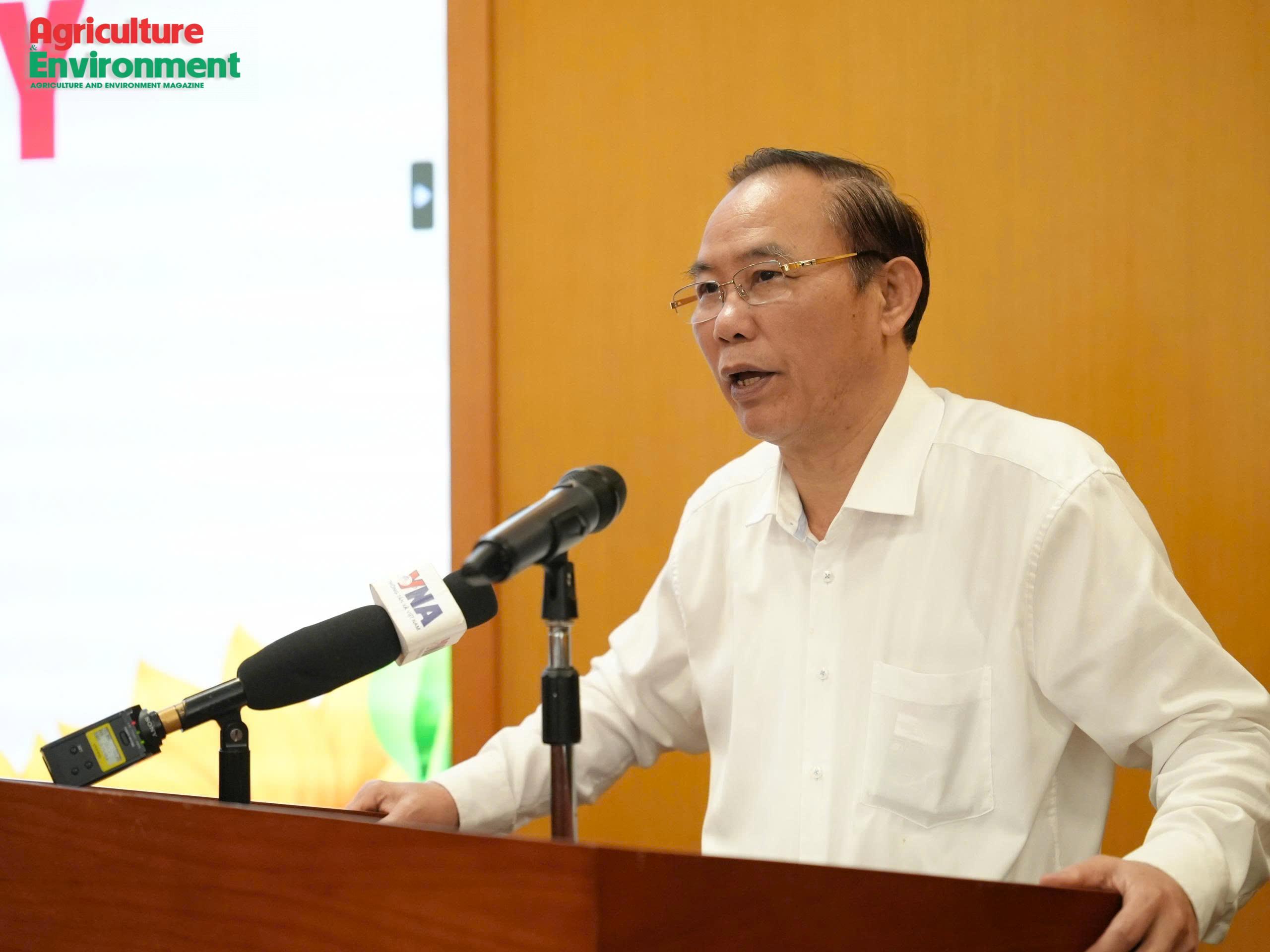
At a regular press briefing on April 1, Deputy Minister Phung Duc Tien said the Ministry of Agriculture and Environment is stepping up the application of remote sensing technology in resource and environmental monitoring to improve governance capacity, enhance early warning systems, and support policymaking. The move comes as the sector maintains growth momentum, with agro-forestry-fishery exports rising 5.9% year-on-year in the first quarter of 2026. Officials said advancing science and technology would serve as a key foundation for sustainable development in the coming period.