



 The Ministry of Agriculture and Environment has issued Circular No. 22/2026/TT-BNNMT dated May 19, 2026, amending and supplementing several circulars related to decentralization and the reduction and simplification of administrative procedures under the ministry’s state management authority. The document, signed by Deputy Minister Nguyen Hoang Hiep, marks a further step in Viet Nam’s institutional reform efforts and the modernization of governance in the agriculture and environment sectors.
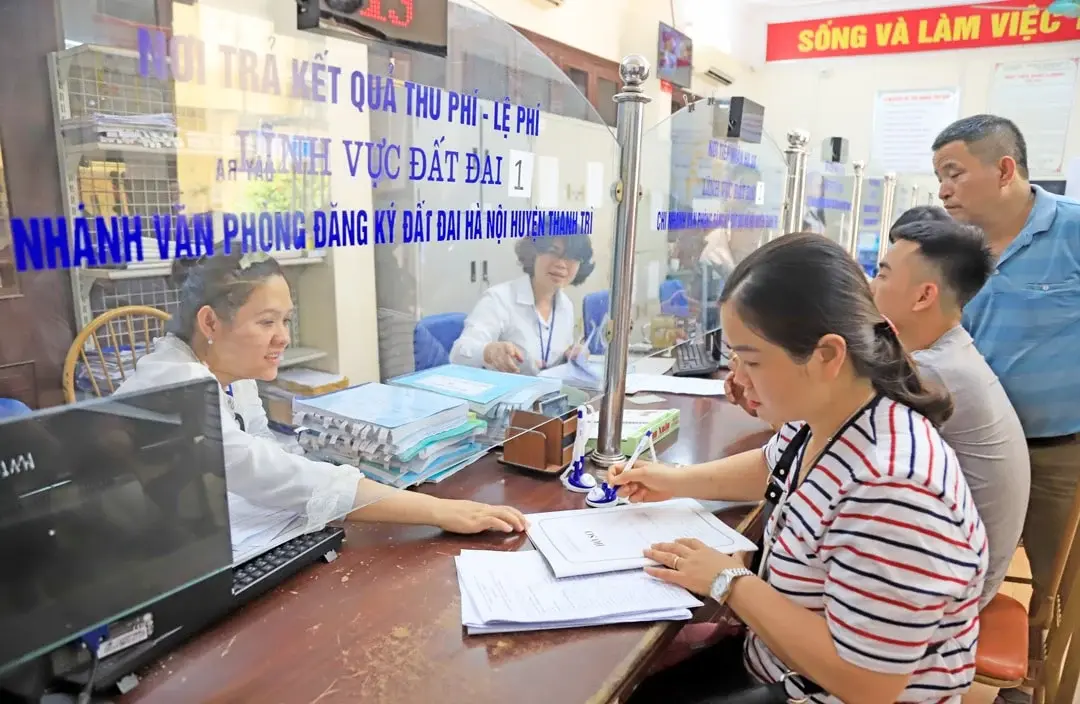
The circular is regarded as one of the ministry’s largest administrative reform measures following the restructuring of its organizational apparatus. Its overarching direction is to expand decentralization to local authorities, shorten administrative processing times, accelerate digital transformation, and build a public administration system that better serves citizens and businesses.
Expanding decentralization to local authorities
One of the key features of Circular No. 22/2026/TT-BNNMT is the expansion of authority for local governments across several specialized sectors.
In crop production and plant protection, the circular revises regulations on special circulation recognition for plant varieties by assigning greater responsibility to local authorities. Under the new provisions, commune-level People’s Committees may prepare dossiers requesting special circulation recognition for plant varieties, while agencies assigned by chairpersons of provincial-level People’s Committees will conduct appraisals and submit them for approval.
In imported food safety management, state inspection authority will no longer be concentrated primarily at the central level. Instead, inspections will be carried out by agencies designated or assigned by chairpersons of provincial-level People’s Committees.
The decentralization is expected to give local authorities greater flexibility in handling administrative procedures, reduce pressure on central agencies, and shorten processing times for businesses and citizens.
Shortening administrative processing times
Circular No. 22/2026/TT-BNNMT also reflects a strong commitment to reform through significant reductions in administrative processing times.
In the plant variety sector, the processing time for several procedures has been reduced from 15 days to 10 days, while others have been shortened from 10 days to five working days.
In agricultural science and technology, procedures for recognizing technical advances have been redesigned to improve clarity, transparency, and efficiency. The circular specifies timelines for each stage, from dossier receipt and the establishment of appraisal councils to the issuance of recognition decisions.
Administrative procedures in animal husbandry and veterinary services have also undergone major reforms, particularly those related to livestock breed testing, testing of animal feed, and certification of disease-safe animal production facilities.
Expanding online public services
A central component of the circular is the promotion of administrative procedures through electronic platforms.
Most procedures outlined in the document may now be carried out through three channels: direct submission, postal services, or online submission via the National Public Service Portal.
In the livestock sector, the National Livestock Database System will automatically issue identification codes to facilities immediately after electronic declarations are completed.
According to experts, the changes demonstrate that the Ministry of Agriculture and Environment is shifting from traditional administrative management toward digital governance based on data systems and technology platforms.
Revising carbon credit and emissions rules
Circular No. 22/2026/TT-BNNMT also revises several regulations related to greenhouse gas emission quotas and carbon credits, an area drawing increasing international attention as Viet Nam advances its net-zero emissions commitment.
Under the new provisions, chairpersons of provincial-level People’s Committees are authorized to handle procedures related to the cancellation of voluntary carbon credit registrations, as well as the transfer of ownership of greenhouse gas emission quotas and carbon credits outside the carbon trading system.
The move is regarded as an important preparatory step toward establishing the operational foundation for Viet Nam’s future carbon market.
Removing outdated regulations
In addition to amendments and supplements, the circular abolishes several regulations and legal documents that are no longer considered suitable.
Among them is Circular No. 17/2015/TT-BTNMT on the Viet Nam–Japan Joint Crediting Mechanism, along with several circulars related to the management of science and technology tasks and environmental protection.
The review and removal of overlapping regulations are seen as necessary steps toward building a more transparent, coherent, and development-oriented legal framework.
Part of wider governance reform
Through Circular No. 22/2026/TT-BNNMT, the Ministry of Agriculture and Environment has sent a clear signal of its commitment to public governance reform, institutional modernization, and the development of a more transparent and effective regulatory environment.
For the international community, the document demonstrates that Viet Nam is accelerating administrative reform in areas directly linked to agricultural trade, food safety, climate change, green development, and digital transformation.
As Viet Nam deepens its integration into the global economy and promotes sustainable green agriculture, Circular No. 22/2026/TT-BNNMT is viewed as an important step in modernizing governance in the agriculture and environment sectors.

Politburo Resolution No. 26-NQ/TW, dated August 22, 2026, sets out a strategic development direction: to make tourism a truly spearhead economic sector while shifting decisively from volume-driven growth toward a model based on quality, green development, smart solutions, innovation and cultural identity. With its long-established culture, diverse natural landscapes, extensive coastline and dynamic society, Viet Nam is sending the international community a clear message: it is an open, responsible destination ready for deeper global integration.

Decentralization and delegation of authority can achieve their intended outcomes only when accompanied by strong implementation capacity at the local level. Recognizing this, the Ministry of Agriculture and Environment has gone beyond transferring responsibilities by working closely with provincial and local governments through training, technical guidance, digital transformation, and the development of sectoral databases. One year into implementation, the initial results not only demonstrate tangible progress but also highlight areas that require further improvement to support the country's development objectives in the next phase.
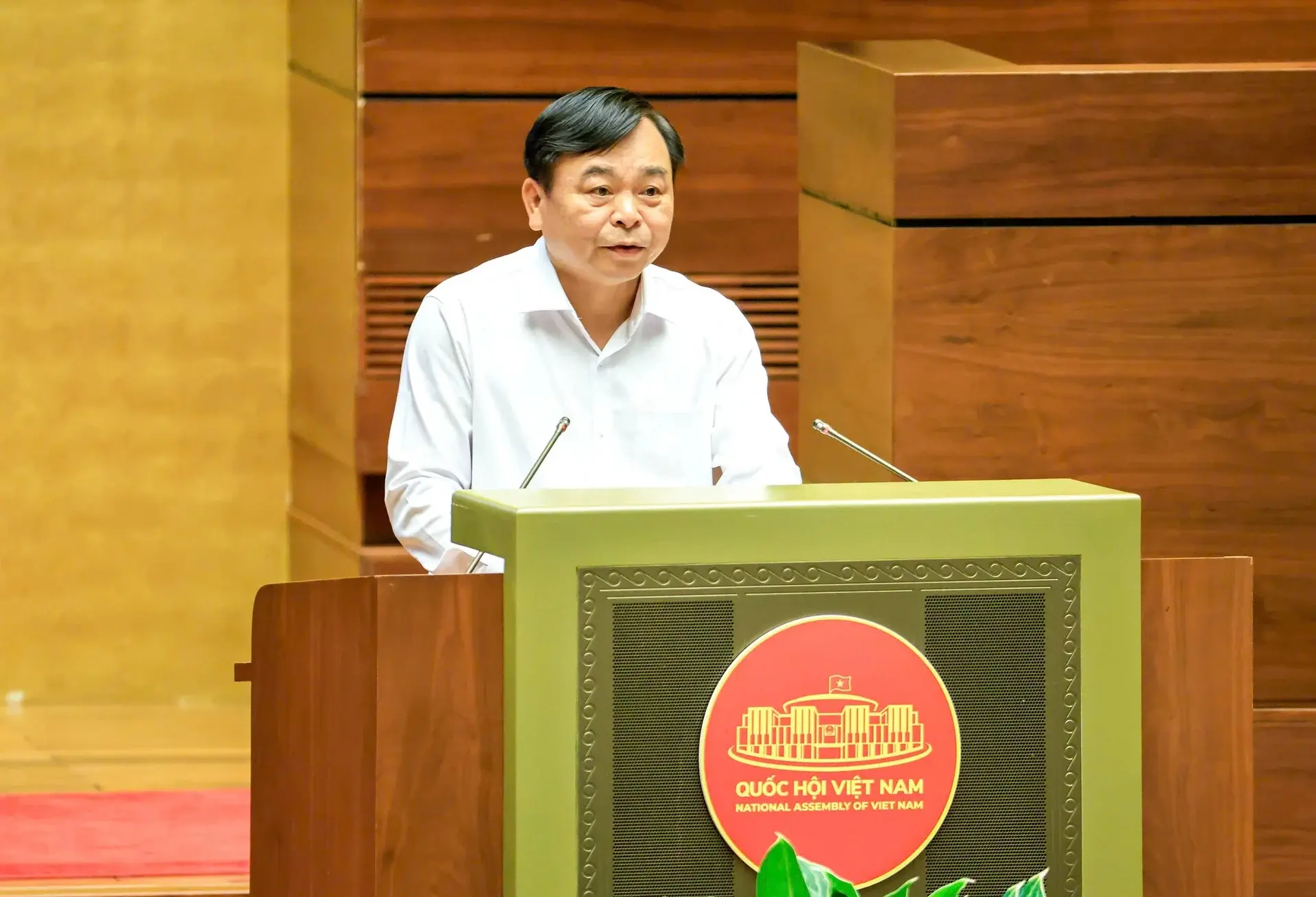
As a multi-sector ministry responsible for a broad range of functions closely linked to local governments, Viet Nam's Ministry of Agriculture and Environment (MAE) moved swiftly during the first year of implementing the two-tier local government model to streamline its organizational structure, strengthen the legal framework, and redefine the allocation of administrative authority. Initial results underscore the Ministry's proactive efforts to translate the Party and State's reform agenda into governance mechanisms suited to the sector's operational needs.
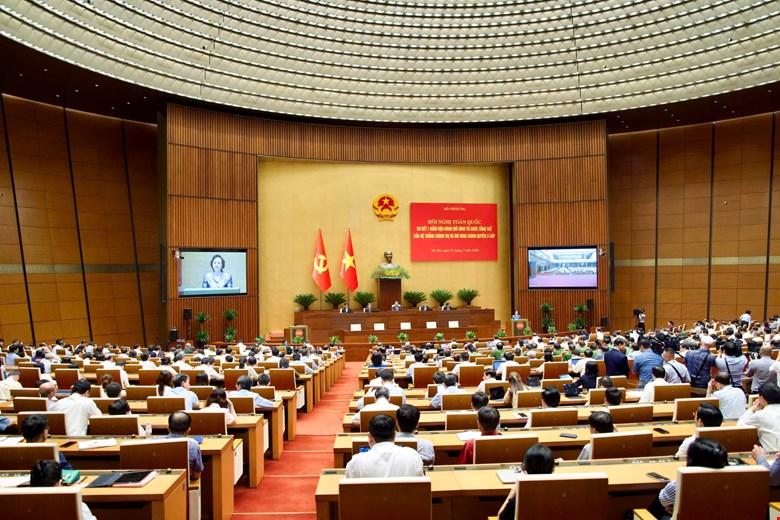
One year after the nationwide implementation of Viet Nam's two-tier local government model, initial results suggest that the reform represents far more than an administrative restructuring. It marks a significant shift in the country's governance philosophy. By streamlining the administrative structure, advancing decentralization and the delegation of authority, accelerating administrative reform, and promoting digital transformation, the new model is laying the foundation for a modern public administration that is efficient, effective, accountable, and responsive to the country's development needs in a new era.

The fight against Illegal, Unreported, and Unregulated (IUU) fishing in Viet Nam is not merely a matter of completing technical reports to lift the European Commission’s (EC) "yellow card". Data from the 34th meeting of the National Steering Committee on IUU on April 16, 2026, shows that Viet Nam has made significant strides in legal frameworks and monitoring systems. However, looking at South Korea—a fisheries powerhouse driven by data-centric governance and sustainable livelihoods—it is clear that to truly escape the "shadow" of IUU, a revolution in governance is required: shifting from "administrative control" to "ecosystem operation".