




 Decentralization and delegation of authority can achieve their intended outcomes only when accompanied by strong implementation capacity at the local level. Recognizing this, the Ministry of Agriculture and Environment has gone beyond transferring responsibilities by working closely with provincial and local governments through training, technical guidance, digital transformation, and the development of sectoral databases. One year into implementation, the initial results not only demonstrate tangible progress but also highlight areas that require further improvement to support the country's development objectives in the next phase.
Supporting local governments to build grassroots capacity
In any administrative reform, the delegation of authority is only the starting point. Ultimately, the success of the two-tier local government model will be measured by the implementation capacity of grassroots governments—the level of government that interacts directly with citizens and businesses and delivers public services on a daily basis. This requirement is particularly significant for the agriculture and environment sector, where a substantial share of responsibilities previously handled at the district level has been reassigned to provincial and commune-level governments.
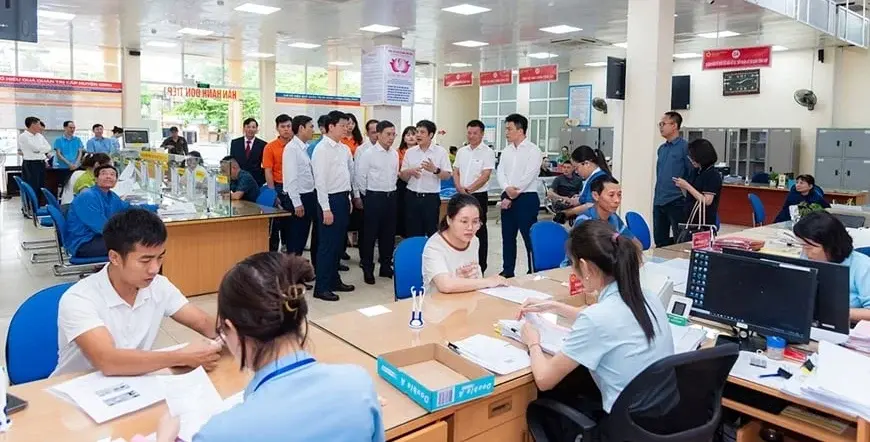
Experience from the first year of implementation shows that the greatest challenge has not been introducing new policies or reallocating authority. Rather, many local governments have had to adapt quickly to significantly expanded responsibilities despite uneven institutional capacity and workforce capability. At the National Conference reviewing one year of implementation of the two-tier local government model, Party General Secretary To Lam observed that "implementation capacity at the grassroots level, particularly at the commune level, has yet to keep pace with the new requirements." Many localities continue to face shortages of specialists in land administration, environmental management, planning, public finance, information technology, and other highly technical fields. According to assessments presented at the conference, only about 53 percent of provincial-level officials and 30 percent of commune-level officials currently meet the competency requirements of the new governance framework.
Recognizing these challenges, the Ministry of Agriculture and Environment has adopted an approach that extends beyond decentralization by providing continuous support throughout implementation. As reported by Deputy Minister Nguyen Hoang Hiep, the Ministry established ten field missions led by senior ministry officials and deployed 34 civil servants to local governments to provide technical assistance, prepare operational guidance manuals, and help resolve practical issues arising during the rollout of the new model.
Importantly, these field missions have focused less on inspection and compliance than on strengthening implementation capacity. Through direct engagement with local governments, they have identified bottlenecks relating to administrative procedures, documentation requirements, institutional responsibilities, and inter-agency coordination. This has enabled the Ministry to provide timely technical guidance while proposing institutional improvements based on practical experience. The approach has reduced uncertainty during the initial implementation phase and established an effective feedback mechanism through which lessons from the local level can inform policymaking at the central level.
The consolidation of the agricultural extension system across all 34 provinces and centrally administered cities further illustrates that the reform is intended not only to streamline administrative structures but also to strengthen technical support for agricultural production at the grassroots level. As commune-level governments become the frontline of public governance, agricultural extension services, technology transfer, and technical assistance for farmers must become more community-oriented, better aligned with local conditions, and more responsive to emerging challenges.
This approach is fully consistent with the guidance of Party General Secretary To Lam, who stressed that "the implementation capacity of commune-level governments should serve as the benchmark for evaluating the success of the new model." He emphasized that decentralization and delegation of authority must be accompanied by the rapid completion of job-position frameworks, expanded training and professional development, and the deployment of highly qualified personnel to the grassroots level, particularly in land administration, environmental management, planning, investment, finance, and information technology.
The experience of the agriculture and environment sector demonstrates that a new governance model can deliver meaningful results only when supported by stronger implementation capacity. The Ministry's proactive assistance to local governments during the first year of implementation reflects an important shift—from an administrative command-and-control approach toward one centered on guidance, partnership, and institutional capacity building. This transition will be critical to ensuring the effective operation of the two-tier local government model in the years ahead.
Digital transformation and data as the foundation of modern governance
If human capacity is the prerequisite for an effective administrative system, data and digital infrastructure provide the foundation for improving governance under the two-tier local government model. As substantial responsibilities are increasingly delegated to local governments, governance based on paper records, manual procedures, and fragmented information systems can no longer meet the demands for timely, accurate, and transparent decision-making.
Against this backdrop, Party General Secretary To Lam outlined a strategic vision at the National Conference, emphasizing that "data must be regarded as an asset, a strategic resource, and the foundation of modern governance." He stressed that digital transformation should not be viewed simply as the application of information technology. Rather, it requires redesigning governance processes—from source data and case management to interoperable workflows, real-time management dashboards, and accountability mechanisms. At the same time, digital government should minimize the need for citizens and businesses to repeatedly provide information that is already available in state databases.
For the agriculture and environment sector, this requirement is particularly significant because nearly every area of sectoral governance depends on the quality of data. Land administration, water resources management, environmental protection, hydrometeorology, forestry, fisheries, and agricultural product traceability all rely on comprehensive, standardized, and interoperable information systems. Without complete, reliable, and connected data, decentralization and delegation of authority cannot be matched by effective oversight or evidence-based policymaking.
Reporting at the conference, Deputy Minister Nguyen Hoang Hiep said the Ministry has proactively implemented a range of priority initiatives to advance digital transformation and develop integrated sectoral databases. Working closely with the Ministry of Public Security, the Ministry has accelerated the synchronization of sector-specific databases with the National Data Center. It has also launched the Agricultural Product Traceability System while continuing to develop integrated digital applications to support sector-wide governance.
One of the most significant achievements has been the nationwide 90-day intensive campaign to enrich, standardize, and clean land data, jointly implemented by the Ministry of Agriculture and Environment and the Ministry of Public Security. Within three months, the campaign successfully standardized data for 62 million land parcels, laying an essential foundation for the development of a unified national land database.
Nevertheless, significant challenges remain. Party General Secretary To Lam noted that although Viet Nam has approximately 106 million land parcels, only 23.5 million currently meet the standards of being "accurate, complete, clean, and continuously updated." Many sectoral databases remain fragmented and lack interoperability, while grassroots officials are often required to work with multiple disconnected software systems, reducing administrative efficiency and slowing service delivery. These challenges explain why the Ministry has identified the continued development of the land database as one of its highest priorities. In the coming period, efforts will focus on improving data quality, strengthening integration with national databases, and ensuring the synchronized nationwide operation of the system throughout 2026.
More broadly, digital transformation in the agriculture and environment sector is not intended merely to modernize administrative procedures. It represents a transition toward data-driven governance. When information on land, natural resources, the environment, and agricultural production is updated in real time, government agencies will be better positioned to anticipate emerging challenges, make faster and better-informed decisions, strengthen risk management, and provide more responsive services to citizens and businesses. This shift—from document-based administration to data-driven governance—is an essential requirement for the successful operation of the two-tier local government model in the country's next stage of development.
What the new model requires to succeed
One year after implementation began, experience in the agriculture and environment sector demonstrates that reorganizing the administrative apparatus represents only the first step in a much broader process of institutional reform. The greater challenge in the next phase will be to build governance capacity commensurate with the authority that has been delegated, enabling every level of government to fully discharge its responsibilities in implementing public policy.
Unlike the previous administrative structure, under which many responsibilities were handled through the district level, the two-tier local government model places commune-level governments closer to citizens while assigning them substantially greater responsibilities for state administration across the agriculture and environment sector. From land administration, water resources management, and environmental protection to agricultural development, disaster risk management, and new rural development, grassroots officials are expected not only to understand the legal framework but also to possess strong implementation capacity, sound professional judgment, effective problem-solving skills, and a strong commitment to serving the public.
This issue was one of the central themes emphasized by Party General Secretary To Lam at the National Conference reviewing one year of implementation of the two-tier local government model. He reaffirmed that "the implementation capacity of commune-level governments should serve as the benchmark for evaluating the success of the new model." He stressed that decentralization and delegation of authority must be accompanied by the rapid completion of job-position frameworks, expanded training and professional development, appropriate personnel deployment, and the development of a civil service capable of meeting the demands of modern governance.
Reflecting these priorities, the Ministry of Agriculture and Environment has identified several key tasks for the next phase. These include reviewing and refining regulations governing the functions, responsibilities, and authority of both the Ministry and specialized agencies at the local level; strengthening governance and implementation capacity at the grassroots level; and improving systems for performance evaluation, personnel deployment, training, and professional development, particularly for officials serving directly in commune-level governments.
Drawing on practical experience from the first year of implementation, the Ministry has also recommended that local governments place greater emphasis on recruiting, assigning, and developing personnel according to clearly defined job positions and professional competencies appropriate to the specific requirements of each management area. For a sector as broad and technically diverse as agriculture and environment, building a highly capable grassroots workforce is essential not only for the effective operation of the two-tier local government model but also as a long-term strategy for improving public governance, reducing pressure on higher levels of government, and narrowing the gap between public policy and implementation.
These developments demonstrate that, following the initial phase of institutional restructuring, the focus of reform is now shifting toward strengthening governance capacity. This is not only a priority for the agriculture and environment sector but also a prerequisite for ensuring that the Party's policy of decentralization and delegation of authority is translated into tangible improvements in local governance and public service delivery.
Deepening reform: Lessons from the agriculture and environment sector
One year after the introduction of the two-tier local government model, the reform has laid an important foundation for transforming Viet Nam's system of public governance. However, as Party General Secretary To Lam emphasized at the National Conference reviewing one year of implementation, "the achievements to date are only the initial results." The priority for the next phase, he noted, is "to shift the focus toward improving the operational quality, service capacity, and development-oriented governance of the new administrative system."
For the Ministry of Agriculture and Environment, this objective extends beyond further refining the legal framework or accelerating digital transformation. It also requires establishing a more agile governance system that strengthens coordination between the central government and local governments, as well as across the Ministry's diverse areas of responsibility. As a growing number of functions have been delegated directly to local governments, the Ministry's role is increasingly focused on institution-building, policy formulation, technical guidance, inspection and oversight, and the coordination of cross-sectoral, interregional, and international commitments.
According to Deputy Minister Nguyen Hoang Hiep, the Ministry will continue to closely monitor implementation at the local level in order to promptly identify and address emerging challenges. At the same time, priority will be given to finalizing key legislative initiatives, developing an integrated system of sectoral databases linked with national databases, and accelerating the completion of the land database in accordance with the standards of being "accurate, complete, clean, and continuously updated." These efforts are not merely technical improvements to public administration; they provide the foundation for building a modern, transparent, and data-driven system of governance.
Drawing on the first year's implementation, the Ministry has also recommended that the central government continue refining the institutional framework for the two-tier local government model. This includes developing standardized criteria for organizational structures, staffing arrangements, and resource allocation that reflect the characteristics of different sectors and regions. At the same time, local governments are encouraged to allocate sufficient resources to complete sectoral databases, replicate effective governance models, and establish accountability and oversight mechanisms that evolve in parallel with the ongoing process of decentralization and delegation of authority. These recommendations respond not only to the needs of the agriculture and environment sector but also to the broader imperative of building a modern public administration capable of supporting the country's next stage of development.
More broadly, the success of the reform should not be measured solely by the number of administrative units consolidated or the volume of responsibilities delegated to lower levels of government. Its true value lies in the quality of governance, the effectiveness of policy implementation, and the level of service provided to citizens and businesses. For the agriculture and environment sector, this means managing natural resources more effectively, strengthening environmental protection, providing more timely support for agricultural production, and creating more favorable conditions for socio-economic development in every locality.
This vision is fully aligned with the overarching direction set out by Party General Secretary To Lam: "A new organizational structure must generate new capacity. A renewed framework for decentralization and delegation of authority must be matched by greater accountability. New data must enable new approaches to governance. And the new administrative system must deliver higher-quality services for citizens and businesses."
This vision extends beyond the objective of administrative restructuring. It provides the strategic direction for the Ministry of Agriculture and Environment as it continues to modernize governance, strengthen institutions, enhance implementation capacity, and maximize the effectiveness of the two-tier local government model in the years ahead. Only when these objectives are translated into concrete action at every level of government, across every sector, and in every locality will the reform truly achieve its intended depth, contributing to the development of a modern system of national governance that is capable, effective, accountable, and responsive to the country's aspirations for rapid and sustainable development.

Politburo Resolution No. 26-NQ/TW, dated August 22, 2026, sets out a strategic development direction: to make tourism a truly spearhead economic sector while shifting decisively from volume-driven growth toward a model based on quality, green development, smart solutions, innovation and cultural identity. With its long-established culture, diverse natural landscapes, extensive coastline and dynamic society, Viet Nam is sending the international community a clear message: it is an open, responsible destination ready for deeper global integration.
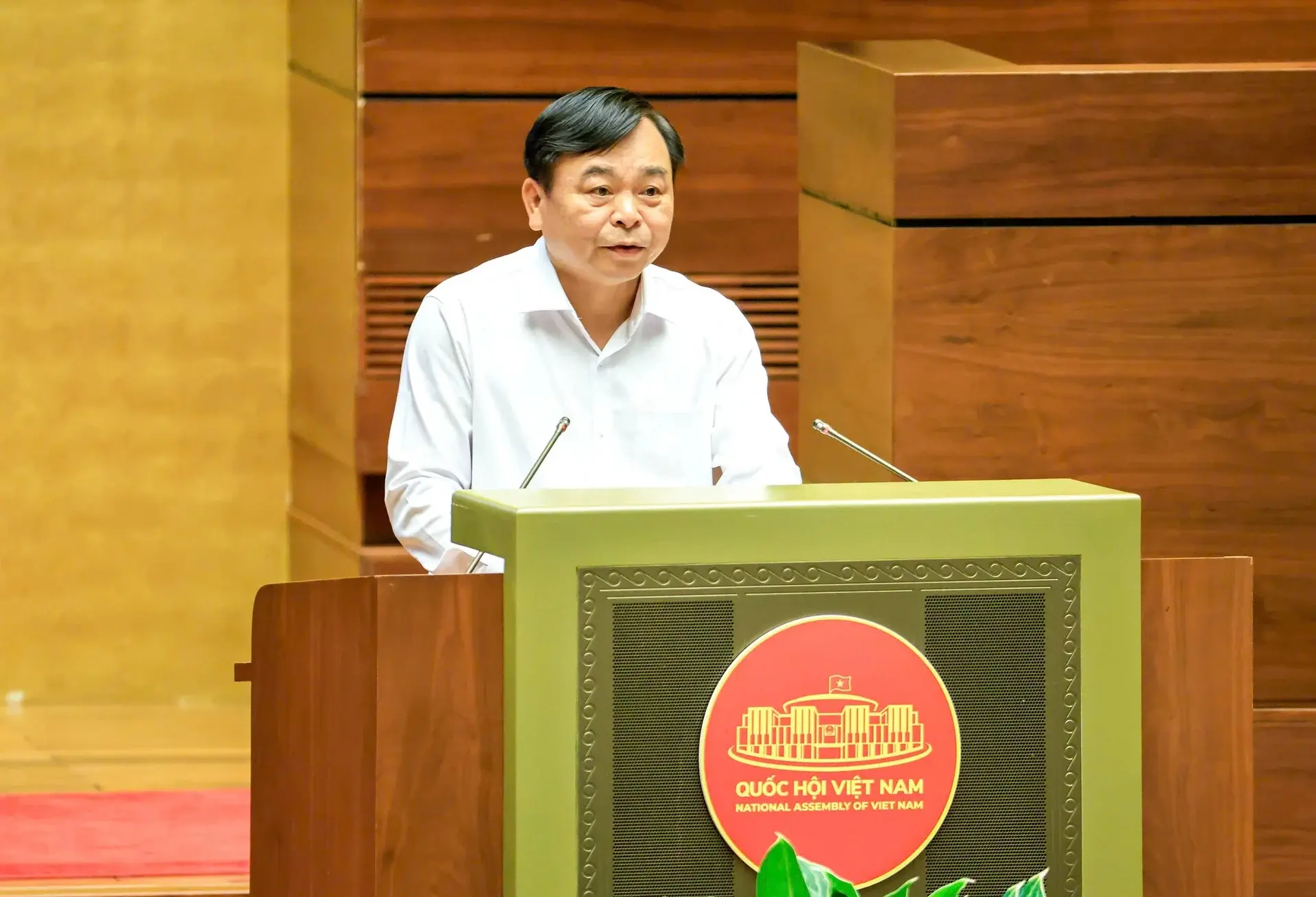
As a multi-sector ministry responsible for a broad range of functions closely linked to local governments, Viet Nam's Ministry of Agriculture and Environment (MAE) moved swiftly during the first year of implementing the two-tier local government model to streamline its organizational structure, strengthen the legal framework, and redefine the allocation of administrative authority. Initial results underscore the Ministry's proactive efforts to translate the Party and State's reform agenda into governance mechanisms suited to the sector's operational needs.
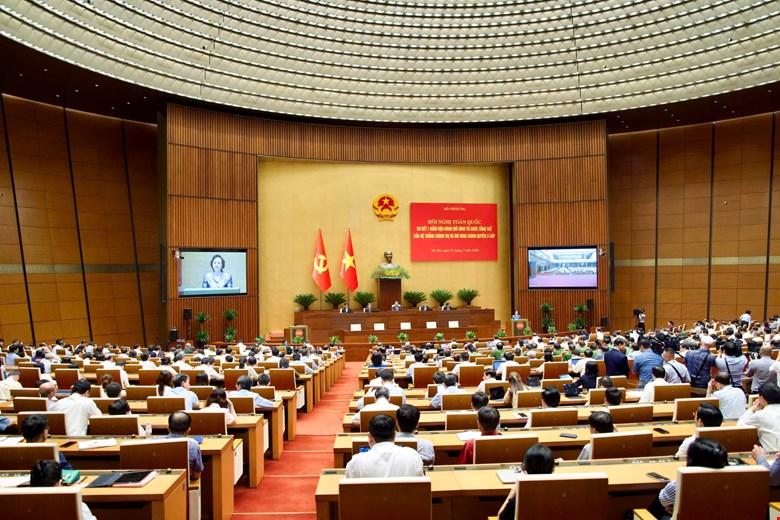
One year after the nationwide implementation of Viet Nam's two-tier local government model, initial results suggest that the reform represents far more than an administrative restructuring. It marks a significant shift in the country's governance philosophy. By streamlining the administrative structure, advancing decentralization and the delegation of authority, accelerating administrative reform, and promoting digital transformation, the new model is laying the foundation for a modern public administration that is efficient, effective, accountable, and responsive to the country's development needs in a new era.

The Ministry of Agriculture and Environment has issued Circular No. 22/2026/TT-BNNMT dated May 19, 2026, amending and supplementing several circulars related to decentralization and the reduction and simplification of administrative procedures under the ministry’s state management authority. The document, signed by Deputy Minister Nguyen Hoang Hiep, marks a further step in Viet Nam’s institutional reform efforts and the modernization of governance in the agriculture and environment sectors.

The fight against Illegal, Unreported, and Unregulated (IUU) fishing in Viet Nam is not merely a matter of completing technical reports to lift the European Commission’s (EC) "yellow card". Data from the 34th meeting of the National Steering Committee on IUU on April 16, 2026, shows that Viet Nam has made significant strides in legal frameworks and monitoring systems. However, looking at South Korea—a fisheries powerhouse driven by data-centric governance and sustainable livelihoods—it is clear that to truly escape the "shadow" of IUU, a revolution in governance is required: shifting from "administrative control" to "ecosystem operation".