



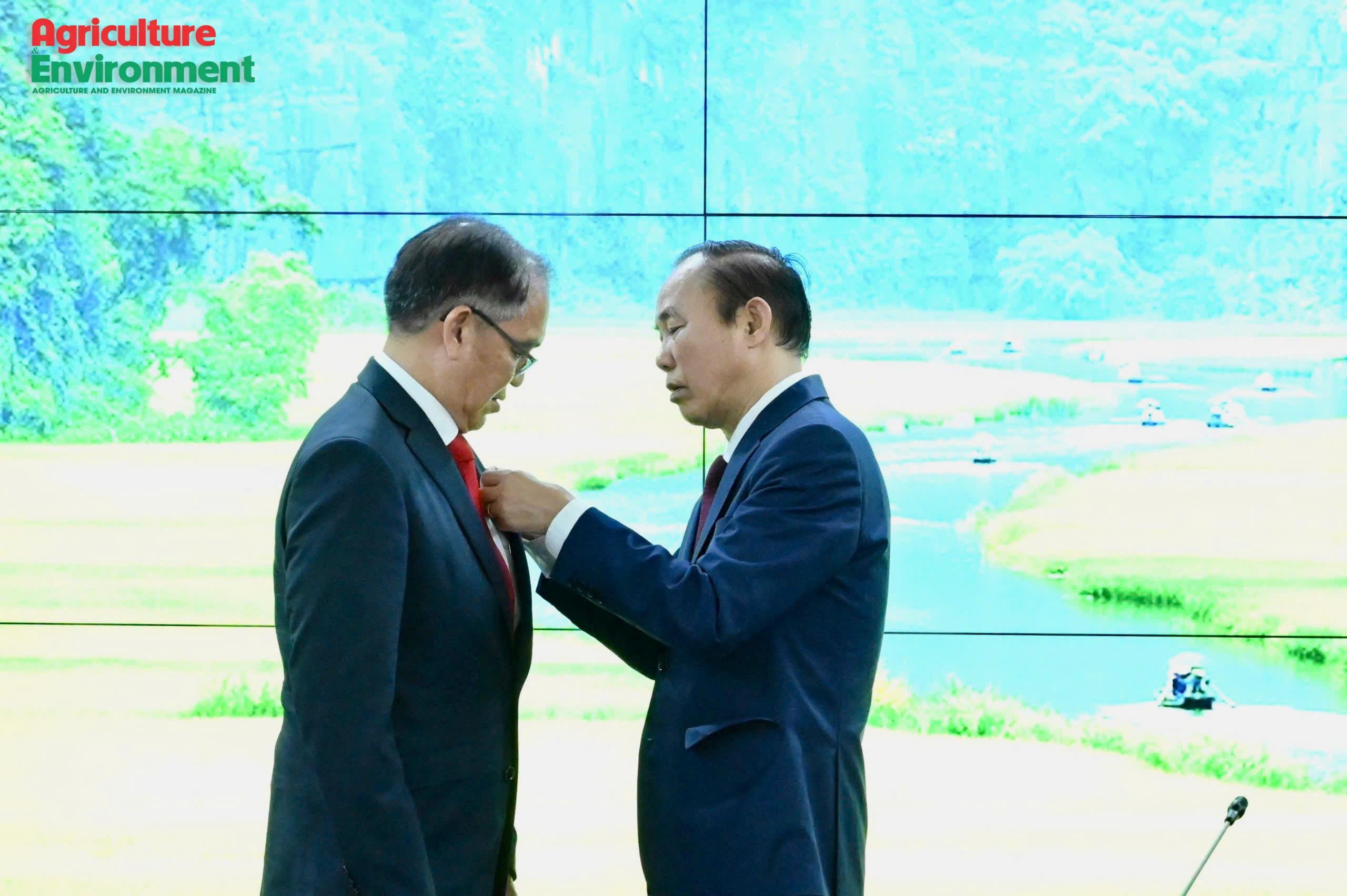
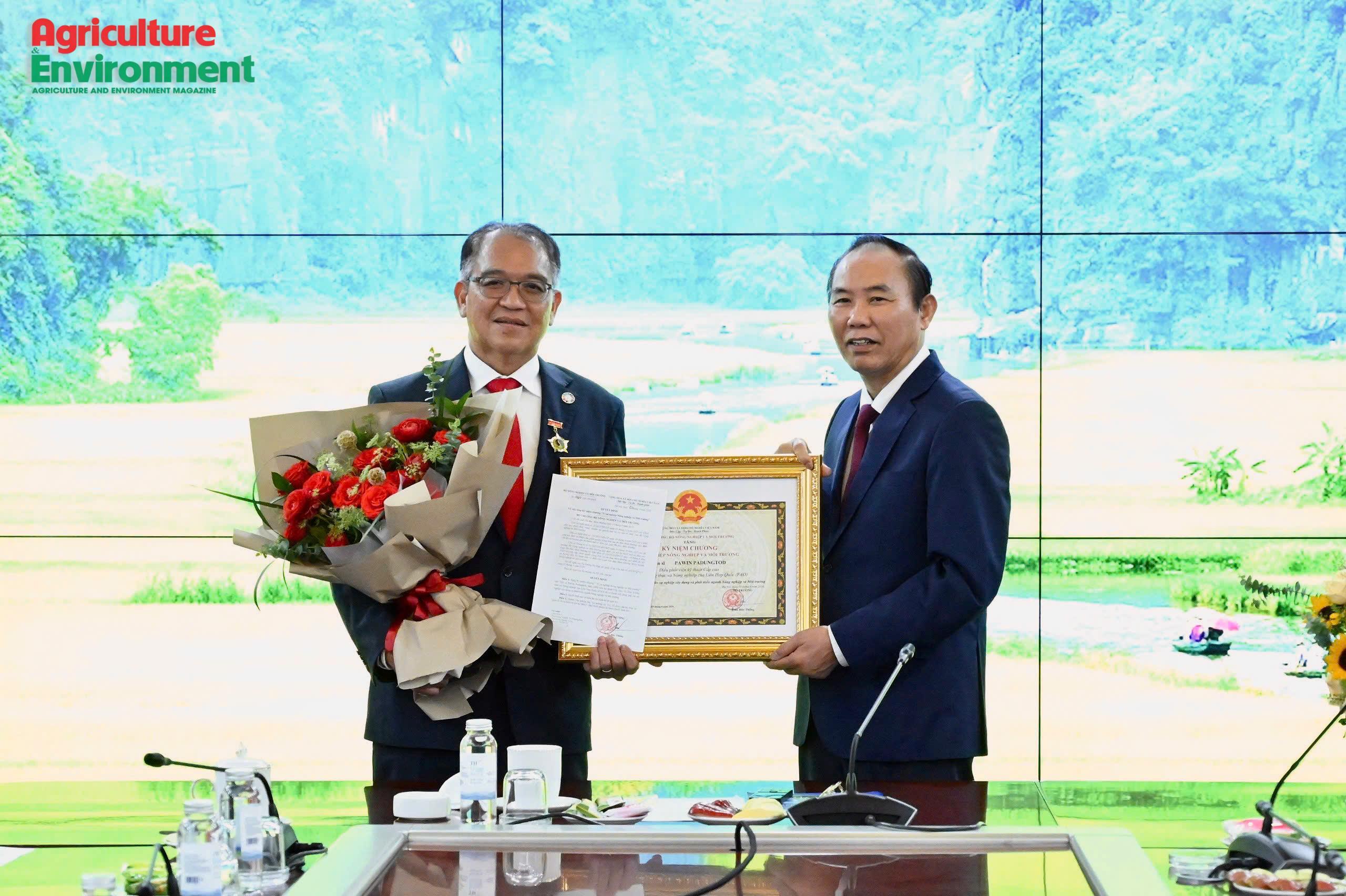
 Deputy Minister of Agriculture and Environment Phung Duc Tien on April 10 presented the “For the cause of Agriculture and Environment” insignia to Dr. Pawin Padungtod, Senior Technical Coordinator of the Food and Agriculture Organization (FAO) in Viet Nam, in recognition of his contributions to advancing the One Health approach, strengthening veterinary systems, and promoting sustainable livestock production.
A decade of support to disease surveillance and response capacity
Speaking at the ceremony, Deputy Minister Phung Duc Tien said that during nearly a decade of work in Viet Nam, Dr. Pawin had made notable contributions across multiple areas, including strengthening disease surveillance systems, laboratory development, field epidemiology training, biosecurity in livestock production, and antimicrobial resistance (AMR) prevention and control.
He played a key role in promoting the One Health approach, enhancing coordination among the health, agriculture, and environment sectors. These efforts helped improve Viet Nam’s capacity for early detection, early warning, and effective response to infectious disease threats, contributing to the protection of public health and food security.
According to the Ministry of Agriculture and Environment, training programs, surveillance systems, and policy frameworks developed with Dr. Pawin’s support are expected to deliver long-term benefits. He has been regarded not only as an international FAO expert but also as a trusted partner with sustained engagement in Viet Nam’s agriculture and public health sectors.
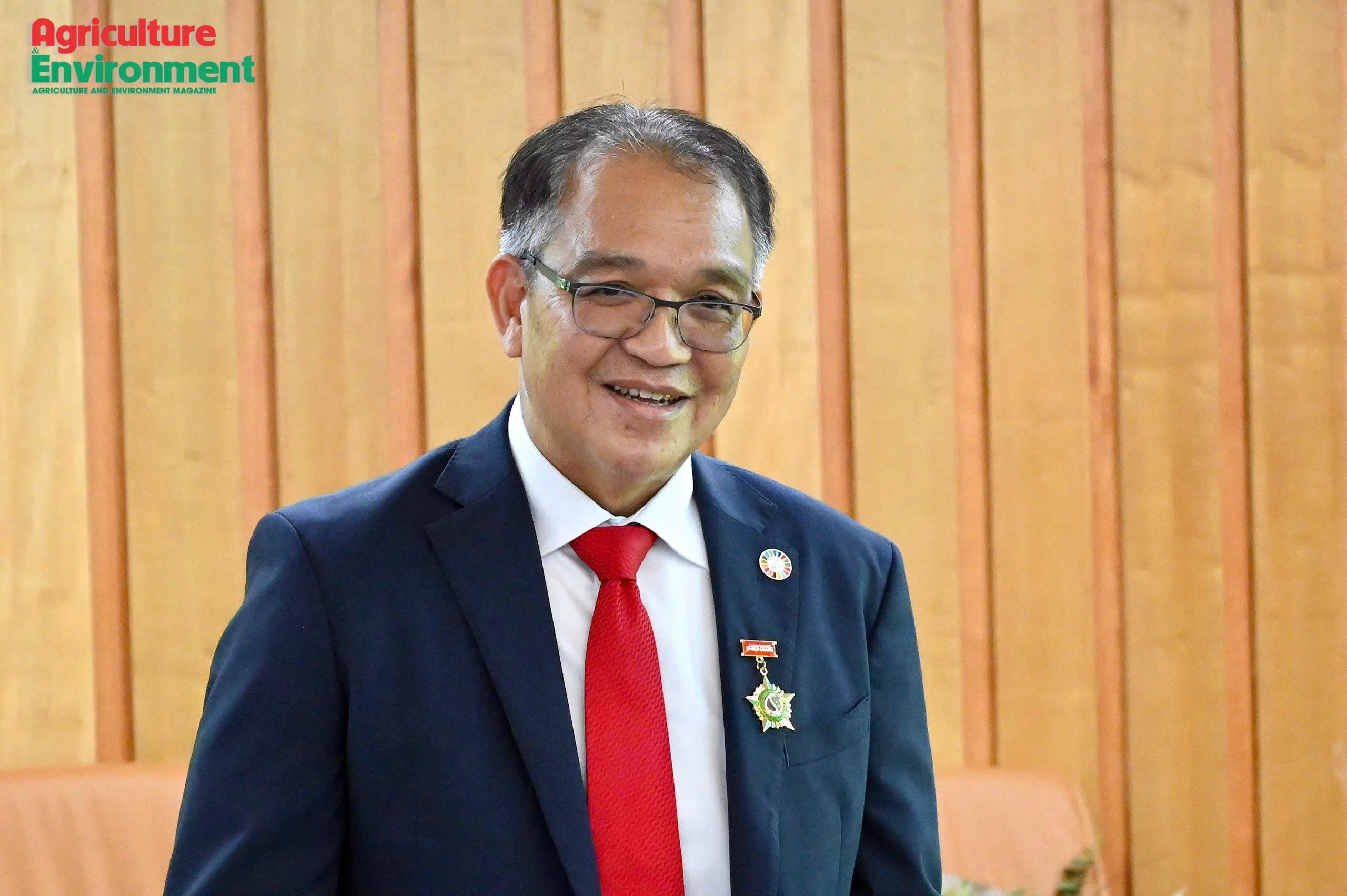
Dr. Pawin said he was honored to receive the insignia, describing it as recognition not only of his individual efforts but also of the FAO team’s contributions in supporting Viet Nam. He expressed appreciation to the ministry and development partners for their effective and long-standing cooperation.
He also spoke of his strong personal connection to Viet Nam, describing it as a “second home” for his family. He noted that the country’s high-quality human resources and strong commitment to sustainable development have driven notable achievements, including the implementation of One Health initiatives and the National Action Plan on Antimicrobial Resistance, positioning Viet Nam as a regional leader in these areas.
Drawing on his experience in international cooperation, Dr. Pawin highlighted three key factors for success: solutions tailored to local contexts, sustained partnerships, and investment in human resources as a foundation for long-term development.
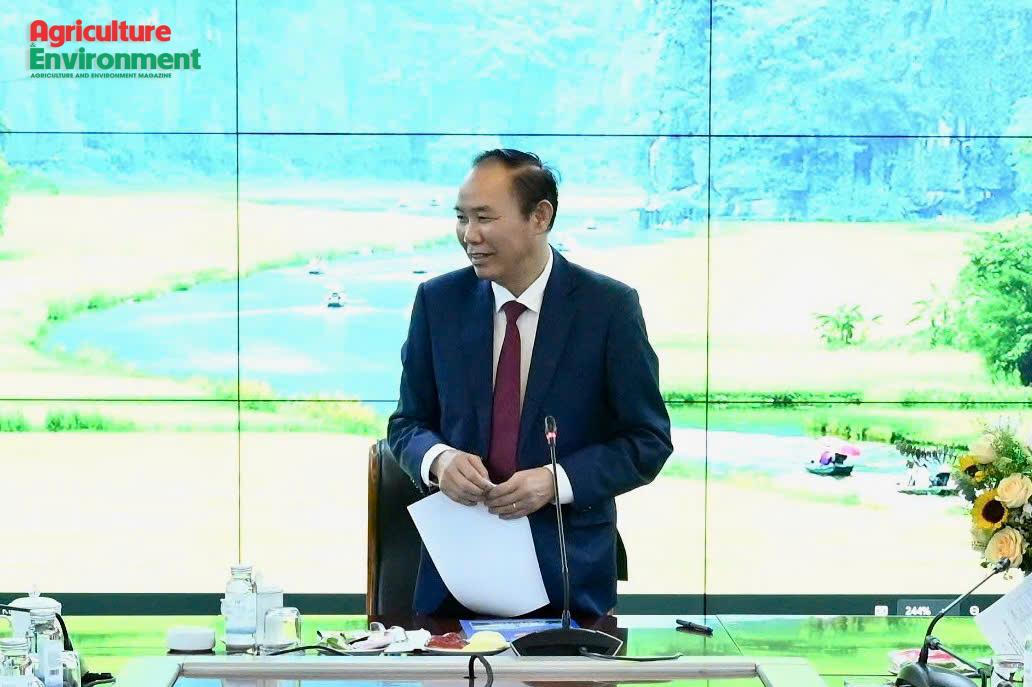
Deputy Minister Phung Duc Tien expressed hope that in his new role, Dr. Pawin would continue to mobilize international knowledge, resources, and initiatives to support Viet Nam in building a modern, safe, and sustainable agriculture sector.
Long-term partner helping strengthen Viet Nam’s regional role
Since beginning his tenure in Viet Nam in 2016, Dr. Pawin has contributed to strengthening disease surveillance and control capacity. Through FAO-supported programs, Viet Nam has implemented active surveillance for avian influenza, swine influenza, and emerging pathogens in high-risk areas such as live bird markets, slaughterhouses, and border areas. The data collected have supported risk assessment, vaccine selection, and policymaking for disease prevention and control.
He also contributed to the development of the Vietnam Animal Health Information System (VAHIS), helping standardize reporting processes, improve data management, and strengthen early warning capacity. The application of advanced diagnostic technologies, including field-based PCR testing, has enabled rapid detection of dangerous virus strains, improving surveillance and response effectiveness.
In addition, he provided technical advice on the development and implementation of national disease control plans for major diseases, including avian influenza, African swine fever, foot-and-mouth disease, lumpy skin disease, and rabies, helping reduce the risk of animal-to-human transmission.
In human resource development, Dr. Pawin supported the design and implementation of field epidemiology training programs such as AVET and the Regional Field Epidemiology Training Program for Veterinarians (R-FETPV), strengthening the professional capacity of Vietnam’s veterinary workforce. He also played a key role in modernizing laboratory systems through infrastructure upgrades, staff training, and the application of international assessment tools, enhancing testing and diagnostic capacity.
He further promoted sustainable livestock production by supporting biosecure farming models, disseminating good animal husbandry practices, and advocating responsible antimicrobial use. These efforts have helped reduce disease risks, curb antimicrobial resistance, and improve production efficiency. He also supported the development of traceability systems in selected value chains and strengthened wildlife management to reduce zoonotic disease risks.
Dr. Pawin made important contributions to antimicrobial resistance (AMR) prevention and control in Viet Nam, including involvement in the development and implementation of the National Action Plan in the agriculture sector for 2017–2025, while promoting research and international cooperation under the One Health approach. As a key international partner of the One Health Partnership, he supported policy dialogue, resource mobilization, and multisectoral collaboration, contributing to enhancing Viet Nam’s standing in the region and globally.
Through more than 27 projects with total funding exceeding $22.9 million, Dr. Pawin has contributed to strengthening the veterinary system, enhancing national health security, and promoting international integration of Viet Nam’s agriculture sector.
With broad, sustained, and far-reaching contributions, Dr. Pawin Padungtod has been recognized as a leading expert in the veterinary field and a trusted partner supporting Viet Nam’s efforts to build a modern, safe, and sustainable agriculture sector.
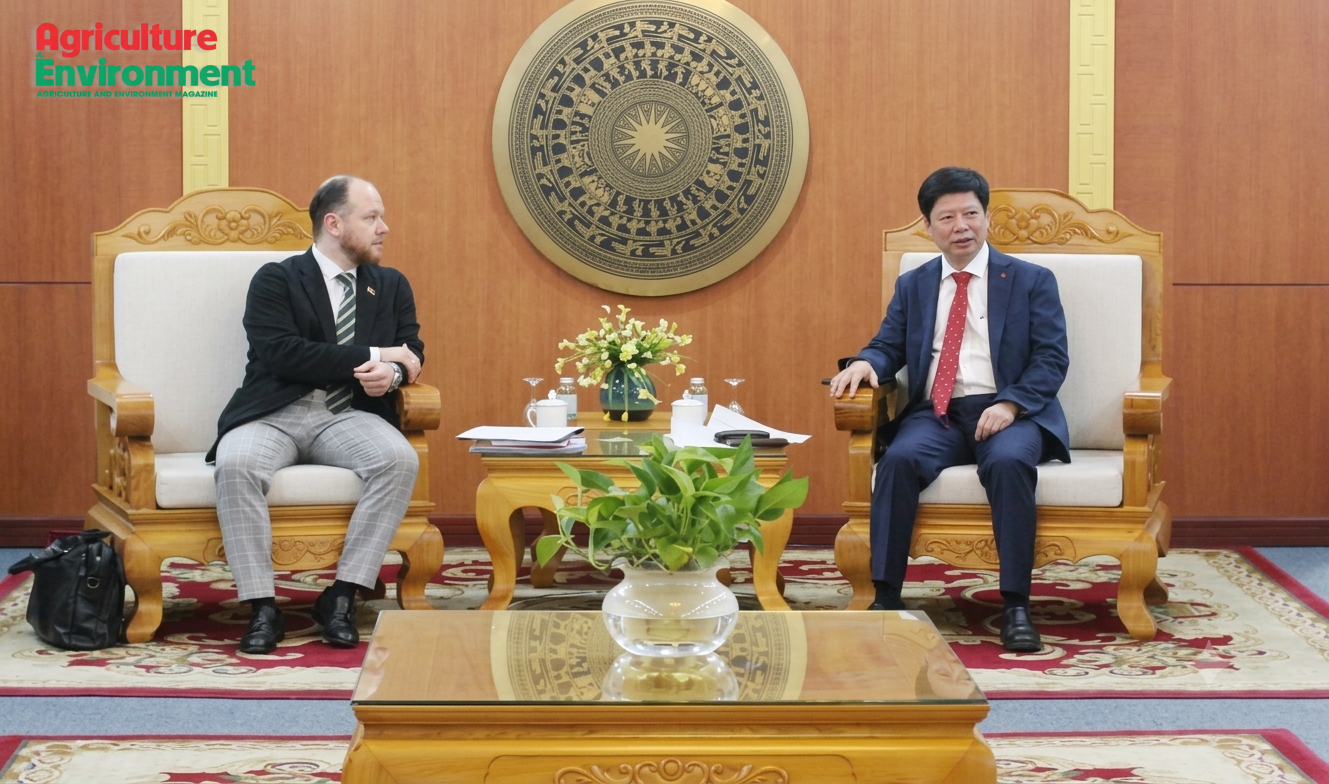
The licensing of four Belarusian companies to export boneless beef to Viet Nam, with the first shipment entering the Vietnamese market in April 2026, marks a concrete result in efforts to address market-access procedures between the two countries. In the opposite direction, the number of Vietnamese companies authorised to export meat and seafood to the Eurasian Economic Union (EAEU) is only about one-sixth the number of Belarusian companies authorised to export to Viet Nam, pointing to further scope for addressing technical barriers and expanding market opportunities for Vietnamese agricultural products.
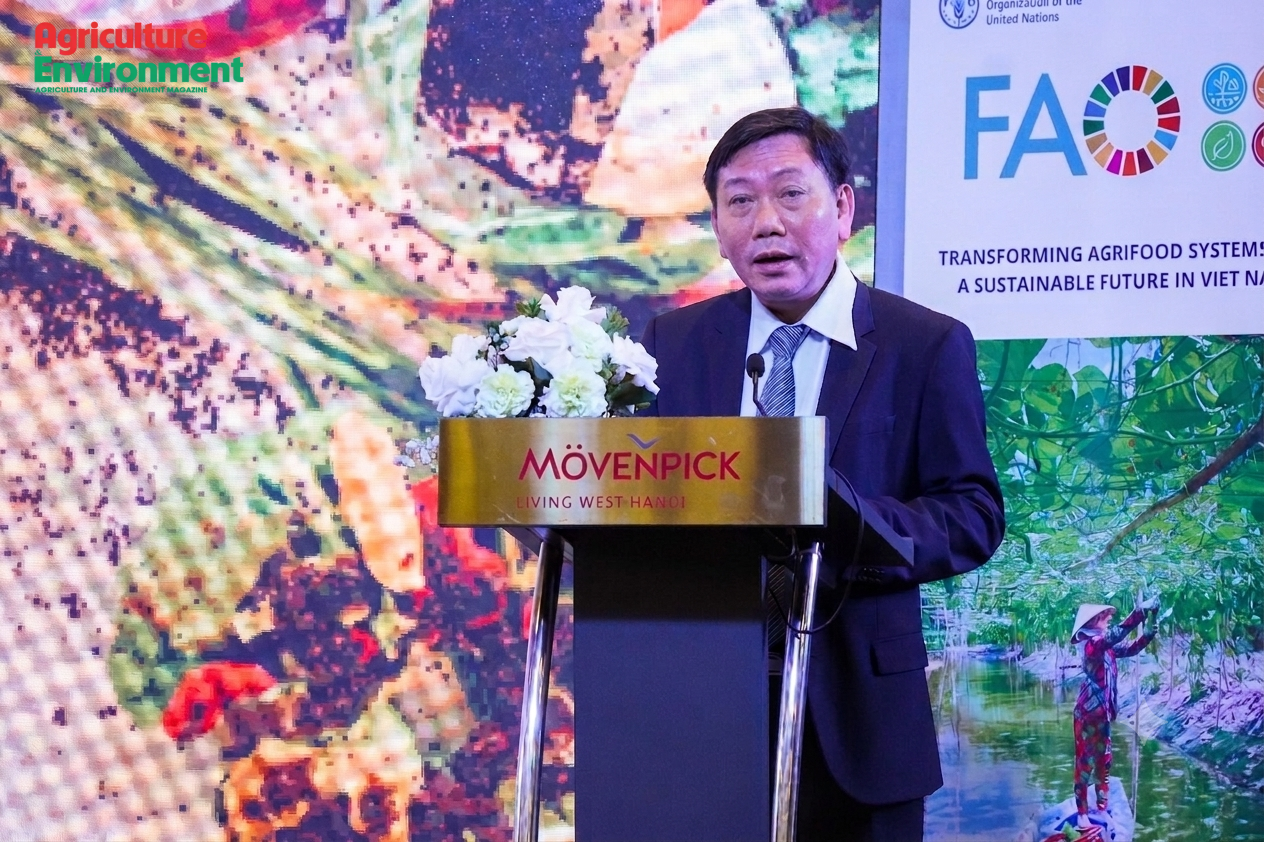
Reducing food loss and waste is not only about preventing food from being discarded. It also requires retaining and circulating value throughout the food system, from production and processing to distribution and consumption.
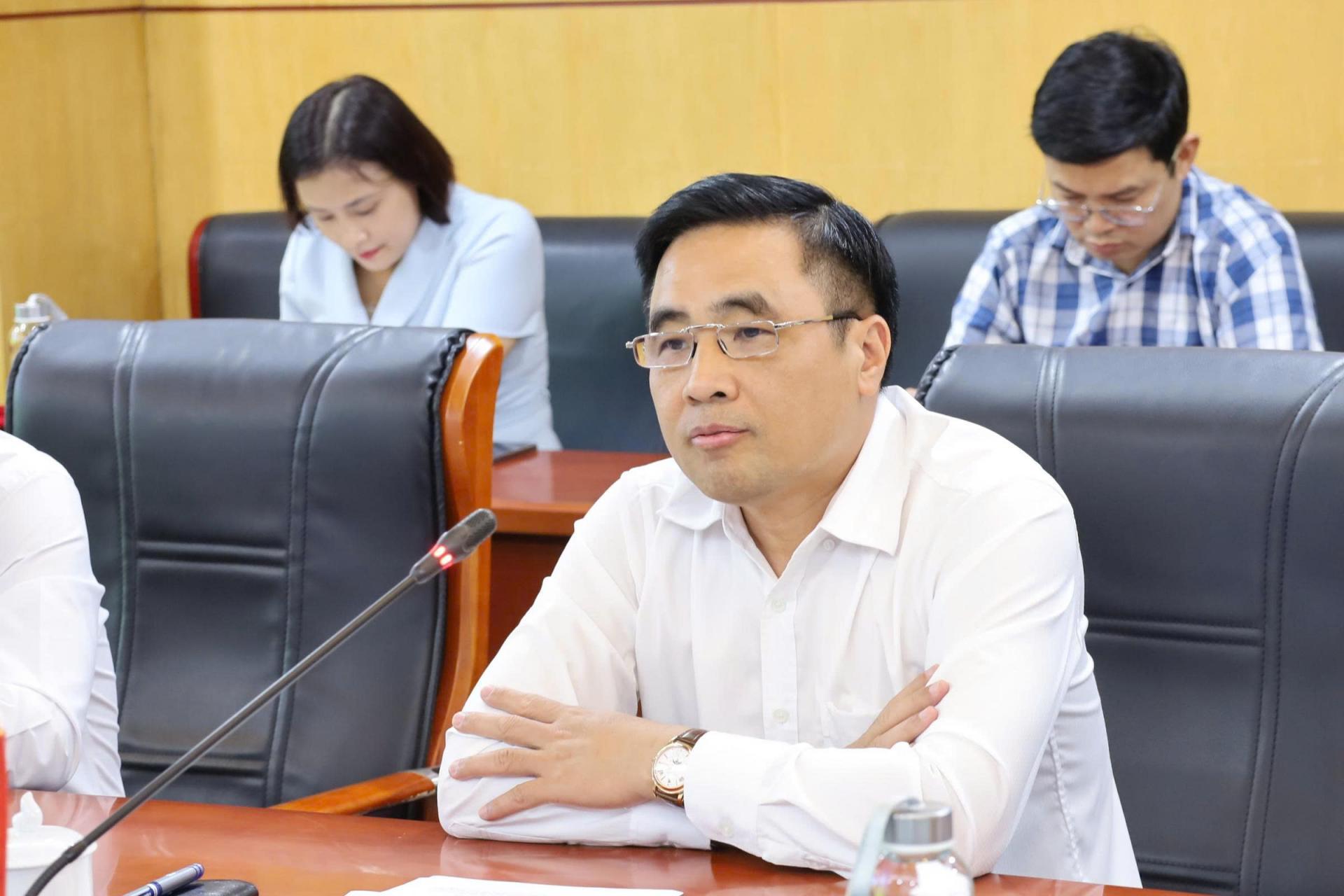
The August 18 meeting between Deputy Minister of Agriculture and Environment Nguyen Quoc Tri and Uruguay’s Deputy Minister of Livestock, Agriculture and Fisheries Matías Carámbula highlighted market access and balanced interests in agricultural trade between the two countries. These issues are directly relevant to translating bilateral cooperation priorities into concrete outcomes.
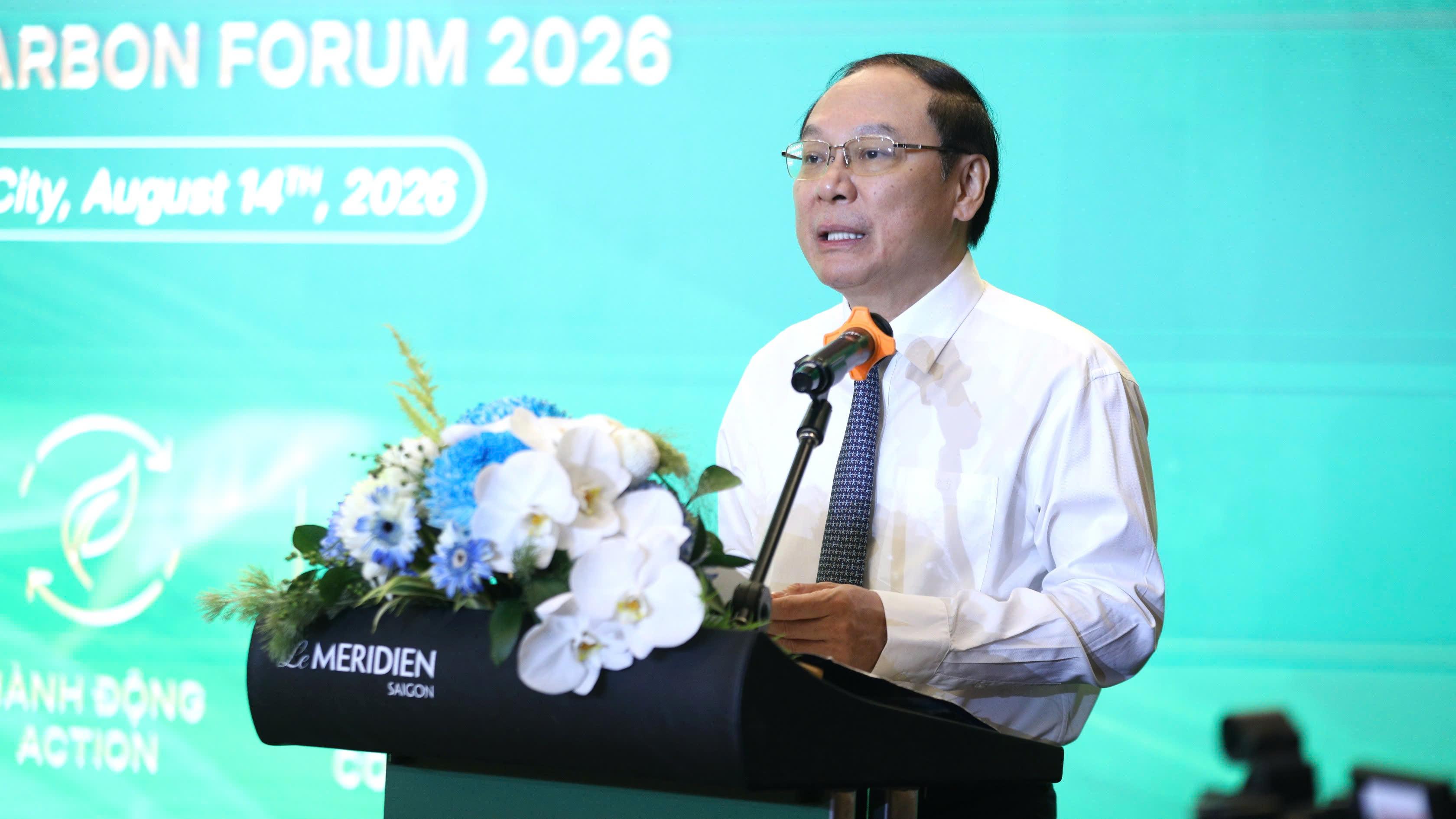
The "Viet Nam Carbon Forum 2026: From policty to action", held in Ho Chi Minh City on August 14, highlighted the carbon market’s transition into a new phase, with the legal framework being progressively completed, the domestic carbon exchange entering pilot operation and businesses facing growing pressure to make emissions reductions part of their business strategies.
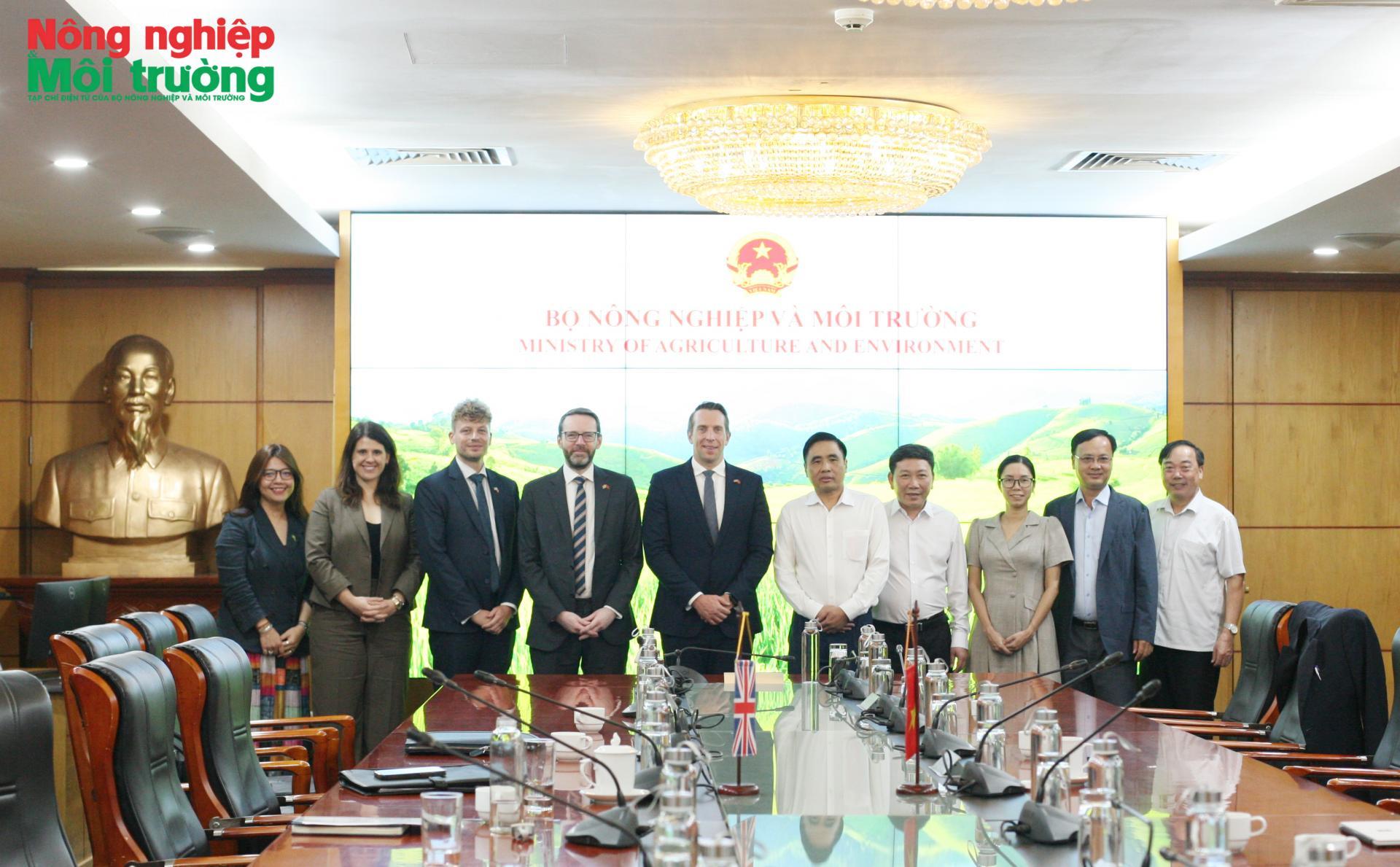
Viet Nam and the United Kingdom are stepping up coordination to expand market access for agricultural, forestry and fishery products, as bilateral trade in these sectors reached about US$1.16 billion in 2025, up 20% from the previous year.