



 Amid increasingly complex food safety challenges driven by globalization and climate change, experts, regulators, businesses, and international organizations have called for a shift from end-product inspection to risk management across the entire value chain. Traceability, digital transformation, and value chain linkages were identified as key tools for building safe, transparent, and sustainable food systems under the One Health approach.
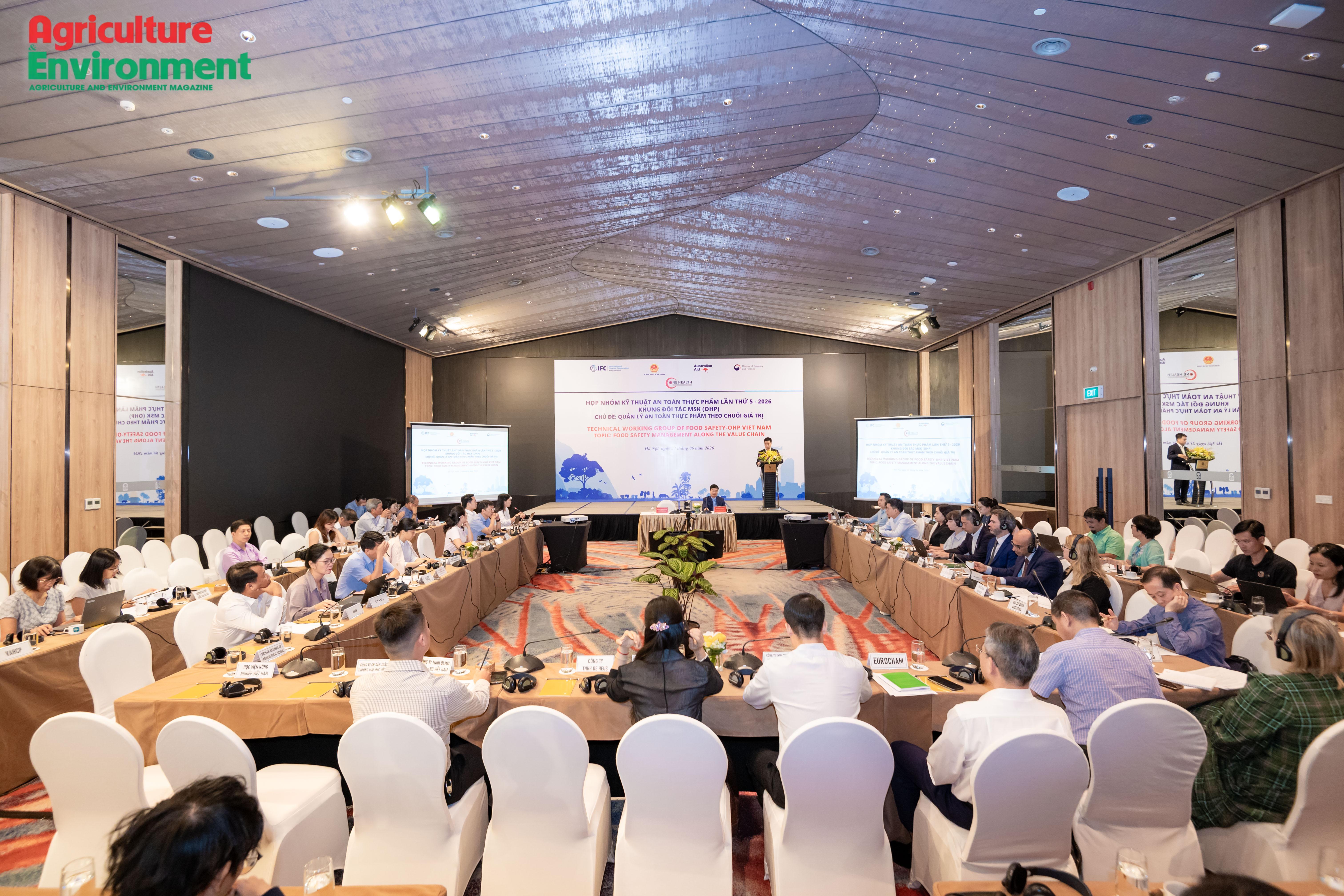
On June 23, the Ministry of Agriculture and Environment, through its International Cooperation Department and the One Health Partnership Secretariat on prevention of zoonotic diseases, co-hosted the fifth Food Safety Technical Working Group meeting under the Viet Nam One Health Partnership (OHP), together with the International Finance Corporation (IFC) and the National Institute for Food Control (NIFC) under the Ministry of Health. The meeting focused on “Food safety management along the value chain.”
Speaking at the opening session, Associate Professor Dr. Tran Cao Son, Deputy Director of the National Institute for Food Control, said food safety is no longer an issue confined to a single sector or a single stage of the food production chain. In the context of globalization, climate change, and increasingly complex supply chains, food safety risks have become more diverse, harder to predict, and increasingly cross-sectoral.
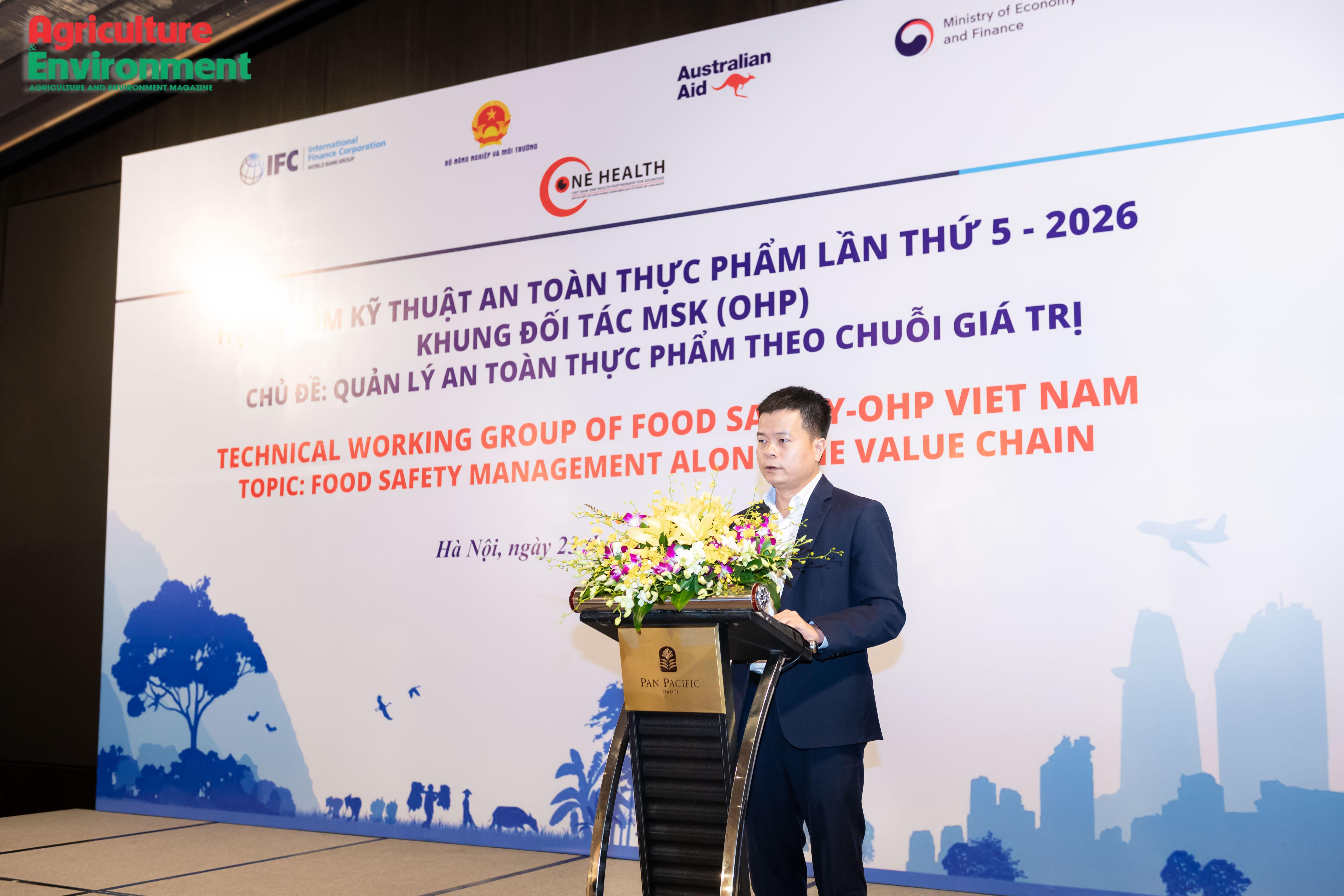
According to Associate Professor Dr. Tran Cao Son, food safety management should adopt a risk-based approach across the entire value chain—from production, processing, transport, distribution, to consumption—rather than focusing solely on end-product inspection.
Pham Duc Uy, Project Manager for Food Safety and Food Loss Reduction at the International Finance Corporation (IFC), said food safety is not only a public health issue but also a key factor in ensuring the sustainability and resilience of food systems. As a development institution investing in private-sector growth in emerging markets, IFC considers food safety one of the critical risks that must be identified and managed throughout the investment process. He said improving food safety standards not only protects consumers but also enables businesses to access finance, enhance competitiveness, and integrate more deeply into global value chains.
Sharing international experience, Pham Duc Uy said IFC has implemented technical assistance programs on food safety for more than 20 years, supporting hundreds of enterprises in accessing financial resources to improve quality management systems.
In Viet Nam, the program has been implemented since 2017 with support from multiple international development partners, aiming to strengthen food safety management capacity in the private sector. Pham Duc Uy said food safety challenges should be addressed under the One Health Partnership framework, in which human, animal, environmental health and food systems are viewed as an interconnected whole.
This approach, he said, provides an important foundation for promoting multisectoral cooperation and building safer, more sustainable food systems that are better able to respond to future challenges.
Discussing digital transformation in food safety management, a representative of the Digital Transformation Department under the Ministry of Agriculture and Environment said international economic integration is placing increasingly stringent requirements on verification, authentication, and traceability of goods from farm to table. Traditional management methods based on paper records, localized data storage, and post-market inspection have revealed major limitations, including information delays, weak verification capacity, and limited end-to-end monitoring. As a result, digital transformation is no longer optional but has become a core capacity for improving food safety governance and enhancing the competitiveness of Vietnamese products.
The representative said the national traceability system is expected to officially become operational on July 1, 2026, aiming to connect data across the entire chain—from raw material zones and production to processing and distribution.
The system will support real-time traceability while integrating technologies such as artificial intelligence (AI), big data, remote sensing, and blockchain to enhance anomaly detection, data verification, and risk management across the value chain.
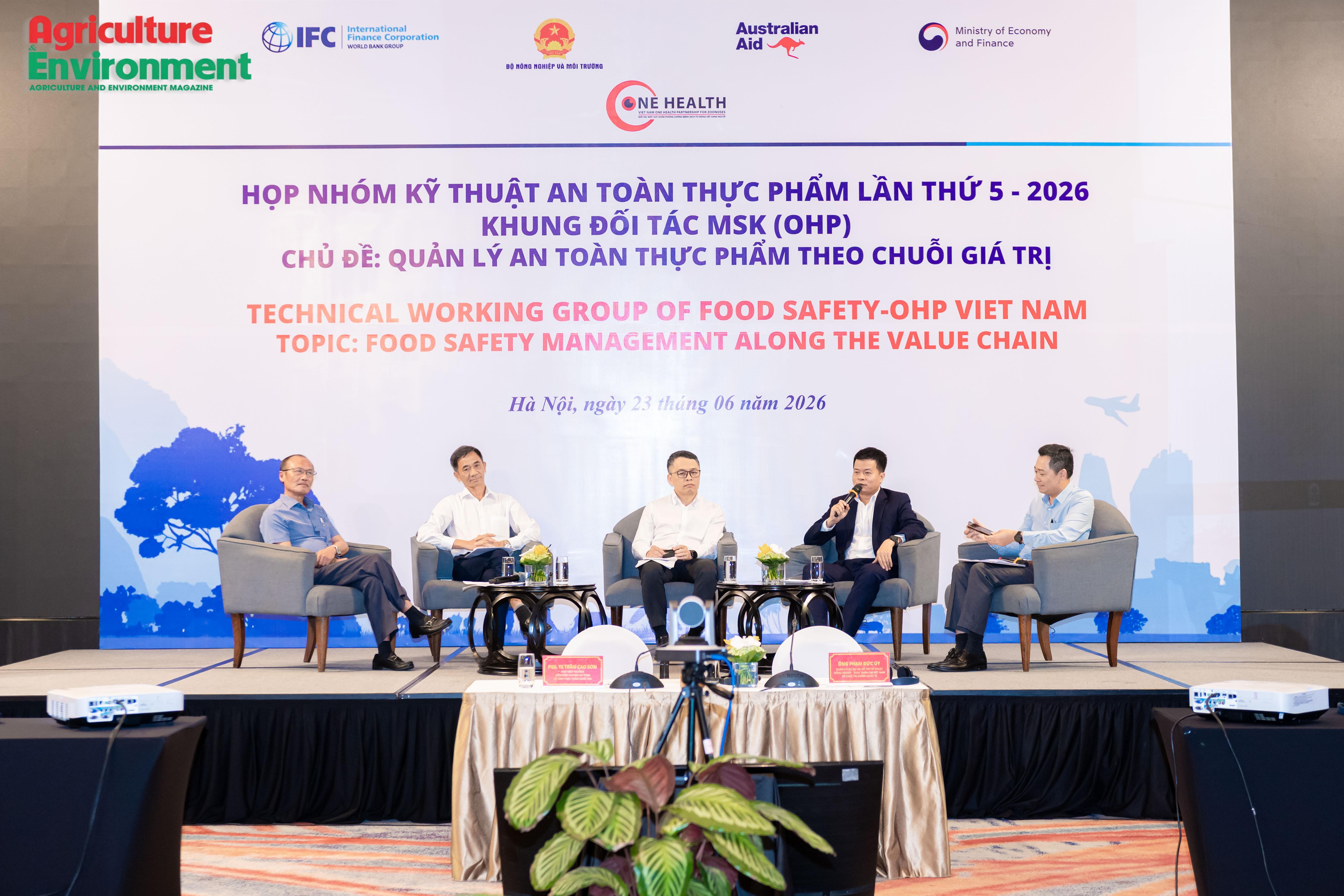
From the business perspective, Mai Xuan Phong, member of the Board of Directors and General Director of Seaprodex, said food safety, traceability, and sustainability requirements are becoming prerequisites for Vietnamese goods to access high-end markets. The European Union alone imports about $300 billion worth of agricultural and seafood products annually, but applies strict standards related to traceability, illegal, unreported and unregulated (IUU) fishing, environmental protection, and social responsibility.
Mai Xuan Phong said meeting these requirements requires strong value chain linkages among input suppliers, producers, cooperatives, processing enterprises, and distribution systems. When all stages are connected and managed under unified standards, enterprises can improve traceability while strengthening trust among consumers and import partners.
Citing the mangrove-based shrimp farming model in Ca Mau Province, he said cooperation among farmers, cooperatives, and processing enterprises has enabled products to obtain international certifications such as ASC, Naturland, and organic standards, allowing exports to demanding markets including the EU, the United States, and Japan. The model has not only increased product value but also contributed to mangrove ecosystem conservation and improved incomes for local communities.
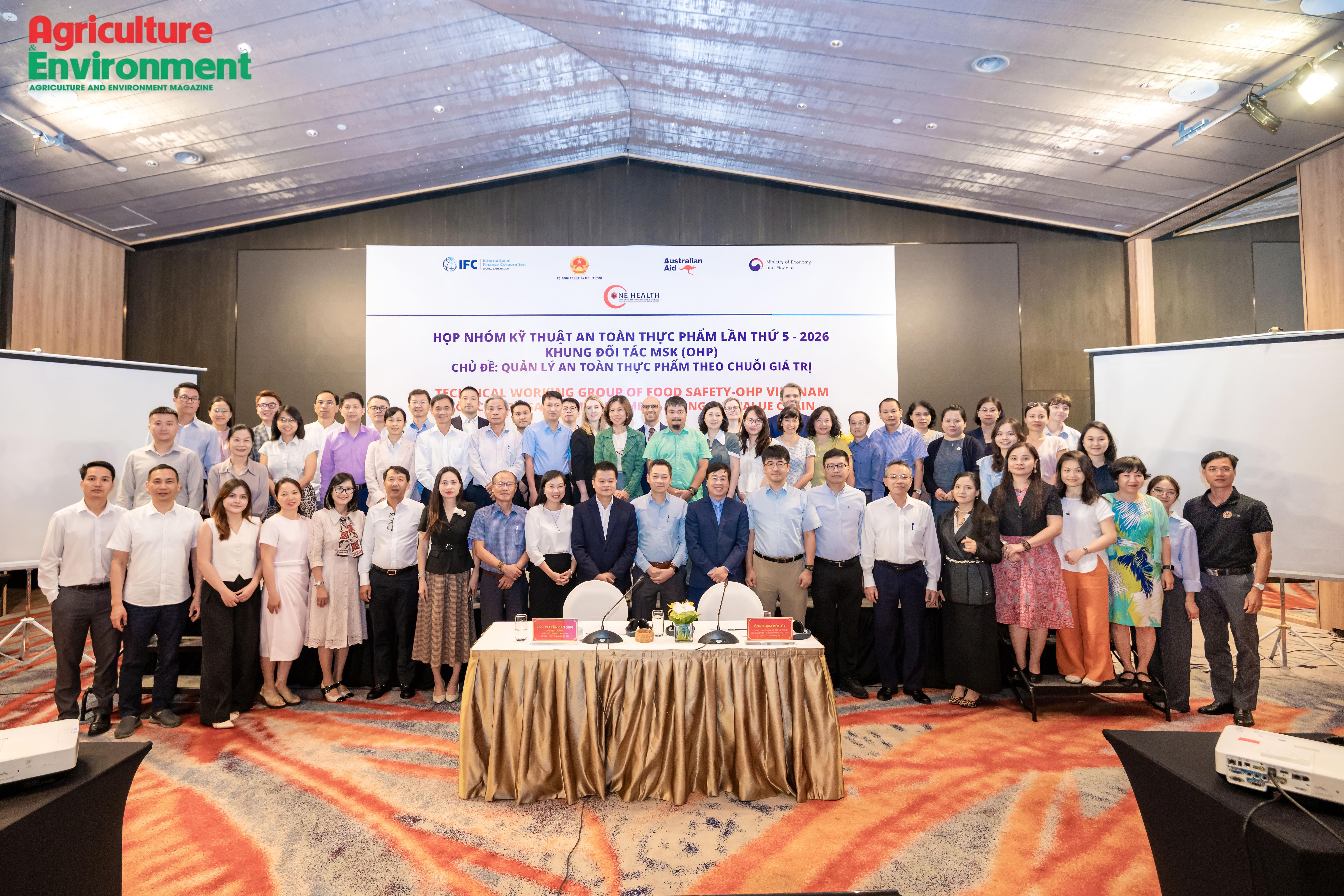
Based on discussions at the session, delegates agreed on several priority actions for the coming period, including strengthening risk assessment capacity, enhancing science-based monitoring and early warning systems, promoting safe food value chains, accelerating digital transformation and traceability, and expanding data-sharing mechanisms among regulatory agencies and stakeholders.
In closing remarks, Associate Professor Dr. Tran Cao Son reaffirmed that traceability, digital transformation, and value chain linkages are important tools, but the foundation of an effective food safety system must be science-based risk management and compliance by all actors across the value chain. He said only through coordinated participation and synchronized action among all stakeholders can Viet Nam build a safe, transparent, and sustainable food system.
The outcomes of the meeting further reaffirmed the role of the Viet Nam One Health Partnership as an important multisectoral cooperation mechanism, helping promote policy dialogue, knowledge sharing, and resource mobilization to address cross-sector food safety challenges. The recommendations from the meeting will serve as a basis for agencies, organizations, and development partners to further translate them into concrete cooperation programs and actions in the coming period.
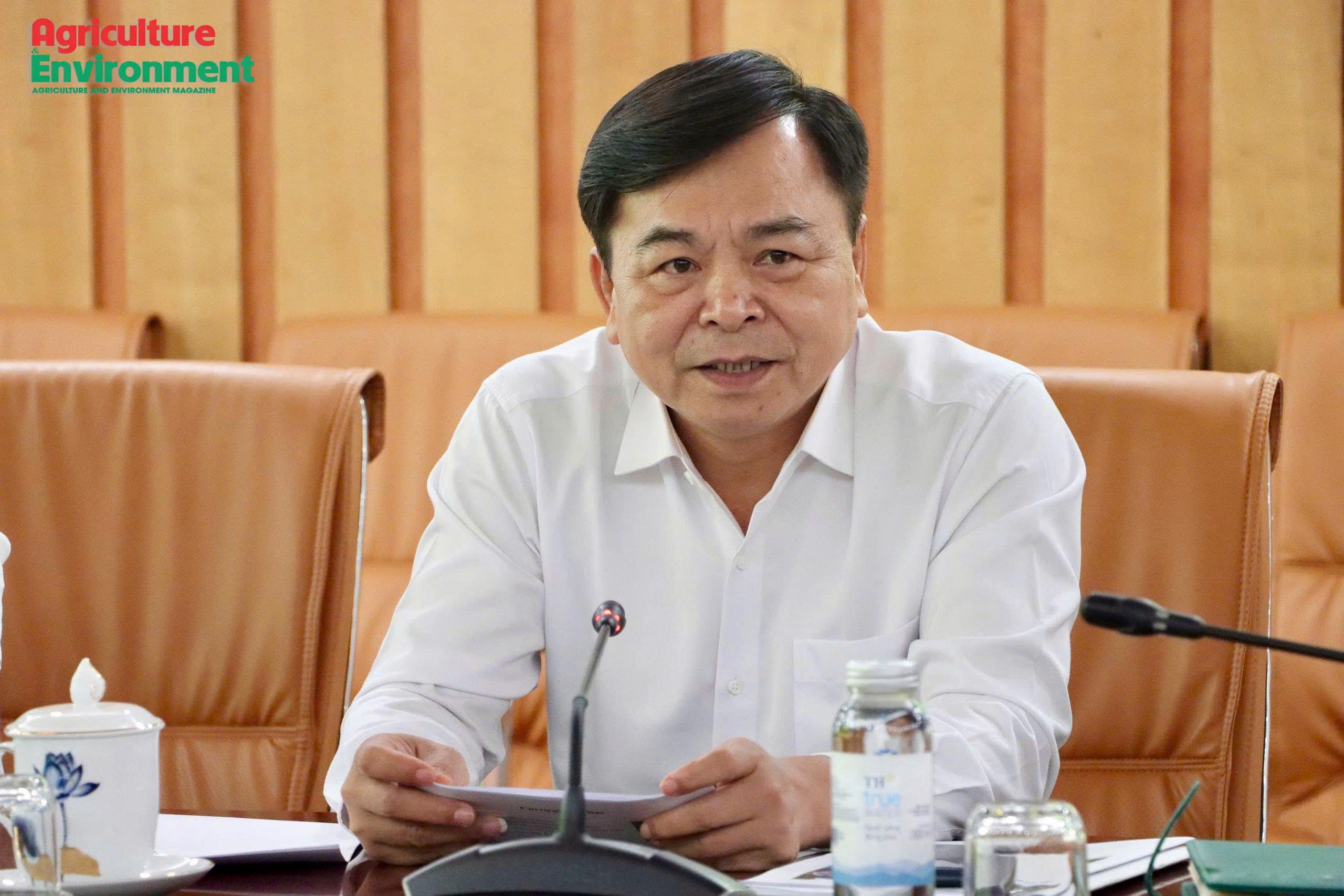
Deputy Minister of Agriculture and Environment Nguyen Hoang Hiep on April 20 called for faster administrative procedures and closer coordination with the Japan International Cooperation Agency (JICA) to remove bottlenecks and accelerate the Japan-funded Ben Tre Water Management Project.
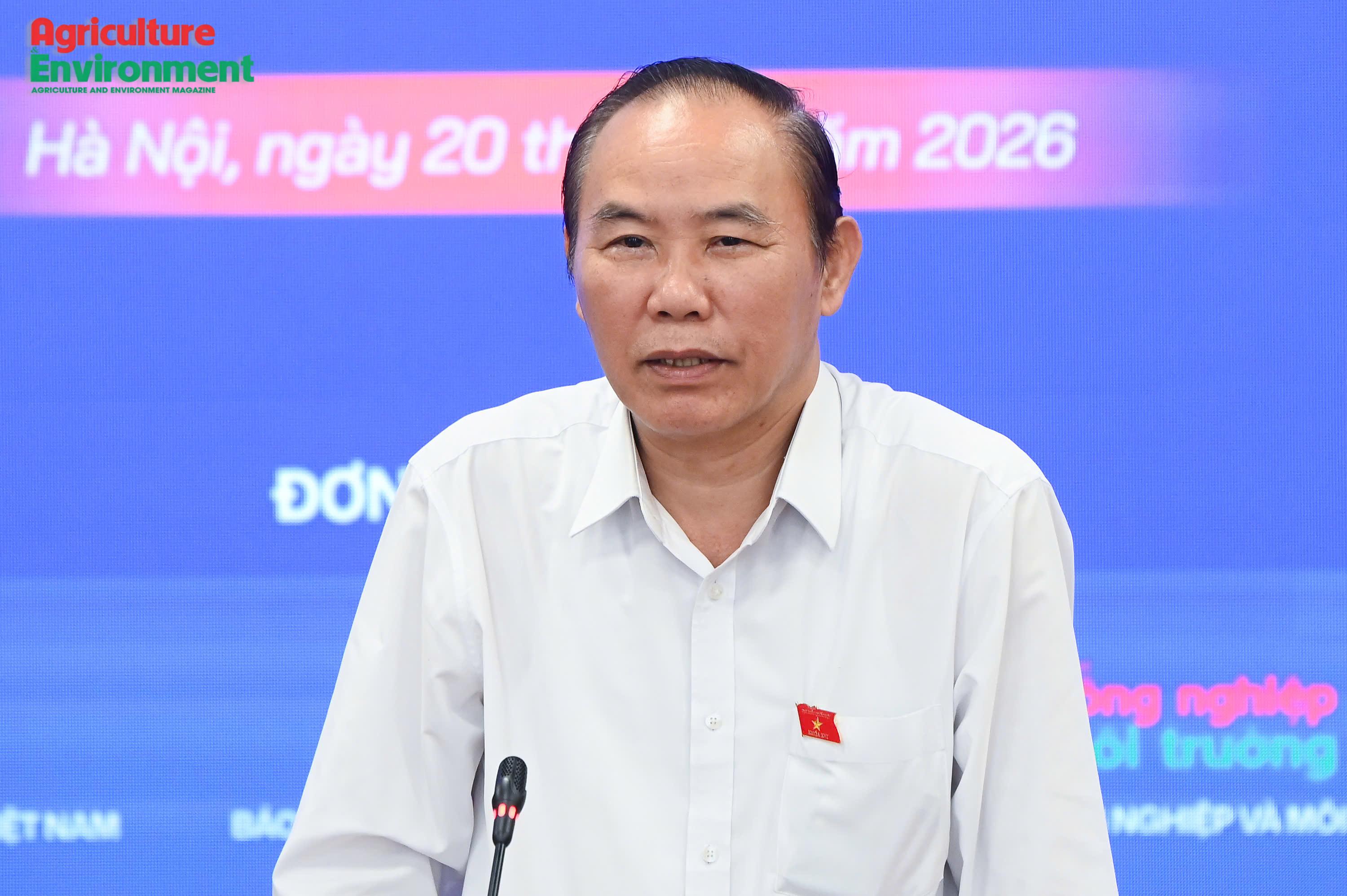
The national conference on fisheries science, technology and fisheries surveillance 2026 is being organized to assess the current state of scientific and technological development in the sector, providing a scientific basis for defining major orientations for science, technology and innovation. The event will also support the development of mechanisms, policies and key tasks to advance the fisheries sector, contributing to both sectoral and national economic growth in the 2026–2030 period, with a vision to 2035.
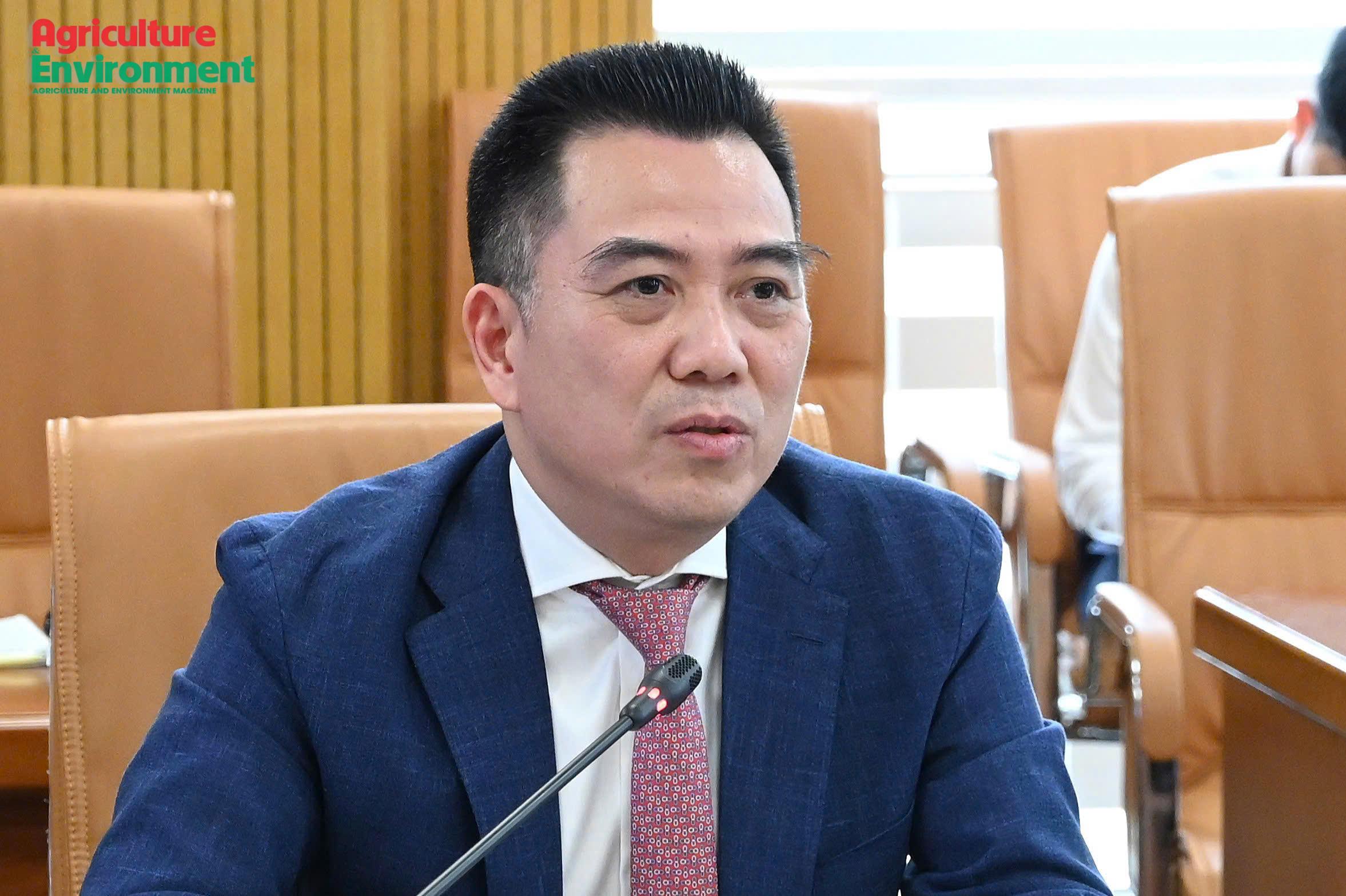
Viet Nam and the United States agreed to strengthen cooperation in sustainable agriculture, the circular economy, digital transformation, natural resource management and climate change response, as part of efforts to promote green growth and achieve net-zero emissions.
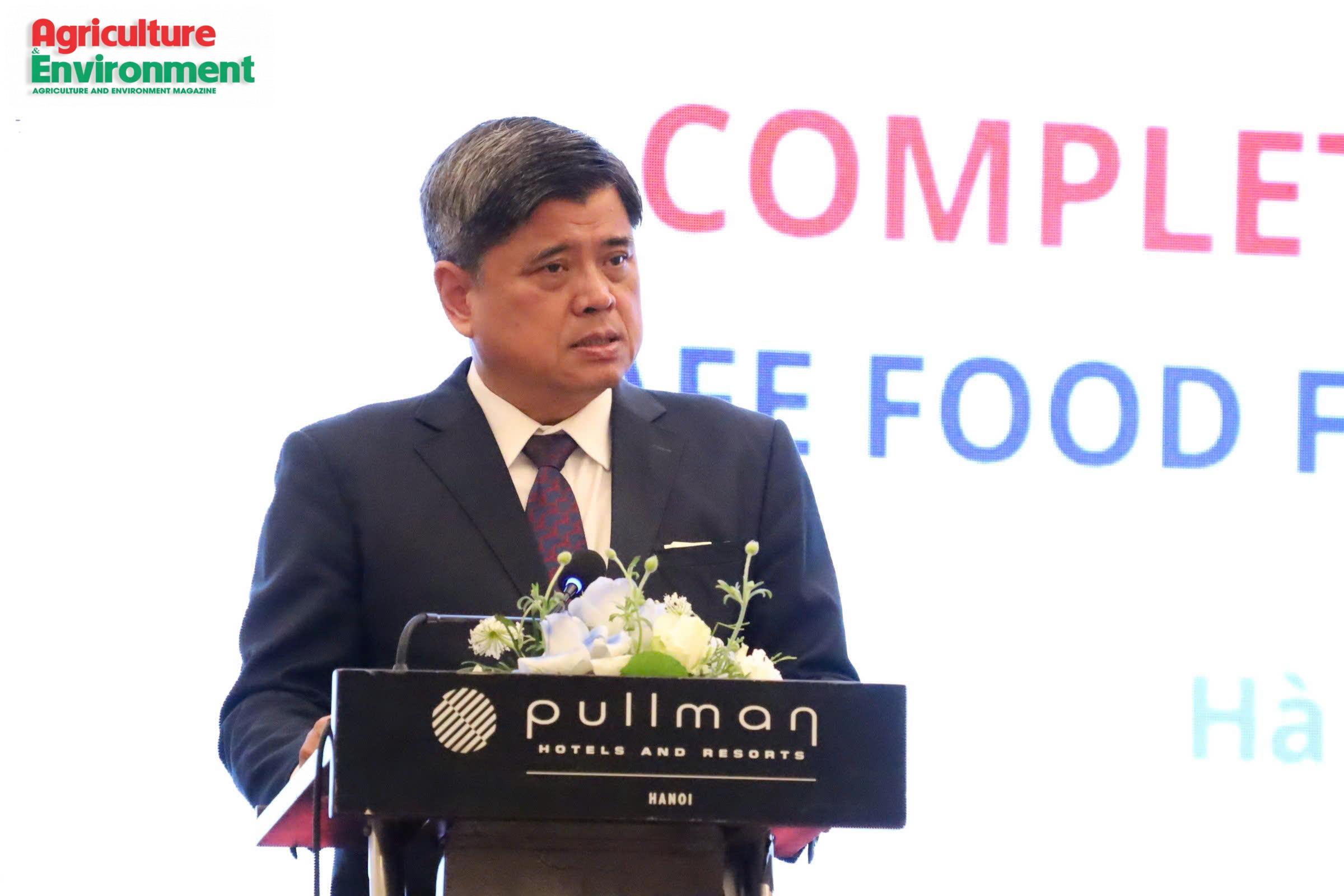
On April 16, the Ministry of Agriculture and Environment, in coordination with the Embassy of Canada in Viet Nam, held a conference to review the “Safe food for growth” (SAFEGRO) project, assessing its results, impacts and effectiveness over the 2020–2026 period. The event also aimed to share lessons learned and project outputs to support the continuation and scaling up of effective models, contributing to improved sustainability and effectiveness in ensuring food safety in Viet Nam.
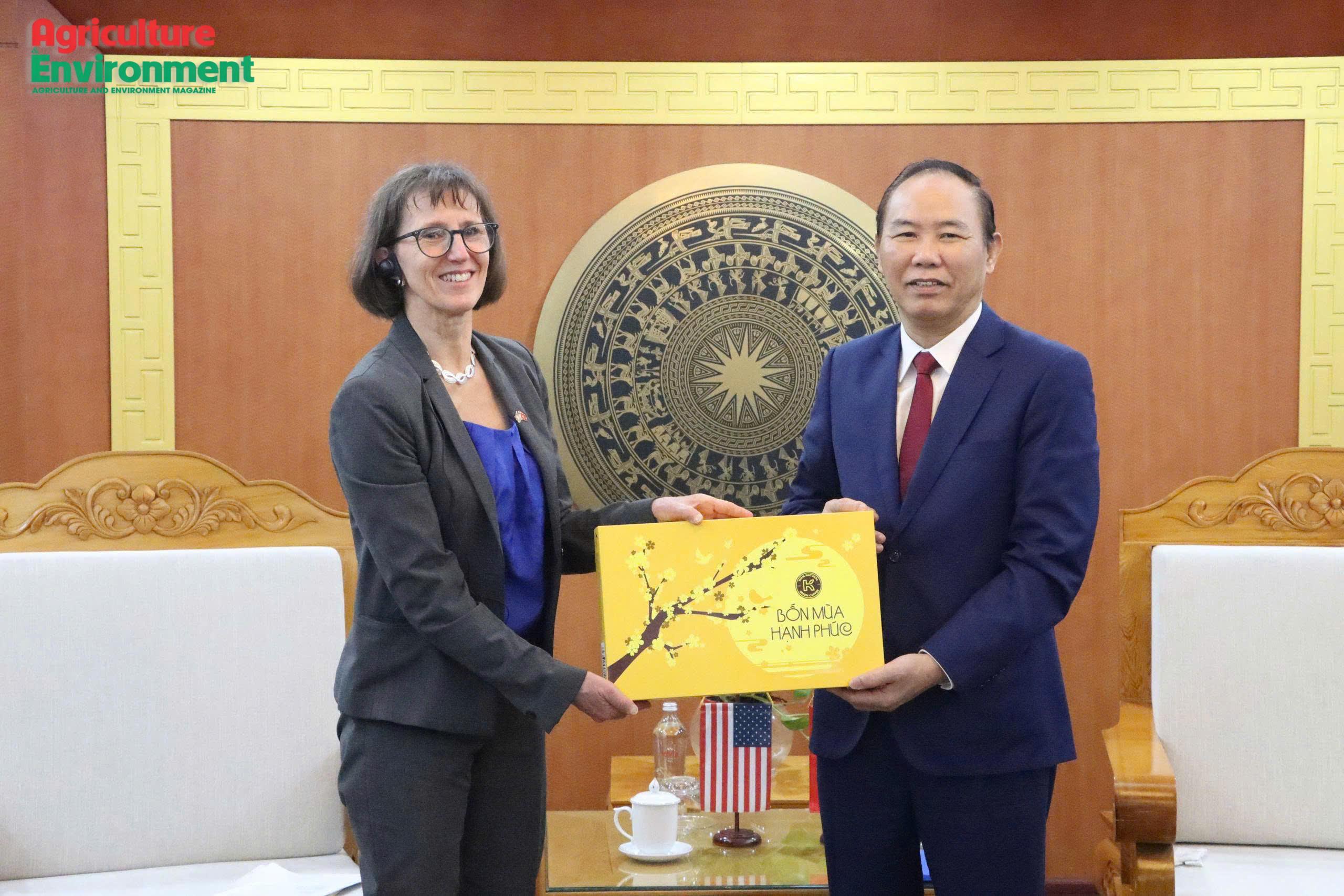
Viet Nam has welcomed U.S. support in strengthening health security, describing it as a key foundation for controlling cross-border diseases and promoting sustainable agricultural development. The two sides agreed to expand cooperation in surveillance, early warning, vaccine research, and implementation of the Global Health Security Program.