



 As Viet Nam’s agricultural sector faces mounting pressure to restructure in line with environmental protection and climate adaptation, cooperation with leading regional education and research institutions is increasingly viewed as a strategic priority. This direction was highlighted at a meeting on February 2 between leaders of Viet Nam’s Ministry of Agriculture and Environment and China Agricultural University (CAU).
Restructuring pressures reshape Viet Nam’s agricultural and rural development agenda
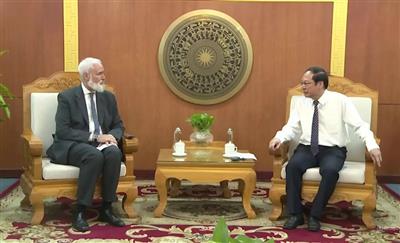
At the meeting with President of China Agricultural University Sun Qixin, Deputy Minister of Agriculture and Environment Tran Thanh Nam said Viet Nam’s agricultural sector is confronting multiple, interlinked challenges amid rapid socio-economic development.
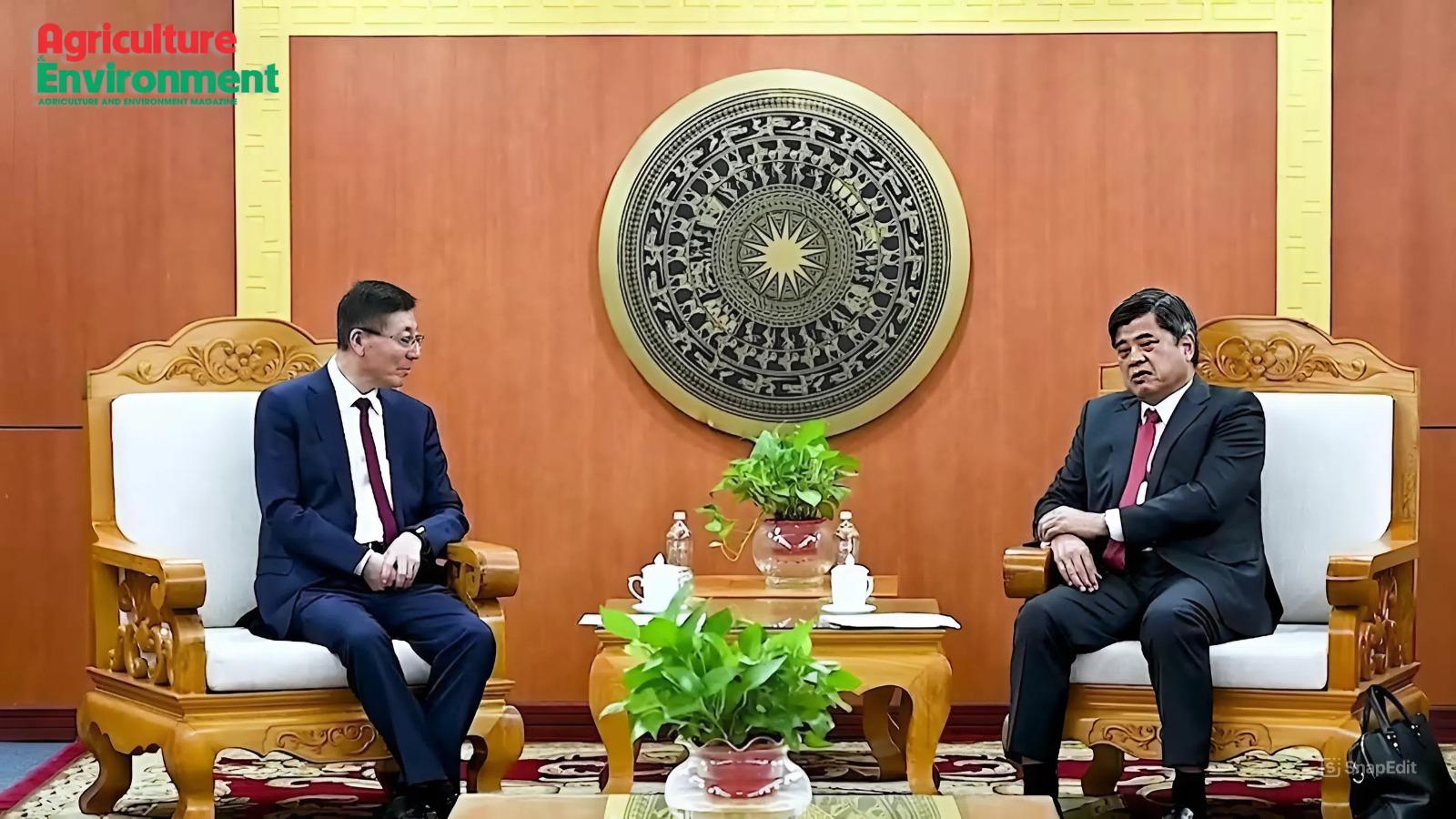
Agricultural land is under increasing pressure from industrialization and urbanization, while demands are rising to improve product quality and value added in response to changing export markets. At the same time, climate change and environmental degradation remain long-term constraints on agricultural production, he said.
Over the past 15 years, Viet Nam has implemented the National Target Program on New Rural Development, focusing on infrastructure development, rural economic growth and improvements in living standards. As the program enters a new phase, however, the emphasis is shifting beyond physical infrastructure toward building modern, efficient and sustainable rural areas, in which knowledge, science and technology, and the quality of human resources play a central role.
Against this backdrop, Deputy Minister Tran Thanh Nam said strengthening international cooperation—particularly with countries that have extensive experience in agricultural modernization and rural development, such as China—has become an important solution for Viet Nam.
Human resource development and joint research move to the forefront of cooperation
Representatives of China Agricultural University expressed their desire to expand cooperation with Viet Nam in a more substantive and in-depth manner, with a focus on training high-quality agricultural human resources and strengthening joint scientific research.
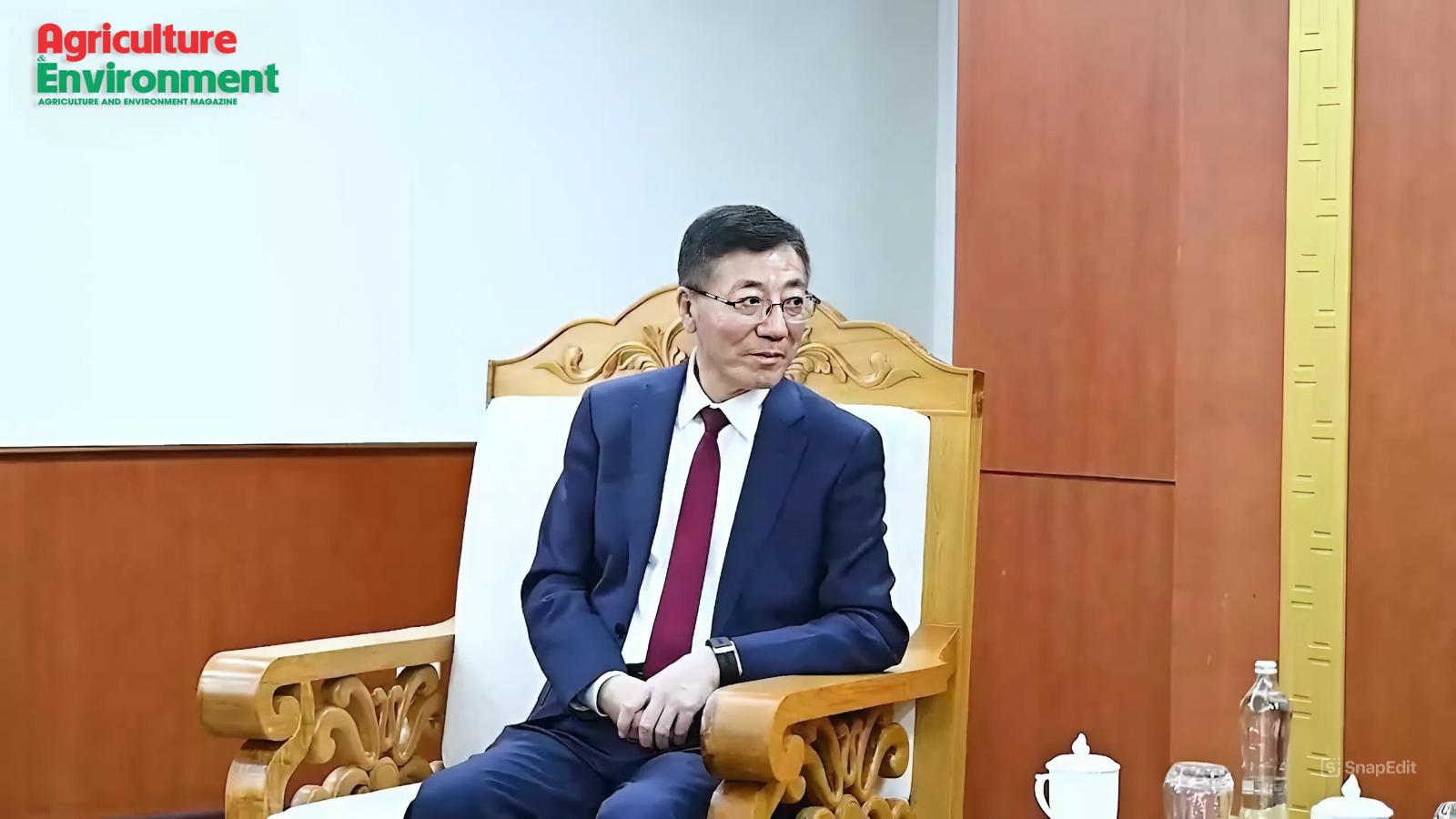
As a leading research institution supporting China’s rural revitalization strategy, CAU said its experience, development models and policy approaches could be shared and adapted to suit Viet Nam’s conditions.
The two sides agreed to promote doctoral training programs and expand exchanges of lecturers, experts and students, while working toward mutual recognition of academic qualifications between Vietnamese and Chinese educational institutions. CAU also said it was ready to receive Vietnamese students for summer courses and academic exchange programs, and to provide broader study and research opportunities for graduates of Viet Nam’s agricultural universities.
Alongside training, scientific research and technological development were identified as key pillars of cooperation. The two sides agreed to strengthen collaboration in areas including digital agriculture, smart agriculture, the application of advanced production technologies, as well as policy research and models for modern rural development.
Academic collaboration expands toward rural and agricultural policy consultation
Beyond education and research cooperation, China Agricultural University also expressed interest in expanding field surveys and policy research activities in Viet Nam. By gaining a deeper understanding of Viet Nam’s agricultural and rural development practices, Chinese experts and researchers could contribute policy recommendations to support Viet Nam’s policymaking and implementation processes.
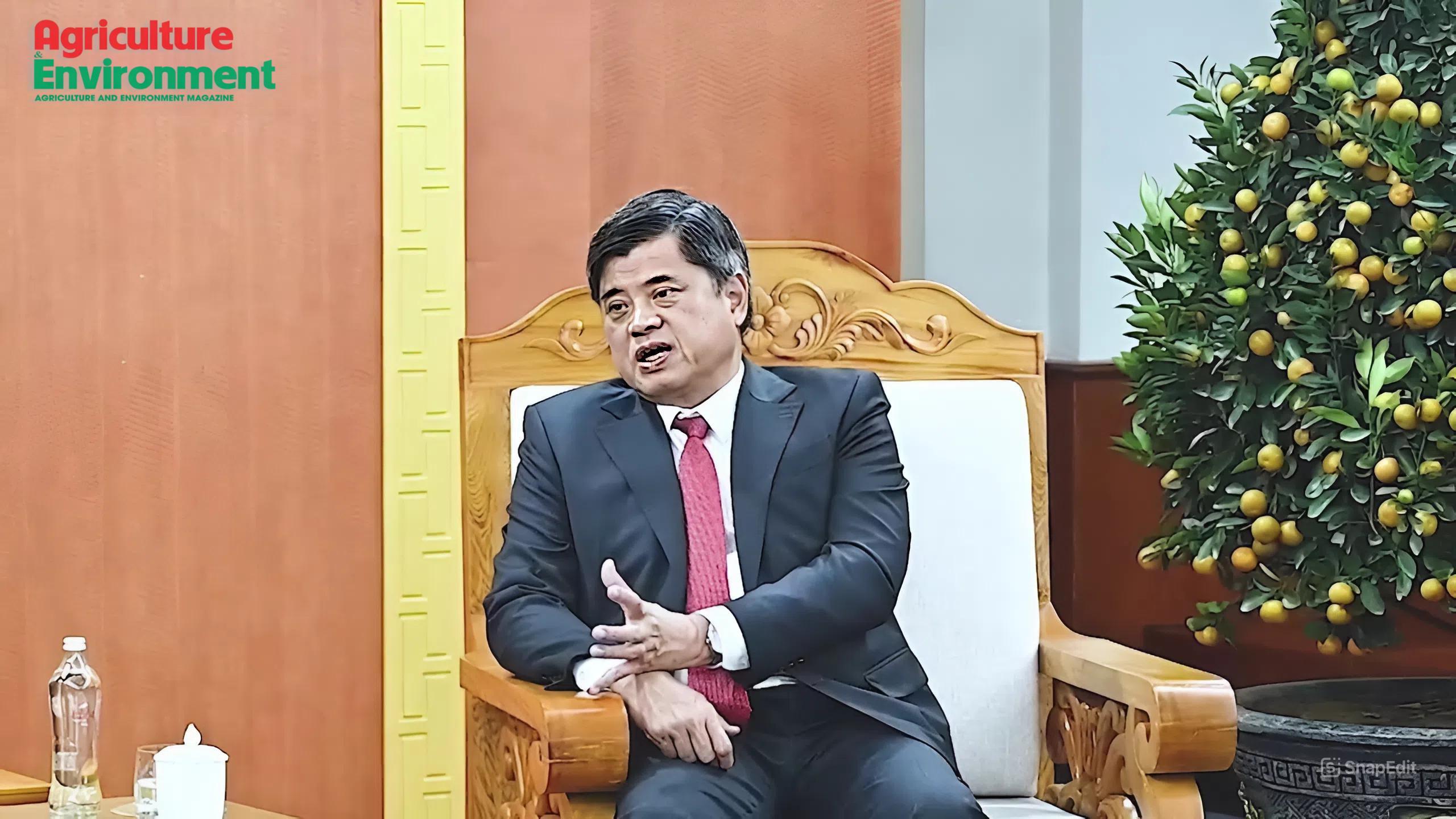
Deputy Minister Tran Thanh Nam welcomed this approach, affirming Viet Nam’s willingness to share experience and enhance two-way exchanges to ensure cooperation delivers tangible benefits for both sides. As agriculture in both Viet Nam and China shifts toward development models that emphasize quality, value and sustainability, closer linkages between training, research and policy formulation are expected to generate concrete and long-term outcomes, he said.
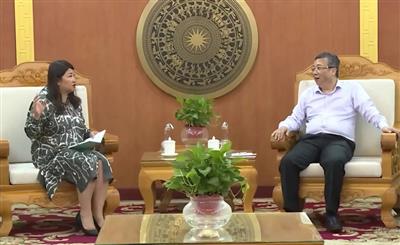
On August 27, 2025, Deputy Minister of Agriculture and Environment Hoang Trung met with representatives of Dragonberry Produce (United States) following the company’s success in introducing fresh Vietnamese lychees into major U.S. retail chains. Both sides agreed to jointly establish a post-harvest packing and treatment facility in northern Vietnam, standardize irradiation procedures, expand the export portfolio to passion fruit and guava, and promote the creation of the “Vietnam specialty produce” brand for distinctive Vietnamese agricultural products.
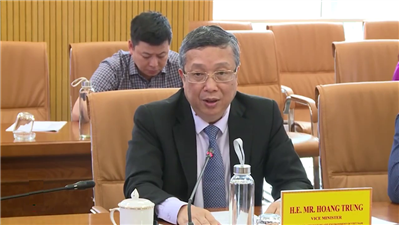
On August 27 in Hanoi, Deputy Minister of Agriculture and Environment Hoang Trung received a courtesy visit from the delegation of the House of Representatives of the Republic of Indonesia, led by Major General TNI., MAR. (Ret.) Sturman Panjaitan, Member of Parliament and Vice Chairman of the Committee. The meeting took place at a time when Vietnam-Indonesia relations are entering a new phase of development in 2025, underpinned by the Comprehensive Strategic Partnership and the milestone of the 70th anniversary of diplomatic ties. Both sides shared practical experiences and discussed key directions for cooperation in agriculture, environment, and sustainable development.
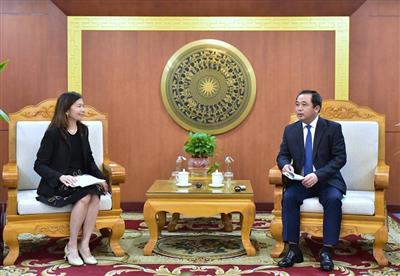
On August 19 in Ha Noi, Acting Minister of Agriculture and Environment Tran Duc Thang received Ms. Pauline Tamesis, the UN Resident Coordinator in Viet Nam. Taking place as Vietnam is finalizing its third Nationally Determined Contribution (NDC 3.0) in preparation for COP30, the meeting underscored not only Vietnam’s political determination in responding to climate change but also the UN’s long-term commitment to supporting the country through finance, technology, and policy cooperation towards the Sustainable Development Goals and Net Zero.
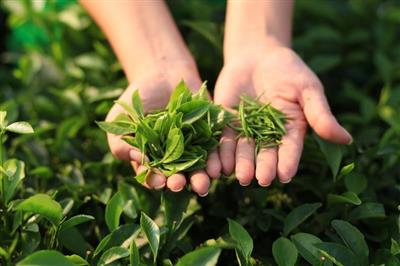
From the tea-covered hills stretching across Nghe An, Ha Tinh, Quang Binh (now part of Quang Tri), and Quang Tri provinces, a research team from the University of Agriculture and Forestry, Hue University conducted a large-scale investigation to decode the diversity of local tea germplasm. Using 31 tea accessions collected from four provinces, analyzed for morphological traits and genetic diversity using Random Amplified Polymorphic DNA (RAPD) markers, the team constructed a comprehensive overview of morphological variation and genetic relationships among tea accessions in the North Central region. The findings not only add essential data to Vietnam’s tea germplasm database but also provide a scientific basis for conservation and sustainable development of this culturally significant crop.
As the world accelerates efforts to implement the Paris Agreement and prepares for COP30, Vietnam and Switzerland have agreed to develop a roadmap for cooperation on carbon credit mechanisms. A meeting between Deputy Minister of Agriculture and Environment Le Cong Thanh and Mr. Aldo de Luca, Deputy Head of Mission, Counsellor of the Swiss Embassy in Vietnam, on August 7 in Ha Noi marked a new step forward, opening opportunities for both sides to move toward formal negotiations as early as September.