



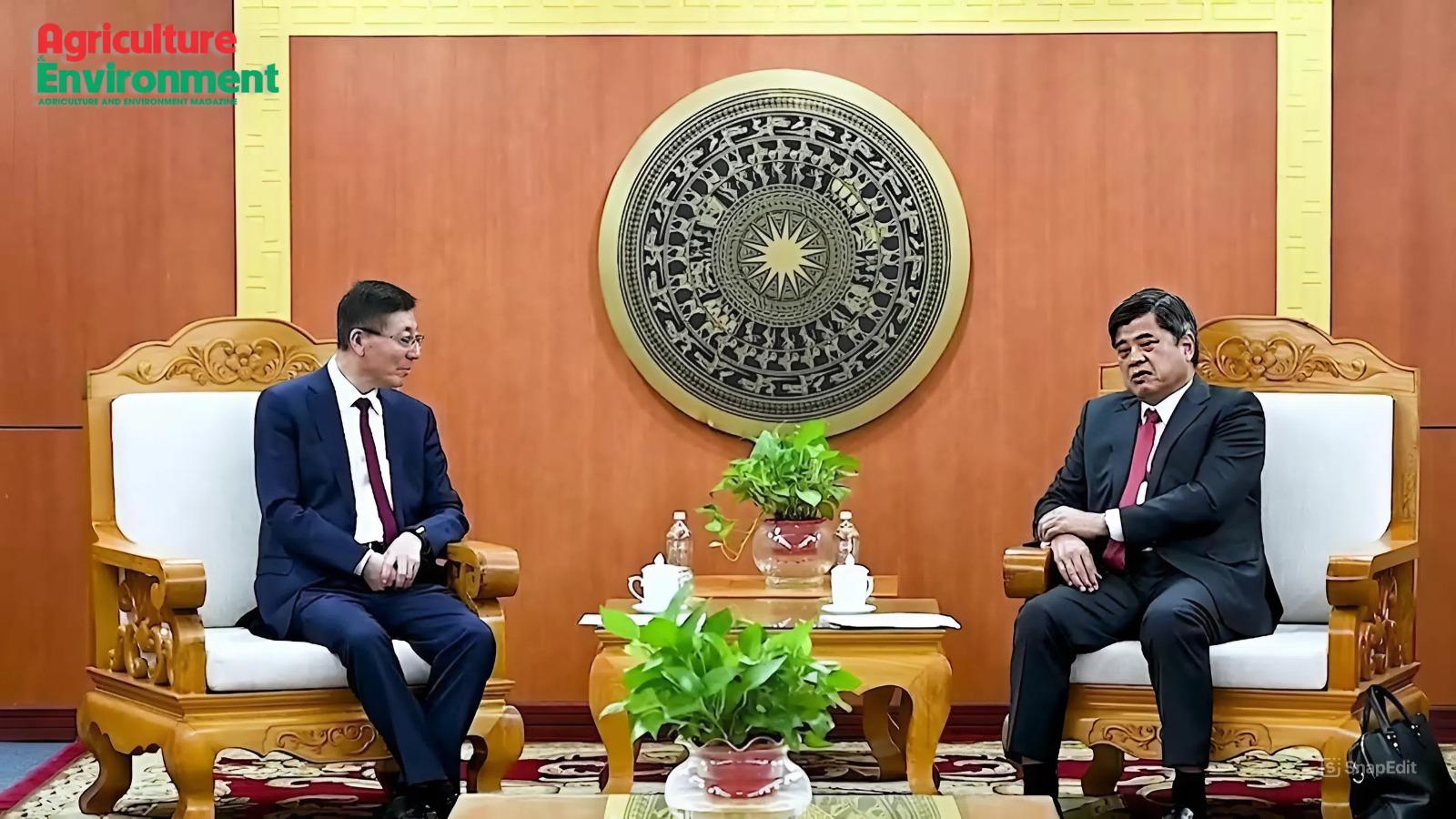
 As Viet Nam’s agricultural sector faces mounting pressure to restructure in line with environmental protection and climate adaptation, cooperation with leading regional education and research institutions is increasingly viewed as a strategic priority. This direction was highlighted at a meeting on February 2 between leaders of Viet Nam’s Ministry of Agriculture and Environment and China Agricultural University (CAU).
Restructuring pressures reshape Viet Nam’s agricultural and rural development agenda
At the meeting with President of China Agricultural University Sun Qixin, Deputy Minister of Agriculture and Environment Tran Thanh Nam said Viet Nam’s agricultural sector is confronting multiple, interlinked challenges amid rapid socio-economic development.
Agricultural land is under increasing pressure from industrialization and urbanization, while demands are rising to improve product quality and value added in response to changing export markets. At the same time, climate change and environmental degradation remain long-term constraints on agricultural production, he said.
Over the past 15 years, Viet Nam has implemented the National Target Program on New Rural Development, focusing on infrastructure development, rural economic growth and improvements in living standards. As the program enters a new phase, however, the emphasis is shifting beyond physical infrastructure toward building modern, efficient and sustainable rural areas, in which knowledge, science and technology, and the quality of human resources play a central role.
Against this backdrop, Deputy Minister Tran Thanh Nam said strengthening international cooperation—particularly with countries that have extensive experience in agricultural modernization and rural development, such as China—has become an important solution for Viet Nam.
Human resource development and joint research move to the forefront of cooperation
Representatives of China Agricultural University expressed their desire to expand cooperation with Viet Nam in a more substantive and in-depth manner, with a focus on training high-quality agricultural human resources and strengthening joint scientific research.
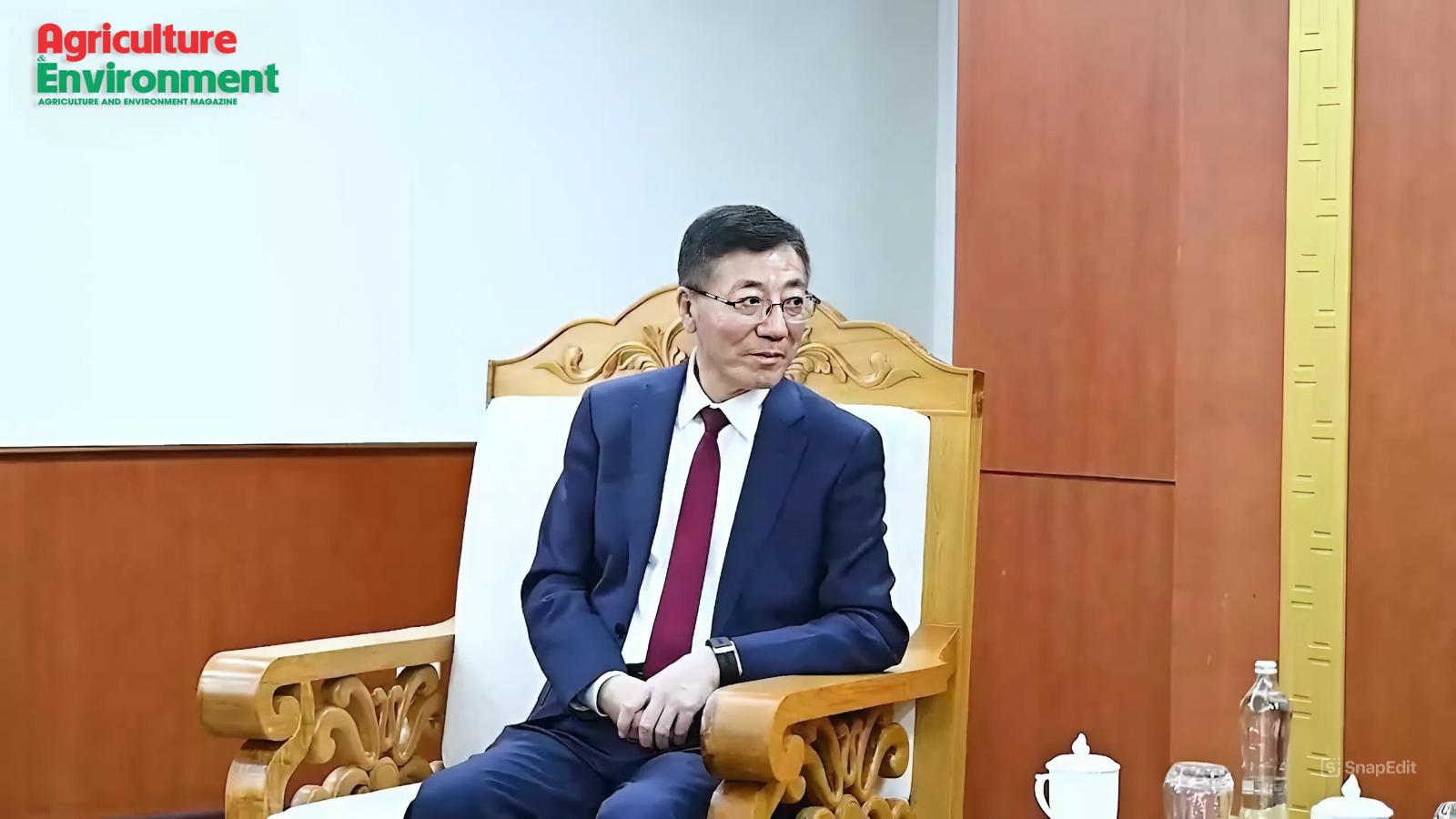
As a leading research institution supporting China’s rural revitalization strategy, CAU said its experience, development models and policy approaches could be shared and adapted to suit Viet Nam’s conditions.
The two sides agreed to promote doctoral training programs and expand exchanges of lecturers, experts and students, while working toward mutual recognition of academic qualifications between Vietnamese and Chinese educational institutions. CAU also said it was ready to receive Vietnamese students for summer courses and academic exchange programs, and to provide broader study and research opportunities for graduates of Viet Nam’s agricultural universities.
Alongside training, scientific research and technological development were identified as key pillars of cooperation. The two sides agreed to strengthen collaboration in areas including digital agriculture, smart agriculture, the application of advanced production technologies, as well as policy research and models for modern rural development.
Academic collaboration expands toward rural and agricultural policy consultation
Beyond education and research cooperation, China Agricultural University also expressed interest in expanding field surveys and policy research activities in Viet Nam. By gaining a deeper understanding of Viet Nam’s agricultural and rural development practices, Chinese experts and researchers could contribute policy recommendations to support Viet Nam’s policymaking and implementation processes.
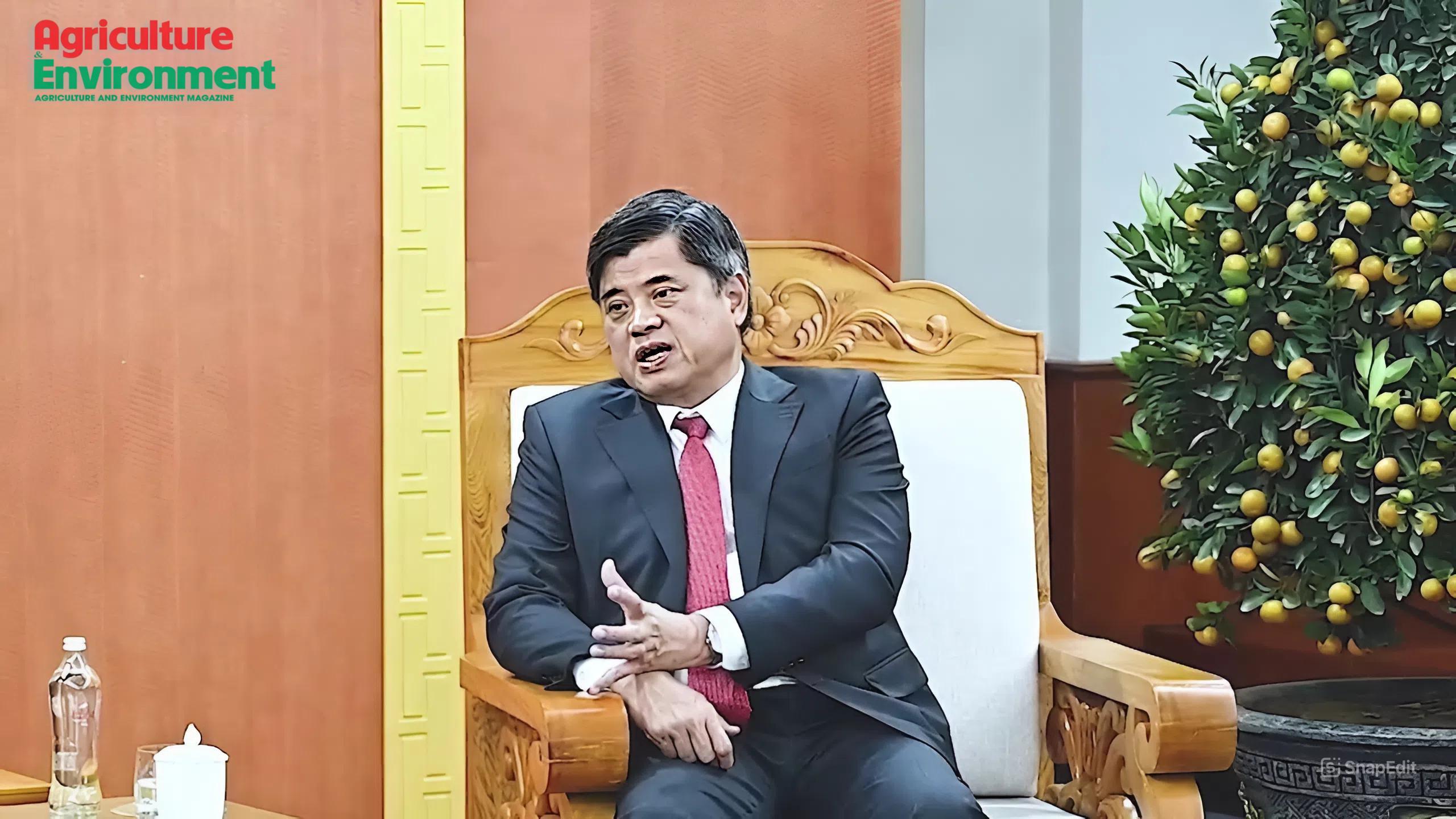
Deputy Minister Tran Thanh Nam welcomed this approach, affirming Viet Nam’s willingness to share experience and enhance two-way exchanges to ensure cooperation delivers tangible benefits for both sides. As agriculture in both Viet Nam and China shifts toward development models that emphasize quality, value and sustainability, closer linkages between training, research and policy formulation are expected to generate concrete and long-term outcomes, he said.
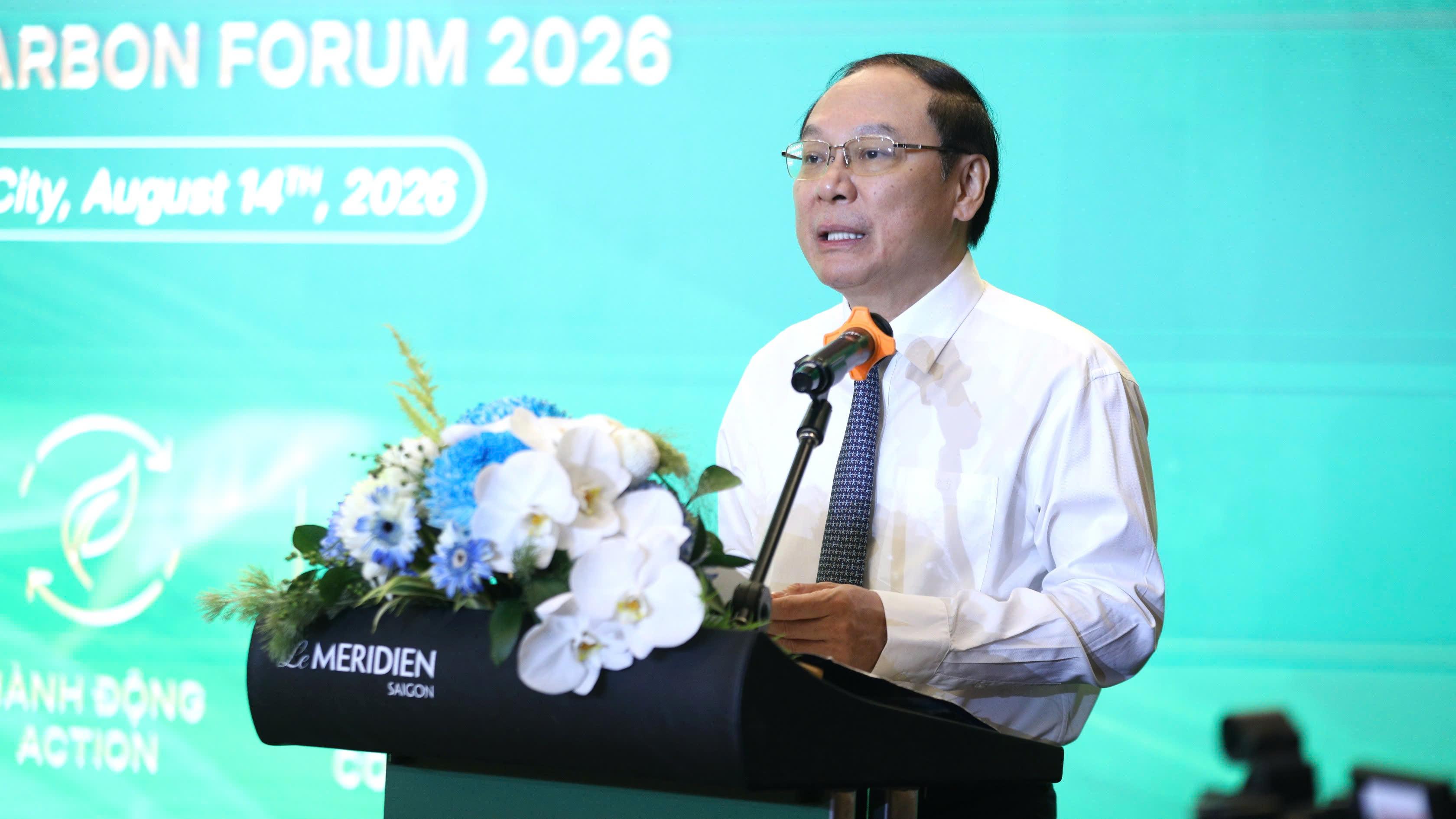
The "Viet Nam Carbon Forum 2026: From policty to action", held in Ho Chi Minh City on August 14, highlighted the carbon market’s transition into a new phase, with the legal framework being progressively completed, the domestic carbon exchange entering pilot operation and businesses facing growing pressure to make emissions reductions part of their business strategies.
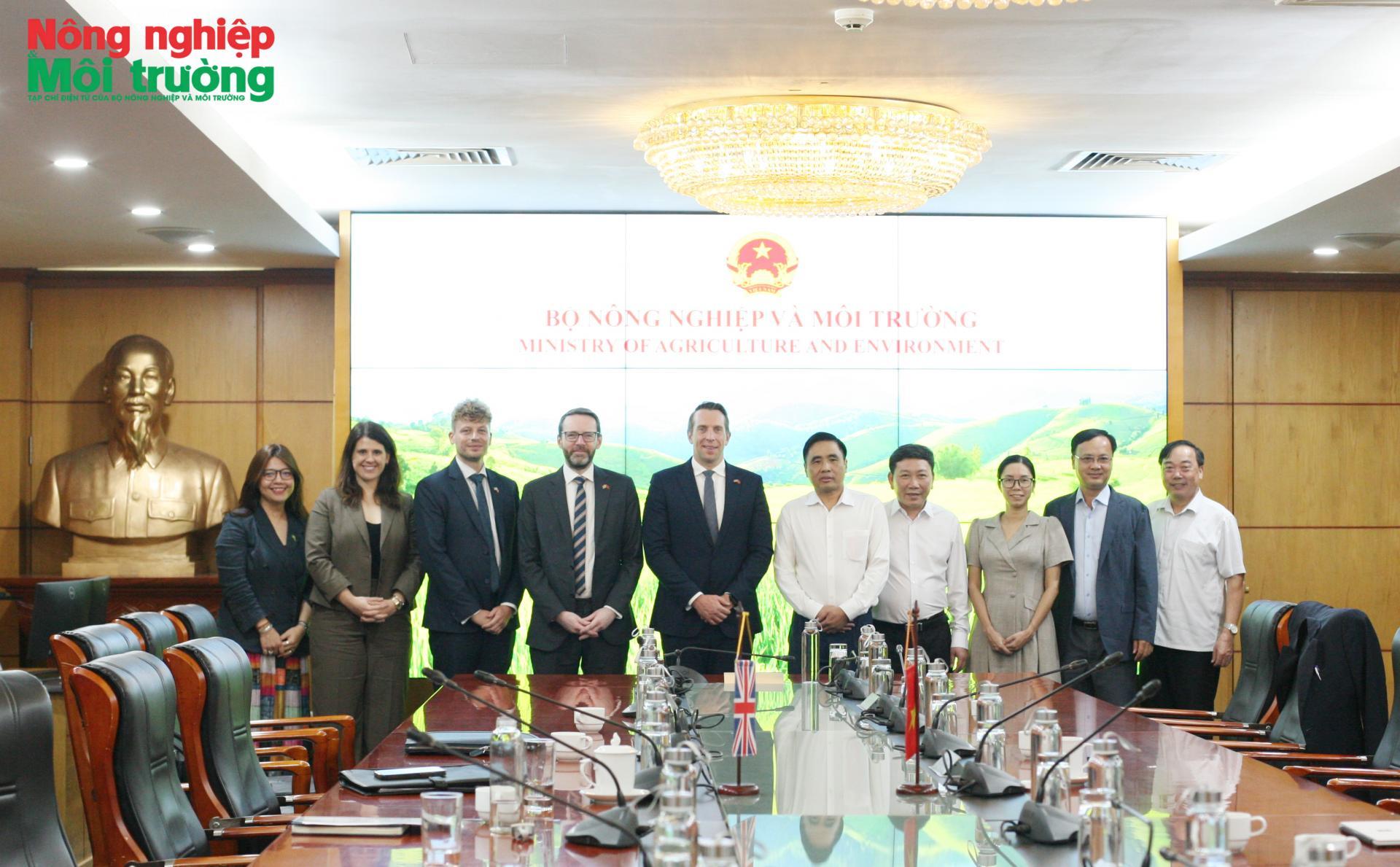
Viet Nam and the United Kingdom are stepping up coordination to expand market access for agricultural, forestry and fishery products, as bilateral trade in these sectors reached about US$1.16 billion in 2025, up 20% from the previous year.
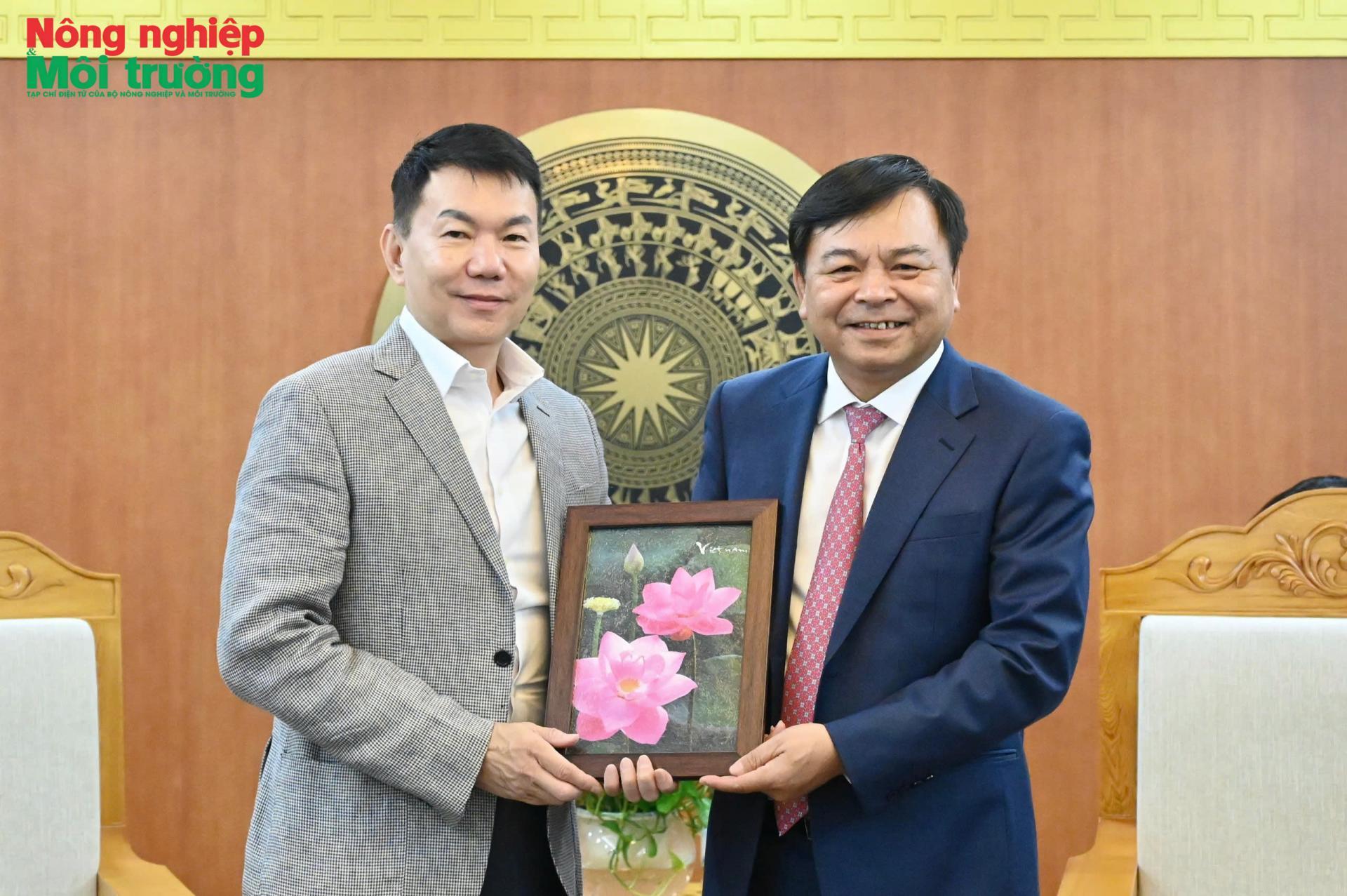
Viet Nam is working to expand low-emission rice production models to increase value and farmers’ incomes, while gradually creating conditions for the development of markets for low-emission rice and carbon credits.
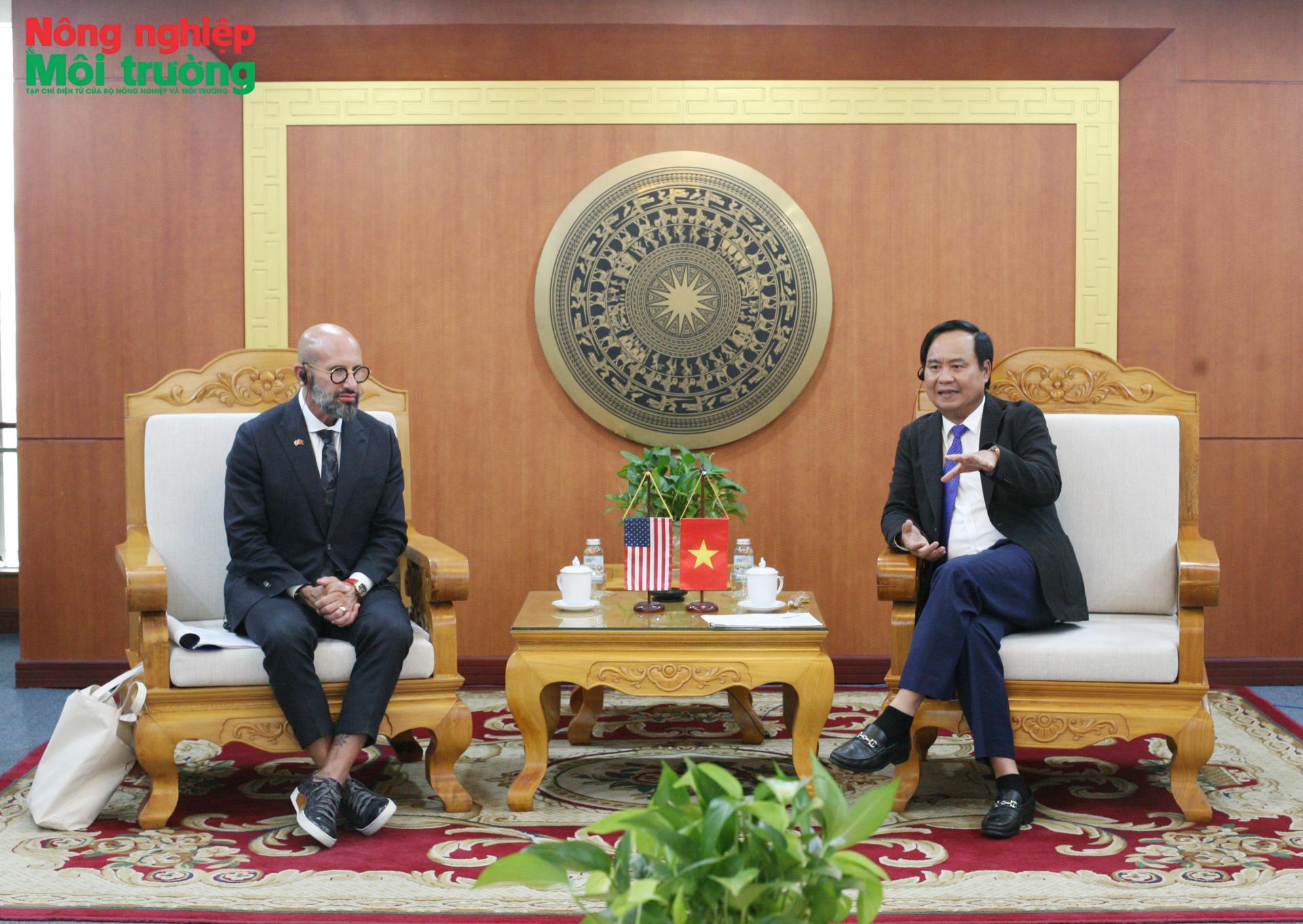
The U.S. Food and Drug Administration's (FDA) decision to establish its first ASEAN regional office in Vietnam is expected not only to strengthen cooperation between the two countries' regulatory authorities but also to support the harmonization of food safety standards, improve supply chain oversight and facilitate agricultural trade as international market requirements become increasingly stringent.
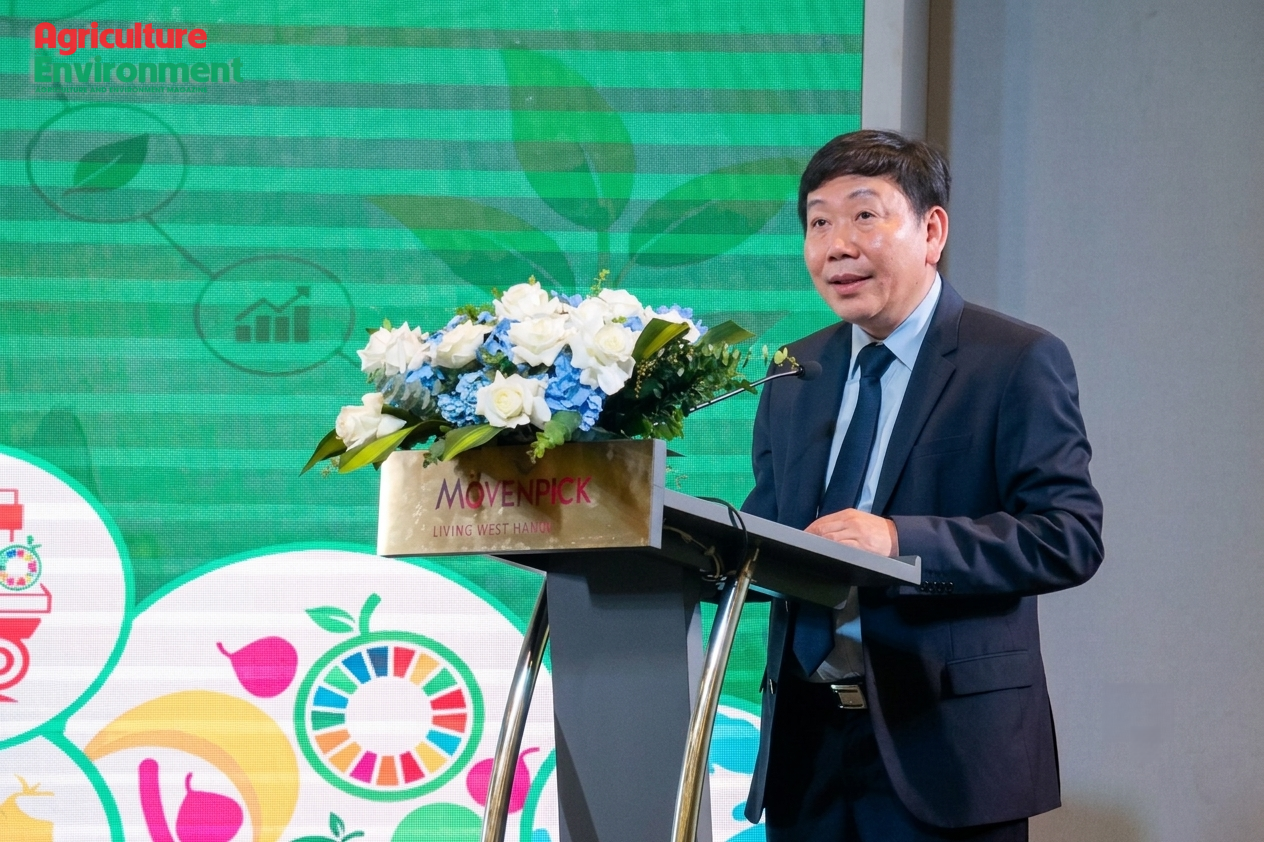
Ensuring food security, adapting to climate change and delivering on sustainable development commitments have become increasingly interconnected policy priorities for Viet Nam. Against this backdrop, food systems transformation is emerging as a key pillar of the country's long-term development agenda.