



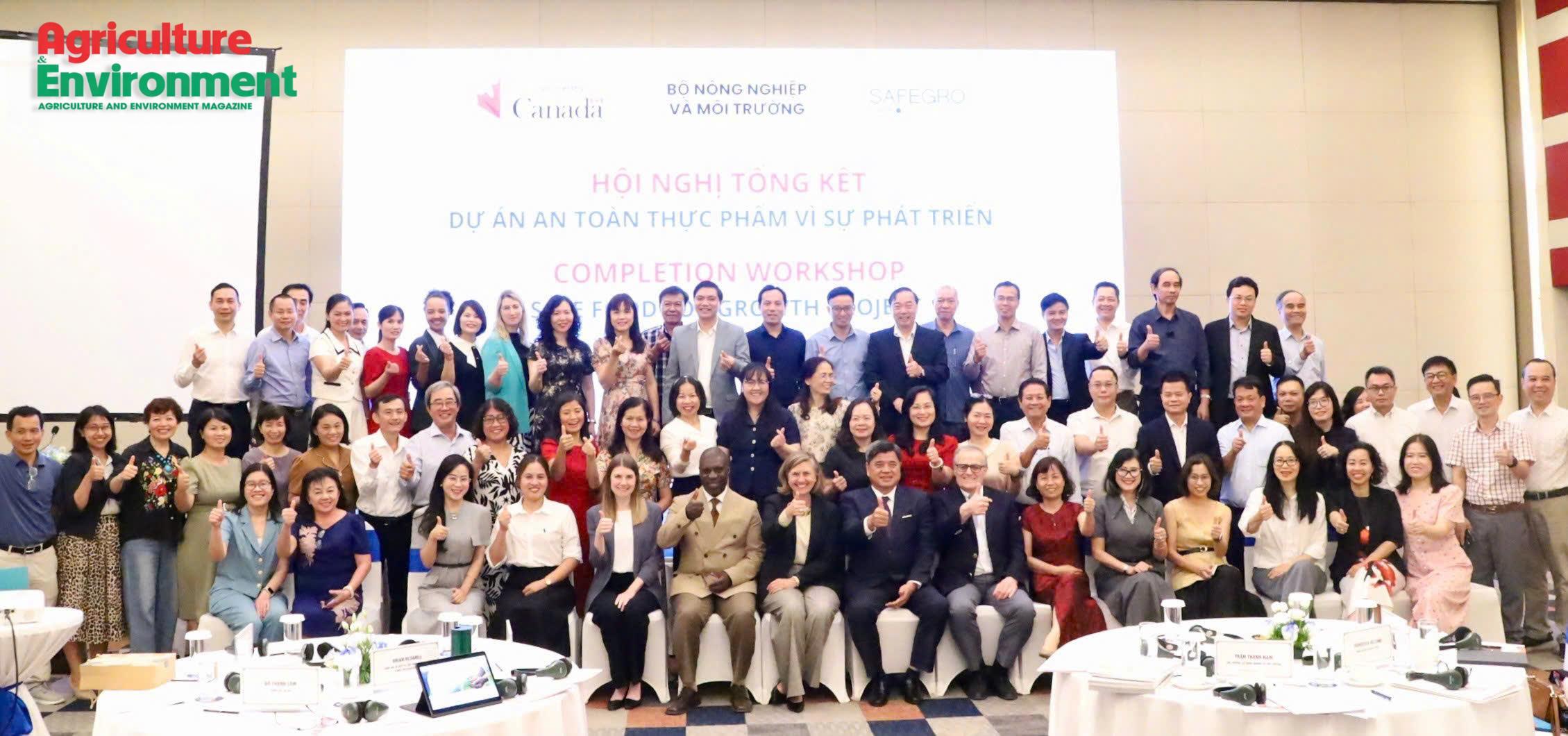
 On April 16, the Ministry of Agriculture and Environment, in coordination with the Embassy of Canada in Viet Nam, held a conference to review the “Safe food for growth” (SAFEGRO) project, assessing its results, impacts and effectiveness over the 2020–2026 period. The event also aimed to share lessons learned and project outputs to support the continuation and scaling up of effective models, contributing to improved sustainability and effectiveness in ensuring food safety in Viet Nam.
Project supports policy reform and risk-based management approach
Over more than five years of implementation, the SAFEGRO project has delivered notable outcomes, contributing to improvements in Viet Nam’s food safety system. The project supported the development of science-based food safety policies, strengthened capacity for risk-based management, and piloted practical food safety models across value chains. It also produced guidelines and technical materials aligned with international standards for replication, while linking food production and business activities with culture, cuisine and tourism.
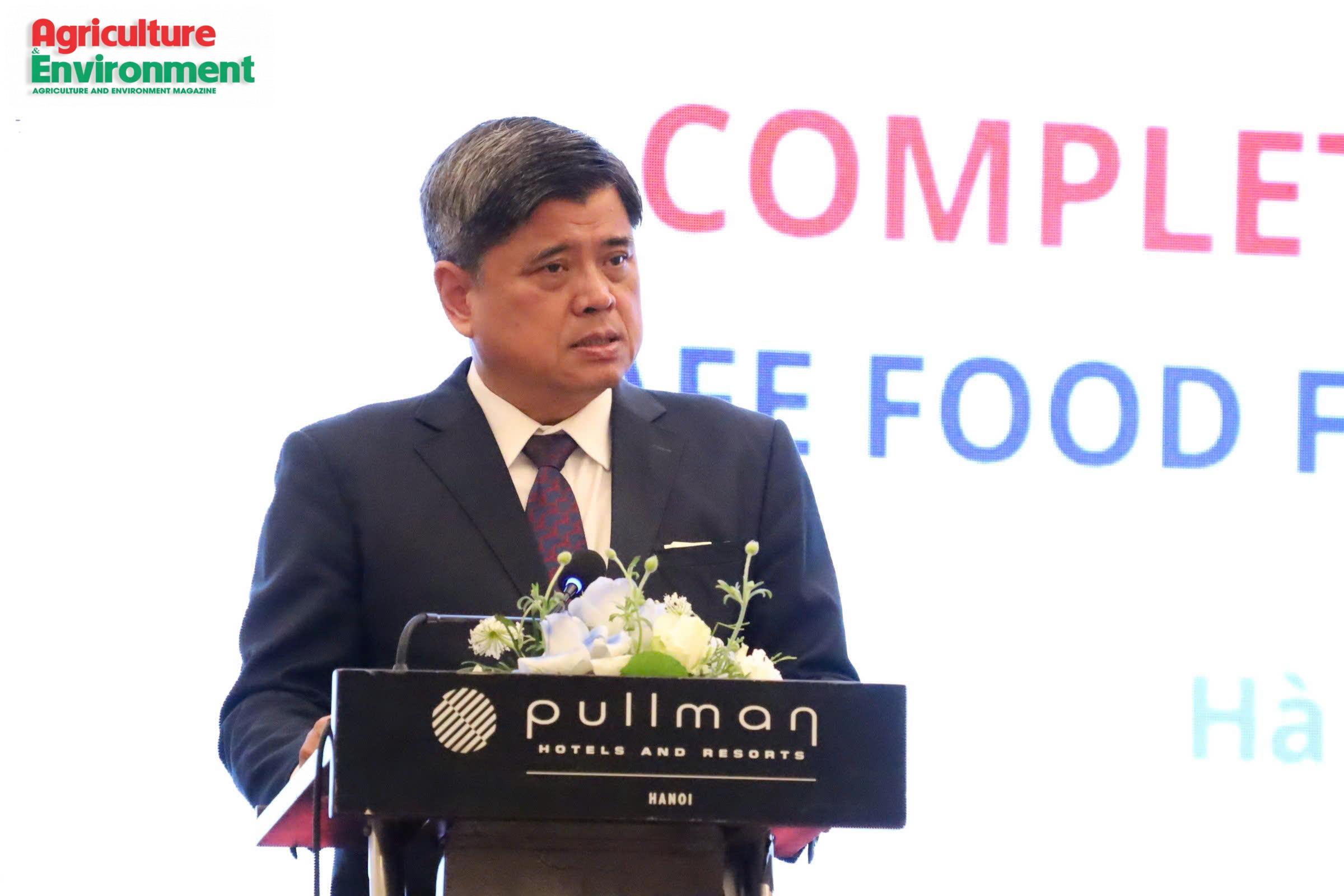
Deputy Minister of Agriculture and Environment Tran Thanh Nam emphasized the need to sustain, scale up and build on the project’s results to enhance the effectiveness of food safety management in Viet Nam.
He said a key direction in current food safety management is the adoption of a risk-based approach, which aligns with international practices and has been introduced through cooperation with Canada. Through collaboration with Agriculture and Agri-Food Canada, Health Canada, and the Canadian Food Inspection Agency (CFIA), Vietnam has gradually improved its food safety management system toward greater modernization and effectiveness.
The Deputy Minister highlighted the project’s contributions to institutional and policy development. SAFEGRO supported ministries including the Ministry of Health, the Ministry of Agriculture and Environment, and the Ministry of Industry and Trade through workshops, advisory activities and data development, contributing to revisions of the Law on Food Safety. “Data, mechanisms and recommendations from the project have played an important role in improving the regulatory framework in line with practical conditions and international practices,” he said.
The project also helped establish networks linking regulators, scientists and businesses. According to the Deputy Minister, food safety management requires the participation of all stakeholders, not only state agencies. Business engagement and scientific input are essential to ensuring policy feasibility and effectiveness.
SAFEGRO generated multi-level impacts across the food value chain, from supporting policymaking and providing data and methodologies for researchers to strengthening the capacity of enterprises and cooperatives, and raising awareness among consumers and younger generations. Guidance materials on safe practices in vegetable and pork value chains, along with self-assessment tools, were identified as highly practical and widely applicable.
Looking ahead, the Deputy Minister called on relevant agencies to continue scaling up effective models to ensure that project results are implemented in practice. He expressed expectations that lessons from SAFEGRO would inform the development of decrees and circulars guiding implementation once the revised Law on food safety is adopted.
Capacity building and institutional strengthening highlighted
Francesca Bellone, Head of Cooperation and Trade Commissioner at the Embassy of Canada in Hanoi, said the project has delivered tangible and lasting impacts based on Canada’s experience and strengths. SAFEGRO has supported Vietnam in developing a modern, risk-based food safety system aligned with international practices and local conditions, contributing to more effective management and public health protection.
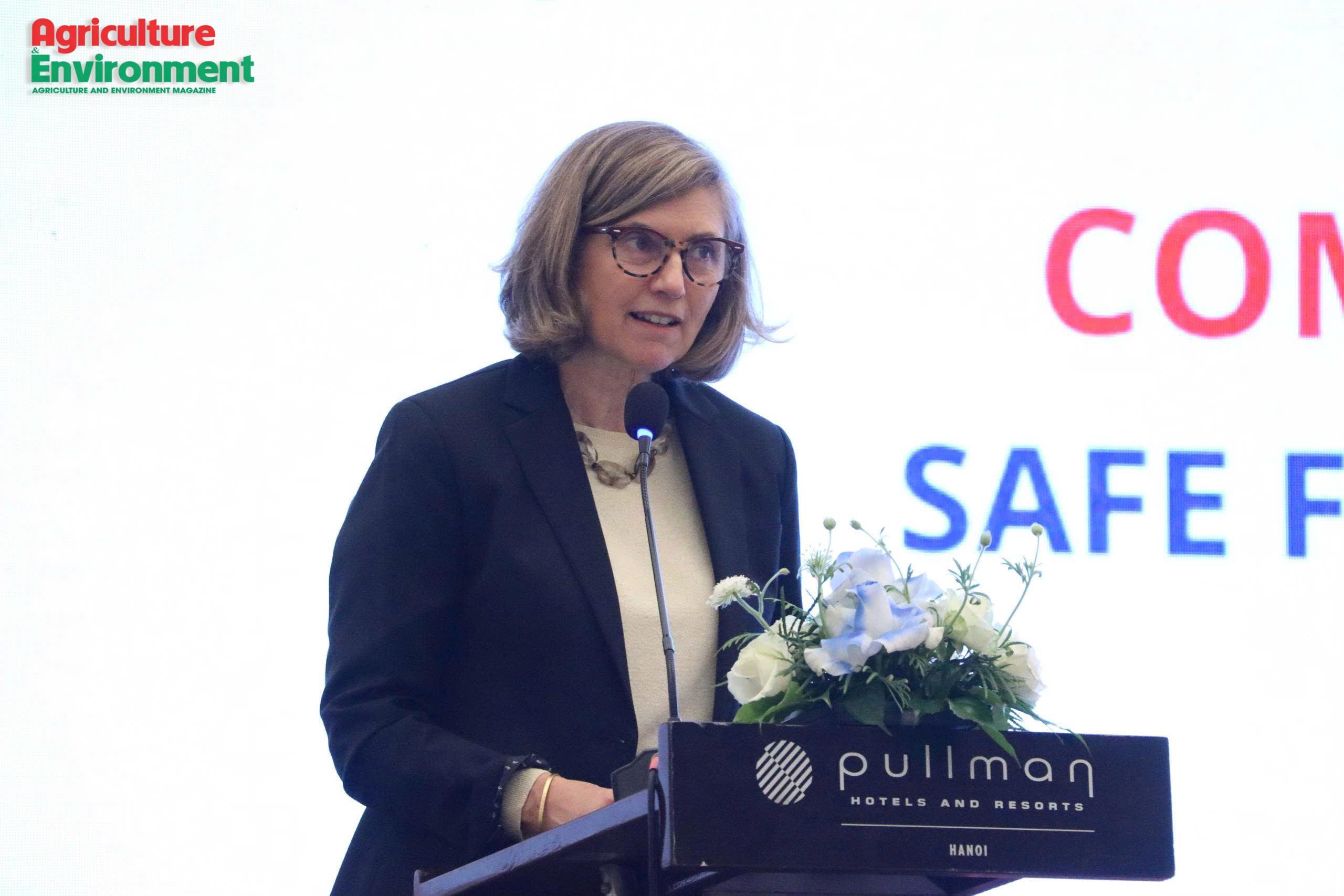
Key achievements include capacity building for nearly 2,000 officials at central and local levels in developing, implementing and monitoring food safety regulations. The project also developed various technical guidelines and tools, including a pilot laboratory information management system. Notably, the Vietnam Food Safety Risk Assessment Center was established, providing a foundation for evidence-based decision-making.
Francesca Bellone said the project’s impact extends beyond institutions to communities. Pilot models at Tram Troi market in Hanoi, Binh Dien wholesale market in Ho Chi Minh City, as well as in cooperatives and schools, have shown improvements in hygiene, traceability and food safety, benefiting both vendors and consumers.
After more than five years, the SAFEGRO project has identified 10 key lessons reflecting Viet Nam’s context and offering directions for further improvements in the food safety system.
Effective policy implementation requires strong inter-agency coordination among ministries and local authorities, supported by clear and consistent coordination mechanisms. Risk-based inspection and enforcement were identified as essential approaches to optimize resource allocation and enhance oversight effectiveness.
The project also found that selecting value chains and designing interventions should be closely aligned with market realities, prioritizing high-risk sectors with strong spillover potential. Food safety certification and verification systems need to be accompanied by technical and financial support, particularly for small and medium-sized enterprises, to ensure accessibility and compliance.
In the context of digital transformation, digital traceability has been identified as an inevitable trend to improve transparency and market trust. However, implementation requires addressing challenges related to costs, operational capacity and stakeholder awareness.
Food safety management at wholesale and traditional markets remains a critical link, requiring solutions tailored to actual conditions and business practices.
Another key lesson is the foundational role of laboratory information management systems (LIMS) in modernizing testing activities, improving accuracy, transparency and supporting data-driven decision-making. Risk communication and the development of a food safety culture were also identified as decisive factors in changing the behavior of producers and consumers, thereby increasing demand for safe food.
The project further underscored the importance of integrating gender-sensitive approaches to ensure inclusive participation and promote the role of women across the food value chain. Capacity building and the development of a skilled workforce were identified as core elements for sustaining and advancing the food safety system.
These lessons not only reflect the implementation of the SAFEGRO project but also provide a basis for Viet Nam to continue improving its management capacity and move toward a safe, transparent and sustainable food system.
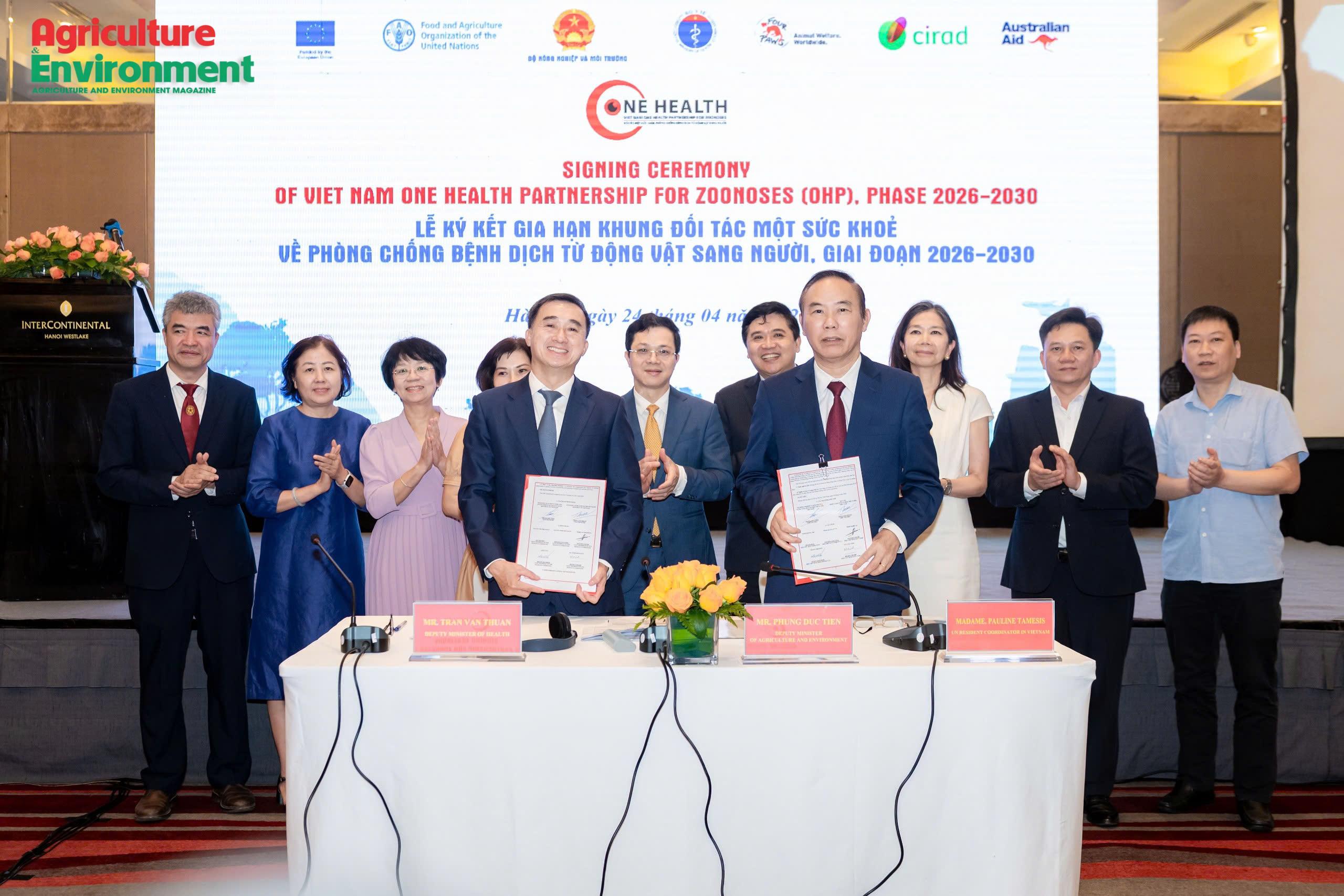
On April 24, a signing ceremony for the One Health Partnership Framework for 2026–2030 brought together 57 partners, underscoring strong commitments by the Vietnamese Government and the international community to advance the One Health approach, enhance information sharing, coordinate resources, and implement joint action programs.
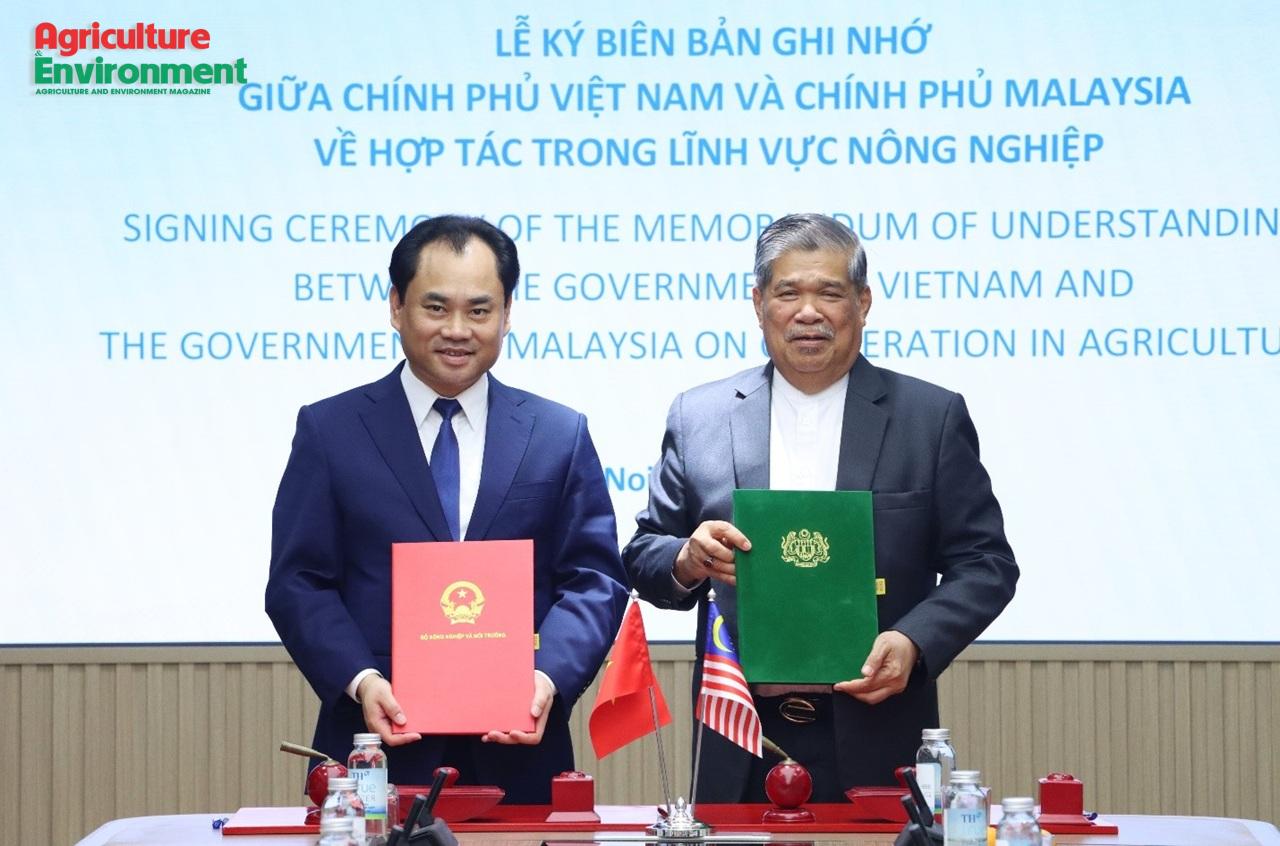
Viet Nam’s Minister of Agriculture and Environment, Trinh Viet Hung, and Malaysia’s Minister of Agriculture and Food Security, Datuk Seri Mohamad Sabu, on Wednesday signed a memorandum of understanding (MoU) on agricultural cooperation between the two governments.
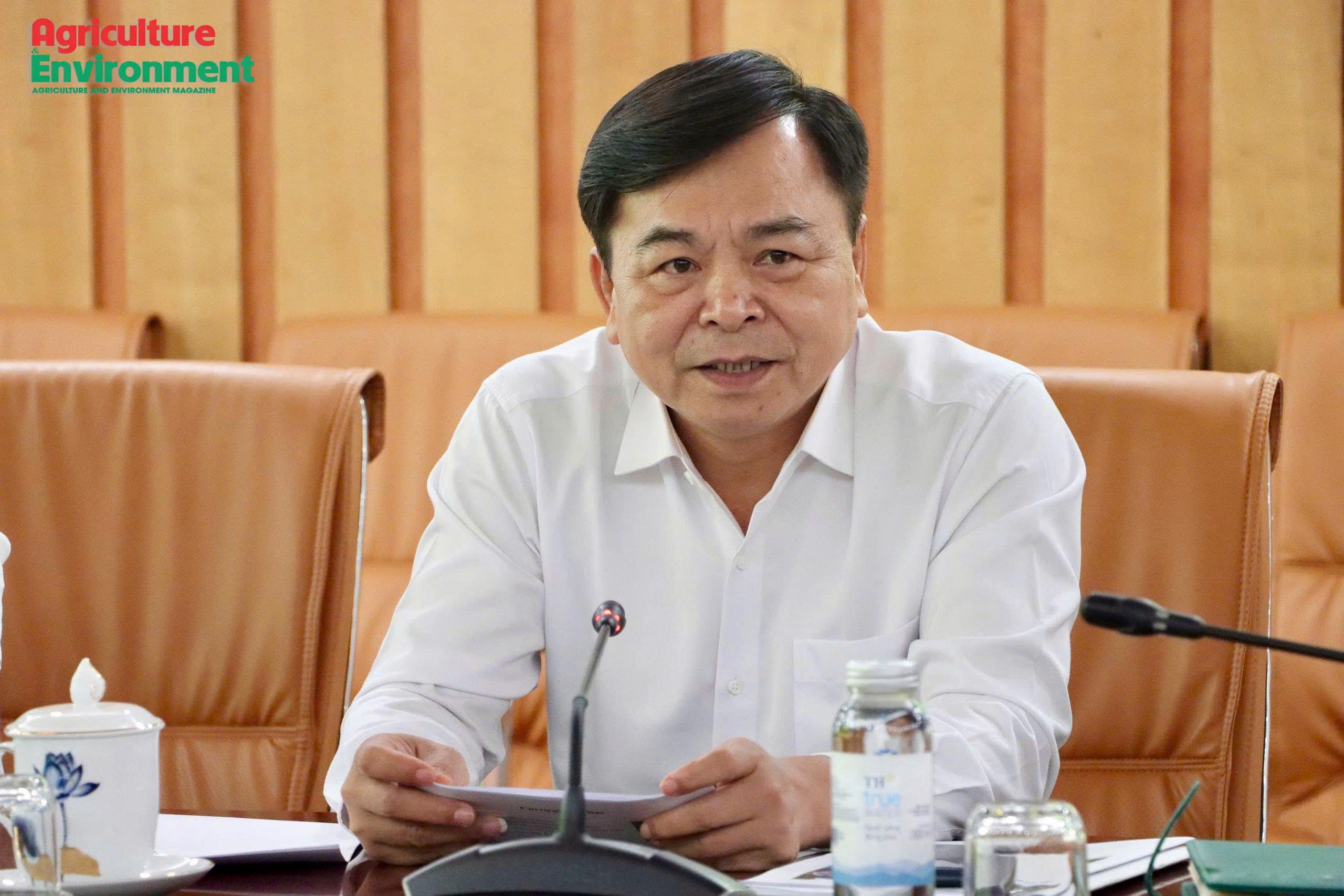
Deputy Minister of Agriculture and Environment Nguyen Hoang Hiep on April 20 called for faster administrative procedures and closer coordination with the Japan International Cooperation Agency (JICA) to remove bottlenecks and accelerate the Japan-funded Ben Tre Water Management Project.
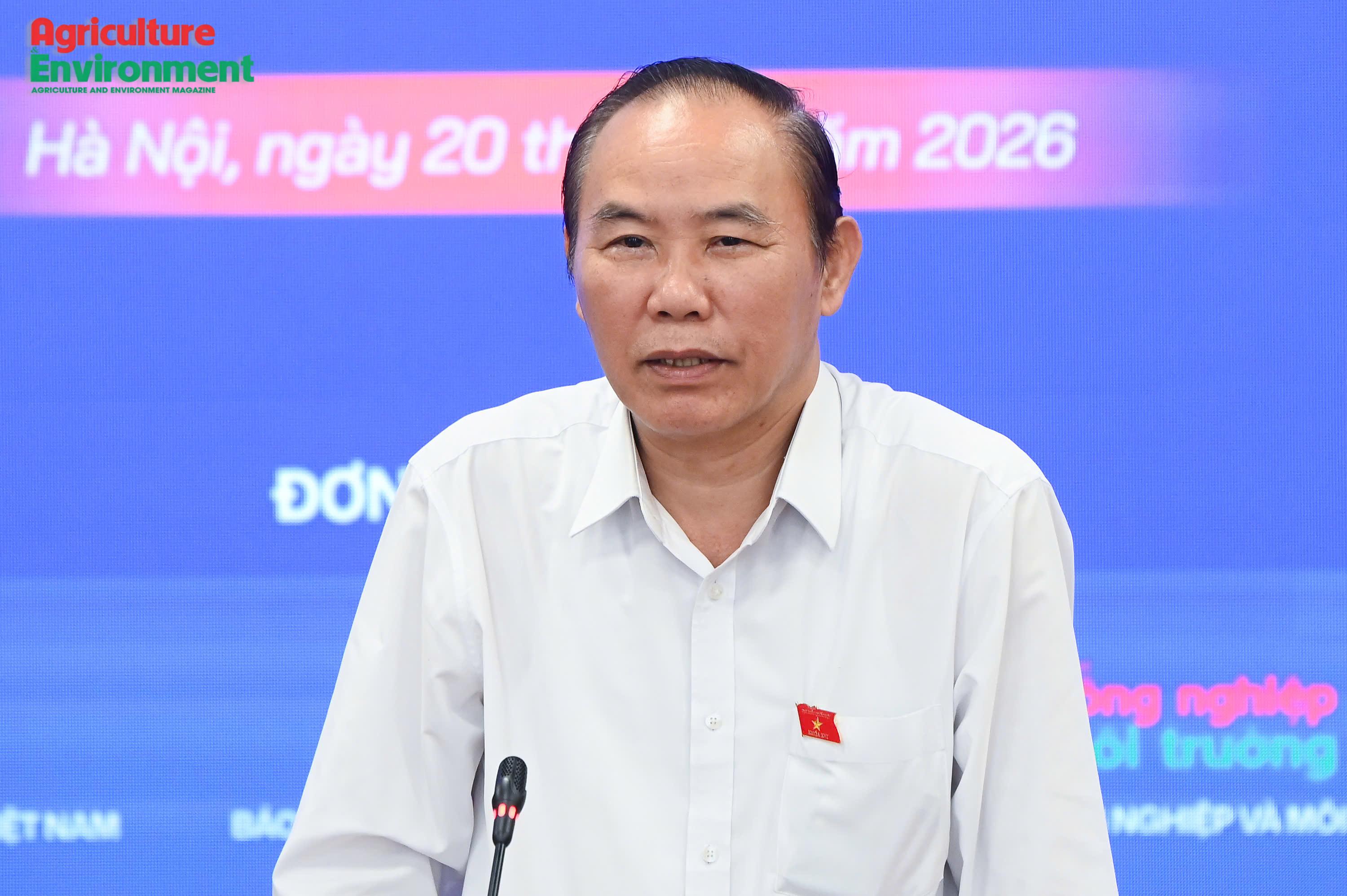
The national conference on fisheries science, technology and fisheries surveillance 2026 is being organized to assess the current state of scientific and technological development in the sector, providing a scientific basis for defining major orientations for science, technology and innovation. The event will also support the development of mechanisms, policies and key tasks to advance the fisheries sector, contributing to both sectoral and national economic growth in the 2026–2030 period, with a vision to 2035.
Viet Nam and the United States agreed to strengthen cooperation in sustainable agriculture, the circular economy, digital transformation, natural resource management and climate change response, as part of efforts to promote green growth and achieve net-zero emissions.