



 Viet Nam and Zambia discussed measures to strengthen bilateral agricultural cooperation during a working visit by a Zambian delegation to Viet Nam, focusing on accelerating the drafting and signing of a Memorandum of Understanding (MoU) on agriculture to expand practical cooperation between the two countries.
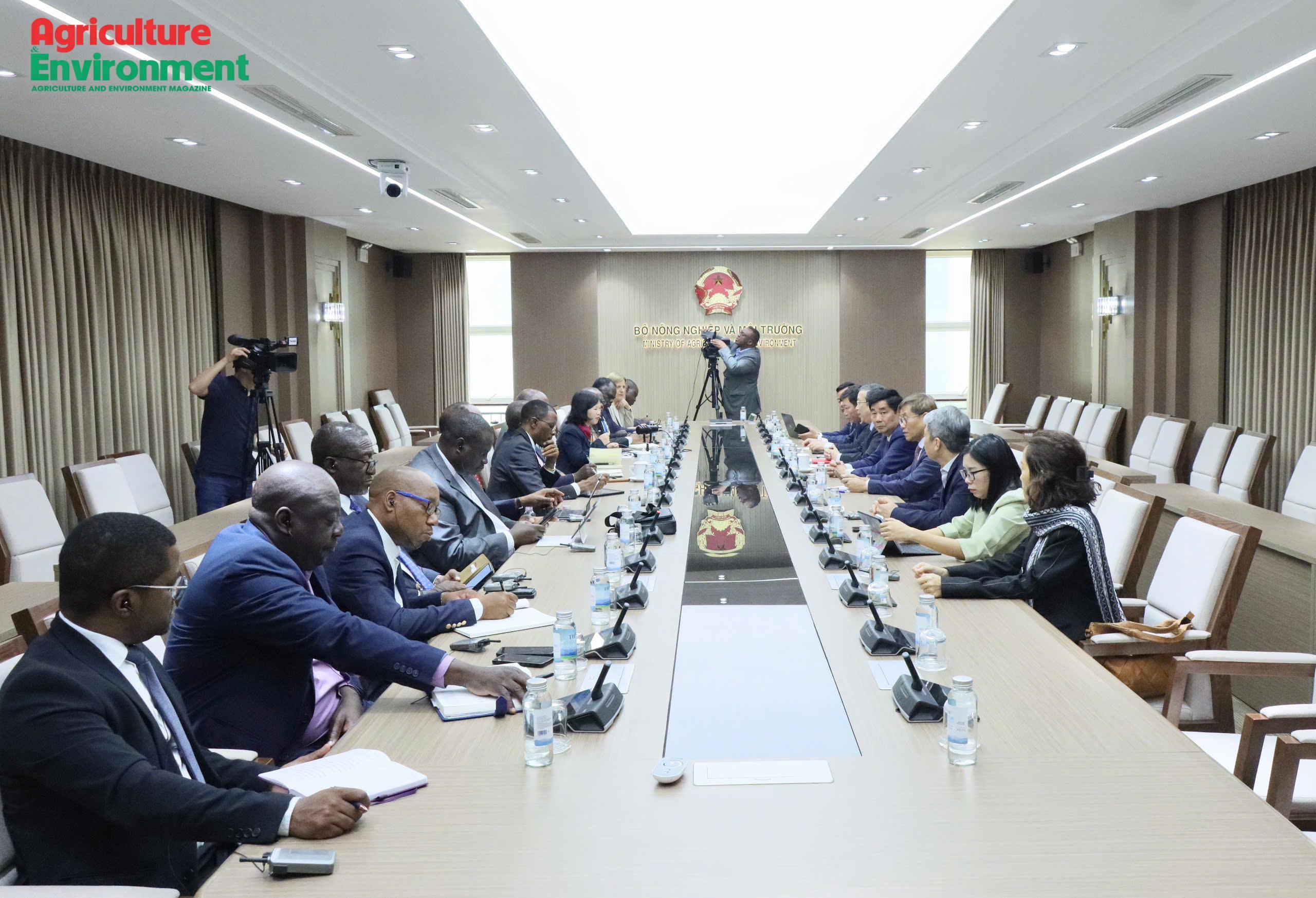
On March 13, Deputy Minister Hoang Trung received a Zambian delegation led by Minister of Agriculture Reuben Phiri Mtolo and Minister of Finance and National Planning Situmbeko Musokotwane. The meeting followed the delegation’s study tour and field visits to agricultural production models in Can Tho and Dak Lak province.
Toward an agricultural cooperation MoU
At the meeting, Agriculture Minister Reuben Phiri Mtolo praised the working program in Viet Nam, saying the delegation had gained a comprehensive view of the country’s agricultural value chain, from research and production to processing and market distribution. During the visit, the delegation met with farmers, cooperatives, processing enterprises, research institutes and young scientists, providing a clearer understanding of Viet Nam’s agricultural reform process.
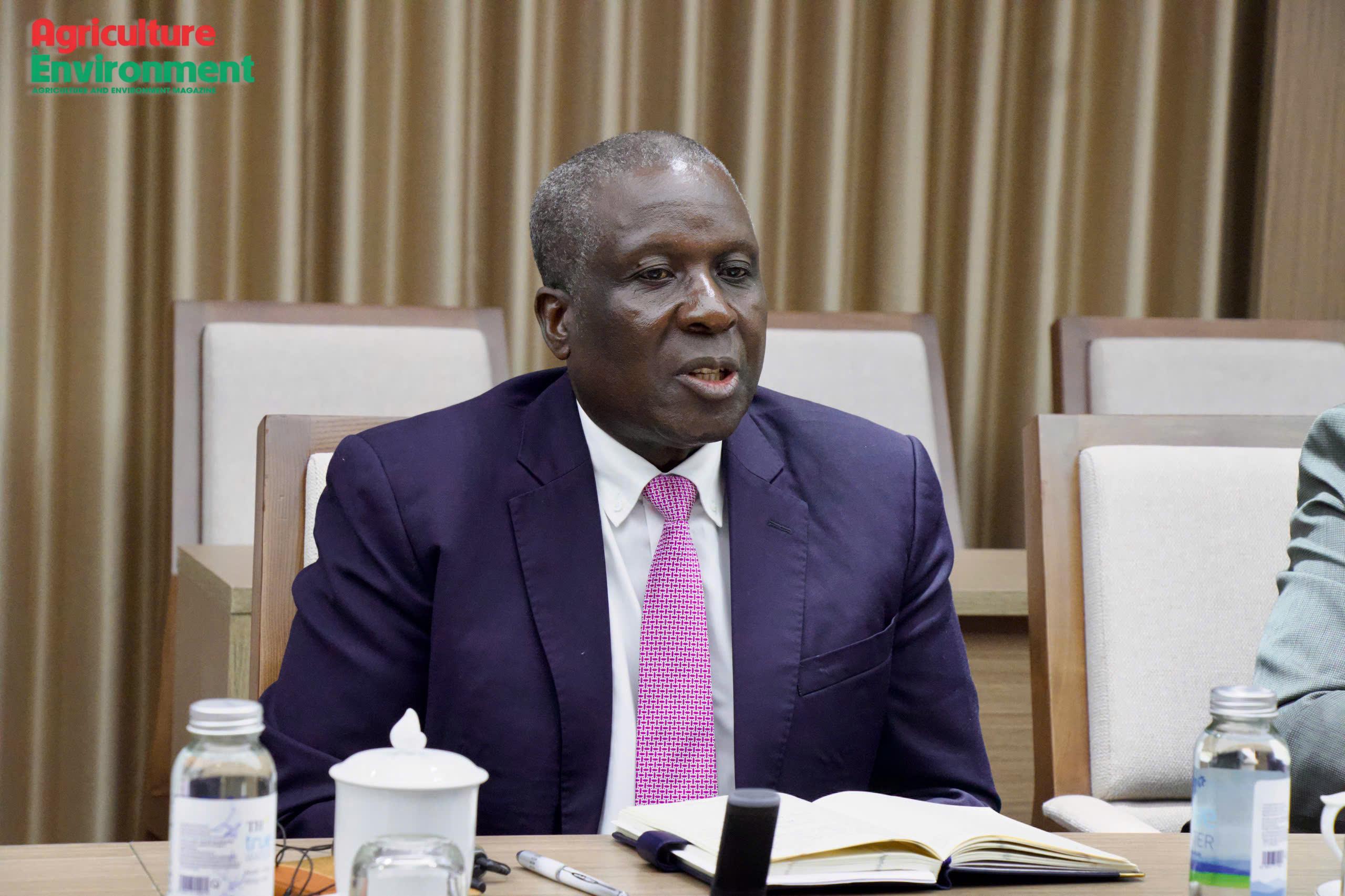
According to Minister Mtolo, firsthand observation of production and research models helped the delegation better understand the factors behind Viet Nam’s achievements in agricultural development. Several reforms implemented by Viet Nam were considered practical and feasible and could provide useful references for Zambia as it restructures its agricultural sector.
To further advance cooperation, Minister Mtolo proposed that the two sides soon develop a framework MoU, which he said would serve as a starting point for both policy dialogue and practical cooperation.
The proposed MoU is expected to focus on several key areas, including expert exchanges, sharing of technical knowledge and experience, support for agricultural policy reform, promotion of private-sector cooperation, and research and design of agricultural development models suited to local conditions.
To facilitate implementation, Zambia proposed establishing a joint working group to prepare specific cooperation initiatives and policy recommendations for the Zambian government. The minister also expressed hope that Viet Nam would send an expert delegation to Zambia in the near future to support discussions on agricultural policy development.
Deputy Minister Hoang Trung said Viet Nam is ready to cooperate with Zambia in areas such as policy and institutional development, crop production technology transfer, expert exchanges, research and training, development of cooperative models, and increased participation of the private sector.
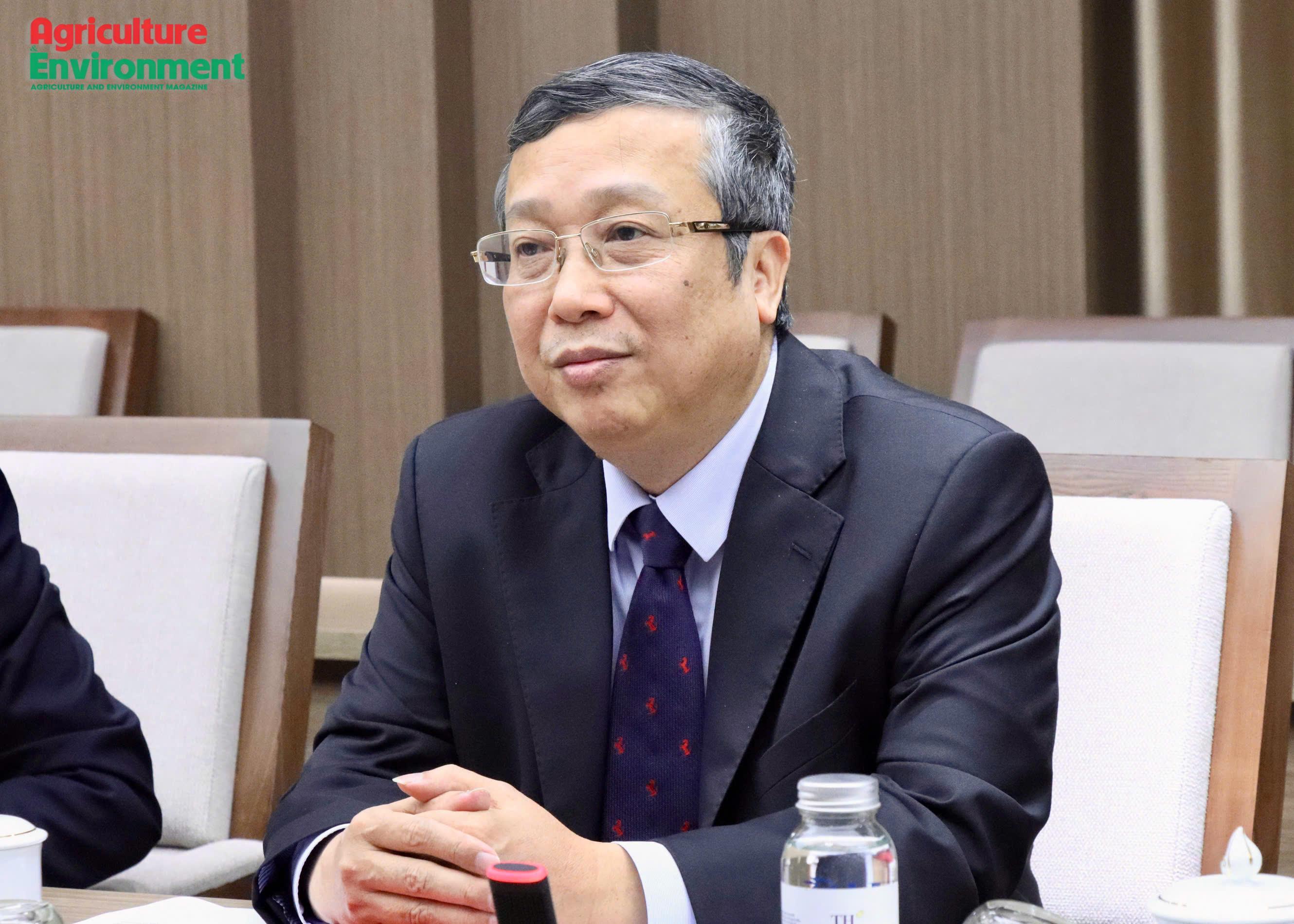
He said these areas of cooperation would be formalized in the MoU with a clear roadmap and implementation mechanisms. Viet Nam also proposed that the MoU draft be finalized based on the outcomes of the delegation’s visit so it can be signed at the earliest opportunity, providing a foundation for concrete cooperation programs.
After returning home, the Zambian side is expected to review and finalize the draft MoU before sending it back to Viet Nam, paving the way for agreement on the content and signing through a flexible arrangement.
Expanding Viet Nam–Zambia agricultural investment
During the meeting, Deputy Minister Hoang Trung also highlighted the potential for agricultural investment cooperation between Viet Nam and Zambia, particularly as Zambia has about 45 million hectares of arable land and is actively seeking investment to expand agricultural production.
Viet Nam assessed Zambia as a market with strong advantages in land resources and favorable natural conditions for agriculture. Viet Nam, meanwhile, has strengths in crop varieties, agricultural machinery and equipment, production organization and market development. Combining these advantages could create opportunities for cooperation in crop production, livestock development and agro-processing.
To facilitate Vietnamese investment in Zambia, Viet Nam proposed that the two countries consider establishing an appropriate legal framework through the signing of specific cooperation agreements to protect and encourage companies to implement large-scale agricultural projects, particularly in commercial farming, animal feed production and agro-processing.
Responding to the proposal, Minister of Finance and National Planning Situmbeko Musokotwane said facilitating investment and production cooperation between businesses from the two countries would help expand bilateral agricultural cooperation.
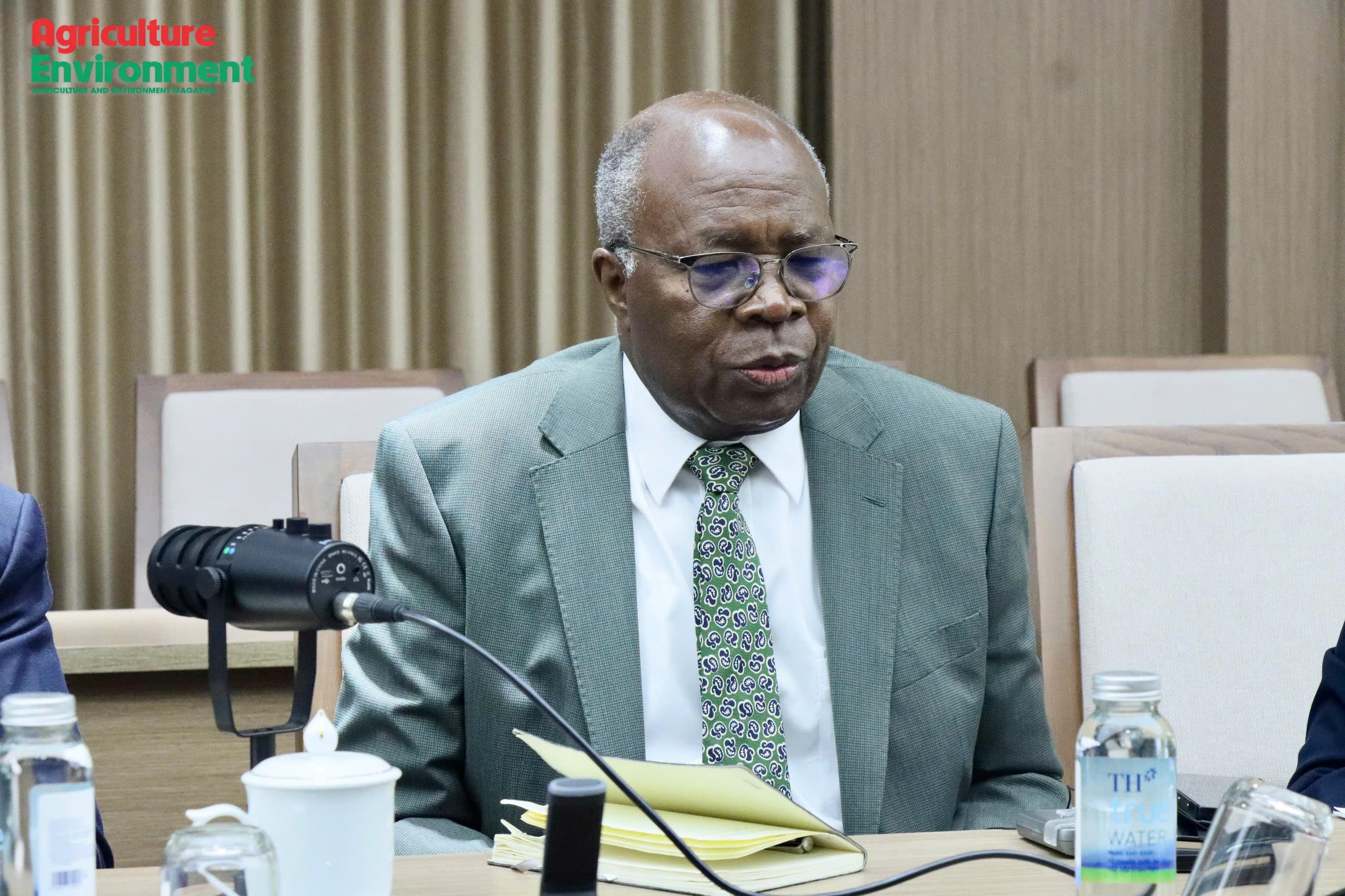
Minister Musokotwane said promoting bilateral investment would not only create development opportunities for businesses but also enable farmers to directly observe the effectiveness of new production models, providing momentum for sustainable agricultural development.
He also expressed hope that more Vietnamese delegations—particularly investors and enterprises—would visit Zambia to explore cooperation opportunities. The Zambian government, he said, is ready to welcome and provide favorable conditions for Vietnamese businesses implementing agricultural and related investment projects.
In addition to technical cooperation and investment, agricultural human resource development was identified as another key pillar of bilateral cooperation.
Deputy Minister Hoang Trung said Viet Nam is ready to receive Zambian students and interns at Vietnamese agricultural institutes and training institutions. This would help strengthen Zambia’s professional capacity while promoting exchanges of knowledge and experience in agricultural development.
Beyond long-term training programs, Viet Nam also proposed short-term training courses—either in Viet Nam or online—for Zambian managers and technicians in areas such as agricultural policy management and agricultural extension systems. The two countries could also strengthen links between agricultural research institutions and carry out joint research projects suited to Zambia’s soil and climate conditions.
With shared priorities of people-centered agricultural development and stronger South–South cooperation, both sides expressed confidence that Viet Nam–Zambia agricultural cooperation will continue to expand and deliver practical benefits to farmers and businesses in both countries.
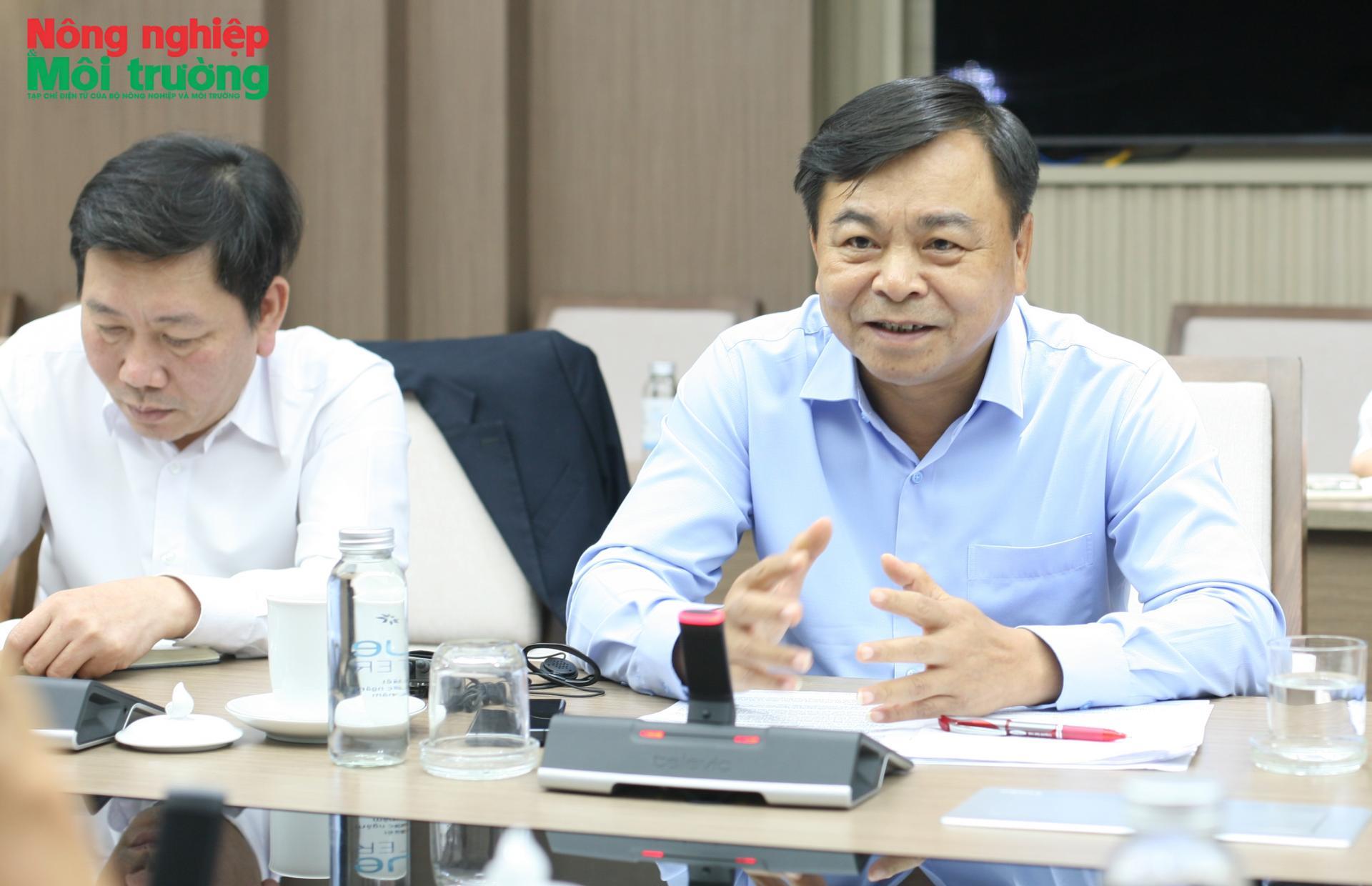
Deputy Minister of Agriculture and Environment Nguyen Hoang Hiep met with a World Bank (WB) delegation on September 9 to discuss the AgriConnect initiative. The meeting focused on ways to better connect public investment, policy and private capital to the development of agricultural value chains.
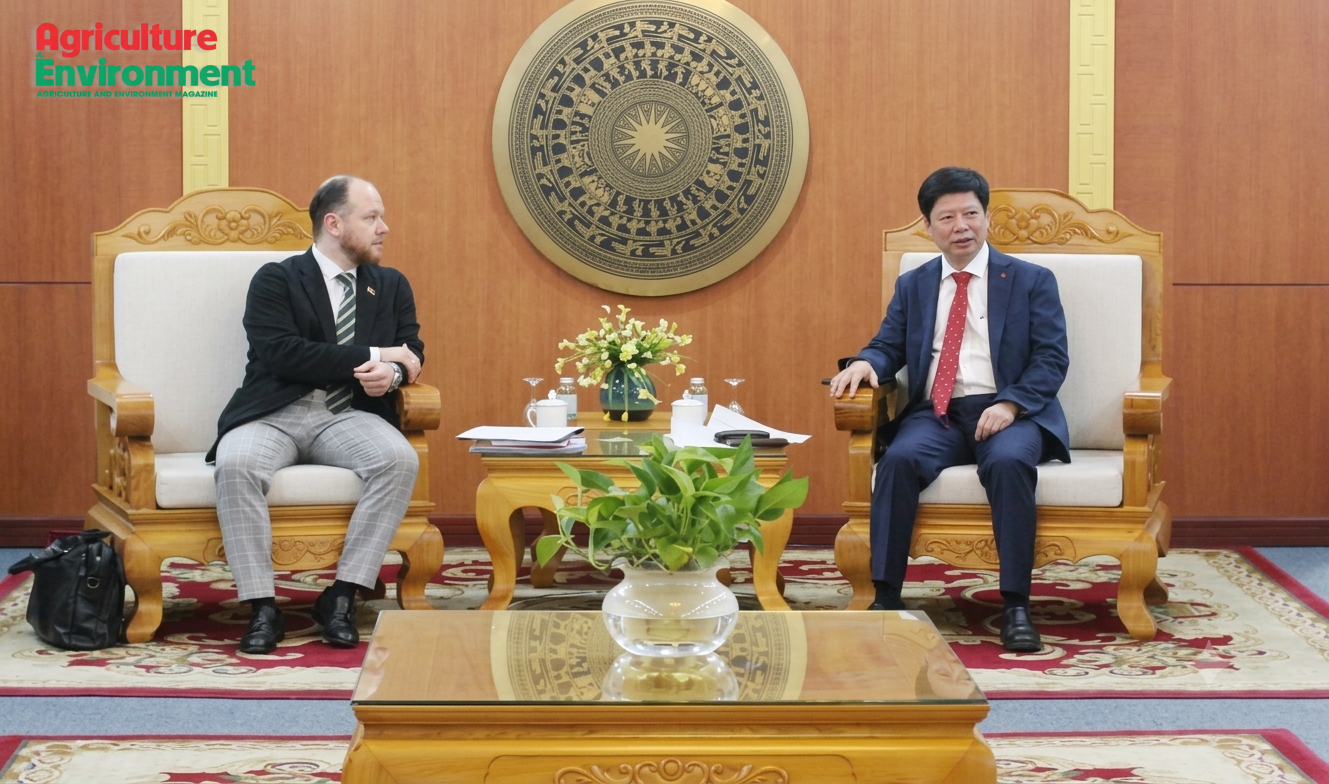
The licensing of four Belarusian companies to export boneless beef to Viet Nam, with the first shipment entering the Vietnamese market in April 2026, marks a concrete result in efforts to address market-access procedures between the two countries. In the opposite direction, the number of Vietnamese companies authorised to export meat and seafood to the Eurasian Economic Union (EAEU) is only about one-sixth the number of Belarusian companies authorised to export to Viet Nam, pointing to further scope for addressing technical barriers and expanding market opportunities for Vietnamese agricultural products.
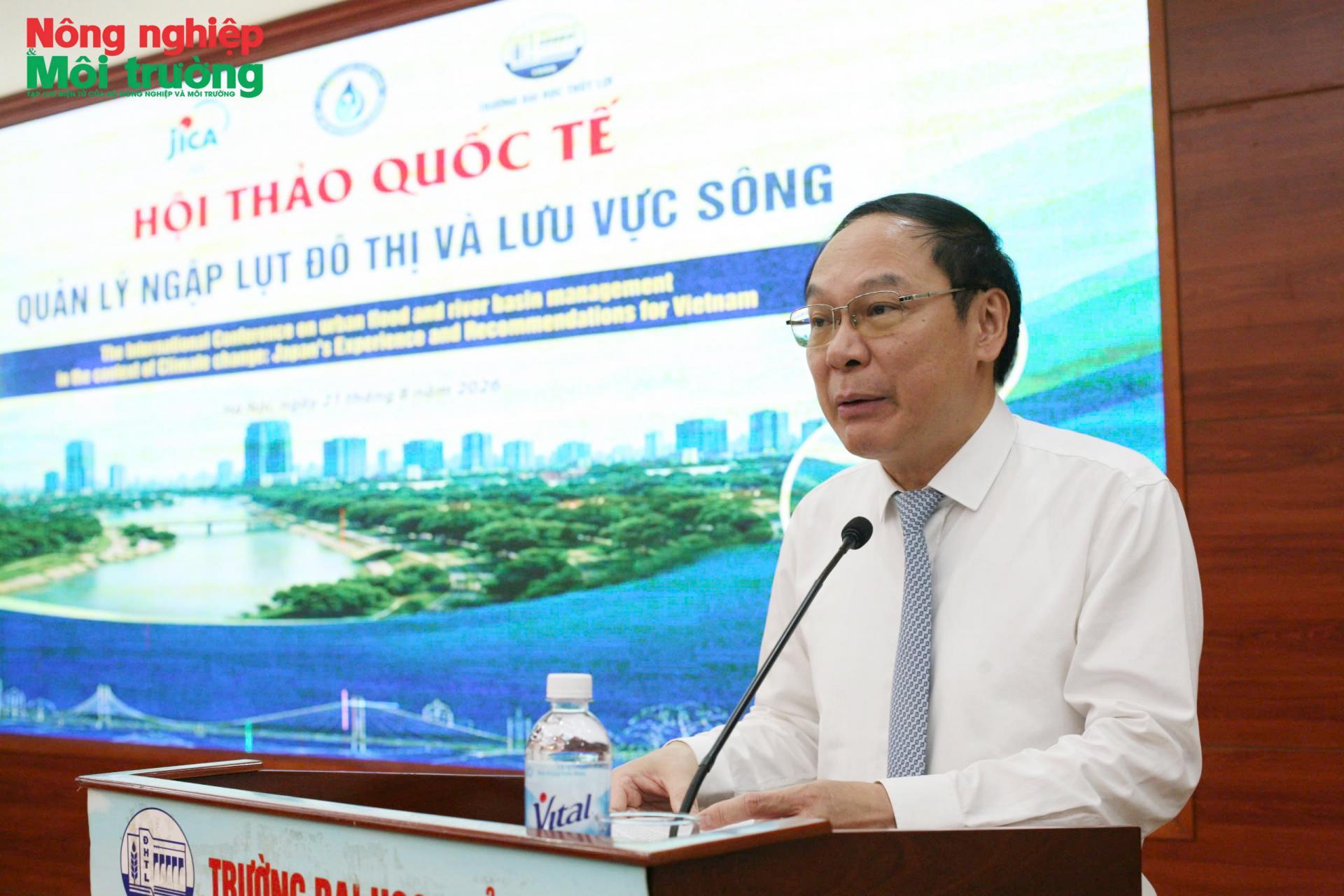
Urban flooding is increasingly influenced by a combination of heavy rainfall, river flows, tides, water-storage capacity, land use and urban spatial planning. At the international conference on “Urban flood and river basin management in the context of climate change: Japan’s experience and recommendations for Viet Nam”, held in Hanoi on August 21, Deputy Minister of Agriculture and Environment Le Cong Thanh said the issue should be addressed as part of integrated water resources management, urban planning and disaster risk governance, rather than being treated solely as a drainage problem within individual cities.
Reducing food loss and waste is not only about preventing food from being discarded. It also requires retaining and circulating value throughout the food system, from production and processing to distribution and consumption.
The August 18 meeting between Deputy Minister of Agriculture and Environment Nguyen Quoc Tri and Uruguay’s Deputy Minister of Livestock, Agriculture and Fisheries Matías Carámbula highlighted market access and balanced interests in agricultural trade between the two countries. These issues are directly relevant to translating bilateral cooperation priorities into concrete outcomes.