



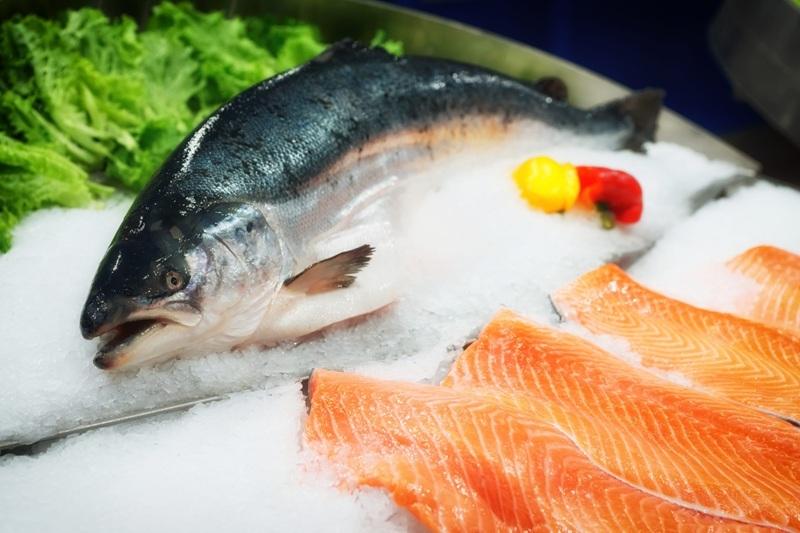
 As Vietnam’s seafood processing sector advances toward sustainable development, the need to utilize by-products—often accounting for 60–70% of raw fish weight—has become more urgent than ever. A substantial share of these materials, especially from imported salmon, is still treated as waste, despite being rich in protein, amino acids, and essential minerals.
Recognizing this untapped potential, a research team from the School of Fisheries at Can Tho University—led by MSc. Truong Thi Mong Thu and MSc. Le Thi Minh Thuy—launched an in-depth study to answer a key question: “Can natural enzymes, specifically papain, convert salmon heads and processing leftovers into high-quality protein hydrolysate and mineral powders for food and nutrition applications?” The newly published findings open a promising pathway for Vietnam’s seafood by-product industry.
From “waste” to resource: The journey begins with salmon
Salmon is widely known as a premium ingredient used in sashimi, fillets, and high-value processed foods. Yet its processing generates substantial amounts of heads, skin, bones, and viscera. More than 60% of the fish is typically discarded, even though these parts contain 18–20% protein and exceptionally high mineral levels—especially calcium.
This prompted the researchers to ask: Could these by-products be hydrolyzed using natural enzymes to produce value-added protein hydrolysate and calcium-rich mineral powders?
Their enzyme of choice was papain, extracted from green papaya latex—natural, safe, and readily available in Vietnam.
The research challenge: Identifying the “golden hour” of hydrolysis
Building on established knowledge of protein hydrolysis, the team tested six hydrolysis durations—2, 4, 6, 8, 10, and 12 hours—using salmon heads and a mixture of heads and bones.
Their aim was to determine the optimal hydrolysis time that would: maximize peptide and free amino-acid release, increase soluble protein content, enhance mineral extraction efficiency.
They evaluated key indicators, including degree of hydrolysis (DH), amino nitrogen, amino acid content, soluble protein, sensory attributes, yield of hydrolyzed protein powder, mineral content and solubility, mineral powder yield, and antioxidant capacity (DPPH). In essence, they worked to identify the point at which the enzyme delivered peak performance.
A standout result: 10 hours marks the critical threshold
After extensive statistical analysis and comparison, the team found that 10 hours provided the most effective hydrolysis for both salmon heads and mixed by-products.
For salmon heads (10 hours, 2% papain): Degree of hydrolysis: 30.4%; Soluble protein: 59.2%; Sensory score: 19.4; Antioxidant activity (DPPH): 52.8%; Hydrolyzed protein powder yield: 11.9%; Mineral content in ash powder: 96.2%; Calcium content: 34.3 g/100 g
For mixed salmon by-products (heads + bones, 10 hours): Degree of hydrolysis: 20.3%; Soluble protein: 43.5%; Sensory score: 19.1; Mineral powder yield: 26.5%; Calcium content: 37.3 g/100 g
A notable insight: while hydrolysis efficiency and hydrolyzed protein powder yield were higher in salmon heads, the mineral powder derived from the mixed by-products contained even more calcium—valuable for functional food producers.
The conclusion was clear: a 10-hour hydrolysis period is optimal for producing amino-acid-rich protein hydrolysate and calcium-dense mineral powder from salmon by-products.
Why 10 hours? The science behind the optimum
During the first 10 hours, papain continues to cleave polypeptide chains into shorter, more bioavailable peptides. Beyond that point, substrate availability declines and over-hydrolysis may occur, resulting in overly short peptides that reduce yield and compromise sensory quality.
For minerals, as proteins and lipids gradually break down and separate, bone structure becomes cleaner, enabling more efficient extraction. Extending hydrolysis time, however, increases mineral loss and promotes reactions that reduce solubility.
The optimal duration is not only scientifically important—it directly supports industrial-scale production by reducing energy consumption, lowering costs, and ensuring consistent product quality.
From lab to factory: Real-world value
Better utilization of salmon by-products reduces waste, alleviates environmental pressure, and generates high-value materials such as: functional food ingredients, natural calcium supplements, bases for hydrolyzed fish sauces, components for premium animal feeds.
If applied widely, this method would help companies: unlock new revenue streams from by-products, move toward zero-waste production, diversify product lines from the same raw material.
Hydrolyzed protein powder, rich in essential amino acids, is suitable for: pediatric nutrition, muscle recovery supplements, digestive health formulations.
Meanwhile, naturally sourced salmon calcium offers a clean-label alternative to synthetic calcium, aligning with global trends in natural nutrition.
Experts emphasize that this research contributes not only scientific insights but also clear industrial relevance—particularly in Vietnam, where seafood by-products remain underutilized.
Using papain - an affordable, locally available natural enzyme—also enhances feasibility for small and medium-sized processors who currently rely on costly imported enzymes.
A new horizon for Vietnam’s seafood by-product industry
By identifying the optimal 10-hour hydrolysis duration, the Can Tho University research team has developed a practical, scalable process for converting salmon by-products into high-value raw materials. This work brings environmental, economic, and technological benefits, and contributes to shaping the future of Vietnam’s functional food industry—natural, sustainable, efficient, and high-value.
It stands as a strong example of how Vietnamese scientific research can deliver practical solutions, bridge laboratory innovation with industrial application, and advance the circular economy in seafood.
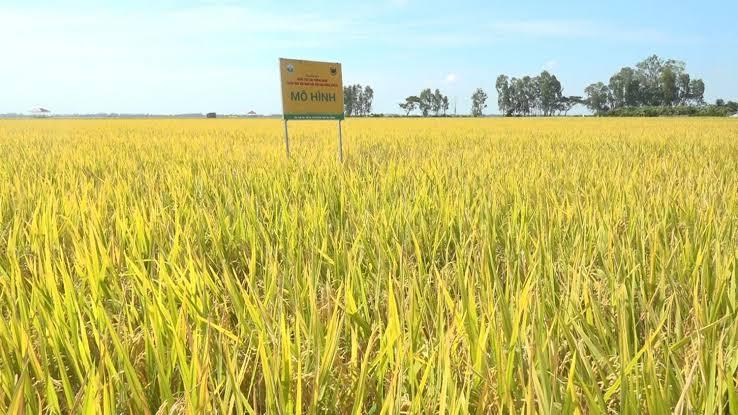
Whether rice paddy fields are inundated or dry produces distinct signatures in radar imagery. Building on this characteristic, researchers from the Southern Institute of Water Resources Research and the Vietnam National Space Center, Viet Nam Academy of Science and Technology, tested a method for detecting inundation in rice paddy fields in An Giang Province, providing an additional source of data for monitoring water regimes and estimating methane emissions from rice cultivation.
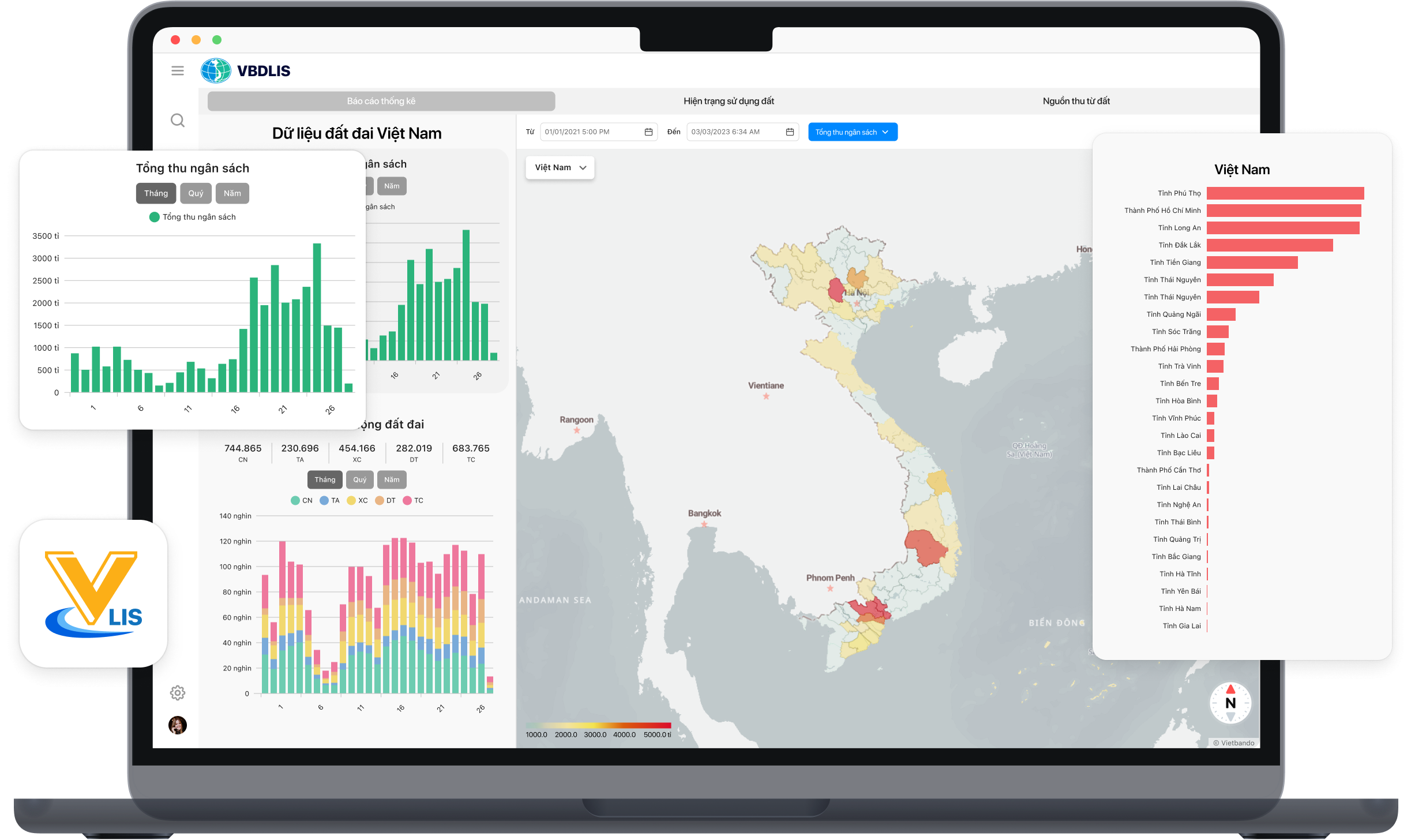
A land database can fully realize its value only when its data are accurate, complete, clean, up to date, and capable of being connected to and shared across the state management system. A study by Nguyen Dinh Trung of Vietnam National University of Agriculture and Nguyen Quang Thi of Thai Nguyen University of Agriculture and Forestry shows that applying VBDLIS in Nghe An province provided substantial support for organizing, reviewing, supplementing, synchronizing, and utilizing land data during the campaign to enrich and clean the national land database.

As digital transformation becomes a new driver of development, Vietnamese researchers have proposed a planning information system model that applies Geographic Information Systems (GIS) and artificial intelligence (AI) in Vinh Long Province. The research contributes to modernizing planning administration while introducing a new approach to digital government and data-driven governance in Viet Nam.
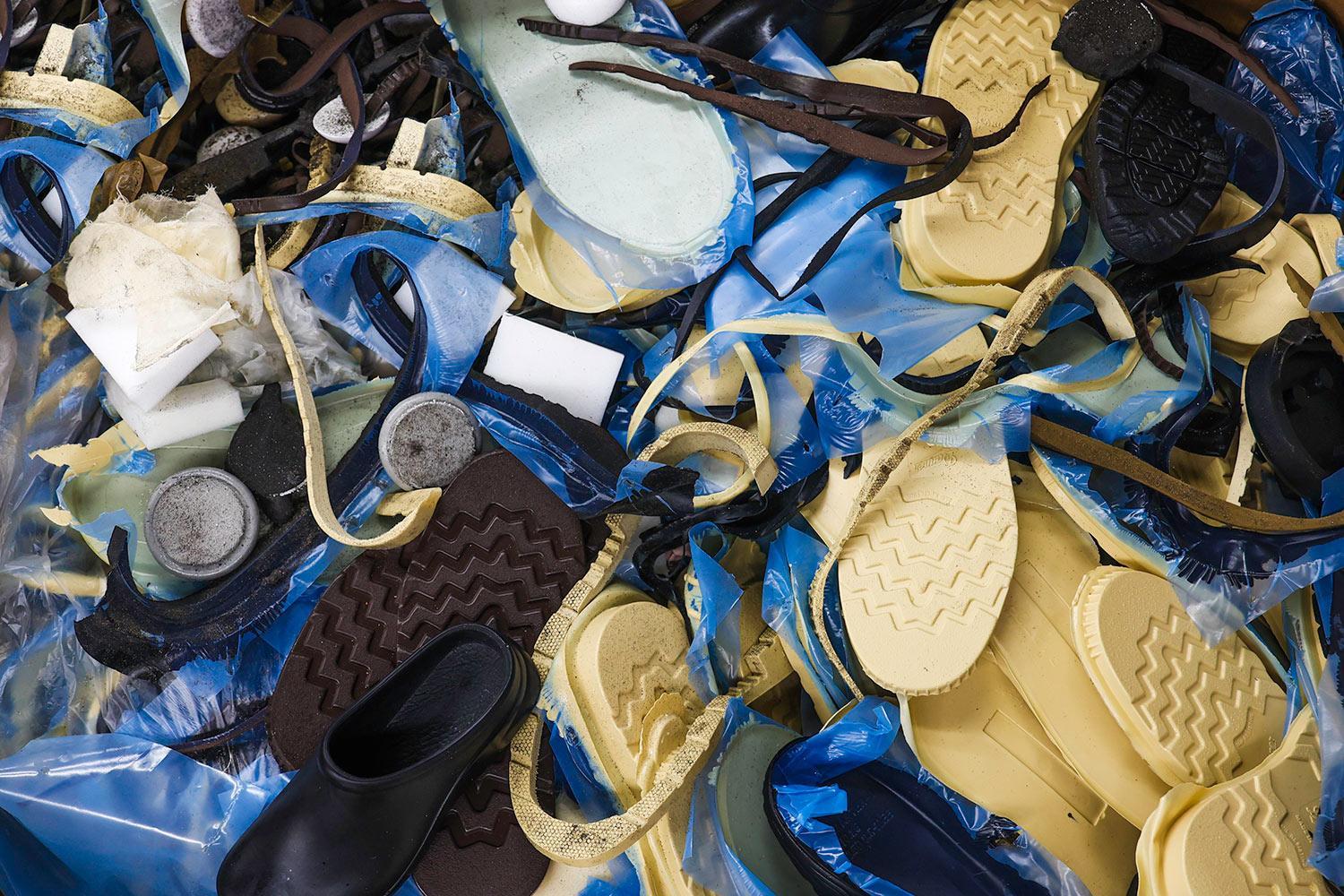
Using waste ethylene-vinyl acetate (EVA) shoe soles and vulcanized rubber—materials traditionally considered difficult to recycle—a research team from the School of Materials Science and Engineering at Hanoi University of Science and Technology has successfully developed a fully recycled composite material, creating potential new applications in green manufacturing and sustainable industrial production. The study not only contributes to addressing industrial waste challenges but also highlights Vietnam’s growing research and innovation capacity in sustainable materials and the circular economy.
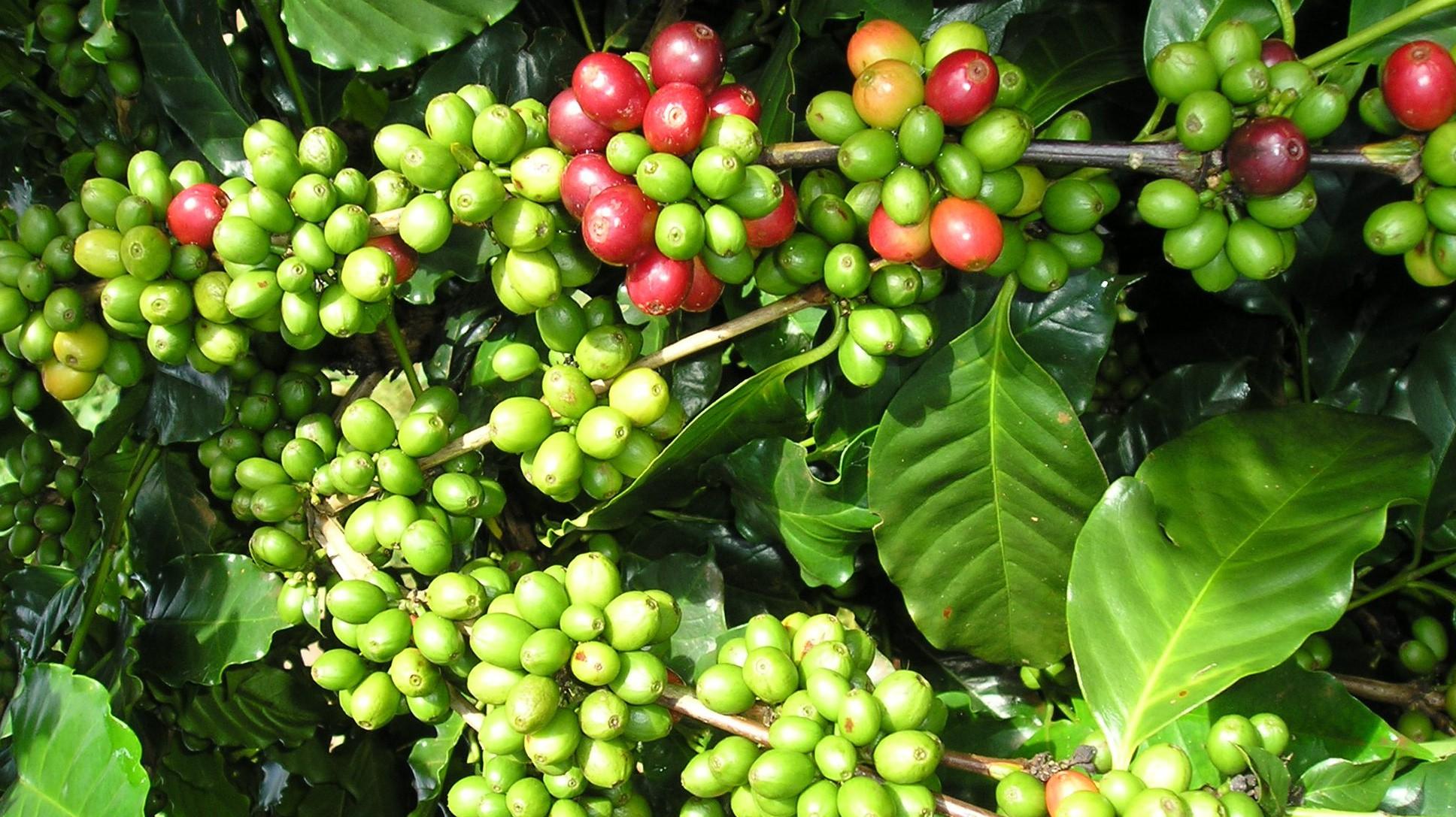
The research project entitled “Development of a suitability map for Arabica coffee cultivation on sloping land in Dien Bien province using remote sensing data, GIS technology, and the analytic hierarchy process (AHP)” conducted by Dinh Xuan Hung, Bui Tuan Hai, and Nguyen Ngoc Sang of the Institute of Water Resources Planning represents a scientifically and practically significant study in the context of ongoing agricultural restructuring toward sustainable production systems that are better adapted to natural conditions and capable of utilizing land resources more efficiently in Viet Nam’s Northern midlands and mountainous region.