



 Government Decree No. 98/2018/NĐ-CP, which sets out policies to encourage cooperation and linkages in agricultural production and marketing, has been the most important legal foundation, enabling nearly 3,000 linkage projects to be approved over six years. Yet in-depth analyses show two systemic constraints still holding back progress: legal and practical obstacles to land consolidation for large-scale production, and limited access to credit for cooperatives.
In the era of Industry 4.0 and deepening global integration, science and technology (S&T) and digital transformation (DT) have evolved from mere production tools into strategic levers — foundational solutions capable of addressing these two structural economic bottlenecks. This article examines the Ministry of Agriculture and Environment’s (MAE) strategic orientation in using S&T to promote transparency and broaden access to resources, opening a new chapter for Vietnam’s contract-based agriculture.
The strategic role of science in agricultural restructuring
Vietnam’s agricultural sector is rapidly shifting from a “food security” mindset to one focused on high-quality value chains. That shift demands scientific leadership. The MAE’s strategic guidance identifies S&T as an indispensable pillar of cooperative and linkage models.
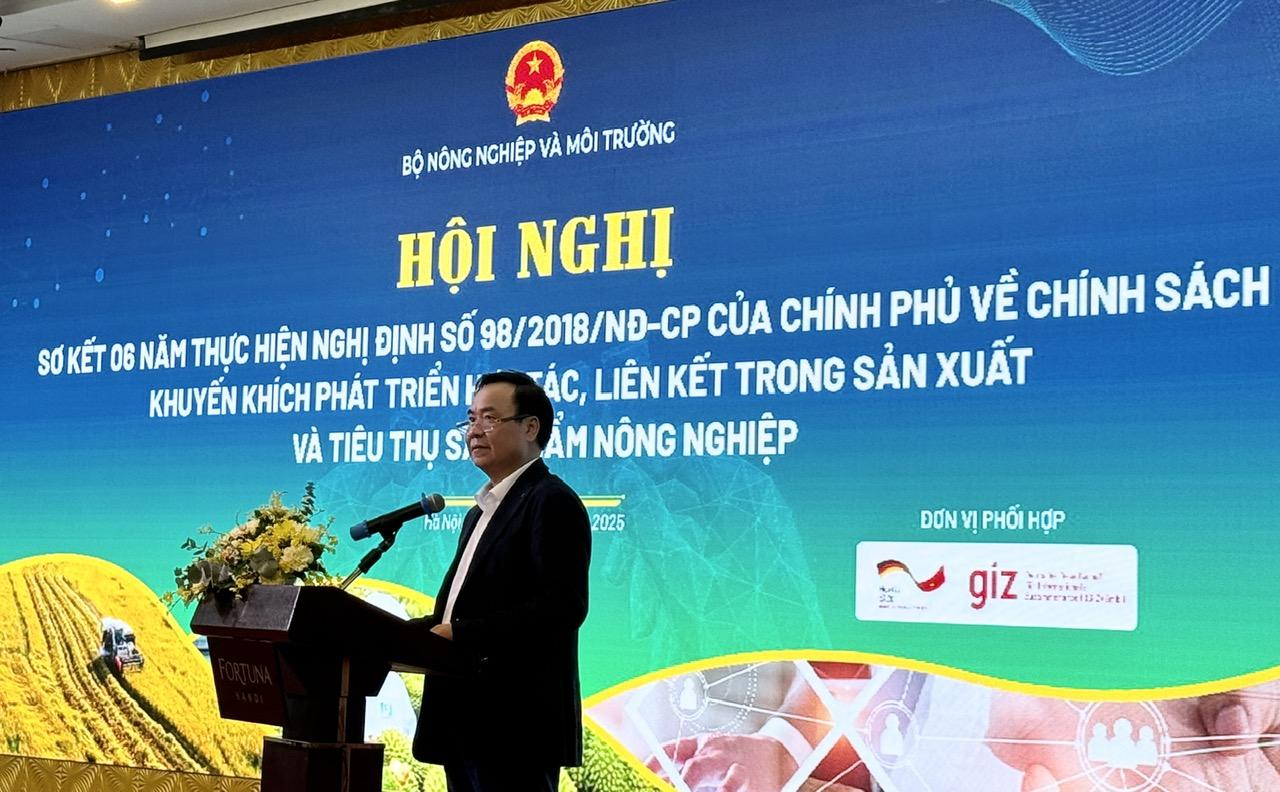
At the national review conference marking six years of implementing Decree 98, Deputy Minister Vo Van Hung called for stronger linkages within the four-actor partnership—farmers, enterprises, scientists, and the State—with banks increasingly engaged, to build a cohesive agricultural ecosystem from production to processing and consumption, grounded in trust, responsibility, and shared benefits.
By placing scientists at the core alongside farmers and enterprises, and by recognizing the banking sector’s growing role, the Ministry signals that S&T is a nonnegotiable element for building an agricultural sector that is ecological, modern, integrated, and sustainable.
Advancing green technology transfer: Scientific advances underpin sustainable cropping systems. Typical examples include adoption of low-emission techniques such as the “One Must, Five Reductions” model and the System of Rice Intensification (SRI) in the Mekong Delta. These technology transfers have raised farmers’ profits by VND 4.6–15.8 million per hectare (aggregated figures) while supplying lower-carbon rice suitable for export markets.
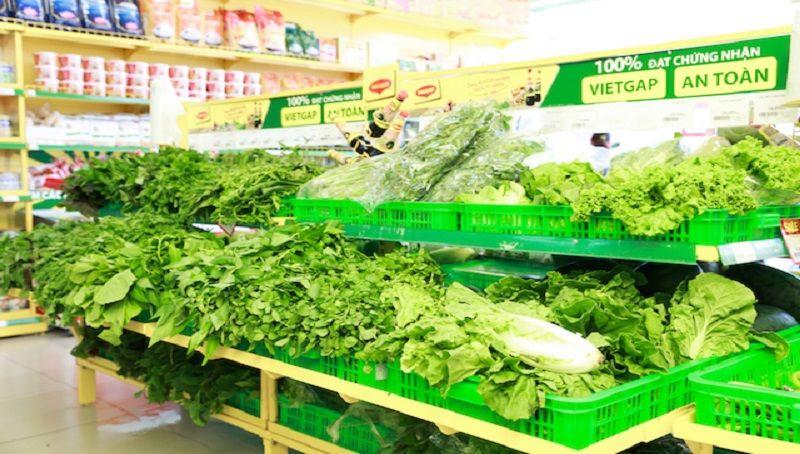
Standardization and quality upgrading in crop production: S&T provides the basis for meeting international standards — VietGAP, GlobalGAP, HACCP. Digital monitoring and rigorous quality-management practices, as seen in Tiền Giang’s durian and Đồng Tháp’s longan sectors, not only ensure food safety but also enhance the competitiveness and value of Vietnamese agricultural exports. However, S&T’s role extends beyond production techniques. The current priority is to use science to address governance, financial and institutional challenges — an area where digital transformation is essential to create a transparent, efficient linkage environment.
Digital transformation and land constraints: Developing smart raw-material zones
Legal and historical constraints on land consolidation impede the formation of large, contiguous raw-material zones for linkage projects. Digital transformation offers an indirect but highly effective remedy.
The land problem stems from dispersed planning, nontransparent information and cumbersome procedures. Deputy Minister Vo Van Hung has called for information transparency through the creation of a national digital database on linkage areas, crops, livestock, priority products, and land. Digitalizing raw-material zone data will improve management, monitoring and production planning.
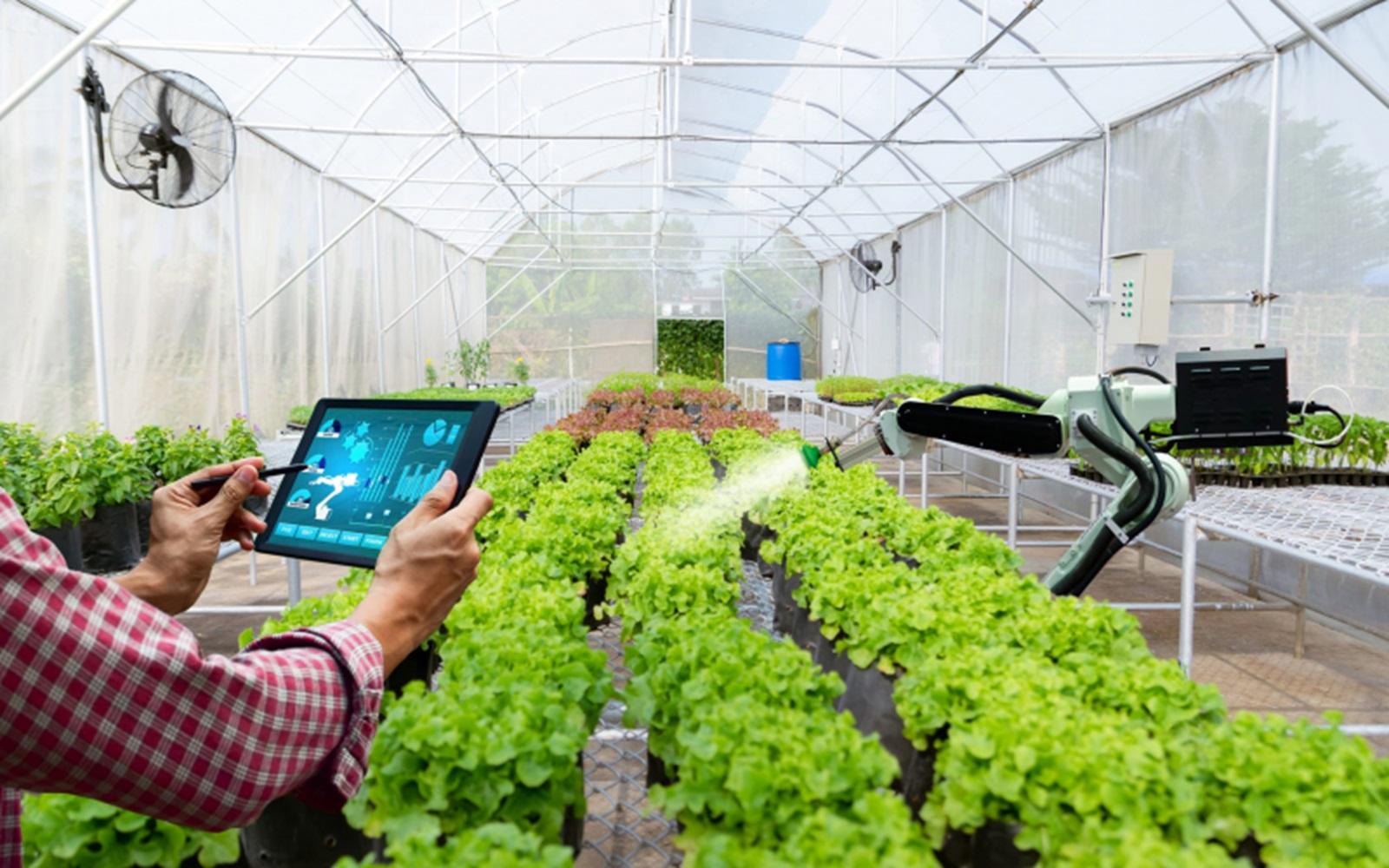
Applying GIS and remote sensing technologies: A national digital database should rest on digital mapping, GIS (geographic information systems) and remote sensing. These technologies give authorities and enterprises precise, up-to-date information on land use status, crop types, yields and soil conditions.
Aggregating information to reduce transaction costs: Digital data forms a virtual map of planting areas, allowing enterprises to locate and assess the scale and quality of raw-material zones without expensive field surveys. Rather than physically consolidating land plots, businesses can aggregate information, lowering transaction costs and making investments in linkage projects more attractive.
Supporting electronic production area codes: Digital land data is the foundation for issuing electronic planting area codes and packing-facility codes required by export markets, enabling rapid and accurate traceability.
DT also helps cooperatives (HTXs) manage inputs more efficiently and reduce waste (seed, fertilizer, plant protection products) through IoT devices and sensor networks. This increases economic efficiency and strengthens a project’s sustainability credentials — an important factor when negotiating contracts or seeking finance.
Turning trust into capital: S&T and credit solutions for cooperatives
Limited access to credit is the largest barrier for cooperatives, largely because they lack traditional collateral. S&T and DT offer a breakthrough by capitalizing trust and transforming nontraditional assets into bankable forms.
Deputy Minister Vo Van Hung’s call to integrate the banking sector into the four-actor partnership is strategic: access to capital must be resolved through market-based mechanisms built on transparent data.
“Promoting strong linkages among the four key actors—farmers, enterprises, scientists, and the State, with banks as an essential supporting partner—is critical to building a unified agricultural ecosystem from production to processing and consumption, grounded in trust, responsibility, and shared benefits.”
Agri-fintech and the rise of digital collateral: DT enables creation of transparent, nontraditional collateral. Digital evidence — electronic offtake contracts, digital farming logbooks, electronic quality certificates (VietGAP, GlobalGAP), and planting area codes — can serve as objective inputs for banks’ risk assessment and credit decisions.
Value chain financing models: When linkage contracts are digitized and verified, banks can lend against the value of future output embodied in verified offtake agreements rather than relying solely on static collateral. This approach gives cooperatives working capital for inputs, processing and storage, addressing chronic capital shortages.
One major risk in contract farming is contract breakdown during price spikes, which can inflict heavy losses on enterprises and erode trust — as observed in the Bạch Hà rice model in Yên Bái, where contracts were vulnerable when paddy prices rose.
Technology-enabled monitoring systems: Remote sensing and IoT can monitor compliance with agreed production protocols (correct seed, fertilizer use, and adherence to linkage terms), reducing the likelihood of contract breaches.
Smart contracts in agriculture: Blockchain-based smart contracts can automate payments or trigger small sanctions when breaches occur, increasing enforceability and transparency, thereby reinforcing the trust Deputy Minister Vo Van Hung emphasized.
Implementation challenges and policy recommendations for digital agriculture
Despite its clear benefits, implementation still faces major hurdles, particularly institutional fragmentation and limited human capacity.
At the conference reviewing six years of Decree No. 98/2018/ND-CP on policies to promote cooperation and linkages in agricultural production and consumption, experts emphasized that unlocking the full potential of digital transformation requires removing key institutional barriers:
(1) Integrating DT into policy design: Revisions to Decree 98 must embed digital transformation requirements into support mechanisms. Projects seeking subsidies or credit should be required to adopt digital farming logbooks and connect to the national agricultural data system.
(2) Standardizing agricultural data: Unified technical standards are needed for agricultural data — including remote-sensing datasets, digital logbooks, and e-contracts — to ensure interoperability among the State, enterprises, cooperatives, and banks.
Weak managerial capacity in cooperatives remains the most serious obstacle to technology adoption. The government should provide incentives for rural digital infrastructure, ensuring affordable access to internet services and IoT devices. It is also essential to fund intensive training programs in governance and digital skills for cooperative leaders. Such support will help cooperatives shift from a purely “production” mindset toward data-driven business management, using data to negotiate contracts and manage finances.
Science, technology, and digital transformation represent a decisive new frontier for ensuring the long-term success of agricultural linkages under Decree 98. The MAE’s strategic emphasis on information transparency and on strengthening the role of scientists within the four-actor partnership underscores a forward-looking vision for modern, integrated agriculture.
Converting information into assets, transferring green production processes to deliver high-quality products, and using digital platforms to reinforce trust and contract enforcement are the essential pathways for Vietnam to resolve its structural land and capital constraints. By embedding S&T and DT deeply into a revised Decree 98, the agricultural sector can forge resilient, ecological, modern and sustainable value chains that deliver lasting prosperity for farmers.

A scientific study by An Giang University, Vietnam National University, Ho Chi Minh City, and the An Giang Center for Rural Clean Water and Environmental Sanitation has demonstrated the potential of water lettuce (Pistia stratiotes) for treating piggery wastewater under natural conditions. The findings show that treatment performance varies with the initial biomass density and the pollutant being targeted. The approach offers a low-cost, environmentally friendly biological treatment option with potential for application by pig farms and household producers in Viet Nam.
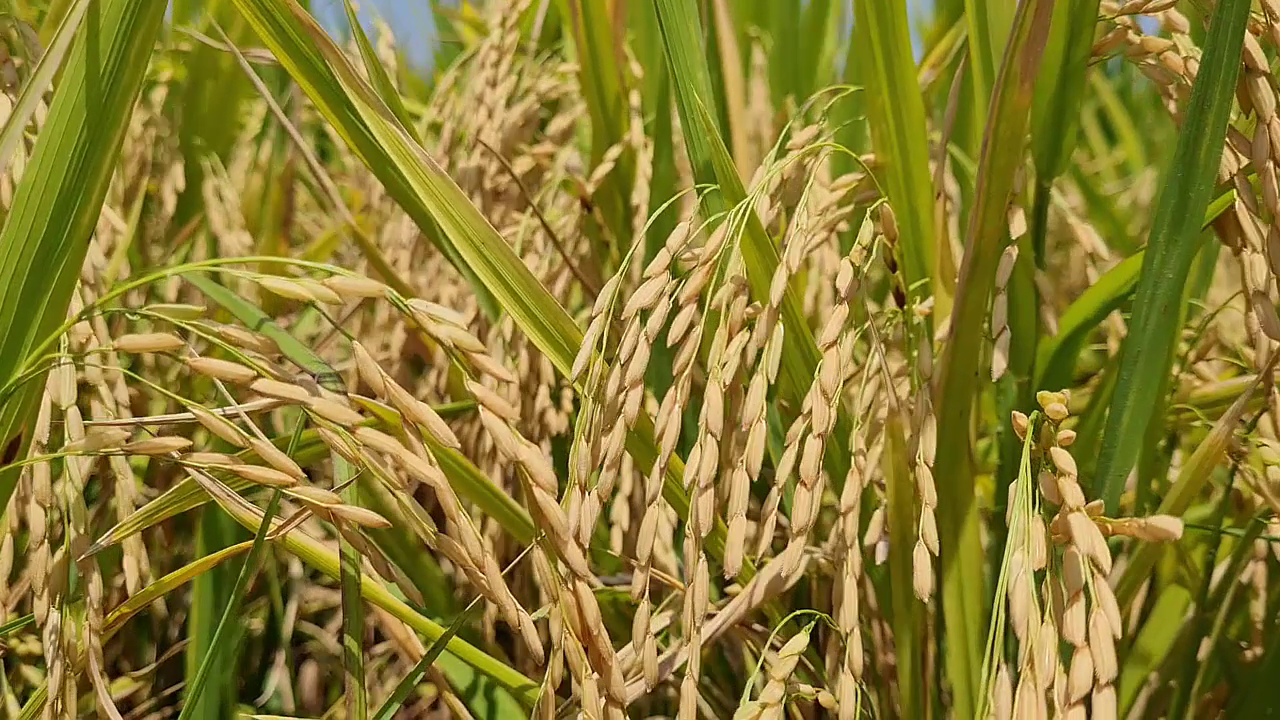
A study of 180 local rice accessions conserved at the Plant Resources Center revealed diversity in subspecies classification and grain quality traits. Within this germplasm collection, researchers identified eight accessions with promising characteristics, including aroma, low amylose content, and low to intermediate gelatinization temperatures, providing additional genetic resources for conservation and the breeding of high-quality rice varieties.
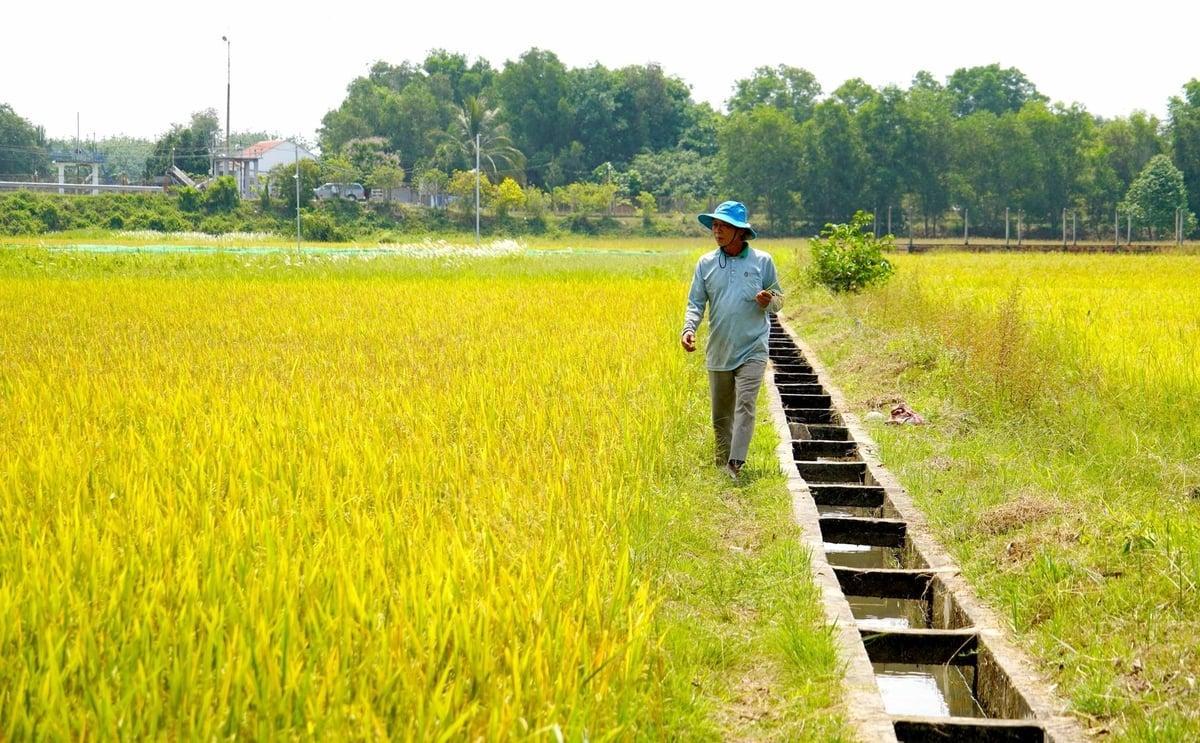
In low-lying areas of the former Cu Chi district, located in northwestern Ho Chi Minh City, seasonal flooding occurs alongside agricultural production and urbanization, creating various pressures on soil quality and its capacity for recovery. A study by Nguyen Thi Oanh, Phan Lieu, Truong Vinh Hai, and Tran Minh Tien found clear differences in soil health among rice cultivation, vegetable farming, and fruit orchards, with distinct patterns of chemical and biological degradation. The integration of multiple indicators through Principal Component Analysis (PCA) not only helped identify these differences but also provided a scientific basis for guiding soil management and restoration measures in peri-urban agricultural wetlands.
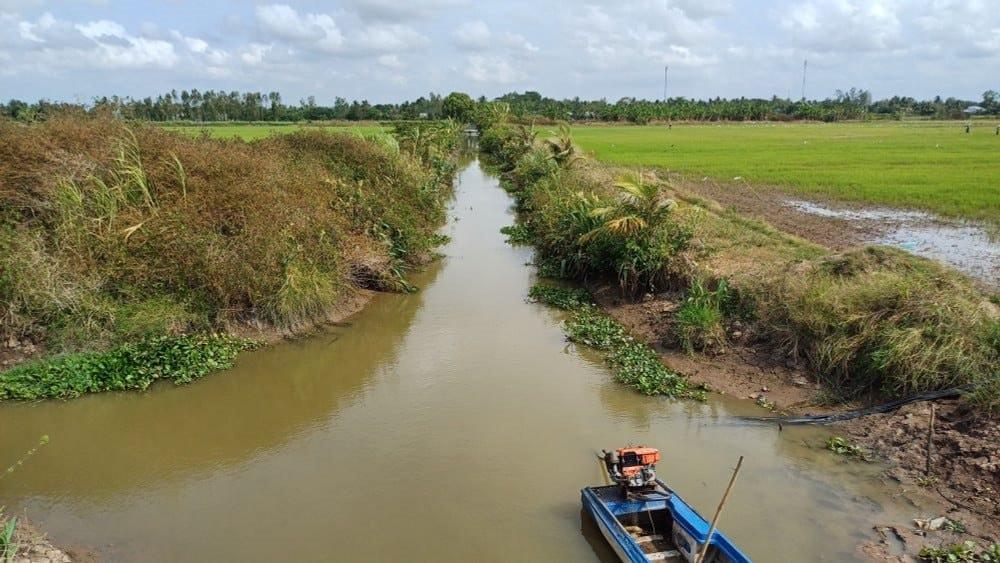
Saline intrusion is posing growing challenges to agricultural production in the lower Hau River region, where agricultural land use is closely linked to water availability. A study conducted in the former Soc Trang province, now part of Can Tho city, assessed saline intrusion risk to agricultural land use in 2024 under the RCP 4.5 and RCP 8.5 climate change scenarios for 2030 and 2050. The results show that the area of rice cultivation affected by higher salinity levels tends to increase, providing an additional scientific basis for land use planning and the selection of appropriate adaptation-oriented farming systems.
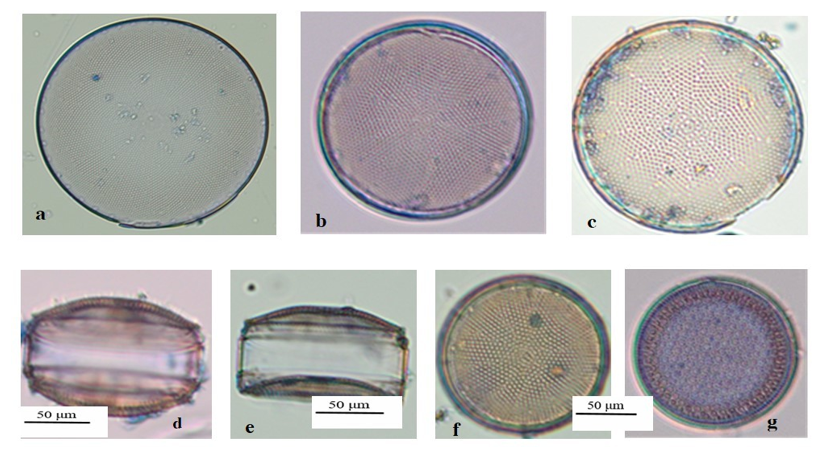
A study of phytoplankton samples collected from various marine areas of Viet Nam between 2015 and 2025 identified 21 species belonging to the genera Coscinodiscus and Coscinodiscopsis. Notably, Coscinodiscus reniformis and Coscinodiscopsis sp. were recorded and described in detail based on their cellular morphological characteristics, providing additional data for the identification and taxonomic classification of these diatom groups in Vietnamese waters.