



 As land, labor, and other traditional production inputs face increasing constraints, growth in the agriculture, forestry, and fisheries sector can no longer rely primarily on expanding production scale. Development drivers are gradually shifting toward science and technology, innovation, mechanization, and the use of data to create value. The research study “Assessing the effectiveness of science and technology in the growth of the agriculture, forestry, and fisheries sector” provides a relatively comprehensive picture of this transition in Viet Nam.
The study was conducted by Truong Thi Thu Trang, Nguyen Thi Thuy, Phan Thi Thu Ha, and Nguyen Thi Thuy An of the Institute of Agricultural and Environmental Strategies and Policies. It focuses on assessing achievements, contributions, bottlenecks, and development orientations for science and technology in the agriculture, forestry, and fisheries sector during the 2026–2030 period.
Rather than simply compiling representative technology models, the authors examine science and technology in relation to growth across the sector as a whole. Descriptive analysis, longitudinal comparisons, correlation analysis, and synthesis of research findings and sectoral reports were combined to address an important question: What changes have science and technology brought to productivity, quality, added value, and the competitiveness of Viet Nam's agriculture, forestry, and fisheries sector?
The findings show that positive impacts have emerged across multiple links in the value chain, from varieties and breeds, farming techniques, mechanization, and production management to processing, traceability, trade, and exports. However, technology adoption remains highly uneven between enterprises and farm households, among commodities, and across regions. The gap between research outcomes and their transfer and commercialization remains a major bottleneck that needs to be addressed.
Science and technology and the transformation of production
One notable achievement identified by the study is the development of new crop varieties, livestock breeds, aquaculture species, and technical advances. In crop production, 81 new crop varieties and 27 technical advances have been officially recognized. Livestock production has 59 new animal breeds and more than 93 technical advances, while aquaculture has 12 new varieties and 27 technical advances.
Behind these figures are direct changes in productivity and economic efficiency. Models using advanced farming techniques have produced higher results than conventional production. According to data compiled by the authors, average productivity increased by 10–12% in crop production and 10–25% in livestock production. Average economic efficiency increased by 10–15% in crop production and 12–35% in livestock production, while some models involving honeybees, ducks, and cattle fattening achieved increases of about 40%.
The contribution of science and technology extends beyond the development of high-yield varieties. Practices involving bio-based fertilizers and biological plant protection products, water-saving irrigation, organic farming, and circular production are improving resource-use efficiency, reducing input costs, and limiting environmental impacts.
In 2025, Viet Nam issued 9,336 growing-area codes and 1,379 packing-facility codes for 20 types of fresh fruit for export, covering a total area of approximately 444,800 hectares. More than 2,000 safe agriculture, forestry, and fisheries value chains continued to operate nationwide. These systems provide an important foundation for standardizing production processes, ensuring traceability, and meeting the technical requirements of importing markets.
The study recorded 322,490 hectares of crop production certified under VietGAP, involving 7,960 certified production establishments. In aquaculture, 3,227 hectares and 681 establishments met VietGAP standards, while 1,308 livestock farms and households received certification. The cumulative area of forests holding sustainable forest management certification reached 719,117 hectares by the end of November 2025, more than twice the level recorded during 2016–2020.
These results show that science and technology are increasingly being integrated with standards systems and quality management. Modern agricultural products require not only high productivity but also demonstrable traceability, safety, sustainability, and compliance with increasingly stringent market requirements.
Mechanization is another indicator of the modernization of production. As of July 1, 2025, Viet Nam had nearly 54,600 tractors with engines rated at 35 horsepower or more, an increase of 69.62% from 2016. The number of combine harvesters reached approximately 28,600, up 11.16%.
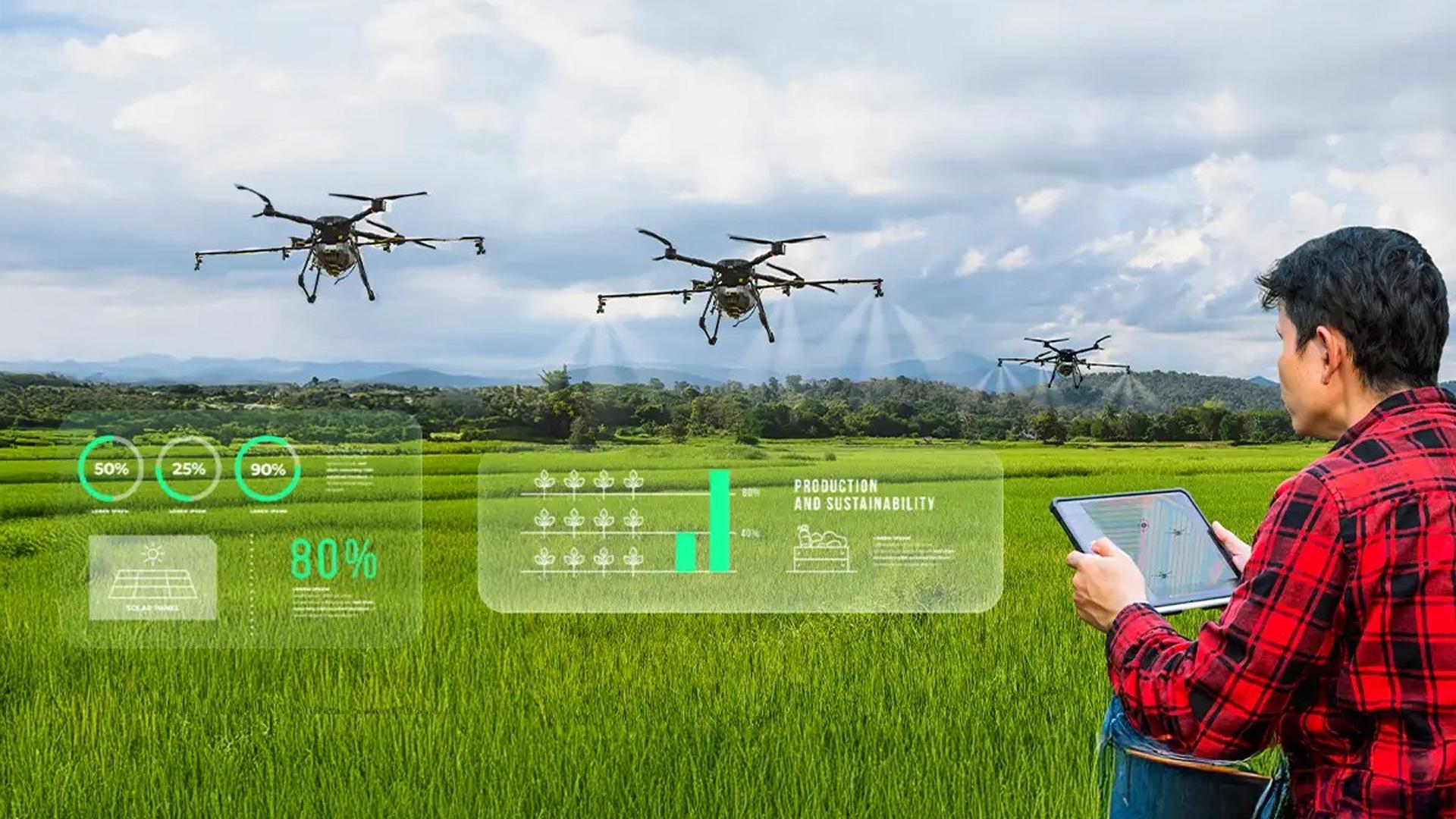
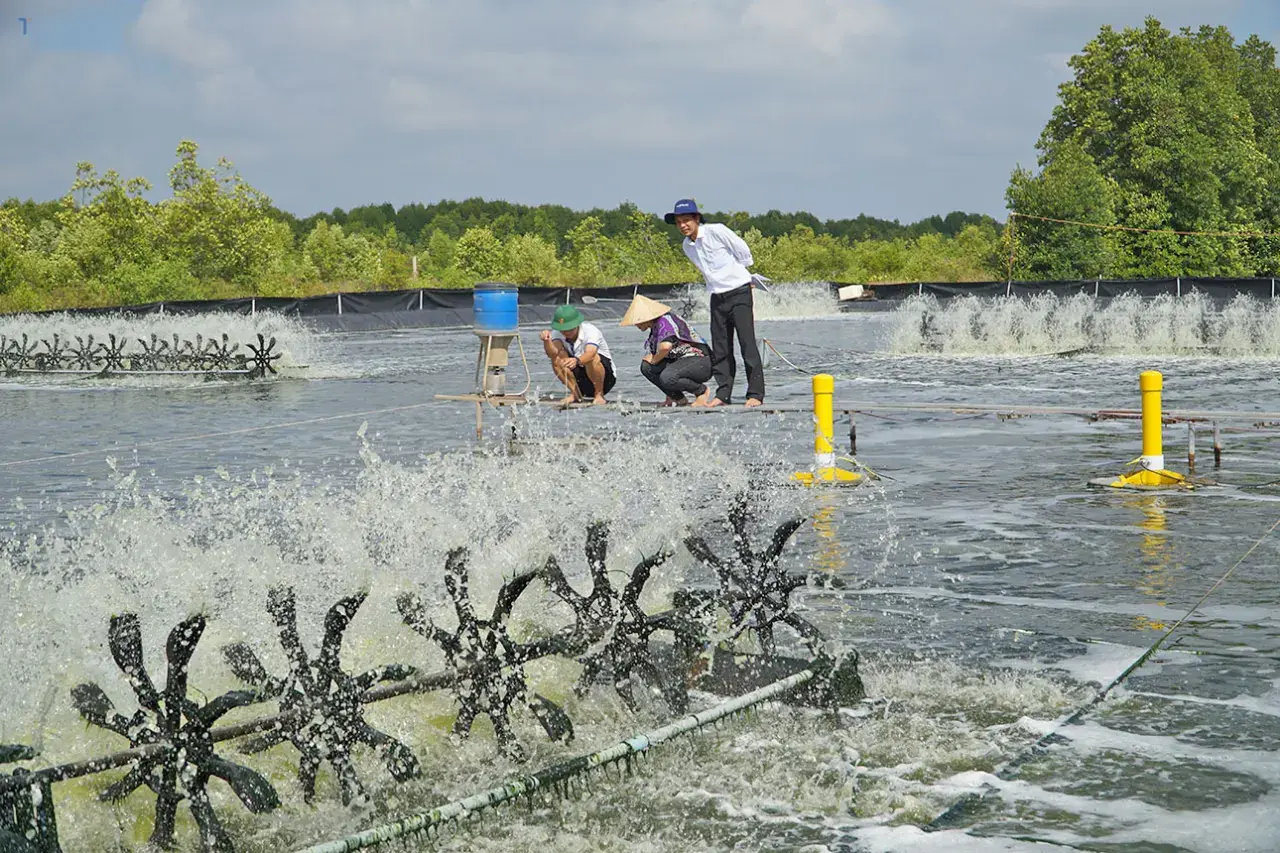
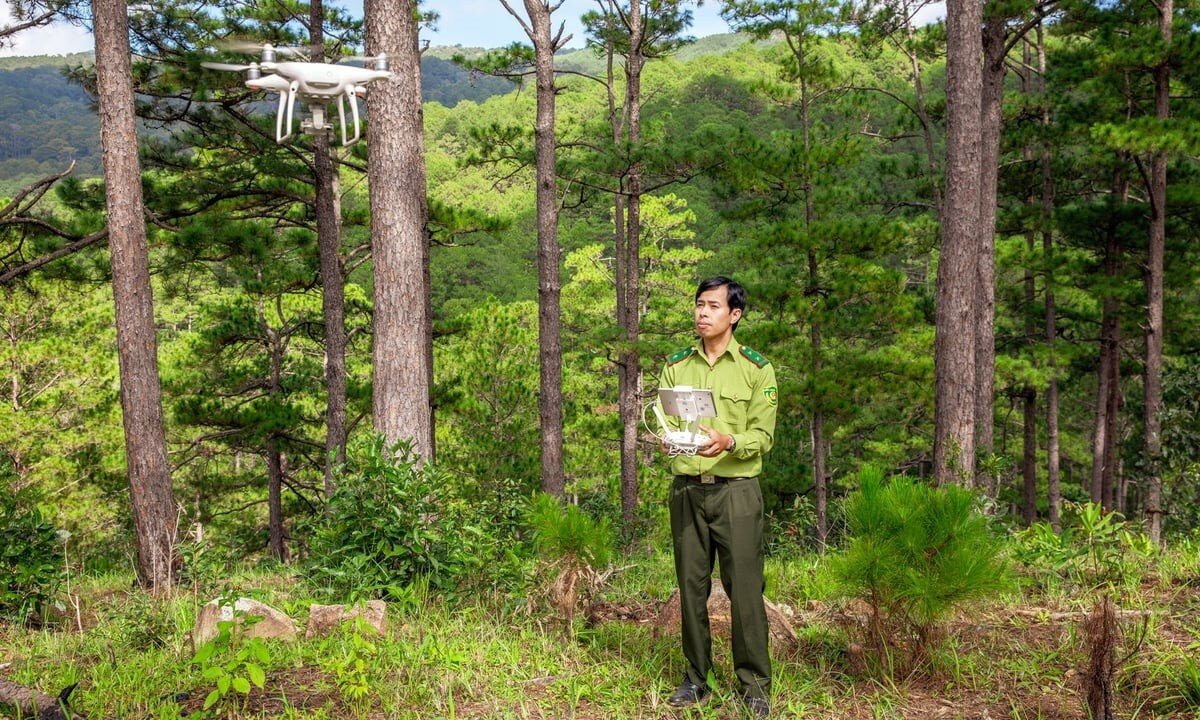
Alongside conventional mechanized equipment, a range of new technologies has been introduced into fields, farms, and aquaculture production areas. Nationwide, there were nearly 7,000 unmanned aerial vehicles, 95,700 automatic feeding systems, 142,700 livestock housing cooling systems, and 45,100 aerators and water-circulation machines used in aquaculture.
In rice production, mechanization rates for land preparation and harvesting reached 88.09% and 84.97%, respectively. According to the study, mechanization helps reduce input costs, improve product quality, and increase producers' profits by approximately 20–30%.
The rapid expansion of net houses, greenhouses, and other protected cultivation structures also reflects changes in production methods. By July 1, 2025, their combined area had reached approximately 112,300 hectares, up sharply from 4,100 hectares in 2016. In many models, computer systems, sensors, and automated equipment are used to monitor moisture, light, temperature, air conditions, and crop growth rates.
Artificial intelligence, the Internet of Things (IoT), unmanned aerial vehicles, and automated systems are gradually supporting disease surveillance, production-environment management, and process optimization. These applications enable production decisions to rely more heavily on data rather than solely on experience and responses after risks have already emerged.
In storage and processing, science and technology are helping reduce post-harvest losses, improve quality, ensure food safety, and increase product value. Viet Nam currently has nearly 8,000 industrial-scale agriculture, forestry, and fisheries processing establishments linked to exports, along with approximately 22,000 small-scale processing establishments.
According to the authors, the application of science and technology has helped the agro-processing industry maintain annual growth in added value of approximately 5–7%. Commodities such as coffee, rice, cashew nuts, fruits and vegetables, shrimp, pangasius, and wood products have generated export revenues of billions of U.S. dollars and reached 196 countries and territories. In 2025, total exports of agricultural, forestry, and fisheries products reached $70.64 billion, up 12.9% from 2024 and the highest level recorded at the time of the study.
A deeper contribution of science and technology is reflected in total factor productivity (TFP). This indicator captures the portion of economic growth that does not arise directly from increases in capital, labor, or land, but is associated with improvements in efficiency, technological capability, management quality, and production methods.
Research by the Institute of Agricultural and Environmental Strategies and Policies, as cited in the article, shows that during 2001–2020, TFP accounted for approximately 74.8% of GDP growth in the agriculture, forestry, and fisheries sector. This indicator highlights the importance of growth quality as opportunities to expand land and labor resources become increasingly limited.
During 2021–2025, despite the effects of natural disasters, disease outbreaks, and market volatility, the agriculture, forestry, and fisheries sector recorded average annual growth of 3.74%, higher than the 2.93% recorded during 2016–2020. This outcome cannot be attributed entirely to any single factor, but indicators related to varieties and breeds, mechanization, high-tech production, processing, and the digital economy suggest that science and technology have become an important component of the sector's resilience and growth.
The emerging role of the digital economy
One notable new element of the study is its inclusion of the value added generated by the digital economy in analyzing the relationship between science and technology and growth in agriculture, forestry, and fisheries.
According to data from the Statistics Authority used by the authors, the digital economy's added value in the agriculture, forestry, and fisheries sector reached VND16.702 trillion in 2025, more than four times the 2020 level. The share of digital-economy added value generated by the sector in the economy-wide GDP increased from 0.05% in 2020 to 0.13% in 2025.
Compared with GDP generated by the agriculture, forestry, and fisheries sector itself, the digital economy's contribution increased from 0.40% in 2020 to 1.12% in 2025. Using another approach based on product value, the study estimates that digital-economy activities accounted for approximately 2.1% of the sector's GDP in 2023.
An analysis of the graphs presented in the study shows a positive correlation between GDP in the agriculture, forestry, and fisheries sector and the digital economy's added value during 2020–2025. This provides additional evidence of the co-movement between the expansion of digital applications and sectoral growth.
From a scientific perspective, correlation alone is insufficient to establish that overall GDP growth was directly caused by the digital economy, because growth is also affected by markets, investment, trade, weather, and many other factors. However, the rapid increase in digital-economy added value indicates that data, digital platforms, and smart technologies are emerging as a new driver that warrants further measurement and analysis.
Digital applications in the sector extend beyond e-commerce transactions. They include growing-area data, monitoring of production conditions, weather and disease forecasting, traceability, supply-chain management, automated equipment control, and connections between producers and markets.
When integrated throughout the value chain, digital technologies can help reduce information asymmetries, accelerate responses to risks, support more precise use of agricultural inputs, and provide evidence of product quality. These are important conditions for Vietnamese agricultural products to meet increasingly stringent environmental, food-safety, and traceability requirements in international markets.
However, the study also identifies a substantial gap between advanced technology models and the level of adoption among farm households. The share of households using modern technologies in crop production is only about 9.15%. In livestock production, the rate ranges from 9.96% to 18.22%, depending on the type of livestock. In aquaculture, the rate is only about 0.7%, mainly involving Biofloc technology, recirculating aquaculture systems, IoT, and sensors.
Even in crop-production mechanization, adoption varies considerably across stages of production. According to the 2025 Census of Rural and Agricultural Areas, as cited in the study, mechanization of land preparation reached approximately 89.2%, while harvesting reached 86.1%. By contrast, mechanized seeding accounted for only 44.3% and chemical fertilizer application for 43.2%.
Thus, machinery has replaced much of the manual labor at the beginning and end of the production process, but a fully integrated mechanization chain has yet to emerge. This reduces the efficiency with which equipment is utilized and limits the ability to connect machinery with data, automation, and precision agriculture.
Only about 8.5% of rice-growing households apply water-saving irrigation combined with greenhouse gas emission reduction practices. Closed livestock housing systems with automated feeding, temperature regulation, and waste treatment are used by approximately 9.8% of pig-raising households and 11.8% of poultry-raising households. In aquaculture and forestry, many operations still rely substantially on manual labor.
These indicators allow the study to reach a balanced conclusion: science and technology have produced clear achievements, but those achievements have not been distributed evenly. Advanced models are concentrated primarily among large enterprises and concentrated commodity-producing areas, while most smallholder households continue to face constraints related to capital, scale, skills, and support services.
Policy priorities for science and technology development, 2026–2030
The value of the study lies not only in documenting achievements but also in identifying why many technologies have not been widely adopted and what policy adjustments are needed.
One important factor is limited investment in research and development. According to the study, aggregate state budget investment in science and technology accounts for approximately 0.6% of GDP, while investment in science and technology for agriculture and the environment is equivalent to approximately 0.21% of agricultural GDP.
World Bank data used by the authors show that Viet Nam's gross domestic expenditure on research and development reached approximately 0.41% of GDP in 2023, compared with 4.94% in the Republic of Korea, 2.2% in Singapore, and 1.3% in Thailand. This investment gap directly affects long-term research capacity, experimental infrastructure, human-resource quality, and the ability to develop and control core technologies.
Another bottleneck lies in the transfer and commercialization of research outcomes. Many technical advances in agriculture can be readily learned and replicated, while intellectual property rights are not always effectively protected. Many outputs generated through publicly funded science and technology tasks are state-owned, while procedures for transferring ownership or exploitation rights remain complex and time-consuming. As a result, research outcomes may be formally accepted but may not quickly become products, technologies, or services adopted by the market.
Small and fragmented production remains a structural barrier. As of July 1, 2025, households accounted for 99.84% of agricultural production units, while farms and enterprises accounted for only 0.31% and 0.07%, respectively. Among households using agricultural land, those with less than 0.5 hectares accounted for 70.45%, while only 6.29% had 2 hectares or more.
Small production scale makes it difficult for many types of machinery and high-tech systems to achieve economic efficiency. At the same time, household capacity to accumulate capital remains low relative to investment requirements. According to the 2024 Household Living Standards Survey, average annual income among rural residents was approximately VND54 million per person, while expenditure was about VND30 million, leaving approximately VND24 million for savings and other uses.
This level of accumulation is very small compared with the costs, ranging from hundreds of millions to billions of dong, of investing in protected cultivation structures, drip irrigation systems, automated livestock facilities, or high-tech aquaculture ponds. Even tractors, harvesters, dryers, and storage equipment are beyond the financial capacity of many households without long-term credit, production cooperatives, or shared-equipment services.
Technology absorption capacity is another barrier. The results of the 2025 Census of Rural and Agricultural Areas show that only approximately 21.8% of the rural working-age labor force has received formal training. The more advanced the technology, the greater the requirements for operation, maintenance, data analysis, and troubleshooting skills. Investment in equipment without corresponding investment in human capacity makes sustained technology adoption difficult.
Based on its analysis, the study proposes five pillars for science and technology development during 2026–2030: improving institutions and sector-specific policies; developing high-quality science and technology human resources; strengthening research, testing, application, and technology-transfer infrastructure; building data systems for agriculture, forestry, fisheries, and the environment; and developing strategic technologies, green technologies, biotechnology, and key digital technologies.
The proposed technology portfolio is intended not only to modernize production but also to support risk management. Priorities include monitoring, surveillance, forecasting, and early-warning technologies for hydrometeorological conditions, the environment, and diseases; unmanned aerial vehicles; autonomous robots; artificial intelligence-enabled cameras; big data; the Internet of Things; digital twins; and blockchain.
The study also identifies enterprises, cooperatives, farmers, and local communities as the center of the innovation system. Research institutes and universities are expected to play a core role in research, training, and knowledge transfer, while the State is expected to create the institutional framework, commission research tasks, and support areas where the market is not yet able to invest independently.
This represents an important shift in how the effectiveness of science and technology is assessed. Success should not be measured solely by the number of research tasks completed, new varieties developed, processes established, or papers published. It should also be reflected in the extent to which technologies enter production, generate income, reduce costs and emissions, and improve competitiveness.
The authors also propose shifting management from a process-oriented approach toward assessment of outputs and real-world impacts, with stronger ex-post evaluation, risk management, and opportunities to test new technologies and models. This approach could create greater space for innovation while ensuring that science and technology activities are more closely aligned with the needs of markets and producers.
Overall, the study has systematized a large body of data to demonstrate that science and technology are no longer external supporting factors but are becoming an integral component of growth in agriculture, forestry, and fisheries. The achievements are reflected in productivity, varieties and breeds, mechanization, processing, data, standards, and exports.
More importantly, the study identifies the boundary between successful individual models and transformation at the sector-wide level. Crossing that boundary will require Vietnam to address simultaneously the challenges of capital, production scale, human resources, data, intellectual property, and commercialization of research outcomes.
During 2026–2030, the most important measure of progress in science and technology will not simply be the number of advanced devices appearing in fields, but the ability to bring technological advances to a broad base of farmers, generate economic value, reduce pressure on natural resources, and strengthen the resilience of the sector as a whole. The study provides an important empirical basis for identifying achievements to date and clarifying the conditions required for the next stage of transition./.
Source: This article is based on the research study “Assessing the effectiveness of science and technology in the growth of the agriculture, forestry, and fisheries sector” by Truong Thi Thu Trang, Nguyen Thi Thuy, Phan Thi Thu Ha, and Nguyen Thi Thuy An, Institute of Agricultural and Environmental Strategies and Policies.
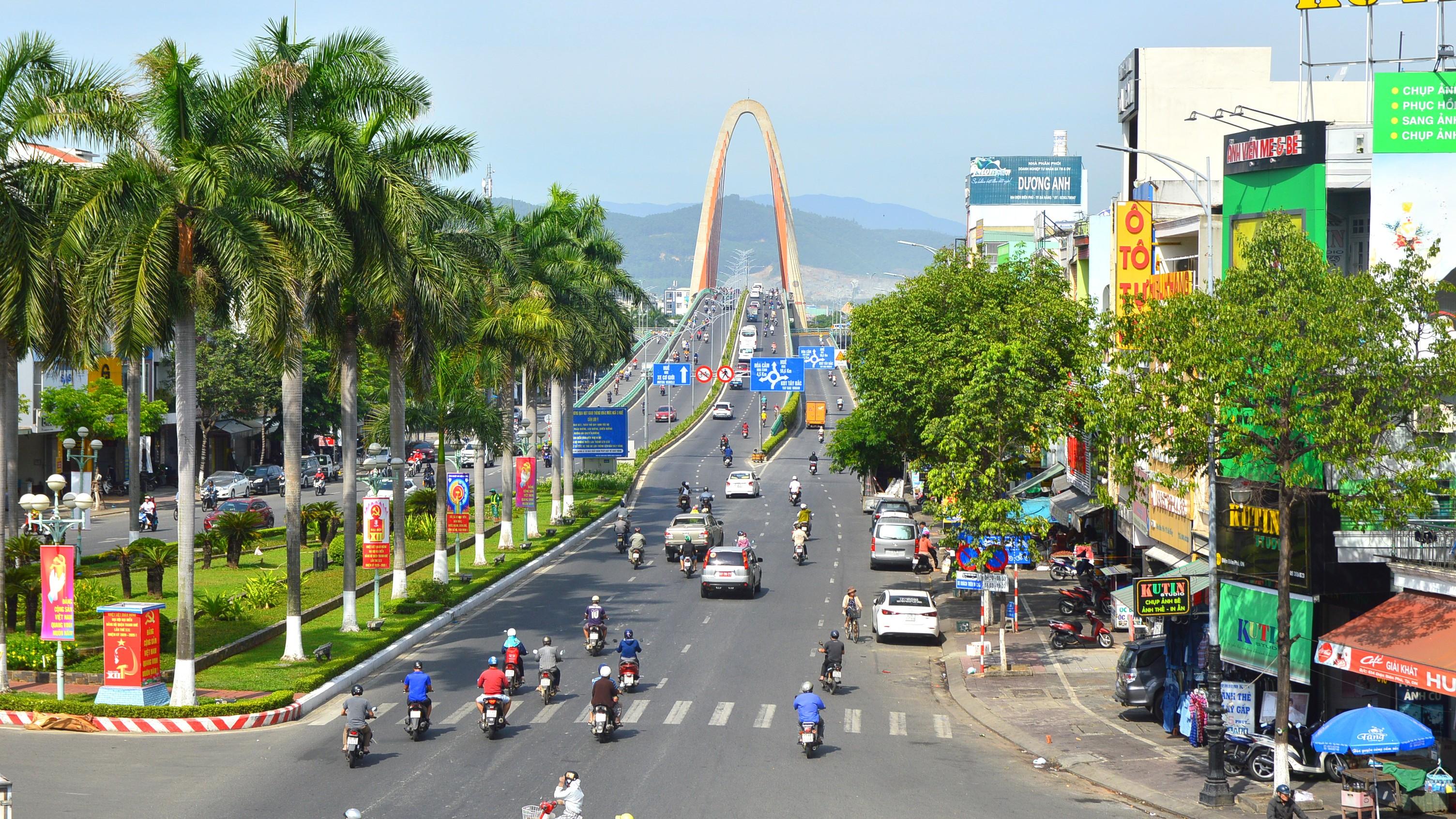
Street trees contribute to providing shade, improving the urban environment, and shaping the appearance of cities. For an urban tree system to develop sustainably, species selection, the provision of adequate growing space, and coordination with technical infrastructure need to be considered in an integrated manner. A study by researchers from the University of Agriculture and Forestry, Hue University, examined the street-tree system in the Han river and Eastern Coastal Zone of Da Nang City, identifying strengths and limitations in planting, maintenance, and management practices and proposing management and development approaches better suited to the characteristics of each area.
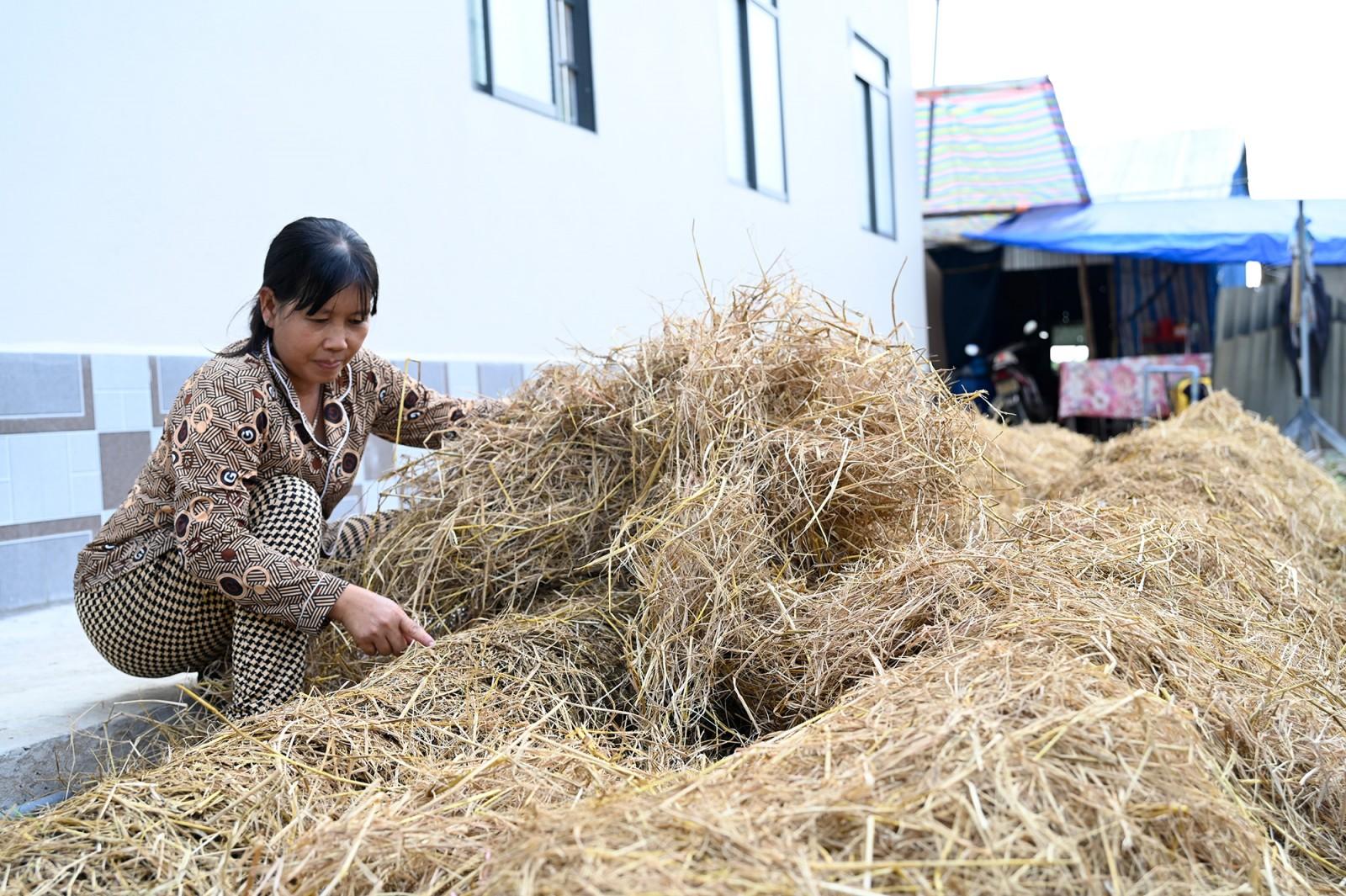
The 2020–2025 period witnessed significant changes in Viet Nam’s legal framework governing land, environmental protection, water resources, and state management, providing an additional legal basis for the development of a circular agricultural economy in Viet Nam. A study by Nguyen Thi Lanh, Nguyen Van Linh, and Nguyen Thanh Giao shows that these changes center on four main policy instruments: expanding the multi-purpose land use mechanism, strengthening technical regulations governing secondary agricultural materials, establishing incentives for water resources and green credit, and enhancing the decentralization of environmental management and monitoring at the grassroots level.
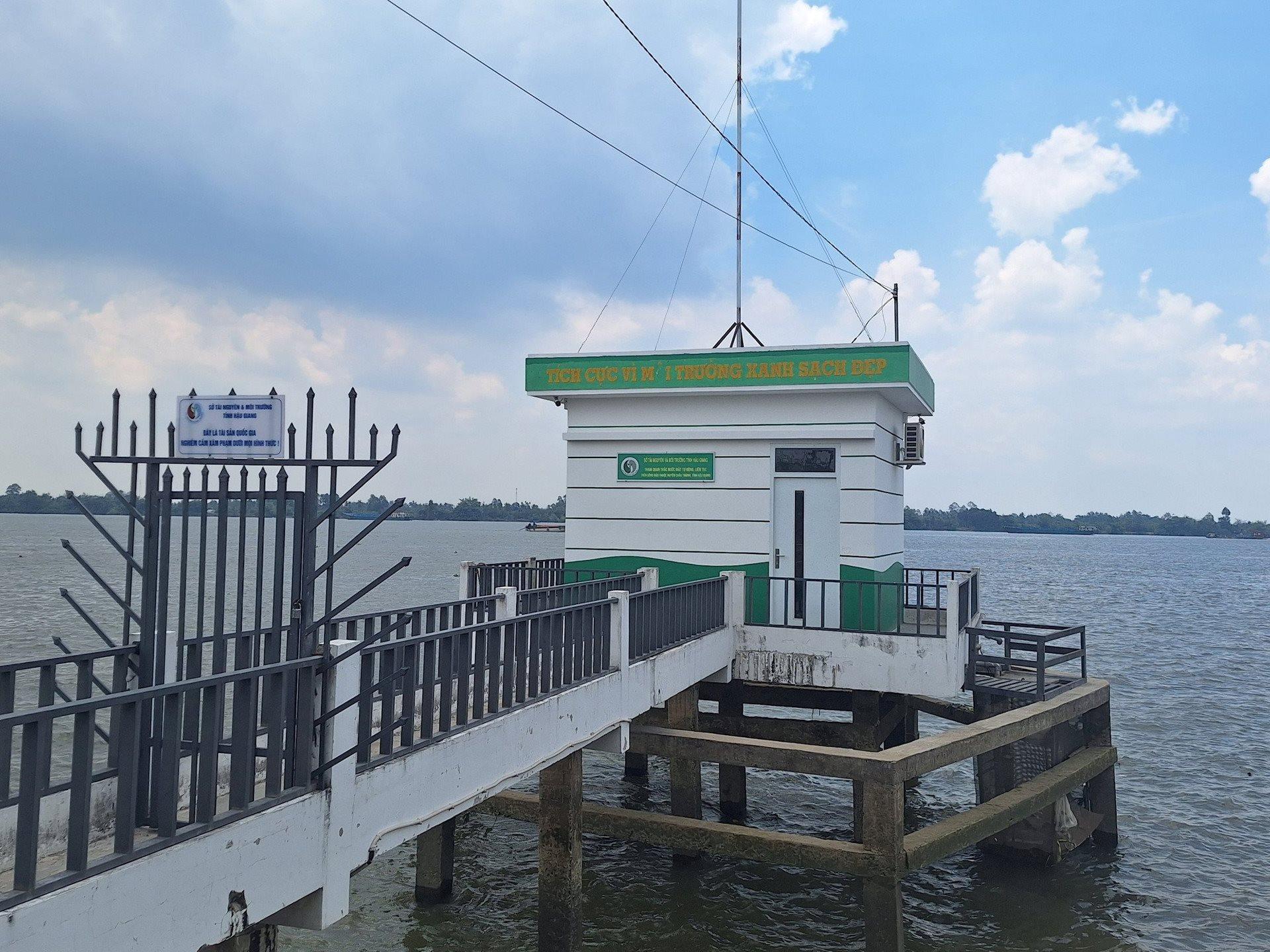
As pressure from water pollution continues to intensify and environmental management moves toward more modern approaches, the transition from conventional manual monitoring to real-time digital data-based monitoring has become an inevitable trend. A study conducted by researchers from Can Tho University and the Can Tho Department of Agriculture and Environment examines this transition through an analysis of Vietnam's legal framework on environmental protection and water resources during the 2020–2025 period. The findings clarify the foundation for a transparent, proactive, and data-driven water quality management model in Viet Nam.

Meeting established criteria is an important measure of new rural development, but it is not sufficient to answer a more fundamental question: what are residents actually gaining from the development process? A study in Thai Nguyen, drawing on subjective well-being theory and examining the relationship between importance and satisfaction, identifies notable gaps in employment, housing, infrastructure, health, individual capabilities, and time. The findings suggest that residents’ perceptions and quality of life should be incorporated into assessments of new rural development outcomes at the village level.
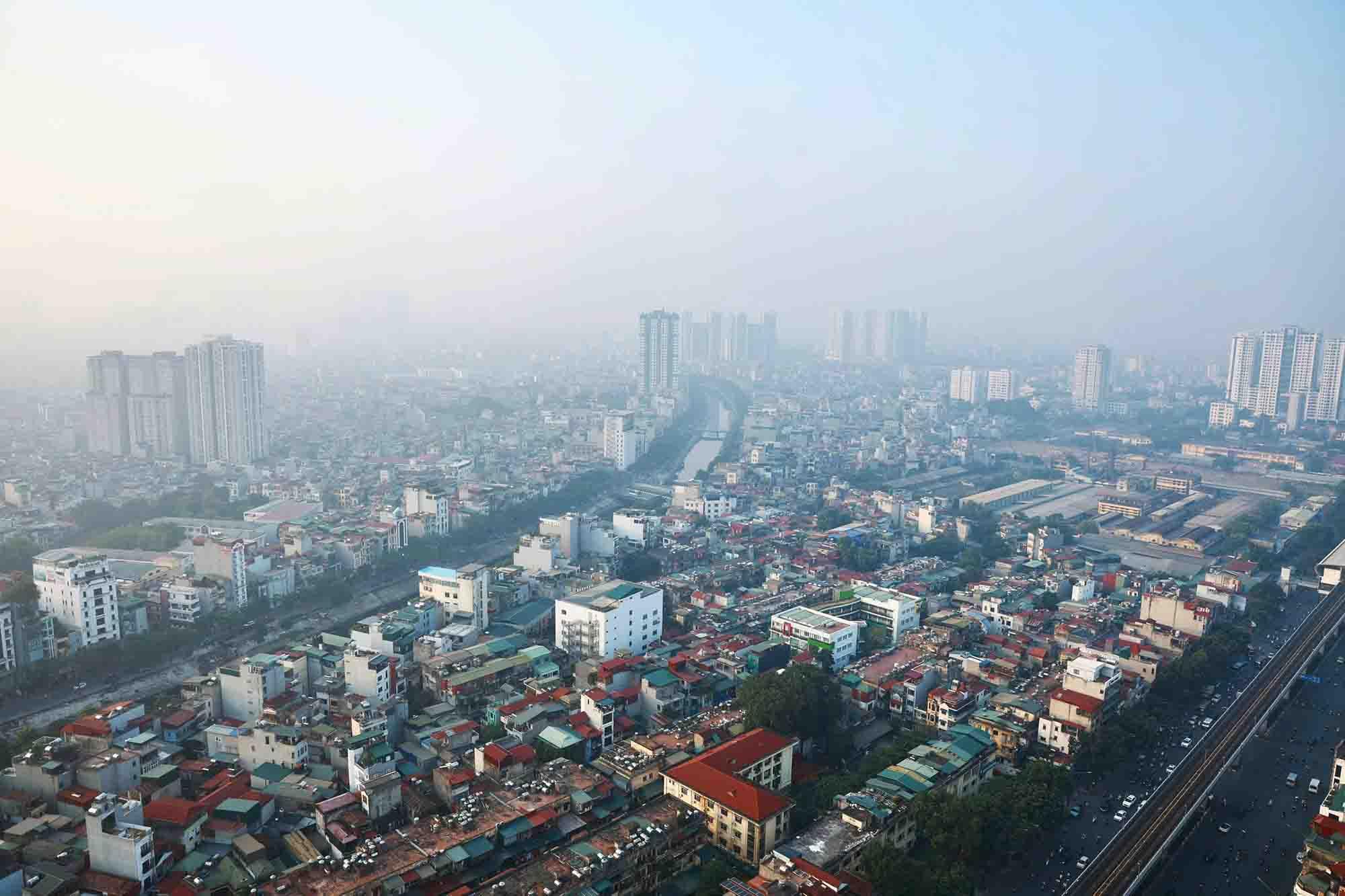
Against the backdrop of air pollution continuing to pose significant challenges to sustainable development, Viet Nam has made notable progress in strengthening its legal framework amid a broader process of institutional consolidation during the 2024–2025 period. Research conducted by a team from Can Tho University indicates that the current focus of air quality governance in Viet Nam is shifting from institutional development toward strengthening implementation and enforcement capacity, with growing demands for monitoring capability, cross-sector coordination, and the effective application of economic instruments for emissions control.